Sailing Into History: The Legacy of Walt Disney’s “Pirates of the Caribbean”


“You believe in pirates, of course?” Walt Disney once asked on a Disneyland television program. . . . 


Disney Pirates: The Definitive Collector’s Anthology delves behind-the-scenes across ninety years of Disney film, television, and park history. Pirates have captured people’s imaginations for centuries, and Walt Disney believed in pirates as a source of great popular entertainment. Walt’s very first all live-action feature film was based upon Robert Louis Stevenson’s Treasure Island, and even before that, he selected J. M. Barrie’s Peter Pan, in which pirates figure so prominently, as a key feature-length animated film for his studio.

Years later, Pirates of the Caribbean opened in Disneyland just months after Walt had passed away, making it one of the last Disney theme park attractions in which he was personally involved. That attraction ultimately spawned similar versions at Disney parks around the world, one of the most successful series in motion picture history with the five Pirates of the Caribbean films, and a vast themed land at Shanghai Disneyland called Treasure Cove – celebrating the entirety of the Pirates of the Caribbean franchise.


In the early years of Walt Disney’s animation journey, pirates played a significant, albeit subtle, role in shaping the studio’s evolving storytelling. The era from the late 1920s through the 1940s saw Disney experimenting with pirate themes in a way that foreshadowed the company’s later obsession with buccaneers, leading to some of their most iconic characters and stories.

Steamboat Willie (1928) and The Karnival Kid (1929)

While Steamboat Willie may not immediately evoke a traditional pirate narrative, it established crucial elements of rebellious spirit and adventure that mirror the qualities associated with buccaneer life. Released in 1928, Steamboat Willie was the debut of Mickey Mouse and was revolutionary as one of the first synchronized sound cartoons. Mickey’s character, navigating the open river aboard a steamboat, is mischievous, resourceful, and playful – traits that would later echo in pirate personas like Captain Jack Sparrow. This cartoon also debuted “Captain Pete” who personified the evil characteristics of a pirate.

Similarly, in The Karnival Kid (1929), while not explicitly about pirates, Mickey shows a more roguish personality, playing pranks and engaging in clever schemes, themes that align with the pirate archetype of being both lovable and rebellious. These early shorts played with ideas of defying authority and seeking freedom, indirectly reflecting the allure of pirates, who were often portrayed as rejecting societal norms in favor of adventure on the high seas.

The 1930s and the Rise of Pirate-Like Characters

Throughout the 1930s, Disney animation began to experiment more directly with the types of characters and narratives that would later become central to its pirate stories. Pirate-like characters, or those with the spirit of adventure, began appearing in animated shorts that leaned on slapstick humor and whimsical storytelling. For instance, Mickey’s Revue (1932) and The Dognapper (1934) featured wild antics that hinted at the chaotic, adventure-driven lives of pirates. Characters often navigated dangerous, unpredictable situations, much like a pirate at sea.

As Disney refined its animation techniques, the studio’s storytelling became more sophisticated. Many of the cartoons from this era began to reflect deeper themes of exploration, lawlessness, and individualism – key elements of pirate mythology. Characters might not have worn eye patches or wielded cutlasses, but they embodied the traits of adventurous rogues seeking freedom, much like the swashbucklers of classic literature.

Pirate Themes in the 1940s

The 1940s brought even more sophisticated and elaborate storytelling from Disney. By this time, the studio was producing more polished features and integrating pirates and pirate-like characters into its films. Notable examples can be found in the 1940 Pinocchio, where the whale Monstro serves as a stand-in for the threatening forces of the sea, a common antagonist in pirate lore. Similarly, Fantasia (1940) showcased themes of danger and exploration of the unknown—key elements of the pirate experience, although through a more abstract lens.

The pirate ethos of risk, adventure, and freedom resonated with audiences, and Disney continued to build on this foundation in the 1940s. The focus on the seas, high adventure, and rogues was fertile ground for Disney’s future, when they would bring pirates into full focus with later classics like Peter Pan (1953).

Influence on Later Pirate Narratives

These early influences of pirates and pirate-like characters in Disney shorts and features served as the groundwork for what would become some of Disney’s most beloved pirate stories. The fascination with adventure, exploration, and the unknown – captured in the spirit of the pirates, albeit in more subtle forms during this era – evolved into a full-fledged pirate obsession with Treasure Island (1950), Peter Pan (1953), and the ultimate homage to the genre in the form of the Pirates of the Caribbean (2003-2017) franchise.

This period of experimentation and playful engagement with pirate themes in the 1920s through the 1950s laid the foundation for the robust pirate narratives that would become central to Disney’s storytelling legacy, shaping both animated and live-action representations of swashbucklers for decades to come.

Walt Disney’s Last Masterpiece

The Pirates of the Caribbean attraction, which debuted at Disneyland in 1967, marked a pivotal moment not only for the Disney theme parks but for the broader theme park industry. This ride represented a major leap forward in immersive storytelling and technological innovation, setting the standard for what theme park experiences could achieve.

Notably, Pirates of the Caribbean was the last attraction personally overseen by Walt Disney before his death in 1966. Its development became a personal project for Disney, who envisioned a grand, immersive experience that would transport guests to the golden age of piracy. Originally conceived as a walk-through wax museum, the attraction evolved into an elaborate boat ride, utilizing groundbreaking audio-animatronics – a technology that Disney had been developing since the early 1960s. These animatronics gave the pirates lifelike movement and character, adding an unprecedented level of realism to the experience.

Walt Disney’s vision for Pirates of the Caribbean was to bring to life the high-seas adventures depicted in pirate lore, but with a family-friendly, lighthearted twist. The narrative of the ride combined adventure, danger, and humor, introducing visitors to the world of pirates through a series of highly detailed scenes, filled with lifelike pirate characters engaging in swashbuckling antics. From a skeleton-filled treasure cove to a town under siege by drunken, rowdy buccaneers, the ride’s scenes were intricately designed to immerse guests into a whimsical pirate world.

A Groundbreaking Attraction

When Pirates of the Caribbean opened, it was the most technologically advanced theme park attraction in the world. The audio-animatronics allowed for synchronized movement, voice, and facial expressions, enabling the characters to interact with one another and the environment in a way that felt incredibly dynamic. Prior to this, most animatronic figures in theme parks were much simpler, with limited movement and often used only as static props.

The ride’s boat system also revolutionized theme park design. Guests boarded flat-bottomed boats that glided along a water-filled channel, creating a seamless, gentle flow that transported riders through the various pirate scenes. This slow-moving, controlled experience allowed for detailed storytelling, with each set piece and scene carefully designed to unfold in front of the audience at just the right pace. The boat ride system became a hallmark of Disney’s dark ride experiences, influencing many future attractions.

The ride’s music, particularly the iconic song Yo Ho (A Pirate’s Life for Me), became an integral part of the attraction’s charm. Written by Disney legends George Bruns and Xavier Atencio, the song captured the playful spirit of the pirates and became an ear worm for generations of park-goers. The use of music to punctuate the ride’s narrative was a masterstroke, ensuring that the experience was memorable long after guests exited the attraction.

Pirates of the Caribbean’s Impact

The success of the Pirates of the Caribbean attraction had a profound impact on Disney’s approach to themed entertainment. The ride’s storytelling, immersive environment, and advanced technology raised the bar for future attractions, not just at Disney but across the industry. It demonstrated the power of story-driven rides, where narrative, theming, and cutting-edge technology could blend to create experiences that resonated emotionally with guests. Pirates of the Caribbean became a template for future attractions like The Haunted Mansion (1969) and Splash Mountain (1989), which followed similar principles of blending dark ride elements with innovative technology and engaging storylines. Over the decades since the introduction of Pirates of the Caribbean, those same principles have been applied to new attractions based on Disney’s acquisition of the Marvel and Star Wars intellectual properties.

The attraction’s success also helped cement Disneyland’s status as a cultural institution. Pirates of the Caribbean quickly became a must-see for visitors, drawing massive crowds and becoming one of the park’s signature attractions. The ride’s appeal transcended age groups, with both children and adults being captivated by the lively pirate world. Its legacy is such that, over half a century later, it continues to be one of the most popular attractions at Disneyland and at other Disney parks worldwide.

Expansion and Influence

Due to its immense popularity, the Pirates of the Caribbean ride expanded beyond Disneyland. It was replicated and modified at other Disney parks, starting with Magic Kingdom in Walt Disney World (1973) and later at Tokyo Disneyland (1983), Disneyland Paris (1992), and Shanghai Disneyland (2016). Each version of the ride offered slight variations in design and storytelling, but the core experience – a journey through a lively, pirate-filled world – remained intact.

In many ways, the ride also influenced pop culture’s ongoing fascination with pirates. Decades after its debut, the attraction inspired the wildly successful Pirates of the Caribbean film franchise, which debuted in 2003. The films, particularly the character of Captain Jack Sparrow, drew heavily from the ride’s whimsical, adventurous tone. Interestingly, after the success of the films, Disney modified the original ride to include references to the movies, adding characters like Jack Sparrow, Barbossa, and Davy Jones, thus bringing the ride full circle by blending cinematic elements into the classic experience.

A Legacy of Immersive Storytelling

The enduring success of Pirates of the Caribbean lies in its ability to transport guests into a fully realized world. Its attention to detail, from the intricately designed pirate ships and taverns to the expressive, life-like animatronics, immerses visitors in a narrative-driven adventure that transcends the simple mechanics of the ride itself. It exemplifies Disney’s ability to create experiences that are more than just attractions – they are stories that guests feel part of.

In the broader history of theme parks, Pirates of the Caribbean represents a turning point where rides became immersive, cinematic experiences rather than mere amusements. It is not only a beloved attraction but a symbol of Disney’s continued innovation in themed entertainment, inspiring generations of creators to blend technology, art, and storytelling in ways that push the boundaries of what theme parks can achieve.

this post inspired by Disney Pirates: The Definitive Collector’s Anthology, by Michael Singer


If you liked this post, come back tomorrow for a special feature!

Part of a regular series on 27gen, entitled Wednesday Weekly Reader.

During my elementary school years one of the things I looked forward to the most was the delivery of “My Weekly Reader,” a weekly educational magazine designed for children and containing news-based current events.

It became a regular part of my love for reading, and helped develop my curiosity about the world around us.
Disney at 100: The Leadership Lessons from Walt Disney

Courage is the main quality of leadership, in my opinion, no matter where it is exercised. Usually it implies some risk – especially in new undertakings. Courage to initiate something and to keep it going – pioneering and adventurous spirit to blaze new ways.

Walt Disney

Walt Disney was no stranger to adversity and even failure.

The setbacks, tough times, and even failures of Walt Disney are well-documented. In every case, he led the company bearing his name to greater success in spite of adversity.

March 2020 was a sobering, disconcerting time to be a Cast Member of any Disney organization. As the reality of the COVID pandemic set in, I had conversations with both current and former Cast Members, and to a person, there was been one trait that stood out.

Optimism.

Even when it was hard to see in the increasing numbers of Cast Members laid off, the curtailment of operations, the postponement of work in progress, and the likely cancellation of future planning, optimism is the underlying strength of the Walt Disney Company.

Even now, three years later, there have continued to be many ups and downs.

So where does the optimism come from?

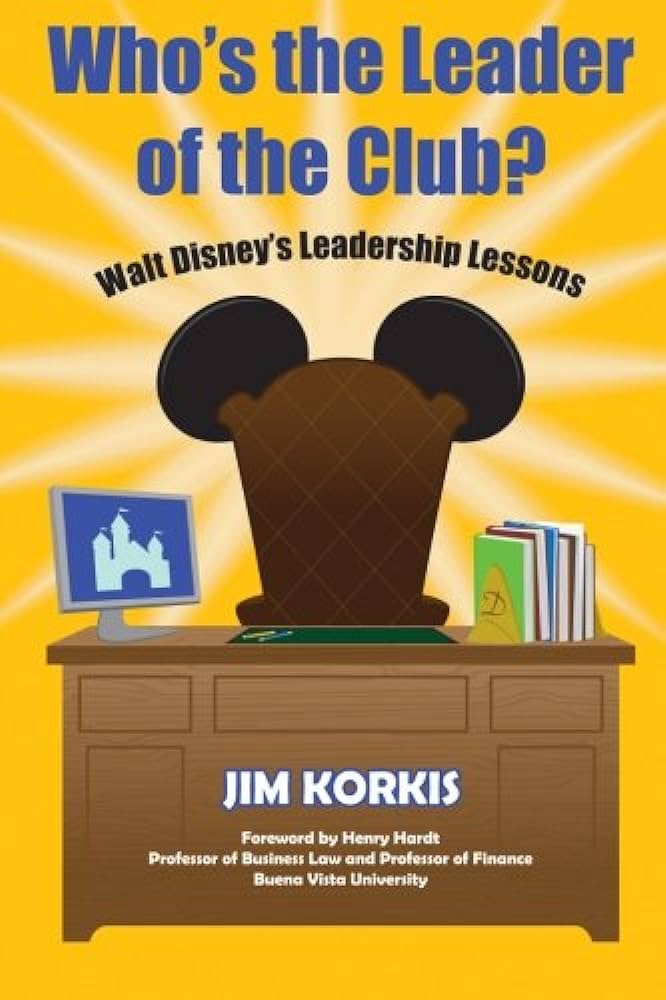
Jim Korkis was a Disney historian and long-time writer and teacher about Walt Disney and the organization he created. Who’s the Leader of the Club: Walt Disney’s Leadership Lessons is a departure for Korkis in that his usual subject matter was about the culture and history of Disney, a topic which he is uniquely qualified to write about.

As a boy, he grew up grew up in Glendale, California, which just happened to be located next to Burbank – the home of the Disney Studios. Korkis was an inquisitive and undaunted fan of Disney who not only watched the weekly Disney television series but took the initiative to write down the names he saw on the end credits.

He matched passion with inquisitiveness and began to look for those names in the local phonebook. Upon finding one, he would call the individual up and ask them about their work. Many were gracious enough to invite Korkis to their homes where he spent hours being enthralled by their stories of their work at the Disney organization.

Fast forward decades, where you will find that Korkis relocated to Orlando FL to take care of aging parents. In his own words,

I got a job at Walt Disney World that included assisting with the professional business programs, where I met many executives who had worked with Walt Disney and been trained by him.

I was often called on to research, design and facilitate customized programs for different Disney clients like Feld Entertainment, Kodak, Toys “R” Us and more that touched on both the connections of the individual companies to Disney history, as well as how Walt did business.

I was tapped to do this work because of my knowledge of Walt Disney and his approach to business.

I got the opportunity to meet with some of Walt’s “original cast.” I was enthralled by their stories and experiences and took detailed notes. Hearing stories about how Walt led and how he expected others to lead with compassion, integrity and common sense made a huge impact on me.

Twenty years later, the result was Who’s the Leader of the Club.

Korkis goes to great lengths to use Walt Disney’s own words, from a variety of published and unpublished interviews, as well as the words of those who personally experienced him in action, to help elaborate and describe the basic concepts.

In doing so, Korkis delivered to us a refreshing breath of fresh air – a business book using the words and actions of a rare genius that are glaringly absent from most organizations today.

68 years after Walt Disney’s death, and on the occasion of the 100th anniversary of the Disney Company, his achievements and legacy continue to inspire new generations.

In my case, it’s actually to re-inspire older generations! As a Baby Boomer, I grew up with “The Wonderful World of Disney” as a weekly television show. As a child, I was taken to see most of the Disney films of the 60’s and early 70’s. As a teenager, I took myself – and then, once I became a father, took my family to see those movies. Though I only visited Walt Disney World once as a teenager, I maintained a fascination with the Disney organization that has continued to grow through the years.

In the early 2000s my vocational role as a consultant with churches took on a specific niche – a focus on guest experiences. That lead to a Disney immersion of research, books, films, on-site visits, and conversations with Disney Cast Members past and present. Over the past decade plus, I have spent over 100 days on Disney properties from coast to coast – and on the oceans. My Disney library numbers over 475+ volumes – the oldest released in 1939; the newest released in the last few weeks.

Vital to that immersion was the work of Jim Korkis – through his books and writings for and about Walt Disney and the Disney organization.

By his own admission, Who’s the Leader of the Club was the most difficult book Korkis has ever written. That may be true from his perspective, but the words and stories flow off the page and into the reader’s conscience in an almost imperceptible manner.

Leaders of any organization would do well to settle in with Who’s the Leader of the Club, and be prepared for a story-filled journey of insight into one of the most creative geniuses of recent history.

Along with the stories the reader will find seven “lessons” about Walt Disney’s leadership. Best of all, Korkis concludes each of the “lesson” chapters with a one page checklist called “What Would Walt Do?” summarizing the key points in the lesson and a space to write notes.

For those who are more curious about the chapters in the book, here is the Table of Contents:

Section One: Disney And Leadership

  • Who Was Walt Disney?
  • What Type of Leader was Walt?
  • Leaders and Managers: Walt and Roy
  • Roy O. Disney and Manager Skills
  • Walt Disney and Leadership Skills

Section Two: Leadership Lessons

  • Lesson One: Know The Story
  • Lesson Two: Share The Story
  • Lesson Three: Take a (Calculated) Risk
  • Lesson Four: Make ‘Em Laugh
  • Lesson Five: Eager To Learn
  • Lesson Six: Understand People
  • Lesson Seven: Live The Story (Integrity)

Section Three: Additional Guidance

  • Walt’s Bad Leadership Traits
  • Walt’s Advice to Leaders
  • Create Leaders
  • Letting People Go
  • Walt and Money
  • Do You Know Your Story?
  • Remembering Walt’s Leadership (Quotes from those who worked for Walt)
  • Final Words from Walt (Quotes from Walt not previously used in the book)
  • Recommended Reading
  • Quotation Sources

Of course, when Korkis wrote the book, he could not have anticipated the  uncertainty caused by the disruption to the Disney “kingdoms” around the world by the pandemic in 2020 and the ongoing uncertainties since then.

Disney emerged from the pandemic a greatly-changed organization – and future generations of families – and leaders – will benefit from it. Recent announcements highlight a 60 billion dollar investment in Disney properties around the world. Only time will tell if they come to fruition.

After all, Walt Disney himself went through countless setbacks, and even failures, before the launch of the Walt Disney Company in 1923…

…and look what that has brought to the world in the 100 years since!

What are you waiting for? It’s time to join the “club!”


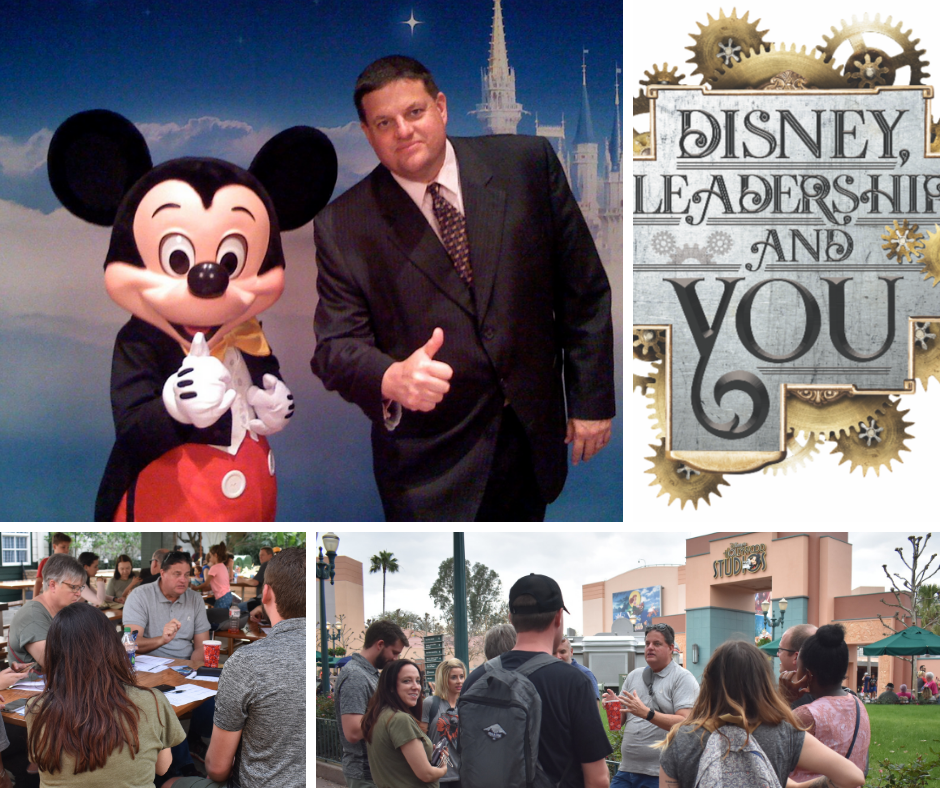
J. Jeff Kober’s book, “Disney, Leadership, and You” is an excellent work that more than delivers on its title.

Drawing from an inquisitive mind and keen insight, Kober has nearly five decades experience with Walt Disney – from both within and without the company – which provide a very readable, practical, and thoroughly enjoyable leadership book that you will find yourself returning to time and again for just the right nugget to use.

I have known of Jeff for years through his writing, and several years ago was grateful to meet him and engage his services for an immersive park experience with a group I was leading. The warmth, wit, and sheer knowledge of Disney, coupled with his ability to instantly link it to practical applications of my group, was one of the highlights of our experience. That same experience has been translated into this book.

If you are a leader in any size or type of organization, the stories Jeff Kober has captured in “Disney, Leadership, and You” should be a valuable addition to your library, a source of personal encouragement, and a wealth of practical training for both you and your team.

The book is divided into four sections:

  1. Defining Leadership
  2. Leaders Attain Results
  3. Leaders Build Relationships
  4. Putting It All Together

In those four sections you will find 18 themed chapters, each chock full of leadership principles illustrated with stories of Disney leaders from all ranks. The principles are solid in themselves, but what makes them memorable is the stories of the Cast Members.

The stories and principles perfectly describe how Disney Cast Members create magic each day through their hard work and respect for Walt Disney’s original vision.

You organization is not Disney, but you can learn from their excellence. “Disney, Leadership, and You” is an extraordinary source of lessons and learning to help you make a dramatic impact on why you do, what you do, and how you do it.


Leadership means that a group, large or small, is willing to entrust authority to a person who has shown judgement, wisdom, personal appeal, and proven competence.

Walt Disney

Research

Disney at 100: Guest Experience Excellence

Do what you do so well that they will want to see it again and bring their friends.

Walt Disney

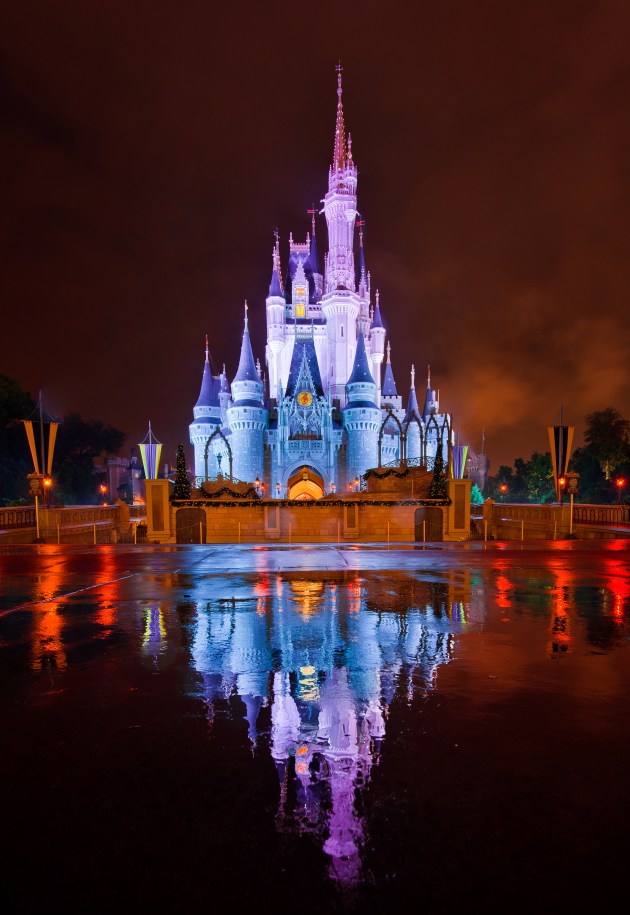
Cinderella Castle at the Magic Kingdom in Walt Disney World is beautiful from every angle…

…but the most interesting view is underneath.

Deep underneath Cinderella’s castle in the middle of the Magic Kingdom is a utility corridor running from Main Street Square to Fantasyland. There is also a circular corridor running around the circumference of the Magic Kingdom. Though it gives the appearance of a tunnel, and many Cast Members call it a tunnel, these long passageways are really corridors, built on ground level and then covered over with 5 million square yards of dirt and sand dredged to create all the beautiful water features you see around the park. The visible park you see is really the second story of the park – but that’s really another story.

In recent years I have spent over 100 days at Disney parks, museums, and a cruise. Because of proximity, most of that time was at Walt Disney World, with much of the time observing and talking with Cast Members and Guest Experience Managers of all four theme parks. In a one year stretch, I was able to be on Disney property 31 days! During my time onsite, there have been many stories but there is no better summary than this:

Imagine, if you will, that long central corridor described above where almost all Magic Kingdom Cast Members pass through in their work at the park. To one side of that corridor, beginning a long wall of photos, sayings, and displays of the history of Walt Disney World, is a very large, but simple poster with a picture of Walt Disney and these words:

Walt Disney’s vision for a great guest experience:

Safety, Courtesy, Show, Efficiency

In a line past that poster, you will see 4 more large posters, with a smiling Cast Member’s picture on each, with these words below:

  • I practice safe behaviors in everything I do
  • I am courteous and respectful to Guests of all ages
  • I stay in character and perform my role in every story
  • I use my time and resources wisely

Known by various terms but most often called the 4 Keys, they were a result of Walt Disney’s vision for Guest Experiences – first at Disneyland when it opened in 1955, then at the Magic Kingdom in 1971, and at every other theme park, cruise ship, and Disney organization since then.

In literally every conversation I had, the 4 Keys were mentioned – as a group, as individual stories, and how they are used as training tools.

That’s powerful.

These 4 keys are simple service standards, and they can be powerful tools in any organization – but especially in churches that want to provide an Exceptional Guest Experience.

There is power in establishing a framework of values from which everyone in your organization operates. Within that framework, you can empower team members in a way that gives them a sense of ownership and purpose. You create a consistent image across the entire organization.

Disney’s standards have stood the test of time for almost 70 years – shouldn’t you consider creating standards for your organization that will stand the test of time as well?

Yes, you should. And here’s the guide to help you do just that!

Whether they are called clients, customers, constituents, or, in Disney-speak, Guests, all organizations must better serve the people who purchase their products and services or risk losing them. Now, for the first time, one critical element of the methods behind the magic that is the Walt Disney World Resort – quality service – is revealed in Be Our Guest.

Even before Tom Peters and Bob Waterman profiled Walt Disney World Resort in their groundbreaking book In Search of Excellence, the most popular resort destination in the world enjoyed a reputation as a company that sets the benchmark for best business practices.

Be Our Guest outlines proven Disney principles and processes for helping your organization focus its vision and align its people and infrastructure into a cohesive strategy that delivers on the promise of exceptional customer service.

Five years after the publication of Imagineering in 1996, Walt Disney Studios CEO Michael Eisner had finally overcome the hesitations he had for years regarding Disney’s “insider’s secrets” – first with Imagineering, and now with the Guest Services found in the Parks and Resorts. It also marked the 15th anniversary of the Disney Institute – professional development programs delivered to organizations worldwide.

At the time of the publication of Be Our Guest in 2001 (and revised in 2011), the Disney Institute had established a significant presence in the training world for its ability to appeal to leaders in multiple industries, and to customize content into programs that uniquely connected participants to their own heritage, values, people, and guests.

And what better way to highlight the Disney Institute than to shine a spotlight on quality service?

Quality Service means exceeding your guests’ expectations and paying attention to detail.

Be Our Guest has been the invitation for people coming to a Disney theme park long before the song from “Beauty and the Beast” became a box office hit.

It underscores an important element in the Disney vocabulary, that customers are not referred to as such, but rather as Guests. In the Disney nomenclature, the word “Guest” is capitalized and treated as a formal noun.

What’s the difference between treating someone like a customer, and treating someone like a Guest?

The obvious analogy is that we do things differently when we bring Guests into our home. We clean up the house. We dress up. We prepare something special to eat. We host them. We take care of their real needs.

Disney Expects Guests

This principle has to be the starting point, the foundation on which all else is built. Everything – and I mean everything – is done with the Guest in mind. At Walt Disney World, exceeding Guest expectations is the standard call to duty for all cast members, both those “onstage” and “backstage”.

At Disney, everyone is a part of the Guest Experience team.

For years, Disney cast members talked of sprinkling “pixie dust”  to create magical experiences for their Guests. There really wasn’t any pixie dust – but the pixie dust was real in that it is the show that has been created from the moment a Guest arrives on the property until they leave for home.

It’s a practical magic that occurs both onstage (whenever cast members are in public areas of the parks and in front of Guests) and backstage (when they are behind the scenes where the everyday work of operating a city devoted to entertainment is conducted).

The onstage component of practical magic is the response that it produces in Guests when everything comes together in a seamless, seemingly effortless performance. The backstage component is comprised of the nuts and bolts of creating practical magic. Practical magic is whatever it takes to exceed Guest expectations.

Superlative face-to-face service is just one element in the work of exceeding Guest expectations. It means:

  • Paying attention to every aspect of the Guest experience
  • Analyzing that experience from the Guest’s perspective
  • Understanding the needs and wants of the Guest
  • Committing every element of the business – from the design of each element of the infrastructure to the interactions between Guest and cast – to the creation of an exceptional experience for each of them

Exceeding Guests’ expectations is Disney’s service strategy, and paying attention to every detail is the tactic by which it is accomplished.

  • Friendly, helpful Parking Teams
  • Getting you from the parking lot to the park entrance
  • Beautifully maintained landscaping
  • Trash – nonexistent
  • Baby strollers organized and waiting for Guests
  • Team Leaders visible everywhere – leading by example
  • Personalizing and enhancing the Guest Experience
  • Giving a “face” to the place

Disney expects Guests – and plans to exceed their Guests’ expectations every time. What about you?

The Disney organization is perhaps the greatest practitioner of Guest Experiences around today. Books have been written about what the “cast members” at Disney do to make people feel welcome (I know – I’ve read all of them, and own most of them).

As we move into the holiday season, I’m reminded of a very special visit to Walt Disney World about this time of year. My wife and I “opened and closed” the Magic Kingdom (we were there from the opening at 8 AM to closing at midnight) including Mickey’s Very Merry Christmas Party as a part of a wedding anniversary celebration.

Once again, I was amazed at the exceptional attitude of the cast members.

Observing hundreds of Cast Members, dealing with tens of thousands of Guests, there’s only one word to describe their attitude: Magical.

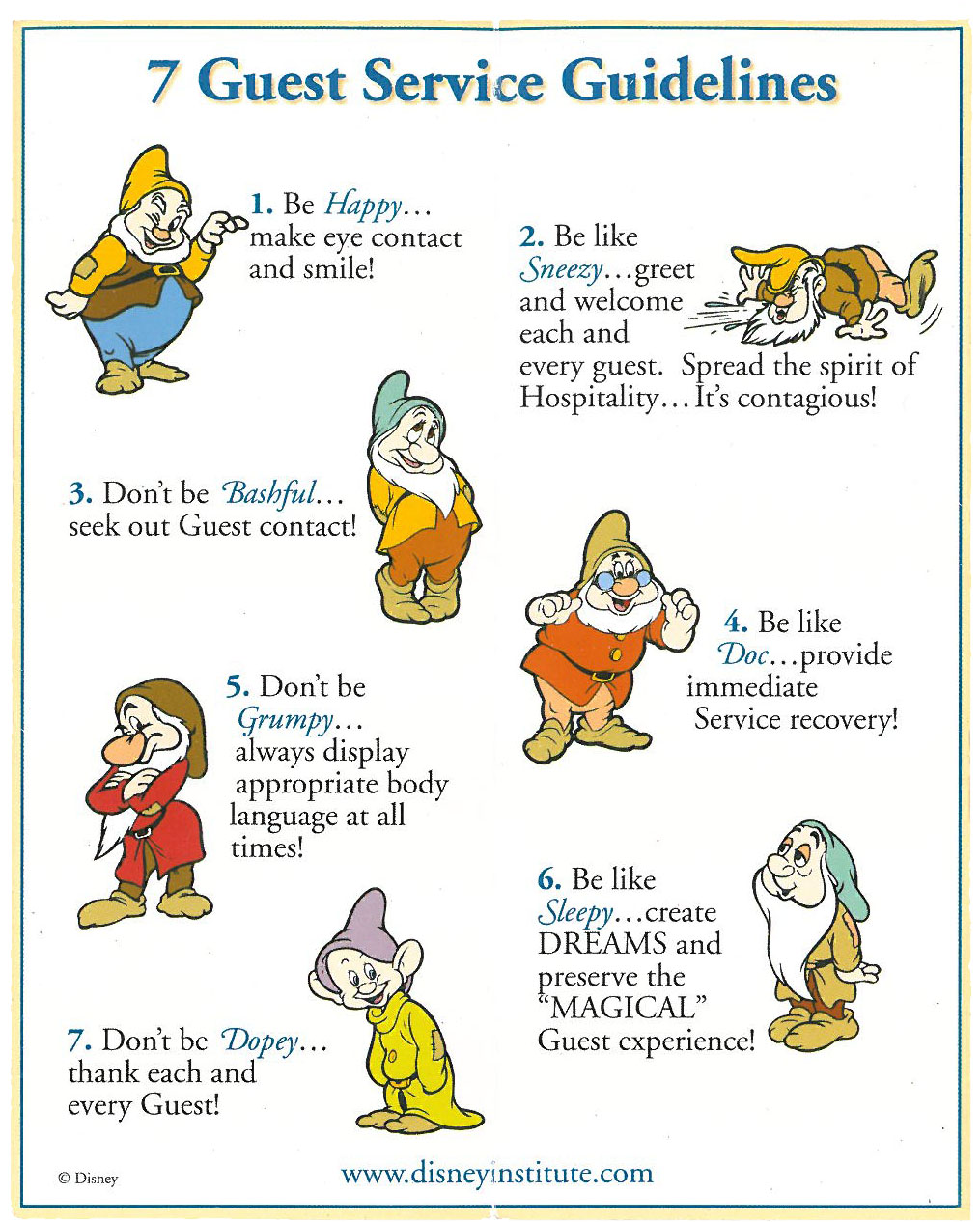
So I’m sure you won’t mind if we go backstage and back in time at Disney to learn about their 7 Guest Service Guidelines – a list of actions that every Disney team member learns during their orientation.

When Disneyland opened in 1955, Disney was looking for a set of generic behaviors that ensured that cast members knew how to act courteously and respect the individuality of each Guest. Over the first ten years, the four values of Safety, Courtesy, Show, and Efficiency became the foundation from which all succeeding service standards were developed.

During the 1960s, these standards were translated into a set of behavioral actions called Guidelines for Guest Services, which became the centerpiece of training for all Disney cast members. Appropriately enough, the seven guidelines were personalized with the characters from the seven Dwarfs:

7 Guidelines for Guest Services

  • Make eye contact and smile
  • Greet and welcome each and every Guest
  • Seek out Guest contact
  • Provide immediate service recovery
  • Display appropriate body language at all times
  • Preserve the “magical” Guest Experience
  • Thank each and every Guest

These seven phrases serve a variety of purposes. First, they define behavior in terms of Guests. They also communicate cast member responsibilities. Finally, they showcase ways to customize service to individual Guests.

Even though these Guidelines don’t exist in this form anymore, my experiences over the years reminded me that the spirit of the Guidelines are very much in practice by cast members today.

Your organization probably won’t have tens of thousands of people coming through your doors every day – but the principles Disney uses as a baseline starting point for training its Cast Members are appropriate your use.

I don’t want the public to see the world they live in while they’re in the park. I want them to feel like they’re in another world.

Walt Disney

References

Mulan – Reimagined

When Disney’s animated musical action adventure film Mulan came out in 1998, our daughter Amy was 10 years old. I’m not sure what exactly it was in the movie that captivated her, but Mulan became (and remains) her favorite Disney character. I’m pretty sure we wore out at least one VHS tape, and various pieces of artwork and figurines that she has collected over the years can be found all over her house.

So it was no surprise that when Disney announced in 2015 that a live-action version of Mulan was in the works, Amy was both excited – and a little skeptical. After all, since Disney began producing live-action remakes of their animated classics in 1994, it’s been a pretty hit-or-miss proposition. Some have been pretty good, some have been so-so.

And the 2020 version of Mulan?

ABSOLUTELY. STUNNING.


Wait a minute – it’s not coming out till Friday, September 4 on Disney+ Premier Access, you say.

You’re right – but I saw Mulan in a theater on March 11!

I can say that because Amy and I are among the few hundred people who have actually seen Mulan – before it’s scheduled premier on March 27 – and subsequent reschedulings – were all derailed by the COVID-19 pandemic.

Here’s how it happened…

On March 11, I took a quick trip to Raleigh, NC, where I met Amy for an afternoon movie – the first public showing of Mulan, a preview for Gold members of D23, Disney’s fan club. It was shown following the annual meeting of the Walt Disney Company’s stockholders.

I had been looking forward to the movie’s release on March 27 (I already had tickets), and had intentionally not read or watched a lot about it online. So, my expectations were neutral, reserving judgment until I had a chance to see it in person.

When the VP of D23 introduced the movie, I think it was his words that set the tone and pretty much sum up the approach that made this so successful.

“We’re so excited to unveil Walt Disney’s reimagining of the animated classic.”

Not a remake.

The following comments may contain slight spoilers, so read at your own risk.

  • If you really liked the musical aspect of the 1994 version, you won’t find any of the songs that garnered significant praise and won several industry awards in the new movie.
  • If you liked Mushu, the ancestor’s guardian wonderfully voiced by Eddie Murphy, you won’t find  the character anywhere in the new movie.
  • If you liked the character of Li Shang and the developing romance and implied marriage with Mulan, you won’t find it happening in the new movie.

There’s more, but I think you get the point.

The 2020 version of Mulan is not a remake of the 1998 version of Mulan – and that’s what makes it a marvelous movie; in Disney terms, a reimagining.

  • There’s no songs, but there are musical themes from those songs, along with dialog references.
  • There’s no Mushu, but there is a delightful surprise “guardian” introduced early on who makes regular, timely appearances.
  • There’s no Li Shang, but a couple of different characters more than make up for his absence.

I could go on, but I won’t. I’m not a critic (thank goodness), but I know a good movie when I see one.

One that has a vibrant story, identifiable characters you want to root for (and against), emotional twists, action-packed choreography, and amazing production design.

The soon-to-be-released live action Mulan is all that, and more.


I pre-ordered a multi-year subscription for Disney+ when it was first announced last year. I have added the Premier Access to Mulan, and will be watching it with my wife on Friday September 4.

Yeah, it will be coming to Disney+ in December as a part of the regular programming.

Doesn’t matter.

The reimagining of Mulan is worth it.

How to Use a Brain Trust to Spark Creativity on Your Team

In our fast-paced digital life, church leadership teams need to be creative in order to deal with the changes coming their way today – or they risk irrelevancy tomorrow.

Creativity then, becomes a constant process for every ministry area of any church rather than an occasional requirement for the worship pastor at Christmas or only limited to those “creative” churches.

Like farmers and their crops, leaders cannot dictate creativity, but they are called to cultivate creativity. Thinking and acting creatively doesn’t just happen because a leader desires it or orders it to happen. With the right environment, resources, mindset, and vision, your team will be able to develop the required motivation to be creative on their own.

How can I unleash the creativity of my team?

www110916fb1

Solution: Create a Brain Trust

THE QUICK SUMMARY

Creativity, Inc. is a book for leaders who want to lead their teams to new heights, a manual for anyone who strives for originality, and the first-ever, all-access trip into the nerve center of Pixar Animation—into the meetings, postmortems, and “Braintrust” sessions where some of the most successful films in history are made.

It is, at heart, a book about how to build a creative culture—but it is also, as Pixar co-founder and president Ed Catmull writes, “an expression of the ideas that I believe make the best in us possible.”

For nearly twenty years, Pixar has dominated the world of animation through joyousness of the storytelling, the inventive plots, and the emotional authenticity. In some ways, Pixar movies are an object lesson in what creativity really is. Here, in this book, Catmull reveals the ideals and techniques that have made Pixar so widely admired.

A SIMPLE SOLUTION

Among the many necessities for creativity is the freedom for a team to share ideas , comments, and critiques with one another. The flip side of that freedom is the danger of being too critical, or that critical comments are taken the wrong way.

How can leaders walk the fine line between encouraging open, honest dialogue among their team while at the same time avoiding negative, destructive criticism? 

Creativity has to start somewhere, and we are true believers in the power of bracing, candid feedback and the iterative process – reworking, reworking, and reworking again, until a flawed story finds its throughline or a hollow character finds a soul.

One of Pixar’s key mechanisms is the Braintrust, which we rely upon to push us toward excellence and to root out mediocrity. The Braintrust is our primary delivery system for straight talk. Its premise is simple: Put smart, passionate people in a room together, charge them with identifying and solving problems, and encourage them to be candid with one another.

It’s not foolproof – sometimes the interactions only serve to highlight the difficulties of achieving candor – but when we get it right, the results are phenomenal. The Braintrust sets the tone for everything else we do.

Participants in the Braintrust do not prescribe how to fix the problems they diagnose. They test weak points, they make suggestions, but it is up to the director to settle on a path forward.

People who take on complicated creative projects become lost at some point in the process. In order to create, you must internalize and almost become the project for a while. Soon, the details converge to obscure the whole, and that makes it difficult to move forward substantially in any one direction.

No matter what, the process of coming to clarity takes patience and candor.

The Braintrust differs from other feedback mechanisms in two ways:

  • It is made up of people with a deep understanding of the process at hand and who have been through it themselves;
  • It has no authority – the director (leader) has to figure out how to address the feedback.

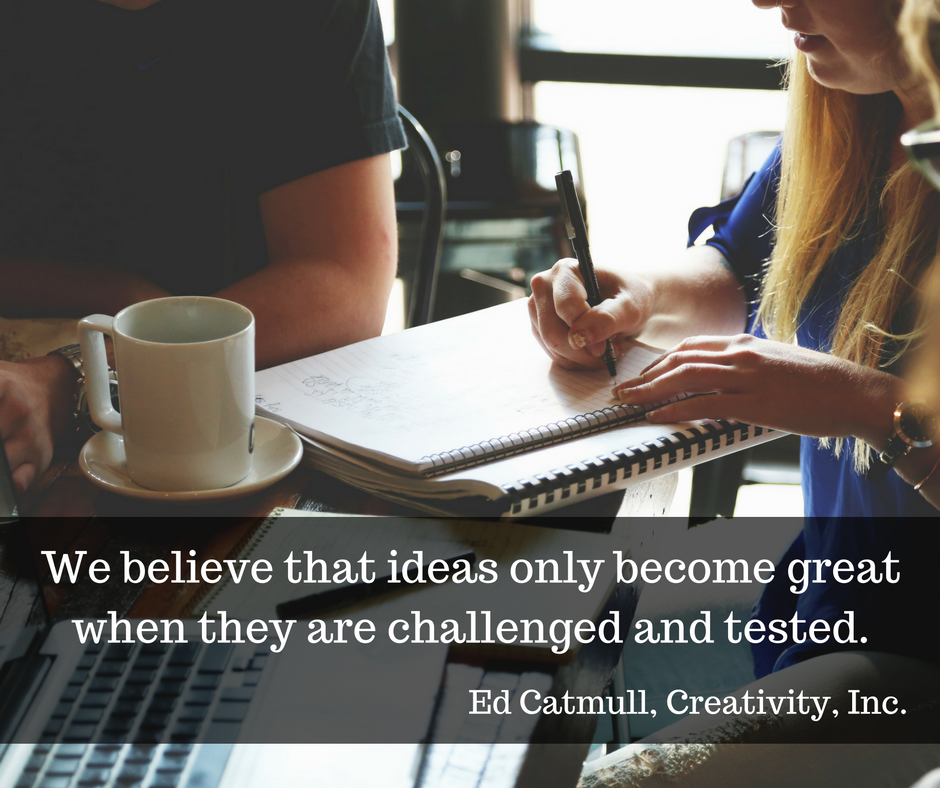
We believe that ideas only become great when they are challenged and tested.

– Ed Catmull, Creativity, Inc.

A NEXT STEP

Does your leadership team debate, disagree, discuss, dump—or do you dialogue?  The group dynamics of a team can make or break your effectiveness as a leader.   Imagine what could happen in your ministry if you could lubricate your team’s communication skills.

Engaging the methods of dialogue results in two-way, open communication that generates an uninhibited flow of ideas in a “braintrust” environment.

Dialogue relates to more than communication—it involves creating an environment of trust, discipline and commitment to a common purpose where teams “think together.”

With an understanding of the basics of dialogue, the team must relentlessly:

  • Practice listening to hear, not to react
  • Practice asking to explore ideas, not to judge
  • Practice advocating an idea that focuses on the question at hand, not to defend a position

The core of dialogue is that there is understanding and discipline on the team that the question –the problem at hand—always remains the focus of the dialogue, with the church’s vision as primary filter. It works because individuals put aside egos, assumptions, emotions and agendas to focus on the question for the good of the whole–the collective vision of the church or ministry. In a true “Braintrust” dialogue, ideas get affirmed or challenged, not people.

Auxano, the consulting group I work for, has developed a hands-on tool to use in collaborative meetings that not only reinforces understanding of dialogue and team dynamics, but personally engages each individual to enter into productive, healthy collaboration and apply what they have learned.

We call it the Collaboration Cube.

Our Collaboration Cube takes these ideas to an experiential level that not only encourages team involvement in dialogue, but gives them the ability to apply it. The cube is used by the facilitator to guide the group, and by team members to communicate within the Braintrust.

Imagine creating a “Braintrust” at your church: a unified team that can work together and support decisions because they are results that people really care about and they evolved from a shared experience. What could you do with that kind of cohesive culture?  Give this method a try and watch the collective intelligence of your team and your decisions increase with results for your ministry that are unprecedented.

Read more about the Collaboration Cube, or visit our online store to purchase them


Closing Thoughts

Creativity and innovation are the life blood of a thriving ministry. But even the most creative team can become stale or fall into a rut of the same old same old. Your actions as a leader will determine if your team stays the same, or is constantly reinventing itself.

Taken from SUMS Remix, Issue 15-3, May, 2015


Part of a weekly series on 27gen, entitled Wednesday Weekly Reader

Regular daily reading of books is an important part of my life. It even extends to my vocation, where as Vision Room Curator for Auxano I am responsible for publishing SUMS Remix, a biweekly book “summary” for church leaders. I’m going to peruse back issues of both SUMS and SUMS Remix and publish excerpts each Wednesday.

You can find out more information about SUMS Remix here.

Subscribe to SUMS Remix here.

Practice the Process of Inspiration to Generate Ideas

An exceptional concept depends on good process as well as pure inspiration.

One of my favorite shows at Walt Disney World’s Magic Kingdom is Mickey’s PhilharMagic. In the image below, notice the music notes in the background circling around the showcases in the gift shop at the exit from the theater. They’re not random. If you hum them, you will get the opening to Paul Dukas’ The Sorcerer’s Apprentice – one of the most memorable sights and sounds from Disney’s Fantasia, and the core idea in Mickey’s PhilharMagic.

WDW Apr16 MK MickeyPHM

That’s the magic that “Process Practice” can produce!

Being aware of the design process and knowing what phase the team and the idea are in is a big part of the show producer’s job. You probably aren’t a producer, but all leaders have a role in pulling various people and resources together in creating something – which is the role of a producer.

Inspiration generates ideas, and the process helps to shape efforts in a way to keep the team moving towards a fully developed idea.

It’s time for you to “get” it…

  • Get going. Toss a bunch of ideas out. Direction often comes from joyous chaos.
  • Get excited. Brainstorm. Dream. Take tangents. Notice where ideas go, what’s cool about them, and incorporate this into the design.
  • Get committed. Set up a regular project meeting time, discuss ideas, or just sit and stare at the wall. Ideas will come either way.
  • Get doughnuts or cookies and some toys. Brainstorming sessions go better when food or toys are around.
  • Get different opinions. Listen to someone else’s point of view and listen for things that improve the design.
  • Get confused. Ask yourself hard questions that you can’t answer.
  • Get unstuck. Try a different direction. Throw out an impossible action. Debating a wrong answer can help reveal the correct one.
  • Get your hands dirty. Build a rough model or stage a reading. You will learn more from this than from any debate, and you’ll learn it in time to fix things.
  • Get reactions. Show the idea to others. Listen to what they say, especially if it isn’t what you want to hear.
  • Get it on paper. Take everything you’ve learned and write a description of the goals and details of the design. If you write convincingly, you’ve probably got a good idea.

If everyone is comfortable with the process, the team members have the freedom to generate the best ideas for their project.


part of a series of ideas to shape and tone your creative muscles

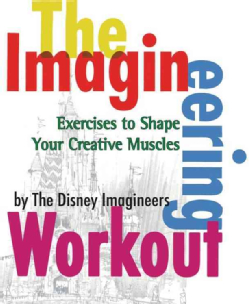
Inspired and adapted from The Imagineering Workout

Imagineering logo

The Disney Imagineers

Sue Bryan, Senior Show Producer


Inspiration Comes from Things That Are Infused with Life

The word inspire means “to breathe into or upon; to infuse with life by breathing.” When we say, “I am inspired,” it has a deeper significance than we think. We are “breathing in” the living environment of ideas, enthusiasm, and energy that comes with the creative process.

If we look in the Bible, we see the same idea. In Hebrew and Greek the words for “spirit” are the same as the words for “breath” and “wind.”

WheatWind

In fact even in English our word “spirit” comes from Latin word meaning breath. “Inspiration” and “respiration” have the same root. This is no mistake. From the earliest times people could see the connection between breath and active life. When a person’s body stops breathing, it also becomes inactive and dies. Breath is the outward manifestation of activity and life. This intimate connection between breath and active life is the reason why the same word is used for both “spirit” and “breath” in Hebrew (ruach) and in Greek (pneuma).

Inspiration comes from things that are infused with life.

In creating, Disney’s Imagineers always work from a basis of their training, exposure to others’ work, their research, and their life experience.  Working together, they are inspired by their collective histories, training, experience, predecessors, and mentors.

When we are inspired, ideas that are living inside us will find a way to be expressed.

Thistle

Here’s an exercise from the Imagineers: Select a creative challenge – painting, writing, inventing – anything that requires creativity. Now, make a list of creative souls that could inspire a solution: artists, scientists, inventors, musicians, writers. Select one or more people from the list, reflect on their talent, research their work, and let them breathe life into your thinking and imagination.

Now, find your own answers by letting your imagination soar with multiple solutions.


part of a series of ideas to shape and tone your creative muscles

Inspired and adapted from The Imagineering Workout

The Disney Imagineers

 Imagineering logo

It’s Always Easier When You Work With Someone Who’s Been There Before

It’s very easy to become overwhelmed by the size and complexity of some tasks you undertake.

…like planning a week-long visit to Walt Disney World.

That’s the place I found myself in five years ago, when my wife and I began planning a Walt Disney World trip for our 22-year old daughter, as a delayed college graduation gift.

I had been to the Magic Kingdom once. As a senior in high school. For a day. In 1976. A long time ago…

Some things had changed a lot, and my memory wasn’t that good about the trip anyway. Being the research kind of guy, I began looking online at various websites about 9 months prior to the trip. I also checked out some guide books from the library. But the hands down, absolutely best way to plan a trip to Disney World is to use a travel planner. Better yet, a travel planner whose specialty is the Disney Empire, and is an Authorized Disney Vacation Planner.

Enter Annette at Small World Vacations. When some good friends found out what we were going to do, they heartily recommended I get in touch with Annette. I’m so very glad I did! She walked me through the basics, helped me choose the best options for a fun week, made great recommendations for things to do and places to eat, and generally helped created a great week for us.

Amy WDW2011

This picture pretty much speaks for itself.

Through her services, we were able to get a fabulous room in a great resort, get all the dinner reservations we wanted, and plan plenty of surprises for our daughter. Annette’s service didn’t stop in the preplanning, either. When I had a couple of questions just before I left, she was quick to answer them. And waiting for us when we got back was an email welcoming us home and wanting to know how our week went.  And so, over the last five years, in preparing for many return trips to Walt Disney World, my first call has always been to Annette. Whether it’s a year in advance (planning a week-long trip for my immediate family of 13) or a week before (a last-minute change in schedule allowing me a day in the parks), the help and guidance of an expert is invaluable.

Planning is easier when you work with someone who’s been there before.

This takeaway doesn’t just apply to planning to go to Disney – I also found out it applied to what Disney itself does in their development for future attractions. While they are reluctant to just “copy” what has worked in one Park and transfer it to another, they do learn valuable lessons and apply a continuous learning cycle to all their operations.

The takeaway also applied to how they staffed Disney World prior to its opening in 1971: a year before the Park opened, they hired several hundred college sophomores for seasonal work; the next year, they went after juniors, and the following year, when the Park was really hitting its stride, they hired seniors. The best of this experienced group were offered entry-level management positions after graduation, and many went on to achieve high-level positions all across the Disney companies.

How do you take advantage of experience in planning and staffing at your organization?


Oh, there’s one other thing: Even with the best of outside help, you still have to do the work yourself.

AFAWDWPlanning

Isn’t About Time You You Made the Ordinary Extraordinary?

Anyone can dream…

But Disney’s Imagineers dream and do.

Since 1952, the Walt Disney Imagineers have been turning impossible dreams and schemes into magical rides, shows, and attractions for Disney theme parks around the world.

What is their magic?

It’s all about making the ordinary extraordinary.

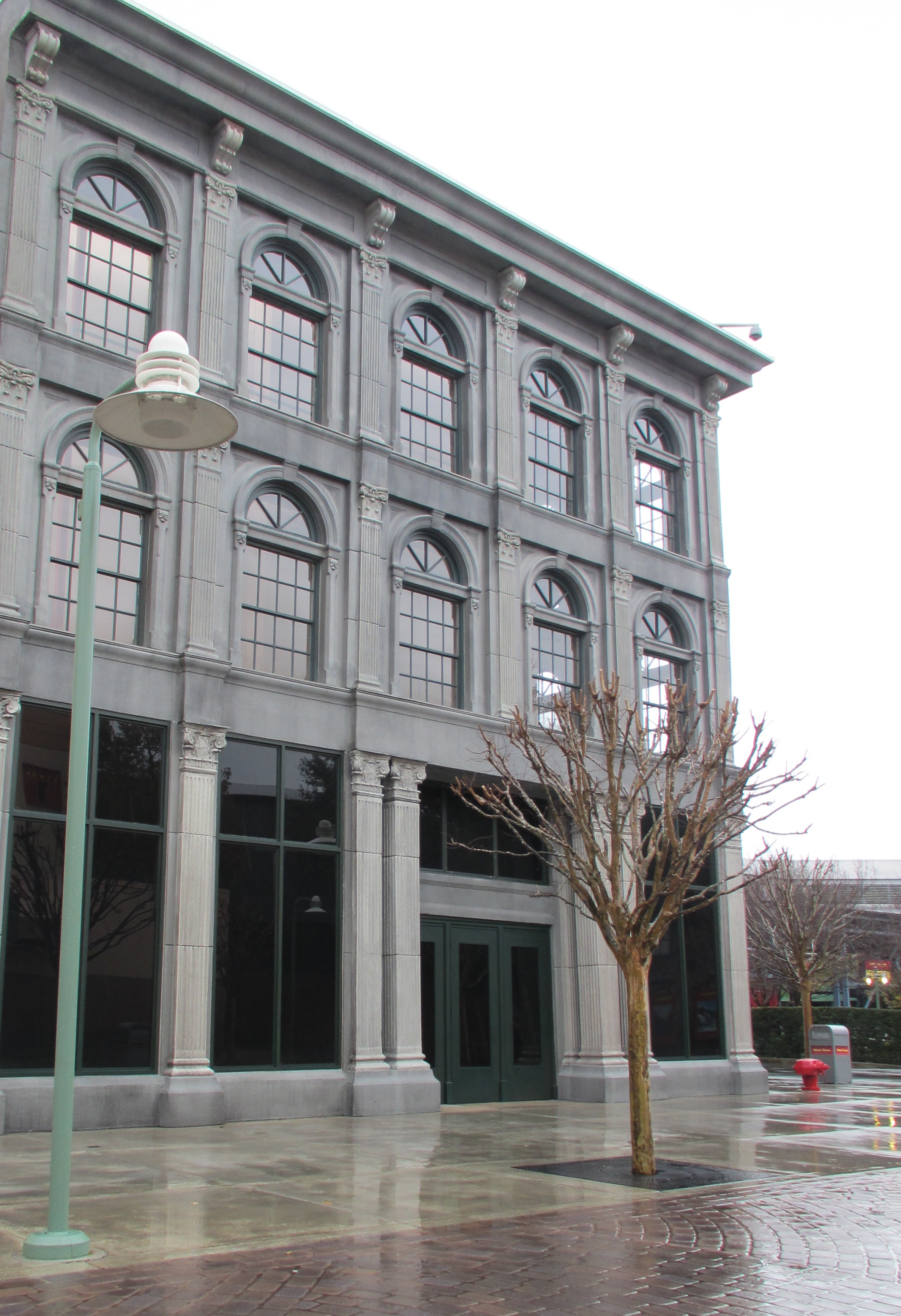
Take this building in Hollywood Studios, for instance…

HS012914Bldg2

It’s a beautiful building, right?

Not really…

HS012914Bldg1

It’s really just a facade – an excellent example of how the Imagineers use a combination of imagination and engineering to make magic come to life at Disney.

Disney’s Imagineers are a highly creative group – one that isn’t slowed down by the impossible.

There are hundreds of stories about Imagineers who didn’t realize what they were capable of until they started doing it. They don’t want your fear of taking the first step get the best of you – they want to let your project get the best of you.

Imagineers try and fail and keep trying until they make magic.

Isn’t it time you got started?

Go ahead. Tackle that creative challenge head-on. Allow the spark of an idea to ignite your creativity and passion. Make the ordinary, extraordinary.

Don’t just sit there – dream and do!


Inspired and adapted from The Imagineering Workout

TheImagineeringWorkout

The Disney Imagineers

Imagineering logo

Today in the Magic Kingdom – A Field Trip for Guest Experiences

Greetings from Magic Kingdom!

courtesy John Skodak, CC 3343087934

courtesy John Skodak, CC 3343087934

When the rope drops this morning, I will already be inside the park, participating in the “Keys of the Kingdom” tour. Later in the day, I will be doing some “field work” for a Guest Experiences project – you’ll be hearing about it soon!

In the meantime, enjoy these Top Ten Takeaways from a Disney World Immersion from a previous visit.

Disney Expects Guests – What About You?

The Experience Begins in the Parking Lot

Excellence is Never Finished

Vision for the Future

Pay Attention to Details Others Ignore

Engaging All 5 Senses Creates Memory Links

Making Dreams Come True Requires Resources

Everybody Picks Up the Trash

Team Members Who Dream Together Create Fantastic Results

Everything Begins with a Story

It’s Hard to Forget the Fireworks at the End of the Day

Yes, you counted right – there were 11 Takeaways – but it’s about Disney, where they always exceed your expectations!

Follow me on Twitter, Facebook, or Instagram for live updates throughout the day. I’ll be there from before it opens, till after it closes, with the Kiss Goodnight

photo by Tom Brickman

photo by Tom Brickman