The Pages That Shaped Us: A National Book Lover’s Day Celebration

August 9th holds two profound meanings for me: it’s my father’s birthday, and it’s National Book Lover’s Day. The connection between these dates tells a story about legacy, love, and the transformative power of the written word. Each year as this day approaches I reflect on the power of reading and how my father instilled it in me.


When Words Become Memory

The last time I saw my father truly himself was during Christmas 2011. By then, several strokes had stolen his ability to read – the very thing that had defined so much of who he was. But as I wandered through our family home that quiet holiday evening, his books still lined every shelf, silent witnesses to decades of curiosity and growth.

I pulled volume after volume from their resting places, each one triggering a cascade of memories. Here was the history book that sparked our dinner conversation about World War II. There, the biography that led to his stories about perseverance. Opening each cover was like stepping into a time machine, hearing his voice again through the pages he had loved.

Two months later, on February 25, 2012, the legacy of those books became his lasting gift to me.

The Making of a Reader

My father embodied what author Jessica Hooten Wilson beautifully captures in her observation: “The manual labor of the past that allowed a human being to work in an embodied way, and to contemplate in heart and mind while working with one’s hands, encouraged the desire for reading after the physical exertions were completed.”

After twelve-hour days at his gas station, six days a week, my dad would settle into his chair with a book. Not occasionally – almost every single night. He understood something profound: that reading wasn’t just entertainment, it was essential nourishment for the soul.

This passion became the cornerstone of our family culture. As young children, every two weeks my mother would drive my brother and me to the library in the next town over. We’d return with armloads of books – I’d devour mine within days, then spend the remaining time impatiently waiting for our next literary pilgrimage.

That rhythm became my heartbeat. Elementary school, high school, college, graduate studies, decades into my professional life, and now accelerated in retirement – the weekly library visit remains sacred. Three or four books returned, three or four new adventures collected.

The Art of Deep Reading

National Book Lover’s Day isn’t just about celebrating our love of books – it’s about honoring the profound ways reading shapes us. I’ve discovered that the deepest rewards come not from reading widely, but from reading deeply.

Following Mortimer Adler’s wisdom in How to Read a Book, I practice what he calls synoptical reading – diving deep into subjects by consuming multiple perspectives on the same topic. It’s like being a detective, gathering clues from various sources to solve the mystery of understanding.

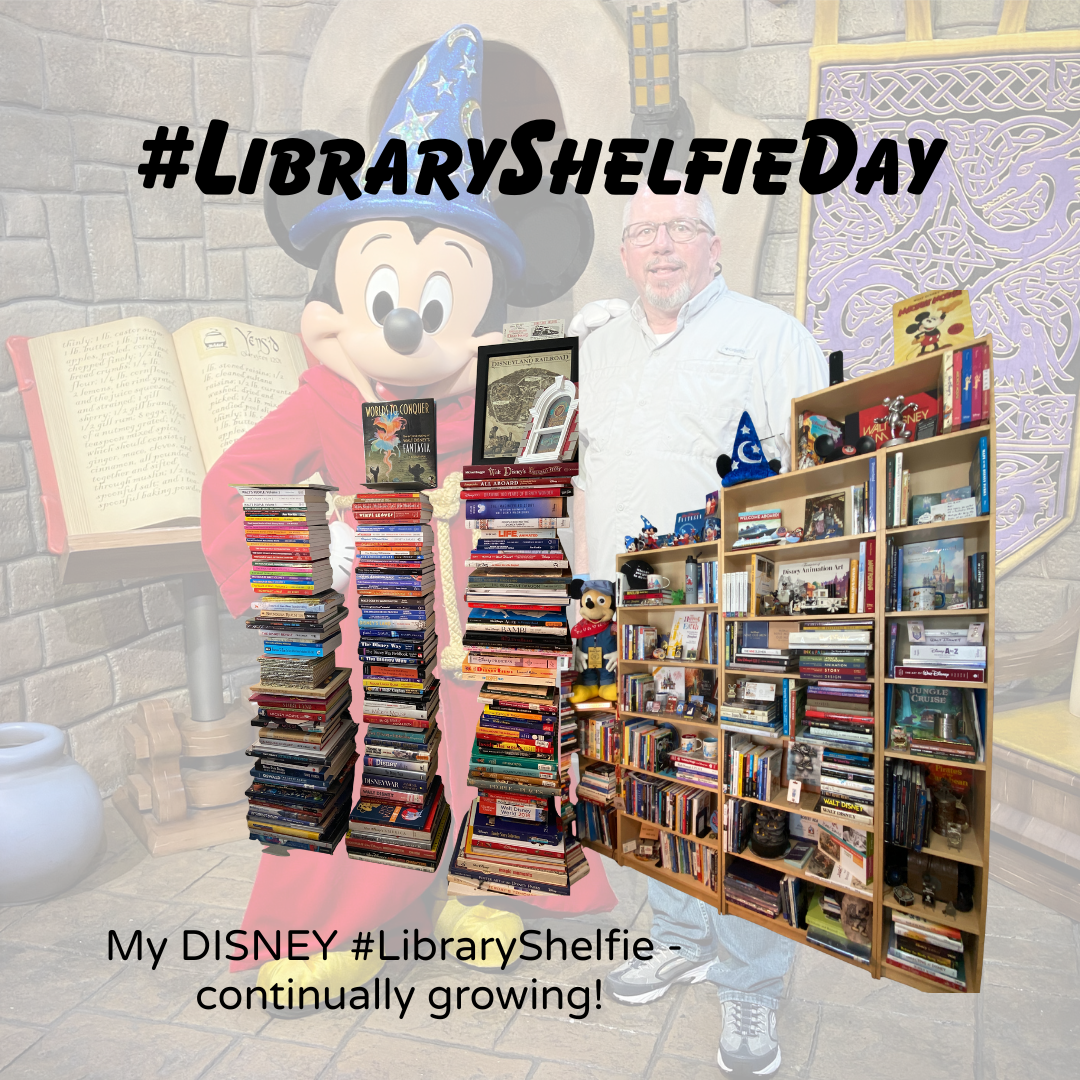
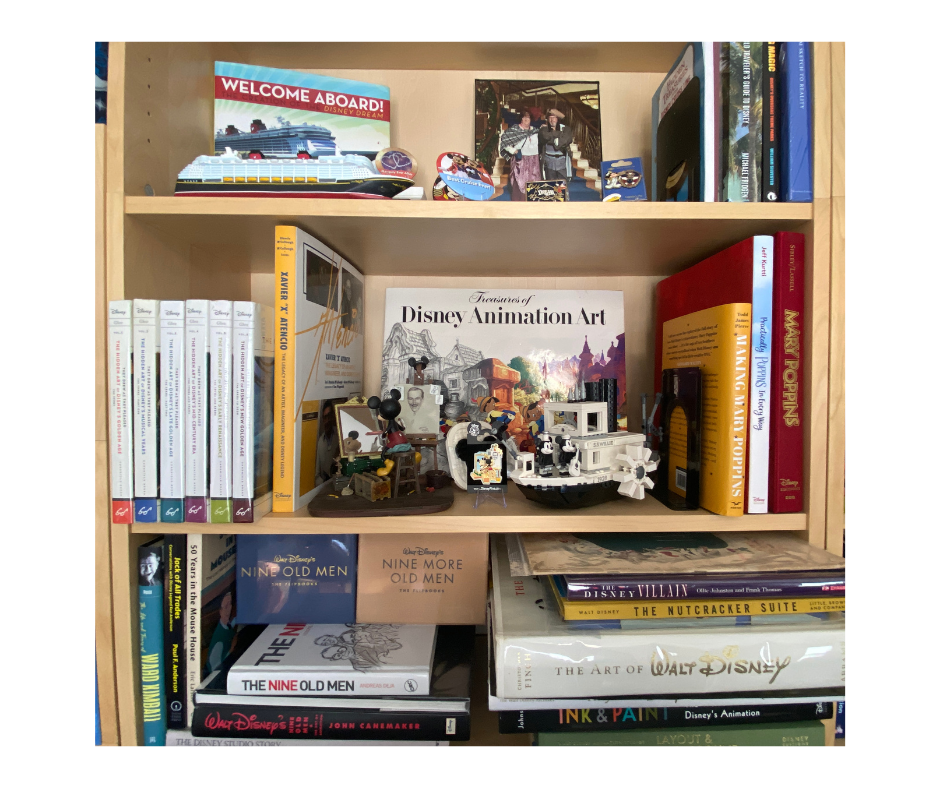
For over three decades, I’ve been conducting a synoptical investigation into Walt Disney and his revolutionary approach to creating experiences. My Disney library has grown to over 500 books, spanning from 1939 to last week’s latest releases. These aren’t just books about cartoons and theme parks – they’re masterclasses in vision, leadership, innovation, and human connection.

But Disney isn’t my only reading obsession. I maintain several “reading threads” – ongoing explorations of topics that fascinate me. Current deep dives include:

  • Charting the evolution of hospitality in American culture
  • What it means to be a “modern elder” in today’s world
  • Biblical leadership principles of “shepherding” for contemporary challenges
  • Discovering the “revolutionary” importance of Charlotte and Mecklenburg County in the 1770s

Synoptical reading often plays an important role in the Wednesday Weekly Reader, so I’m devoting an article next week – stay tuned!

Reading as Revolutionary Act

In our age of infinite scrolling and bite-sized content, choosing to read a book is almost rebellious. It’s a declaration that depth matters more than speed, that contemplation trumps consumption.

Prior to retirement, most evenings I would continue my father’s tradition – settling in with a book after the day’s work is done. As I continue to adjust to my new lifestyle, one thing is a constant – reading has expanded! I may be researching topics like those above, or working on my other major website projects – concepts of First Place Hospitality and the Modern Elder. Other times, it’s pure pleasure reading, the kind that makes you forget time.

Thomas Edison understood this hunger for knowledge and put it this way: “I didn’t read a few books, I read the library.” That’s the spirit we need to recapture – not just reading for information, but reading for transformation.

Your Book Lover’s Day Invitation

This August 9th, how will you honor the books that have shaped you? Here are some meaningful ways to celebrate:

Create New Traditions:

  • Start a synoptical reading project on a topic that fascinates you
  • Host a book swap with friends who share your interests
  • Write letters to authors whose work has impacted you
  • Create a reading nook that invites daily literary escapes

Share the Love:

  • Gift a meaningful book to someone who needs its message
  • Volunteer with literacy programs in your community
  • Share your favorite quotes using #NationalBookLoversDay
  • Mentor someone just beginning their reading journey

Go Deeper:

  • Revisit a childhood favorite with adult eyes
  • Finally tackle that classic you’ve been avoiding
  • Join or start a book club focused on challenging reads
  • Practice the four levels of reading Adler describes

The Legacy Lives On

Every August 9th, I’m reminded that the greatest gift my father gave me wasn’t his collection of books – it was his modeling of what it means to be a lifelong learner. He showed me that reading isn’t just about acquiring knowledge; it’s about remaining curious, staying humble, and never stopping our growth.

In a world that often feels chaotic and overwhelming, books offer something irreplaceable: the opportunity to slow down, think deeply, and connect with the vast tapestry of human experience. They remind us that we’re part of something larger than ourselves, contributors to an ongoing conversation that spans generations.

So today, pick up a book. Not just any book, but one that challenges you, changes you, or simply brings you joy. Turn the page with intention, knowing that somewhere, a future reader will be grateful for the path you’re helping to preserve.

After all, we’re not just book lovers – we’re the keepers of humanity’s greatest conversation.

What book will you turn to today? What conversation will you join? The pages are waiting.


Part of a regular series on 27gen, entitled Wednesday Weekly Reader.

During my elementary school years one of the things I looked forward to the most was the delivery of “My Weekly Reader,” a weekly educational magazine designed for children and containing news-based current events.

It became a regular part of my love for reading, and helped develop my curiosity about the world around us.
A Charlotte Birthday Adventure: Burgers & Books!

For the true book lover, every day is an opportunity to turn a new page, but a birthday offers the perfect excuse for a grand adventure rooted in the love of reading and good food. 

Welcome to the 4th Annual Bob’s Burgers and Books Birthday Bash!

Just as 27gen blog posts delve into The Joy of Reading: Reflecting on Another Year Between the Pages and Cultivating Continuous Learning Through Reading, a birthday celebration can be a tangible expression of that passion, combined with another universal delight: the hamburger.

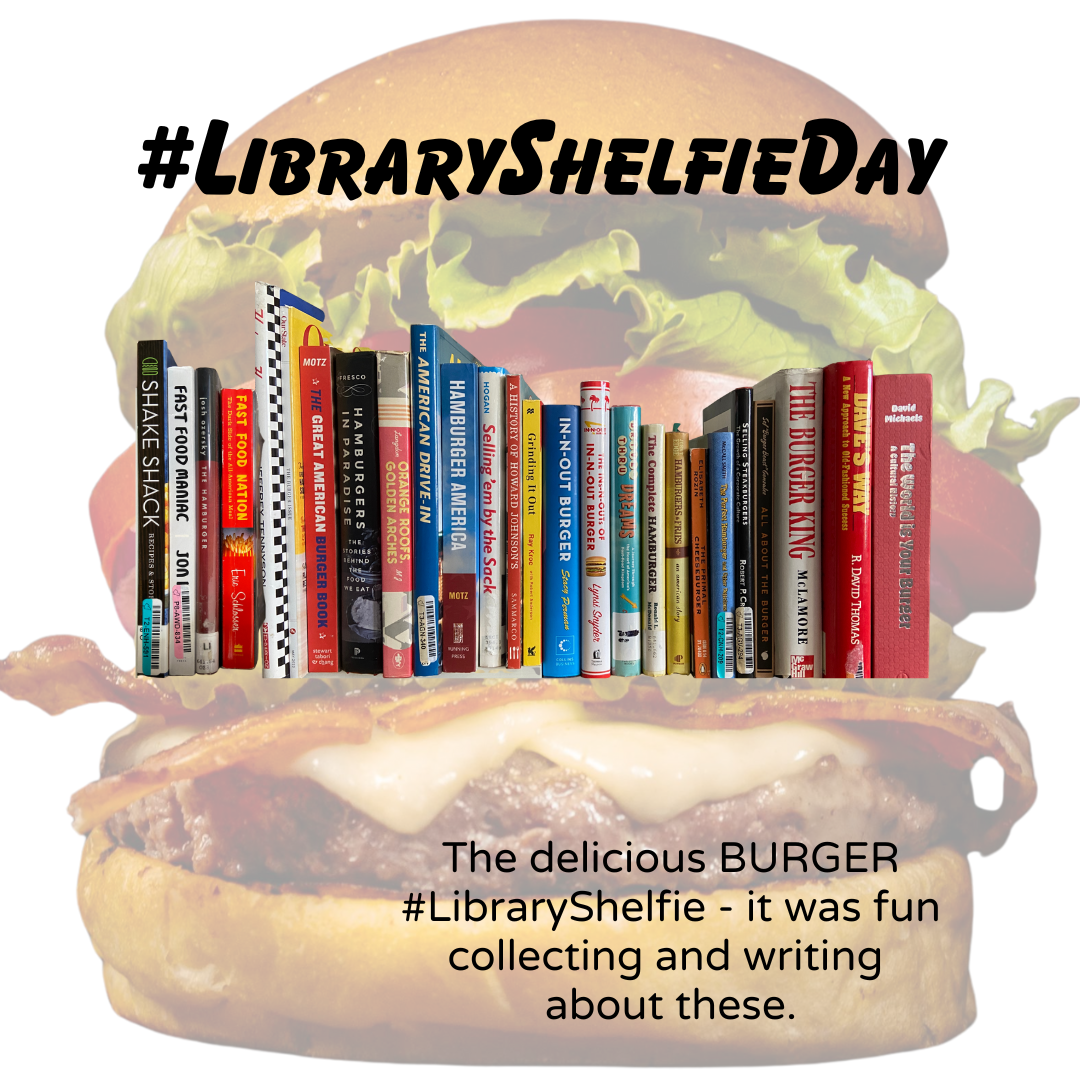
The connection between intellectual curiosity and culinary exploration runs deeper than one might think. Articles like My Quest for the Perfect Hamburger: A Literary, Culinary, and Arbitrary Journey in Pursuit of America’s Iconic Delight highlight the intentionality behind savoring a meal, much like Reading Between the Lines encourages a deeper understanding of texts. 

Therefore, a birthday itinerary for a Charlotte book and burger enthusiast seamlessly weaves these two passions together, creating a day of discovery for both the mind and the palate.

The day begins with a literary pilgrimage to some of Charlotte’s finest used bookstores. First, Julia’s Cafe & Books provides a more relaxed atmosphere, blending the aroma of coffee with the scent of old paper. This airy cafe combined with a used bookshop offers a comfortable and social environment, allowing for a coffee or a light snack as you browse their curated collection. The added benefit of supporting Habitat for Humanity with every purchase makes your literary finds contribute to a good cause. Here, the focus is on quality used books, and the comfortable seating invites you to settle in and perhaps even begin reading your new acquisition. 

Next, Book Buyers offers the classic, sprawling used bookstore experience, where the thrill of the hunt for a hidden gem mirrors the anticipation of a good story. With its vast selection and cozy, slightly labyrinthine feel, it’s a place where you can easily get lost in the stacks for an hour or two, unearthing forgotten treasures or beloved classics. The presence of resident cats only adds to its charm, creating an atmosphere that invites leisurely browsing and serendipitous finds.

Both Book Buyers and Julia’s offer a tangible connection to Beyond the Page: C.S. Lewis on the Transformative Power of Reading and the simple joy of discovery.

Mid-day, the adventure shifts to the equally cherished pursuit of the perfect burger. Charlotte boasts several great burger joints, but two distinct establishments embody different facets of Burger Magic: Exploring the Universal Fascination Behind America’s Favorite Dish

Brook’s Sandwich House is an iconic, old-school, cash-only institution, serving up a classic, unpretentious burger with a side of local history. Established in 1973, it’s a walk-up window joint with ample outdoor picnic tables. Expect no-frills, fast service, and a truly local experience. Their cheeseburger with chili and crispy fried bologna are legendary, representing a testament to tradition, much like Tracing the Origins and Early Development of the Hamburger in America. The experience at Brook’s is about authentic, satisfying flavor, often enjoyed in a bustling, no-nonsense environment. With a 10 a.m. opening time, I can treat it more like a burger brunch!

In contrast, Ace No. 3 offers a more contemporary and polished take on the burger. With a focus on quality ingredients and perfected techniques, it represents the evolution of Burgerology: The Art and Science of the Perfect Patty. The atmosphere is more modern and trendy, and the menu often features creative toppings and a selection of craft beers. Their signature “THE ACE” burger, with two 1/4 lb. chuck blend patties, American cheese, grilled onions, house pickles, and Comeback sauce, provides a more gourmet experience. 

Comparing the simple, chili-laden charm of Brook’s to the elevated, smash-burger experience of Ace No. 3 provides a delicious quest for culinary perfection, mirroring the varied approaches to reading discussed in posts like Reading Between the Ears: Synoptical Reading, Leadership, and the Magic of Disney.

Since Anita has a wonderful surprise planned for dinner at the end of the day, I had to make a choice of just one – and Brook’s Sandwich House wins the day

The afternoon brings another opportunity for literary immersion at That’s Novel Books, conveniently located within the vibrant Camp North End complex. This used bookstore offers a curated selection of genres and a focus on community, creativity, and art. It’s connected to Hygge Coworking, giving it a cool, collaborative feel. Here, you might find more contemporary titles, local authors, and unique gifts. The Camp North End setting also allows for exploring other shops, art installations, and perhaps even grabbing a celebratory drink or treat if time allows, extending the birthday festivities.

Just as 27gen explores various facets of reading, from Turn the Page: Exploring National Book Lover’s Day to Mastering Anything: A Strategic Guide to Continuous Learning Through Reading, this birthday adventure celebrates the multifaceted joy of being a book lover. It’s a day to indulge in the intellectual nourishment of a good book and the satisfying pleasure of a great burger, proving that Yes, Leaders are Readers! are burger enthusiasts too. 

My birthday adventure will end with a relaxed and very special dinner with Anita in the evening, perhaps enjoying newly acquired books or discussing my burger from the day, cementing the memories of a perfectly tailored birthday in Charlotte.

Beyond the Page: C.S. Lewis on the Transformative Power of Reading

A friend once asked me to define a true reader. Of course, I answered with a quote from a book:

I went on to share the source of the book, The Reading Life, by C.S. Lewis, and I want to share it here.

The revered teacher and bestselling author reflects on the power, importance, and joy of a life dedicated to reading books in this delightful collection drawn from his wide body of writings.

More than fifty years after his death, intellectual and teacher C. S. Lewis continues to speak to readers, thanks not only to his intellectual insights on Christianity but also his wondrous creative works and deep reflections on the literature that influenced his life. Beloved for his instructive novels including The Screwtape Letters, The Great Divorce, and The Chronicles of Narnia as well as his philosophical books that explored theology and Christian life, Lewis was a life-long writer and book lover.

Cultivated from his many essays, articles, and letters, as well as his classic works, The Reading Life provides guidance and reflections on the love and enjoyment of books. Engaging and enlightening, this well-rounded collection includes Lewis’ reflections on science fiction, why children’s literature is for readers of all ages, and why we should read two old books for every new one.

A window into the thoughts of one of the greatest public intellectuals of our time, this collection reveals not only why Lewis loved the written word, but what it means to learn through literature from one of our wisest and most enduring teachers.


C.S. Lewis’ The Reading Life is a carefully curated collection of his thoughts, essays, and correspondence about the art and joy of reading. Compiled posthumously from various sources, including letters, lectures, and previously published works, this volume offers readers a glimpse into the literary mind of one of the 20th century’s most influential Christian thinkers and writers.

The collection opens by establishing Lewis’s deeply personal relationship with books from childhood. Far from presenting reading as merely educational, Lewis reveals it as transformative and essential to his intellectual and spiritual formation. He recounts being “baptized” into the world of Norse mythology as a child, describing the profound way certain texts awakened his imagination and shaped his worldview.

Lewis distinguishes between different types of reading experiences throughout the collection. He contrasts what he calls “literary” reading – where one engages with a text for its inherent aesthetic qualities and transformative potential – with reading merely for information or distraction. Lewis argues passionately that the former holds greater value, allowing books to change us rather than merely entertaining or informing us.

One of the collection’s strengths is Lewis’s discussion of how to approach literature. He advocates for reading with receptivity and openness, suggesting that truly experiencing a book requires temporarily setting aside our own prejudices and assumptions. Lewis emphasizes that good reading involves surrender – allowing ourselves to be led by the author rather than imposing our interpretations from the outset.

Lewis also explores the relationship between reading and moral development. While he rejects the simplistic notion that reading “good” books automatically makes one virtuous, he acknowledges literature’s capacity to expand our moral imagination and help us understand perspectives beyond our own limited experience. His nuanced view recognizes literature’s power without overstating its moral effects.

The collection addresses practical aspects of reading as well. Lewis offers insights on rereading, suggesting that revisiting books is essential to truly understanding them. He discusses the value of reading older works, arguing that they provide necessary perspective to counter the cultural blindness of our own era. Lewis also tackles the sometimes intimidating prospect of reading “the classics,” providing encouraging advice for approaching difficult texts.

What makes The Reading Life particularly compelling is Lewis’s voice – erudite but accessible, passionate but reasoned. His writing exudes both intellectual rigor and childlike wonder. Whether discussing medieval literature or children’s stories, Lewis conveys the same infectious enthusiasm for the written word.

The collection’s most profound sections explore reading as a spiritual practice. Lewis suggests that literature can prepare us for divine encounters by awakening longing and helping us recognize beauty. While never suggesting that books replace religious experience, he positions them as potential conduits for transcendence.

Lewis’ Christian worldview and his literary preferences tend toward the classical and medieval. As such, some may find his perspectives on modern literature limited by his own historical context and personal taste. Additionally, the collection’s posthumous assembly means some thematic repetition occurs across selections.

The Reading Life is ultimately a celebration of literature’s capacity to expand our consciousness. Lewis portrays reading not as escapism but as a means of encountering reality more fully. Through books, he suggests, we can transcend the limitations of our individual perspective and experience the world through different eyes.

For those who already appreciate Lewis’s work, this collection provides valuable insights into the literary influences that shaped his thought. For newcomers, it offers an accessible introduction to Lewis’s brilliant mind and his approach to literature. For all readers, it serves as a compelling reminder of why we read and how books can transform our lives.

In an age of digital distraction and superficial content consumption, Lewis’s reflections on deep, attentive reading feel especially relevant. The Reading Life invites us to reconsider our relationship with books and challenges us to read not merely for information or entertainment but for transformation. It reminds us that the true value of reading lies not in the quantity of books we consume but in how deeply we allow them to shape us.

We want to see with other eyes, to imagine with other imaginations, to feel with other hearts, as well as with our own.

C.S. Lewis

Part of a regular series on 27gen, entitled Wednesday Weekly Reader.

During my elementary school years one of the things I looked forward to the most was the delivery of “My Weekly Reader,” a weekly educational magazine designed for children and containing news-based current events.

It became a regular part of my love for reading, and helped develop my curiosity about the world around us.

Celebrating National Library Week: Where Stories Come Alive


National Library Week is more than just a calendar event—it’s a vibrant celebration of knowledge, community, and the transformative power of reading. Each year, this special week reminds us of the vital role libraries play in our lives, offering far more than just rows of books on shelves. They are sanctuaries of discovery, learning, and connection that continue to evolve in our digital age.

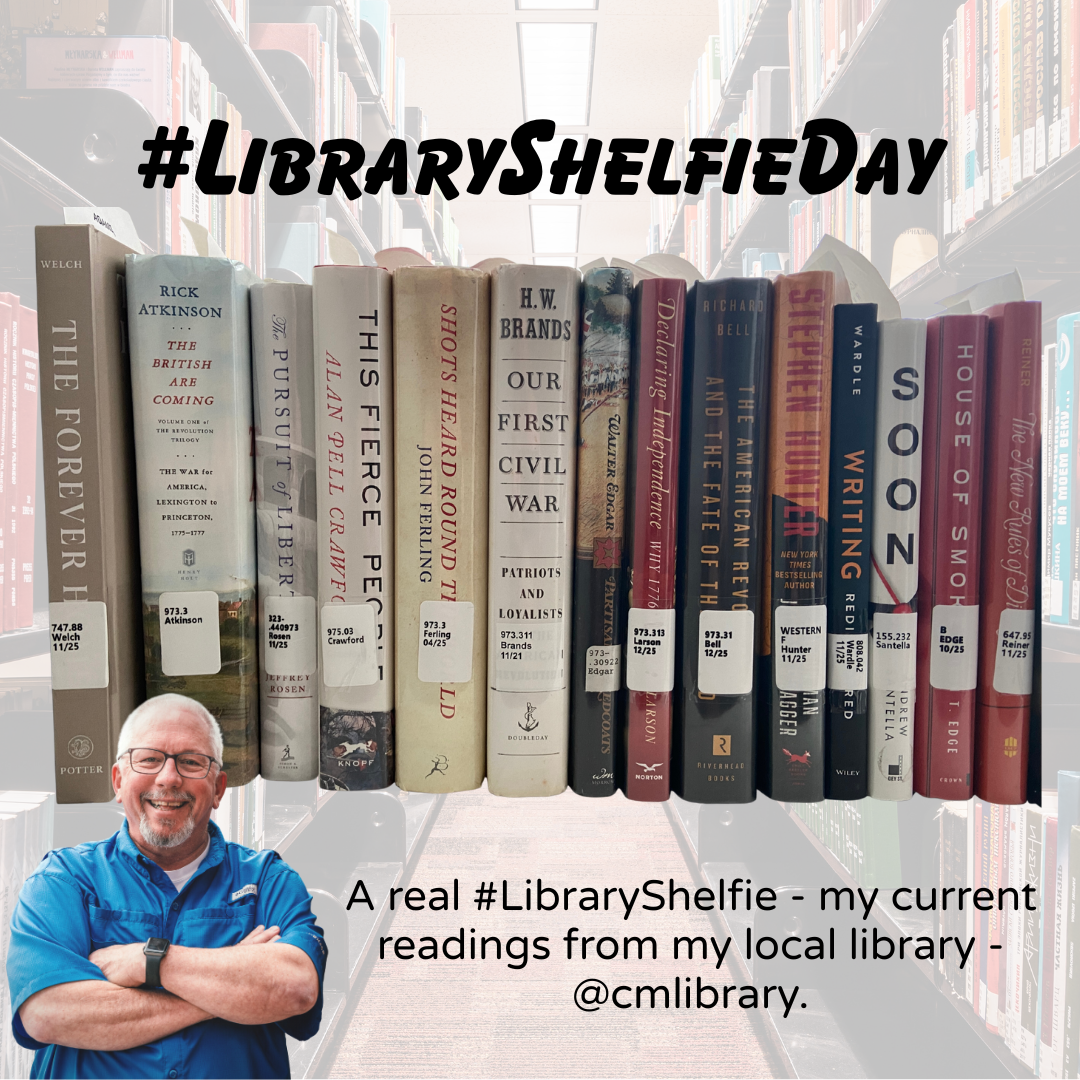
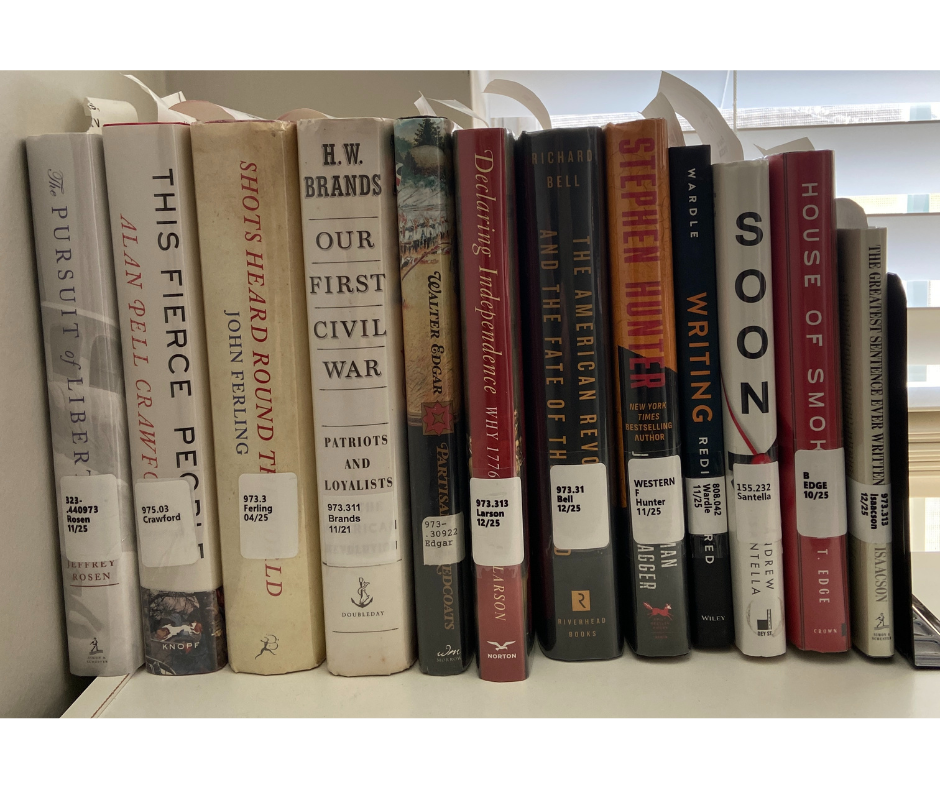
That’s the North County Regional branch of the Charlotte Mecklenburg library.

It’s also my weekly destination for dropping off and picking up books I’ve placed on hold throughout the week.

Visiting the local library is a long-standing tradition with me. As a small boy, I remember with fondness the bi-monthly visits to the branch library in the next county. We were limited to checking out 20 books at a time, and it was a rare visit when I didn’t meet that quota.

As soon as the car pulled in the driveway, I would race into our house and begin reading through my treasure trove of books.

In my early years, I would often have them all read in a matter of days. As I got older and the books got longer, it might take the whole two-week period to read them.

Then there’s school libraries, from middle school to high school to college to graduate school. More treasures of a deeper and longer-lasting sort.

When our children came along, I introduced them to the joy of reading and the local library. In each city we’ve lived in, one of the very first visits we made after moving was to stop by the library and pick up a library card. Since our four children were born four years apart, that’s a long time of library visits!

I’m proud to say that as they have grown up, and with children of their own, reading and visiting the library is still important in their lives. And of course, any grandchild visiting Nina and GrandBob is going to have a selection of the latest age-appropriate books from our library waiting!

The Heart of Our Communities

Libraries are perhaps the most democratic institutions we have. They welcome everyone, regardless of age, background, or economic status. From a child discovering their first picture book to a student researching a complex topic, from a job seeker using free computer resources to a retiree attending a community workshop, libraries serve as inclusive spaces that bridge gaps and open doors to opportunity.

In an era of increasing digital isolation, libraries stand as physical spaces that bring people together. They are community centers where knowledge is shared, ideas are exchanged, and connections are made. Free classes, reading groups, cultural events, and workshops transform libraries from quiet repositories of books into dynamic, interactive spaces of learning and engagement.

A World of Endless Exploration

Imagine walking into a library and being surrounded by millions of stories waiting to be discovered. Each book is a portal to another world, another perspective, another life experience. Whether you’re interested in traversing distant galaxies through science fiction, understanding historical events through meticulously researched non-fiction, or exploring the depths of human emotion through poetry, libraries offer an infinite landscape of exploration.

Modern libraries have expanded far beyond traditional book lending. Many now offer:

  • Digital resources and e-book collections
  • Free Wi-Fi and computer access
  • Language learning programs
  • Technology workshops
  • Children’s storytelling sessions
  • Local history archives
  • Career development resources

How to Celebrate National Library Week

Celebrating National Library Week doesn’t require grand gestures – just curiosity and an open mind. Here are some wonderful ways to participate:

  • Get a Library Card: If you don’t already have one, visit your local library and sign up. It’s typically free and opens up a world of resources. Many libraries now offer digital cards that provide instant access to online materials.
  • Attend a Library Event: Check your local library’s calendar. Most libraries host special events during National Library Week, such as author talks, book clubs, writing workshops, or family-friendly activities.
  • Explore a New Genre: Challenge yourself to read something completely different from your usual preferences. Ask a librarian for recommendations – they’re experts at matching readers with perfect books.
  • Support Your Library: Consider donating books, volunteering, or making a financial contribution. Libraries often rely on community support to maintain and expand their services.

A Personal Invitation

This National Library Week, I invite you to rediscover the magic of your local library. Take a moment to step inside, breathe in the quiet atmosphere of possibility, and remember that within these walls, every book is a journey waiting to begin, every shelf a landscape of potential waiting to be explored.

My visits to my local library – from 60 years ago as a young reader to this week’s latest explorations – continue to impact my life every day.

Libraries are more than buildings – they are guardians of human knowledge, dreamers of collective imagination, and bridges to understanding. They remind us that in a world of constant change, the love of learning and the power of stories remain timeless.

Make time this week to “check out” your local library!

Closing the Circle: A Grateful Goodbye and a New Beginning

We live in a world defined by exits. Visual reminders of departure surround us daily, guiding our movements, anticipating our turns, and flashing directions.

From following exit arrows in parking garages to noting emergency exits in darkened theaters, from flight attendants’ safety briefings to kindergartners learning their first important words – “exits” represent efficiency, safety, order, and protection. They structure our physical environment and shape our daily routines, whether we’re navigating unfamiliar highways or traveling well-worn paths in our communities with barely a conscious thought.

The language and metaphors of exit permeate our lives as well. We apply for exit visas before international travel, directors choreograph theatrical exits, poker players “fold” to exit a game on their own terms, and even our news media and crime shows are saturated with references to “exit wounds.” These departures are woven into the fabric of our existence – marking our physical landscapes, embedding our language, shaping our national narratives, and influencing our personal development. Yet despite their ubiquity, exits often remain invisible, overshadowed by our cultural fascination with beginnings, launches, and entries.

Perhaps in our celebration of new starts, we’ve rendered the equally important act of leaving somehow less noble by comparison.

Today, I am invoking a deeply personal ritual of goodbye to my job with the Auxano team.

Saying goodbye is never easy, especially after spending over 12 years as part of the incredible Auxano team. But as I consider a new chapter, I want to take a moment to reflect, appreciate, and look ahead with optimism.

For me, this isn’t just an exit – it’s the closing of a circle, a completion of a season filled with dedication, growth, and countless meaningful experiences. The phrase “closing the circle” often symbolizes bringing something to completion, ensuring that what was started is finished well. That’s exactly how I feel about my time on the Auxano team.

My Journey with Books and Auxano

My Auxano journey began in 2008 with books – specifically, one book and a custom bookcase holding 40 or so leadership books, designed to fit in the back of a Jeep Liberty. That initial encounter led to joining the team full-time in 2012.

My Auxano journey is ending with books – specifically, a book curated by me for each member of the current Auxano team – from my Disney library.

Books have always been a part of my life, going all the way back to my childhood. To a lesser extent, Disney has been ever-present as well. It seemed only natural to put those two together a long time ago, and I haven’t stopped yet!

As I wrapped up my time with the Auxano team earlier this week at our annual Resync, I wanted to celebrate each team member in a special way: From my 500+ book Disney library, I chose a specific book for each member of the team that conveyed a message of how their gifts and encouragement have been demonstrated to me. It is my hope they enjoy reading through the book, and as they do, they will know that I remember our times together on the team with much fondness and appreciation for their friendship.

A Legacy of Dedication

Over the past 12+years, I have had the privilege of working alongside some of the most talented, knowledgeable, and compassionate people I’ve ever met. Whether it was managing key projects, brainstorming fresh ideas, or simply being a reliable presence, I have truly cherished the opportunity to contribute and grow alongside this team.

From my early days navigating the new challenges of an almost-vertical learning curve to the most recent initiatives that pushed us forward, I have learned so much. The resilience, creativity, and shared commitment to our mission have made this journey incredibly rewarding. I am proud of what we have accomplished together, and I know that the impact of our work will continue long after I’ve moved on.

Not an Ending, But a New Beginning

While my job may be coming to an end, the relationships, lessons, and experiences of the Auxano team will stay with me forever. This job has never just been about tasks and deliverables – it has been about the people who make it all happen, and the clients we served.

Now, I am looking ahead to a new season, one filled with possibilities. Whether it’s exploring new career opportunities, diving into passion projects, or simply taking a break, I carry with me the confidence that the same qualities that served me well at Auxano and previous jobs will continue to guide me forward. Change can be daunting, but it is also exhilarating – an open door to new adventures and unforeseen opportunities.

A Heartfelt Thank You

As I close this circle with my Auxano brothers and sisters, I do so with immense gratitude. Thank you to each and every one on the Auxano team for your support, encouragement, and friendship. You have shaped my journey in ways that I will never forget. My work here has mattered, but more importantly, you have mattered to me.

While I will not be logging on to the virtual office space that Auxano thrives in every day, know that I will always carry the memories and lessons from this team with me. I celebrate all that we have accomplished together, and I look forward with excitement to what’s ahead for the team.

So here’s to closing the circle – not as a farewell, but as the completion of a journey well traveled and the beginning of a future full of promise. I can’t wait to see what’s next!

May God continue to richly bless each of you in the days ahead!


The Joy of Reading: Reflecting on Another Year Between the Pages

Normally during the last week of the year, maybe sliding into the first few days of the new year, a post appears on 27gen related to reading and books.

Sometimes it’s about reading in general; others it’s about specific books that I’ve read during the past year.

That’s “normally” – the last few weeks have been anything but normal!

You can read more about it here (with a follow-up on 1/22), but the bottom line is that the last three weeks have been pretty much a blur, and a post in development since mid-December is just now ready for publication.


We have closed the book on 2024, and we are several weeks deep into 2025.

I find myself, like many book lovers, taking stock of the stories that have shaped my year. As someone who devours 2-3 books weekly, my life is measured not just in days and months, but in the volumes that have kept me company through seasons of change.

“Reading is a passport to countless adventures,” wrote Mary Pope Osborne, and indeed, each book opens a portal to new worlds, fresh perspectives, and unexpected revelations. This past year, through the pages of countless books, I’ve walked the bustling streets of distant cities, unraveled mysteries in moonlit manor houses, and contemplated the deepest questions of human existence – all from the comfort of my favorite reading chair.

Toni Morrison once said, “Books were my pass to personal freedom.” In a world that often feels increasingly fragmented and fast-paced, reading remains our sovereign territory, a space where we can pause, reflect, and truly be present. It’s a form of meditation, really – a way to quiet the endless notifications and urgent demands of modern life.

Looking back at 2024, I’m struck by how the books I’ve read (acquired 117, borrowed 174 from the library) have served as faithful companions through both ordinary days and extraordinary moments. They’ve been there during early morning tea rituals, afternoon coffee shop visits, late-night contemplations, and those precious stolen moments between responsibilities. As Neil Gaiman beautifully put it, “A book is a dream that you hold in your hand.” These dreams have sustained us, challenged us, and helped us make sense of an ever-changing world.

A special part of the AdamsFamilyExperience at Christmas (when all of our kids and grandkids were with us for 5+ days) was seeing parents and kids alike sprawled over a chair or on the floor, reading a book. That sight warmed my heart!

But reading is more than just escape or entertainment. Research consistently shows that regular reading improves empathy, reduces stress, enhances cognitive function, and even helps stave off cognitive decline as we age. In essence, every time we open a book, we’re investing in our mental and emotional wellbeing. As Maya Angelou wisely observed, “Any book that helps a child to form a habit of reading, to make reading one of his deep and continuing needs, is good for him.” The same holds true for adults.

As we look ahead to 2025, there’s something deeply comforting about the towering stack of books waiting to be read – the “to-be-read” pile that seems to grow taller despite our best efforts to keep pace. Each unread book represents a promise of discovery, a future adventure waiting to unfold. Italo Calvino captured this anticipation perfectly: “The more you read, the more you realize you haven’t read. The more you know, the more you realize you don’t know.”

In this coming year, I encourage fellow readers to embrace both the familiar and the unknown. Perhaps it’s time to venture beyond our comfort zones – to pick up genres we normally bypass, to seek out voices we haven’t heard before, to challenge our preconceptions through literature that pushes us to think differently. As Frederick Douglass reminded us, “Once you learn to read, you will be forever free.”

Reading isn’t just a solitary pursuit, either. Book clubs, online reading communities, and literary social media have created vibrant spaces where readers can connect, debate, and share their love of literature. These connections remind us that while reading itself may be solitary, the joy of books is meant to be shared. As C.S. Lewis noted, “We read to know we are not alone.”

If you prepare a reading resolution for 2025, remember that there’s no “right” way to be a reader. Whether you prefer physical books, e-readers, or audiobooks; whether you read one book a month or one a day; whether you annotate meticulously or simply let the words wash over you – all approaches are valid. The only requirement is the willingness to open yourself to the transformative power of stories.

So here’s to another year of reading adventures. Here’s to dog-eared pages and highlighted passages, to late nights spent promising ourselves “just one more chapter,” to the books that will make us laugh, cry, think, and grow. As we stand at the beginning of 2025, let’s remember what Susan Sontag said: “Reading sets standards. When we read, we want to read more, better, deeper.”

May your 2025 be filled with wonderful books, quiet reading moments, and the joy of discovering new favorite authors.

When people ask me, “Do you collect books?” I always say, “No, books collect me.”

Nicholas Barker, in At Home with Books

Reading Between the Lines: Cultivating Continuous Learning Through Reading

In the journey of becoming a Modern Elder, few practices are as powerful and transformative as continuous learning. And at the heart of this lifelong pursuit of knowledge lies a timeless, ever-accessible tool: reading

For Modern Elders, cultivating a rich and diverse reading habit is not just a pastime – it’s a fundamental strategy for staying relevant, expanding perspectives, and fostering the curiosity and openness essential in today’s rapidly evolving world.

In a timely twist of scheduling, this article on reading occurs on the day of National Book Lover’s Day! Check out my thoughts here, then read on for the power of lifelong reading.


The Power of Lifelong Reading

In the digital age, where information flows at an unprecedented pace, the timeless practice of reading remains an unparalleled tool for continuous learning. For Modern Elders, embracing lifelong reading is not just a leisure activity – it’s a strategic approach to staying intellectually agile and relevant. Reading offers a unique combination of depth, breadth, and accessibility that few other learning methods can match. It serves as a gateway to new ideas, a catalyst for critical thinking, and a bridge across generational and cultural divides. By cultivating a robust reading habit, Modern Elders can harness a powerful engine for personal growth, professional development, and lasting impact in their roles as mentors and leaders.

Reading serves as the bedrock of continuous learning for several reasons:

  • Accessibility: Books, articles, and digital content are available at our fingertips, making learning possible anytime, anywhere.
  • Depth: Reading allows for deep dives into subjects, offering nuanced understanding that surface-level information cannot provide.
  • Diversity of Thought: Through reading, we can expose ourselves to a wide array of ideas, cultures, and perspectives.
  • Cognitive Benefits: Regular reading has been shown to improve memory, increase empathy, and even potentially delay cognitive decline.
  • Self-Paced Learning: Reading allows us to learn at our own speed, revisiting complex ideas as needed.

Cultivating Curiosity Through Reading

In the journey of lifelong learning, Modern Elders understand that reading is a powerful tool for fostering curiosity and personal growth. Beyond mere information gathering, reading can open doors to new perspectives, challenge existing beliefs, and spark innovative thinking. By embracing a diverse and intentional approach to reading, Modern Elders can cultivate a sense of wonder that keeps their minds agile and receptive to fresh ideas.

For Modern Elders, reading is not just about accumulating facts—it’s about nurturing a sense of wonder and openness to new ideas. Here’s how reading can fuel curiosity:

  • Explore Diverse Genres: Don’t limit yourself to your professional field. Read fiction, philosophy, science, history, and more. Each genre offers unique insights and perspectives.
  • Follow Your Interests: Let your natural curiosity guide your reading choices. If a topic piques your interest, explore it further through additional books or articles.
  • Challenge Your Views: Deliberately seek out books that challenge your existing beliefs or offer alternative viewpoints. This practice keeps your mind flexible and open to new ideas.
  • Connect Ideas Across Disciplines: Look for connections between different fields. Some of the most innovative ideas come from applying concepts from one discipline to another.

Strategies for Effective Reading

Effective reading is a cornerstone of continuous learning, particularly for those committed to personal and professional growth. By adopting strategic approaches to reading, individuals can significantly enhance their knowledge acquisition, retention, and application of new ideas. The following strategies offer practical ways to transform reading from a passive activity into an active, purposeful pursuit of lifelong learning.

To maximize the benefits of reading for continuous learning, consider these strategies:

  • Set Reading Goals: Commit to a certain number of books or articles per month or year. This creates a habit of consistent learning.
  • Create a Reading List: Keep a running list of books you want to read. Include recommendations from colleagues, thought leaders in your field, and sources outside your usual interests.
  • Practice Active Reading: Take notes, highlight key points, and summarize main ideas. This engagement enhances retention and deepens understanding.
  • Join or Start a Book Club: Discussing books with others can provide new perspectives and reinforce learning.
  • Combine Reading Methods: Mix physical books, e-books, and audiobooks to suit different situations and learning preferences.
  • Read With Purpose: Before starting a book, consider what you hope to gain from it. This focus can enhance your learning and retention.

Leveraging Modern Elder Wisdom in Reading

Modern Elders bring a distinct advantage to their reading practice: a rich tapestry of life experiences. This accumulated wisdom serves as a powerful lens through which to view and interpret new information. By leveraging their extensive background, Modern Elders can enhance their reading experience, critically evaluate new ideas, and share valuable insights across generations. This unique perspective allows for a deeper, more nuanced engagement with literature and learning.

As Modern Elders, we bring a unique advantage to our reading practice—a wealth of life experience. This allows us to:

  • Connect New Information to Existing Knowledge: Use your experience as a framework to understand and contextualize new ideas.
  • Critically Evaluate Information: Your years of experience provide a valuable filter for assessing the practicality and validity of new concepts.
  • Identify Timeless Principles: Recognize fundamental truths that persist across time and trends, even as specifics change.
  • Share Insights: Use your reading as a basis for mentoring others, bridging generational gaps with shared knowledge.

The Digital Reading Landscape

In today’s rapidly evolving digital landscape, Modern Elders must adapt their reading habits to encompass a wide array of online resources. While traditional books remain valuable, the digital realm offers unprecedented access to diverse and current information. By embracing these digital tools and platforms, Modern Elders can enhance their learning experience, stay abreast of the latest developments in their fields, and access a wealth of knowledge at their fingertips.

In embracing continuous learning through reading, Modern Elders should also navigate the digital reading landscape:

  • E-books and E-readers: Familiarize yourself with digital reading devices, which offer convenience and accessibility.
  • Online Articles and Journals: Stay current with the latest thinking in your field through online publications.
  • Blogs and Newsletters: Follow thought leaders and experts through their blogs or curated newsletters.
  • Social Media: While not a replacement for deep reading, platforms like Twitter can provide quick insights and lead you to more substantial content.
  • Digital Libraries: Take advantage of online libraries and databases for access to a vast array of resources.

From Consumer to Contributor

The journey of continuous learning through reading doesn’t end with personal growth; it opens doors to becoming an active contributor in the knowledge ecosystem. As Modern Elders accumulate insights and perspectives through their reading practices, they are uniquely positioned to share this wisdom with others. By transitioning from consumers to creators of knowledge, Modern Elders can amplify their impact, inspire others, and contribute to a broader dialogue across generations and disciplines.

As you deepen your practice of continuous learning through reading, consider transitioning from a consumer of information to a contributor:

  • Write Reviews: Share your thoughts on books you’ve read, offering your unique perspective as a Modern Elder.
  • Start a Blog or a Podcast: Write or record about the connections you’re making between your reading and your experiences.
  • Mentor Others: Use your growing knowledge base to guide and inspire younger colleagues.
  • Speak or Teach: Share your insights at conferences, workshops, or in educational settings.

For Modern Elders, reading is more than a casual hobby – it’s a vital practice that fuels continuous learning, nurtures curiosity, and fosters openness to new ideas. By committing to a rich and diverse reading habit, you not only enhance your own growth and relevance but also position yourself to make meaningful contributions in our ever-changing world. Remember, in the words of the great William Faulkner, “Read, read, read. Read everything.” In doing so, you’ll ensure that your wisdom as a Modern Elder remains dynamic, relevant, and deeply impactful.


Part Four in a SeriesFind the Introduction here, along with previously published articles.


Turn the Page: Exploring National Book Lover’s Day

August 9 is birthdate of my father, H.D. “Doc” Adams, who was born in 1927.

It’s also Book Lover’s Day.

Those two seemingly incongruent circumstances actually have a powerful connection for me.


After suffering a major stroke on February 10, 2012, my father passed away on February 25. By the time I was able to get back to Tennessee to see him, he had lost motor functions and speech capacity. Over the few days I was there, the slow but steady decline continued.

I had last seen him during the previous Christmas holidays. While there, I spent some time alone at home with him. After suffering a series of strokes over the past several years, he could no longer read – but the legacy of his reading lined the bookshelves all over my boyhood home. In the quiet hours when everyone was asleep, I scanned the shelves and remembered hearing him talk about this book or that one. I pulled a few off the shelf, and opening them, was instantly transported back in time to a conversation about the subject, or to memories of the event itself.

I’ve been a reader of books since, well, before I can remember. My father was an avid reader, and he passed that passion along to me at an early age. Even though he worked 6 days a week, 12 hours a day as a gas station owner, he often spent several hours reading each night. A recent revelation from a book brought his actions sharply into focus:

The manual labor of the past that allowed a human being to work in an embodied way, and to contemplate in heart and mind while working with one’s hands, encouraged the desire for reading after the physical exertions were completed. One can imagine why a farmer might kick off his boots after a day of sweat and dirt to read a good book.

Reading for the Love of God, Jessica Hooten Wilson

That was my father.

He insisted my mother take my brother and me to the library in the next town and check out books – every two weeks. I would get the maximum number of books, take them home, and read them – usually in the first day or two. Then it would be an impatient wait till the next library trip.

Reading is a passion I treasure, and one that I am thankful my father instilled in me.

The library habit of my boyhood stuck with me through elementary, junior, and high school; it remained in college and graduate school and post-graduate specialized studies. Each of my vocational roles since school “ended” have included reading as a part of what I brought to the task. It continues to this day, with a weekly visit to my local library to drop off books read and pick up books on hold – usually three or four in each category.


Every year on August 9, bibliophiles around the world unite in celebration of National Book Lover’s Day. This special occasion honors the profound impact that books have on our lives, cultivating imagination, expanding knowledge, and fostering personal growth. As we mark this day, it’s an opportune moment to reflect on the enduring value of reading and explore ways to enrich our literary experiences.

Book Lover’s Day is a great day to celebrate. Just grab an interesting book, find a quiet, cozy place, and crack open the cover. Celebrating Book Lover’s Day in August is pleasurable on the deck, under a shady tree, poolside, or in a cozy hammock. If you fall asleep while reading, that’s okay. It’s all part of the relaxing benefits of being a book lover.

The “WHY” I read so much is covered above. Here’s a clue of the “HOW” and “WHAT” of my reading, and why Book Lover’s Day is important:

I love (and practice) the 4 different levels of reading as espoused by Mortimer Adler in his great book, How to Read a Book, but I really like to latch onto a topic and practice synoptical reading. Also known as comparative reading, it is where many books are read, and placed in relation to one another and to a subject about which they all revolve.

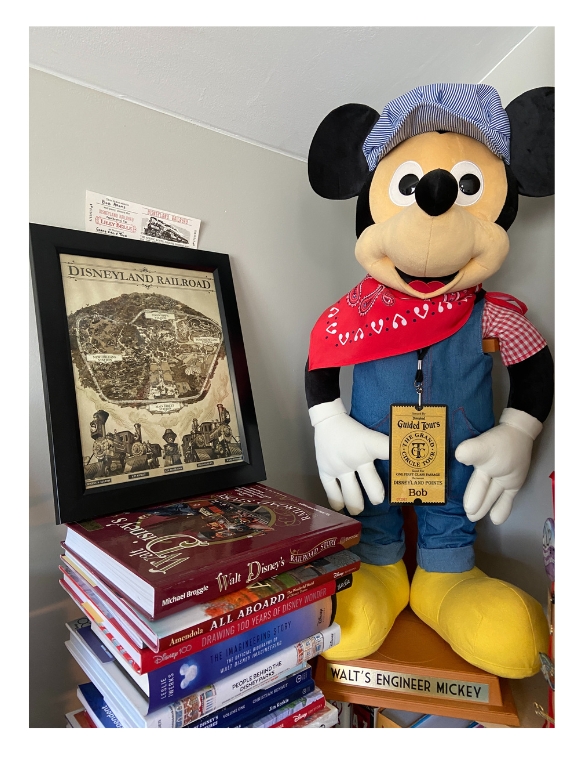
For decades, an ongoing topic of synoptical reading has been about Walt Disney and the “kingdom” he founded. My current Disney library is over 500 books, dating from 1939 to current releases – and I’m still actively researching the subject, and discovering new authors and books regularly. Here’s a few of my latest or soon to be acquired Disney books:

In addition to the pure enjoyment of reading on the subject, these books provide a constant reference for illustrations when I’m writing about hospitality, planning, vision, and other topics that Walt Disney lived out – and to some extent – the Disney organization still practices.

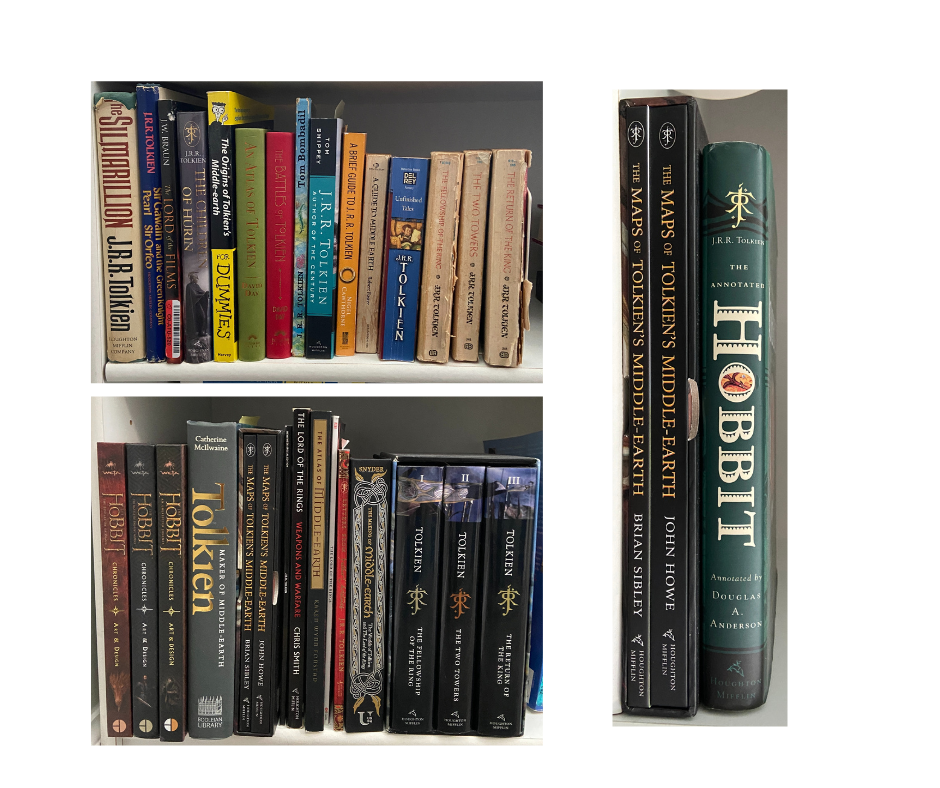
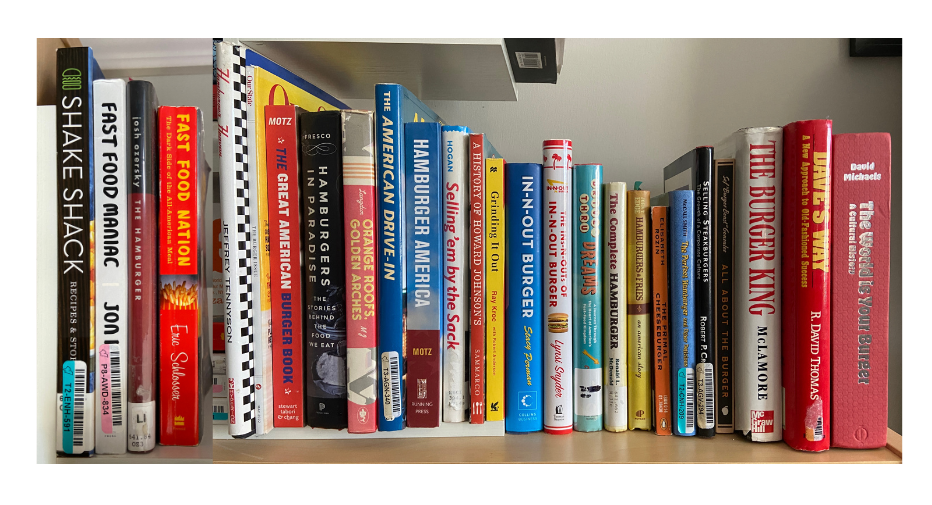
In addition to Disney synoptical reading, I’ve always got small threads of other, diverse, synoptical reading going on, often spurred by long-running interests and subsequent book searches.

Here are a few recent ones:

I am very fortunate in that reading is a part of my work role. As Digital Engagement Leader for Auxano, there’s current reading for our monthly themes and daily social media posts (X, Instagram, LinkedIn, and Facebook), other internal Auxano writing projects, research for Navigators, and believe it or not, reading just for the pleasure of readinga nightly occurrence.

In addition to the above images, here’s a few topics I’ve been reading in the past few months:

  • Ongoing research into the concepts of hospitality in the home (what I’ve termed,”First Place Hospitality”)
  • Tracking the development of hospitality in the U.S. – especially in the food services area
  • Exploring the journey of becoming a “modern elder”
  • Shepherd leadership (biblical concepts relevant for the 21st century)
  • Leadership lessons from the book of Nehemiah

Of course, there’s always some new Disney history coming off the presses that I include in the mix!

So, on Book Lover’s Day, and in memory of my father, I’m trying to emulate Thomas Edison, who believed that voracious reading was the key to self-improvement. He read books on a remarkable range of subjects to address his endless queries.

As Edison noted, “I didn’t read a few books, I read the library.”

How are you celebrating Book Lover’s Day?

On August 9, take time to honor your love of books in meaningful ways. Gift a book to a friend, donate to literacy programs, or simply indulge in an afternoon of uninterrupted reading. Share your favorite quotes or book recommendations on social media using #NationalBookLoversDay to inspire others.

Consider revisiting a beloved childhood story or finally tackling that classic you’ve always meant to read. Organize a book swap with friends or host a literary-themed gathering. Whatever form your celebration takes, use this day as a reminder of the transformative power of books and the joy they bring to our lives.

As we commemorate National Book Lover’s Day, let’s reaffirm our commitment to the written word. In a world of constant digital stimulation, books offer a unique form of engagement – one that nourishes our minds, touches our hearts, and expands our understanding of ourselves and the world around us. So pick up a book, turn the page, and embark on your next literary adventure. After all, every day is an opportunity to celebrate the enduring magic of reading.


If you want to know more about my dad, here is the eulogy I gave at his funeral. After the funeral, while my sons and I were moving some things around his gas station, I discovered one reason I am so passionate about guest experiences. And read this post to find out why readers are leaders.


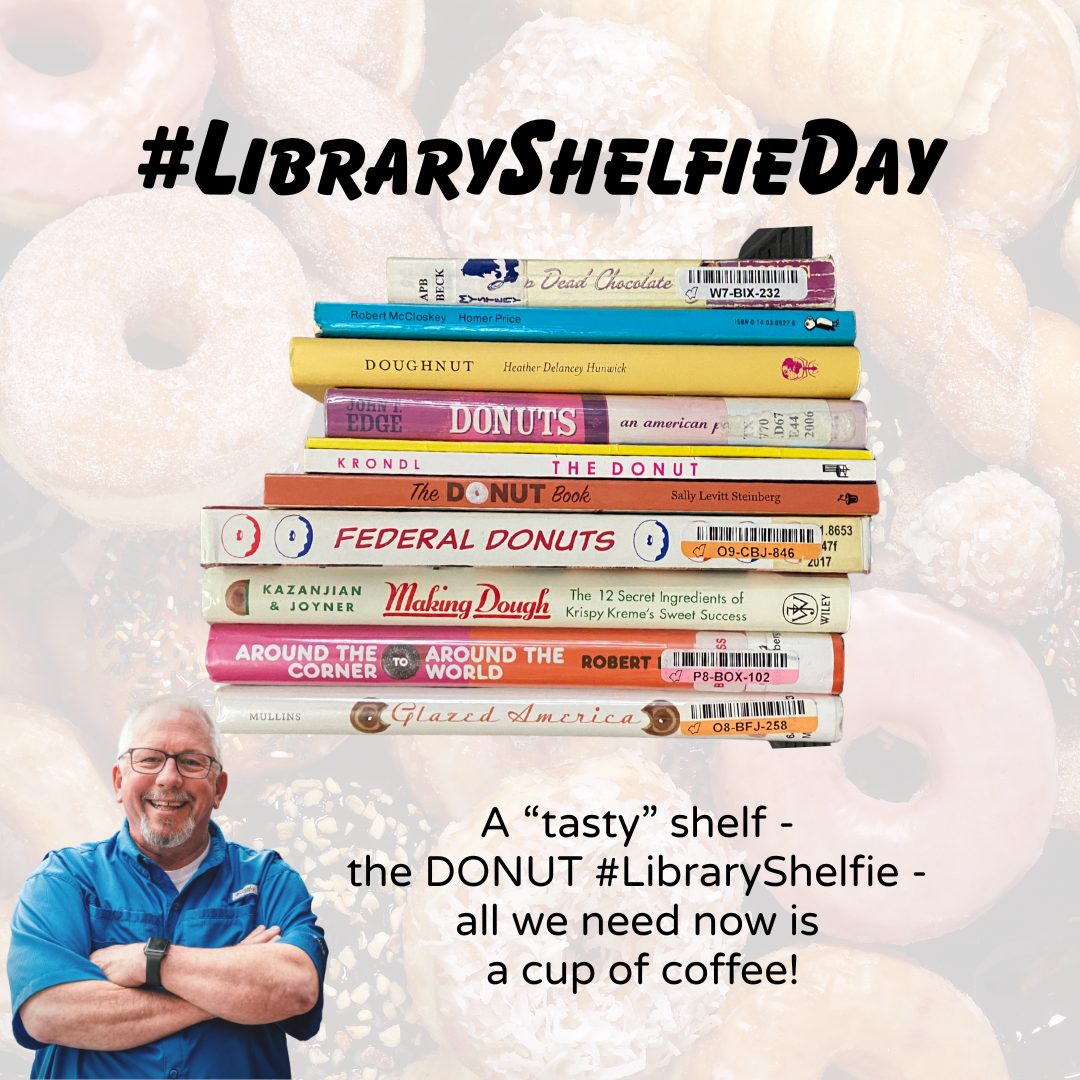
Glazed, Frosted, and Sprinkled: Getting Ready for National Donut Day

Though I certainly enjoyed donuts throughout my childhood, a single book is responsible for the fondness I have for them as an adult.

Books will do that to you.

Like many things in my life, this fondness all came about because of a book: Homer Price.  I have great memories of reading one of the stories in the book about Homer and Uncle Ulysses and the automatic doughnut machine.

 I remembered the image of doughnuts stacked on the counter, shelves, and stools with more coming out of the machine every minute.

I didn’t realize at the time how a book about donuts could be linked to so much more in life.

THE DOUGHNUTS takes place in the 1940’s when an uncle of a boy named Homer opens a luncheonette. Uncle Ulysses, much to the chagrin of his wife Agnes, is a man fond of new-fangled gadgets and has installed a doughnut making machine in his restaurant.

One evening, while Homer is visiting his uncle’s restaurant, Uncle Ulysses leaves Homer in charge of putting the finishing touches on the doughnut machine while he stops by the barber shop. Homer works on the machine and is soon visited by an “advertising man” who stops by for coffee and a doughnut.

While the man waits for the doughnut machine to begin working, a wealthy woman enters the restaurant. She asks Homer if she can mix up the doughnut batter for him, takes off her diamond bracelet, and sets to work. 

Soon the doughnut machine is working – too well! Homer cannot stop the doughnuts from popping out of the machine! Her job finished, the woman leaves and Homer and the advertising man look for places to store the doughnuts.

Homer and the man put their heads together and come up with a scheme to sell the doughnuts “2 for 5 cents” in order to be rid of them. Eventually, the wealthy woman returns, claiming to have left her bracelet in the restaurant.

Shortly, it becomes evident that the bracelet must be in one of the thousands of doughnuts. Homer has an idea! He makes a sign offering one hundred dollars for anyone who can find the bracelet. It doesn’t take long for the doughnuts to be gobbled up and the bracelet to be found.

The end of the story finds Uncle Ulysses trying to explain to skeptical Aunt Agnes why there are tons of crumbs from dozens of doughnuts left on the restaurant counter!

Trivia Note: Have you ever seen the short film The Doughnuts, based on the story above?


As I recall, the copy of Homer Price I had as a boy came from that wonderful invention designed to sell books to eager young readers like me: the Scholastic Book Fair. Not only could I order books, but our classroom benefited too by receiving books for our in-room library. Sadly, many years later when my kids were in elementary school, the Book Fair was less focused on books and more on junk. That’s another story for another time.

What’s the big deal with a child’s book published in 1943, read by a first grade teacher to her class in 1964, bought by a second grader as soon as he could in 1965, and fondly remembered almost sixty years later?

Regular readers of this website know that reading and books are a big deal to me. Introduced by my schoolteacher mother, encouraged by my daily reader father, and nurtured over the years by teachers and professors, it’s not too far off the mark to say these images explain the big deal about reading:

Books have the power to ignite the imagination and foster creativity in children. This imaginative capacity can carry over into adulthood, allowing individuals to approach challenges with creative problem-solving skills and innovative thinking. Seeing this image, and reading about Homer’s dilemma and ultimate solution planted a seed in me: sometimes the best way out of a jam is to sit and think first, and then act on the solution that comes to you.

Reading from an early age has been linked to improved cognitive abilities, such as better language skills, broader vocabulary, enhanced critical thinking, and stronger analytical capabilities. These cognitive benefits persist into adulthood, enabling individuals to process information more effectively and think more critically. Putting together a disassembled donut machine, then making it work so well that Homer had to come up with an idea to get rid of all those donuts – that’s critical thinking!

Children who cultivate a love for reading at an early age are more likely to maintain a curiosity and thirst for knowledge throughout their lives. Books become a gateway to continuously learning new things, exploring different perspectives, and expanding their horizons. Homer’s curiosity got him into the problem, and willingness to continue thinking got him out of it.

I could go on, but I hope you get the point: While not everyone who loved reading as a child maintains that passion into adulthood, those who do often find that their early love of books has profoundly shaped their intellectual, emotional, and personal development in enduring ways.

All from a child’s book about a runaway donut machine…

…which is where I now hope to make the connection for you!


It’s that time of year again when the sweet, doughy aroma of fresh donuts fills the air and Americans come together to honor one of the nation’s most beloved breakfast treats. Friday, June 7th marks National Donut Day 2024, a delicious holiday that pays homage to the humble yet iconic donut. This is an annual recognition, falling on the first Friday of June each year.

With roots tracing back to World War I, when Salvation Army “Lassies” fried donuts in soldiers’ helmets as a morale-boosting treat, National Donut Day has become an annual tradition that transcends generations. This year’s celebration promises to be even sweeter, with donut shops and bakeries across the country rolling out their finest creations to mark the occasion.

From the classic glazed to the creative cronut, the donut landscape has evolved dramatically over the decades, reflecting the changing tastes and culinary adventurousness of American consumers. Gourmet donut boutiques have taken the humble pastry to new heights, adorning them with artisanal ingredients like small-batch jams, craft chocolates, and hand-torched meringues.

At the same time, the nostalgia for simpler pleasures remains strong, with long lines still forming at old-fashioned donut counters for pillowy yeast-raised rings and sugar-dusted cake donuts. After all, there’s something undeniably comforting about biting into a fresh, warm donut that instantly transports you back to childhood.

There are several reasons why donuts have become such a beloved and popular food in American culture:

  • Convenience and portability: Donuts are easy to eat on-the-go, making them a convenient breakfast or snack option for people with busy lifestyles.
  • Nostalgia and comfort food: Donuts evoke a sense of nostalgia and comfort for many Americans, reminding them of childhood memories, family gatherings, or neighborhood donut shops.
  • Variety and customization: Donuts come in an endless array of flavors, glazes, toppings, and fillings, allowing for personalization and catering to diverse tastes.
  • Indulgence and treat: Donuts are often seen as an indulgent treat or reward, satisfying cravings for something sweet and decadent.
  • Cultural significance: Donuts have become deeply ingrained in American culture, with events like National Donut Day and the association with coffee breaks and diners.
  • Accessibility and affordability: Donuts are widely available and relatively inexpensive, making them an accessible indulgence for people from various socioeconomic backgrounds.
  • Marketing and branding: Major donut chains like Dunkin’ Donuts and Krispy Kreme have successfully marketed and branded their products, contributing to the popularity of donuts.
  • Versatility: Donuts can be enjoyed at any time of day, from breakfast to dessert, and can be served on various occasions, from casual gatherings to special events.

The combination of convenience, indulgence, nostalgia, variety, and cultural significance has made donuts a quintessential American food that appeals to a broad range of consumers and has become deeply embedded in the country’s culinary landscape.

This year, celebrate National Donut Day by indulging in your favorite fried confection, whether it’s an old reliable or an Instagram-worthy gourmet creation. Share one with a loved one over a steaming cup of coffee, or treat your office mates to a box of assorted delights.

However you choose to commemorate the occasion, take a moment to appreciate the humble donut and its rich place in American culture and history. From the battlefields of World War I to the modern artisanal bakeries, the donut has proven its enduring appeal and cemented its status as an iconic American comfort food.

So grab a napkin and prepare to get deliciously sticky – it’s almost National Donut Day, and the only acceptable response is to treat yourself to a sugary, doughy delight – and a good book!


The rings of batter kept right on dropping into the hot fat, and the automatic gadget kept right on turning them over, and the other automatic gadget kept right on giving them a little push, and the doughnuts kept right on rolling down the little chute just as regular as a clock can tick – they just kept right on a comin’, an’ a comin’, an’ a comin’, an’ a comin’.

Uncle Ulysses

#BobsBurgersandBooksBirthdayBash

If you’re looking to connect with me during the latter morning through early afternoon hours today, I’m on an extended lunch break…


Expressing the joys and delights of reading is a challenging endeavor. How can one adequately convey the multitude of pleasures that arise from the seemingly simple act of opening a book and immersing oneself in its pages? Many have tried to capture this experience over the centuries, with varying levels of success.

Here’s a couple of volumes that speak to that issue:

…and a few more:

Reading has been described in many ways – a selfish yet serene lifelong indulgence, a great gift, a moral enlightenment, more sweet, gracious, elevating and fortifying than any other activity. It has been called an intimate conversation with people across unseen generations, a home, a sustenance, an invincible companion, a pleasure beyond compare.

Ultimately, the pleasure each individual derives from reading is a highly personal experience. Despite the efforts of those who have attempted to define it for us, we must discover and understand the joys of reading for ourselves.

So, during my extended birthday lunch hour today, I’m stepping away from my recent successes in eating more healthy by enjoying the best burger in Charlotte with Anita (here we come, Brooks’ Sandwich House), followed by dropping in on two of my favorite independent bookstores, Julia’s Café & Books and Book Buyers.

When to Read
Mine is a simple system: I read from morning till bedtime, with breaks for my job, family, meetings with friends, exercise, household chores and periodic review of my life’s greatest blunders. On the days I don’t read, I write. As I say, it’s a simple system. Many people complain that they have no time for books, yet somehow they manage to spend three or more hours a day watching television or scrolling through social media on their phones. You pays your money and you takes your choice.


Michael Dirda, Washington Post, “10 Rules for Reading from Someone Who Does It for a Living”

Part of a regular series on 27gen, entitled Wednesday Weekly Reader.

During my elementary school years one of the things I looked forward to the most was the delivery of “My Weekly Reader,” a weekly educational magazine designed for children and containing news-based, current events.

It became a regular part of my love for reading, and helped develop my curiosity about the world around us.