It’s Time to Go Out and Play

The Recess Test – How Playful is Your Organization?

9583479718_7eb58c26c7_z

  • Is it common to hear laughter coming from your employees?
  • Does the laughter stop or diminish when management is around?
  • Is the workplace humor good-natured constructive ribbing rather than destructive sarcastic criticism?
  • Does your boss usually have an optimistic and happy attitude?
  • When something gets screwed up, can team members step back and laugh at their own mistake?
  • Do you have fun celebrations on a regular basis?
  • Is the physical workplace conducive to fun?
  • Do you engage your customers (internal or external) in your fun environment?

If you answered “no” to two or more of these questions, your organization may be suffering from terminal “sobriety flippancy” (abstinence from humor).

At least that’s the point authors Bill Capodagli and Lynn Jackson make in their book Innovate the Pixar Way. In the book, Capodagli and Jackson reveal how Pixar has reawakened the innovative spirit at Walt Disney. In stark contrast to the crippling short-term mentality that eats away at many organizations today, the Pixar organization honors the legacy of Walt Disney by refusing to take shortcuts, by fulfilling the promise of bringing the story to life in each and every movie they make, and by championing a simple formula espoused by the chief creative officer of Pixar and  Disney Animation Studios, John Lasseter: “Quality is the best business plan of all.”

Throughout the book, the authors encourage you to think like a child. They have shown Pixar to be a “playground” that will inspire you to:

  • Dream like a child.
  • Believe in your playmates
  • Dare to jump in the water and make waves
  • Do unleash your childhood potential

Do you have the capacity to do that? If not, here are seven actions the authors recommend you take to fire up your workplace:

  1. Create a unique playground – Pixar’s main building is designed for natural interaction of all team members and includes the freedom to decorate your own space; if you want to be innovative, make your workspace a home-away-from-home.
  2. Think play – each month, assign a “recess team” to dream up a fun experience.
  3. Allow personalized work space – encourage employees to demonstrate their creativity by decorating their individual offices, cubicles, desks, or work areas.
  4. Celebrate – make time for celebrations to note life’s milestones: a birthday, an anniversary, a graduation.
  5. Grant employees permission to be recognized for their work by “outsiders” – encourage employees to join professional associations in which they have an opportunity to display their work, gain peer and industry recognition for their accomplishments, and most of all, have fun.
  6. Be a role model for mutual respect and trust – the level of mutual respect and trust in your workplace is directly proportional to worker’s attitudes regarding play and fun.
  7. Laugh at yourself – leaders who demonstrate self-deprecating humor set the tone for workplace play and fun.

Fun and play are imperative to strengthening one’s imagination, creative abilities, and most of all, innovative thinking.

Isn’t it time to ring the bell for recess at your place?


Inspired by Innovate the Pixar Way, by  Bill Capodagli and Lynn Jackson

InnovatethePixarWay


Honoring Walt Disney and His Legacy of Organizational Culture

Great leaders lead, teach, and develop organizational culture by being onsite and visible to their team.

When it came to learning about Disney culture and how things should be done at the park, we learned it all through Walt being there and watching what he did and said. He was there almost every weekend and he was there every Wednesday for the Park Operating Committee. We built what is known today as the Disney Culture through association with Walt.
– William “Sully” Sullivan, in his book “From Jungle Cruise Skipper to Disney Legend”

WaltDisney4

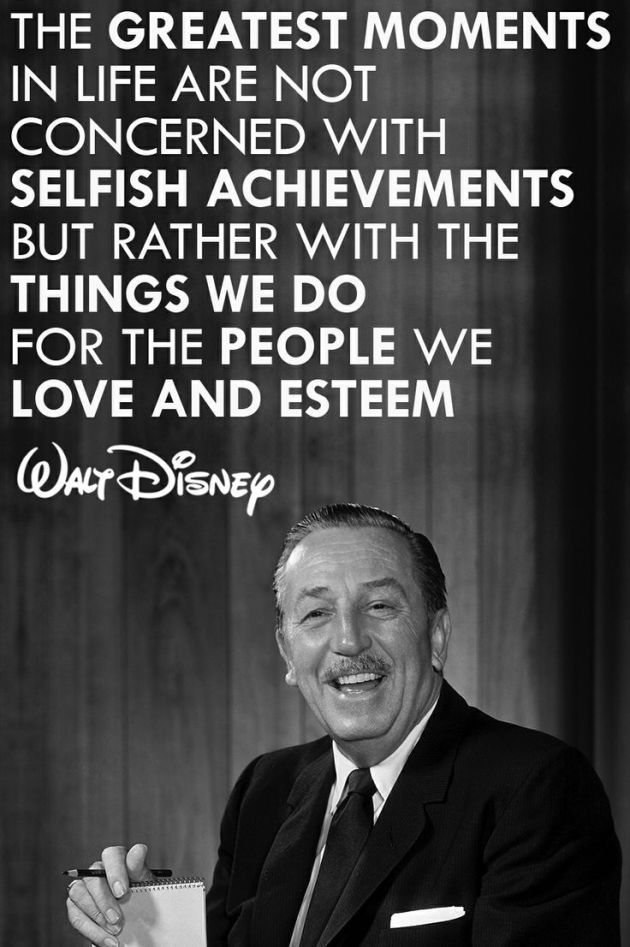
Walter Elias Disney was born on this date – December 5 –  in 1901.

How You Say Good Bye is as Important as How You Say Hello

Do what you do so well that they will want to see it again and bring their friends.Walt Disney

The Disney organization has no peer when it comes to creating amazing Guest Experiences. Their Cast Member interaction with Guests is legendary in providing a warm welcome to the Disney Parks. From your arrival by car, monorail, or boat, the Guest is almost overwhelmed by the tremendous “first impression” that Disney Cast Members deliver.

But I think it’s how Disney says “goodbye” that leaves a “lasting impression.

Just a few weeks ago on Independence Day, I’m sure many of you saw and heard first hand fireworks of all shapes and sizes. Independence Day fireworks are memorable, and they add a special feeling to the festivities of the day. But fireworks at Disney parks – they are unique.

At Disney World, the fireworks in 3 of the 4 parks (the animals in Disney’s Animal Kingdom can’t handle the noise) are simply spectacular. Here’s how Aaron Wallace, author of The Thinking Fan’s Guide to Walt Disney World: Magic Kingdom describes it:

Suddenly, almost without warning, the park goes dark, the castle lights up in a blinding white blaze, and the enormous trumpeting of horns heralds the long-awaited arrival of the fireworks show.

Words alone can’t convey the impact of that moment. There is no point during the Disney park experience when the magic hits harder than with the opening notes of the fireworks show. To quote Jiminy Cricket, “like a bolt out of the blue,” a feeling of “WOW! I’m actually in Disney World” washes over the crowd in that split second.

The show continues to build in intensity, the music gets louder, the fireworks more majestic until at the end, the sky is seemingly covered from horizon to horizon with a colorful canvas of memories and magic.

photo by Tom Brickman

photo by Tom Brickman

That’s what the Guests remember – and it makes them start thinking about the next time they can return.

But it isn’t quite time to say goodbye – for those hardy souls who have the stamina and endurance to remain till the park’s closing – and just a little longer – there is one more Disney magic surprise – the Kiss Goodnight.

As DisneyTouristBlog.com author Tom Bricker explains,

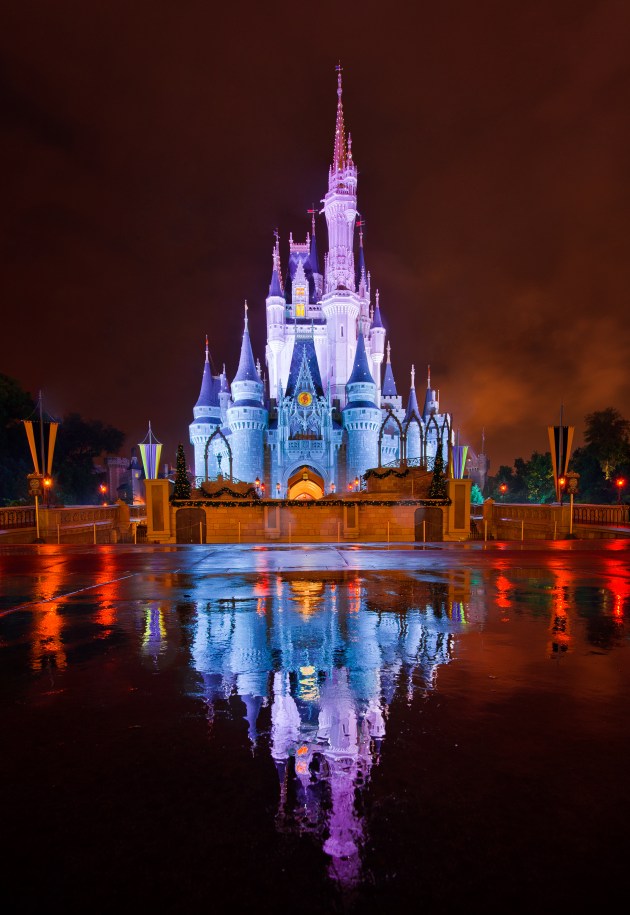
Too few Walt Disney World fans know about The Kiss Goodnight. If you just thought, “what’s that?” you’re not alone. The Kiss Goodnight is a little over 2-minutes long, and it is the Magic Kingdom’s way of saying “goodbye” to guests at the end of a long day. It usually plays every 30 minutes after the park closes and starts with Cinderella Castle “twinkling” as the music from When You Wish Upon a Star slowly builds.

photo by Tom Brickman

photo by Tom Brickman

A narrator then greets the last of the guests in the Magic Kingdom, saying: Ladies and gentlemen, boys and girls, on behalf of everyone here at the Magic Kingdom, we thank you for joining us today for a magic gathering of family, friends, fun, and fantasy. We hope your magical journey with us has created wonderful memories that will last a lifetime. Walt Disney said that the Magic Kingdom is a world of imagination, hopes, and dreams. In this timeless land of enchantment, magic and make-believe are reborn, and fairy tales come true. The Magic Kingdom is a place for the young and the young at heart. A special place where when you wish upon a star, your dreams can come true. Until we see you again, have a safe trip home. Thank you, and goodnight.”

The Kiss Goodnight is the proverbial icing on the Cake (Castle!). After a long day in the parks, we can’t help but just stop and watch the Kiss Goodnight, completely frozen and unable to move. For us, the combination of the beautiful light display and hearing about the meaning Walt Disney wanted the parks to have for guests does it every time.

I’m convinced that most people who “get” the Disney theme parks would get goose bumps if they were to stand in a mostly empty Magic Kingdom and watch and listen to this on a tranquil Main Street USA. It’s special not just because you’re in the park at such a peaceful time, essentially by yourself with Cinderella Castle, but also because of the significance of the words in Roy O. Disney’s Walt Disney World opening day dedication speech. The Kiss Goodnight basically embodies and reminds us exactly why it’s so great to be a Disney fan. If you haven’t stayed to experience The Kiss Goodnight before, you should definitely make an effort to do it at least once. It absolutely belongs on everyone’s Disney Bucket List.

Now that’s a goodbye!

Which leads me to a simple, closing question:

How do you tell your Guests goodbye?

Today in the Magic Kingdom – A Field Trip for Guest Experiences

Greetings from Magic Kingdom!

courtesy John Skodak, CC 3343087934

courtesy John Skodak, CC 3343087934

When the rope drops this morning, I will already be inside the park, participating in the “Keys of the Kingdom” tour. Later in the day, I will be doing some “field work” for a Guest Experiences project – you’ll be hearing about it soon!

In the meantime, enjoy these Top Ten Takeaways from a Disney World Immersion from a previous visit.

Disney Expects Guests – What About You?

The Experience Begins in the Parking Lot

Excellence is Never Finished

Vision for the Future

Pay Attention to Details Others Ignore

Engaging All 5 Senses Creates Memory Links

Making Dreams Come True Requires Resources

Everybody Picks Up the Trash

Team Members Who Dream Together Create Fantastic Results

Everything Begins with a Story

It’s Hard to Forget the Fireworks at the End of the Day

Yes, you counted right – there were 11 Takeaways – but it’s about Disney, where they always exceed your expectations!

Follow me on Twitter, Facebook, or Instagram for live updates throughout the day. I’ll be there from before it opens, till after it closes, with the Kiss Goodnight

photo by Tom Brickman

photo by Tom Brickman


Design Details Make the Story

Walt Disney had the idea that Guests could feel perfection. A story from Disney “design guru” Imagineer John Hench describes it well:

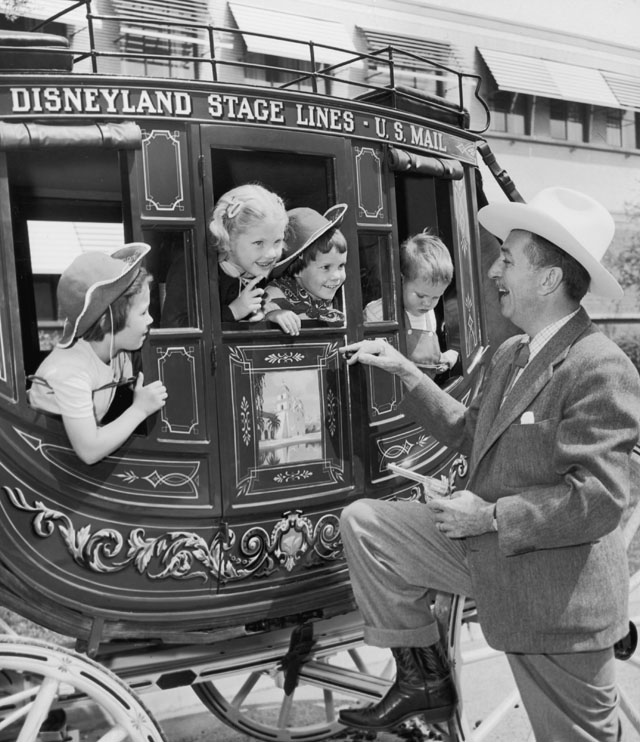
I once complained to Walt about the construction of some new stagecoaches. Walt had asked that the cab be suspended by leather straps as early western stagecoaches had been. I thought that this was too much and told Walt, ‘People aren’t going to get this, it is too much perfection.’

‘Yes, they will,’ he responded. ‘They will feel good about it. And if they don’t understand it, if you do something and people don’t respond to it, it’s because you are a poor communicator. But if you really reach them and touch them, they will respond because people are okay.’

I knew then that Walt expected us to give our Guests good information in both design and story.

courtesy abcnew.com

courtesy abcnews.com

Disney Institute Programming Manager Bruce Jones continues that line of thinking:

Disney Imagineers like John Hench say attention to detail and exceeding Guests’ expectations is so important. It’s also why Disney over-manages.

Over-managing is a driver of consistent business results and an effect of the alignment of an organization’s values and vision. The goal: be intentional where others are unintentional — over-managing the things most companies ignore or under-manage is what differentiates you. 

As I’ve written before, the secret to Disney “magic” is simple: it’s attention to detail.

Easier said than done in any organization, but the Disney organization certainly leads the way for others to follow.

Disney Imagineers excel at transforming a space into a story place. Every element they design works together to create an identity that supports the story of that place – structures, entrances and exits, walkways, landscaping, water elements, and modes of transportation. Every element in its form and color must engage the Guests’ imagination and appeal to their emotions.

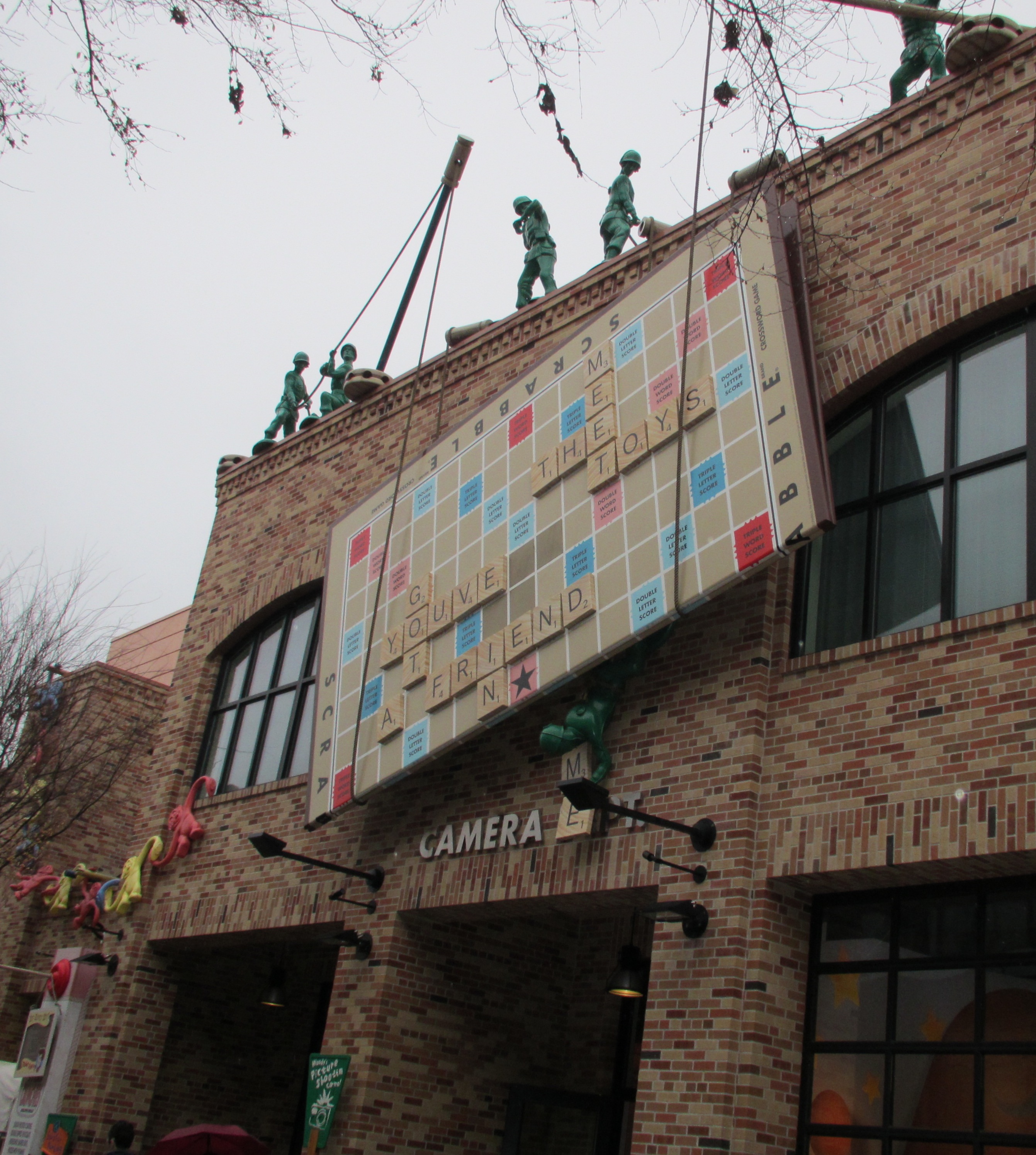
Look for all the rich details in this photo from Hollywood Studios.

Look for all the rich details in this photo from Hollywood Studios.

The minute details that produce the visual experience are really the true art of the Disney themed show, its greatest source of strength. The details corroborate every story point, immersing Guests in the story idea. Walt Disney knew that if details are missing or incorrect, Guests won’t believe in the story, and that if one detail contradicts another, Guests will feel let down or even deceived.

This is why he insisted that even details others thought no Guest would notice – like leather straps on the stagecoaches – were important. Inappropriate details confuse a story’s meaning.

How do you pay attention to the details in your organization?

inspired by and adapted from John Hench’s Designing Disney

Designing Disney

5 Expectations of Disney Service

Having spent 5 days during 3 trips to Disney World in the last 18 months, mostly in the Magic Kingdom and behind the scenes, it’s appropriate that I turn to another former Disney cast member, Bruce Loeffler, for some thoughts about Guest Experiences.

Writing in One Minute Service, Loeffler brings his years of experience with Disney and presents a helpful reminder that organizations of any sizes – including churches – can improve their level of Guest services.

Loeffler served in many capacities while at Disney, and it shaped the development of his current company, Enspiron, and the services it provides.

Taking the Guest perspective, Loeffler defined 5 expectations that Guests have. Although they are not taught as such to cast members, he believes they are the five basic ingredients that most Guests want when they visit Disney – and I agree.

I also happen to think they describe the expectations of Guests coming to your church this weekend.

WD Guest quote DI


On the fifth day of Christmas Guest Experiences, your Guest Experience peers give to you:

The Five Expectations of Disney Service©

  • Excellence – Guests want quality service from you. They want to know your organization strives for excellence and its team members are providing their best effort.
  • Experience – Guests want their visit to be enjoyable and fun. They want to be treated as someone special and to leave with a positive experience.
  • Expediency – Guests want knowledgeable team members who are efficient and able to facilitate their needs with ease and in a timely manner.
  • Enthusiasm – Guests want team members who are out-going, friendly, personable, courteous, and who truly enjoy helping others.
  • Empathy – Guests want team members who can respect and relate to them and will take ownership to resolve problems quickly when they occur.

There is no magic formula for why Disney is so effective. But from my experience, it is successful because Disney creates a model and an image of what excellence should look like; establishes high standards for cast members to aspire to; and then trains each cast member to achieve those expectations.   – Bruce Loeffler

Do you know what your Guests are expecting this weekend?

inspired by and adapted from One Minute Service, by Bruce Loeffler

One Minute Service

10 Commandments from Mickey Mouse

Disney Imagineer Marty Sklar, who retired in 2009 as the only Disney cast member to have participated in the opening of all eleven theme parks around the world, is noted for many things, but one of the most cherished has to be his creation of “Mickey’s Ten Commandments.”

During his 54-year career, Sklar was involved in all facets of the theme parks – from concepts to design to operations. Along the way, he developed, refined and practiced key principles of leadership based on what he learned from Walt Disney and other Disney Legends, especially designer John Hench. He crystallized these “learnings” into the first of what he called Mickey’s Ten Commandments.

Mickey'sTenCommandments

On the tenth day of Christmas Guest Experiences, your Guest Experience peers give to you:

Mickey’s Ten Commandments

  1. Know your audience – Identify the prime audience for your attraction or show before you begin design
  2. Wear your Guests’ shoes – Insist that your team members experience your creation just the way Guests do
  3. Organize the flow of people and ideas – Make sure there is a logic and sequence in our stories and the way Guests experience them
  4. Create a wienie (visual magnet) – Create visual “targets” that will lead Guests clearly and logically through your facility
  5. Communicate with visual literacy – Make good use of color, shape form, texture – all the nonverbal ways of communication
  6. Avoid overload – create turn-ons – Resist the temptation to overload your audience with too much information and too many objects
  7. Tell one story at a time – Stick to the story line; good stories are clear, logical, and consistent
  8. Avoid contradictions – maintain identity – Details in design or content that contradict one another confuse an audience about your story or the time period it takes place in
  9. For every once of treatment, provide a ton of treat – Walt Disney said you can educate people, but don’t tell them you’re doing it. Make it fun!
  10. Keep it up! (Maintain it) – In a Disney park or resort, everything must work. Poor maintenance is poor show!

Exceeding Guests’ expectations is Disney’s Guest Service strategy, and paying attention to every detail is the tactic by which it is accomplished.

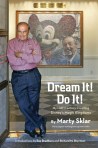
inspired by and adapted from Dream It, Do It: My Half-Century Creating Disney’s Magic Kingdoms, by Marty Sklar

Dream It Do It

Summer Time is Reading Time!

What’s on your bookshelf for reading this summer?

Here’s a couple of new books for your consideration:

Who’s the Leader of the Club: Walt Disney’s Leadership Lessons, by Jim Korkis

Who's the Leader of the Club

Disney’s Hollywood Studios: From Show Biz to Your Biz, by J. Jeff Kober

DHS from Show Biz to Your Biz

Korkis and Kober are no strangers to the Disney organization – both are former Cast Members, and both have written extensively about various aspects of Disney.

Who’s the Leader of the Club is Korkis’ first venture into a business application of his vast knowledge of all things Disney, and he certainly doesn’t disappoint. He provides a section on Disney and Leadership and then follows that with seven leadership lessons as exemplified by Walt Disney. The final section is a collection of quotes, bad leadership examples, and stories by and about Walt Disney’s leadership.

Disney’s Hollywood Studios is Kober’s second Disney-specific book with a business theme, and takes the reader “behind-the-camera” to understand and apply the Disney magic to any organization. The book contains over forty chapters of park history, Disney trivia, and business best practices designed to help your organization get ready for its closeup.

Remember: Leaders are Readers!

The Language of Success: Creating a Culture of Happiness

Throughout my career, I had found that most people want to be involved in something greater than just being paid for a job. My basic story is about the two men laying bricks. When asked what he is doing, one man says, ‘I’m laying bricks.’ The other man performing the same task says, ‘I’m building a cathedral.’ – Van France, Disney University founder

Beginning with the original orientation at Disneyland in 1955, Van’s goal always remained the same: instill a sense of pride among cast members about where they work and the jobs they perform. Van was determined to make Disneyland a place where customers and cast members experienced second-to-none service.

photo by glassslipperconcierge.com

photo by glassslipperconcierge.com

One of his strategies involved creating a whole new language that would reinforce the dignity of every job in the park.

What’s the difference between treating someone like a customer, and treating someone like a Guest?

The obvious analogy is that we do things differently when we bring Guests into our home. We spruce up the house. We dress up. We prepare something special to eat. We host them. We take care of their real needs.

Disneyland is a huge stage, so Van leveraged this by introducing show-business term. He reasoned that a new vocabulary, coupled with strong organizational values, could bring pride and energy to the job.

  • Employees became cast members, hosts, and hostesses
  • Customers became Guests
  • Good show was a job well-done
  • Uniforms were costumes
  • On-stage are actions visible to Guests
  • Backstage are the actions taken out of sight of the Guests.

However, merely changing nouns or verbs won’t ensure world-class customer service or create a motivated and engaged workforce – in any organization. Catchy words for Guests and team members have no value without leadership support.

The values instilled by Walt Disney and perpetuated by Van France at the Disney University are reflected in the daily actions of cast members at every organizational level.

What you do here and how you act is very important to our entire organization. We have a worldwide reputation for family entertainment. Here at Disneyland, we meet our world public on a person-to-person basis for the first time. Your every action (and mine also) is a direct reflection of our entire organization. – Walt Disney

Applying Van France’s Four Circumstances to ChurchWorld Guest Experience Teams

Innovate – Support – Educate – Entertain

 Putting People First

  • What is the culture of your organization?
  • How is respect conveyed to team members?
  • Do they know they are valued?
  • How are Van’s Four Circumstances (Innovate, Support, Educate, Entertain) used to communicate your culture?

Words Reflect Culture

  • Does your organization use unique words to identify team members and Guests?
  • Does the culture of your organization support those words?
  • How are organizational values reflected in words and actions?

Inspired by and adapted from Disney U by Doug Lipp

Disney U

Get the book TODAY to learn invaluable lessons for your Guest Experience Teams

Book     Kindle

Disney U is one of the most significant resources related to the Disney organization, leadership, team development, and Guest Experiences available. In honor of the one year anniversary of the release of Disney U, this is a look back at a series from the book that originally ran last year.

Beyond Orientation: Executive Team Development – Moving from Silos to Synergy

Walt was very firm in stating that Disneyland – the dream – was the star. It was his way of controlling the people with their outsized egos who thought that they or their divisions, departments, or functions were responsible for our success – Van France

The entrepreneurial and highly innovative culture created by the Disney organization had an unintended consequence: divisional and communication silos.

People were so focused on their areas of responsibility that they didn’t consider their impact on other divisions and departments.  Executives lost sight of the big picture, and as a result, lost some opportunities for synergy.

To counter that, the Disney University team created an experience for the executives that borrowed from Van France’s timeless model for any training program:

  • Make it simple, not simplistic
  • Make it enjoyable
  • Design experiential activities that make it memorable

The result: Disney Dimensions, a training program for 25 senior leaders throughout Disney. It was designed to give them a full-immersion, 7-day experience of the California and Florida theme parks, as well as Disney Studios and Imagineering (the design geniuses behind the parks).

Essentially, the executives were exposed to every business unit in the company and had them solving each other’s problems.

Disney Dimensions captured the essence of a Van-France inspired educational event. It informed. It engaged. It was fun. It accomplished its business goals. The leadership program also enjoyed each of the Four Circumstances Van identified as crucial to the success of the Disney University:

  • Innovate – the multiday, multivenue design exposed the participants to every area of the company. Until then, most executives hadn’t ventured beyond their own area of expertise.
  • Support – Disney Dimensions received the overt, enthusiastic support of top management, who had a hand in choosing the participants and didn’t hesitate to sing its praises.
  • Educate – combining executive-level attendees from each operating division in the unique and interactive environment created a forum in which participants educated one another.
  • Entertain – every training event is an opportunity to be creative and interesting rather than the opposite: dull and academic.

The living laboratory experiential activities that led to advanced levels of cross-functional collaboration and creative problem solving are worthwhile goals for any organization.

Applying Van France’s Four Circumstances to ChurchWorld Guest Experience Teams

Innovate – Support – Educate – Entertain

 How is executive development handled in your organization?

  • What is being done to fully engage executives in organizational collaboration? Who does it and how frequently?
  • How could this strategy improve?
  • How are real-time ministry issues used in training and development programs?
  • Are there examples of ministry hits and misses that can be transformed into case studies for senior leadership team development?
  • Does the senior leadership team in our organization openly assess ministry successes and failures?
  • How can leaders in your organization lend their support to training initiatives?
  • In your organization, what needs to be done to promote and perpetuate senior leadership team development?

Inspired by and adapted from Disney U by Doug Lipp

Disney U

Get the book TODAY to learn invaluable lessons for your Guest Experience Teams

Book     Kindle

Conclude the Disney U experience on 4/24/14 with The Language of Success

Disney U is one of the most significant resources related to the Disney organization, leadership, team development, and Guest Experiences available. In honor of the one year anniversary of the release of Disney U, this is a look back at a series from the book that originally ran last year.