
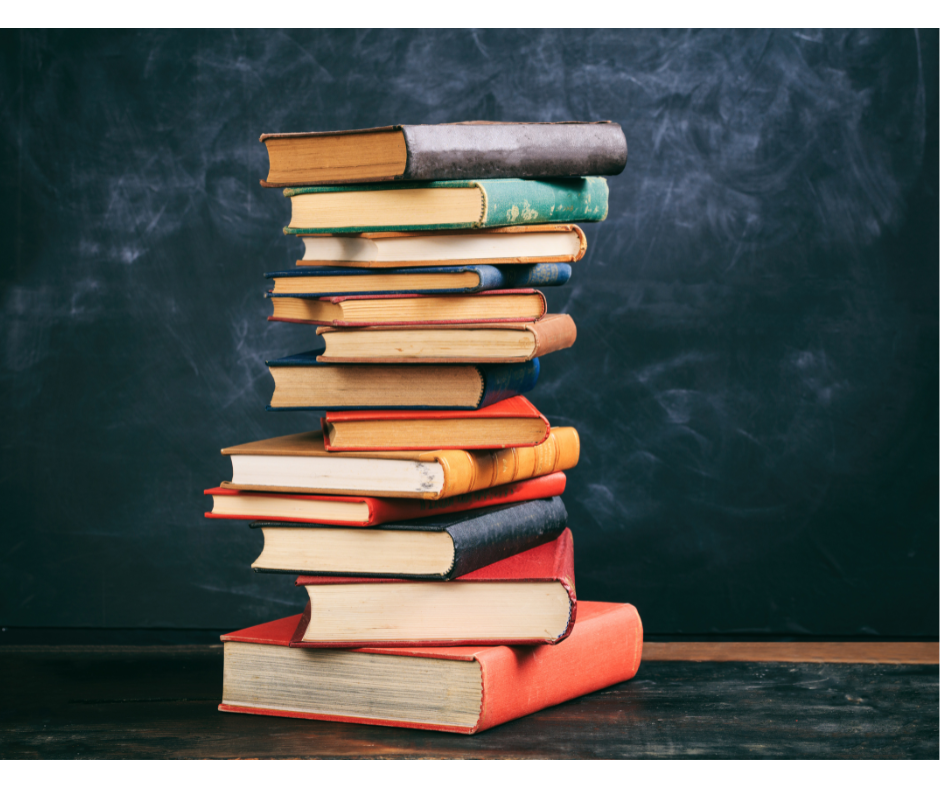
Today on #NationalShelfieDay – Wednesday, January 28th – readers worldwide will point their cameras at their bookshelves, capturing everything from meticulously organized libraries to precarious towers threatening imminent collapse. But hidden within these snapshots lies something far more revealing than mere book collections – they’re intimate portraits of our intellectual journeys, visual maps of the curiosities that shape our lives, and honest documentation of the beautiful tension between who we are and who we aspire to become.
The Honest Geography of Reading Life
While social media often demands perfection, the most compelling shelfies embrace chaos with pride. These are the photographs that reveal coffee-stained bookmarks jutting from half-finished volumes, library loans teetering atop personal purchases in gravity-defying arrangements, and that one book that’s been sitting unread for three years but might be perfect for next month. They show books piled on nightstands, stacked beside reading chairs, or occupying that awkward space between the bookshelf and the wall where they’ve somehow established permanent residence.
These unvarnished captures resonate because they reflect reality. Our book piles aren’t failures of reading discipline but rather evidence of active, engaged literary lives. Each book waiting represents curiosity sparked, a recommendation followed, or an impulse honored. Together, they form physical manifestations of intellectual ambition, visible proof that our reading appetite consistently outpaces our available time.
When Collections Become Conversations
Yet beyond the TBR pile lies an even more fascinating phenomenon: the specialized collection. These aren’t random accumulations but carefully curated conversations across time, perspective, and expertise. Look closely at any serious reader’s shelfie, and you’ll discover entire sections devoted to subjects that have captured their imagination and refused to let go.
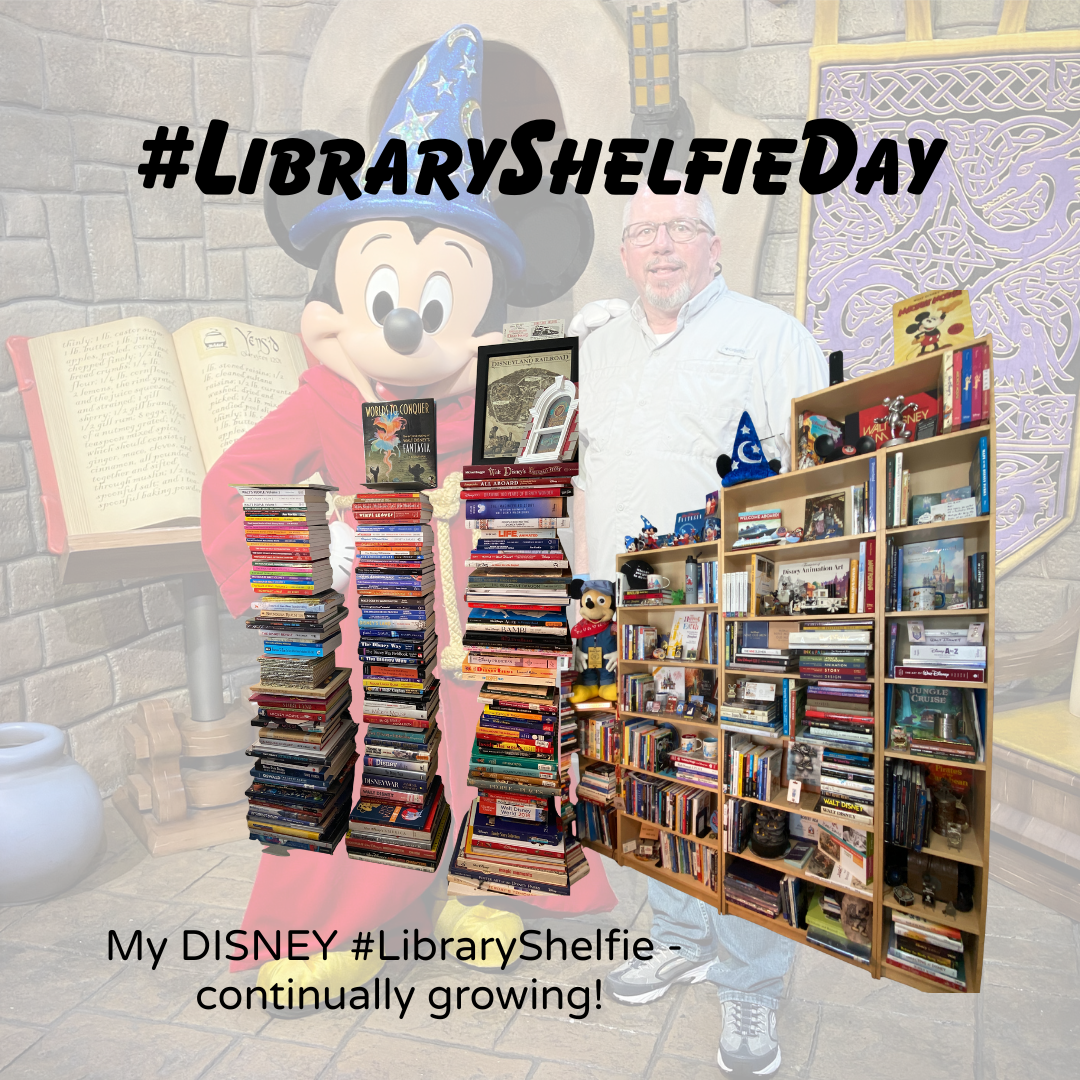
Consider my ultimate – and always growing – Disney collection, numbering over 500 volumes, dating from 1939 to current releases. Under the watchful eye of Engineer Mickey, these books represent more than fandom – they document my ongoing fascination with Walt Disney the man, childhood memories of Disney, and participating in some of the best leadership and hospitality practices that exist. This isn’t hoarding; it’s scholarship pursued with passion.
Or examine my Bridges collection, where each spine represents the human drive to connect, to overcome obstacles, to span the impossible. These books ask us to envision a world without bridges – London without crossings over the Thames, Manhattan as a truly isolated island, San Francisco cut off from both north and south. Understanding the stories behind our bridges fosters deeper appreciation for their history and provides insight into the humanity of engineers and engineering itself. It’s a collection that celebrates both literal and metaphorical connections.
The Power of Synoptical Reading
Among the most intriguing shelfies are those built around synoptical reading – gathering books by various authors around similar subjects for comparison and expansion of knowledge. These collections transform the humble book pile from random accumulation into curated symposium. They demonstrate reading as an active pursuit of knowledge rather than passive entertainment.
My culinary collection spans everything from childhood meals and family cooking traditions to professional restaurant management and food history. This culinary shelfie documents a family deeply embedded in food culture: a mother who became a caterer, an oldest son whose twenty-year career has taken him from pizza baker to pastry chef to restaurant general manager, a youngest son who pursued Culinary Arts at Johnson & Wales and now manages events at a university. Each book in this collection doesn’t just represent recipes – it captures lessons about life, work, family, and the connections forged around tables.
The Sherlock Holmes collection tells a different story of reading evolution. It begins with one book – Michael Dirda’s “On Conan Doyle, Or, The Whole Art of Storytelling” – that piqued curiosity and left me hungry for more, rereading all the stories from my young adult years. Dirda’s passionate celebration of Conan Doyle as a master storyteller cast new light on classic detective stories, inspiring deeper exploration. For avid readers, finishing one book is often just the beginning of a journey into a new subject or author. A great book has a way of leaving you wanting to dive deeper into the world or ideas it exposed you to.
This approach becomes incredibly powerful because it reveals how ideas evolve over time, exposes the blind spots that individual authors might miss, and often leads to insights that none of the original writers could have reached alone. In our current world of endless information streams, synoptical reading is less about consuming more content and more about becoming a thoughtful curator who can weave together the best thinking on complex topics into something genuinely illuminating.
The Unexpected Collections
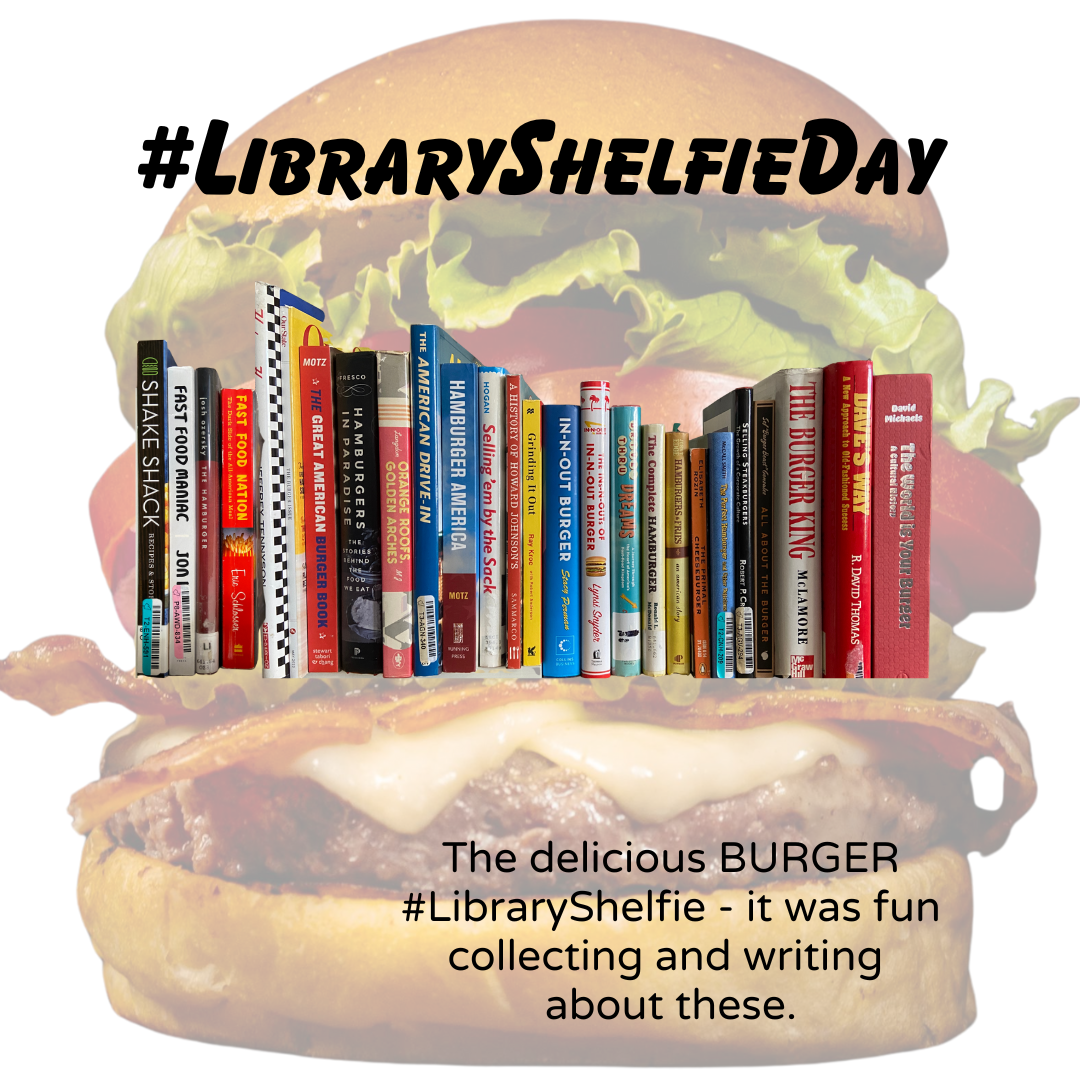
Sometimes our shelfies reveal passions that surprise even ourselves. Who accumulates an entire collection devoted to hamburgers? Guilty. Someone who understands that even simple things reveal complexity when examined from multiple angles – literary, culinary, and what I cheerfully admit is “arbitrary: based on random choice or my personal whims.” From humble beginnings to current status as a global icon, the burger has cemented its place in hearts and stomachs worldwide. Diving into books about burgers becomes not just about savoring deliciousness but appreciating rich history and cultural significance.
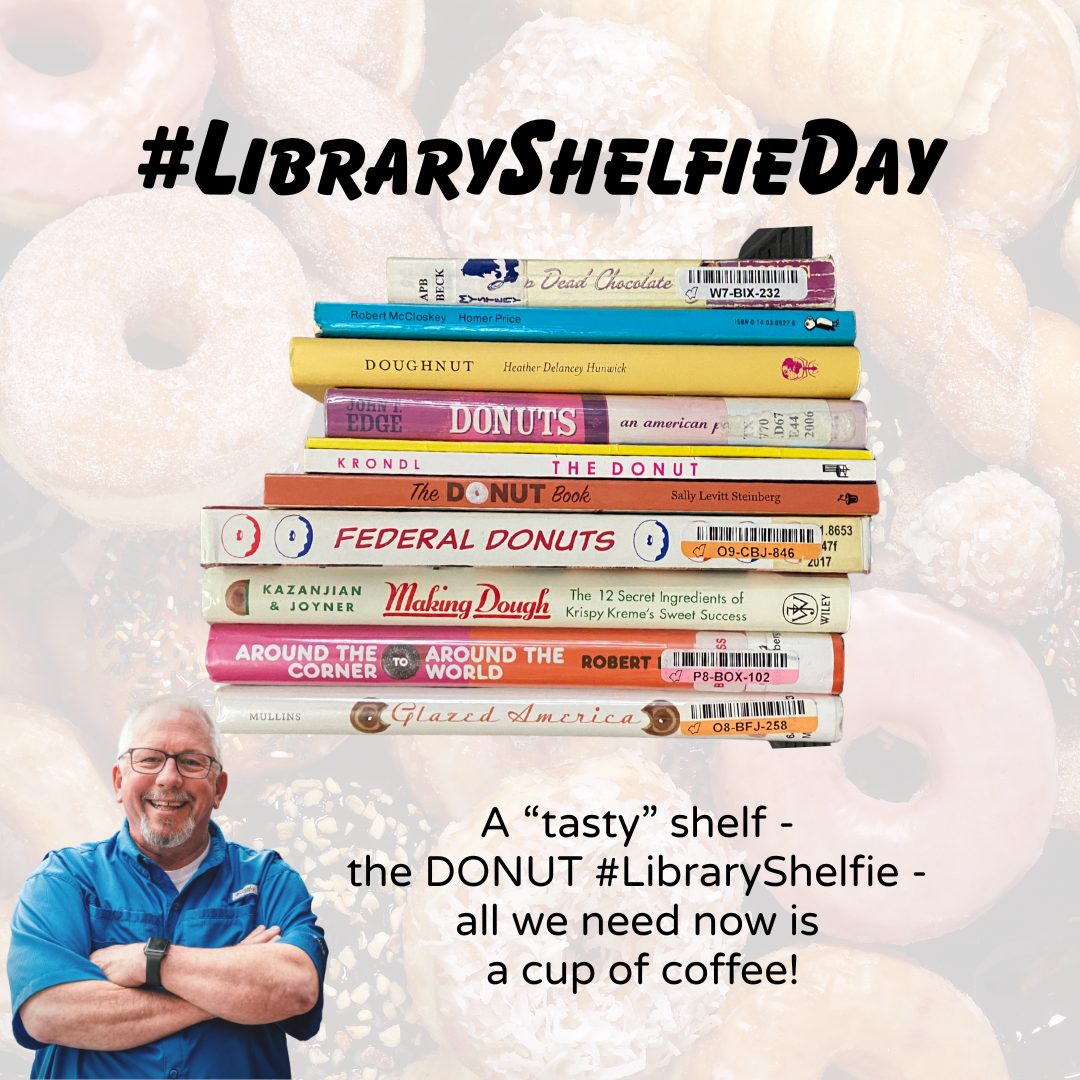
The donut collection explores similar territory. For many, the humble donut is far more than a sweet treat – it’s a symbol of comfort, a trigger for nostalgia, and a wonderful nod to American culinary ingenuity.
These delightful rings of fried dough have spun their way through centuries, leaving a delicious trail of history, personal memories, and significant business lessons in their wake. To find the “hole” truth requires jumping headlong into books that explore the multifaceted world of donuts, from fascinating origins to status as global icons.
The history of donuts in America is a testament to their enduring appeal. From Dutch settlers to modern-day gourmet bakers, each era has contributed to the rich tapestry of donut lore. So next time you savor a donut, remember that you’re partaking in a delicious slice of American history.
Literary Pilgrimages and Family Legacies
Some collections document decades-long relationships with particular authors or universes. My Tolkien collection began in junior high with “The Hobbit” and “The Lord of the Rings” and expanded over subsequent decades to include not only multiple re-readings but all of Tolkien’s published and unpublished works, plus books written about Tolkien’s work by other authors. These aren’t books merely owned – they’re territories explored and re-explored, landscapes that continue shaping how we think, feel, and dream.
The Stephen Hunter collection traces another kind of journey – following Bob Lee Swagger, “the Nailer,” through a sprawling multi-generational saga that meticulously builds a family legacy of marksmen, lawmen, and warriors stretching back over two hundred years. Since 1993’s “Point of Impact,” readers have followed not just one hero but an entire lineage, understanding that sometimes our greatest stories aren’t contained in single volumes but unfold across entire series that demand shelf space and loyalty.
The Library Connection
Many shelfies inadvertently capture another truth about modern reading life: the integration of library books into personal collections. Some readers intermingle borrowed volumes with purchased ones, creating temporary arrangements that shift weekly. Others maintain separate, highly visible locations for library loans – for me, just outside my office door – allowing them to stay top of mind, handy to grab coming or going, so as to always have one or more in process.
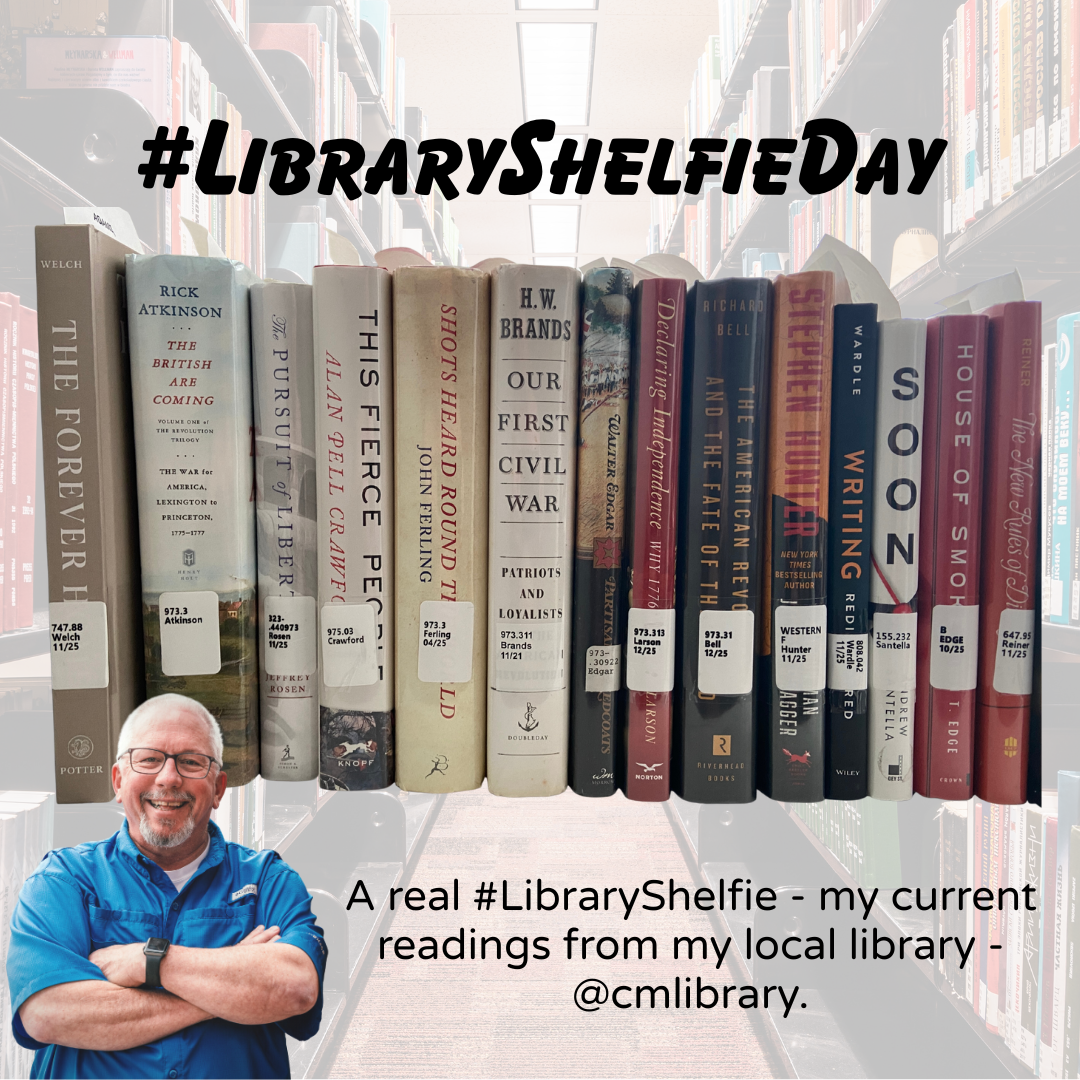
These arrangements tell stories of resourcefulness, of readers who understand that ownership and engagement aren’t synonymous, who build relationships with their local libraries and librarians. The weekly library pilgrimage has become ritual for many readers like me, a sacred appointment appearing in calendars alongside work meetings and social obligations. These visits yield not just books but the pleasure of discovery, the satisfaction of completing one reading mission while embarking on another.
The Perfect Imperfect Shelfie
On National Shelfie Day, resist the urge to tidy or curate excessively. The best shelfies capture reading life as it actually exists, complete with precarious stacks, mixed genres, and honest documentation of intellectual ambitions.
When thousands of readers share photographs of their own literary accumulations, shame dissolves. We see ourselves reflected in others’ stacks and towers, recognizing that our reading ambitions outpacing our reading time is universal rather than personal failure. There’s genuine pleasure in acquiring books that exists independently from reading them. Each new addition represents possibility and promise, another potential adventure or insight waiting just beyond the current read.
These honest captures celebrate not just the books we’ve read but those we aspire to read, not just our literary accomplishments but our ongoing ambitions. They document the beautiful tension between finite time and infinite curiosity, between the books we’ve finished and the worlds still waiting to be explored.
Your National Shelfie Day Challenge
Here’s your mission for today, should you choose to accept it:
First, locate all your book piles. Yes, all of them. The one on your nightstand, the stack hiding behind your bedroom door, those books camouflaged among decorative pillows on your couch, and the collection you’ve strategically positioned to block that wall stain you keep meaning to paint over.
Next, photograph your book piles exactly as they exist in their natural habitat. Post with pride, and tag it so fellow bibliophiles can find you. Bonus points if you can count how many books are in your pile without having to actually count them twice. Double bonus points if you admit in your caption which books have been sitting unread the longest.
Capture your collections – whatever they may be. Share your collections, the cookbooks, the mystery series, the professional development texts, the hobby guides, the literary fiction, the guilty pleasures. Show us the collections that tell your story, that map your curiosities, that reveal the subjects you can’t stop exploring from multiple angles.
This is your intervention and your celebration rolled into one. I’m not here to shame anyone’s book pile. I’m here to document it, share it, and collectively acknowledge that we’re all in this beautiful, ridiculous predicament together – surrounded by more books than we can read in several lifetimes, yet somehow always eyeing that next title, planning that next library visit, making room for just one more.
Because ultimately, our shelfies don’t just show what we read. They show who we are, who we’ve been, and who we hope to become. They’re visual autobiographies written in spines and dust jackets, honest portraits of lives lived in pursuit of knowledge, beauty, adventure, and understanding.
So point your camera. Capture your chaos. Share your stories.
Your move, reader.

Part of a regular series on 27gen, entitled Wednesday Weekly Reader.
During my elementary school years one of the things I looked forward to the most was the delivery of “My Weekly Reader,” a weekly educational magazine designed for children and containing news-based current events.
It became a regular part of my love for reading, and helped develop my curiosity about the world around us.


 27gen.com