Navigating the Modern Elder Path: A Guide to “What Got You Here Won’t Get You There”

America’s most sought-after executive coach shows how to climb the last few rungs of the ladder.

The corporate world is filled with executives, men and women who have worked hard for years to reach the upper levels of management. They’re intelligent, skilled, and even charismatic. But only a handful of them will ever reach the pinnacle – and as executive coach Marshall Goldsmith shows in this book, subtle nuances make all the difference. These are small “transactional flaws” performed by one person against another (as simple as not saying thank you enough), which lead to negative perceptions that can hold any executive back. 

Using Goldsmith’s straightforward, jargon-free advice, it’s amazingly easy behavior to change.

What’s holding you back? Your hard work is paying off. You are doing well in your field. But there is something standing between you and the next level of achievement. Perhaps one small flaw–a behavior you barely even recognize–is the only thing that’s keeping you from where you want to be.

Who can help? Marshall Goldsmith is an expert at helping global leaders overcome their sometimes unconscious annoying habits and attain a higher level of success. His one-on-one coaching comes with a six-figure price tag. But, in this audiobook, you get Marshall’s great advice without the hefty fee!

What is the solution? The Harvard Business Review asked Goldsmith, “What is the most common problem faced by the executives that you coach?” Inside, he answers this question by discussing not only the key beliefs of successful leaders, but also the behaviors that hold them back. He addresses the fundamental problems that often come with success – and offers ways to attack these problems. Goldsmith outlines twenty habits commonly found in the corporate environment and provides a systematic approach to helping you achieve a positive change in behavior.

What Got You Here Won’t Get You There by Marshall Goldsmith has been a highly relevant book for my journey of developing into a modern elder. The book focuses on personal and professional development, which aligns with my desire to invest in younger generations while continuing to learn.

Marshall Goldsmith, a renowned executive coach, delves into the challenges faced by successful individuals who aspire to reach even greater heights in their careers and personal lives. He emphasizes that the habits and behaviors that lead to initial success may become hindrances as one progresses. Goldsmith’s central message is that to continue growing and achieving, it’s essential to identify and eliminate destructive behaviors and foster positive ones.

The book provides a systematic framework for self-improvement, with a particular focus on interpersonal skills, leadership, and communication. Goldsmith identifies twenty common habits that can hold people back from reaching their full potential, including issues like not listening effectively, constantly providing unsolicited feedback, and undermining one’s own efforts through negative behaviors. He offers practical advice and strategies for addressing these habits.

What Got You Here Won’t Get You There is an outstanding guide for anyone looking to enhance their leadership and personal effectiveness. It offers actionable insights and real-world examples that can help professionals to develop as modern elders who provide mentorship to younger generations.

The book is highly organized and provides a clear structure for addressing each of the twenty habits. Goldsmith’s recommendations are practical and applicable, and he stresses the importance of getting honest feedback from colleagues, a practice that aligns with my interest in investing in younger generations.

Goldsmith values good arguments and practical solutions over mere authority, making this book a valuable resource for critical thinkers. It encourages self-reflection, which is essential for guiding and nurturing younger talent. Additionally, the book’s emphasis on the importance of continuous improvement and adaptation aligns the development of new technologies and contrarian ideas.

In summary, What Got You Here Won’t Get You There is an invaluable resource for those seeking to elevate their leadership skills and make a meaningful impact on the people they mentor. It offers a practical roadmap for self-improvement and aligns with my goal of becoming a modern elder who invests in the growth of younger generations.


Part of a regular series on 27gen, entitled Wednesday Weekly Reader

During my elementary school years one of the things I looked forward to the most was the delivery of “My Weekly Reader,” a weekly educational magazine designed for children and containing news-based, current events.

It became a regular part of my love for reading, and helped develop my curiosity about the world around us.


A Burger’s Perfect Partner: The Coca-Cola Connection

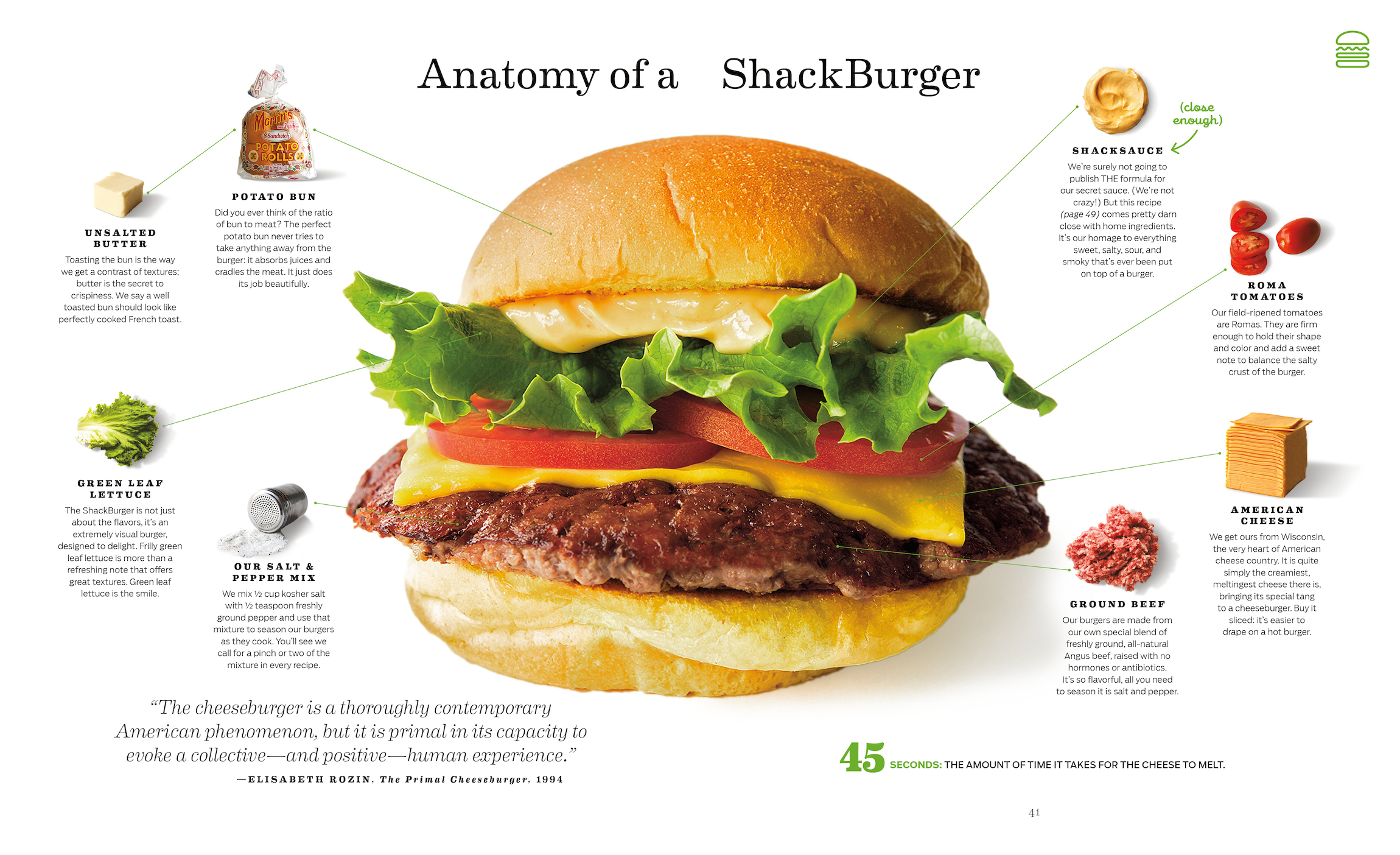
Picture this: A sizzling, juicy hamburger fresh off the grill, its tantalizing aroma wafting through the air, promising a delightful feast for your taste buds. As you take your first bite, you’re greeted by the harmonious symphony of flavors and textures – the savory beef patty, the crisp lettuce and tomato, the creamy cheese, and the tangy ketchup and mustard. It’s a culinary masterpiece that deserves an equally exceptional beverage to accompany it. In the world of food pairings, few combinations can rival the timeless, unbeatable union of Coca-Cola and a hamburger.

The Burger’s Best Friend

Coca-Cola, with its effervescent fizz and signature sweetness, has long held the prestigious title of “Burger’s Best Friend.” It’s not just a drink; it’s a companion that elevates your hamburger experience to unparalleled heights. The very sight of a Coca-Cola can or bottle, beaded with condensation, promises an oasis of refreshment that perfectly complements the hearty, satisfying indulgence of a burger.

A Dance of Flavors and Textures

Imagine taking that first sip of Coca-Cola as you dive into your burger. The carbonated bubbles tickle your palate, setting the stage for the rich, meaty flavors of the burger. The sweetness of the soda harmonizes with the savory notes of the patty, enhancing the umami sensation. It’s a dance of flavors and textures, a delicious juxtaposition of indulgence and refreshment.

The cold, crisp bite of lettuce and tomato is balanced by the sweet, caramel undertones of Coca-Cola. The creamy cheese marries beautifully with the soda’s effervescence, creating a mouthwatering blend that lingers on your taste buds. The tangy ketchup and mustard are tempered by the cola’s sweetness, creating a symphony of contrasting yet complementary tastes.

Timeless and Nostalgic

Coca-Cola’s association with hamburgers is deeply embedded in our culinary culture. It evokes a sense of nostalgia, taking us back to carefree summer cookouts, family gatherings, and roadside diners. It’s a taste of the past that remains ever-relevant in the present, making it a bridge between generations and a symbol of enduring comfort.

A Feast for the Senses

But it’s not just about the taste; it’s about the entire sensory experience. The sound of the fizz as you pop open a Coca-Cola bottle is like the opening act of a delightful symphony. The sight of those effervescent bubbles rising in the glass is akin to watching a mini firework display, setting the stage for a feast. And the refreshing, ice-cold feel of the cola as it cascades down your throat, washing down each delectable bite of your burger, is pure satisfaction.

A Universal Love Story

Coca-Cola and hamburgers are not just an American love story; they’re a global phenomenon. From classic American diners to street food stalls in distant corners of the world, this dynamic duo transcends borders and cultures. The combination is cherished by people of all ages, backgrounds, and tastes, proving that some culinary pairings are simply universal.

Coca-Cola – A Legacy of Refreshment and Cultural Significance

Coca-Cola’s remarkable journey through time is more than the story of a beverage; it’s a testament to the enduring power of a great brand. From its humble origins as a medicinal tonic to its status as a global cultural phenomenon, Coca-Cola has made an indelible mark on the world. Its history reflects the brand’s adaptability, innovation, and unwavering commitment to consumer satisfaction.

The Evolution of a Brand

Coca-Cola’s evolution from a regional sensation to a global powerhouse was marked by key milestones. The incorporation of The Coca-Cola Company in 1892 laid the foundation for its global expansion. The iconic script logo, introduced in 1887, became a symbol of consistency and reliability. The brand’s expansion into new markets and introduction of new product variations demonstrated its ability to cater to changing consumer preferences.

An Icon in Advertising and Popular Culture

Coca-Cola’s cultural influence extends far beyond its role as a beverage. Iconic advertising campaigns, catchy slogans, and memorable jingles have left an indelible mark on popular culture. The brand’s presence in movies, music, and television has made it a fixture in the world of entertainment. Most notably, Coca-Cola played a pivotal role in shaping the modern image of Santa Claus, a contribution that remains globally recognized.

Adapting to the Modern Era

As we enter the modern era, Coca-Cola continues to adapt to new challenges and opportunities. The brand’s expansion into a diverse product portfolio, including lower-calorie and reduced-sugar options, reflects its responsiveness to health concerns and changing consumer preferences. Its commitment to sustainability, community engagement, and social responsibility further solidifies its role as a responsible corporate citizen.

Speculation and Future Trends

The brand’s future is marked by speculation and anticipation of further innovations in product development. Coca-Cola’s history of introducing new flavors and variations positions it as a leader in responding to changing consumer demands. The brand’s commitment to addressing health concerns, embracing global trends in the beverage industry, and exploring sustainable practices ensure its relevance in a dynamic market.

Coca-Cola’s journey, from its origins to the modern era, represents not only the evolution of a beverage but also its role in shaping culture and the beverage industry. It stands as a testament to the enduring influence of a brand that has brought moments of refreshment, joy, and unity to people around the world.

Coca-Cola’s history is a reflection of its commitment to excellence, innovation, and sustainability. The brand’s impact on culture and society is a reminder that great brands, like Coca-Cola, have the power to transcend time and borders.

In a world where culinary trends come and go, the bond between Coca-Cola and hamburgers remains unwavering. It’s a testament to the enduring power of a timeless pairing, one that never goes out of style. So, the next time you sink your teeth into a perfectly grilled hamburger, don’t forget to reach for a Coca-Cola. It’s not just a drink; it’s the key to unlocking a sensory experience that’s nothing short of pure bliss. Cheers to the perfect pairing!


Still hungry?

Flameout: The Rise and Fall of Burger Chef – A Culinary Tragedy

From Pommes Frites to Burger Sidekick: The Fascinating History of French Fries

Building an Empire, One Whopper at a Time: Jim McLamore’s Journey and the Story of Burger King

The Condiment Conundrum: Finding the Perfect Toppings to Elevate Your Burger Experience

The Whataburger Story: A Tale of Flavor and Family

From Drive-Thru to Cultural Icon: The Story Behind In-N-Out Burger

Burgerology: The Art and Science of the Perfect Patty

Flipping History: How McDonald’s Shaped the Hamburger’s Popularity

Indulging in Burger Bliss: A Quest for Culinary Perfection

White Castle: The Trailblazing Pioneer of Fast Food

Bite Into Tradition: The Best Loved Regional Burger Chains in the Country

Burger Beast Unleashed: The Ultimate Tribute to Burgers in Sef Gonzalez’ Book

Sink Your Teeth into “The Hamburger”: A Culinary Journey by Josh Ozersky

Burger Magic: Exploring the Universal Fascination Behind America’s Favorite Dish

My Quest for the Perfect Hamburger: A Literary, Culinary, and Arbitrary Journey in Pursuit of America’s Iconic Delight

A Tantalizing Top of the Stack, Made to Order

Before Burger Quest

The Art of Life Editing: Reimagining Life and Rediscovering Inspiration

Welcome to the exciting and ongoing journey of becoming a modern elder! Life is a continuous adventure, and a modern elder has a unique opportunity to engage with it in a fresh, inspiring, and purpose-filled way. 

One powerful skill for that adventure is the art of “Editing Your Life.” Let’s explore how you can build on the practices of noticing and self-awareness to make a great midlife edit, creating space for more inspiration and purpose.

Editing is an act of change, involving asking questions about what something currently is and what it should be. Whether it’s a book, a relationship, a kitchen, or a parenting philosophy, the principles of editing remain the same. The term “life-edit” signifies the application of these principles to life.

As a skill that helps us see things clearly and involves looking and looking again, editing transcends the specifics of individual lives. Use life-editing principles to rethink how you spend your time, regardless of the circumstances. Reflect on your own life, acknowledging that while the details may vary, everyone is striving to live a life that is worthy of them.

Life often undergoes involuntary edits due to external or internal changes, including both gain and loss. Crisis situations force people to reevaluate their lives. However, proactive life-editing is a way to take an active role in shaping one’s life around what matters most. It encourages clarity, grit, self-respect, resourcefulness, and joy in this quest.

The best time to edit is not just in response to crises but whenever one’s life feels out of alignment. Waiting to edit carries the risk of regret, as one may wish for a different life. It also leads to disengagement, reducing life to a checklist of tasks, resulting in a sense of claustrophobia and guilt for neglecting essential aspects.

Regardless of when and where you are in life, the time to edit is now, especially if you are contemplating how to make your life better.

Here are some principles you can use in a life-editing process:

The Skill of Noticing/Awareness

The first step in this transformation is to develop the skill of noticing and self-awareness. Check out this previous post on Noticing and Attention for specifics. By becoming more attuned to your thoughts, feelings, and circumstances, you can recognize the areas of your life that may need adjustment. Awareness is the compass guiding you towards a more fulfilling existence.

As the foundational step in the transformational journey of the “great midlife edit,”  the skill of noticing or awareness is the art of developing heightened self-awareness and the ability to observe and acknowledge the intricacies of your thoughts, emotions, and surroundings. This section delves into the significance of this skill and how it acts as a compass guiding you toward a more fulfilling life.

1. Self-Reflection and Mindfulness – Noticing and awareness begin with self-reflection and mindfulness. It involves consciously and non-judgmentally observing your thoughts, emotions, and the world around you. This practice allows you to become more connected with your inner self and your external environment.

2. Recognizing Areas of Discontent – The process of self-awareness enables you to identify areas of your life that may be causing discontent or dissatisfaction. It’s akin to shining a light on the aspects that no longer align with your true desires and values. By pinpointing these areas, you can take the first step toward transformation.

3. Clarity of Purpose – Awareness provides you with clarity of purpose. It helps you answer essential questions about what truly matters to you, what brings you joy, and what ignites your passion. This understanding becomes the foundation upon which you can build a more meaningful life.

4. Navigating Life Changes – Life is a journey of continuous change, and not all changes are within your control. Noticing and awareness empower you to navigate life’s transitions more effectively. You can respond to changes with adaptability and grace, adjusting your course as needed.

5. Stress Reduction – Self-awareness and mindfulness have been linked to reduced stress and anxiety. By recognizing your emotions and thought patterns, you can gain control over them, reducing the negative impact of stressors in your life.

6. Embracing Authenticity – Becoming attuned to your authentic self is a key outcome of awareness. It’s about being true to who you are, rather than trying to fit into societal or external expectations. Authenticity brings a sense of empowerment and contentment.

7. Setting Goals and Priorities – With awareness, you can set clear goals and priorities based on what truly matters to you. This aligns your actions with your aspirations and ensures you’re not drifting through life without purpose.

8. Empowering Personal Growth – Noticing and awareness are tools that empower personal growth. By recognizing areas in need of adjustment, you become proactive in your self-improvement journey. You’re continually evolving and becoming the best version of yourself.

The skill of noticing and self-awareness is the foundation of the “great midlife edit.” It is the compass that guides you toward a more fulfilling existence by helping you identify areas of discontent, clarify your purpose, navigate life changes, and empower personal growth. This skill is your constant companion in the journey of self-discovery and transformation, enabling you to create a life that truly resonates with your authentic self.

Identifying What to Edit Out

Take a moment for self-reflection. What aspects of your life no longer serve your purpose or inspire you? It could be a job that no longer excites you, habits that hold you back, or relationships that drain your energy. Identifying these elements is the essential first step in the “great midlife edit.”

Identifying what needs to be edited out of your life is a pivotal step in the “great midlife edit.” It’s the moment when you begin to declutter your life, removing what no longer aligns with your true purpose or inspiration. This process involves self-reflection, a deeper understanding of your desires, and the courage to let go of what’s holding you back.

1. Assess Your Job or Career – Consider your work situation. Is your current job no longer exciting or fulfilling? Are you stuck in a career that doesn’t align with your true passions or aspirations? If you find yourself dreading each workday or feeling uninspired, it might be a clear sign that it’s time for a change. In the “great midlife edit,” this may mean exploring new career paths, considering a shift in your current job, or even pursuing a passion project on the side.

2. Examine Your Habits – Habits, both good and bad, play a significant role in our lives. Self-destructive habits, like procrastination or excessive time spent on social media, can hold you back from your full potential. Identifying these habits is crucial. Self-reflection can help you recognize when and why you engage in such behaviors. Once you’ve identified them, you can take proactive steps to replace them with more positive habits that serve your greater purpose.

3. Evaluate Your Relationships – Relationships, whether personal or professional, have a profound impact on our well-being. Assess your relationships honestly. Are there toxic friendships that drain your energy and positivity? Are you in a romantic relationship that no longer brings joy or fulfillment? In the “great midlife edit,” this is the moment to decide whether it’s time to distance yourself from negative influences and invest more in those relationships that nurture your growth and happiness.

4. Identify Unnecessary Commitments – Our lives often become cluttered with various commitments and obligations. Some of these may no longer be serving your purpose. This could include volunteer work, extracurricular activities, or even household responsibilities. It’s crucial to assess whether these commitments align with your current goals and desires. If not, consider editing out those that no longer contribute to your well-being or sense of fulfillment.

5. Explore Unfulfilled Passions – Perhaps there are passions and interests that you’ve set aside over the years but still hold a special place in your heart. Part of the “great midlife edit” is exploring these unfulfilled dreams and integrating them into your life. This might involve taking up a hobby, enrolling in a course, or embarking on a new adventure that reignites your inspiration and purpose.

6. Seek External Guidance – Self-reflection is essential, but it’s often helpful to seek external guidance during this process. Friends, family, mentors, or a therapist can provide valuable insights and support as you navigate your life edit.

The process of identifying what to edit out of your life is a pivotal moment in your journey as a modern elder. It involves a deep look within, acknowledging what no longer serves your purpose or inspires you, and then taking the courageous steps to make changes. This is a path to rediscovering your true passions, aligning your life with your aspirations, and creating a sense of fulfillment that is both empowering and inspiring.

The Process of Letting Go

Letting go is often the most challenging part of the editing process. It’s natural to feel attached to the familiar, even if it no longer serves your best interests. Acknowledge the emotional struggle, but remember, letting go also opens the door to new opportunities and experiences.

The process of letting go is a deeply transformative and often the most challenging aspect of the life edit. It’s a phase where you must bid farewell to elements of your life that have become familiar but no longer contribute to your well-being or personal growth. Here, we’ll delve into the complexities of letting go and explore how this process can pave the way for a brighter and more fulfilling future.

1. Emotional Attachment – Letting go is challenging because it often involves saying goodbye to something you’ve known for a long time. It could be a job, a relationship, a daily routine, or even a mindset that’s been a part of your life for years. This attachment can evoke strong emotions, such as sadness, nostalgia, or fear. Acknowledging and accepting these emotions is a critical first step.

2. Fear of the Unknown – Another reason letting go is difficult is the uncertainty of what lies ahead. When you’ve been in a particular job, relationship, or situation for an extended period, it becomes a comfort zone, even if it’s not serving your best interests. The fear of the unknown and the potential challenges that come with change can be paralyzing. It’s important to acknowledge this fear and recognize that it’s a natural part of the process.

3. Embracing New Opportunities – However, it’s essential to remember that letting go is not just about loss; it’s also about creating space for new opportunities and experiences. Just as you close one door, another opens. By releasing what no longer serves you, you free up your energy, time, and resources to explore new paths. This can lead to personal growth, self-discovery, and the pursuit of dreams you may have set aside.

4. Personal Growth and Reinvention – The process of letting go can be a catalyst for personal growth and reinvention. For example, if you’re leaving a job that has become stagnant, you open yourself up to exploring new career opportunities or entrepreneurial ventures that align with your true passions. If you’re ending a relationship that no longer brings happiness, you pave the way for personal healing and a chance to meet someone who truly complements your life.

5. Reflect on the Bigger Picture – When the process of letting go becomes overwhelming, it can be helpful to reflect on the bigger picture of your life. Consider the long-term benefits of shedding what no longer serves you. What are your ultimate goals? What kind of life do you envision for yourself? Keeping your broader vision in mind can provide the motivation to move through the emotional struggles of letting go.

6. Seek Support and Guidance – Remember that you don’t have to navigate this process alone. Seek support from friends, family, mentors, or a therapist. Sharing your feelings and experiences with someone you trust can provide valuable insights, encouragement, and a sense of solidarity as you face the challenges of letting go.

The process of letting go is a significant and courageous step in your journey as a modern elder. While it may be emotionally demanding, it’s essential to recognize that by releasing what no longer serves your best interests, you open yourself up to a world of new possibilities and experiences. Embrace the discomfort as part of the transformative process, and know that the path of letting go can lead to personal growth, reinvention, and a life that aligns more closely with your true purpose and inspiration.

Editing In Inspiration and Purpose

What inspires and fulfills you? As a modern elder, you have a wealth of experience and knowledge to draw from. Consider your interests and passions. Is there a project, a cause, or a hobby you’ve always wanted to pursue? Now is the time to make it a reality.

Editing in inspiration and purpose is the exciting phase of the life edit where you get to infuse your life with new sources of inspiration and rediscover your sense of purpose. Here, we’ll explore this process in more detail, highlighting the wealth of experience and knowledge you, as a modern elder, can leverage to make your aspirations a reality.

1. Tapping into Your Wealth of Experience – One of the remarkable advantages of being a modern elder is the wealth of experience and knowledge you’ve accumulated over the years. This reservoir of wisdom is a valuable asset when it comes to editing in inspiration and purpose. It’s a storehouse of lessons learned, skills honed, and insights gained from the various chapters of your life.

2. Identifying What Inspires You – To embark on this journey, start by identifying what truly inspires you. What activities, causes, or subjects ignite your passion and curiosity? Think about those moments when you felt most alive and fulfilled. Whether it’s mentoring, creative pursuits, social impact, or even a hobby, these are the sparks that can rekindle your sense of purpose.

3. Pursuing Unfulfilled Dreams – Consider those dreams and aspirations that might have been put on hold as life’s demands took precedence. Now is the time to revisit them. Have you always wanted to write a book, travel to a particular destination, or start a business? The “great midlife edit” is the perfect opportunity to make these aspirations a reality.

4. Investing in Personal Growth – Editing in inspiration and purpose isn’t just about external pursuits; it’s also about investing in personal growth. It might involve enrolling in courses, attending workshops, or seeking mentorship in areas that interest you. This continuous learning can provide fresh perspectives and enhance your skills.

5. Making a Difference – For many modern elders, making a difference in the lives of others is a significant source of inspiration. Whether it’s through mentoring, volunteering, or supporting a charitable cause, the opportunity to positively impact the world is fulfilling and purposeful.

6. Balancing Aspirations with Reality – It’s essential to strike a balance between your aspirations and the practical aspects of life. While pursuing your passions, consider how they align with your current responsibilities and commitments. This balance ensures that your journey toward inspiration and purpose is harmonious and sustainable.

7. Embracing Lifelong Learning – Modern elders often embody the concept of lifelong learning. Embrace new knowledge and skills with an open mind. Be willing to adapt, grow, and evolve as you chase your inspirations and purposes.

8. Sharing Your Wisdom – The journey of “editing in” inspiration and purpose is not only about personal fulfillment but also about sharing your wisdom with younger generations. Your experiences, both successes and challenges, are valuable lessons that can guide and inspire others.

The process of editing in inspiration and purpose is a remarkable phase of the modern elder’s journey. By tapping into your wealth of experience, identifying your sources of inspiration, and pursuing your passions and aspirations, you can reignite your sense of purpose and lead a more fulfilling life. It’s a celebration of your unique journey, and the world is waiting to witness the remarkable contributions you have yet to make.

Balancing the Edit

While it’s important to embrace change, don’t feel pressured to make radical shifts. Balance is key. Strive to find a middle ground that incorporates the old and the new, providing stability and adventure in your life.

Balancing the edit is a crucial phase in the life edit. It’s the part of the journey where you seek equilibrium between the changes you’re making and the familiarity of your past. Here, we’ll explore the importance of finding this balance, avoiding the pressure for radical shifts, and creating a life that combines stability and adventure.

1. Embracing Change Gradually – It’s natural to feel a rush of enthusiasm when you decide to make significant changes in your life. However, it’s important not to rush into these changes recklessly. Instead, consider gradual adjustments that allow you to adapt more comfortably. Remember that transformation is a journey, and taking measured steps ensures that you’re better prepared for the shifts you’re introducing.

2. Finding the Middle Ground – Balancing the edit involves finding the middle ground between your old routines and the new experiences you’re integrating. The aim is to incorporate elements that provide stability and familiarity while also welcoming novelty and adventure. For instance, if you’re transitioning to a new career, you might retain certain aspects of your previous job while incorporating fresh challenges.

3. Nurturing Your Comfort Zone – Your comfort zone is a valuable space for self-care and self-assurance. Balancing the edit means recognizing the importance of this space and nurturing it. Your comfort zone serves as a refuge where you can recharge and gain strength when facing new challenges.

4. Exploring New Horizons – While it’s essential to maintain elements of the past, don’t forget to explore new horizons. Seek adventures, experiences, and opportunities that resonate with your aspirations. This exploration can infuse your life with energy, excitement, and renewed purpose.

5. Minimizing Overwhelm – Radical changes can often lead to feelings of overwhelm or anxiety. By seeking a balanced approach, you can reduce the stress associated with transition. Gradual adjustments and a mixture of old and new elements minimize the likelihood of feeling lost or overloaded.

6. Incorporating Lessons Learned – Your past experiences hold valuable lessons that you can bring into your new life. They provide a foundation of wisdom and knowledge that can guide you in your current pursuits. Don’t disregard the lessons from your past; incorporate them into your journey of self-reinvention.

7. Evaluating as You Go – Balancing the edit isn’t a one-time decision; it’s an ongoing process. Continuously evaluate how the changes are affecting your life. Be open to adjusting your approach as needed to maintain that equilibrium between the old and the new.

8. Building Resilience – The ability to find balance in the edit is an exercise in resilience. It strengthens your adaptability and resourcefulness. It’s about learning to navigate through change with grace and a sense of empowerment.

The process of balancing the edit is about recognizing that change doesn’t have to be all-or-nothing. By striving to find a middle ground, you can create a life that incorporates both the comfort of the past and the thrill of the future. It’s a journey of embracing change at your own pace, finding equilibrium, and ensuring that your life remains a harmonious blend of stability and adventure.

The Role of Mentoring and Sharing Wisdom

One of the great joys of being a modern elder is the opportunity to share your wisdom with younger generations. Your journey through the life edit can be a source of inspiration for others. Your experiences can serve as a valuable resource, helping them navigate their own life changes.

The role of mentoring and sharing wisdom is a powerful aspect of the modern elder’s journey, emphasizing the value of passing on knowledge and experiences to younger generations. This section explores the significance of this role and how your journey through the great midlife edit can inspire and guide others.

1. Sharing Your Wisdom – Your life experiences, whether they involve successes, challenges, or moments of self-discovery, are a treasure trove of wisdom. As a modern elder, you have the opportunity to share this wisdom with younger individuals who can benefit from your insights. Your stories and lessons can be a source of guidance and inspiration for them.

2. Navigating Life Changes – Life is full of changes and transitions, and your journey through the great midlife edit equips you with the experience to navigate these shifts effectively. Younger generations often face similar challenges, and your wisdom can provide them with a roadmap for handling their own life changes with resilience and confidence.

3. Building Mentorship Relationships – Mentorship is a two-way street. While you share your wisdom, you also establish valuable mentorship relationships with younger individuals. These relationships can be mutually enriching, allowing you to learn from their fresh perspectives and ideas while offering guidance and support.

4. Leaving a Legacy – By actively engaging in mentoring and sharing wisdom, you leave a lasting legacy. The impact of your guidance can extend far beyond your lifetime, influencing the choices and decisions of those you mentor. Your legacy becomes a testament to the power of your experiences and the value you bring to others.

5. Fostering a Sense of Purpose – Mentoring and sharing wisdom can bring a profound sense of purpose to your life. Knowing that your knowledge and experiences are positively impacting others can be deeply fulfilling. It offers a renewed sense of meaning and contribution in your role as a modern elder.

6. Bridging Generational Gaps – In an ever-changing world, there can be generational gaps in understanding and perspectives. By actively engaging with younger individuals, you bridge these gaps, fostering greater understanding and cooperation between generations.

7. Keeping Knowledge Alive – Your wisdom is a valuable resource that should not be lost. By mentoring and sharing your experiences, you ensure that your knowledge continues to benefit others, contributing to the growth and development of society as a whole.

8. Inspiring Change – Your journey through the great midlife edit serves as an example of embracing change and self-reinvention. Your willingness to make significant life adjustments can inspire younger generations to face their own transformations with courage and optimism.

The role of mentoring and sharing wisdom as a modern elder is a noble and fulfilling one. Your experiences and insights have the power to inspire and guide younger individuals as they navigate their life changes. By actively engaging in mentorship, you become a source of support and encouragement, leaving a lasting legacy of knowledge, inspiration, and personal growth.

The Ongoing Process

Remember, the life edit is not a one-time event. It’s an ongoing, evolving process. Regularly assess your life and make adjustments as needed. Embrace the adventure of continuous self-discovery.

The ongoing process underscores that the life edit is not a singular event but rather an ever-evolving, lifelong journey of self-discovery, growth, and adaptation. It emphasizes the importance of consistently reassessing your life and making adjustments as needed to ensure that you continue to align with your evolving values and aspirations.

1. Lifelong Learning – This concept embraces the idea of lifelong learning. Just as the world is in a constant state of change, so too should your life be a journey of continuous growth and self-improvement. Remaining open to new ideas, experiences, and knowledge is fundamental to this process.

2. Adapting to Change – Life is dynamic and full of unexpected shifts. Your circumstances, goals, and priorities will change over time. To stay in tune with your evolving self, it’s crucial to be adaptable and open to making the necessary adjustments. This allows you to navigate life’s challenges and seize new opportunities as they arise.

3. Reflecting on Your Goals – Regular self-reflection is a key component of the ongoing process. It involves revisiting your goals and aspirations and determining whether they remain relevant. If you find that your priorities have shifted, you have the freedom to realign your life accordingly.

4. Staying Authentic – Throughout this journey, the goal is to remain authentic to yourself. As you make adjustments, be sure they reflect your true desires and values, rather than external pressures or expectations. Your life should be a reflection of who you are at your core.

5. Embracing Change with Confidence – Embracing the adventure of continuous self-discovery means approaching change with confidence and a sense of curiosity. It means viewing life’s transitions as opportunities for personal growth and new experiences rather than as challenges or setbacks.

6. Celebrating Milestones – Milestones in your life offer an opportunity to celebrate your progress and reflect on your journey. Each phase of the “great midlife edit” can be marked as a chapter in your life story, a testament to your resilience and adaptability.

7. Nurturing Your Passions – This ongoing process allows you to nurture your passions and interests over time. As your life evolves, you may have more opportunities to delve into hobbies, projects, and activities that bring you joy and fulfillment.

8. Supporting Others – Your commitment to continuous self-discovery and growth serves as an inspiration to others. Younger generations can learn from your example, gaining insight into the importance of evolving and adapting as life progresses.

The life edit is a dynamic, lifelong journey that embraces change, self-reflection, and personal growth. It’s about staying true to your authentic self while remaining open to the endless possibilities life offers. By continually reassessing and adjusting your life, you ensure that it remains a reflection of who you are, where you’ve been, and where you’re heading on this extraordinary adventure of self-discovery.


Becoming a modern elder is about embracing change and harnessing the power of noticing, self-awareness, and editing your life for inspiration and purpose. Your journey is a source of inspiration not only for yourself but for those around you. Embrace the adventure, keep an open mind, and continue to explore the boundless possibilities of life.

As you embark on your journey, remember that you are not alone. Many have walked this path before you, and many more will follow. So, take a deep breath, make that first edit, and let the journey begin. Welcome to the world of the modern elder!


Disney at 100: Guest Experience Excellence

Do what you do so well that they will want to see it again and bring their friends.

Walt Disney

Cinderella Castle at the Magic Kingdom in Walt Disney World is beautiful from every angle…

…but the most interesting view is underneath.

Deep underneath Cinderella’s castle in the middle of the Magic Kingdom is a utility corridor running from Main Street Square to Fantasyland. There is also a circular corridor running around the circumference of the Magic Kingdom. Though it gives the appearance of a tunnel, and many Cast Members call it a tunnel, these long passageways are really corridors, built on ground level and then covered over with 5 million square yards of dirt and sand dredged to create all the beautiful water features you see around the park. The visible park you see is really the second story of the park – but that’s really another story.

In recent years I have spent over 100 days at Disney parks, museums, and a cruise. Because of proximity, most of that time was at Walt Disney World, with much of the time observing and talking with Cast Members and Guest Experience Managers of all four theme parks. In a one year stretch, I was able to be on Disney property 31 days! During my time onsite, there have been many stories but there is no better summary than this:

Imagine, if you will, that long central corridor described above where almost all Magic Kingdom Cast Members pass through in their work at the park. To one side of that corridor, beginning a long wall of photos, sayings, and displays of the history of Walt Disney World, is a very large, but simple poster with a picture of Walt Disney and these words:

Walt Disney’s vision for a great guest experience:

Safety, Courtesy, Show, Efficiency

In a line past that poster, you will see 4 more large posters, with a smiling Cast Member’s picture on each, with these words below:

  • I practice safe behaviors in everything I do
  • I am courteous and respectful to Guests of all ages
  • I stay in character and perform my role in every story
  • I use my time and resources wisely

Known by various terms but most often called the 4 Keys, they were a result of Walt Disney’s vision for Guest Experiences – first at Disneyland when it opened in 1955, then at the Magic Kingdom in 1971, and at every other theme park, cruise ship, and Disney organization since then.

In literally every conversation I had, the 4 Keys were mentioned – as a group, as individual stories, and how they are used as training tools.

That’s powerful.

These 4 keys are simple service standards, and they can be powerful tools in any organization – but especially in churches that want to provide an Exceptional Guest Experience.

There is power in establishing a framework of values from which everyone in your organization operates. Within that framework, you can empower team members in a way that gives them a sense of ownership and purpose. You create a consistent image across the entire organization.

Disney’s standards have stood the test of time for almost 70 years – shouldn’t you consider creating standards for your organization that will stand the test of time as well?

Yes, you should. And here’s the guide to help you do just that!

Whether they are called clients, customers, constituents, or, in Disney-speak, Guests, all organizations must better serve the people who purchase their products and services or risk losing them. Now, for the first time, one critical element of the methods behind the magic that is the Walt Disney World Resort – quality service – is revealed in Be Our Guest.

Even before Tom Peters and Bob Waterman profiled Walt Disney World Resort in their groundbreaking book In Search of Excellence, the most popular resort destination in the world enjoyed a reputation as a company that sets the benchmark for best business practices.

Be Our Guest outlines proven Disney principles and processes for helping your organization focus its vision and align its people and infrastructure into a cohesive strategy that delivers on the promise of exceptional customer service.

Five years after the publication of Imagineering in 1996, Walt Disney Studios CEO Michael Eisner had finally overcome the hesitations he had for years regarding Disney’s “insider’s secrets” – first with Imagineering, and now with the Guest Services found in the Parks and Resorts. It also marked the 15th anniversary of the Disney Institute – professional development programs delivered to organizations worldwide.

At the time of the publication of Be Our Guest in 2001 (and revised in 2011), the Disney Institute had established a significant presence in the training world for its ability to appeal to leaders in multiple industries, and to customize content into programs that uniquely connected participants to their own heritage, values, people, and guests.

And what better way to highlight the Disney Institute than to shine a spotlight on quality service?

Quality Service means exceeding your guests’ expectations and paying attention to detail.

Be Our Guest has been the invitation for people coming to a Disney theme park long before the song from “Beauty and the Beast” became a box office hit.

It underscores an important element in the Disney vocabulary, that customers are not referred to as such, but rather as Guests. In the Disney nomenclature, the word “Guest” is capitalized and treated as a formal noun.

What’s the difference between treating someone like a customer, and treating someone like a Guest?

The obvious analogy is that we do things differently when we bring Guests into our home. We clean up the house. We dress up. We prepare something special to eat. We host them. We take care of their real needs.

Disney Expects Guests

This principle has to be the starting point, the foundation on which all else is built. Everything – and I mean everything – is done with the Guest in mind. At Walt Disney World, exceeding Guest expectations is the standard call to duty for all cast members, both those “onstage” and “backstage”.

At Disney, everyone is a part of the Guest Experience team.

For years, Disney cast members talked of sprinkling “pixie dust”  to create magical experiences for their Guests. There really wasn’t any pixie dust – but the pixie dust was real in that it is the show that has been created from the moment a Guest arrives on the property until they leave for home.

It’s a practical magic that occurs both onstage (whenever cast members are in public areas of the parks and in front of Guests) and backstage (when they are behind the scenes where the everyday work of operating a city devoted to entertainment is conducted).

The onstage component of practical magic is the response that it produces in Guests when everything comes together in a seamless, seemingly effortless performance. The backstage component is comprised of the nuts and bolts of creating practical magic. Practical magic is whatever it takes to exceed Guest expectations.

Superlative face-to-face service is just one element in the work of exceeding Guest expectations. It means:

  • Paying attention to every aspect of the Guest experience
  • Analyzing that experience from the Guest’s perspective
  • Understanding the needs and wants of the Guest
  • Committing every element of the business – from the design of each element of the infrastructure to the interactions between Guest and cast – to the creation of an exceptional experience for each of them

Exceeding Guests’ expectations is Disney’s service strategy, and paying attention to every detail is the tactic by which it is accomplished.

  • Friendly, helpful Parking Teams
  • Getting you from the parking lot to the park entrance
  • Beautifully maintained landscaping
  • Trash – nonexistent
  • Baby strollers organized and waiting for Guests
  • Team Leaders visible everywhere – leading by example
  • Personalizing and enhancing the Guest Experience
  • Giving a “face” to the place

Disney expects Guests – and plans to exceed their Guests’ expectations every time. What about you?

The Disney organization is perhaps the greatest practitioner of Guest Experiences around today. Books have been written about what the “cast members” at Disney do to make people feel welcome (I know – I’ve read all of them, and own most of them).

As we move into the holiday season, I’m reminded of a very special visit to Walt Disney World about this time of year. My wife and I “opened and closed” the Magic Kingdom (we were there from the opening at 8 AM to closing at midnight) including Mickey’s Very Merry Christmas Party as a part of a wedding anniversary celebration.

Once again, I was amazed at the exceptional attitude of the cast members.

Observing hundreds of Cast Members, dealing with tens of thousands of Guests, there’s only one word to describe their attitude: Magical.

So I’m sure you won’t mind if we go backstage and back in time at Disney to learn about their 7 Guest Service Guidelines – a list of actions that every Disney team member learns during their orientation.

When Disneyland opened in 1955, Disney was looking for a set of generic behaviors that ensured that cast members knew how to act courteously and respect the individuality of each Guest. Over the first ten years, the four values of Safety, Courtesy, Show, and Efficiency became the foundation from which all succeeding service standards were developed.

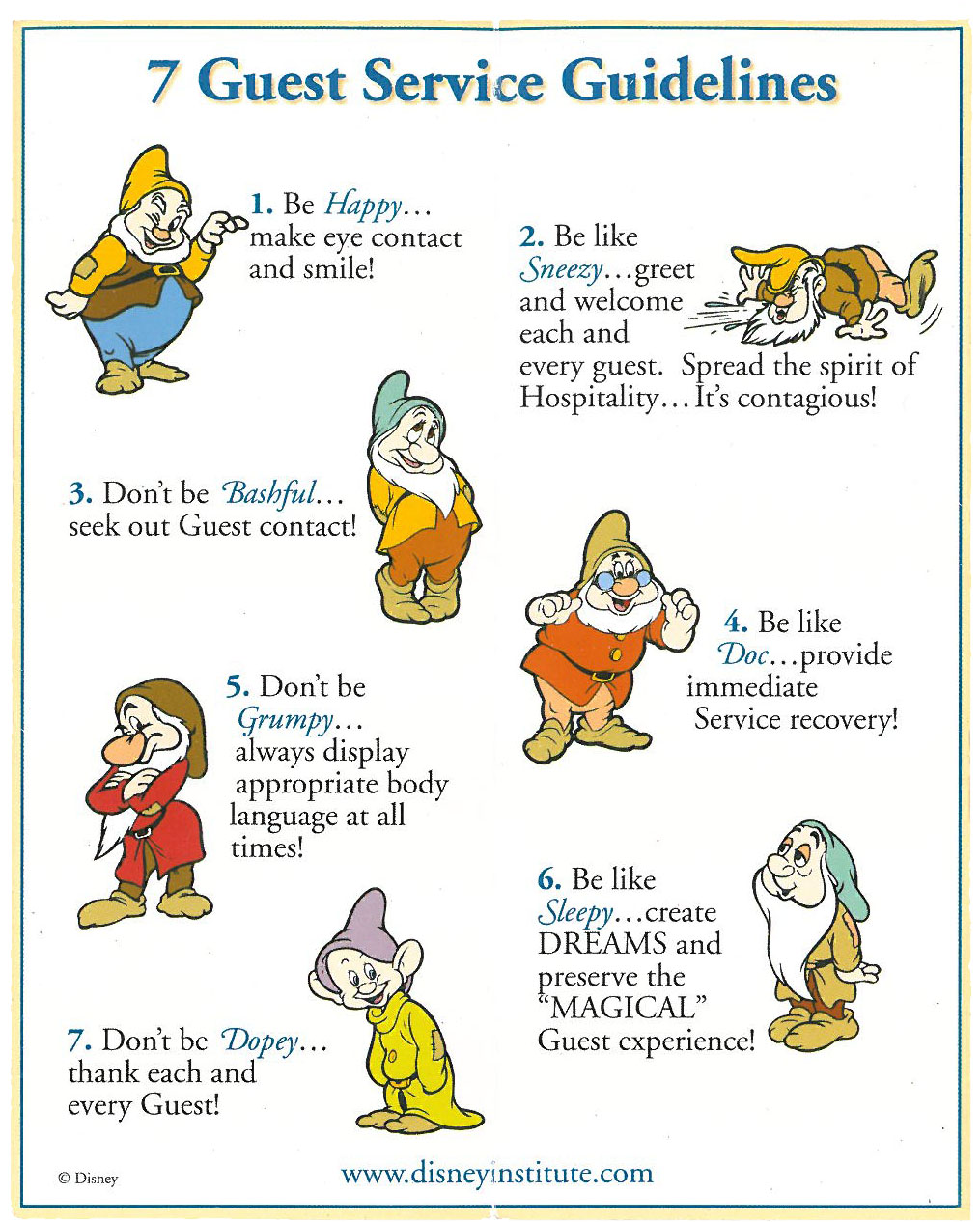
During the 1960s, these standards were translated into a set of behavioral actions called Guidelines for Guest Services, which became the centerpiece of training for all Disney cast members. Appropriately enough, the seven guidelines were personalized with the characters from the seven Dwarfs:

7 Guidelines for Guest Services

  • Make eye contact and smile
  • Greet and welcome each and every Guest
  • Seek out Guest contact
  • Provide immediate service recovery
  • Display appropriate body language at all times
  • Preserve the “magical” Guest Experience
  • Thank each and every Guest

These seven phrases serve a variety of purposes. First, they define behavior in terms of Guests. They also communicate cast member responsibilities. Finally, they showcase ways to customize service to individual Guests.

Even though these Guidelines don’t exist in this form anymore, my experiences over the years reminded me that the spirit of the Guidelines are very much in practice by cast members today.

Your organization probably won’t have tens of thousands of people coming through your doors every day – but the principles Disney uses as a baseline starting point for training its Cast Members are appropriate your use.

I don’t want the public to see the world they live in while they’re in the park. I want them to feel like they’re in another world.

Walt Disney

References

The Perennial Paradigm: Shaping the Future Beyond Age

In today’s world, the acceleration of megatrends – increasing longevity and the explosion of technology among many others – are transforming life as we now know it.

In The Perennials, bestselling author of 2030 Mauro Guillén unpacks a sweeping societal shift triggered by demographic and technological transformation. Guillén argues that outmoded terms like Boomers, Gen X, Millennials, and Gen Z have long been used to pigeonhole us into rigid categories and life stages, artificially preventing people from reaching their full potential. A new postgenerational workforce known as “perennials” – individuals who are not pitted against each other either by their age or experience – makes it possible to liberate scores of people from the constraints of the sequential model of life and level the playing field so that everyone has a chance at living a rewarding life. Guillén unveils how this generational revolution will impact young people just entering the workforce as well as those who are living and working longer.

This multigenerational revolution is already happening and Mauro Guillén identifies the specific cultural, organizational and policy changes that need to be made in order to switch to a new template and usher in a new era of innovation powered by the perennials.

The Future Belongs to Perennials: Perennials – individuals defying age stereotypes – are shaping the future across various aspects of life. The aging population, with longer life expectancies, is gaining prominence in the workforce, consumption, and social influence. Retirement is evolving into a period of learning, freelancing, and flexible employment. Technology and a perennial mindset are opening new opportunities for active seniors.

Reducing Intergenerational Friction: Breaking away from the traditional sequential model of life reduces conflicts between generations. More elderly people working lessens the tax burden on the young and fosters intergenerational collaboration. Lifelong learning also promotes better understanding between age groups.

Transforming the Global Economy: Multi-generational households and workplaces are revolutionizing society. They reduce poverty, revolutionize real estate, aid childcare and elderly care, and boost productivity through mentorship and diversity. This shift can address pension financing issues and enhance GDP growth potential.

Leveling the Playing Field: A post-generational society with perennial values can combat ageism and provide equal access to essentials like education, healthcare, employment, and housing. It offers opportunities for those who face setbacks in the traditional life model.

Evolving Work and Careers: The future of work includes multi-generational environments, multiple careers, and lifelong learning. Technology assists in managing work-life balance. Adapting to this change requires developing skills for effective collaboration with technology and enhancing social, negotiation, teamwork, and emotional intelligence skills.


Leaders of Remote Teams Must Learn to Protect the Overachievers

Your team has probably been working remotely for a year or more now, and even as the country moves into fast-forward about “opening up”, it’s likely that remote work will continue in some form for the foreseeable future.

What may have been quick emergency actions like having the basic tools and defining remote processes is now moving toward a new normal.

To make it through the current crisis and return to that new normal, you and your team will need to be resilient. The good news is that leaders can help create the conditions that make this possible.

As Bryan Miles, CEO and cofounder of BELAY, a leading U.S.-based, virtual solutions company says:

“Productivity comes from people completing their tasks in a timely, professional, adult manner, not from daily attendance in a sea of cubicles and offices.”

How will you lead your team through both this changing tide and new reality?

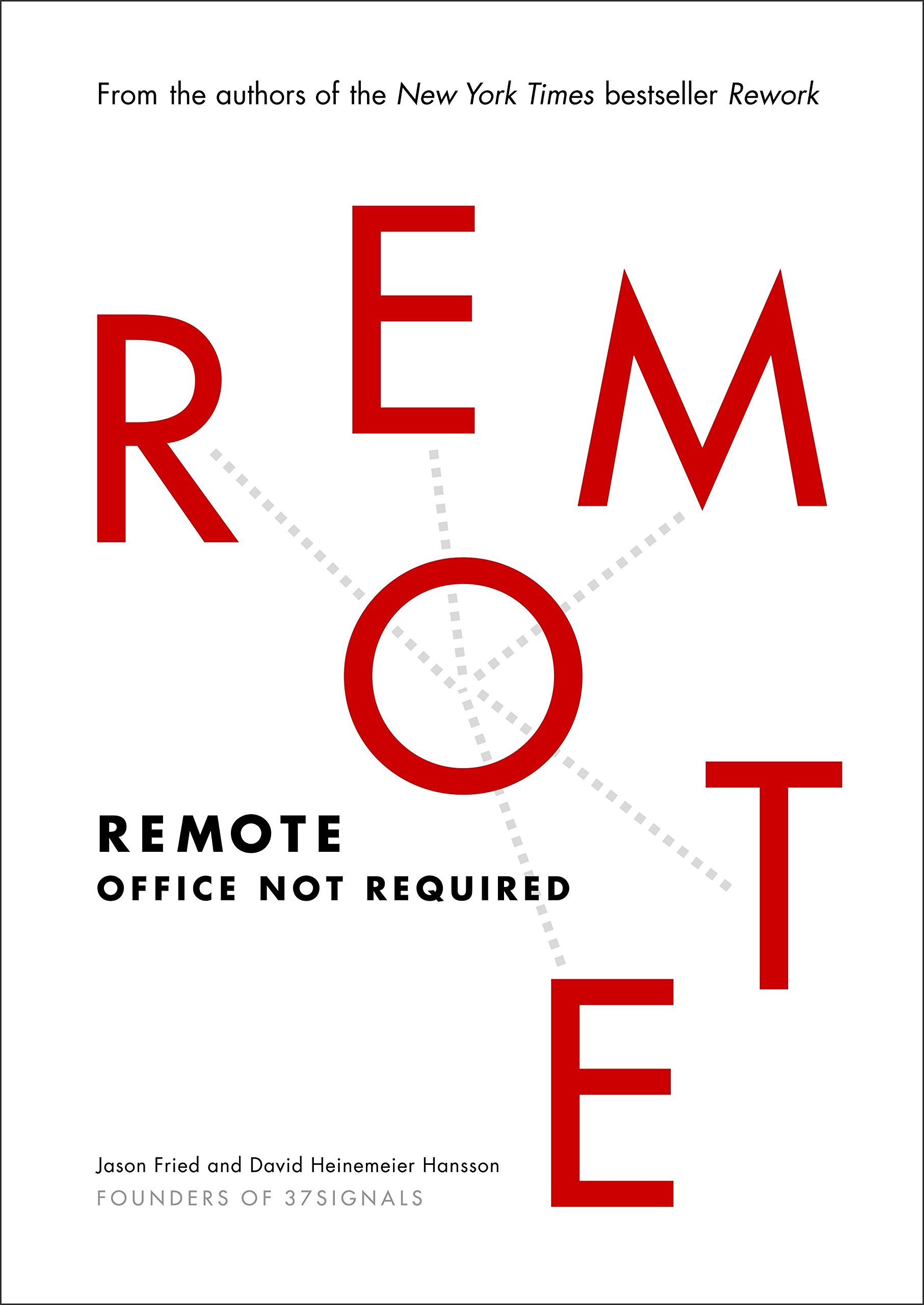
THE QUICK SUMMARYRemote: Office Not Required by Jason Fried and David Heinemeier Hansson

The “work from home” phenomenon is thoroughly explored in this illuminating book from bestselling 37signals founders Fried and Hansson, who point to the surging trend of employees working from home (and anywhere else) and explain the challenges and unexpected benefits. Most important, they show why – with a few controversial exceptions such as Yahoo – more businesses will want to promote this new model of getting things done.

The Industrial Revolution’s “under one roof” model of conducting work is steadily declining owing to technology that is rapidly creating virtual workspaces and allowing workers to provide their vital contribution without physically clustering together. Today, the new paradigm is “move work to the workers, rather than workers to the workplace.” According to Reuters, one in five global workers telecommute frequently and nearly 10 percent work from home every day. Moms in particular will welcome this trend. A full 60% wish they had a flexible work option. But companies see advantages too in the way remote work increases their talent pool, reduces turnover, lessens their real estate footprint, and improves the ability to conduct business across multiple time zones, to name just a few advantages. In Remote, authors Fried and Hansson will convince readers that letting all or part of work teams function remotely is a great idea–and they’re going to show precisely how a remote work setup can be accomplished.


A SIMPLE SOLUTION 

A common belief among managers contemplating remote work teams is the fear that their employees would slack off when out of the office and away from their watchful eyes.

The reality is that remote employees are more likely to overwork than underwork.

The employee who has passion and dedication to their work often has difficulty balancing their work and demands of their private lives when their work is being done in the spaces normally dedicated to private lives.

Leaders of remote teams must be aware of the signs of overwork, and intentionally work to prevent it.

Be on the lookout for overwork, not underwork.

If you’ve read about remote-work failures in the press, you might thing that the major risk in setting our people free is that they’ll turn into lazy, unproductive slackers. In reality, it’s overwork, not underwork, that’s the real enemy in a successful remote working environment.

Working at home and living there means there’s less delineation between the two parts of your life. You’ll have all your files and all your equipment right at hand, so if you come up with an idea at 9pm, you can keep plowing through, even if you already put in more than adequate hours from 7am to 3pm.

The fact is, it’s easy to turn work into your predominate hobby.

If work is all-consuming, the worker is far more likely to burn out. This is true even if the person loves what he does. Perhaps especially if he loves what he does, since it won’t seem like a problem until it’s too late.

It’s everyone’s job to be on the lookout for coworkers who are overworking themselves, but ultimately the responsibility lies with the managers to set the tone.

In the same way that you don’t want a gang of slackers, you also don’t want a band of supermen. The best workers over the long term are people who put in sustainable hours. Not too much, not too little – just right.

Jason Fried and David Heinemeier Hansson, Remote: Office Not Required

A NEXT STEP

As the leader of remote teams, how you practice working remotely will often set the pattern and practice of your team.

Using the following ideas from Work Together Anywhere, evaluate your own remote practices, and then determine how you will share the expectations with your team.

Motivation and Self-Discipline

  • Have a set routine
  • Dress like you’re going to work
  • Work in a space designated for work
  • Set a schedule and stick to it

Productivity

  • Experiment with time- and task-management methodologies and apps
  • Minimize multitasking; instead, focus on one thing at a time
  • Pace yourself to regulate your energy, maximizing your stamina and mental acuity
  • Make sure your workspace aids rather than hinders your productivity

Self-Care

  • Balance stints of productive, focused work with sufficient breaks that include movement.
  • Don’t forget to allow yourself the perks of remote working, like taking a break in your living room, or eating lunch on your patio
  • Combat the risk of loneliness by actively seeking social interaction both in person and online

Communication and Collaboration

  • Adopt a virtual-team mindset by trusting others to deliver the results they committed to while doing the same
  • Practice positive communication by being overtly friendly and assuming positive intent
  • Be reliable, consistent, and transparent: make sure your teammates know what you’re working on and how to reach you, within agreed upon guidelines

Welcoming the Class of 2022 to a Campus Near You

Each August since 1998, Beloit College has released the Beloit College Mindset List, providing a look at the cultural touchstones that shape the lives of students entering college this fall.

Recently, the Mindset List of the Class of 2022 was released.


The creation of Beloit’s former Public Affairs Director Ron Nief and Keefer Professor of the Humanities Tom McBride, authors of The Mindset Lists of American History: From Typewriters to Text Messages, What Ten Generations of Americans Think Is Normal, it was originally created as a reminder to faculty to be aware of dated references. It quickly became an internationally monitored catalog of the changing worldview of each new college generation.

Leaders – of all ages – need to understand what has shaped the lives of today’s entering college freshman class, those 18 year olds characterized by the following:

  • They are the first class born in the new millennium, escaping the dreaded label of “Millennial,” though their new designation—iGen, GenZ, etc. — has not yet been agreed upon by them.
  • People loudly conversing with themselves in public are no longer thought to be talking to imaginary friends.
  • The Prius has always been on the road in the U.S.

According to McBride,

Students come to college with particular assumptions based on the horizons of their lived experience. All teachers need to monitor their references, while students need to appreciate that without a sound education they will never get beyond the cave of their own limited personal experiences.

Here’s a few more characteristics to whet your appetite:

  • Films have always been distributed on the Internet.
  • Donny and Marie who?
  • Oprah has always been a magazine.
  • A visit to a bank has been a rare event.

You can read the whole list here.

The original authors have moved on to new projects in their retirement but will continue their battle against “hardening of the references” at their website, themindsetlist.com.

Even if you’re not a college professor, you need to read the whole list here.

With contributions from parents and academics around the world, the List has tracked cultural change, stimulated intergenerational conversation, and just made older people feel even older.

– Tom McBride and Charles Westerberg

Indeed.

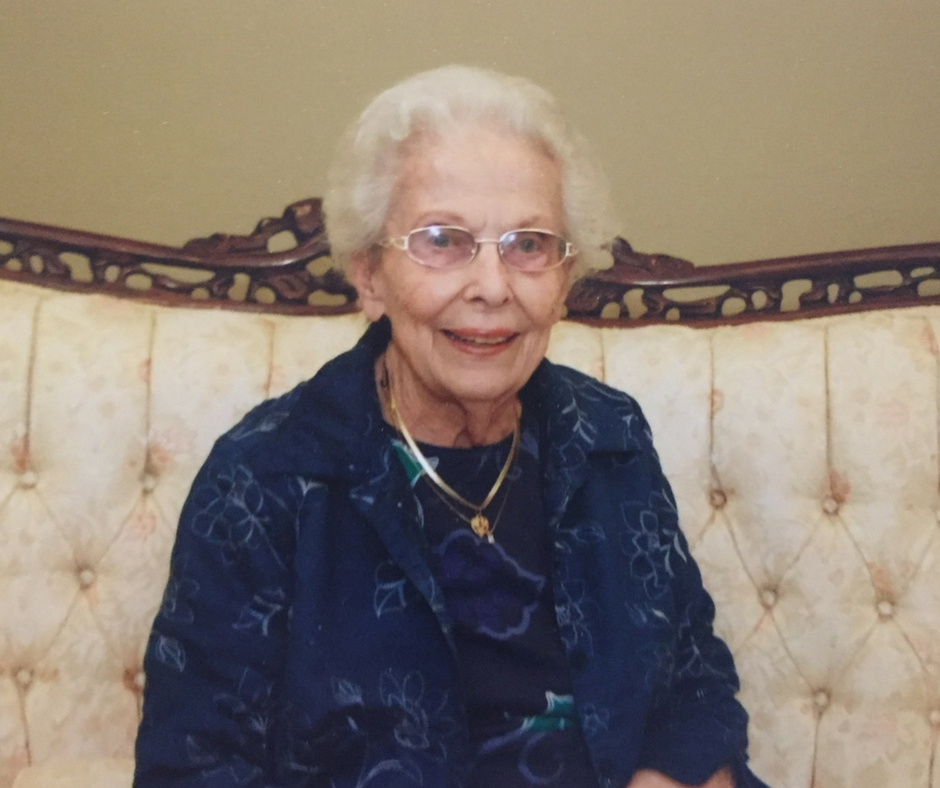
Saying Goodbye to Granny

Betty Jeanne Howerton Adams

1927-2018

The dates above are important – they are the bookends of my mother’s life. They mark a beginning and an end of her physical existence.

But her life was lived out in the dash.

Today will be filled with dozens of these stories. Family and friends are gathering from near and far to celebrate her life. In those stories, Betty will be known by many different names.

Of course I knew her first as Momma. My earliest memories are of soft, soothing words, and a loving touch. That’s natural for a child.

But in the last few months of her life, as my brother and I prepared for the sale of our home place and all the “treasures” inside, I discovered more about her – a life seldom spoken of, but one that was rich in adventures and a person known by many names.

In particular, I discovered pictures from the 1940s and 1950s that I believe have not been seen by anyone in the family for over 65 years. Pictures that tell more of the story of the life of Betty as we knew her.

  • Born a few years before the Great Depression, Betty grew up with a brother and a sister in northeastern Missouri.
  • Her father (and later her brother) were involved in construction and car dealerships and other things mechanical. That becomes important later.
  • A few images of Betty Jeanne and friends in her senior year of high school in Kirksville, MO speak to mischievous teenager.
  • A love of music lead to college at what was known as Northeast Missouri Teacher’s College after high school.
  • During those post-WWII boom years, her time in college included football games and homecoming parades and band concerts and musical productions.
  • Fresh with a music education degree, she headed out in 1950 to begin several years of teaching in Missouri and Iowa.
  • Always the youngest teacher, and often the only female on the faculty, her bright eyes and big smile among a table full of dour, unsmiling men invites speculation as to how her classes went.
  • In the fall of 1953, along with several of her teacher girlfriends, they went to a teacher’s convention in Florida. The images show happy friends in the surf, on the beach… and then a young man from Tennessee began appearing in the picture.
  • That week at the beach led to “courting” by mail, a couple of visits to Missouri, and then a proposal and a ring.
  • At a small ceremony in Bowling Green, Missouri, H.D. Adams and Betty began their married life in January 1954.
  • “Doc” Adams was a WWII veteran who returned home to help his father for a few years, taking care of the livestock on the Hermitage, home of Andrew Jackson.
  • In 1949, he and his brother built and opened a Gulf gasoline station on the family property in Green Hill, TN – about halfway between Nashville and Lebanon on Highway 70.
  • As Doc and Betty began their family, first Ray and then Bob appeared within the first few years of marriage.
  • As the owner of his own business, Doc was busy six days a week, but his wife and family were close by – their home was only about 100 feet from the gas station. Images of those mid-50s to early 60s show lots of boys running around the gas station, out in the garden with their dad, and always nearby – Momma.
  • When the boys began school at Mt. Juliet, attending the same school as their dad (and in one case, having one of the same teachers), Miss Betty appeared on the scene as a “room mother” for both the boys.
  • School friends of both boys, from first grade through twelfth grade, were the beneficiaries of cupcakes and cookies and picnic lunches and more, as she began to expand her cooking abilities.
  • Always active in church, Miss Betty taught dozens of children over the years in different classes.
  • After the boys’ high school graduations, they both attended Tennessee Tech. For the next few years, it was not unusual for food from cakes for a few to full meals for 50 to make the trip from Mt. Juliet to Cookeville.
  • In 1981, Bob and Anita started their family, and Granny became the family name Betty was known as for the rest of her life.
  • Over the next few years, six grandchildren spent time from a few days to a few weeks with Granny and Grandpa. Adventures included working at the gas station, playing around the yard, cooking, exploring the house, and various trips in and around Mt. Juliet.
  • As retirement neared for Doc, Betty became more and more involved in civic groups, including the American Heart Association and National Cancer Society.
  • She had also begun working with longtime friends the Moss’ in their greenhouse, arranging and delivering flowers.
  • The churches, especially the various music programs, were an important part of her life. Somewhere in this time period a new name appeared – Sarge.
  • Whatever mental picture friends and family have when they hear the name, they are probably right. In her golden years, it seems the Missouri “Show Me” characteristics appeared full force, and she was always ready to give people a piece of her mind – but with a smile.
  • Retirement meant a lot of travel – around the U.S. visiting places, family, and friends. Closer travel meant driving – and she was always the chauffeur.
  • In 2011, Doc suffered a series of strokes, which eventually took his life in early 2012. Betty was resolute to stay in the house she called home since 1954, but after about a year, she moved to an assisted living facility in Mt. Juliet. Sarge was the nameplate on her door, but even then her demeanor had slowly begun to change.
  • After a couple of years, Granny made the big move, to live in an assisted living home near Ray in Lenoir City
  • In her final months, Granny had retreated into her memories, mostly of growing up in Novelty, MO. No longer concerned with everyone else’s going on’s, she was content to sit in her chair and watch the birds.

On July 15, she slipped away peacefully at the hospital in Knoxville.

Many family and friends picture her telling heaven what to do.

Respectfully, I disagree.

I think she was finally in a place where she was speechless… and then she began to sing.

Your Church Volunteer Problem and “The Minus Twelve Men”

A good word from my friend and colleague Bryan Rose, after being onsite at a multi-site church in the Detroit, MI area this past weekend.

thebryanrose's avatarLaunch Clarity

DashTempAs I pulled into the parking lot, the temperature on my dashboard read negative twelve degrees

And there he was… standing there waving.

I couldn’t see his face, it was obscured by a heavy duty ski mask. But I could tell he was smiling. CrazyVolunteerAnd waving. And pointing me to another volunteer equally protecting every bit of bare skin from the unforgivably cold temperatures and minus thirty-something wind chills.

They were all out there. I found out later that every man on the team, had made it a point to serve this morning. The coldest morning any had seen in a long time.

Later, in the church lobby, they were resupplying hand and shoe warmers, to again face deathly cold. Just to park cars. 

So I asked them how, and why, and what.

How, today of all days, could they stand outside and wave?

Why would they literally risk

View original post 54 more words

How to Fail at Direct Mail: Seven Habits of Highly Ineffective Postcards

Wickedly accurate thoughts from my friend Bryan Rose…

thebryanrose's avatarLaunch Clarity

directmailfail2Last week, I opened our mailbox to find one of the worst church direct mail postcards that I have ever sent or received. First, you need to know that I have been a part of sending some real doozies, like an “F-Word” (forgiveness) pun on an Easter invite one year… not my idea, but I was definitely a willing participant. On some level, at least there was a point – horrible and offensive as it was.

My recent mailbox find is a direct mail piece following all of the current church-mailer trends, in that it is oversized, has a picture of the pastor and includes a group of smiling multicultural people. However, the messaging is a wreck, confusing and downright crazy-talk. This mailer was either designed by 4 different people who never bothered to coordinate their contribution, or one person with 4 different design personalities that stopped taking their…

View original post 1,066 more words