My 5-Generational Cohort Family is a Microcosm of Society

The legions of ancient Rome were composed of ten cohorts each: cohesive units of 300-600 men who trained, ate, slept, fought, won, lost, lived, and died together. The strength was their ability to think, act, and react as a unit. Though composed of individuals, training and socialization equipped them to behave as if of a single mind when called to battle. Social demographers, students of the effects of population on society, use the term cohort to refer to people born in the same general time span who share key life experiences – from setting out for school for the first time together through reaching puberty at the same time, to entering the workforce or university or marriage or middle age or their dotage at the same time.

The six primary generations of today’s American lifestyle span a remarkable slice of American and world history. Three major wars, countless minor (?) ones, economic booms and busts, social upheavals, rocketing technological achievement, and even stepping beyond our planet are among the milestones that have directly and indirectly shaped the times.

I count myself fortunate to have a direct connection to all six generations. To me, understanding more about how each of them think, feel, and act is not just a mental exercise – it’s a necessary part of life.

  • Builder Generation (1922-1945) My father and mother were born into the early part of this cohort. He entered military service just as WWII was ending; she was in college and then taught school; they were part of what some call “The Greatest Generation”. Think “American values” and you’ve got their number: civic pride, loyalty, respect for authority, and apple pie. My father passed away in 2012, and my mother in 2018. They may not be physically present with me, but who I am was shaped by their influence, and they impact me every day. Additionally, this cohort, as their generation moves into their twilight years, still controls a significant part of the economy and will continue to be influential in the years ahead outside of their numbers.
  • Baby Boomers (1946-1964) My wife and I are late Baby Boomers. Born in the latter 50s, we are a part of what was until recently the largest cohort in US history. For over thirty years, the sheer size of the Boomer generation defined the organization’s social landscape in a majority-rules cultural takeover. We were the civil rights, empowerment, and diversity generation. Never content with the status quo, we are always redefining what it means to be old and cool and important and successful.
  • Generation X (1965-1982) My oldest son and one of my daughters-in-law are Xers, even though they sometimes exhibit characteristics of the next cohort as well. Technologically adept, clever, and resourceful, the Xers are a deeply segmented, fragmented cohort. Their need for feed back and flexibility, coupled with the dislike of close supervision is but one of the many complex nuances of this generation. They are all about change- they’ve changed cities, homes, and even parents all their lives. Often seen as pessimistic with an edgy skepticism, many Xers are more positive about their personal future than the group as a whole.
  • Millennials (1983-2000) My other three children, two daughters-in-law, and a son-in-law all fall into this cohort. They are the children of the soccer moms and little League dads, and endless rounds of swim meets, karate classes, dancing lessons, computer camp and … you get the picture. They consider themselves the smartest, cleverest, healthiest and most-wanted group to have ever lived. Born into the technology boom times, barriers of time and space have little absolute meaning to them. They are willing to work and learn. By sheer numbers (their total births eclipsed the Boomers by several million) they are going to dominate history in new ways. They are the hyper-connected: constantly connected to multiple devices in order to know what and whom they need to know.
  • Generation Z (2001-2015) As the generation of the first six of my grandchildren, it is important to me to try to fully understand them. Technology is the hallmark of this group, which is the first generation to be raised in the era of smartphones and social media as a daily part of life. They’re growing up amid the promise of technological innovation – but also in the environment of economic uncertainty, a sharp decrease in well-defined and reliable career paths, increasing political divides, and the effect of decades of repressed racial tensions. The preeminent event of this cohort is the 9/11 attacks and the rise of terrorism around the world (and the U.S. response to it). Consequently, when compared to their predecessors, this group is both more cautious and more anxious.
  • Alpha Generation (2016-TBD) I have two grandchildren in this cohort, and there is one more on the way! While it is too early to define the characteristics of this cohort in any meaningful way, consider the early memories of children born since 2016: They will assuredly recall adult populations that were divided, diseased, and depressed. Their early years were launched alongside the large differences of the Trump and Biden administrations; their memories will be forever marked by the pandemic, ongoing political polarization, and increasing international unrest on a scale not seen since WWII.

There are some indications that generational cohorts repeat every four generations, so we’ll just have to see. Led by the thoughts of William Strauss and Neil Howe published in the late 1990s, this idea of “cycles” is getting more attention now that their predictions of today’s Millennial cohort are proving to be on target more often than not. That will definitely be my radar in the future!

An interesting fact, and the origin of the title of this website: there are 27 years between each of the first born in the above first three generations of my family, thus 27gen.

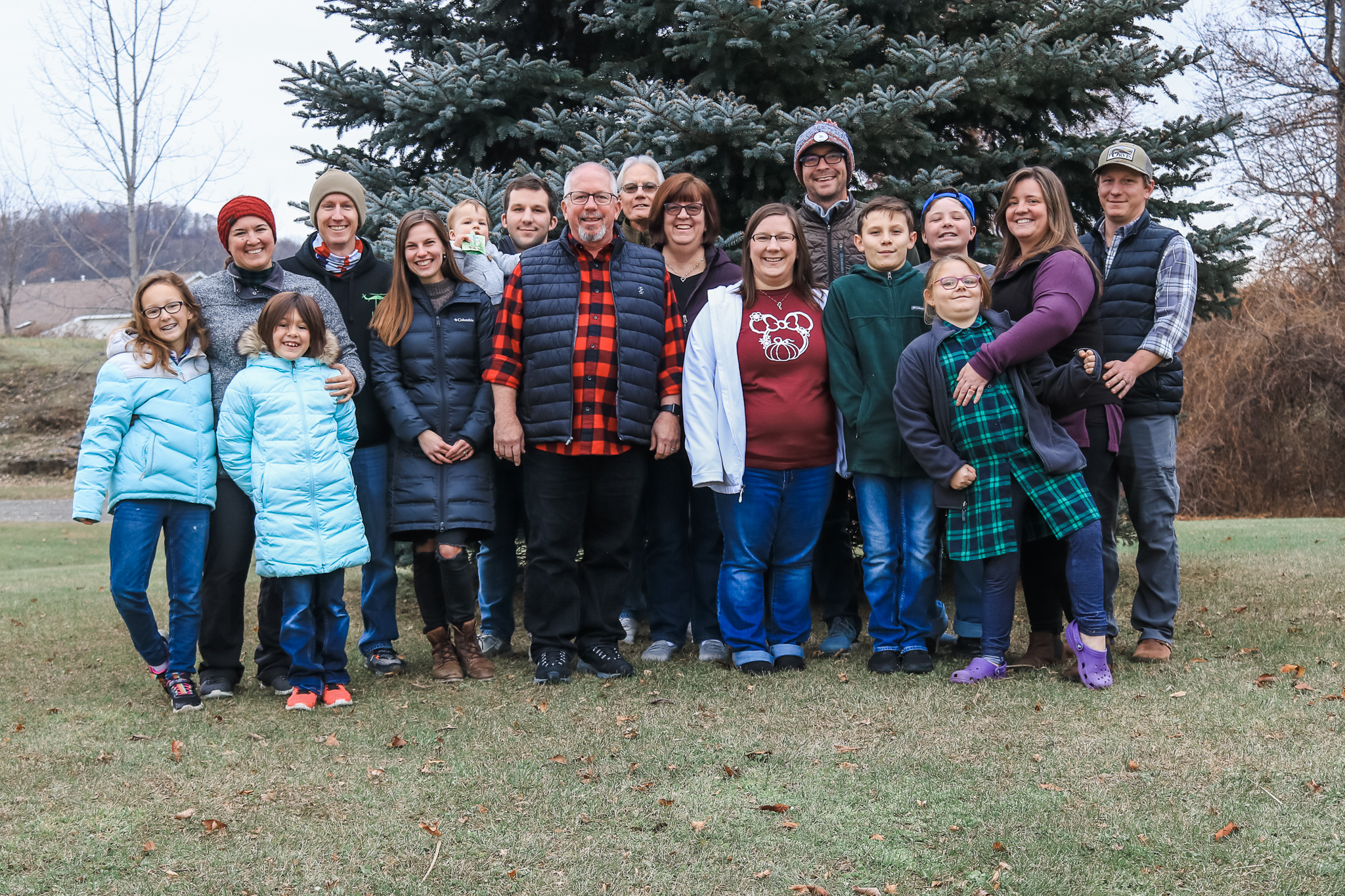
Here’s the last time all of #TheAdamsFamilyExperience was together in one place: Thanksgiving 2021, in Greenwich, NY.

The next five years are going to be very interesting as each of these five generations exert influence on each other. I will be actively watching my own microcosm of society.


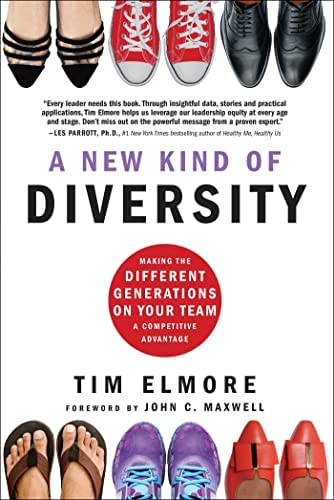
My latest reading on generations: The release of A New Kind of Diversity by Tim Elmore was much-anticipated. Elmore brings his decades of research and leadership experience to bear on what might be the biggest, most dramatic, and most disruptive shift the American workforce has ever seen: the vast diversity of several generations living—and working—together. 

For the first time in history, up to five generations find themselves working alongside each other in a typical company. The result? There can be division. Interactions between people from different generations can resemble a cross-cultural relationship. Both usually possess different values and customs. At times, each generation is literally speaking a different language!

Learn to Love Where You Live by Staying Loyal

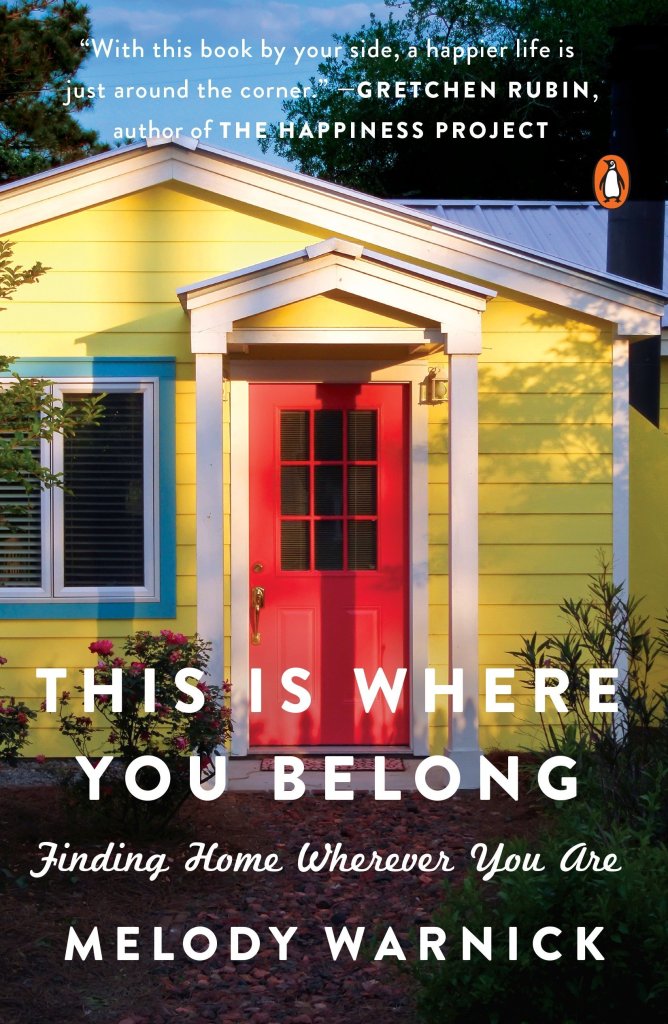
Today’s post is the tenth and final one in a series of posts over the past few weeks, taking a “deeper dive” into the concepts at the heart of Melody Warnick’s book, This is Where You Belong

Here is Warnick’s list of ten placement behaviors that she developed on the journey to “Love where you live.”

  1. Walk more
  2. Buy local
  3. Get to know your neighbors
  4. Do fun stuff
  5. Explore nature
  6. Volunteer
  7. Eat local
  8. Become more political
  9. Create something new
  10. Stay loyal through hard times

The trouble with place attachment is that to fall in love with a place is to risk losing it and grieving for it.

Melody Warnick

Author Melody Warnick believes that home is nothing more or less than the place where you feel at home and choose to stake yourself – and maybe not in that order. When we decide to plant roots, often the feeling of at-homeness follows.

The problem is that your town, wherever it is, will in all likelihood fall apart some day.

Warnick believes that what locals do next, after the disaster, is a key measure of how place attached we really are. How loyal will we be when things go wrong?

Warnick’s “Love Where You Live” experiments were used to test her hypothesis that actively seeking the good things in her town, investing her time and energy, and immersing herself in her surroundings would make her feel more like she belonged. For the most part, they had.

What she had never tested, and could not, was whether she had the mettle to make it through a crisis.

In her research of other places’ disasters or crises, she discovered the paradox of resilience: while anticipating Bad Things can make you feel antisocial, the aftermath of the actual event tends to increase social capital. The newfound ties developed during the crisis have the added benefit of making residents feel more rooted just at the moment they’re waffling between fight and flight.

Here are a few ideas from Warnick on Staying Loyal:

  • Create an emergency contact list for your neighbors. You’ll be one another’s first line of defense in case of disaster, with the added benefit that now you have their numbers to invite them to your Sunday Night Dinner.
  • Read about your town’s history so you’ll have a better sense of what it’s been through. Even small towns tend to carry local history books in their library.
  • Make your own personal resilience plan. Identify the most common shocks in your region – earthquakes, floods, wildfires – and figure out what you need to deal with them. You’ll feel less stressed if you know what to do when a Bad Thing happens.

I can’t emphasize this enough: If you like the idea of loving where you live, of being a better neighbor, or anything remotely connected, you MUST check out the work of Melody Warnick. Follow her on social media. Buy the book. Sign up for the newsletter on her website. Peruse the website for other articles she has written. It’s all PURE GOLD.

Learn to Love Where You Live by Creating Something New

Today’s post is the ninth in a series of ten posts, taking a “deeper dive” into the concepts at the heart of Melody Warnick’s book, This is Where You Belong

Here is Warnick’s list of ten placement behaviors that she developed on the journey to “Love where you live.”

  1. Walk more
  2. Buy local
  3. Get to know your neighbors
  4. Do fun stuff
  5. Explore nature
  6. Volunteer
  7. Eat local
  8. Become more political
  9. Create something new
  10. Stay loyal through hard times

The world, I realized, is full of people who say, “That would be fun.” What it needs is more people who say, “Let’s give it a whirl.”

Melody Warnick

In her “Love Where You Live” project, author Melody Warnick found that making cities prettier, more vibrant, or even cooler, can instill hope. According to one survey she found, living in a beautiful city is a more important predictor of personal happiness than objectively more consequential attributes like clean drinking water or safe streets.

In her research, Warnick found that created placemakers aren’t superheros. They’re usually average citizens – teachers, artists, entrepreneurs, lawyers, designers, activists, moms, dads, friends, neighbors – who decide to take matters into their own hands. They have a sense of what their city could be, and they love their place enough to try to change it, even a little bit.

Warnick found that when creative placemaking projects work well, they pull people together in interactions that build trust and a sense of community. Singing, chatting, drawing, painting, and howling together at a really bad joke are free, but they offer an astound return on investment in terms of their place attachment dividend.

Here are a few of the author’s ideas for Creating Something:

  • Find out what events are happening in your neighborhood – concerts, dance shows, festivals – and show up to as many as you can afford, even if it’s not your thing.
  • Throw a few bucks in the case whenever you see a busker in your town. There presence makes your hometown an interesting place to be.
  • Gather friends for an adventure and make something silly and creative happen in your neighborhood.
  • If you have it in you, be a creative initiator and organize a placemaking project in your town.

I can’t emphasize this enough: If you like the idea of loving where you live, of being a better neighbor, or anything remotely connected, you MUST check out the work of Melody Warnick. Follow her on social media. Buy the book. Sign up for the newsletter on her website. Peruse the website for other articles she has written. It’s all PURE GOLD.

Love Where You Live by Getting More Political

Today’s post is the eighth in a series of ten posts over the next few weeks, taking a “deeper dive” into the concepts at the heart of Melody Warnick’s book, This is Where You Belong

Here is Warnick’s list of ten placement behaviors that she developed on the journey to “Love where you live.”

  1. Walk more
  2. Buy local
  3. Get to know your neighbors
  4. Do fun stuff
  5. Explore nature
  6. Volunteer
  7. Eat local
  8. Become more political
  9. Create something new
  10. Stay loyal through hard times

If some small part of me might have once been reluctant about the wonkiness of a nine-week civics class, it had been overshadowed by the recognition that the Citizens Institute was exactly what you would do if you cared about your city.

Melody Warnick

As author Melody Warnick went through a nine-week Citizens Institute in her hometown, she came to two realizations:

  1. Good towns just don’t happen. They are planned into existence.
  2. Making decisions that keep all kinds of residents satisfied is incredibly difficult.

In her research she found support for this line of thought from various sources. “I think town employees are the unsung heroes,” says Rick Morse, an associate professor of public administration and government at the University of North Carolina at Chapel Hill, who studies citizens academies. “They’re always in the background working, and people don’t realize that all in their life is convenient and good because of what these other people do. For citizens, it’s kind of this aha moment: ‘Oh wow, these are good people, and they’re doing good things.'”

According to Warnick, the majority of Americans are crap at civic engagement, the process by which we citizen participate in the running of our town in an effort to make things better – happier – where we live. Very few of us get involved in local politics.

When you live in a town where people are not like you, politically or otherwise, you can feel isolated and alienated. The antidote, and the way to experience more place attachment where you live, is twofold.

First, learn to appreciate other residents for who they are and what they do for you – like Warnick did at the Citizens Institute.

Second, work with other to make good things happen in your town despite your differences.

Here are a few of the author’s ideas for Getting More Political:

  • Follow your mayor and city councilors on social media.
  • Join a local citizen’s academy (they go by many names).
  • Read a local news source online or in print to keep up with what’s happening in your town.
  • Download and use civic apps for your town.
  • Attend a city council meeting.

I can’t emphasize this enough: If you like the idea of loving where you live, of being a better neighbor, or anything remotely connected, you MUST check out the work of Melody Warnick. Follow her on social media. Buy the book. Sign up for the newsletter on her website. Peruse the website for other articles she has written. It’s all PURE GOLD.

Love Where You Live by Eating Local

Today’s post is the seventh in a series of ten posts over the next few weeks, taking a “deeper dive” into the concepts at the heart of Melody Warnick’s book, This is Where You Belong.

Here is Warnick’s list of ten placement behaviors that she developed on the journey to “Love where you live.”

  1. Walk more
  2. Buy local
  3. Get to know your neighbors
  4. Do fun stuff
  5. Explore nature
  6. Volunteer
  7. Eat local
  8. Become more political
  9. Create something new
  10. Stay loyal through hard times

Good food makes cities wealthier and more compelling, but there’s another reason why what we eat makes us love where we live. Food has an inimitable sensory power to connect us to a place.

Melody Warnick

And a starting point for eating local, according to author Warnick, is you local farmers’ market:

  1. The kinds of small, slow transactions that farmers’ markets represent the slow, “French-village” way to shop, filling your arms with the food you will eat for dinner tonight.
  2. Buying your groceries at the farmers’ market returns more money to the town you live in.
  3. The farmers’ market is decidedly social. Some studies show that at community farmers’ markets, people had ten times as many conversations than they did in supermarkets.

If not buying local, what about growing your own food? Studies that people who garden or farm have higher levels of neighborhood attachment; the act of literally putting down plant roots extends metaphorical ones as well.

Then there’s the path of becoming a “regular” at a local restaurant. My regular Tuesday or Wednesday lunch takes place at Big Bite’Z Grill in Cornelius, NC – here’s the story.

In Warnick’s story of choosing a restaurant to eat local, the most telling comment is this:

Perhaps, I thought, being recognized didn’t matter as much as doing the recognizing. So what if I ordered the same chicken cashew sandwich five times in a row and an employee didn’t congratulate me on my steadfastness? I could still enjoy feeling like it was my sandwich, the same way I could still feel this was my restaurant, even if no one who worked there cared.

Here are a few of the author’s ideas for Eating Local:

  • Find a place in your hometown to become a regular.
  • Shop regularly at your farmers’ market.
  • Plant a garden, big or small.
  • Follow local restaurants on social media, and support them there.

All over this country are would-be “third places” – not just coffee shops and diners but potlucks, church dinners, and chili cookoffs – that can make us feel like we belong where we live.

Make them your own.


I can’t emphasize this enough: If you like the idea of loving where you live, of being a better neighbor, or anything remotely connected, you MUST check out the work of Melody Warnick. Follow her on social media. Buy the book. Sign up for the newsletter on her website. Peruse the website for other articles she has written. It’s all PURE GOLD.

Love Where You Live by Volunteering

Today’s post is the sixth in a series of ten posts over the next few weeks, taking a “deeper dive” into the concepts at the heart of Melody Warnick’s book, This is Where You Belong.

Here is Warnick’s list of ten placement behaviors that she developed on the journey to “Love where you live.”

  1. Walk more
  2. Buy local
  3. Get to know your neighbors
  4. Do fun stuff
  5. Explore nature
  6. Volunteer
  7. Eat local
  8. Become more political
  9. Create something new
  10. Stay loyal through hard times

There are a million good reasons to volunteer, one of them being that “you don’t have to move out of your neighborhood to live in a better one,” as urban activist Majora Carter has said. Falling in love with where you live is simply a side benefit.

Melody Warnick

According to author Melody Warnick, volunteering in your hometown gives you a double-whammy benefit: Helping out makes you feel better while simultaneously making your city a better place to live. What’s good for your community is good for you.

One of the by-products of volunteering in and for your city can be a sense of “place identity.” The idea is that, in the same way you might self-identify as a parent or a lawyer or a dog lover, volunteering helps you see yourself as a valuable part of your town. You join the collective “we” of your place, a sentiment that’s summed up tidily in this statement from the place attachment scale: “Where I live tells you a lot about who I am as a person.”

Here are a few of the many ideas in her book:

  • Consider the things about your area that break your heart, like the homeless guy on the ben or the packs of teenagers you see shuffling around at loose ends.
  • Find a place to volunteer. Big cities have lots of opportunities. Small towns often have their own volunteer centers. Check out the local branch of the United Way.
  • Perform random acts of kindness, either on a special day like your birthday or a day you’re bored.
  • Donate to a cause, and make it a family project by saving change in a jar. Let the family decide where the donation will go.

I can’t emphasize this enough: If you like the idea of loving where you live, of being a better neighbor, or anything remotely connected, you MUST check out the work of Melody Warnick. Follow her on social media. Buy the book. Sign up for the newsletter on her website. Peruse the website for other articles she has written. It’s all PURE GOLD.

Love Where You Live by Exploring Nature

Today’s post is the fifth in a series of ten posts over the next few months, taking a “deeper dive” into the concepts at the heart of Melody Warnick’s book, This is Where You Belong. The idea of a deeper dive is the second week in this website’s monthly rotation. The first and third weeks are BookNotes: short excerpts and teasers from great books about hospitality and your neighborhood. The fourth week will develop a tool you can use to become a better neighbor.

Here is Warnick’s list of ten placement behaviors that she developed on the journey to “Love where you live.”

  1. Walk more
  2. Buy local
  3. Get to know your neighbors
  4. Do fun stuff
  5. Explore nature
  6. Volunteer
  7. Eat local
  8. Become more political
  9. Create something new
  10. Stay loyal through hard times

Studies have shown that spending time in green space improves immune system function, lowers blood glucose levels in diabetics, boosts cognitive function and concentration, lengthens attention span, and strengthens impulse control.

Melody Warnick

According to author Melody Warnick, humans are born with an inborn craving for wildness and green, what Harvard biologist E.O. Wilson call “biophilia.” We are, he says, built for nature.

Here’s the rub: Towns and cities usually aren’t.

In addition to the benefits of nature listed above, Warnick also found that green space builds social cohesion, the companion to place attachment that develops in tight-knit neighborhoods. One study showed that when homes are set among trees and plants, neighbors form stronger social ties and a better sense of community. People who live near parks trust each other more and are quicker to aid their neighbors than people who live farther away.

Outcomes like these made Warnick come up with her own hypothesis: that people who lived where they could spend more time in the natural world would feel more enthusiastic about their communities.

Here are a few of the many ideas found in her book:

  • Make a list of your town’s natural assets. If you live in a city, are there parks nearby? Secret gardens? What makes you feel close to nature where you live?
  • Learn the names of the flora and fauna in your area. Check out a book on the subject, or connect with the Master Naturalists or Master Gardeners in your town.
  • Find ways to do the outdoorsy things you love where you live. Even in cities, you can walk through parks, bike greenbelts, or dangle your feet in ponds.
  • Invite friends for a hike, since doing something in nature with people you love creates a happy place anchor.
  • So you’re not outdoorsy.That’s fine. Figure out one beautiful place in your town – a creek, a park a river – and spend some time there. Go for a drive and enjoy the view.

I can’t emphasize this enough: If you like the idea of loving where you live, of being a better neighbor, or anything remotely connected, you MUST check out the work of Melody Warnick. Follow her on social media. Buy the book. Sign up for the newsletter on her website. Peruse the website for other articles she has written. It’s all PURE GOLD.

I’m delighted to report that Melody’s latest book, If You Could Live Anywhere, was just released! I’ve just started reading it, but it is written in the same engaging style, and addresses the question on many people’s minds today:

The future of work is clear: It can happen wherever you are. So where do you really want to be?

Be a Good Neighbor and Get to Know Your Neighbors

Today’s post is the third in a series of posts over the next few weeks, taking a “deeper dive” into the concepts at the heart of Melody Warnick’s book, This is Where You Belong.

Here is Warnick’s list of ten placement behaviors that she developed on the journey to “Love where you live.”

  1. Walk more
  2. Buy local
  3. Get to know your neighbors
  4. Do fun stuff
  5. Explore nature
  6. Volunteer
  7. Eat local
  8. Become more political
  9. Create something new
  10. Stay loyal through hard times

Place attachment research shows that many of the good feelings we have about the cities where we live stem from the sense that we have relationships there. Here was my chance to craft a “Love Where You Live” experiment that could, potentially, make me happier in my town immediately.

I would make an effort to get to know the locals.

Melody Warnick

Warnick believes that falling in love with your town needs to involve knowing ( and at least sort of liking) your neighbors. And it’s because of a little thing called “neighborhood cohesion,” a term used by social scientists to describe the level of closeness and connection neighbors feel toward each other. In studies, it’s measured by asking people whether they can agree with statements like these:

  • This is a close-knit neighborhood.
  • People around here are willing to help their neighbors.
  • People in this neighborhood generally get along with each other.
  • People in this neighborhood share the same values.
  • My neighbors can be trusted.

When people answer yes, it portends positive outcomes for both physical and emotional health.

Warnick determined that if she was going to use a Love Where You Live experiment to challenge her default settings on behaviors that she knew were making it difficult to become attached to her town, she would have to be a better neighbor.

Her first simple goal: find out who her neighbors were.

Here are a few of the many ideas found in her book:

  • Celebrate Good Neighbor Day. It’s September 28th, but you can declare any holiday or even an ordinary day a special day when you feel like meeting your neighbors.
  • Make and update a spreadsheet of the people on your block or apartment hall/building.
  • Welcome anyone who moves into a house you can see from your front porch or in your apartment building. You don’t have to prepare an elaborate welcome gift – just start by saying “Hi” and see what happens from there.
  • Eat a meal with neighbors. Start out simple, and in today’s climate, “socially distanced,” by inviting neighbors to bring whatever they were going to eat and have a picnic outside.
  • Offer to house-sit or pet-sit for neighbors going out of town. This assumes a level of trust, but you would be surprised how quickly your offer may get accepted.
  • And the biggie: Throw a block party! Maybe the most daunting, but most awesome, of all. You will become a neighborhood legend.

I was beginning to understand the value of meeting our neighbors face-to-face, even when – especially when – they’re not like us.

Melody Warnick

The “place” in place attachment isn’t an abstract concept. Place is physical proximity. The process of putting down roots naturally begins close to home, with the people who live right around us.


I can’t emphasize this enough: If you like the idea of loving where you live, of being a better neighbor, or anything remotely connected, you MUST check out the work of Melody Warnick. Follow her on social media. Buy the book. Sign up for the newsletter on her website. Peruse the website for other articles she has written. It’s all PURE GOLD.

How Buying Local Can Save Main Street America

Today’s post is the second in a series of ten posts over the next few weeks, taking a “deeper dive” into the concepts exploring the heart of Melody Warnick’s book, This is Where You Belong.

Here is Warnick’s list of ten placement behaviors that she developed on the journey to “Love where you live.”

  1. Walk more
  2. Buy local
  3. Get to know your neighbors
  4. Do fun stuff
  5. Explore nature
  6. Volunteer
  7. Eat local
  8. Become more political
  9. Create something new
  10. Stay loyal through hard times

As author Melody Warnick continued her journey of learning to love where she lived, she began to deeply believe that her habits of buying from Target or ordering online from Amazon were contributing to the downfall of Main Street America. Her shopping habits might be killing both her hometown and her prospects of connecting with it, and that had her worried.

Neighborly economics means you don’t go for what’s cheapest and easiest. You think about which relationships and stores you want to preserve in your town, and you shop there. It may be a financial sacrifice, but:

You need to sacrifice for where you live. Sacrifice is going to make your town stronger.

Jay Leeson

Here’s what she found as she began her research:

One hundred years ago, you bought most of what you needed from a store in your community that was owned and operated by someone who lived there. Prescriptions came from the corner drugstore, whose pharmacist knew your kids and your ailments by name. Books were purchased from a local bookseller, who recommended a few new novels you’d like.

With Main Street acting as both substitute town hall and open-air living room, you could chat with your neighbors, debate the problems of day, and still cross milk and socks off your shopping list.

But as the population grew both in number and across the country, spreading from cities to towns to suburbs, chain stores – one store with multiple locations – began to take over. A few decades later, as first malls and big box stores, then retail strips centers expanded, local stores suffered, and then began to vanish.

In spite of research showing that monies spent locally tend to stay in the community in greater amounts, the trend continues for the most part today.

Warnick believes that there are more than just economic costs, though: Shopping locally is a concrete way to help your town thrive economically and to improve your own quality of life. You start buying stuff in your town, particularly from small independent stores owned by people who live there, and all of a sudden more local people have more jobs. So the city collects more taxes. Then the schools have more money for improvements. The streets get repaved, the parks department builds new sports fields, and so on. With millions of dollars, you’d think we’d all jump on board.

Unfortunately, not.

National chains and big-box stores are cheap, quick, and comforting – the retail equivalent of a fast-food cheeseburger – and their spread has turned much of America into a string of bland Anyplaces.

Warnick believes that the first step in any long-term recovery is recognizing you have a problem. She now had another “Love Where You Live” experiment: weaning herself off Target and Amazon and start spreading more of her cash around her hometown.

She called it her “big-box detox.”

You’ll want to get her book to read more about her journey, including:

  • Cash mobs
  • 3/50 Project
  • Support local shops who support local causes
  • Don’t showroom

Warnick believes this is how it works:

You buy stuff. Pick your local thing – birthday presents, bicycles, running shoes, books, lamps, camera gear, art prints, oil changes, carpet cleaning, piano tuning, or whatever. Pick something to buy, pick a local person or store to buy it from, and then stick with it.

Melody Warnick

You can be a cash mob of one. When you go into a local store to spend $20, you know that buying stuff does more than just for you.


I can’t emphasize this enough: If you like the idea of loving where you live, of being a better neighbor, or anything remotely connected, you MUST check out the work of Melody Warnick. Follow her on social media. Buy the book. Sign up for the newsletter on her website. Peruse the website for other articles she has written. It’s all PURE GOLD.

How Taking a Walk Will Make You a Better Neighbor

Because several posts over the last few weeks have been centered on the theme of “walking” it’s only appropriate to use the topic to introduce an amazing book about learning to love where you live.

Today’s post introduces a series of ten posts, taking a “deeper dive” into the concepts exploring the heart of Melody Warnick’s book, This is Where You Belong.

Here is Warnick’s list of ten placement behaviors that she developed on the journey to “Love where you live.”

  1. Walk more
  2. Buy local
  3. Get to know your neighbors
  4. Do fun stuff
  5. Explore nature
  6. Volunteer
  7. Eat local
  8. Become more political
  9. Create something new
  10. Stay loyal through hard times

According to author Melody Warnick, scientists call the way we learn to navigate a place “mental mapping.” The concept, based on behavioral psychology studies done several times since the 40s, showed that rats and chimpanzees who had first aimlessly explored a maze developed a cognitive map that helped them quickly scamper through it later.

One’s destination is never a place but rather a new way of looking at things.

Henry Miller

Warnick, through conversations with Jeff Speck, a city planner and author of Walkable City, believes that walking is more than transportation; it’s experience

As you walk anywhere, your five senses are taking in hundreds of stimuli. All these things combine to create another “sense”: a sense of where we are.

Through her research, and in reference to #1 on the list above, Warnick discovered that people who walk a lot feel better about their lives, and one of the principles she was coming to understand about loving where you live is that feeling good in general often translates to feeling good about where you live.

When you’re happy, for whatever reason, you also happen to be happy in the place you live.

Walking helps people discover the character of where they live and why they like it. Otherwise it’s a faceless kind of experience. You don’t come into contact with anybody. Even having the comfort of being social and being around other people is so healthy. It’ fun to walk around and say hi to people.

Matt Tomasulo

Warnick found that there was something about being on foot or on a bike that makes us explorers of where we live. Walking and biking in her town helped her develop an intimacy with the town that made her find the hidden gems and appreciate where she was.

She also believes that anyone, in any town, could have the same experience.

What about you?

Can you make a change in your routines to walk more in your neighborhood, and maybe even in your town?

Go ahead and try it.

You will be surprised by what you learn.


I can’t emphasize this enough: If you like the idea of loving where you live, of being a better neighbor, or anything remotely connected, you MUST check out the work of Melody Warnick. Follow her on social media. Buy the book. Sign up for the newsletter on her website. Peruse the website for other articles she has written. It’s all PURE GOLD!