Reading Between the Ears: Synoptical Reading, Leadership, and the Magic of Disney

Reading is a passion I treasure, and one that I am thankful my father instilled in me.

I love (and practice) the 4 different levels of reading as espoused by Mortimer Adler in his great book, How to Read a Book, but I really like to latch onto a topic and practice synoptical reading. Also known as comparative reading, it is where many books are read, and placed in relation to one another and to a subject about which they all revolve.

For many years, an ongoing topic of synoptical reading has been about Walt Disney (the man) and the “kingdom” he founded.

Under the watchful eye of Engineer Mickey, here’s my new stack of Disney reading that I’m kicking off 2024:

  • The Art of Walt Disney (Disney 100 Celebration Edition)
  • Disney Book of Maps: A Guide to the Magical Worlds of Disney Animation
  • Drawing 100 Years of Disney Wonder
  • The Disney Book (Disney 100 Edition)
  • Hyperion Historical Alliance Annual 2023
  • Disney 100 Storybook Collection
  • Disney, Culture, and Curriculum
  • Disneyland Historical Highlights: 1954-1972
  • The Mouse That Roared
  • Disney Magic: Business Strategy You Can Use at Work and Home

A wonderful collection of older books recently acquired, revised editions celebrating Disney’s 100th anniversary, and brand new works, these books will provide hours of amazing insight into the Disney story.

With these acquisitions, my Disney library is approaching 500 volumes, dating from 1939 to current releases – and I’m still actively researching the subject, regularly discovering new authors and books.

I get it, I really do. Some people think that using anything associated with Walt Disney and the company he created, as it exists today, to illustrate practices for leaders - especially church leaders -is wrong.

I respectfully disagree.

Churches need to look at sources of excellence in any area that can help them fulfill their mission and vision.

In the area of Hospitality and Guest Experiences, there are many great organizations that excel at customer service or guest services. Most of them learned it from a single source.

There is only one organization, in my opinion, that consistently delivers exceptional Guest Experiences, continually upping their game.

That organization is the Walt Disney Company.

Another objection I often hear: “Sure, Disney does a good job; they have a bazillion dollars to spend on keeping Guests happy.” Yes, they do – and I’ve contributed my own share to that bazillion!

But I encourage you to look beyond what you see to the PRINCIPLE behind the action or practice, and more often than not you will find something that you can apply in your organization.

In other words, Excellence Scales.

That’s why I’m reading these books!

#wednesdayweeklyreader #disney #books #bookstagram #reading


Part of a regular series on 27gen, entitled Wednesday Weekly Reader.

During my elementary school years one of the things I looked forward to the most was the delivery of “My Weekly Reader,” a weekly educational magazine designed for children and containing news-based, current events.

It became a regular part of my love for reading, and helped develop my curiosity about the world around us.


Loving My Actual Neighbor

7 Practices to Treasure the People Right in Front of You

Jesus was 100 percent clear: Love God, love others. May we do so in a way that is honoring to both our Creator and those he created, with respect for all involved and dignity in every interaction.

Alexandra Kuykendall

As Christians, we know we are called to love our neighbor. We may even grasp that “neighbor” encompasses more than just the people living next door or down the street. But what we too often don’t know is how to begin. How do we love our neighbor? Where do we start? What does this look like in our increasingly isolated world?

Following practices outlined in the first chapter of 2 Peter, Alexandra Kuykendall lays out the framework for where to begin. From practicing humility to listening with understanding to being generous in our relationships, Loving My Actual Neighbor offers practical, start-now steps readers can take to love their neighbors. With her approachable, friendly tone and down-to-earth advice, Kuykendall has carved out for herself a place in the hearts of readers, who will be thrilled to extend her commonsense approach into this sphere of their lives.

As we begin the journey together of exploring how to love our neighbors well, may we remember that God’s grace is covering it all. We are imperfect people stumbling through life, trying to love other imperfect people.

If we are getting more honest in relationships, there will be moments (or days or weeks or years) that will be difficult. Things won’t go as we picture they will. The mess will seep out and we will miss opportunities that come up. We will likely say things we regret, and we will face feeling and ideas that make us uncomfortable.

But we will also experience life as God intended with more depth as we interact with those right in front of us on a more intentional level.

Loving My Actual Neighbor


The World is Your Burger: A Global Gastronomic Adventure

The World is Your Burger by David Michaels is a culinary masterpiece that takes readers on a mouthwatering journey through the global history of the iconic hamburger. In this delectable book, Michaels delves into the origin of the hamburger and its remarkable evolution from a simple sandwich to a worldwide phenomenon. The narrative unfolds like a gourmet feast, with each chapter serving up a different facet of this beloved culinary creation.

Celebrate the classic hamburger with this unprecedented collection of essays, photographs, and ephemera – a colorful look at the burger’s origins and impact, assembled by a true burgerphile whose passion has taken him around the globe. Perfect for home cooks and pop-culture addicts alike, the book is chock-full of original research, exclusive interviews with culinary icons, never-before-seen archival photographs from brands such as McDonald’s and White Castle, and twelve delicious recipes.

Michaels begins with the humble beginnings of the hamburger, tracing its roots back to the streets of 19th-century America. He vividly describes the bustling atmosphere of food vendors and immigrants, where ground meat patties sandwiched between slices of bread became a quick and satisfying meal for the masses.

As the book progresses, readers are transported to various corners of the globe, each chapter dedicated to a different country’s unique take on the burger. Picture the sizzle of Brazilian churrascarias, where succulent beef patties are grilled to perfection and served with a mouthwatering array of toppings. Taste the tangy flavors of India’s spicy masala burger, a delightful fusion of traditional Indian spices and Western fast food.

With each turn of the page, The World is Your Burger explores the cultural, culinary, and even political significance of this beloved dish. Michaels skillfully weaves in anecdotes, historical facts, and interviews with burger aficionados and experts, creating a rich tapestry of burger lore that engages the senses and the intellect.

The author doesn’t shy away from discussing the burger’s impact on modern society and the food industry. Readers are invited to ponder questions of sustainability, ethics, and the ever-evolving quest for the perfect patty. Michaels offers a balanced perspective, allowing readers to savor the burger’s history while also considering its future in an increasingly food-conscious world.

The World is Your Burger is a culinary treasure trove that combines meticulous research with a passion for the subject matter. David Michaels’s writing is as flavorful as the burgers he describes, painting vivid pictures of the people, places, and flavors that have shaped this global culinary icon.

One of the book’s strengths is its ability to appeal to both casual food enthusiasts and serious gastronomes. It’s a delightful read for anyone who appreciates a good burger, whether from a neighborhood joint or a high-end restaurant. The book’s exploration of international burger variations is a delightful reminder of the burger’s adaptability and its ability to reflect the unique culinary cultures of different regions.

Michaels’s thoughtful consideration of the burger’s environmental and ethical implications adds depth to the narrative. He encourages readers to think beyond the bun and consider the broader implications of our food choices. This thoughtful approach elevates “The World is Your Burger” beyond a mere culinary history and turns it into a thought-provoking exploration of our relationship with food.

In conclusion, The World is Your Burger is a must-read for anyone with an appetite for history, culture, and, of course, delicious burgers. David Michaels has crafted a literary masterpiece that not only celebrates the hamburger’s past and present but also leaves readers pondering its place in the future of global cuisine. Whether you’re a burger aficionado or a curious culinary explorer, this book will leave you hungry for more knowledge about the world of burgers.


With today’s post, I’m bringing this part of my #BurgerQuest journey to a close.

Since June I’m looked a the history of the hamburger, the various ingredients that go into a great burger, and the best-known books that detail the development of hamburger restaurants across the country. You can take a look at all those posts from the list below.

While I may not be writing about them as much, you can be sure I will continue eating hamburgers!

See you on the other side of a bun!


Still hungry?

Shaking Up Fast Food: The Phenomenon of Shake Shack’s Success

The Proper Post-Thanksgiving Binge

Dave’s Way: A Culinary Journey of Innovation and Success

A Burger’s Perfect Partner: The Coca-Cola Connection

Flameout: The Rise and Fall of Burger Chef – A Culinary Tragedy

From Pommes Frites to Burger Sidekick: The Fascinating History of French Fries

Building an Empire, One Whopper at a Time: Jim McLamore’s Journey and the Story of Burger King

The Condiment Conundrum: Finding the Perfect Toppings to Elevate Your Burger Experience

The Whataburger Story: A Tale of Flavor and Family

From Drive-Thru to Cultural Icon: The Story Behind In-N-Out Burger

Burgerology: The Art and Science of the Perfect Patty

Flipping History: How McDonald’s Shaped the Hamburger’s Popularity

Indulging in Burger Bliss: A Quest for Culinary Perfection

White Castle: The Trailblazing Pioneer of Fast Food

Bite Into Tradition: The Best Loved Regional Burger Chains in the Country

Burger Beast Unleashed: The Ultimate Tribute to Burgers in Sef Gonzalez’ Book

Sink Your Teeth into “The Hamburger”: A Culinary Journey by Josh Ozersky

Burger Magic: Exploring the Universal Fascination Behind America’s Favorite Dish

My Quest for the Perfect Hamburger: A Literary, Culinary, and Arbitrary Journey in Pursuit of America’s Iconic Delight

A Tantalizing Top of the Stack, Made to Order

Before Burger Quest

Shaking Up Fast Food: The Phenomenon of Shake Shack’s Success

From the wide-ranging options in the modern fast-food industry, Shake Shack has emerged as a beacon of culinary innovation, offering a unique blend of high-quality ingredients, exceptional service, and a captivating origin story. Let’s explore the birth and growth of the Shake Shack restaurant chain, tracing its roots, key milestones, and the factors that have contributed to its remarkable success.

The Birth of Shake Shack

Shake Shack’s journey began in 2001 when the renowned restaurateur Danny Meyer’s Union Square Hospitality Group operated a hot dog cart in Madison Square Park, New York City. The cart was intended to support the Madison Square Park Conservancy’s first art installation. Little did they know that this humble hot dog cart would lay the foundation for one of the most beloved fast-food chains in the world.

The Success of the ShackBurger

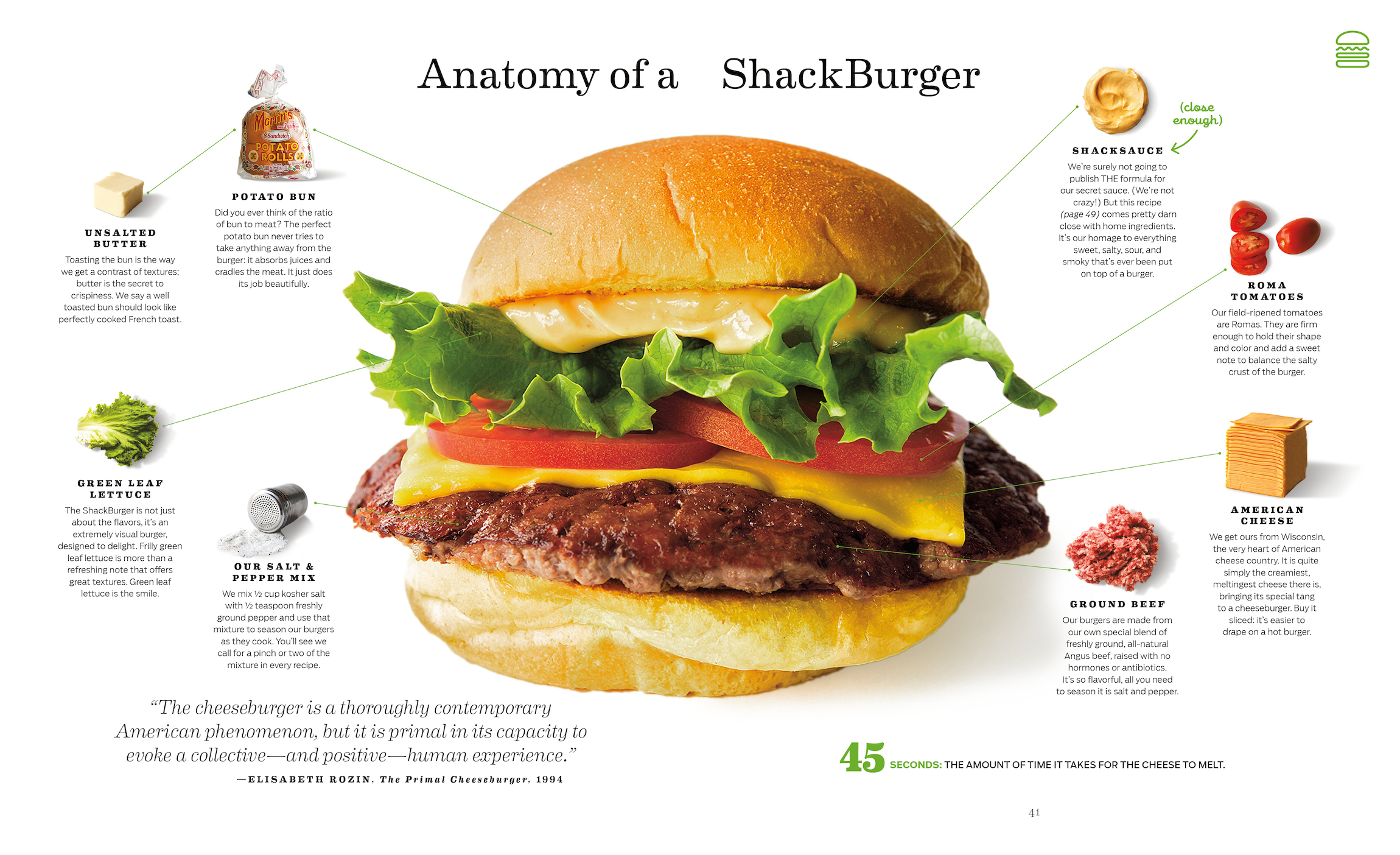
Shake Shack gained popularity for its exceptional ShackBurger, a mouthwatering creation that quickly became a cult favorite. The secret sauce, a proprietary blend of flavors, and the commitment to using 100% all-natural Angus beef set Shake Shack apart in a competitive market. As word spread about the ShackBurger’s irresistible taste, the demand for Shake Shack’s offerings grew, prompting the team to consider expanding beyond the confines of Madison Square Park.

The world of full-service dining is  the world most of our leaders came from. They grew up with a certain level of sophistication. That’s the reason Shake Shack tastes different, looks different, and feels different.

Danny Meyer

Expansion and Global Phenomenon

Shake Shack’s growth strategy was both deliberate and strategic. The first permanent kiosk opened in 2004, still in Madison Square Park, drawing long lines of eager patrons. The success of this location paved the way for further expansion, with Shake Shack gradually spreading its wings to other cities in the United States.

In 2010, Shake Shack went international, opening its first international outpost in Dubai. This move marked a significant milestone, as the brand successfully translated its American charm and culinary excellence to a global audience. The chain continued to expand its footprint, reaching cities across Europe, Asia, and the Middle East.

Culinary Innovation and Collaboration

One of Shake Shack’s key strengths lies in its ability to adapt to changing culinary trends and collaborate with renowned chefs. The chain regularly introduces limited-time menu items, collaborating with culinary innovators to create unique and exciting offerings. These collaborations not only keep the menu fresh and dynamic but also generate buzz and anticipation among Shake Shack enthusiasts.

Community Engagement and Sustainability

Shake Shack has always been more than just a fast-food chain; it’s a brand deeply committed to community engagement and sustainability. The company sources high-quality, responsibly raised ingredients, emphasizing its dedication to ethical practices. Moreover, Shake Shack actively engages with local communities through various initiatives and partnerships, fostering a sense of connection beyond its delicious offerings.

About the Book

Shake Shack: Recipes and Stories contains 70 recipes, 200 photographs and plenty of stories, fun facts and pro tips for the home cook and Shack fan.

Follow Shake Shack’s journey around the world; make your own ShackBurgers, crinkle-cut fries and hand-spun frozen custard shakes at home; and get a glimpse into the culture, community and inner workings of the Shake Shack brand.

The “stories” side of the book tells tales of Shake Shack history, profiles key collaborators and suppliers, discusses methodologies as depicted in the image above, provides recipe-related commentary and illuminates the company’s key-to-success business practices. 

If you like burgers in general, and Shake Shack burgers in particular, you will like the book!

From a humble hot dog cart in Madison Square Park to an international culinary phenomenon, Shake Shack’s journey exemplifies the power of innovation, quality, and community engagement in the fast-food industry. As the chain continues to evolve and expand, its commitment to culinary excellence and a unique dining experience remains unwavering, making Shake Shack a true pioneer in the world of modern fast food.


Still hungry?

The Proper Post-Thanksgiving Binge

Dave’s Way: A Culinary Journey of Innovation and Success

A Burger’s Perfect Partner: The Coca-Cola Connection

Flameout: The Rise and Fall of Burger Chef – A Culinary Tragedy

From Pommes Frites to Burger Sidekick: The Fascinating History of French Fries

Building an Empire, One Whopper at a Time: Jim McLamore’s Journey and the Story of Burger King

The Condiment Conundrum: Finding the Perfect Toppings to Elevate Your Burger Experience

The Whataburger Story: A Tale of Flavor and Family

From Drive-Thru to Cultural Icon: The Story Behind In-N-Out Burger

Burgerology: The Art and Science of the Perfect Patty

Flipping History: How McDonald’s Shaped the Hamburger’s Popularity

Indulging in Burger Bliss: A Quest for Culinary Perfection

White Castle: The Trailblazing Pioneer of Fast Food

Bite Into Tradition: The Best Loved Regional Burger Chains in the Country

Burger Beast Unleashed: The Ultimate Tribute to Burgers in Sef Gonzalez’ Book

Sink Your Teeth into “The Hamburger”: A Culinary Journey by Josh Ozersky

Burger Magic: Exploring the Universal Fascination Behind America’s Favorite Dish

My Quest for the Perfect Hamburger: A Literary, Culinary, and Arbitrary Journey in Pursuit of America’s Iconic Delight

A Tantalizing Top of the Stack, Made to Order

Before Burger Quest

 How Can I Help My Church Learn to See Their Mission Field Starts Across the Street or Down the Hall?

Love your neighbors – not the neighbors you pick out, but the ones you have.

Wendell Berry

Is this a common sight in the neighborhoods of your community?

  • Empty front porches
  • Closed garage doors
  • Lifeless front yards
  • Silent encounters in the halls

Unfortunately, this is the norm in all too many neighborhoods.

Does your neighborhood lack neighborliness?

Maybe it’s time to see the mission field right across the street with a clear vision to serve “the neighbors you have.”

If you wear glasses or contacts, you’ve probably gone through the adjustment period of seeing with clear vision because of new lenses. Seeing things you’ve not seen before, seeing a little too clearly, can give you a headache.

When you begin to look at your neighborhood with a clear vision that these are your neighbors and you have been called to love them, you may have the same feelings.

It’s time to offer your lives to your neighbors, beyond the everyday, incidental encounters of taking out the trash cans or walking your dog.

This issue of SUMS Remix looks at solutions that will help you learn to connect to a place and the people who live in it. The solutions include: 

Adopt a framework for neighboring

Begin a journey that turns good intentions into actions

Change the world without changing your routine

Mastering Anything: A Strategic Guide to Continuous Learning Through Reading

On the journey to becoming a Modern Elder by developing specific skill sets, the last few posts have focused on “Mastery.” It should be no surprise that my first steps are to turn to books; in this case, Read to Lead by Jeff Brown and Jesse Wisnewski. I’ve written about it previously, but I want to take a closer look at Chapter 12, “The Key to (Nearly) Mastering Anything.”


In a world that evolves at a breakneck pace, staying ahead requires a proactive and strategic approach to learning. The process of mastering anything, as outlined in Jeff Brown and Jesse Wisnewski’s insights, involves a deliberate journey of purpose, focused study, and practical application. Let’s explore the key steps to (nearly) mastering any subject, ensuring personal and professional growth in an ever-changing landscape.

Avoiding Complacency

In the pursuit of mastery, complacency is the enemy. The authors stress that standing still can lead to falling behind, emphasizing the dynamic nature of the world we live in. It’s a call to action, urging individuals to break free from the status quo and embrace continuous progress.

Clarifying Your Purpose (Know Your Why)

The journey begins with a clear understanding of one’s purpose. Why embark on the study of a particular topic? Distinguishing between goals and purpose is crucial, and the authors advocate for persistent questioning until the root of one’s goals is uncovered.

Focusing on One Topic

Mastery requires focus. Selecting a specific topic to master sets the foundation for the learning journey. Clarity in choice becomes a guiding light, directing subsequent actions toward a singular objective.

Creating Micro-Goals

Breaking down the chosen topic into smaller, SMART goals is the next step. This process involves identifying components, conducting thorough research, and setting achievable milestones. The journey becomes more manageable when tackled one step at a time.

Creating Your Own Curriculum

Learning becomes intentional by selecting books that align with the identified components of the chosen topic. The authors suggest that reading multiple books on a subject can significantly enhance knowledge, positioning learners ahead of the curve.

Book Selection Tips

The process of selecting books is demystified with practical tips. From searching for popular titles to exploring works by familiar authors, the authors provide a roadmap for making informed choices. This ensures that the learning journey is both enjoyable and enriching.

Summarizing What You Read

Summarizing isn’t just a review; it’s an injection of jet fuel into the learning process. Scientifically proven to enhance retention, summarizing key points accelerates the absorption of knowledge, making it an essential step in the mastery journey.

Taking Action

Knowledge alone is insufficient. Practical application is the key to mastery. The authors highlight that books can’t take action for us; it’s an individual responsibility to translate acquired knowledge into tangible results.

Rinse and Repeat

Mastery is a continuous cycle. Applying what you’ve learned and then seeking new challenges keeps the journey dynamic. The process of selecting new topics and repeating the outlined steps ensures ongoing personal and professional growth.

Jeff Brown and Jesse Wisnewski’s strategic guide to (nearly) mastering anything provides a roadmap for those eager to navigate the ever-changing landscape of knowledge. By combining purpose, focus, and action, individuals can embark on a journey of continuous learning, staying relevant and resilient in the face of evolving challenges. The mastery process becomes not just a destination but a lifelong adventure of growth and discovery.

Inspired by Read to Lead by Jeff Brown and Jesse Wisnewski


Navigating the Modern Elder Path: A Guide to “What Got You Here Won’t Get You There”

America’s most sought-after executive coach shows how to climb the last few rungs of the ladder.

The corporate world is filled with executives, men and women who have worked hard for years to reach the upper levels of management. They’re intelligent, skilled, and even charismatic. But only a handful of them will ever reach the pinnacle – and as executive coach Marshall Goldsmith shows in this book, subtle nuances make all the difference. These are small “transactional flaws” performed by one person against another (as simple as not saying thank you enough), which lead to negative perceptions that can hold any executive back. 

Using Goldsmith’s straightforward, jargon-free advice, it’s amazingly easy behavior to change.

What’s holding you back? Your hard work is paying off. You are doing well in your field. But there is something standing between you and the next level of achievement. Perhaps one small flaw–a behavior you barely even recognize–is the only thing that’s keeping you from where you want to be.

Who can help? Marshall Goldsmith is an expert at helping global leaders overcome their sometimes unconscious annoying habits and attain a higher level of success. His one-on-one coaching comes with a six-figure price tag. But, in this audiobook, you get Marshall’s great advice without the hefty fee!

What is the solution? The Harvard Business Review asked Goldsmith, “What is the most common problem faced by the executives that you coach?” Inside, he answers this question by discussing not only the key beliefs of successful leaders, but also the behaviors that hold them back. He addresses the fundamental problems that often come with success – and offers ways to attack these problems. Goldsmith outlines twenty habits commonly found in the corporate environment and provides a systematic approach to helping you achieve a positive change in behavior.

What Got You Here Won’t Get You There by Marshall Goldsmith has been a highly relevant book for my journey of developing into a modern elder. The book focuses on personal and professional development, which aligns with my desire to invest in younger generations while continuing to learn.

Marshall Goldsmith, a renowned executive coach, delves into the challenges faced by successful individuals who aspire to reach even greater heights in their careers and personal lives. He emphasizes that the habits and behaviors that lead to initial success may become hindrances as one progresses. Goldsmith’s central message is that to continue growing and achieving, it’s essential to identify and eliminate destructive behaviors and foster positive ones.

The book provides a systematic framework for self-improvement, with a particular focus on interpersonal skills, leadership, and communication. Goldsmith identifies twenty common habits that can hold people back from reaching their full potential, including issues like not listening effectively, constantly providing unsolicited feedback, and undermining one’s own efforts through negative behaviors. He offers practical advice and strategies for addressing these habits.

What Got You Here Won’t Get You There is an outstanding guide for anyone looking to enhance their leadership and personal effectiveness. It offers actionable insights and real-world examples that can help professionals to develop as modern elders who provide mentorship to younger generations.

The book is highly organized and provides a clear structure for addressing each of the twenty habits. Goldsmith’s recommendations are practical and applicable, and he stresses the importance of getting honest feedback from colleagues, a practice that aligns with my interest in investing in younger generations.

Goldsmith values good arguments and practical solutions over mere authority, making this book a valuable resource for critical thinkers. It encourages self-reflection, which is essential for guiding and nurturing younger talent. Additionally, the book’s emphasis on the importance of continuous improvement and adaptation aligns the development of new technologies and contrarian ideas.

In summary, What Got You Here Won’t Get You There is an invaluable resource for those seeking to elevate their leadership skills and make a meaningful impact on the people they mentor. It offers a practical roadmap for self-improvement and aligns with my goal of becoming a modern elder who invests in the growth of younger generations.


Part of a regular series on 27gen, entitled Wednesday Weekly Reader

During my elementary school years one of the things I looked forward to the most was the delivery of “My Weekly Reader,” a weekly educational magazine designed for children and containing news-based, current events.

It became a regular part of my love for reading, and helped develop my curiosity about the world around us.


Dave’s Way: A Culinary Journey of Innovation and Success

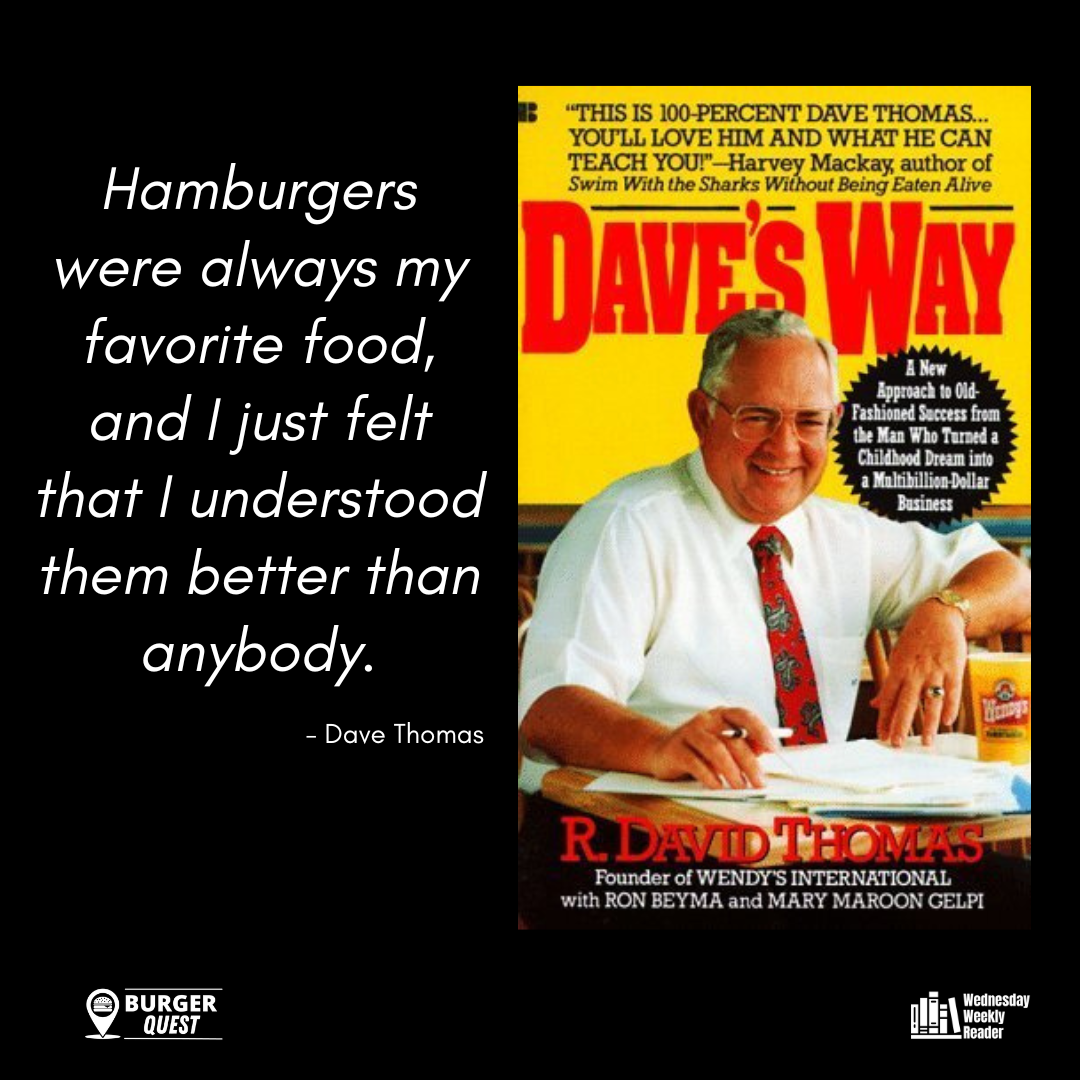
In his autobiography, Dave’s Way, Dave Thomas shows how you can succeed in life through hard work, integrity and humility. From his early years as a busboy, to his days in the army and throughout his career at Wendy’s, he was always motivated to make something of himself. His passion for fresh, never frozen beef, laid the foundation for turning Wendy’s into more than just a restaurant chain, but creating opportunities for millions of people to share in his dream.

Arguably one of the greatest restaurateurs who ever lived, the book is full of advice on how to run a successful business, operate a customer-focused restaurant and market your company with honesty. Dave’s success in business is outshined only by his belief in giving back to others, making him a role-model philanthropist. Dave’s Way is wonderful guide for anyone looking to succeed in life. His old-fashioned American values still hold true today as an inspiration and roadmap to others.


In the ever-evolving world of fast food, where giants like McDonald’s and Burger King dominate the landscape, there exists a humble and unassuming yet remarkable story of success and innovation. It’s the story of Dave’s Way, as chronicled by the legendary R. David Thomas, the man who founded Wendy’s and revolutionized the fast-food industry.

In the book Dave’s Way, Thomas invites readers on a gastronomic journey that spans a lifetime of culinary passion and innovation. Through vivid storytelling, he provides a unique glimpse into the genesis and growth of Wendy’s, a chain that would become an iconic part of American culture.

Imagine the backdrop: It’s the late 1960s, a time when fast-food joints were all about efficiency and cost-cutting. But Dave Thomas, a man with a genuine love for food and a relentless pursuit of quality, envisioned something different. Picture a small, red-roofed restaurant, where the scent of freshly cooked hamburgers wafts through the air, tantalizing the senses of passersby. It’s here that Dave’s Way takes root.

Thomas’s culinary philosophy was simple yet revolutionary. He believed in using fresh, never-frozen beef for his burgers—a stark departure from the frozen patties that were the industry standard. His commitment to quality meant that every burger patty was cooked to order, ensuring a juiciness and flavor that set Wendy’s apart.

In Dave’s Way, Thomas details the challenges he faced in convincing suppliers and competitors to embrace his vision. With eloquent prose, he describes the countless hours spent perfecting the Wendy’s menu, from the iconic square hamburgers to the innovative baked potatoes topped with an array of delectable choices.

The reader is transported to a time when fast food was transformed into a dining experience. Imagine the cozy interior of a Wendy’s restaurant, with its warm, inviting ambiance. Customers savored their meals at tables adorned with fresh flowers, a testament to Dave’s commitment to making fast food feel more like a home-cooked meal.

Thomas’s journey wasn’t without setbacks, and Dave’s Way doesn’t shy away from the trials he faced. From financial struggles to the relentless pursuit of excellence, readers witness the determination and grit that defined his character. It’s as if you’re sitting with Dave himself, listening to his stories, feeling his passion for food, and understanding his unwavering belief in doing things the right way.

As Dave’s Way unfolds, it’s impossible not to be drawn into the narrative. The reader gains a deep appreciation for the man who introduced the concept of the “drive-thru” window to fast food, revolutionizing the industry yet again. “Dave’s Way” became a way of life for his employees, who he treated like family, fostering a culture of pride and dedication that still defines Wendy’s today.

In the end, Dave’s Way is more than a book about fast food; it’s a testament to the power of vision, perseverance, and a love for culinary excellence. It’s the story of a man who believed that fast food could be both convenient and delicious, and who, against all odds, turned that belief into a reality.

As you close the book, you can almost taste the juicy burgers, feel the warmth of the freshly baked potatoes, and hear Dave’s voice echoing through the years, reminding us all to do things “Dave’s Way” – with passion, commitment, and a relentless pursuit of quality.


Part of a regular series on 27gen, entitled Wednesday Weekly Reader

During my elementary school years one of the things I looked forward to the most was the delivery of “My Weekly Reader,” a weekly educational magazine designed for children and containing news-based, current events.

It became a regular part of my love for reading, and helped develop my curiosity about the world around us.

How Can We Learn to Pay Attention to Wherever God Has Placed Us?

The first fundamental of successful city life: People must take a modicum of responsibility for each other even if they have no ties to each other. This is a lesson no one learns by being told. It is learned from the experience of having other people without ties of kinship or close friendship or formal responsibility to you take a modicum of responsibility for you.

Jane Jacobs, Death and Life of Great American Cities

According to author Shauna Pilgreen, neighbors might not be your BFFs, but they’re your wall-sharers, your fence-sharers. God might have more for these relationships, but you’ve got to start the introductions.

In Pilgreen’s words, if we are to live sent, we go to the neighbors to make the introductions.

And to make introductions, we must first pay attention.

Tim Soerens believes that our capacity to be fully present in any given moment is constantly under assault, and this poses a grave danger to making progress in following the way of Jesus in our everyday life.

The world beyond our house and street is impossibly overwhelming and messy. But as Barbara Brown Taylor said, “It is not necessary to take on the whole world at first. Just take the three square feet of each on which you are sitting, paying close attention to everything that lives within that small estate.”

Paying attention is not terribly complicated, but it will ask more of us than we ever imagined.

This issue of SUMS Remix looks at solutions that will help you learn to pay attention to the world around you. The solutions include: 


Beyond Passion: Navigating Your Career with Purpose and Expertise

Cal Newport’s clearly-written manifesto flies in the face of conventional wisdom by suggesting that it should be a person’s talent and skill – and not necessarily their passion – that determines their career path.

Newport, who graduated from Dartmouth College (Phi Beta Kappa) and earned a PhD. from MIT, contends that trying to find what drives us, instead of focusing on areas in which we naturally excel, is ultimately harmful and frustrating to job seekers.

The title is a direct quote from comedian Steve Martin who, when once asked why he was successful in his career, immediately replied: “Be so good they can’t ignore you” and that’s the main basis for Newport’s book. Skill and ability trump passion.

Inspired by former Apple CEO Steve Jobs’ famous Stanford University commencement speech in which Jobs urges idealistic grads to chase their dreams, Newport takes issue with that advice, claiming that not only is this advice Pollyannish, but that Jobs himself never followed his own advice.

From there, Newport presents compelling scientific and contemporary case study evidence that the key to one’s career success is to find out what you do well, where you have built up your ‘career capital,’ and then to put all of your efforts into that direction.


So Good They Can’t Ignore You by Cal Newport is a thought-provoking book that explores the relationship between passion and career success.

Cal Newport challenges the conventional wisdom that one should follow their passion to find a fulfilling career. Instead, he argues that passion is something you develop over time by becoming exceptionally good at what you do. Newport introduces the concept of “career capital,” which refers to the skills, knowledge, and expertise you acquire in your field. He suggests that building career capital should be the primary focus, as it allows you to gain more control over your career and find work that you’re passionate about.

The book is organized into several chapters, each discussing key principles for building a fulfilling career. Newport emphasizes the importance of deliberate practice, developing rare and valuable skills, and seeking out “stretch” projects that challenge your abilities. He also encourages readers to adopt a craftsman mindset, which involves a dedication to continuous improvement and excellence in their work.

So Good They Can’t Ignore You offers a refreshing perspective on career development that is highly relevant to my goal of becoming a “modern elder” who guides and nurtures younger generations. Newport’s book is well-organized, providing a clear and systematic framework for achieving career success.

Newport’s emphasis on deliberate practice and skill development aligns with my interest in voracious reading and continuous learning. It values good arguments over mere authority, providing a well-reasoned approach to career development.

The book’s central premise – that passion follows expertise and not the other way around – provides a valuable perspective for those looking to excel in their careers and provide guidance to younger generations. It encourages professionals to focus on acquiring the skills and knowledge that make them indispensable, which is essential in the role as a mentor.

In summary, So Good They Can’t Ignore You by Cal Newport is an insightful and actionable book that provided unique and valuable insight on my journey to becoming a “modern elder.” It provides a strategic approach to career development and personal growth that is both comprehensive and practical.


Part of a regular series on 27gen, entitled Wednesday Weekly Reader

During my elementary school years one of the things I looked forward to the most was the delivery of “My Weekly Reader,” a weekly educational magazine designed for children and containing news-based, current events.

It became a regular part of my love for reading, and helped develop my curiosity about the world around us.