The Real Work: Navigating Mastery Across Diverse Disciplines

For decades now, Adam Gopnik has been one of our most beloved writers, a brilliantly perceptive critic of art, food, France, and more. But recently, he became obsessed by a more fundamental matter, one he had often meditated on in The New Yorker: How do masters learn their miraculous skill, whether it was drawing museum-ready art or baking a perfect sourdough loaf? How could anyone become so good at anything? There seemed to be a fundamental mystery to mastery. Was it possible to unravel it?

In The Real Work – the term magicians use for the accumulated craft that makes for a great trick – Gopnik becomes a dedicated student of several masters of their craft: a classical painter, a boxer, a dancing instructor, a driving instructor, and others. Rejecting self-help bromides and bullet points, he nevertheless shows that the top people in any field share a set of common qualities and methods. For one, their mastery is always a process of breaking down and building up – of identifying and perfecting the small constituent parts of a skill and the combining them for an overall effect greater than the sum of those parts. For another, mastery almost always involves intentional imperfection – as in music, where vibrato, a way of not quite landing on the right note, carries maximum expressiveness. Gopnik’s simplest and most invigorating lesson, however, is that we are surrounded by mastery. Far from rare, mastery is commonplace, if we only know where to look: from the parent who can whip up a professional strudel to the social worker who – in one of the most personally revealing passages Gopnik has ever written – helps him master his own demons.

Spirited and profound, The Real Work will help you understand how mastery can happen in your own life – and, significantly, why each of us relentlessly seeks to better ourselves in the first place.

Adam Gopnik explores the concept of mastery across various skills such as drawing, dancing, and driving. Using the term “real work” from stage magicians, Gopnik delves into the meticulous craftsmanship and technical expertise required to make a great magic trick truly outstanding. He emphasizes that the one credited with achieving the “real work” isn’t necessarily the inventor but the one who masters every detail of its execution.

Structured around Gopnik’s interactions with practitioners of different crafts, the book unfolds as a celebration of human flaws. Three key themes emerge:

  • Mastery is the gradual assembly of fragments into a harmonious whole.
  • Mastery is about humanity, not perfection, appreciating the vulnerability within virtuosity.
  • Mastery is found in real lives, not abstract life rules.

Gopnik becomes an apprentice in various disciplines, from drawing to driving, to grasp the essence of mastery. He discusses the slow process of carpentering fragments, emphasizing the importance of learning each small step. Mastery, he argues, is not about impressing the public but about a democratic achievement that we all can attain.

The author explores drawing with a realist artist, magic with renowned magicians, and driving with an instructor who emphasizes relaxation. Through these experiences, Gopnik weaves in reflections on representational art, childhood, aging, and the intricate balance between learned virtuosity and unique vulnerability.

The book takes a poignant turn as Gopnik addresses the limited time we have on Earth, emphasizing that mastery is not transcendent but deeply personal. He contends that what truly matters is not impressing the masses but achieving mastery for ourselves and a few close individuals. In Gopnik’s view, mastery is democratic and attainable by all, a reflection of our varied and capable selves.


Part of a regular series on 27gen, entitled Wednesday Weekly Reader.

During my elementary school years one of the things I looked forward to the most was the delivery of “My Weekly Reader,” a weekly educational magazine designed for children and containing news-based, current events.

It became a regular part of my love for reading, and helped develop my curiosity about the world around us.

Catalyst Strategies: Transforming Challenges into Change Opportunities

Modern elders initiate something new. How do we best start something? What are the things that have traditionally held us back from new learning, new exploration, and new adventure? What can we change to make better?


We all harbor desires for change. Sales and marketing professionals aspire to reshape their prospects’ perspectives, employees yearn to influence their bosses, business leaders strive to transform their organizations, and parents seek to mold their children’s behavior. Yet, the formidable challenge of change often stems from inertia – a force that leads families to revisit the same vacation spot annually and compels companies to cling to established practices while resisting new initiatives.

Renowned author Jonah Berger, writing in The Catalyst, sheds light on our natural inclination to combat inertia aggressively. When met with resistance, individuals tend to inundate clients or superiors with facts and lengthy explanations. However, negotiators at the FBI, exemplified by figures like Greg Vecchi, adopt a more effective strategy – one that focuses on dismantling barriers rather than battling against them.

Embark on a brief journey and delve into the art of instigating change by embracing the role of a Catalyst – a superior approach inspired by the world of chemistry. Chemists employ specific substances to catalyze transformations, expediting processes that might otherwise take years. Similarly, becoming a catalyst in human interactions involves removing roadblocks and lowering barriers to initiate change.

In The Catalyst, author Jonah Berger employs the metaphor of catalysis throughout the entire book, emphasizing that the most efficient way to induce change in any scenario is by adopting the role of a catalyst. By identifying and eliminating the obstacles preventing individuals from taking action, meaningful change is achievable.

The approach begins with a fundamental question: What impediments hinder the person from changing? Understanding these barriers is key to the success of the catalyst method. For example, success in negotiating with criminals without violence hinges on this principle – sometimes, all that is needed is to locate and release the metaphorical parking brake.

Our exploration will unfold through Berger’s five strategies encapsulated in the acronym REDUCE: reduce Reactance, ease Endowment, shrink Distance, alleviate Uncertainty, and find Corroborating Evidence. These tactics serve as a guide to becoming a catalyst, facilitating positive and transformative change in various situations.

Have something you want to change? Want to change someone’s mind or how an organization works? It’s not about pushing harder, or being more persuasive, it’s about removing the barriers to change. REDUCE these five key roadblocks and you can change anything.

Reactance

When pushed, people push back. So rather than telling people what to do, or trying to persuade, catalysts allow for agency and encourage people to convince themselves. How can we allow for agency, provide a menu, or highlight a gap?

Endowment

People are wedded to what they’re already doing. The status quo. To ease endowment, we need to surface the costs of inaction, burn the ships, and frame new things as regaining a loss.

Distance

Perspectives that are too far away fall in the region of rejection and get discounted. So start by asking for less. Find an unsticking point and use it to switch the field.

Uncertainty

Change almost always involves uncertainty, and this ambiguity makes people hit the pause button, stemming action. To get people to un-pause, increase trialability. Harness freemium, reduce upfront costs, and drive discovery.

Corroborating Evidence

Sometimes one person, isn’t enough. Some things need more proof. So find reinforcement. Use multiple sources, concentrate them close in time, and figure out whether you need a firehose or a sprinkler.

Creating change is hard, but it’s possible. The key, Jonah Berger teaches us, is to become a catalyst and remove barriers to action rather than trying to create it by force.

More often than not, things don’t budge. And by focusing so much on ourselves and what we want, we forget the most important part of change: Understanding our audience.

Jonah Berger

You can do that by remembering and utilizing the five ways you can become a catalyst, forming the handy acronym REDUCE: reduce Reactance, ease Endowment, shrink Distance, alleviate Uncertainty, and find Corroborating Evidence.


From Curiosity to Connection: Building Belonging in Daily Interactions

Discover the secret to flourishing in an age of division: belonging. In a world filled with discord and loneliness, finding harmony and happiness can be difficult. But what if the key to unlocking our potential lies in this deceptively simple concept? Belonging is the feeling of being a part of a group that values, respects, and cares for us―a feeling that we can all cultivate in even the smallest corners of social life. 

In Belonging: The Science of Creating Connection and Bridging Divides, Stanford University professor Geoffrey L. Cohen draws on his own and others’ groundbreaking scientific research to offer simple, concrete solutions for fostering a sense of belonging. These solutions can generate surprisingly significant and long-lasting benefits.

Small but powerful actions can bolster belonging―actions such as encouraging people to reflect on their core values before they face a challenge or expressing belief in someone’s capacity to reach a higher standard. A wide range of innovative approaches have been found to boost achievement at work and at school, bridge political divides, reduce prejudice, and even contribute to overall health. Rigorously tested in diverse arenas―from classrooms to disadvantaged neighborhoods to iconic Silicon Valley companies―these methods offer a path forward in these demanding times. 

Belonging is a compelling read for all who yearn for a more connected world, whether you’re a manager or employee, an educator or student, a parent or caregiver, or simply someone seeking to make the most out of every moment you spend with others. Packed with actionable insights and specific strategies, this book offers hope and practical guidance, serving as both an inspiration and a roadmap to creating a world of inclusion, understanding, and empathy.

The science of situation-crafting provides valuable insights into our ability to cultivate a sense of connection and belonging in our lives. This situational literacy empowers us to face challenges that may threaten our sense of belonging. Here’s a core set of practices derived from Belonging that will provide insights to actively build belonging in our daily interactions.

1. Ask Questions and Listen: Appreciating the depth of individuals’ experiences through genuine curiosity is a powerful bond builder. By actively seeking perspectives and understanding people’s circumstances, we can provide more meaningful support and strengthen connections.

2. Give Your Perspective: Sharing our own stories and perspectives complements the need to understand others. Articulating the reasons behind our views can prevent stereotyping. Expressing dissent should be done with courtesy, signaling intent and allowing others the space to accommodate diverse viewpoints.

3. Be Polite: Politeness, a universal protocol, signifies respect for others. Simple acts like not interrupting, using “please” and “thank you,” and apologizing when necessary contribute to recognizing the belonging of others.

4. Affirmation: Creating opportunities for individuals to express themselves and feel valued is crucial. Affirmation goes beyond vapid praise, focusing on allowing people to share their commitments and values, reinforcing their sense of self.

5. Avoid Authoritarian Language: Acknowledging diverse perspectives by expressing ambivalence and actively learning about opposing views builds rapport. Signaling intentions before giving critical feedback fosters an atmosphere of concern and respect instead of dictation.

6. Use the Nonverbal Channel: Nonverbal cues such as nodding, smiling, and making eye contact convey interest and respect. However, authenticity is key, as coming across as fake can be counterproductive. Genuine nonverbal expressions enhance bonding.

7. Handle Yourself with Care: Being in the right mental and emotional state is crucial for meaningful interactions. Cultivating personal belonging allows us to navigate social situations thoughtfully, especially in challenging times, avoiding conformity to harmful stereotypes and norms.

8. Craft Your Situations with Care: Recognizing the entanglement of our identity with our environment, we can actively self-craft by situation-crafting. Acting as gatekeepers for social influences, cultivating a rich social life, and staying true to our values contribute to fostering belonging.

Conclusion

Building belonging is an ongoing practice that requires awareness and dedication. By incorporating these core practices into our daily lives, we can create positive interactions and strengthen connections. Small gestures and moments of connection have lasting effects, inspiring and empowering both ourselves and others. Let us embrace the magic of situation-crafting to make every situation a little better for everyone involved.


Part of a regular series on 27gen, entitled Wednesday Weekly Reader.

During my elementary school years one of the things I looked forward to the most was the delivery of “My Weekly Reader,” a weekly educational magazine designed for children and containing news-based, current events.

It became a regular part of my love for reading, and helped develop my curiosity about the world around us.

You Can’t Lead Well Without Serving

It takes leaders to make more leaders.

As a leader, you are not out to create followers, but to discover, disciple, and distribute more and better leaders throughout your organization.

Let’s take the simple but accurate path of dividing people into two groups – leaders and followers. Followers don’t develop leaders – they follow them. Only leaders can develop more leaders.

The odds are high that you have someone on your team that is now only a follower – but you recognize potential in them. You want them to become the leader you already see in them.

THE QUICK SUMMARY – The Secret: What Great Leaders Know and Do by Mark Miller and Ken Blanchard

In this new edition of their classic business fable, Ken Blanchard and Mark Miller get at the heart of what makes a leader successful. Newly promoted but struggling young executive Debbie Brewster asks her mentor the one question she desperately needs answered: “What is the secret of great leaders?” His reply—“great leaders serve”—flummoxes her, but over time he reveals the five fundamental ways that leaders succeed through service. Along the way she learns:

• Why great leaders seem preoccupied with the future
• How people on the team ultimately determine your success or failure
• What three arenas require continuous improvement
• Why true success in leadership has two essential components
• How to knowingly strengthen—or unwittingly destroy—leadership credibility

The tenth anniversary edition includes a leadership self-assessment so readers can measure to what extent they lead by serving and where they can improve. The authors also have added answers to the most frequently asked questions about how to apply the SERVE model in the real world.

As practical as it is uplifting, The Secret shares Blanchard’s and Miller’s wisdom about leadership in a form that anyone can easily understand and implement. This book will benefit not only those who read it but also the people who look to them for guidance and the organizations they serve.

A SIMPLE SOLUTION

If you are looking for the latest techniques to help you coerce people to do what you say, you will not find any such techniques in the broad category of servant leadership.

Servant leadership is not a strategy or shortcut to success. Servant leadership is a long journey, leading with people as you add value to them by putting their interests ahead of your own.

Creating culture always starts with the organization leader, and it is no different in your church. If you are going to create a culture in which leaders SERVE, you are going to have to demonstrate these five principles first.

A person can serve without leading, but a leader can’t lead well without serving.

Five Strategic Ways Great Leaders SERVE

See and shape the future. Leadership always begins with a picture of the future. Leaders who cannot paint a compelling picture of a preferred future are in jeopardy of forfeiting their leadership. Clarity will often come in the midst of activity. If you are stuck, get moving. When the vision is clear and compelling, it will create life, energy, and momentum.

Engage and develop others. Engagement is about creating the context for people to thrive. Low engagement of your teams is not an indictment of the workers; it is the leaders who need to make a change. We believe leaders who are not proactively developing others are missing a vital aspect of their role.

Reinvent continuously. To make progress, to move forward, to accomplish bigger and better, something has to change. There are three arenas of change:

  • Self – How are you reinventing yourself?
  • Systems – Which work processes need to change to generate better results?
  • Structure – What structural changes could you make to better enable the accomplishments of your goals?

Value results and relationships. Virtual every leader has a natural bias toward one or the other of these. While not bad, that bias can limit your effectiveness. The best leaders value both and manage the tension between them.

Embody the values. People watch leaders, looking for clues regarding what’s important to the leaders. They are also trying to determine if the leader is trustworthy.

Mark Miller and Ken Blanchard, The Secret: What Great Leaders Know and Do

A NEXT STEP

At your next team meeting, write the five SERVE statements from above on separate chart tablets.

On a scale of 1 (I don’t do this at all) to 5 (I consistently do this), ask your team to individually (and privately) to rate themselves.

Next, have a group discussion, asking for a consensus rating using the same scale above on how your team is taking these actions.

Next, list as many specific and concrete actions that demonstrate each particular action. After you have completed this action, ask the group for a consensus decision on the top three in each category, and circle them.

Finally, ask what actions are missing from each list. Discuss how these actions can become a part of your team’s regular practices.

Excerpt taken from SUMS Remix 95-3


Beyond Comfort Zones: The Power Strangers Hold from Random Encounters to Life-Changing Moments

In our cities, we stand in silence at the pharmacy and in check-out lines at the grocery store, distracted by our phones, barely acknowledging one another, even as rates of loneliness skyrocket. Online, we retreat into ideological silos reinforced by algorithms designed to serve us only familiar ideas and like-minded users. In our politics, we are increasingly consumed by a fear of people we’ve never met. But what if strangers—so often blamed for our most pressing political, social, and personal problems—are actually the solution?

In The Power of Strangers, Joe Keohane sets out on a journey to discover what happens when we bridge the distance between us and people we don’t know. He learns that while we’re wired to sometimes fear, distrust, and even hate strangers, people and societies that have learned to connect with strangers benefit immensely. Digging into a growing body of cutting-edge research on the surprising social and psychological benefits that come from talking to strangers, Keohane finds that even passing interactions can enhance empathy, happiness, and cognitive development, ease loneliness and isolation, and root us in the world, deepening our sense of belonging. And all the while, Keohane gathers practical tips from experts on how to talk to strangers, and tries them out himself in the wild, to awkward, entertaining, and frequently poignant effect.

The Power of Strangers by Joe Keohane is a thought-provoking exploration of the impact that interactions with strangers can have on our lives. Keohane delves into the psychology of how we perceive and connect with people we don’t know, emphasizing the influence strangers have on our decision-making and behavior.

The book takes readers on a journey through various aspects of human connection, from the significance of chance encounters to the role of strangers in shaping our opinions and beliefs. Keohane skillfully weaves together anecdotes, scientific research, and real-world examples to illustrate the profound ways in which strangers shape our experiences.

One of the strengths of the book is its ability to challenge preconceived notions about strangers, highlighting both the positive and negative aspects of these interactions. Keohane argues that embracing the power of strangers can lead to personal growth, expanded perspectives, and unexpected opportunities.

The writing is engaging and accessible, making complex psychological concepts accessible to a broad audience. Keohane’s exploration of the subject matter is both thorough and detailed, aligning with your preference for detailed explanations.

In summary, The Power of Strangers offers a compelling perspective on the often-overlooked influence that strangers have on our lives. It encourages readers to reevaluate their perceptions and appreciate the richness that comes from engaging with those outside our immediate circles.


Part of a regular series on 27gen, entitled Wednesday Weekly Reader.

During my elementary school years one of the things I looked forward to the most was the delivery of “My Weekly Reader,” a weekly educational magazine designed for children and containing news-based, current events.

It became a regular part of my love for reading, and helped develop my curiosity about the world around us.

Happy Hour

Etiquette and Advice on Holy Merriment

Party develops and sustains the communal life of the community and it is the foundation of spiritual movement. If people find friends, great conversations, a safe place to be themselves and to bring others to, then you have the makings of a kingdom movement. If someone finds you through the party, then finding God will be much easier for them because they will already have a community of people to walk with.

Hugh Halter

All good missionaries know the power of social engagement.

Whether you are called to Spain, Italy, Iceland, or Portland, Oregon, we now live in a pure mission field, and people won’t move spiritually until they are connected socially. In other words, the Gospel will not be heard until our front doors open, our tables are set, and we practice the art of hospitality, celebration, and party.

Why has this ancient art of party been lost?

Because the church has defined holiness as “exclusion” from the world, abstinence from food and drink and separation from real people. In Jesus, we get to be holy as He was holy. Our inward commitments to Him remain intact while at th same time we are deeply entrenched in the life and customs of those around us.

Party is sacrament and we must relearn and reorient our lives around friends, food, and celebration if we are going to have any influence upon the culture right next door.

In Happy Hour, Hugh will unpack the theology of party as well as give you practical etiquette and ideas for making merriment a way of life and a way of mission.

According to author Hugh Halter, the one skill every believer must develop is the discipleship skill of throwing a great party.

No, it’s not just about outreach to lost friends. It’s really about our discipleship after Jesus. If He did it, and we claim to follow Him, then we must stretch past church attendance and Bible studies to learn how to be great human beings like He was.

Happy Hour is a book for missionaries in a missionary context.

Which is all believers.

inspired and adapted from Happy Hour: Etiquette and Advice on Holy Merriment, by Hugh Halter


Reading Between the Ears: Synoptical Reading, Leadership, and the Magic of Disney

Reading is a passion I treasure, and one that I am thankful my father instilled in me.

I love (and practice) the 4 different levels of reading as espoused by Mortimer Adler in his great book, How to Read a Book, but I really like to latch onto a topic and practice synoptical reading. Also known as comparative reading, it is where many books are read, and placed in relation to one another and to a subject about which they all revolve.

For many years, an ongoing topic of synoptical reading has been about Walt Disney (the man) and the “kingdom” he founded.

Under the watchful eye of Engineer Mickey, here’s my new stack of Disney reading that I’m kicking off 2024:

  • The Art of Walt Disney (Disney 100 Celebration Edition)
  • Disney Book of Maps: A Guide to the Magical Worlds of Disney Animation
  • Drawing 100 Years of Disney Wonder
  • The Disney Book (Disney 100 Edition)
  • Hyperion Historical Alliance Annual 2023
  • Disney 100 Storybook Collection
  • Disney, Culture, and Curriculum
  • Disneyland Historical Highlights: 1954-1972
  • The Mouse That Roared
  • Disney Magic: Business Strategy You Can Use at Work and Home

A wonderful collection of older books recently acquired, revised editions celebrating Disney’s 100th anniversary, and brand new works, these books will provide hours of amazing insight into the Disney story.

With these acquisitions, my Disney library is approaching 500 volumes, dating from 1939 to current releases – and I’m still actively researching the subject, regularly discovering new authors and books.

I get it, I really do. Some people think that using anything associated with Walt Disney and the company he created, as it exists today, to illustrate practices for leaders - especially church leaders -is wrong.

I respectfully disagree.

Churches need to look at sources of excellence in any area that can help them fulfill their mission and vision.

In the area of Hospitality and Guest Experiences, there are many great organizations that excel at customer service or guest services. Most of them learned it from a single source.

There is only one organization, in my opinion, that consistently delivers exceptional Guest Experiences, continually upping their game.

That organization is the Walt Disney Company.

Another objection I often hear: “Sure, Disney does a good job; they have a bazillion dollars to spend on keeping Guests happy.” Yes, they do – and I’ve contributed my own share to that bazillion!

But I encourage you to look beyond what you see to the PRINCIPLE behind the action or practice, and more often than not you will find something that you can apply in your organization.

In other words, Excellence Scales.

That’s why I’m reading these books!

#wednesdayweeklyreader #disney #books #bookstagram #reading


Part of a regular series on 27gen, entitled Wednesday Weekly Reader.

During my elementary school years one of the things I looked forward to the most was the delivery of “My Weekly Reader,” a weekly educational magazine designed for children and containing news-based, current events.

It became a regular part of my love for reading, and helped develop my curiosity about the world around us.

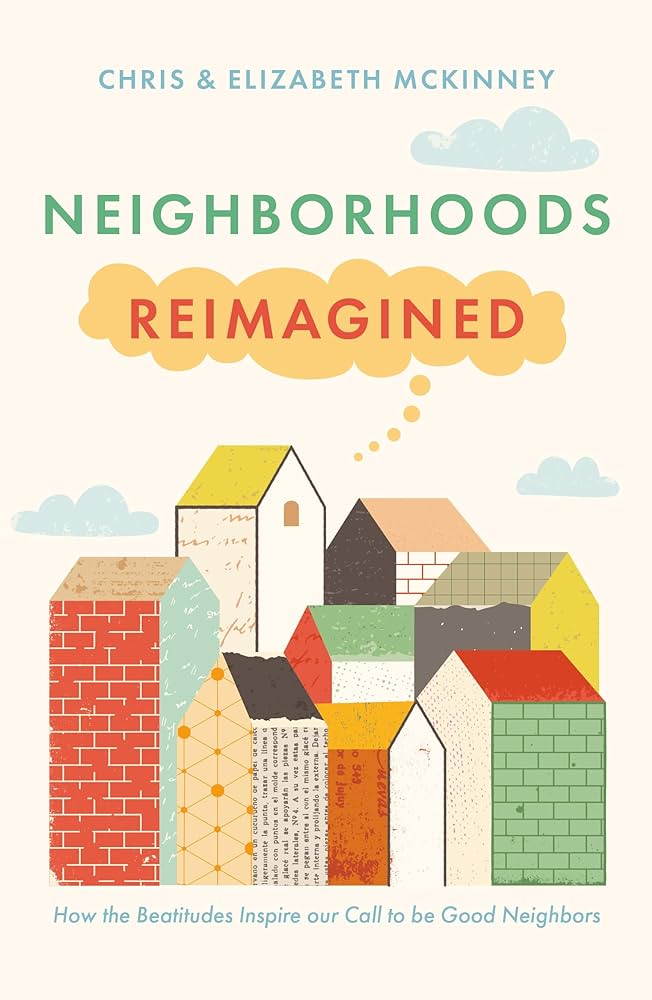
Loving My Actual Neighbor

7 Practices to Treasure the People Right in Front of You

Jesus was 100 percent clear: Love God, love others. May we do so in a way that is honoring to both our Creator and those he created, with respect for all involved and dignity in every interaction.

Alexandra Kuykendall

As Christians, we know we are called to love our neighbor. We may even grasp that “neighbor” encompasses more than just the people living next door or down the street. But what we too often don’t know is how to begin. How do we love our neighbor? Where do we start? What does this look like in our increasingly isolated world?

Following practices outlined in the first chapter of 2 Peter, Alexandra Kuykendall lays out the framework for where to begin. From practicing humility to listening with understanding to being generous in our relationships, Loving My Actual Neighbor offers practical, start-now steps readers can take to love their neighbors. With her approachable, friendly tone and down-to-earth advice, Kuykendall has carved out for herself a place in the hearts of readers, who will be thrilled to extend her commonsense approach into this sphere of their lives.

As we begin the journey together of exploring how to love our neighbors well, may we remember that God’s grace is covering it all. We are imperfect people stumbling through life, trying to love other imperfect people.

If we are getting more honest in relationships, there will be moments (or days or weeks or years) that will be difficult. Things won’t go as we picture they will. The mess will seep out and we will miss opportunities that come up. We will likely say things we regret, and we will face feeling and ideas that make us uncomfortable.

But we will also experience life as God intended with more depth as we interact with those right in front of us on a more intentional level.

Loving My Actual Neighbor


The World is Your Burger: A Global Gastronomic Adventure

The World is Your Burger by David Michaels is a culinary masterpiece that takes readers on a mouthwatering journey through the global history of the iconic hamburger. In this delectable book, Michaels delves into the origin of the hamburger and its remarkable evolution from a simple sandwich to a worldwide phenomenon. The narrative unfolds like a gourmet feast, with each chapter serving up a different facet of this beloved culinary creation.

Celebrate the classic hamburger with this unprecedented collection of essays, photographs, and ephemera – a colorful look at the burger’s origins and impact, assembled by a true burgerphile whose passion has taken him around the globe. Perfect for home cooks and pop-culture addicts alike, the book is chock-full of original research, exclusive interviews with culinary icons, never-before-seen archival photographs from brands such as McDonald’s and White Castle, and twelve delicious recipes.

Michaels begins with the humble beginnings of the hamburger, tracing its roots back to the streets of 19th-century America. He vividly describes the bustling atmosphere of food vendors and immigrants, where ground meat patties sandwiched between slices of bread became a quick and satisfying meal for the masses.

As the book progresses, readers are transported to various corners of the globe, each chapter dedicated to a different country’s unique take on the burger. Picture the sizzle of Brazilian churrascarias, where succulent beef patties are grilled to perfection and served with a mouthwatering array of toppings. Taste the tangy flavors of India’s spicy masala burger, a delightful fusion of traditional Indian spices and Western fast food.

With each turn of the page, The World is Your Burger explores the cultural, culinary, and even political significance of this beloved dish. Michaels skillfully weaves in anecdotes, historical facts, and interviews with burger aficionados and experts, creating a rich tapestry of burger lore that engages the senses and the intellect.

The author doesn’t shy away from discussing the burger’s impact on modern society and the food industry. Readers are invited to ponder questions of sustainability, ethics, and the ever-evolving quest for the perfect patty. Michaels offers a balanced perspective, allowing readers to savor the burger’s history while also considering its future in an increasingly food-conscious world.

The World is Your Burger is a culinary treasure trove that combines meticulous research with a passion for the subject matter. David Michaels’s writing is as flavorful as the burgers he describes, painting vivid pictures of the people, places, and flavors that have shaped this global culinary icon.

One of the book’s strengths is its ability to appeal to both casual food enthusiasts and serious gastronomes. It’s a delightful read for anyone who appreciates a good burger, whether from a neighborhood joint or a high-end restaurant. The book’s exploration of international burger variations is a delightful reminder of the burger’s adaptability and its ability to reflect the unique culinary cultures of different regions.

Michaels’s thoughtful consideration of the burger’s environmental and ethical implications adds depth to the narrative. He encourages readers to think beyond the bun and consider the broader implications of our food choices. This thoughtful approach elevates “The World is Your Burger” beyond a mere culinary history and turns it into a thought-provoking exploration of our relationship with food.

In conclusion, The World is Your Burger is a must-read for anyone with an appetite for history, culture, and, of course, delicious burgers. David Michaels has crafted a literary masterpiece that not only celebrates the hamburger’s past and present but also leaves readers pondering its place in the future of global cuisine. Whether you’re a burger aficionado or a curious culinary explorer, this book will leave you hungry for more knowledge about the world of burgers.


With today’s post, I’m bringing this part of my #BurgerQuest journey to a close.

Since June I’m looked a the history of the hamburger, the various ingredients that go into a great burger, and the best-known books that detail the development of hamburger restaurants across the country. You can take a look at all those posts from the list below.

While I may not be writing about them as much, you can be sure I will continue eating hamburgers!

See you on the other side of a bun!


Still hungry?

Shaking Up Fast Food: The Phenomenon of Shake Shack’s Success

The Proper Post-Thanksgiving Binge

Dave’s Way: A Culinary Journey of Innovation and Success

A Burger’s Perfect Partner: The Coca-Cola Connection

Flameout: The Rise and Fall of Burger Chef – A Culinary Tragedy

From Pommes Frites to Burger Sidekick: The Fascinating History of French Fries

Building an Empire, One Whopper at a Time: Jim McLamore’s Journey and the Story of Burger King

The Condiment Conundrum: Finding the Perfect Toppings to Elevate Your Burger Experience

The Whataburger Story: A Tale of Flavor and Family

From Drive-Thru to Cultural Icon: The Story Behind In-N-Out Burger

Burgerology: The Art and Science of the Perfect Patty

Flipping History: How McDonald’s Shaped the Hamburger’s Popularity

Indulging in Burger Bliss: A Quest for Culinary Perfection

White Castle: The Trailblazing Pioneer of Fast Food

Bite Into Tradition: The Best Loved Regional Burger Chains in the Country

Burger Beast Unleashed: The Ultimate Tribute to Burgers in Sef Gonzalez’ Book

Sink Your Teeth into “The Hamburger”: A Culinary Journey by Josh Ozersky

Burger Magic: Exploring the Universal Fascination Behind America’s Favorite Dish

My Quest for the Perfect Hamburger: A Literary, Culinary, and Arbitrary Journey in Pursuit of America’s Iconic Delight

A Tantalizing Top of the Stack, Made to Order

Before Burger Quest

Shaking Up Fast Food: The Phenomenon of Shake Shack’s Success

From the wide-ranging options in the modern fast-food industry, Shake Shack has emerged as a beacon of culinary innovation, offering a unique blend of high-quality ingredients, exceptional service, and a captivating origin story. Let’s explore the birth and growth of the Shake Shack restaurant chain, tracing its roots, key milestones, and the factors that have contributed to its remarkable success.

The Birth of Shake Shack

Shake Shack’s journey began in 2001 when the renowned restaurateur Danny Meyer’s Union Square Hospitality Group operated a hot dog cart in Madison Square Park, New York City. The cart was intended to support the Madison Square Park Conservancy’s first art installation. Little did they know that this humble hot dog cart would lay the foundation for one of the most beloved fast-food chains in the world.

The Success of the ShackBurger

Shake Shack gained popularity for its exceptional ShackBurger, a mouthwatering creation that quickly became a cult favorite. The secret sauce, a proprietary blend of flavors, and the commitment to using 100% all-natural Angus beef set Shake Shack apart in a competitive market. As word spread about the ShackBurger’s irresistible taste, the demand for Shake Shack’s offerings grew, prompting the team to consider expanding beyond the confines of Madison Square Park.

The world of full-service dining is  the world most of our leaders came from. They grew up with a certain level of sophistication. That’s the reason Shake Shack tastes different, looks different, and feels different.

Danny Meyer

Expansion and Global Phenomenon

Shake Shack’s growth strategy was both deliberate and strategic. The first permanent kiosk opened in 2004, still in Madison Square Park, drawing long lines of eager patrons. The success of this location paved the way for further expansion, with Shake Shack gradually spreading its wings to other cities in the United States.

In 2010, Shake Shack went international, opening its first international outpost in Dubai. This move marked a significant milestone, as the brand successfully translated its American charm and culinary excellence to a global audience. The chain continued to expand its footprint, reaching cities across Europe, Asia, and the Middle East.

Culinary Innovation and Collaboration

One of Shake Shack’s key strengths lies in its ability to adapt to changing culinary trends and collaborate with renowned chefs. The chain regularly introduces limited-time menu items, collaborating with culinary innovators to create unique and exciting offerings. These collaborations not only keep the menu fresh and dynamic but also generate buzz and anticipation among Shake Shack enthusiasts.

Community Engagement and Sustainability

Shake Shack has always been more than just a fast-food chain; it’s a brand deeply committed to community engagement and sustainability. The company sources high-quality, responsibly raised ingredients, emphasizing its dedication to ethical practices. Moreover, Shake Shack actively engages with local communities through various initiatives and partnerships, fostering a sense of connection beyond its delicious offerings.

About the Book

Shake Shack: Recipes and Stories contains 70 recipes, 200 photographs and plenty of stories, fun facts and pro tips for the home cook and Shack fan.

Follow Shake Shack’s journey around the world; make your own ShackBurgers, crinkle-cut fries and hand-spun frozen custard shakes at home; and get a glimpse into the culture, community and inner workings of the Shake Shack brand.

The “stories” side of the book tells tales of Shake Shack history, profiles key collaborators and suppliers, discusses methodologies as depicted in the image above, provides recipe-related commentary and illuminates the company’s key-to-success business practices. 

If you like burgers in general, and Shake Shack burgers in particular, you will like the book!

From a humble hot dog cart in Madison Square Park to an international culinary phenomenon, Shake Shack’s journey exemplifies the power of innovation, quality, and community engagement in the fast-food industry. As the chain continues to evolve and expand, its commitment to culinary excellence and a unique dining experience remains unwavering, making Shake Shack a true pioneer in the world of modern fast food.


Still hungry?

The Proper Post-Thanksgiving Binge

Dave’s Way: A Culinary Journey of Innovation and Success

A Burger’s Perfect Partner: The Coca-Cola Connection

Flameout: The Rise and Fall of Burger Chef – A Culinary Tragedy

From Pommes Frites to Burger Sidekick: The Fascinating History of French Fries

Building an Empire, One Whopper at a Time: Jim McLamore’s Journey and the Story of Burger King

The Condiment Conundrum: Finding the Perfect Toppings to Elevate Your Burger Experience

The Whataburger Story: A Tale of Flavor and Family

From Drive-Thru to Cultural Icon: The Story Behind In-N-Out Burger

Burgerology: The Art and Science of the Perfect Patty

Flipping History: How McDonald’s Shaped the Hamburger’s Popularity

Indulging in Burger Bliss: A Quest for Culinary Perfection

White Castle: The Trailblazing Pioneer of Fast Food

Bite Into Tradition: The Best Loved Regional Burger Chains in the Country

Burger Beast Unleashed: The Ultimate Tribute to Burgers in Sef Gonzalez’ Book

Sink Your Teeth into “The Hamburger”: A Culinary Journey by Josh Ozersky

Burger Magic: Exploring the Universal Fascination Behind America’s Favorite Dish

My Quest for the Perfect Hamburger: A Literary, Culinary, and Arbitrary Journey in Pursuit of America’s Iconic Delight

A Tantalizing Top of the Stack, Made to Order

Before Burger Quest