Table Stakes: A New Social Contract?

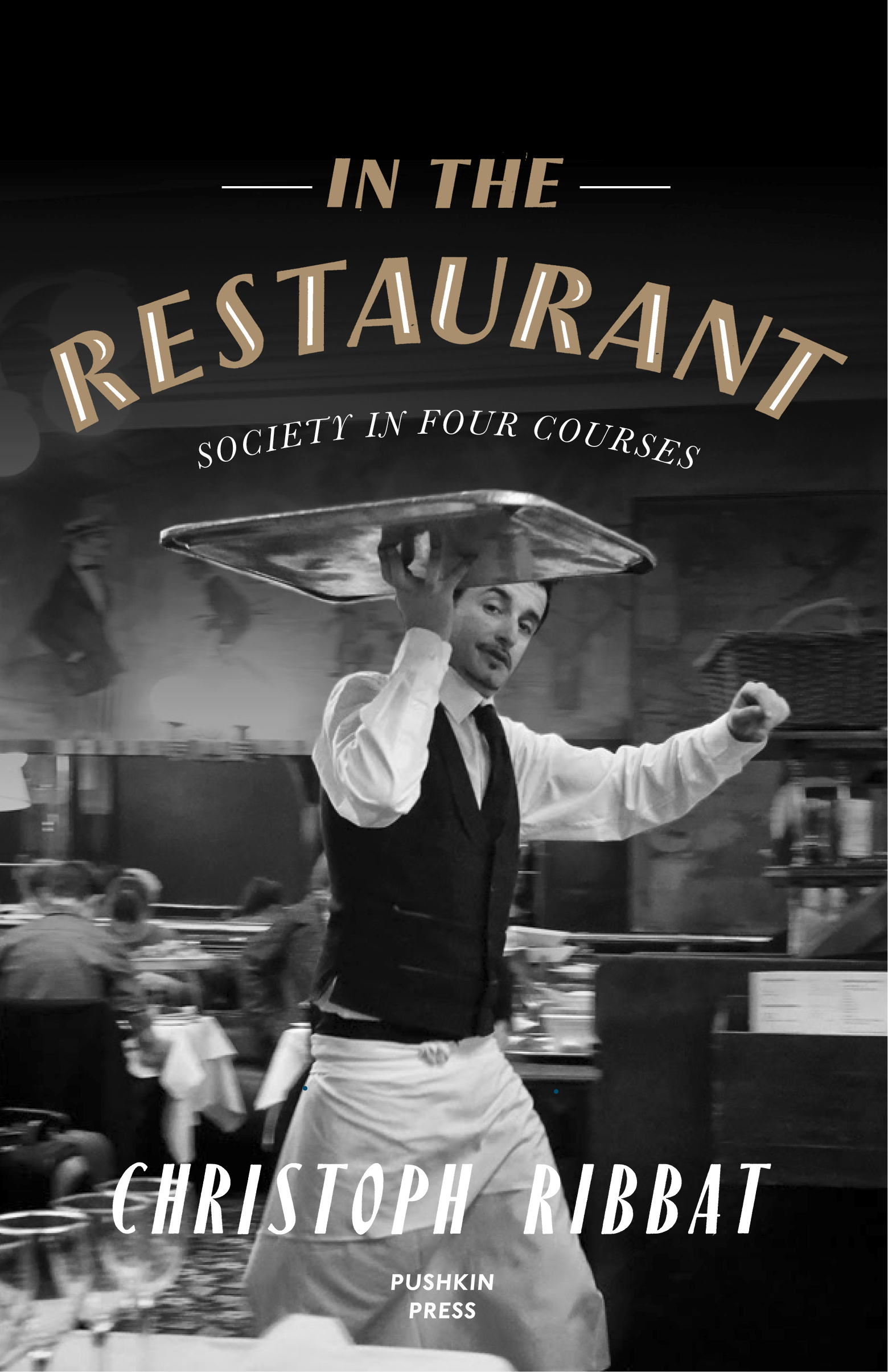
In the evolving landscape of culinary literature, it’s easy to become stuck at a crossroads between historical reflection and urgent, modern mandates. Last week’s exploration of Christoph Ribbat’s In the Restaurant as highlighted in “Reading the Restaurant” – offered one viewpoint. Ribbat’s work serves as a panoramic history, transforming the dining room into a laboratory of modern life where class, technology, and human drama intersect.

However, as that post suggested, finishing one book is merely an invitation to walk through a new threshold. To truly understand the “hidden” themes of contemporary dining, we must place Ribbat’s historical mosaic in direct conversation with the sharp, practical demands of the present. This brings us to a confrontation between the “theatre” of the past and the “survival guide” of the now.

Part II: The Clash of Theory and Practice

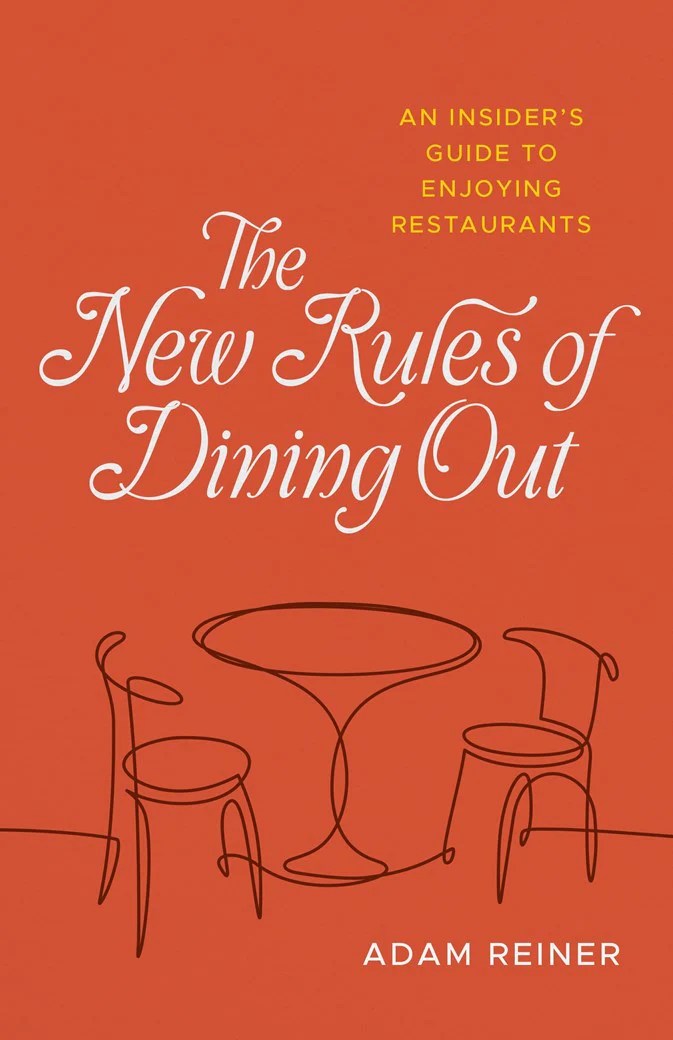
While Christoph Ribbat’s In the Restaurant provides the wide-angle lens of a historian – looking back at the invention of the “guest” and the military precision of Escoffier’s kitchen – Adam Reiner’s The New Rules of Dining Out acts as the high-definition field guide for the post-pandemic era. If Ribbat explores how the restaurant became a stage, Reiner is obsessed with how to keep that stage from collapsing under the weight of modern entitlement and economic fragility.

From Performance to Social Contract

Ribbat observes the “theatricality” of the dining room as a fixed sociological state. To him, the waiter is a performer wearing a mask of professional servitude. This is a classic “Front Stage” performance, where the guest is the audience and the staff are the players.

Adam Reiner, however, argues that this performance is currently in a state of crisis. His New Rules represent a radical shift from the traditional “customer is always right” philosophy toward a mutual social contract. Reiner’s commentary is urgent: he insists that the guest is no longer just a passive audience member but an active participant in the restaurant’s survival. In Reiner’s view, being a “good guest” is no longer about mere politeness; it is about earning your place at the table through empathy, punctuality, and an understanding of the industry’s razor-thin margins.

The Death of the “Restorative” Myth

Ribbat tracks the evolution of the restaurant from the 1760s “restoratives” – medicinal broths meant to heal the body. He notes how this evolved into “healing” the ego through luxury. Reiner’s work flips this script for the 2020s. In the New Rules, it is the diner who must act as the restorative force for the restaurant.

Reiner dives deep into the “uncomfortable” side of modern dining that Ribbat only brushes against:

  • The Cancellation Crisis: Reiner argues that a “no-show” is not just a minor inconvenience but an act of economic sabotage. His rules demand that diners treat reservations like theater tickets – pre-paid and non-negotiable.
  • The Service Charge Debate: While Ribbat notes the historical “paradox” of the waiter, Reiner focuses on the math. He advocates for the dismantling of the traditional tipping system in favor of transparent service charges that bridge the pay gap between the “Front of House” and the “Back of House”.

The Evolution of Labor: From Orwell to Accountability

Ribbat leans heavily on George Orwell’s Down and Out in Paris and London to illustrate the soul-crushing filth of the historical kitchen. It is a romantic, if gritty, look at the “plongeur.”

Reiner moves past the literary pathos of the suffering dishwasher and focuses on human sustainability. His commentary highlights the mental health crisis in the modern kitchen – the burnout, the substance abuse, and the toxic “brigade” culture that Ribbat treats as a historical artifact. Reiner’s “New Rules” demand that the diner acknowledge the humanity of the staff. He suggests that if you aren’t willing to pay a price that allows for a living wage and health insurance for that “backstage” crew, you shouldn’t be dining out at all.

Atmosphere vs. Algorithm

A fascinating point of contrast lies in the concept of “Atmosphere.” Ribbat discusses how 1920s Berlin cafes were designed to foster intellectualism. Reiner observes that modern atmosphere is often hijacked by the “TikTok-ification” of the dining room.

In the New Rules, Reiner addresses the friction caused by diners who prioritize “content” over “connection.” He calls for a return to presence, suggesting that the camera-first culture violates the social sanctuary that Ribbat describes as a “place of longing.” For Reiner, the “Rule” is simple: the restaurant is a place to eat and interact, not a studio for your personal brand.

The Verdict: Why Reiner is the Necessary “Fifth Course”

If we treat Ribbat’s book as a four-course meal of history, Reiner’s New Rules is the bitter espresso shot at the end – a sharp, necessary jolt of reality.

Ribbat tells us why we love restaurants (the longing for connection and status), but Reiner tells us how to ensure they still exist tomorrow. Ribbat looks at the “guest” as a historical construct; Reiner looks at the “guest” as a stakeholder.

When we read them synoptically, the conclusion is clear: the restaurant remains a most important stage in our social lives, but the script has changed. The “Society” Ribbat describes is no longer a hierarchy of service, but an ecosystem of mutual respect. To dine out today is to participate in a fragile miracle of logistics, and as Reiner suggests, the most important “New Rule” is acknowledging that you are part of the team, not just the person at the table.


When two books with a similar primary topic take very different directions, but both quote a foundational work from the 1960s, I sit up and take notice. Both of the books above did just that, and the resulting inquiry has yielded a companion, 4-piece series to the topic, exploring how food experiences reveal fundamental truths about social interaction, identity, and community through the lens of Erving Goffman’s dramaturgical sociology. Each article features one book while drawing on Goffman’s framework of social performance to unite the series.

Next week: The Regular’s Performance: How Informal Gathering Places Teach Us to Belong


Part of a regular series on 27gen, entitled Wednesday Weekly Reader.

During my elementary school years one of the things I looked forward to the most was the delivery of “My Weekly Reader,” a weekly educational magazine designed for children and containing news-based current events.

It became a regular part of my love for reading, and helped develop my curiosity about the world around us.

Reading the Restaurant

For avid readers, finishing a book rarely means closing the door on a subject – it’s an invitation to walk through an entirely new threshold. A compelling read ignites curiosity, leaving you hungry to explore the ideas, worlds, or authors it introduced. Like a tasty appetizer designed to whet your appetite for more, one volume becomes a portal to countless others, each building on what came before.

This phenomenon mirrors what author Mortimer Adler called “synoptical reading” – the practice of reading multiple books on the same subject to develop a richer, more nuanced understanding. Rather than treating books as isolated experiences, synoptical reading encourages us to place them in conversation with one another, discovering patterns, contradictions, and deeper truths that no single author could provide alone.

This is the power of being a lifelong reader: books connect in unexpected ways, forming constellations of knowledge across your shelves. A novel about artificial intelligence leads to philosophy texts on consciousness. A memoir sparks interest in a historical period, which branches into biographies, primary sources, and cultural criticism.

Today’s #WednesdayWeeklyReader article will launch just such a reading journey, illustrating how one book unlocks fascinating connections and paths of discovery you never anticipated. 

The best readers don’t just finish books; they follow them wherever curiosity leads.

Today’s book is a great example – not only is it fascinating on its own merits, it also launched a comparison with a brand new book which in turn will become a mini-series on the “hidden” theme behind both books – entailing a re-read of four wonderful books through a new lens.

Come along for the delicious journey!


If you’ve ever sat in a dimly lit restaurant, nursing a beverage and wondering why the waiter looks frantic, or why the kitchen sounds like a war zone, Christoph Ribbat has written the book for you. In the Restaurant: Society in Four Courses isn’t just a history of dining; it’s a backstage pass to the most enduring theater in human history.

Ribbat, a professor of American Studies, doesn’t serve a dry, chronological textbook. Instead, he delivers a tasting menu of anecdotes, spanning from the birth of the “bouillon” shops in 18th-century Paris to the high-pressure, tattooed intensity of the modern celebrity kitchen.

The Concept: More Than Just Food

The core thesis of Ribbat’s work is simple yet profound: The restaurant is the laboratory of modern life. It is a place where class struggles, gender roles, immigration, and technology collide over a plate of delicious food.

He structures the book like a meal, but the “courses” are less about the food and more about the human experience. He explores:

  • The Labor: The invisible hands – the dishwashers, the prep cooks, and the weary servers.
  • The Atmosphere: How lighting, seating, and architecture dictate our behavior.
  • The Drama: The inherent tension between the “front of house” (the performance) and the “back of house” (the chaos).

A Whirlwind Tour of Culinary History

Ribbat excels at finding the “human” in the history. He takes us through the evolution of dining with a novelist’s eye for detail.

He begins with the foundational myth of the restaurant. In the 1760s, A. Boulanger sold “restoratives” (soups) meant to heal the sickly. From these humble, medicinal beginnings, the restaurant transformed into a venue for the elite to show off and, eventually, for the masses to find a temporary escape.

One of the most engaging sections involves the psychology of service. Ribbat explores the “subservient but superior” paradox of the waiter. He touches on the works of George Orwell, who famously worked as a plongeur (dishwasher) in Paris, describing the soul-crushing filth hidden behind the swinging doors of luxury hotels.

Ribbat doesn’t ignore the seismic shift brought by industrialization. He tracks the rise of the “Automats” – those eerie, chrome-and-glass vending machine restaurants where human interaction was replaced by the clink of a coin. This leads naturally into the rise of McDonald’s and the “McDonalization” of society, where efficiency and predictability became the ultimate ingredients.

Why It’s Such an Entertaining Read

What makes this book “engaging” rather than “academic” is Ribbat’s mosaic style. He jumps from a 1920s Berlin café frequented by intellectuals to a modern-day diner in the American Rust Belt.

  • Anecdotal Depth: He shares stories of famous chefs going mad and waiters writing manifestos
  • Cultural Breadth: He connects fine dining to jazz, literature, and even the history of the elevator
  • The “Vibe”: The writing is snappy, slightly cynical, and deeply observant.

“The restaurant is a place of longing,” Ribbat suggests. It is where we go to be someone else for an hour or two – to be served, to be seen, or to disappear.

The “Four Courses” Breakdown

While the book flows like a long conversation, it can be distilled into four thematic movements:

  1. The Invention of the Guest: How we transitioned from eating at communal tables in inns to the private, individualized experience of the modern table.
  2. The Kitchen as a Factory: The brutal reality of the “brigade system” (standardized by Escoffier), which turned cooking into a military operation.
  3. The Dining Room as a Stage: The sociology of where we sit, who we look at, and the “performance” of the meal.
  4. The Future of the Table: Reflections on how digital culture and globalism continue to reshape the way we consume.

The Verdict: A Must-Read for Foodies and People-Watchers Alike

If you are looking for a book that tells you exactly how to cook a soufflé, keep moving. But if you want to understand why we pay a premium to sit in a room with strangers and be brought things on trays, this is gold.

The Strengths: Ribbat’s greatest strength is his ability to make the mundane seem miraculous. He takes a simple object – a menu, a white tablecloth, a tip – and unravels its complex social history. His prose (here translated from the original German) is witty and sharp. He avoids the “food porn” trap, focusing instead on the grit and the glory of the industry.

The Weaknesses: At times, the “mosaic” style can feel a bit fragmented. If you prefer a linear, A-to-Z history, the jumping between centuries might give you a mild case of intellectual indigestion. However, the short, punchy chapters make it an excellent “commuter read.”

In the Restaurant is a reminder that every meal out is a tiny miracle of logistics and human endurance. It strips away the garnish to show us the bones of the industry. It’s a book about hunger – not just for food, but for status, connection, and a moment of peace in a loud world.

Next time you’re at a restaurant and the service is a little slow, you might find yourself less annoyed and more curious about the invisible drama unfolding behind the kitchen doors, thanks to Ribbat.


While this book was a great read and stands on its own, about the same time I began reading it I happened to pick up a brand new book from my weekly “Lunch and Learn” library trip. I’m always on the lookout for culinary books, and it seemed interesting. What I didn’t expect was how closely it could be compared to In the Restaurant, and how both of them together introduced a totally new direction for exploration!

Next Week: The New Rules of Dining Out


Part of a regular series on 27gen, entitled Wednesday Weekly Reader.

During my elementary school years one of the things I looked forward to the most was the delivery of “My Weekly Reader,” a weekly educational magazine designed for children and containing news-based current events.

It became a regular part of my love for reading, and helped develop my curiosity about the world around us.
Beyond the Pile: How Our Shelfies Tell the Stories We Live

Today on #NationalShelfieDay – Wednesday, January 28th – readers worldwide will point their cameras at their bookshelves, capturing everything from meticulously organized libraries to precarious towers threatening imminent collapse. But hidden within these snapshots lies something far more revealing than mere book collections – they’re intimate portraits of our intellectual journeys, visual maps of the curiosities that shape our lives, and honest documentation of the beautiful tension between who we are and who we aspire to become.

The Honest Geography of Reading Life

While social media often demands perfection, the most compelling shelfies embrace chaos with pride. These are the photographs that reveal coffee-stained bookmarks jutting from half-finished volumes, library loans teetering atop personal purchases in gravity-defying arrangements, and that one book that’s been sitting unread for three years but might be perfect for next month. They show books piled on nightstands, stacked beside reading chairs, or occupying that awkward space between the bookshelf and the wall where they’ve somehow established permanent residence.

These unvarnished captures resonate because they reflect reality. Our book piles aren’t failures of reading discipline but rather evidence of active, engaged literary lives. Each book waiting represents curiosity sparked, a recommendation followed, or an impulse honored. Together, they form physical manifestations of intellectual ambition, visible proof that our reading appetite consistently outpaces our available time.

When Collections Become Conversations

Yet beyond the TBR pile lies an even more fascinating phenomenon: the specialized collection. These aren’t random accumulations but carefully curated conversations across time, perspective, and expertise. Look closely at any serious reader’s shelfie, and you’ll discover entire sections devoted to subjects that have captured their imagination and refused to let go.

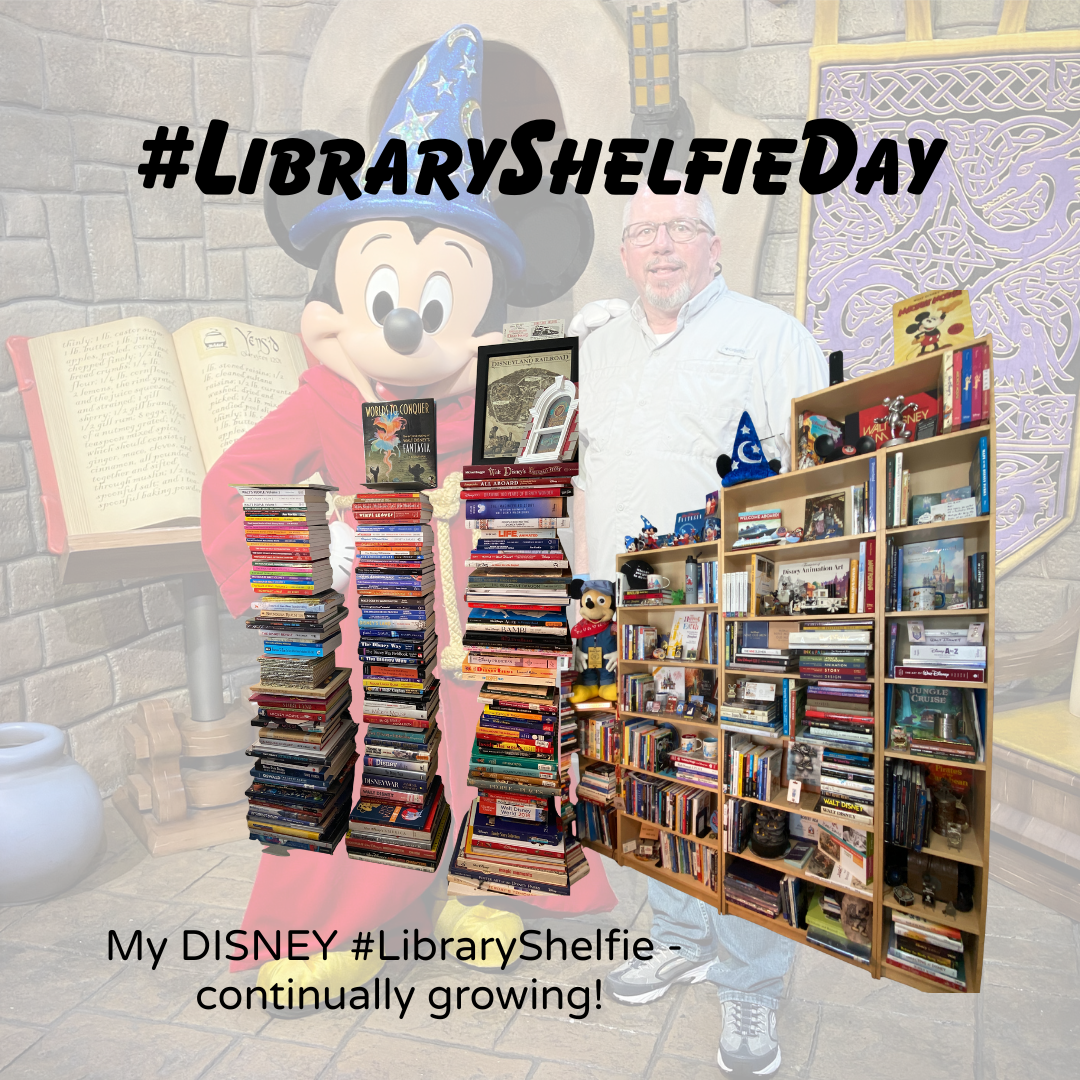
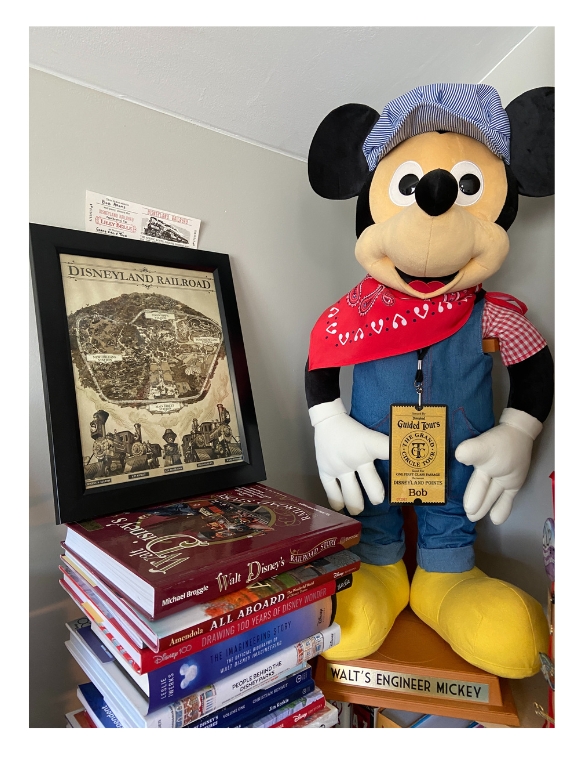
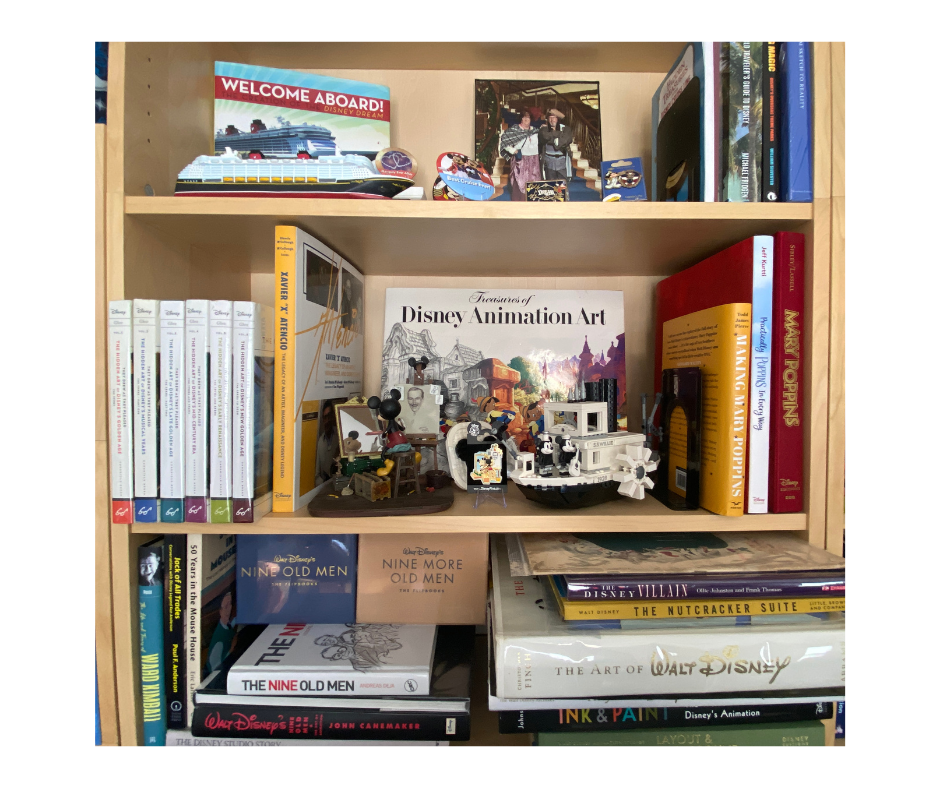
Consider my ultimateand always growing – Disney collection, numbering over 500 volumes, dating from 1939 to current releases. Under the watchful eye of Engineer Mickey, these books represent more than fandom – they document my ongoing fascination with Walt Disney the man, childhood memories of Disney, and participating in some of the best leadership and hospitality practices that exist. This isn’t hoarding; it’s scholarship pursued with passion.

Or examine my Bridges collection, where each spine represents the human drive to connect, to overcome obstacles, to span the impossible. These books ask us to envision a world without bridges – London without crossings over the Thames, Manhattan as a truly isolated island, San Francisco cut off from both north and south. Understanding the stories behind our bridges fosters deeper appreciation for their history and provides insight into the humanity of engineers and engineering itself. It’s a collection that celebrates both literal and metaphorical connections.

The Power of Synoptical Reading

Among the most intriguing shelfies are those built around synoptical reading – gathering books by various authors around similar subjects for comparison and expansion of knowledge. These collections transform the humble book pile from random accumulation into curated symposium. They demonstrate reading as an active pursuit of knowledge rather than passive entertainment.

My culinary collection spans everything from childhood meals and family cooking traditions to professional restaurant management and food history. This culinary shelfie documents a family deeply embedded in food culture: a mother who became a caterer, an oldest son whose twenty-year career has taken him from pizza baker to pastry chef to restaurant general manager, a youngest son who pursued Culinary Arts at Johnson & Wales and now manages events at a university. Each book in this collection doesn’t just represent recipes – it captures lessons about life, work, family, and the connections forged around tables.

The Sherlock Holmes collection tells a different story of reading evolution. It begins with one book – Michael Dirda’s “On Conan Doyle, Or, The Whole Art of Storytelling” – that piqued curiosity and left me hungry for more, rereading all the stories from my young adult years. Dirda’s passionate celebration of Conan Doyle as a master storyteller cast new light on classic detective stories, inspiring deeper exploration. For avid readers, finishing one book is often just the beginning of a journey into a new subject or author. A great book has a way of leaving you wanting to dive deeper into the world or ideas it exposed you to.

This approach becomes incredibly powerful because it reveals how ideas evolve over time, exposes the blind spots that individual authors might miss, and often leads to insights that none of the original writers could have reached alone. In our current world of endless information streams, synoptical reading is less about consuming more content and more about becoming a thoughtful curator who can weave together the best thinking on complex topics into something genuinely illuminating.

The Unexpected Collections

Sometimes our shelfies reveal passions that surprise even ourselves. Who accumulates an entire collection devoted to hamburgers? Guilty. Someone who understands that even simple things reveal complexity when examined from multiple angles – literary, culinary, and what I cheerfully admit is “arbitrary: based on random choice or my personal whims.” From humble beginnings to current status as a global icon, the burger has cemented its place in hearts and stomachs worldwide. Diving into books about burgers becomes not just about savoring deliciousness but appreciating rich history and cultural significance.

The donut collection explores similar territory. For many, the humble donut is far more than a sweet treat – it’s a symbol of comfort, a trigger for nostalgia, and a wonderful nod to American culinary ingenuity.

These delightful rings of fried dough have spun their way through centuries, leaving a delicious trail of history, personal memories, and significant business lessons in their wake. To find the “hole” truth requires jumping headlong into books that explore the multifaceted world of donuts, from fascinating origins to status as global icons.

The history of donuts in America is a testament to their enduring appeal. From Dutch settlers to modern-day gourmet bakers, each era has contributed to the rich tapestry of donut lore. So next time you savor a donut, remember that you’re partaking in a delicious slice of American history.

Literary Pilgrimages and Family Legacies

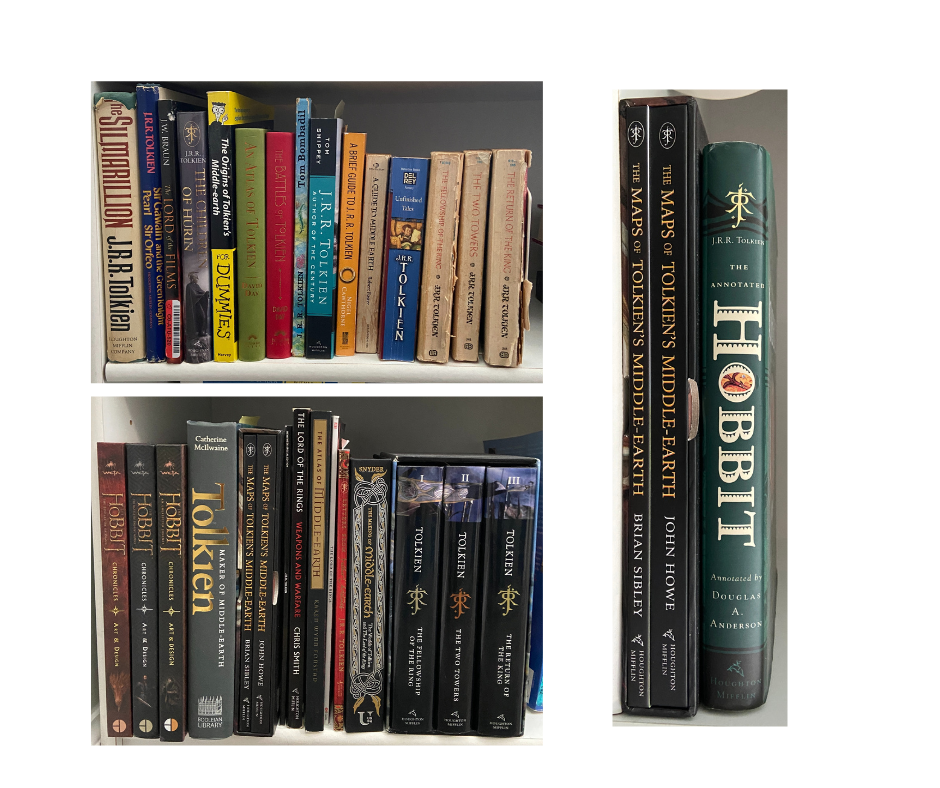
Some collections document decades-long relationships with particular authors or universes. My Tolkien collection begins in junior high with “The Hobbit” and “The Lord of the Rings” and expands over subsequent decades to include not only multiple re-readings but all of Tolkien’s published and unpublished works, plus books written about Tolkien’s work by other authors. These aren’t books merely owned – they’re territories explored and re-explored, landscapes that continue shaping how we think, feel, and dream.

The Stephen Hunter collection traces another kind of journey – following Bob Lee Swagger, “the Nailer,” through a sprawling multi-generational saga that meticulously builds a family legacy of marksmen, lawmen, and warriors stretching back over two hundred years. Since 1993’s “Point of Impact,” readers have followed not just one hero but an entire lineage, understanding that sometimes our greatest stories aren’t contained in single volumes but unfold across entire series that demand shelf space and loyalty.

The Library Connection

Many shelfies inadvertently capture another truth about modern reading life: the integration of library books into personal collections. Some readers intermingle borrowed volumes with purchased ones, creating temporary arrangements that shift weekly. Others maintain separate, highly visible locations for library loans – for me, just outside my office door – allowing them to stay top of mind, handy to grab coming or going, so as to always have one or more in process.

These arrangements tell stories of resourcefulness, of readers who understand that ownership and engagement aren’t synonymous, who build relationships with their local libraries and librarians. The weekly library pilgrimage has become ritual for many readers like me, a sacred appointment appearing in calendars alongside work meetings and social obligations. These visits yield not just books but the pleasure of discovery, the satisfaction of completing one reading mission while embarking on another.

The Perfect Imperfect Shelfie

On National Shelfie Day, resist the urge to tidy or curate excessively. The best shelfies capture reading life as it actually exists, complete with precarious stacks, mixed genres, and honest documentation of intellectual ambitions. 

When thousands of readers share photographs of their own literary accumulations, shame dissolves. We see ourselves reflected in others’ stacks and towers, recognizing that our reading ambitions outpacing our reading time is universal rather than personal failure. There’s genuine pleasure in acquiring books that exists independently from reading them. Each new addition represents possibility and promise, another potential adventure or insight waiting just beyond the current read.

These honest captures celebrate not just the books we’ve read but those we aspire to read, not just our literary accomplishments but our ongoing ambitions. They document the beautiful tension between finite time and infinite curiosity, between the books we’ve finished and the worlds still waiting to be explored.

Your National Shelfie Day Challenge

Here’s your mission for today, should you choose to accept it:

First, locate all your book piles. Yes, all of them. The one on your nightstand, the stack hiding behind your bedroom door, those books camouflaged among decorative pillows on your couch, and the collection you’ve strategically positioned to block that wall stain you keep meaning to paint over. 

Next, photograph your book piles exactly as they exist in their natural habitat. Post with pride, and tag it so fellow bibliophiles can find you. Bonus points if you can count how many books are in your pile without having to actually count them twice. Double bonus points if you admit in your caption which books have been sitting unread the longest.

Capture your collections – whatever they may be. Share your collections, the cookbooks, the mystery series, the professional development texts, the hobby guides, the literary fiction, the guilty pleasures. Show us the collections that tell your story, that map your curiosities, that reveal the subjects you can’t stop exploring from multiple angles.

This is your intervention and your celebration rolled into one. I’m not here to shame anyone’s book pile. I’m here to document it, share it, and collectively acknowledge that we’re all in this beautiful, ridiculous predicament together – surrounded by more books than we can read in several lifetimes, yet somehow always eyeing that next title, planning that next library visit, making room for just one more.

Because ultimately, our shelfies don’t just show what we read. They show who we are, who we’ve been, and who we hope to become. They’re visual autobiographies written in spines and dust jackets, honest portraits of lives lived in pursuit of knowledge, beauty, adventure, and understanding.

So point your camera. Capture your chaos. Share your stories.

Your move, reader.


Part of a regular series on 27gen, entitled Wednesday Weekly Reader.

During my elementary school years one of the things I looked forward to the most was the delivery of “My Weekly Reader,” a weekly educational magazine designed for children and containing news-based current events.

It became a regular part of my love for reading, and helped develop my curiosity about the world around us.

Capturing the TBR: #LibraryShelfieDay and Our Towers of Literary Promise

In the digital age where everything from breakfast to sunsets demands photographic documentation, there exists one social media trend that book lovers have embraced with particular enthusiasm: the shelfie. This portmanteau of “shelf” and “selfie” has spawned its own unofficial holiday, #LibraryShelfieDay, celebrated each year as readers worldwide turn their cameras toward their bookshelves to share their literary landscapes with fellow bibliophiles.

Yet among the carefully curated collections and color-coordinated spines, one element appears in nearly every true reader’s shelfie with endearing inevitability: the TBR pile. For normal readers, TBR stands for To Be Read. However, when it comes to books, I am anything but normal! Books don’t come into my house unless they will be read – consequently, TBR means To Be Read and Re-Read for me!

Those precarious towers of books, stacked horizontally atop neatly shelved volumes or claiming entire sections of furniture, tell stories as compelling as any novel they contain.

The Honest Bookshelf

While some readers meticulously arrange their shelfies to present only finished reads or aesthetically pleasing arrangements, the most authentic captures embrace the chaos. These are the photographs that show books piled on nightstands, stacked beside reading chairs, or occupying that awkward space between the bookshelf and the wall. They reveal coffee-stained bookmarks protruding from half-finished volumes and library books teetering atop personal purchases in a delicate balance that defies both physics and organization.

These unvarnished shelfies resonate because they reflect reality. Your book pile – TBR or recently completed – isn’t a failure of reading discipline but rather evidence of an active, engaged literary life. Each book waiting to be read or re-read represents curiosity sparked, a recommendation followed, or an impulse honored. Together, they form a physical manifestation of intellectual ambition, visible proof that our reading appetite consistently outpaces our available time.

Geography of Literary Intention

My TBR arrangement tells its own story. Some maintain a single, ever-growing stack, adding new acquisitions to the top while theoretically working from the bottom up. Others scatter smaller collections throughout my office and home, creating thematic clusters or separating library loans from personal purchases. I typically organize by subject/theme, and then priority, placing must-reads within arm’s reach of my favorite reading spots. Occasionally, I embrace complete spontaneity, letting mood and moment determine my next selection.

The Japanese concept of tsundoku describes the act of acquiring books and letting them accumulate unread – what? While sometimes wielded as gentle accusation, most dedicated readers recognize themselves in this practice without shame. My TBR pile serves practical purposes beyond mere hoarding. It functions as insurance against the unthinkable scenario of having nothing new to read or something that demands a re-read, offers variety when reading moods shift unpredictably, and stands as tangible evidence of my commitment to future learning and growth.

Synoptical Stacks and Thematic Towers

Among the most intriguing book piles captured in #LibraryShelfieDay posts are those built around specific subjects or themes. These collections reveal readers pursuing deeper understanding through multiple perspectives. One might spot a tower of thought on home hospitality, three biographies of the same historical figure lined up together, or a cluster of novels from a particular literary movement awaiting comparative analysis. Science enthusiasts might display competing theories side by side, while philosophy readers gather texts in dialogue with one another.

Glancing at the images accompanying this article should provide the reader a clue into my reading habits and collections. I’m a HUGE synoptical reader – gathering books by various authors around similar subjects, for comparison and expansion of the knowledge of the subject.

This approach becomes incredibly powerful because it reveals how ideas evolve over time, exposes the blind spots that individual authors might miss, and often leads to insights that none of the original writers could have reached alone. In our current world of endless information streams, synoptical reading is less about consuming more content and more about becoming a thoughtful curator who can weave together the best thinking on complex topics into something genuinely illuminating.

These synoptical reading projects transform the humble book pile from random accumulation into curated symposium. They demonstrate reading as an active pursuit of knowledge rather than passive entertainment. Each book becomes part of a larger conversation, with the reader serving as moderator between different voices and viewpoints. The resulting shelfies document not just books owned but intellectual journeys planned.

The Library Connection

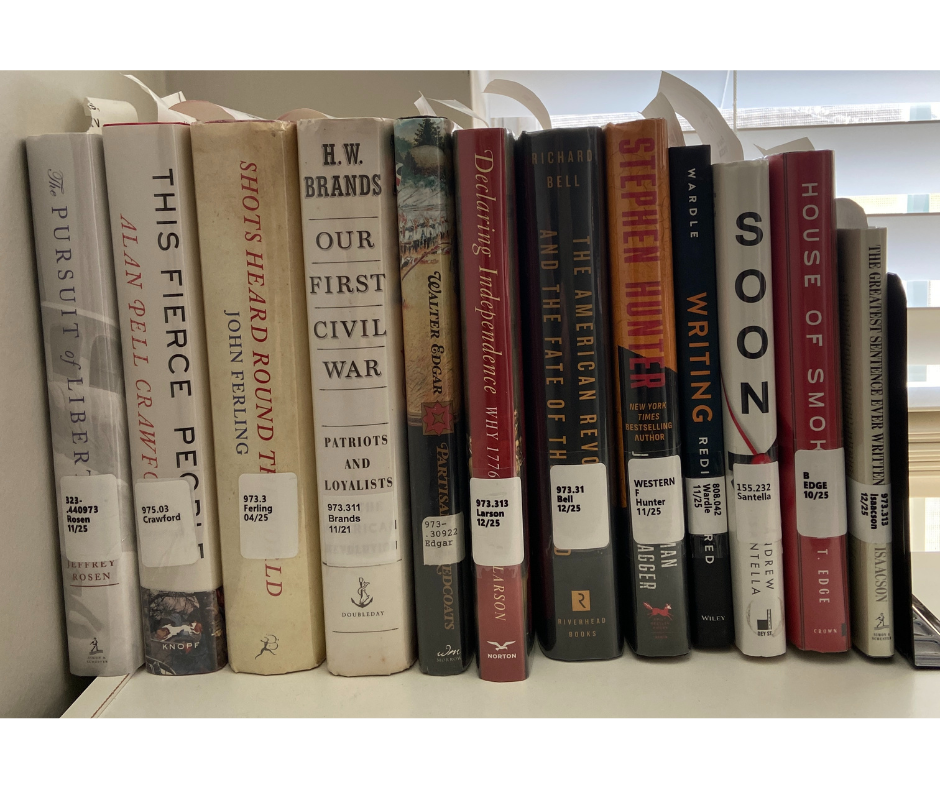
Many shelfies inadvertently capture another truth about modern reading life: the integration of library books into personal collections. Borrowed volumes intermingle with purchased ones, creating temporary arrangements that shift weekly. These mixed stacks tell stories of resourcefulness, of readers who understand that ownership and engagement aren’t synonymous, who build relationships with their local libraries and librarians. I don’t intermingle my weekly library “borrows” – they maintain a very visible location just outside my office door. This allows me to keep them top of mind and handy to grab coming or going, so as to always have one or more handy. Here’s the current crop, with a few more coming later today on my weekly visit to the library.

The weekly library pilgrimage has become ritual for many readers, a sacred appointment appearing in calendars alongside work meetings and social obligations. These visits yield not just books but the pleasure of discovery, the satisfaction of completing one reading mission while embarking on another. The resulting TBR piles blend personal investment with communal resources, private reading goals with public literary treasures.

Finding Joy in the Accumulation

Perhaps the most valuable insight shared through #NationalShelfieDay celebrations is the collective permission to embrace our book piles without guilt. When thousands of readers share photographs of their own literary accumulations, the shame dissolves. We see ourselves reflected in others’ stacks and towers, recognizing that our reading ambitions outpacing our reading time is universal rather than personal failure.

There’s genuine pleasure in acquiring books that exists independently from reading them. Each new addition to the book pile represents possibility and promise, another potential adventure or insight waiting just beyond the current read. These books don’t reproach us with their unread status; instead, they offer comfort through their mere presence, assurance that intellectual nourishment stands ready whenever we need it.

The Perfect Imperfect Shelfie

As #LibraryShelfieDay approaches next week, resist the urge to tidy or curate excessively. The best shelfies capture reading life as it actually exists, complete with precarious stacks, mixed genres, and that one book that’s been sitting unread for three years but might be perfect for next month. Include the library books with their due date slips visible, the impulse purchases still sporting bookstore bags, the gifts from well-meaning relatives who perhaps missed the mark on genre preferences.

These honest captures celebrate not just the books we’ve read but those we aspire to read, not just our literary accomplishments but our ongoing ambitions. They document the beautiful tension between finite time and infinite curiosity, between the books we’ve finished and the worlds still waiting to be explored.

So when #LibraryShelfieDay arrives next week, point your camera toward those towers of possibility. Capture your book pile in all its chaotic glory. Share it proudly, knowing that somewhere, countless other readers are doing the same, each of us celebrating not just our love of reading, but our optimistic, enduring belief that somehow, someday, we’ll get to them all.

The Library Shelfie Day Challenge

Here’s your mission for the coming week, should you choose to accept it

First, locate all your book piles. Yes, all of them. The one on your nightstand, the stack hiding behind your bedroom door, those books camouflaged among the decorative pillows on your couch, and the collection you’ve strategically positioned to block that wall stain you keep meaning to paint over. Resist the urge to organize them into something Instagram-worthy. Do not alphabetize. Do not arrange by color. Do not hide the romance novel with the embarrassing cover or the self-help book you bought during that 3 a.m. existential crisis. 

On #LibraryShelfieDay coming next Wednesday 1/28, photograph your book pile(s) exactly as they exist in their natural habitat, post it with pride, and tag it so fellow bibliophiles can find you. Bonus points if you can count how many books are in your pile without having to actually count them twice. Double bonus points if you admit in your caption which books have been sitting unread the longest. This is your intervention and your celebration rolled into one. We’re not here to shame anyone’s book pile. We’re here to document it, share it, and collectively acknowledge that we’re all in this beautiful, ridiculous predicament together. 

I’ll be expanding my #Shelfies from those you see here – will you join me?

Your move, reader.


Part of a regular series on 27gen, entitled Wednesday Weekly Reader.

During my elementary school years one of the things I looked forward to the most was the delivery of “My Weekly Reader,” a weekly educational magazine designed for children and containing news-based current events.

It became a regular part of my love for reading, and helped develop my curiosity about the world around us.

The Swagger Saga: How Stephen Hunter Built a Dynasty of Marksmen, One Generation at a Time

The origins of today’s “Wednesday Weekly Reader” began in 1989, continued over the years, culminating (to date) in the fall of 2025 – making it the longest time frame discussed. Today’s article also differs in that it covers multiple books (19) by the same author, but connected through 6 generations of family. Finally, these books are fiction, though they often reference historical fact.

While I do read a great deal of fiction, I don’t typically write about it. Exceptions include when there are some really good books ABOUT fiction (as in works about the writings of J.R.R. Tolkien and Arthur Conan Doyle) and when I discover an exceptional author who excels at his craft.

That author would be Stephen Hunter, and the books referenced revolve around the person of Bob Lee Swagger and his ancestors (going back to the 1780s) and his descents (one son and two daughters, with potential stories to come).


In 1993, a new kind of American hero burst onto the literary scene, a weary veteran haunted by his past, possessing a lethal skill that few could match. That year, Stephen Hunter published Point of Impact, introducing the world to Bob Lee Swagger, “the Nailer,” a retired Marine Corps sniper drawn back into a shadowy world of conspiracy and assassination. Little did readers know, this gripping thriller was merely the first shot in what would become a sprawling, multi-generational saga, one that meticulously built a family legacy of marksmen, lawmen, and warriors stretching back over two hundred years.

Stephen Hunter: The Architect of the Swaggerverse

Before he became the architect of the Swaggerverse, Stephen Hunter was already a celebrated voice. A Pulitzer Prize-winning film critic for The Baltimore Sun and later The Washington Post, Hunter brought a keen eye for action, character, and historical detail to his fiction. His early standalone thrillers like The Master Sniper (1980) showcased his ability to craft taut narratives with complex protagonists. However, it was with Point of Impact that Hunter found his definitive voice and character, setting the stage for an ambitious exploration of American history, military prowess, and the complicated ethics of violence.

The Genesis: Bob Lee Swagger and the Weight of the Past

Point of Impact introduced Bob Lee Swagger, a Vietnam veteran living in self-imposed exile in the Arkansas wilderness. His exceptional talent with a rifle, honed in the jungles of Southeast Asia, made him a legend, but also a target. Framed for a presidential assassination plot, Bob Lee is forced to confront the forces that shaped him and the corrupt powers that seek to exploit his skills. The novel’s success was immediate, captivating readers with its intricate plotting, authentic ballistic detail, and a hero who was both deadly and deeply human. Hunter continued weaving stories of Bob Lee into national events over the years, with 12 books to date.

What truly elevated the Swagger series beyond a typical thriller franchise was Hunter’s decision to delve into Bob Lee’s lineage. Early books hinted at a formidable father, Earl Swagger, a Medal of Honor recipient from Iwo Jima. This seed of curiosity blossomed into a full-fledged prequel series, beginning with Hot Springs in 2000.

Earl Swagger: Unearthing the Father’s Legend

The Earl Swagger novels Hot Springs (2000), Pale Horse Coming (2001), Havana (2003), and later The Bullet Garden (2023) – transport readers to the mid-20th century. Earl is a man forged in the brutal fires of World War II and Korea, a Marine First Sergeant who returns to his native Arkansas to become a lawman. His stories explore a different kind of American violence, set against the backdrop of post-war corruption, the rise of organized crime in places like Hot Springs, and the racial tensions of the Jim Crow South.

Earl is a man of his time, driven by a rigid moral code and an almost primitive sense of justice. His adventures reveal the deep roots of the Swagger family’s values: a fierce independence, an unwavering commitment to truth, and an unparalleled proficiency with firearms. Through Earl, Hunter began to show how the “Swagger gift” – that uncanny ability to shoot with pinpoint accuracy – was a generational inheritance, not merely a skill acquired through training.

Ray Cruz: The Sniper’s Unknown Son

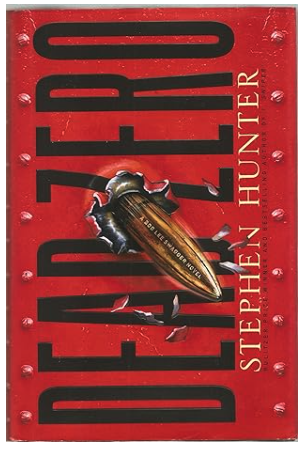
After authoring six books with Bob Lee Swagger as the main character, and another three showcasing his father Earl Swagger, in 2010 Hunter delivered Dead Zero, a high-stakes thriller that plunges into the shadow world of modern warfare and national security. When elite Marine sniper team Whiskey 2-2 is ambushed, only Gunnery Sergeant Ray Cruz survives, driven to complete his mission against a brutal warlord. Presumed dead after a catastrophic explosion, Cruz seems to return months later. As his target is reborn as a prized U.S. intelligence asset, the question becomes not only whether Cruz is alive – but who now deserves to be hunted.

Enter Bob Lee Swagger, recruited by the FBI to stop Cruz before Washington becomes the next battlefield. As Swagger uncovers what really happened his loyalties blur and his sympathies shift toward the man he’s meant to stop, even as the CIA, FBI, and ruthless professionals close in. Dead Zero combines Hunter’s trademark technical precision with blistering action, razor-sharp dialogue, and unsettling political and highly personal revelations – and when the smoke clears, a Swagger has once again saved the day.

Charles Swagger: The G-Man Grandfather

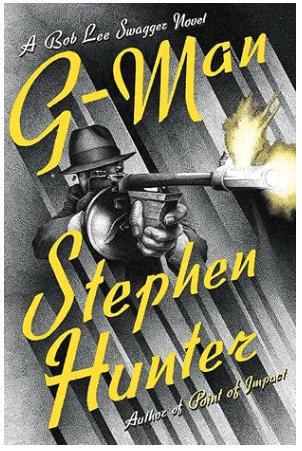
The historical excavation continued with G-Man (2017), which delved even further back to introduce Charles Fitzgerald Swagger, Bob Lee’s grandfather. Charles’s story takes us to the 1930s, an era of dust bowls, economic depression, and notorious gangsters. A World War I veteran and former sheriff of Polk County, Arkansas (the fictional “Blue Eye” where the Swaggers made their home), Charles is recruited by J. Edgar Hoover himself to join the nascent FBI.

G-Man explores Charles’s adventures as a federal agent, battling figures reminiscent of John Dillinger and “Pretty Boy” Floyd. This novel not only showcases another generation of Swagger marksmanship, but also delves into the complex relationship between law enforcement, justice, and the shifting social landscape of America. Charles embodies the family’s transition from frontier justice to institutional law, yet he carries the same unyielding integrity that defines his descendants.

Jackson Swagger: The Gun Man of the Old West

With his latest book The Gun Man Jackson Swagger (2025), Hunter makes his most ambitious leap yet, transporting readers to the 1890s and introducing Jackson Swagger, Bob Lee’s great-great-grandfather. Jackson is a Civil War veteran and a drifter in the Arizona Territory, a master of the Winchester rifle and Colt revolver. His story is set to explore the origins of the Swagger legend in the crucible of the American Old West, a time of vast open spaces, harsh justice, and the raw power of the firearm.

Jackson represents the frontier spirit, the embodiment of a man whose survival depends entirely on his skill and his code. He bridges the gap between the modern-day sniper and the early American gunfighter, solidifying the idea that the “Swagger gift” is an inherent trait, passed down through generations from a turning point moment in the American revolution.

Patrick Ferguson: The Ancestral Marksman

Hunter’s ultimate stroke of genius in establishing the Swagger lineage is the inclusion of Major Patrick Ferguson (1744–1780) as the “spiritual and genetic fountainhead” of the family. Ferguson was a real historical figure, a Scottish officer in the British Army and the inventor of the first breech-loading rifle. He famously refused to shoot an unaware George Washington at the Battle of Brandywine due to a code of honor – a decision that echoes the moral quandaries faced by every Swagger man.

Ferguson’s significance in my eyes is heightened by the fact that he was the only British officer, leading a Loyalist militia against multiple Patriot militias in the Battle of Kings Mountain on October 7, 1780. Achieving a complete surprise, the Patriot militiamen attacked and surrounded the Loyalists, resulting in 157 killed, 163 wounded, and 698 taken prisoner. The Battle of Kings Mountain was a pivotal event in the southern campaign of the Revolutionary War, causing British General Lord Cornwallis to move his armies from South Carolina through North Carolina into Virginia in a year-long campaign of attrition. Cornwallis and the British and Loyalist forces came to Yorktown, Va, and surrendered to American and French forces on October 19, 1781, after a three-week siege.

Though not a direct, named character in the primary novels, Ferguson is referenced in afterwords and historical contexts as the distant ancestor who first possessed the “cold, clear eye” and the mathematical intuition for ballistics that would define his descendants. This link elevates the Swagger saga from mere thrilling entertainment to a meditation on inherited talent, the evolution of weaponry, and the enduring human struggle between violence and honor across centuries.

The Enduring Legacy: What’s Next for the Swaggers?

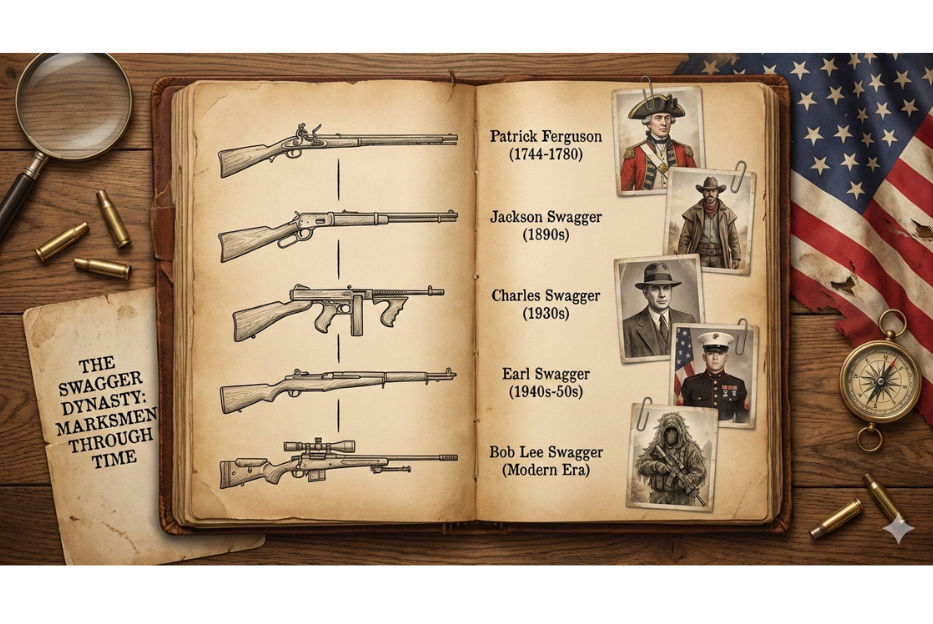
From the colonial battlefields where Ferguson wielded his revolutionary rifle, through Jackson’s Old West justice, Charles’s G-man exploits, Earl’s post-war policing, and Bob Lee’s modern-day battles, Stephen Hunter has meticulously crafted a compelling and consistent family history. The “Swagger gift” is not just a plot device; it’s a testament to the idea that skill, character, and a certain moral compass can be passed down through generations, shaping the destiny of a lineage.

As Hunter continues to explore new corners of American history through the eyes of his Swagger protagonists, the question remains: will we see the “lost generations” between Ferguson and Jackson brought to life? Will the modern-day adventures of Bob Lee’s son, Ray Cruz, continue the saga into the 21st century? 

Readers keep coming back to the Swaggerverse because it treats skill seriously, violence honestly, power skeptically, and time as irreversible – allowing a pulp premise to mature into something approaching modern American myth.

Stephen Hunter’s Swaggerverse endures because it operates simultaneously as technical mastery, moral inquiry, and generational saga – a rare combination that has aged with its readers rather than chasing trends. 

One thing is certain: the Swaggerverse, built on a foundation of meticulously researched history and explosive action, shows no signs of running out of ammunition. The legacy of the gun man continues, etched into the very fabric of American lore, one precise shot at a time.

image created by Gemini

Part of a regular series on 27gen, entitled Wednesday Weekly Reader.

During my elementary school years one of the things I looked forward to the most was the delivery of “My Weekly Reader,” a weekly educational magazine designed for children and containing news-based current events.

It became a regular part of my love for reading, and helped develop my curiosity about the world around us.

The Procrastinator’s Guide to Starting Fresh: A New Year Paradox

Welcome back to the Wednesday Weekly Reader, where I invite you to explore books on a myriad of topics – reading that will challenge how you think and live. 

This week, as we stand at the threshold of a new year filled with resolutions and fresh starts, I’m turning to two books that will make you reconsider everything you think you know about procrastination: John Perry’s The Art of Procrastination and Andrew Santella’s Soon: An Overdue History of Procrastination. Both authors argue, from different angles, that our cultural anxiety about delay might be misplaced. 

At this point I need to pause and give special thanks to my youngest son Aaron, who in his senior year in college pointed me to The Art of Procrastination. After he bought the book, read it, and wrote a paper on procrastination – all done the day it was due – he gave it to me to read.

Through it, I was introduced to the concept of horizontal organization. I enjoyed learning about, and practicing, Structured Procrastination, To-Do Lists, Procrastination as Perfectionism, and other strategies for the serial procrastinator.

Over the holidays, we were reminded of that apt demonstration of procrastination, and it inspired me to visit this timely topic.


It’s the first full week of January, that glorious window when the world feels scrubbed clean and anything seems possible. You’ve made your resolutions, bought the planner, downloaded the productivity app. This year will be different. This year, you won’t procrastinate.

But what if I told you that your procrastination isn’t the problem you think it is? What if the real issue isn’t that you delay, but that you’ve been thinking about delay all wrong?

The Paradox of the Productive Procrastinator

Stanford philosopher John Perry noticed something peculiar about himself: despite being a chronic procrastinator who avoided grading papers and other pressing tasks, he maintained a reputation as someone who got things done. This observation became the foundation for what he calls “structured procrastination” – the art of accomplishing tasks by avoiding other tasks.

The insight is both amusing and profound. Procrastinators aren’t lazy – they’re just doing the wrong things at the right time. Perry explains that procrastinators seldom do absolutely nothing; instead, they engage in marginally useful activities like organizing files or sharpening pencils, precisely because these tasks help them avoid something more important.

This month, before you beat yourself up for not immediately tackling that major project, consider this: you’re probably getting plenty done. Just not what you think you should be doing.

What History’s Greatest Delayers Teach Us

Andrew Santella’s exploration of procrastination reveals that many eminent historical figures produced great work while putting off tasks they were supposed to complete. Charles Darwin spent twenty years describing barnacles and writing about coral reefs before finally publishing his theory of natural selection. Leonardo da Vinci delayed completing commissioned paintings. These weren’t failures of character – they were human beings wrestling with complex motivations.

Santella suggests that the knottiness of human motivations means we all have lists of things we should do, yet we find reasons not to do them. This isn’t a bug in our psychology; it might be a feature. Sometimes delay allows ideas to percolate. Sometimes avoidance is our mind’s way of signaling that we need to reconsider our priorities.

Santella questions our devotion to what he calls “the cult of efficiency,” suggesting that paying attention to our procrastination means asking whether the things the world wants us to do are really worth doing.

That’s a radical thought for January, when we’re conditioned to optimize and maximize. But perhaps the most important question isn’t “How do I stop procrastinating?” but rather “What am I avoiding, and why?”

The Perfectionism Trap

Perry argues that many procrastinators are actually perfectionists – not because they do things perfectly, but because they fantasize about doing new tasks perfectly. You receive an assignment and immediately imagine producing something Hemingway could have written. You set the bar impossibly high, then look at it and think, “I’m not going to try to jump over that.”

Here’s the liberating truth: procrastination can give you permission to lower the bar. As the deadline approaches, you realize you won’t achieve perfection, so you sit down and produce something perfectly adequate instead. And here’s the secret—perfectly adequate usually does the job.

This new year, instead of vowing to do everything perfectly, try vowing to do things adequately. “Adequate” sounds uninspiring, but it’s the enemy of paralysis. An adequate workout is better than no workout. An adequate first draft is better than a blank page. An adequate conversation with a friend is better than avoiding them because you don’t have time for a “proper” visit.

Practical Strategies for Working With Your Nature

So how do we harness procrastination instead of fighting it? Here are approaches drawn from both Perry and Santella’s insights:

  • Embrace Structured Procrastination. Keep a list with seemingly important tasks at the top. You probably won’t do those tasks, but you’ll accomplish the items below them while avoiding the top priorities. The trick? Put things on your list that seem urgent but aren’t actually critical. Let yourself delay those while getting real work done.
  • Question the Cult of Efficiency. Not everything on your to-do list deserves to be done. Before you procrastinate, ask yourself: Is this task genuinely important, or is it something imposed by external expectations? Some procrastination is wisdom in disguise.
  • Lower Your Standards (Strategically). Perfectionism paralyzes. When you notice yourself avoiding a task, ask: “What would an imperfect but acceptable version of this look like?” Then aim for that. You can always improve it later.
  • Use Procrastination as Information. If you’re consistently avoiding something, investigate why. Are you scared? Uncertain? Is the task actually important to you, or are you doing it because you think you should? Your resistance might be telling you something valuable.
  • Maintain Multiple Projects. Procrastinators need options. When you have several meaningful projects active simultaneously, you can productively procrastinate on one by working on another. This is far better than having only one priority that you’ll avoid by doing nothing of consequence.
  • Accept Yourself. Perry’s colleague suggested that happy people often take an inventory of their flaws, adopt a code of values that treats these things as virtues, and admire themselves for living up to it. There’s wisdom in this tongue-in-cheek observation. Stop fighting your nature and start working with it.

A New Year Without Guilt

As you move through these early days of January, carrying your fresh resolutions and good intentions, I invite you to consider a different approach. Instead of declaring war on your procrastinating self, try understanding that self with compassion and curiosity.

You are not broken because you delay. You are human. And humans are complicated creatures with competing desires, protective instincts, and creative needs that don’t always align with productivity culture’s demands.

This year, when you find yourself cleaning out your inbox instead of writing that proposal, or researching new productivity systems instead of using the one you have, pause. Notice what you’re doing without judgment. Ask what you’re avoiding and why. Consider whether the thing you’re avoiding actually matters.

And then – here’s the truly revolutionary part – do something else from your list. Move. Create. Connect. Just don’t do nothing, and don’t waste your energy feeling guilty about not doing the “right” thing.

Because here’s what Perry and Santella both understood: procrastinators aren’t lazy people who need to be fixed. They’re active people who need to be understood. And sometimes the path forward isn’t through better discipline, but through better self-knowledge.

This January, instead of resolving to stop procrastinating, resolve to procrastinate with intention. Understand your delays. Use them. Learn from them. And give yourself permission to be imperfectly productive.

After all, you’ve probably been getting more done than you realize. You just need to give yourself credit for it.

Now, if you’ll excuse me, I should probably get to that other thing I’ve been putting off. Or maybe I’ll do something else first. And that’s perfectly fine.


Part of a regular series on 27gen, entitled Wednesday Weekly Reader.

During my elementary school years one of the things I looked forward to the most was the delivery of “My Weekly Reader,” a weekly educational magazine designed for children and containing news-based current events.

It became a regular part of my love for reading, and helped develop my curiosity about the world around us.

A Symphony of Magic: The Enduring Power of Fantasia and the Sorcerer’s Apprentice

There’s no better way to close out 2025 on Wednesday Weekly Reader than to take a look at the long awaited and recently released book Worlds to Conquer: The Art and Making of Walt Disney’s Fantasia by J.B. Kaufman.

Disney fandom – at least that segment fascinated by the backstories and development of Disney animated classics – eagerly awaited the book’s release as soon as it was announced.

The concept of Fantasia?: The world’s greatest music, presented according to the highest acoustic standard, and illustrated by the brilliance of the Disney studio at the height of its powers. The journey of how Fantasia came to be, beset with almost insurmountable challenges at the time, is one of the most breathtaking in movie history.


Worlds to Conquer: The Art and Making of Walt Disney’s Fantasia by esteemed film and Disney historian J.B. Kaufman is an exhaustively researched and lavishly illustrated deep dive into the creation of Walt Disney’s most ambitious and experimental animated feature, Fantasia (1940).

The book details the remarkable collaboration between Walt Disney and legendary conductor Leopold Stokowski, whose meeting led to the groundbreaking idea of illustrating the world’s greatest classical music with animation. Kaufman chronicles the entire history of the film, originally conceived as The Concert Feature, from its origins in the Sorcerer’s Apprentice short to its audacious, feature-length concept, which was intended to be continually revised and re-released with new segments.

Key elements of the book’s narrative include:

  • The Genesis of the Idea: Tracing the project from a simple short starring Mickey Mouse to its expansive vision as an animated concert film.
  • The Creative Process: Providing detailed, segment-by-segment breakdowns of the animation, art, and storytelling, utilizing rare archival materials, including sketches, concept art, and never-before-published production photos.
  • Technical Innovation: Explaining the development of Fantasound, the pioneering stereophonic sound system created specifically for the film’s roadshow release – a crucial, though financially prohibitive, element of Walt’s original vision.
  • The Aftermath: Documenting the film’s controversial initial reception, which ranged from high praise to intense criticism, its struggles at the box office due to the massive production and distribution costs (exacerbated by World War II), and its subsequent history of re-releases and edits over the decades.

A Definitive Scholarly Achievement

Kaufman, known for his meticulous research in books like The Fairest One of All (on Snow White) and Pinocchio: The Making of the Disney Epic, delivers what can easily be called the ultimate guide to Fantasia. The book is a treasure trove of historical insight, moving beyond standard production stories to offer a true scholarly examination of the film’s cultural and technical significance.

Key Strengths:

  • Archival Depth: The book’s most compelling feature is its wealth of primary source material. Kaufman’s access to the Disney archives allows him to present details – like animator Art Babbitt finding inspiration for the Nutcracker Suite mushroom in Curly Howard of The Three Stooges – that even dedicated Disney fans may not know.
  • Contextualization: The work excels at placing Fantasia within the context of both the Disney Studio’s golden age and the broader history of cinema and music. It highlights how the film was nothing less than a deliberate challenge to existing preconceptions of the arts.
  • Visual Splendor: As with Kaufman’s previous “Making Of” books, the volume is lavishly designed and filled with high-quality reproductions of rare artwork, making it a spectacular coffee-table book as well as an academic resource. The images add crucial instructive value to the technical explanations.

An article many times this length would not do justice to Worlds to Conquer. The individual segments of the film, its lengthy development and production, and the many elements left reluctantly on the cutting room floor speak to the complexity that Kaufman has brilliantly researched and written.

It is my hope that the words above will entice Disney fans to acquire the book, and enjoy the hours of reading it will give them.

That being said, I want to take a deeper dive into what I think is the most influential and long-lasting segment of Fantasia: the section based on the music The Sorcerer’s Apprentice.


The Magic that Built the Kingdom: Bridging 1940 to Today

In 1940, Walt Disney’s Fantasia was intended to be more than just a film; it was a sensory revolution that sought to elevate animation to the status of high art. At its heart was The Sorcerer’s Apprentice, a segment that didn’t just give Mickey Mouse a new pair of pupils and a more expressive form, but a new soul. This singular moment of cinematic sorcery provided the creative DNA for what would eventually influence the creation of Walt Disney Imagineering and the resulting “kingdoms” of theme parks all around the world.

The same “magic” Mickey wielded on the big screen – the audacious ability to turn a dream into a tangible, moving reality – became the philosophical foundation for building physical worlds. That blue, star-studded hat evolved from a simple movie prop into a badge of office for the artists and engineers who realized that “imagination” required “engineering” to truly come alive. Today, whether he is conducting the mist-screens of Fantasmic! or guiding us through the 4D chaos of Mickey’s PhilharMagic, Sorcerer Mickey remains the essential bridge between Walt’s earliest artistic ambitions and the immersive, high-tech wonders of the modern Disney Parks era.

Origins: The Sorcerer’s Apprentice (1940)

The character known as “Sorcerer Mickey” made his big-screen debut in 1940 as the protagonist of “The Sorcerer’s Apprentice” segment in the feature film Fantasia. Because this segment originally began in early 1938 before the concept of what came to be known as Fantasia was developed, the “new” Mickey Mouse was released in three shorts between 1938 and 1940.

  • The Problem: By the late 1930s, the classic “pie-eyed” Mickey Mouse, while beloved, was starting to be overshadowed in popularity by more boisterous and comedic characters like Donald Duck and Goofy. Walt Disney sought an ambitious project to bring Mickey back into the spotlight.
  • The Concept: The idea originated as an elaborate Silly Symphony short based on the 1897 symphonic poem by Paul Dukas, which was itself inspired by the 1797 poem “Der Zauberlehrling” by Johann Wolfgang von Goethe. The plot involves a young apprentice of the sorcerer Yen Sid (an anagram of “Disney”), who borrows his master’s magical hat to bring a broomstick to life to do his chore of filling a cistern.When the apprentice forgets the counter-spell, the magic spirals wildly out of control, leading to a near-disastrous flood.
  • The Expansion: The project grew in scope and budget, particularly after Walt Disney began collaborating with legendary conductor Leopold Stokowski. To justify the immense expense, the decision was made to expand the single short into a revolutionary, full-length animated feature film set to classical music – Fantasia.

Key Differences in the Character

“The Sorcerer’s Apprentice” was the catalyst for a significant redesign and shift in Mickey’s on-screen persona.

FeatureClassic Mickey (Pre-1940)Sorcerer Mickey (Fantasia) and After
Visual Design“Pie-eyes” (black ovals with no pupils) and a less-rounded body.First appearance with pupils for greater expression; rounder, more child-like features (redesigned by animator Fred Moore).
CostumeSignature red shorts, white gloves, and yellow shoes.Iconic blue wizard’s cap adorned with white stars and a crescent moon, a long red robe, and exaggerated brown shoes.
PersonalityOften a mischievous prankster, happy-go-lucky, or an everyman hero.Eager, ambitious, and slightly reckless, showcasing a powerful but uncontrolled desire for magic and grandeur. He is a character of pure awe and fantasy.

Significant Uses Since 1940

Sorcerer Mickey’s image has become one of the most powerful and recognizable symbols of the Walt Disney Company, frequently used to represent magic, creativity, and the entire Disney Parks experience.

  • 1950s – Present: Disney Parks Iconography: The costume quickly became a symbol of Disney magic. Sorcerer Mickey appears frequently in character meet-and-greets, merchandise, and as a mascot for major milestones.
  • 1989 – Present: Fantasmic!: Sorcerer Mickey is the central figure in the long-running nighttime spectacular Fantasmic! at both Disneyland Park and Disney’s Hollywood Studios at Walt Disney World. In this show, he uses his imagination and the Sorcerer’s Hat to battle villains and save the day, solidifying his role as a heroic wielder of magic.
  • 1990s – 2015: Disney’s Hollywood Studios Centerpiece: A massive, 122-foot-tall Sorcerer’s Hat stood for many years as the park’s primary icon, serving as a powerful visual tribute to Fantasia.
  • 2000: Fantasia 2000: The original “Sorcerer’s Apprentice” segment was remastered and included in the sequel film, Fantasia 2000, reaffirming its importance.
  • 2002 – Present: Kingdom Hearts Video Game Series: King Mickey often adopts his Sorcerer Mickey outfit and powers in the popular Kingdom Hearts video game franchise, further expanding his presence in contemporary media.

Why the Character is Beloved

Sorcerer Mickey is cherished by Disney fans for several profound reasons:

  1. Symbol of Ultimate Disney Magic: He is the visual embodiment of the magic inherent to the Disney brand. The starry hat and sweeping robe instantly conjure feelings of wonder, fantasy, and the limitless potential of imagination.
  2. The Human Element of Mickey: The “Apprentice” story is highly relatable. Mickey’s desire for an easy shortcut (letting the brooms do the work) and his subsequent panic when the situation spirals out of control showcase a vulnerability that fans connect with. He is a dreamer who makes mistakes, unlike the more perfect, ambassadorial Mickey of later years.
  3. Aesthetic Grandeur: The music of Paul Dukas and the magnificent, expressionistic animation of the sequence make it one of the most visually stunning pieces of Disney film history. The image of Mickey standing on the mountaintop, directing the cosmos, is a moment of pure, transcendent artistry.
  4. Legacy and Nostalgia: As the face of Fantasia – a film that, for many, represents Disney’s most audacious and artistic endeavor – Sorcerer Mickey is inextricably linked to a time of creative innovation and grandeur.

The Sorcerer Mickey character, therefore, is not just a costume change; it is the iconic representation of Mickey as the dreamer, the innovator, and the powerful, if sometimes clumsy, master of his own destiny.

Sorcerer Mickey and Walt Disney Imagineering (WDI)

The story of Sorcerer Mickey within the parks is inseparable from the history of Walt Disney Imagineering (WDI). WDI, the highly creative and secretive arm of The Walt Disney Company responsible for designing and building all Disney theme parks and attractions, has a history rooted in the creation of Disneyland.

  • 1952: WED Enterprises: Walt Disney founded the company on December 16, 1952, originally calling it Walt Disney, Inc., to handle the immense task of designing Disneyland. The name was quickly changed to WED Enterprises -standing for Walter Elias Disney – to keep it separate from the publicly traded film studio.
  • A Unique Blend: WED was a combination of artists, architects, engineers, writers, and technicians. The term “Imagineering” is a portmanteau combining Imagination and Engineering, perfectly defining the division’s mission: to dream up fantastic worlds and figure out the technology to make them real. Walt Disney himself later championed the term, and it officially became Walt Disney Imagineering (WDI) in 1986.

The Sorcerer as the Mascot

Sorcerer Mickey naturally became the unofficial, and often official, mascot and visual signature of Imagineering for decades.

ElementRationale
Magic and EngineeringThe character perfectly embodies the fusion of imagination and engineering. Sorcerer Mickey uses the magical hat to bring his designs (the brooms) to life, but his lack of control requires the Sorcerer/Yen Sid (the master Imagineer) to step in and restore order. It’s a parable for the creative process: inspiration (the magic) must be balanced with discipline and engineering (the counter-spell).
The WDI LogoFor many years, an image of Sorcerer Mickey, often standing with his arms raised, appeared on internal WDI merchandise, pins, and as a primary visual identifier for the division. Cast Members who worked for WDI received exclusive merchandise featuring the character, reinforcing the internal identity.
The Park IconIn the most explicit Imagineering use, a colossal, 122-foot-tall Sorcerer’s Hat was constructed at the end of Hollywood Boulevard in Disney’s Hollywood Studios (then Disney-MGM Studios) in 2001. Though sometimes controversial with guests who felt it blocked the view of the Chinese Theatre, its existence was a monumental testament to Imagineering’s ability to create a symbol of pure Disney magic on an epic, structural scale.

Moving Away in Recent Years

In the 21st century, the prominent use of Sorcerer Mickey as the singular emblem for Imagineering and the parks has gradually been phased out, driven by a desire for a more diverse and contemporary identity.

  • Removal of the Icon: The most symbolic change was the removal of the Sorcerer’s Hat at Disney’s Hollywood Studios in early 2015. This decision was part of a larger, long-term effort to transform the park from a generalized “studio” concept back to its original vision of celebrating the Golden Age of Hollywood and, more recently, to focus on immersive, specific IP-based lands (like Star Wars: Galaxy’s Edge). The removal restored the sight lines and eliminated a universal symbol of magic in favor of more specific narrative architecture.
  • The Rise of Specific IP: Modern Imagineering projects are increasingly focused on creating fully immersive environments based on powerful intellectual properties (IPs) – from Pandora – The World of Avatar to Toy Story Land. Using a character like Sorcerer Mickey as the universal symbol is less critical when the park’s primary icons are now the Millennium Falcon or the Tree of Life.
  • Shift in Internal Branding: While Sorcerer Mickey is still revered, WDI has moved toward using less character-specific or more abstract, modernized logos for official communication. This shift emphasizes innovation and the future of placemaking over a single, historical character portrayal.

Despite these changes, the spirit of Sorcerer Mickey – the ambitious blending of fantasy and feasibility – remains the core principle of Walt Disney Imagineering.

The Origins and Development of Fantasmic!

Fantasmic! is Disney’s premier nighttime spectacular, marrying fire, water, light, and fireworks into a grand, character-driven narrative. Its creation marked a significant moment in Disney Parks entertainment.

The Need for a New Spectacle

  • The Setting: The show premiered at Disneyland Park in Anaheim, California, on May 15, 1992.
  • The Motivation: By the early 1990s, Disneyland needed a new, spectacular nighttime offering, particularly for the Rivers of America area. While the area hosted the Main Street Electrical Parade and fireworks, Imagineering wanted a show that utilized the unique geography of Tom Sawyer Island (now Pirate’s Lair on Tom Sawyer Island) and the river itself.
  • A “Character-Driven” Show: Unlike traditional fireworks shows that focused on pyrotechnics and music, Fantasmic! was conceived as a story-first production. The core creative challenge was: How do you create a massive, exciting water and light show that focuses entirely on a beloved character? The answer was Sorcerer Mickey.

Imagineering’s Creative Breakthrough

The show’s concept originated with Show Director and Creative Vice President Barnette Ricci and her team at Walt Disney Imagineering. The goal was to place Sorcerer Mickey at the center of a dream-like, epic conflict.

  • The Premise: The show is presented as a journey inside Sorcerer Mickey’s imagination and dreams. It starts with him conducting the water and light (much like he conducts the cosmos in Fantasia), transitioning through nostalgic Disney moments, and culminating in a terrifying nightmare where the Disney villains try to turn his imagination against him.
  • Technological Innovation:Fantasmic! required the invention of new technology to achieve its scale and integration of elements:
    • Mist Screens: The show famously uses high-pressure water cannons to create immense, concave sheets of water vapor that serve as 30-foot tall projection screens. This was a breakthrough, allowing animated clips and effects to appear suspended over the water.
    • The Dragon: The original show’s centerpiece was the confrontation with a massive, animatronic Maleficent Dragon that breathes real fire. This was one of the largest and most complex animatronics created for an outdoor stage at the time. The dragon was destroyed in a fire in April 2023 and replaced with by an elevated Maleficent figure in her human form during the finale battle with Sorcerer Mickey Mouse.
    • The Island Stage: Tom Sawyer Island was completely refitted with hidden pyrotechnics, lighting trusses, and launch mechanisms to serve as the sprawling, multi-level stage for the live actors and boats.

Legacy and Expansion

Fantasmic! was an immediate and overwhelming success, driving attendance and solidifying its place as a cornerstone of the Disneyland experience.

Walt Disney World Version (1998): Due to its popularity, a second, redesigned version of the show opened at what is now Disney’s Hollywood Studios in Florida. This version is performed in a permanent, custom-built stadium called the Hollywood Hills Amphitheater, allowing for greater seating capacity and a much larger stage, featuring different characters and unique effects compared to the California version.

Fantasmic! – in both versions – cemented Sorcerer Mickey’s role not just as a symbol, but as an active, heroic protagonist who uses the power of his imagination – the very magic of Disney – to defeat evil and restore harmony.

No history of Sorcerer Mickey is complete without discussing his “appearance” in the 4D spectacular Mickey’s PhilharMagic. While Donald Duck is the true star of this show, the entire plot hinges on the magical power of the Sorcerer’s Hat.

Mickey’s PhilharMagic: A 4D Sym-Funny

Opened in 2003 at Magic Kingdom (and later at Disney parks worldwide), Mickey’s PhilharMagic is a 12-minute 4D experience that serves as a modern love letter to Disney’s musical legacy.

The Sorcerer’s Connection

The story begins with Mickey Mouse preparing to conduct the PhilharMagic Orchestra. Before he takes the stage, he leaves his famous Sorcerer’s Hat on the podium, strictly warning his stagehand, Donald Duck, not to touch it.

Naturally, Donald cannot resist. Upon donning the hat, the magical instruments rebel, and Donald is sucked into a whirlwind journey through the greatest hits of the Disney Renaissance. The hat serves as the “portal” that allows Donald (and the audience) to travel between musical worlds.

Groundbreaking Technology

Imagineering pushed the limits of sensory storytelling with this attraction:

  • The World’s Largest Screen: The show features a 150-foot-wide seamless wraparound screen, the largest of its kind ever built. At the climax, the proscenium disappears, and the image expands to fill the guest’s entire field of vision.
  • First-Ever 3D Models: This was the first time classic characters like Ariel, Lumière, and Simba were modeled and animated entirely in 3D CGI. Imagineering even brought back original animators (like Glen Keane for Ariel) to ensure the 3D versions remained true to their hand-drawn roots.
  • Sensory “4D” Effects: To deepen the immersion, the theater is equipped with:
    • Scents: The smell of fresh apple pie during Be Our Guest.
    • Water: Light mists during the Sorcerer’s Apprentice broom segment.
    • Wind: A cool breeze while flying over London and Agrabah.

Significant Scenes & Updates

The show features iconic sequences including Part of Your World, I Just Can’t Wait to Be King, and A Whole New World. In 2021, a new segment based on Pixar’s Coco was added, featuring the song “Un Poco Loco,” marking the first time a Pixar property was integrated into the show.

The attraction ends with a classic “slapstick” Disney moment: Mickey returns to reclaim his hat and restore order, while a defeated Donald is launched out of a tuba and – through the use of a physical animatronic – ends up stuck in the back wall of the theater.

The story of Sorcerer Mickey is one of resilience, proving that a character born from a “great experiment” in 1940 could become the very soul of a global entertainment empire. As we look toward the future, his role continues to evolve from a mere mascot into a profound symbol of the creative process itself.

The Future: A Return to the Magic

While the mid-2010s saw a temporary “de-Mickeyfying” of some park aesthetics (most notably the removal of the giant Sorcerer’s Hat from Disney’s Hollywood Studios in 2015), the late 2020s are ushering in a “Great Re-Integration.”

  • The Return of the Hat (2026): In a move that delighted long-time fans, Disney recently announced that the Sorcerer’s Hat will return to Disney’s Hollywood Studios in 2026. Rather than a standalone icon, it will top the newly reimagined “Magic of Disney Animation” attraction – a replica of the iconic building at the Walt Disney Studios in Burbank. This placement signals a shift: Sorcerer Mickey is no longer just a “signpost,” but a guide to the actual artistry of animation.
  • The Hero of the High Seas: On the newest fleet of ships, such as the Disney Destiny (launched in November 2025), Sorcerer Mickey has been elevated to a “Hero” archetype. He serves as the thematic anchor for high-end concierge spaces and elevator banks, positioned as the heroic counterpart to villains like Maleficent.
  • A Symbol for the Next Generation: Beyond physical statues, the “Apprentice” persona has become a metaphor for Innovation and AI. As Disney explores new technologies like augmented reality and smart-animatronics, the Sorcerer’s Apprentice remains the perfect avatar for the Imagineer: someone who uses powerful tools to create wonder, while always respecting the “magic” (and the responsibility) behind the craft.

The Eternal Apprentice

Ultimately, Sorcerer Mickey’s impact lies in his relatability. He isn’t a master who knows everything; he is the eternal student. By keeping this version of Mickey at the forefront of the parks, Disney reminds every guest that they, too, possess a “magic hat” – their own imagination – and that with a little courage (and perhaps a bit of pixie dust), they can conduct their own destiny.


Today “Fantasia” and its imagery retain their favored status in American culture. The vision of Mickey, the eternally youthful optimist, atop the promontory – not only reaching for the stars but directing them in their courses – remains one of his most beloved images. (J.B. Kaufman)

Worlds to Conquer is essential reading for any serious Disney enthusiast, animation historian, or art lover. It doesn’t just chronicle the making of the movie; it argues for Fantasia’s enduring place as one of the great cinematic masterpieces of the twentieth century, providing an unparalleled appreciation for the audacity and genius of Walt Disney and his team.

J.B. Kaufman continues his tremendous depth and breadth of Disney animation knowledge with meticulous research, transforming it into a wonderful read and must-have gift for the Disney enthusiast or film historian.


Part of a regular series on 27gen, entitled Wednesday Weekly Reader.

During my elementary school years one of the things I looked forward to the most was the delivery of “My Weekly Reader,” a weekly educational magazine designed for children and containing news-based current events.

It became a regular part of my love for reading, and helped develop my curiosity about the world around us.
The Voice of the Voyage: How X Atencio Defined Disney’s Greatest Dark Rides

Regular readers know of my fondness – no, fanaticism for Walt Disney and the “kingdoms” he created. Having been enamored of Walt Disney since the early 1960s, and expanding the childhood attraction of films and television to visiting parks as a teenager and then as an adult, in all aspects of Disney history, I am truly a Disney nerd.

With that being said, there are two very special attractions found in the U.S. Disney parks that have totally captivated me since my first visit to Walt Disney World in 1975. That captivation means that when I go to the parks, these two attractions are always at the top of my list, and will be ridden many times. (That can be a lot of repeat rides – in one recent year, I was on Disney properties 31 days – more than some seasonal cast members).

You know what I’m talking about, don’t you?

The Pirates of the Caribbean.

The Haunted Mansion.

My attraction to these two attractions may have shown up in various ways…


The Enduring Legacy of Immersion

The Pirates of the Caribbean (1967) and The Haunted Mansion (1969) are not merely rides; they are masterpieces of kinetic storytelling that fundamentally redefined what an immersive theme park experience could be. By blending innovative Audio-Animatronics® technology with sophisticated theatrical techniques – including compelling scripts, iconic theme music, and seamless transitions between scenes – these attractions broke the mold of simple amusement park transportation. 

They set the gold standard by creating completely enveloping, richly detailed worlds that expertly manipulate light, sound, and atmosphere to transport millions of guests from a queue line into a fully realized, three-dimensional narrative. This blend of technical wizardry and timeless, engaging storytelling ensures that their spooky and swashbuckling adventures remain as captivating and popular today as they were over half a century ago.

As I moved from enjoying the attractions to learning all about them, I soon discovered that a single man had a tremendous impact on each. Over the years, as my Disney book collection grew, the name “Xavier “X” Atencio” was mentioned time and again in all phases of their development.

While these references were good, I wanted to know more. X Atencio’s work was a masterclass in immersive attraction design, and I knew there was more to his story.

Finally, his life story is available in a newly released book!


This book, Xavier ‘X’ Atencio: the Legacy of an Artist, Imagineer, and Disney Legend by Tori Atencio McCullough, Kelsey McCullough, and Bobbie Lucas, is a deeply personal and comprehensive celebration of one of the Walt Disney Company’s most versatile and beloved creative minds.

The book provides the most complete look to date at the life and career of Francis Xavier “X” Atencio (1919-2017), an original Disney Imagineer who was honored as a Disney Legend in 1996. The narrative traces X’s journey from his early life to his retirement, set against the backdrop of the historic and creative evolution of The Walt Disney Company.

  • Early Career & Animator: X began his career at Disney at the age of 18 in 1938 as an apprentice animator, contributing to classics like Pinocchio. His work was interrupted by service in the U.S. Army during World War II. Upon his return, he continued to work on animated shorts, including becoming an expert on Goofy, and worked on special projects, including stop-motion for films like Mary Poppins.
  • Transition to Imagineering: In 1965, at Walt Disney’s personal invitation, X officially transferred to WED Enterprises (now Walt Disney Imagineering). Despite initial uncertainty about his new role, he became a pivotal figure in theme park storytelling.
  • Defining Legacy: His most famous and enduring contributions are the attractions for which he wrote the scripts and, crucially, the immortal lyrics for their theme songs:
    • “Yo Ho (A Pirate’s Life for Me)” for Pirates of the Caribbean.
    • “Grim Grinning Ghosts” for The Haunted Mansion.
    • His talents extended to writing scripts and dialogue for attractions like Adventure Thru Inner Space and the Country Bear Jamboree.
  • Later Career & Retirement: X played a key role in the development of EPCOT attractions, including Spaceship Earth and El Rio del Tiempo, and contributed to the opening of Tokyo Disneyland before his retirement in 1984.

The book is uniquely personal, written by his eldest daughter, Tori Atencio McCullough (a former Imagineer herself), his eldest granddaughter, Kelsey McCullough, and a close family friend, Bobbie Lucas. It features a wealth of previously unpublished artwork and photographs from X’s personal collection.


In the annals of Walt Disney Imagineering, few figures possess the quiet, multidisciplinary significance of Francis Xavier Atencio – known to generations of colleagues and fans simply as “X.” Spanning a remarkable 46-year career with The Walt Disney Company, Atencio began as an animator on classic animated films before being personally requested by Walt Disney in 1965 to join the burgeoning creative division known as WED Enterprises (now Imagineering).

This late-career pivot, which saw the animator transform into a narrative architect, was key to shaping the thematic landscape of the Disney Parks. Atencio was initially unsure of the move, recalling, “I went over there reluctantly because I didn’t know what I was getting into”. Yet, Walt believed in his untapped potential, asking Atencio to “stretch his talents” into storytelling. After a brief tenure on small projects , Atencio received the definitive assignment from Walt that would cement his legacy: “I want you to do the script for the Pirates of the Caribbean”.

Atencio’s genius lay in his ability to synchronize script, visual gags, and – most importantly – music, creating attractions that were profoundly immersive and tonally coherent. His dual mastery as both artist and writer positioned him as arguably the first Imagineer to successfully integrate these roles, ensuring the writer’s vision flowed directly into the ride’s auditory and emotional execution. This skill defined the tone of Disneyland’s two foundational dark rides: Pirates of the Caribbean and The Haunted Mansion.

Yo Ho: The Pirate Problem Solver

When Atencio was tasked with scripting Pirates of the Caribbean, Imagineers like Marc Davis had already conceptualized many elaborate, comedic scenes featuring Audio-Animatronics figures. The major internal challenge was figuring out how to thread these vignettes into a single, cohesive narrative and, critically, how to handle the pirates’ morally dubious, often “lecherous behavior” in a family park. Walt Disney was reportedly concerned about the guests’ reaction to the general criminality of the characters.

Atencio provided the definitive solution: a song. He convinced Walt that a rousing sea shanty could “soften up these hardened criminals” and provide a strong sense of continuity that tied the dozens of scenes together. He immediately developed the central concept, drawing inspiration from the classic nautical phrase “Yo-ho-ho and a bottle of rum”. He delivered the melody and the core refrain – “Yo ho, yo ho, a pirate’s life for me” – directly to Walt, who instantly approved. Atencio served as the lyricist, crafting the lyrics that cheerfully recount theft and plunder, and was paired with composer George Bruns to score the music. The resulting song, “Yo Ho (A Pirate’s Life for Me),” became an anthem, reframing scenes of looting and villainy as boisterous, theatrical fun.

Atencio’s connection to the ride went beyond the lyrical. He also provided several vocal performances for the attraction. He voiced the recognizable Talking Skull situated just before the drop into the main ride area, and the drunken pirate who heckles the auctioneer. Furthermore, due to time constraints and the cost of recalling professional voice actors late in development, Atencio’s voice was used for the functional safety spiel in the Disneyland version, ensuring the ride’s audio integrity was maintained under pressure.

Grim Grinning Ghosts: The Playful Macabre

Following the swashbuckling success of Pirates of the Caribbean, Atencio was given the complex task of writing the script and lyrics for The Haunted Mansion. This project was complicated by a deep creative rift among Imagineers: some favored a genuinely terrifying house of horrors, while others advocated for a purely humorous experience.

Atencio mediated this tension by defining a tone of “Playful Macabre.” His central narrative concept was that the mansion’s 999 “happy haunts” weren’t necessarily focused on frightening guests, but primarily wanted to “socialize” with them. Walt Disney approved of this defining concept, recognizing that “Socialize” was the key word that balanced the dread with Disney’s family-friendly ethos.

Atencio’s dialogue set the stage for the attraction’s macabre humor, beginning with the iconic, chilling greeting from the Ghost Host: “Welcome, foolish mortals, to the Haunted Mansion”. He established the central, repeating premise that the ghosts were actively looking for a 1,000th member to join their party, providing a comfortable, repeatable framework for the eerie tour: “Actually, we have 999 happy haunts here — but there’s room for 1,000. Any volunteers?”.

For the attraction’s theme song, Atencio collaborated with composer Buddy Baker to create “Grim Grinning Ghosts (The Screaming Song)”. The title itself was an intentional nod to Shakespeare’s poem Venus and Adonis, setting a tone that deliberately juxtaposed the eerie with the humorous. Like “Yo Ho,” the song acted as a thematic glue, its melody adapted for organs, choirs, and full ensembles to underscore every scene, from the somber opening to the lively graveyard party.

And, as he did with the pirates, Atencio lent his voice to the mansion, providing the vocals for the Coffin Ghost located in the Conservatory scene. Furthermore, his authoritative yet calming voice is still heard in the Disneyland attraction, delivering the emergency spiel with the now-famous phraseology: “Playful spooks have interrupted our tour. Please remain seated in your… Doom Buggy”.

Atencio retired from the Company in 1984, but his legacy remains unsurpassed. As the scriptwriter and lyricist for Pirates of the Caribbean and The Haunted Mansion, he provided the distinct narrative voice and enduring musical themes that continue to captivate guests today. His work established the creative standards for immersive, Audio-Animatronics-based storytelling, earning him the prestigious title of Disney Legend in 1996.


As an amateur Disney historian, I view Xavier “X” Atencio: The Legacy of an Artist, Imagineer, and Disney Legend as an essential and exceptionally satisfying addition to my 500+ volume Disney library, offering an intimate perspective that is often missing from typical corporate biographies.

  • Intimate and Personal Tone: Because the book is written by his family, it offers a beautifully nuanced and warm portrait of the man behind the magic. Readers learn about X’s humility, humor, continuous curiosity, and his devotion to his family, providing a richer understanding of his character alongside his achievements.
  • Inspirational Creative Process: The text does a masterful job of illustrating X’s storytelling philosophy – that Disney stories should be layered, alive, and endlessly rewarding. Reading about his ability to transition seamlessly from animation to theme park lyricist and scriptwriter offers a valuable look at the creative DNA of Disneyland’s most classic attractions.
  • Rich Visual Content: The large-format hardcover is visually gorgeous, featuring rare photos from the Disney archives alongside candid family snapshots. The inclusion of his personal artwork and photos grants a unique look into his private life and professional process.
  • A Well-Deserved Tribute: The book thoroughly documents X’s diversified resume – a man who worked across decades of Disney’s evolution – from animator to one of Walt’s most trusted and versatile Imagineers. His life serves as a lesson in achieving an enormous creative mark through imagination and generosity.

The authors successfully capture the spirit of X Atencio – a Disney fan who greatly admired Walt, but never aspired to be Walt, instead finding and cultivating his own unique genius. For anyone who has ever hummed the tunes of a pirate or a hitchhiking ghost, this book is not just a biography, but a heartfelt thank you to a true Disney Legend whose imagination made the parks sing.


Part of a regular series on 27gen, entitled Wednesday Weekly Reader.

During my elementary school years one of the things I looked forward to the most was the delivery of “My Weekly Reader,” a weekly educational magazine designed for children and containing news-based current events.

It became a regular part of my love for reading, and helped develop my curiosity about the world around us.

The Christmas Boots That Changed Walt Disney’s Life

Long before Mickey Mouse and Disneyland, a thirteen-year-old Walt Disney had simpler dreams: a fashionable pair of high leather boots with metal toes and decorative strips over the laces. It was 1914, and every kid at school seemed to own a pair. 

What Walt couldn’t have known was that this Christmas gift would become a turning point that would shape his entire future – though not in the way anyone expected.


In the Vault of Walt Christmas Edition, author Jim Korkis – one of the most respected chroniclers of Disney history – curates a festive collection of essays exploring how Christmas traditions have woven themselves into the fabric of Disney storytelling, parks, films, and corporate legacy.

The book is structured as a series of standalone chapters, each spotlighting a specific piece of Disney Christmas lore. Topics include:

  • Walt Disney’s personal Christmas traditions, including anecdotes about the Disney family’s holiday rituals at home and in the studio.
  • Behind-the-scenes stories of classic Disney Christmas productions, such as Mickey’s Christmas Carol, Babes in Toyland, and various holiday television specials.
  • The evolution of Disneyland and Walt Disney World holiday celebrations, from early parades and decor to today’s highly orchestrated seasonal events.
  • Obscure and rarely told stories, such as abandoned concepts for Christmas attractions, little-known character appearances, and holiday tie-ins with Disney marketing and merchandising.

True to the Vault of Walt series, the book presents a mixture of deep archival digging, oral histories, and Korkis’s signature informal, conversational storytelling.

As an example, here’s a little-known story from Walt’s childhood that literally changed his destiny…

A Newsboy’s Hard Life

Young Walt’s childhood in Kansas City was far from magical. Working as a newsboy on a route owned by his father Elias, Walt experienced hardships that would stay with him forever. His days began at 3:00 in the morning, when most children were still sleeping soundly. By 3:30 a.m., he’d already be out in the brutal Kansas City winters, trudging through snow and slush to deliver newspapers. He’d barely make it back in time for school, exhausted before his day had truly begun.

When Walt spotted those stylish boots, he saw more than just a fashion statement. He tried to convince his father they were practical – they’d give him better traction in the slush and rain, helping him deliver papers more quickly. But Elias Disney wasn’t buying the argument. Money was desperately tight, and such extravagances were out of the question.

Walt persisted, hoping the boots might appear for his birthday on December 5th. Instead, he received something practical and forgettable. With his birthday falling so close to Christmas, Walt often had to settle for one gift to cover both occasions.

A Mother’s Secret Sacrifice

What Walt didn’t know was that his mother Flora had been quietly setting aside pennies from the housekeeping budget, hiding her savings from her husband. Walt’s older brother Roy had found extra work and contributed his earnings to the cause. Together, they made the impossible possible.

On Christmas morning, there beneath the tree sat a wrapped package. When Walt tore it open, his face lit up with pure joy. The boots were finally his.

Pride Before the Fall

Unable to contain his excitement, Walt immediately put on his prized boots and ran downtown. He positioned himself against a drugstore at the intersection of Thirty-First and Indiana, hoping his school friends might pass by and see his new footwear. It was an unusually warm winter, and the ice had begun to melt.

As darkness fell around six o’clock, Walt started walking home. The streets were filled with chunks of ice – remnants of winter that melted first on the roadway. With his new boots, Walt invented a game to pass the time: kicking the hunks of ice across the street, experimenting with different angles and force.

Then came the kick that changed everything.

Trapped in the Twilight

Walt approached what seemed like just another chunk of ice. But when his boot made contact, he couldn’t pull his foot back. Panic set in as he realized the horrible truth: a large horseshoe nail frozen in that block of ice had pierced straight through his new boot and into his foot. He was stuck to the ice, unable to move.

The street was empty. Everyone was home celebrating with family. Walt yanked and pulled, but without leverage, escape was impossible. He began shouting for help, frantically waving at passing streetcars. People looked at him and continued on their way, assuming he was just a kid playing around.

For more than twenty minutes, Walt remained trapped on that darkening street, fear mounting with each passing moment. Finally, a horse-drawn delivery wagon approached. The driver initially didn’t believe the boy’s cries for help and started to move on – until Walt broke into tears.

The driver got down and assessed the situation. He had to fetch a tool to chop the ice loose, then carried the small, frail boy to a nearby doctor’s office. Without any anesthetic to ease the pain, Walt had to endure the doctor cutting off his boot and using metal pliers to dig out the nail while two men held him down. After cleaning the wound came the dreaded tetanus shot.

Adding insult to injury, Walt’s father had to be called to pick him up and pay the medical bill.

Two Weeks That Shaped a Legacy

Walt spent two weeks laid up on the living room couch with his foot elevated, consumed by guilt and shame. The boots his mother and brother had sacrificed for were destroyed. The family could never afford another pair. Nightmares of being trapped alone on that cold, darkening street haunted his sleep.

With no school, radio, or other entertainment, Walt had only books and a sketch pad given by his aunt. He had once considered becoming a doctor or lawyer, but his exhausting work schedule left him catching catnaps in class and missing important lessons. He lacked the grades for a good college, and his family couldn’t afford tuition anyway.

During those two weeks of convalescence, something crystallized in Walt’s mind. He realized he loved cartooning. His drawings earned chuckles at the local barbershop, where the barber would accept cartoons as payment and display them in the window. His classmates loved his work. Each day, when his mother delivered his homework assignments, she’d drop off his cartoons and return with reports of enthusiastic reactions.

By the time his foot healed, Walt Disney had made a firm decision: he would become a professional cartoonist.

The Gift That Kept Giving

Reluctantly, Elias allowed Walt to take Saturday morning art lessons at the Kansas City Art Institute. When the family moved to Chicago, Walt pursued classes at the Chicago Academy of Fine Arts, studying three nights a week after school. As his daughter Diane later recalled, Walt loved being at a drawing board so much that he’d hold off going to the bathroom until class ended.

Almost three years after that fateful Christmas, Walt returned from serving with the Red Cross Ambulance Corps in France, ready to pursue his cartooning dreams.

Those Christmas boots – longed for, briefly cherished, and tragically destroyed – became the unexpected gift that gave the world Walt Disney. Sometimes the most transformative presents aren’t the ones we keep, but the ones that force us to discover who we’re truly meant to become.


A Gift for Fans of Disney Lore

The Vault of Walt Christmas Edition stands out as one of the more personal and intimate volumes in Korkis’s long-running series. Christmas already carries emotional weight for many readers, and Korkis skillfully blends that sentimentality with his extraordinary knowledge of Disney history.

  • Rich, Primary-Source Material: Korkis’s strength has always been his access – to artists, Imagineers, animators, and studio staff – and he uses it here to paint a vivid picture of how Walt Disney approached the holidays both personally and professionally. Chapters about Walt’s own family are particularly compelling and help humanize a figure many only know in mythic form.
  • Deep Cuts for Enthusiasts: Hard-to-find stories are where this book shines. Fans who think they “know everything” about Disney Christmas will discover, including: abandoned scripts, forgotten televised specials, rare park entertainment initiatives, and internal studio celebrations from the 1940s–1960s. These chapters reflect the best of Disney historiography: carefully researched, yet told with warmth.
  • Accessible for Casual Readers: While Disney historians will appreciate the depth, the writing style makes the book approachable for anyone. The standalone essay format means readers can dip in and out like opening doors on an Advent calendar – each chapter its own small surprise.
  • Tone and Style: Korkis’s voice is friendly, nostalgic, and occasionally humorous. He avoids academic dryness without sacrificing accuracy – a tricky balance he manages well.

As with all Vault of Walt books, the essay structure can feel slightly episodic; readers looking for a single cohesive narrative may prefer other histories. But this format is also part of the series’ charm.

A warm, meticulously researched, and heartfelt exploration of Disney’s holiday heritage.
For anyone fascinated by Disney parks, animation history, or Walt Disney himself, The Vault of Walt Christmas Edition is a delightful seasonal read packed with stories that rarely appear in official company publications. It captures the magic of both Christmas and Disney in equal measure – an ideal addition to any Disney historian’s bookshelf.


Part of a regular series on 27gen, entitled Wednesday Weekly Reader.

During my elementary school years one of the things I looked forward to the most was the delivery of “My Weekly Reader,” a weekly educational magazine designed for children and containing news-based current events.

It became a regular part of my love for reading, and helped develop my curiosity about the world around us.
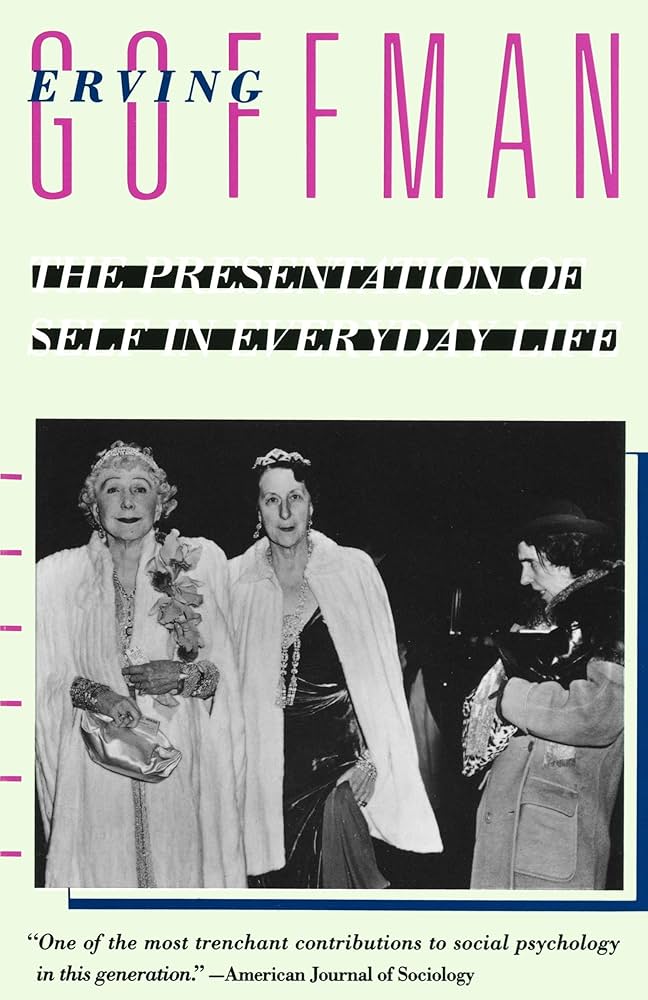
A Spoonful of Conflict: The Real Story of Walt Disney, P.L. Travers, and the Sherman Brothers from the “Making of Mary Poppins”

Todd James Pierce’s new book Making Mary Poppins is an essential read for anyone interested in the making of the 1964 classic Mary Poppins or the complex dynamics of creative adaptation. It excels by moving beyond the warm, “feel good” mythologies presented in the film Saving Mr. Banks to deliver a detailed, academic, yet highly engaging account.

The central thesis isn’t the magic of Disney, but the three-way dynamic interplay between Walt Disney’s vision for family entertainment, P.L. Travers’ fiercely protective, esoteric, and ultimately more somber literary vision, and an unlikely pair of brothers who delivered musical magic.


When we watch “Mary Poppins” today, we see seamless magic – Julie Andrews descending from the clouds, Dick Van Dyke dancing across rooftops, and a spoonful of sugar making everything delightful. What we don’t see is the extraordinary twenty-year war of wills that made this masterpiece possible, a conflict between two creative, stubborn individuals with fundamentally opposing visions of what children’s entertainment should be paired with an unlikely duo of musical brothers.

Beyond the Fairy Tale

If you’ve seen Saving Mr. Banks, you know the Hollywood version of this story – a heartwarming tale of Walt Disney melting the icy heart of difficult author P.L. Travers. The reality, as revealed in Pierce’s exhaustive research, is far more complex, fascinating, and revealing about the nature of creative adaptation. This wasn’t a story of one person being right and another being wrong. It was a collision between two legitimate but incompatible artistic philosophies, each championed by a brilliant, stubborn creator who refused to compromise their core values.

The Woman Who Wouldn’t Be Charmed

P.L. Travers was not simply obstinate, as she’s often portrayed. She was a deeply private literary artist who viewed Mary Poppins as something almost sacred – a mystical figure drawn from esoteric traditions, mythology, and her own complex inner world. To Travers, Mary Poppins wasn’t meant to be likable or warm. She was meant to be transformative, enigmatic, and even frightening at times.

For two decades, Walt Disney pursued her, not with simple charm but with persistent negotiations, contract loopholes, and the considerable financial leverage of his studio. Travers resisted because she understood something fundamental: Disney didn’t just want to adapt her books. He wanted to translate them into an entirely different language – the language of American family entertainment, with its emphasis on optimism, sentiment, and emotional transparency.

Her concerns were genuine and literary. She worried that additions like the animated penguin sequence or the nonsense word “Supercalifragilisticexpialidocious” would strip away the story’s emotional and mystical core, replacing depth with spectacle. She feared her complex character would be flattened into mere cheerfulness. And in many ways, she was right to worry – Disney absolutely intended to transform her creation. The miracle is that the final film somehow honored both visions.

Walt’s Last Great Crusade

For Walt Disney in the early 1960s, Mary Poppins represented something personal and urgent. This was his last major attempt to personally champion a new type of feature film, one that could blend live-action sophistication with the enchantment that had made his animated features legendary. He was deeply involved in every aspect, viewing the project through his famous three-part creative lens: as dreamer, as realist, and as critic.

Disney’s genius manifested in unexpected ways on set. He possessed an unusual ability to tour a finished set, examine the physical props and environments, and spontaneously generate comedic moments and bits of character business. Associates described watching him immerse himself in a scene, feeling every expression and reaction, discovering spontaneous ways the characters might interact with their world. The famous color-changing medicine trick – a multi-chambered prop bottle that elicited genuine surprise from the child actors – exemplified this approach. Disney understood that magic needed to feel immediate and real, not just technically proficient.

His team had to navigate Travers’ constantly shifting demands, often placating her while simultaneously moving the production forward. It was a delicate dance, requiring both respect for her concerns and commitment to Disney’s own vision of what the film needed to be.

The Unsung Heroes: Robert and Richard Sherman

Between these two powerful personalities stood Robert and Richard Sherman, the musical brothers who became the creative buffers this impossible project required. Their background made them uniquely qualified for this nearly impossible task.

As sons of Tin Pan Alley songwriter Al Sherman, they’d grown up immersed in American popular song, learning to write music that was accessible, catchy, and told complete stories in three minutes. Their early success with pop hits like “Tall Paul” gave them an ear for contemporary arrangements that would keep the songs from sounding dated. When Walt hired them in 1960, they became his in-house composers, creating music for theme park attractions and films, absorbing the Disney philosophy of balancing fantasy, family appeal, and narrative clarity.

Mary Poppins demanded unprecedented range from them. They had to satisfy Walt’s desire for spectacle while accommodating Travers’ demand for psychological complexity – and somehow make these opposing requirements work together.

Their musical discipline allowed them to write songs that spoke directly to characters’ inner lives. “The Life I Lead” and “A Man Has Dreams” are almost operatic in their dramatic focus on Mr. Banks’ misery and eventual epiphany – far more complex than typical Disney fare. “Feed the Birds,” Walt’s personal favorite, embodied the gentle yet profound message of charity and neglected beauty that resonated with Travers’ deeper themes.

Simultaneously, their Disney experience enabled them to create grand spectacle numbers like “Jolly Holiday” and “Step in Time,” with complex rhythmic structures and vivid imagery perfectly tailored for animation and cinematic choreography.

Their masterwork of balance might be “Supercalifragilisticexpialidocious” – pure Disney showmanship and fun, yet cleverly framed by Bert as something to say when you haven’t anything to say, subtly aligning with Travers’ theme of language’s limitations. The Sherman Brothers were equipped with the technical skill of pop writers and the thematic understanding of Disney collaborators, enabling them to create a score that was simultaneously a commercial smash and a deeply textured, narrative-driven masterpiece.

The Transformation of Bert

One of the most significant creative departures from Travers’ original books was the character of Bert. In the novel, he’s a minor figure – a “Match Man” who briefly appears as a chalk artist and has tea with Mary Poppins in one of his drawings before largely disappearing from the narrative.

Disney and the Sherman Brothers recognized that the film’s episodic structure needed a friendly, recurring presence to hold it together. They expanded Bert into a jack-of-all-trades figure, positioning him as Mary Poppins’ confidant and an unofficial narrator guiding the audience and the Banks children through the magic.

Bert cycles through several distinct jobs throughout the film: one-man band and pavement artist (leading to the animated “Jolly Holiday” sequence), chimney sweep (leading to “Step in Time”), and kite seller (providing the means for Mr. Banks’ ultimate redemption). This continuous presence allowed Bert to act as a foil to Mr. Banks – a poor, happy grown-up versus a wealthy, miserable one – providing the structural glue that held the musical’s fantastical segments together.

Dick Van Dyke’s warm, accessible performance made Bert the audience’s entry point into Mary Poppins’ world, a creative decision that Travers initially resisted but which proved essential to the film’s success.

The Messy Reality of Creative Genius

What emerges from Pierce’s detailed historical account is a truth that Hollywood prefers to gloss over: great art often comes from friction, not harmony. The enduring magic of Mary Poppins lies not just in its performances or technical effects, but in the volatile yet ultimately productive tension between opposing creative visions.

Travers never fully made peace with the adaptation. Disney never fully understood why she couldn’t see the magic he was creating. The Sherman Brothers spent years caught between them, somehow finding ways to honor both perspectives. And from this uncomfortable, frustrating, brilliant process came a film that has enchanted audiences for six decades.

The real story behind “Mary Poppins” isn’t about one genius bending another to their will. It’s about the messy, human reality of creative compromise – about what happens when talented, passionate people with fundamentally different values are forced to work together. Sometimes, just sometimes, the result transcends what any single vision could have achieved alone.

That’s the real magic worth remembering.

Making Mary Poppins is a must-have for any serious Disney library. While I have long been fascinated with the original movie, and have multiple books on both P.L. Travers and the Disney movies and stage productions, this book delivers extraordinary behind the scene stories from the key players who made the magic.


This article is the first of four planned for December, three highlighting brand new Disney books just released and one classic about Christmas and Disney:


Part of a regular series on 27gen, entitled Wednesday Weekly Reader.

During my elementary school years one of the things I looked forward to the most was the delivery of “My Weekly Reader,” a weekly educational magazine designed for children and containing news-based current events.

It became a regular part of my love for reading, and helped develop my curiosity about the world around us.