
In the digital age where everything from breakfast to sunsets demands photographic documentation, there exists one social media trend that book lovers have embraced with particular enthusiasm: the shelfie. This portmanteau of “shelf” and “selfie” has spawned its own unofficial holiday, #LibraryShelfieDay, celebrated each year as readers worldwide turn their cameras toward their bookshelves to share their literary landscapes with fellow bibliophiles.
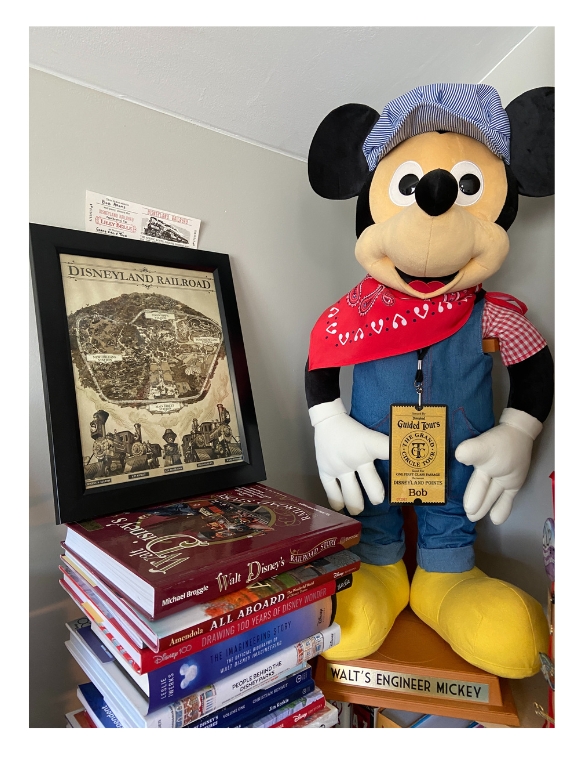
Yet among the carefully curated collections and color-coordinated spines, one element appears in nearly every true reader’s shelfie with endearing inevitability: the TBR pile. For normal readers, TBR stands for To Be Read. However, when it comes to books, I am anything but normal! Books don’t come into my house unless they will be read – consequently, TBR means To Be Read and Re-Read for me!
Those precarious towers of books, stacked horizontally atop neatly shelved volumes or claiming entire sections of furniture, tell stories as compelling as any novel they contain.
The Honest Bookshelf
While some readers meticulously arrange their shelfies to present only finished reads or aesthetically pleasing arrangements, the most authentic captures embrace the chaos. These are the photographs that show books piled on nightstands, stacked beside reading chairs, or occupying that awkward space between the bookshelf and the wall. They reveal coffee-stained bookmarks protruding from half-finished volumes and library books teetering atop personal purchases in a delicate balance that defies both physics and organization.
These unvarnished shelfies resonate because they reflect reality. Your book pile – TBR or recently completed – isn’t a failure of reading discipline but rather evidence of an active, engaged literary life. Each book waiting to be read or re-read represents curiosity sparked, a recommendation followed, or an impulse honored. Together, they form a physical manifestation of intellectual ambition, visible proof that our reading appetite consistently outpaces our available time.
Geography of Literary Intention
My TBR arrangement tells its own story. Some maintain a single, ever-growing stack, adding new acquisitions to the top while theoretically working from the bottom up. Others scatter smaller collections throughout my office and home, creating thematic clusters or separating library loans from personal purchases. I typically organize by subject/theme, and then priority, placing must-reads within arm’s reach of my favorite reading spots. Occasionally, I embrace complete spontaneity, letting mood and moment determine my next selection.
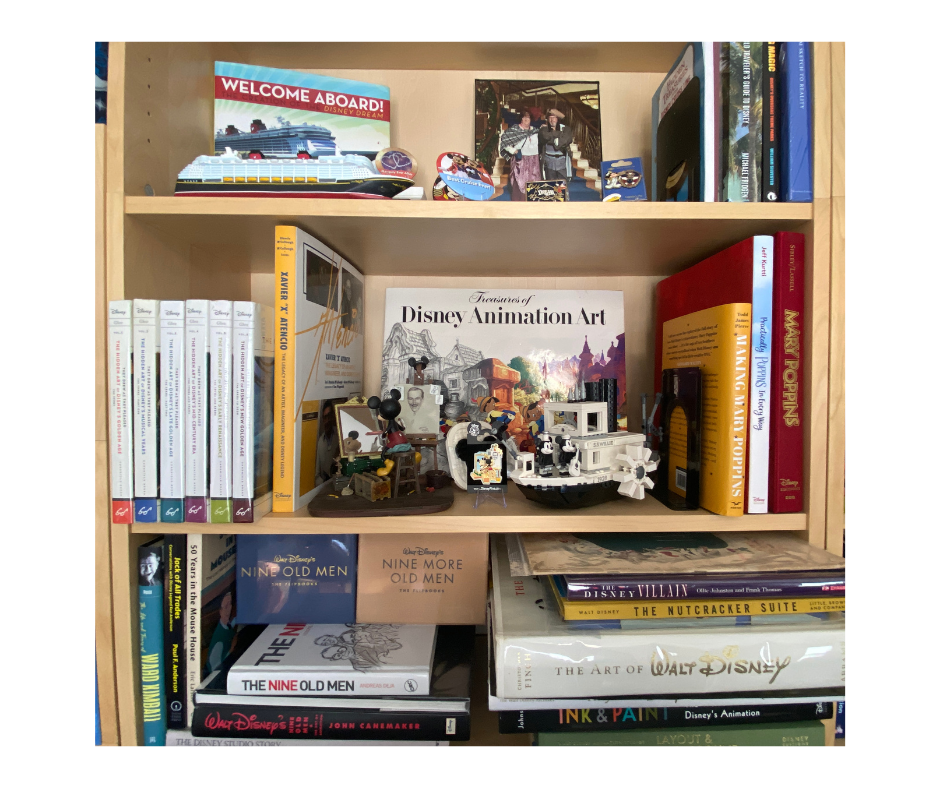
The Japanese concept of tsundoku describes the act of acquiring books and letting them accumulate unread – what? While sometimes wielded as gentle accusation, most dedicated readers recognize themselves in this practice without shame. My TBR pile serves practical purposes beyond mere hoarding. It functions as insurance against the unthinkable scenario of having nothing new to read or something that demands a re-read, offers variety when reading moods shift unpredictably, and stands as tangible evidence of my commitment to future learning and growth.
Synoptical Stacks and Thematic Towers

Among the most intriguing book piles captured in #LibraryShelfieDay posts are those built around specific subjects or themes. These collections reveal readers pursuing deeper understanding through multiple perspectives. One might spot a tower of thought on home hospitality, three biographies of the same historical figure lined up together, or a cluster of novels from a particular literary movement awaiting comparative analysis. Science enthusiasts might display competing theories side by side, while philosophy readers gather texts in dialogue with one another.
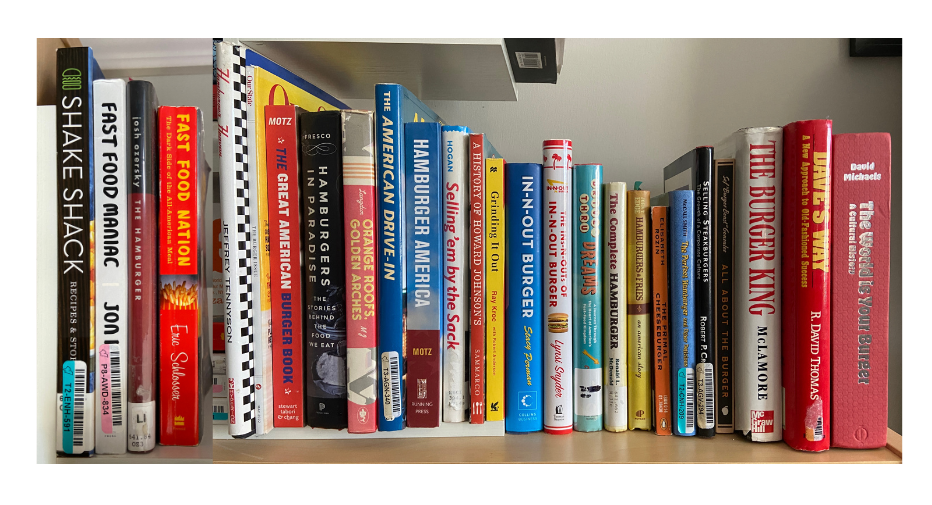
Glancing at the images accompanying this article should provide the reader a clue into my reading habits and collections. I’m a HUGE synoptical reader – gathering books by various authors around similar subjects, for comparison and expansion of the knowledge of the subject.
This approach becomes incredibly powerful because it reveals how ideas evolve over time, exposes the blind spots that individual authors might miss, and often leads to insights that none of the original writers could have reached alone. In our current world of endless information streams, synoptical reading is less about consuming more content and more about becoming a thoughtful curator who can weave together the best thinking on complex topics into something genuinely illuminating.
These synoptical reading projects transform the humble book pile from random accumulation into curated symposium. They demonstrate reading as an active pursuit of knowledge rather than passive entertainment. Each book becomes part of a larger conversation, with the reader serving as moderator between different voices and viewpoints. The resulting shelfies document not just books owned but intellectual journeys planned.
The Library Connection
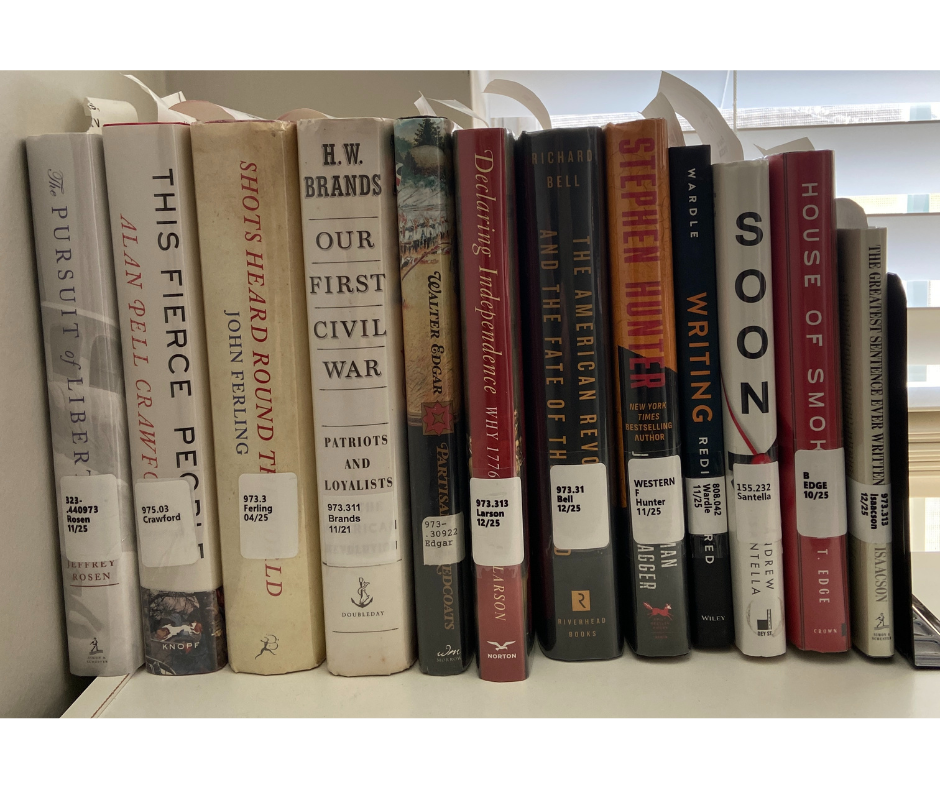
Many shelfies inadvertently capture another truth about modern reading life: the integration of library books into personal collections. Borrowed volumes intermingle with purchased ones, creating temporary arrangements that shift weekly. These mixed stacks tell stories of resourcefulness, of readers who understand that ownership and engagement aren’t synonymous, who build relationships with their local libraries and librarians. I don’t intermingle my weekly library “borrows” – they maintain a very visible location just outside my office door. This allows me to keep them top of mind and handy to grab coming or going, so as to always have one or more handy. Here’s the current crop, with a few more coming later today on my weekly visit to the library.
The weekly library pilgrimage has become ritual for many readers, a sacred appointment appearing in calendars alongside work meetings and social obligations. These visits yield not just books but the pleasure of discovery, the satisfaction of completing one reading mission while embarking on another. The resulting TBR piles blend personal investment with communal resources, private reading goals with public literary treasures.
Finding Joy in the Accumulation
Perhaps the most valuable insight shared through #NationalShelfieDay celebrations is the collective permission to embrace our book piles without guilt. When thousands of readers share photographs of their own literary accumulations, the shame dissolves. We see ourselves reflected in others’ stacks and towers, recognizing that our reading ambitions outpacing our reading time is universal rather than personal failure.
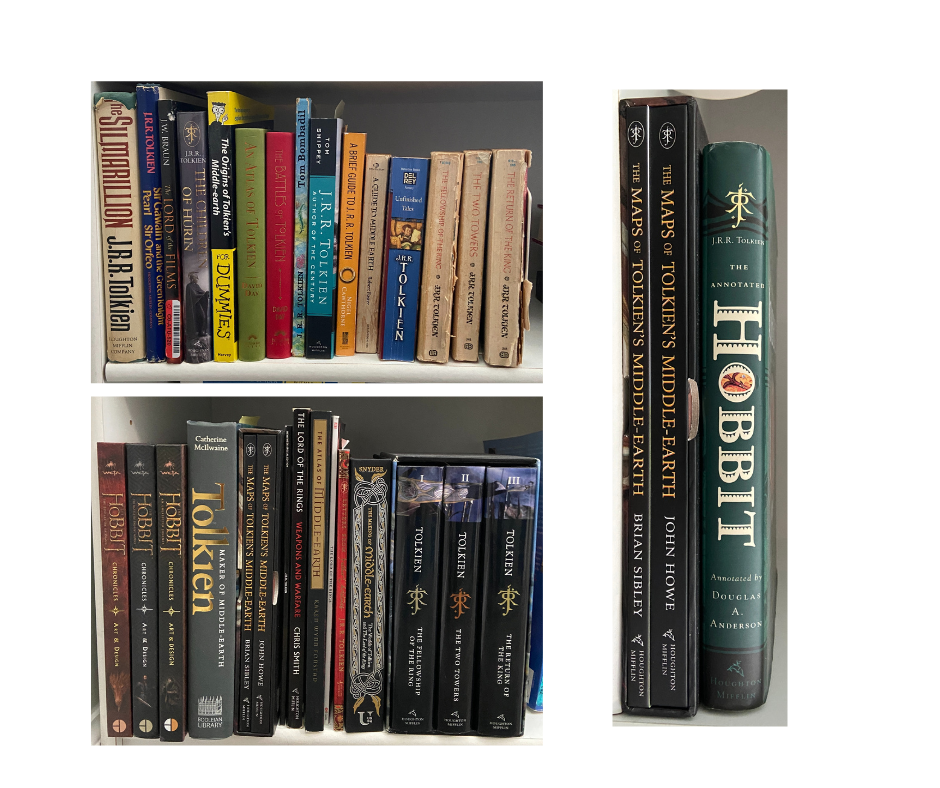
There’s genuine pleasure in acquiring books that exists independently from reading them. Each new addition to the book pile represents possibility and promise, another potential adventure or insight waiting just beyond the current read. These books don’t reproach us with their unread status; instead, they offer comfort through their mere presence, assurance that intellectual nourishment stands ready whenever we need it.
The Perfect Imperfect Shelfie
As #LibraryShelfieDay approaches next week, resist the urge to tidy or curate excessively. The best shelfies capture reading life as it actually exists, complete with precarious stacks, mixed genres, and that one book that’s been sitting unread for three years but might be perfect for next month. Include the library books with their due date slips visible, the impulse purchases still sporting bookstore bags, the gifts from well-meaning relatives who perhaps missed the mark on genre preferences.
These honest captures celebrate not just the books we’ve read but those we aspire to read, not just our literary accomplishments but our ongoing ambitions. They document the beautiful tension between finite time and infinite curiosity, between the books we’ve finished and the worlds still waiting to be explored.
So when #LibraryShelfieDay arrives next week, point your camera toward those towers of possibility. Capture your book pile in all its chaotic glory. Share it proudly, knowing that somewhere, countless other readers are doing the same, each of us celebrating not just our love of reading, but our optimistic, enduring belief that somehow, someday, we’ll get to them all.
The Library Shelfie Day Challenge
Here’s your mission for the coming week, should you choose to accept it:
First, locate all your book piles. Yes, all of them. The one on your nightstand, the stack hiding behind your bedroom door, those books camouflaged among the decorative pillows on your couch, and the collection you’ve strategically positioned to block that wall stain you keep meaning to paint over. Resist the urge to organize them into something Instagram-worthy. Do not alphabetize. Do not arrange by color. Do not hide the romance novel with the embarrassing cover or the self-help book you bought during that 3 a.m. existential crisis.
On #LibraryShelfieDay coming next Wednesday 1/28, photograph your book pile(s) exactly as they exist in their natural habitat, post it with pride, and tag it so fellow bibliophiles can find you. Bonus points if you can count how many books are in your pile without having to actually count them twice. Double bonus points if you admit in your caption which books have been sitting unread the longest. This is your intervention and your celebration rolled into one. We’re not here to shame anyone’s book pile. We’re here to document it, share it, and collectively acknowledge that we’re all in this beautiful, ridiculous predicament together.
I’ll be expanding my #Shelfies from those you see here – will you join me?
Your move, reader.

Part of a regular series on 27gen, entitled Wednesday Weekly Reader.
During my elementary school years one of the things I looked forward to the most was the delivery of “My Weekly Reader,” a weekly educational magazine designed for children and containing news-based current events.
It became a regular part of my love for reading, and helped develop my curiosity about the world around us.


 27gen.com