
A Personal Reflection One Year Later
During a 17-day period in late 2024 extending into the second week of 2025, I found myself in a hospital bed at Atrium Hospital Cabarrus, recovering from a perforated ulcer and a subsequent gallbladder surgery. In the quiet moments between the hum of monitors and the soft squeak of rubber soles on linoleum, I realized something profound: while my surgeon was the architect of my recovery, my nurses were the ones who actually built the bridge back to my life.
I wrote then about the “heart and science” of nursing – how they manage the intricate dance of medicine while simultaneously checking if you can handle the stairs at home or if you have enough food in the pantry. That experience stayed with me. So, as we approach May 6, 2026, National Nurses Day, I returned to my local library, looking for the “rest of the story.”
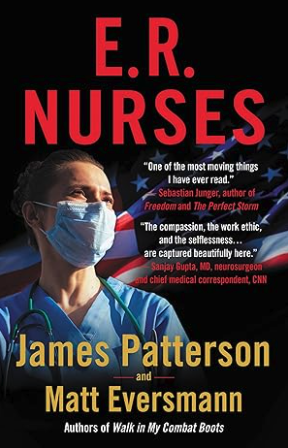
I found it in the pages of ER Nurses by James Patterson and Matt Eversmann. If my previous reading, Sarah DiGregorio’s Taking Care, was a broad lens on the history and sociology of the profession, Patterson’s collection is a high-speed camera, capturing the raw, visceral heartbeat of the emergency room. That long stay mentioned above started in 2 different ERs in two different hospitals, and I’m grateful for the care and speed they moved me from the ER to ambulance to admittance to surgery.
The “Power of Nurses”: A 2026 Mandate
National Nurses Day 2026 marks the beginning of National Nurses Week, culminating on May 12, the birthday of Florence Nightingale. This year’s theme, The Power of Nurses, focuses on how these professionals influence healthcare transformation and policy. But before we talk about policy, we must talk about the people.
In ER Nurses, Patterson and Eversmann step back and let the nurses speak for themselves. These are first-person accounts – “bullet-straight words,” as author Sebastian Junger calls them, from the men and women who inhabit the twilight world between life and death.
Life in the Golden Hour
In the ER, there is a concept known as the “Golden Hour” – the critical window where medical intervention has the highest likelihood of preventing death. For a nurse, this hour is not a rare event; it is the rhythm of their shift.
One of the most striking elements of Patterson’s book is the sheer variety of the stories. You meet nurses in big-city trauma centers dealing with gunshot wounds and multi-car pileups, and you meet flight nurses who stabilize patients in the back of a vibrating helicopter 2,000 feet above the ground.
There is a raw intensity to these accounts. They describe the physical toll: the 12-hour shifts that turn into 14, the aching backs, and the “nursing bladder” (a dark joke among the profession about the rare opportunity to use the restroom). But more importantly, they describe the emotional toll.
One nurse in the book recounts caring for a patient for two months, watching his steady decline, and then having the “deeply upsetting conversations” with his partner about the end of their decades-long partnership. This is the part of the job that isn’t on a chart. It’s the “heart” I mentioned last year – the ability to hold a hand and provide a steady presence when a family’s world is collapsing.
The Reality Behind the “Hero” Label
During the pandemic years of 2020-21, we were quick to label nurses as “heroes.” While the sentiment is well-meaning, Patterson’s book offers a necessary counter-perspective through the voices of the nurses themselves.
Many contributors in ER Nurses express a complicated relationship with the hero narrative. One nurse, Kelsi, notes that while the media focuses on the life-saving adrenaline, the reality of the ER is often “heartburn, seasonal allergies, and ingrown toenails.” More poignantly, another nurse expresses frustration with being called a hero while being “ignored by my organization when I’m hit in the face by a patient, or verbally abused by a disgruntled family member.”
This is a crucial lesson for us as we celebrate National Nurses Day 2026. True appreciation isn’t just a hashtag or a celebratory banner; it’s acknowledging the “brutally hard work” and demanding the fair treatment, mental health support, and working conditions these professionals deserve. The “Power of Nurses” is limited if the nurses themselves are running on empty.
The Science of the Split-Second
While the heart of nursing is found in empathy, the “science” is found in the split-second clinical decisions that happen in the ER. Patterson highlights how an ER nurse must be a “healthcare air traffic controller.”
When a trauma patient arrives, the nurse is the one recognizing subtle patterns – a slight change in pupil dilation, a specific type of pallor, a minute drop in oxygen saturation – that might signal a stroke or internal bleeding before the doctor even enters the room. They are the ones administering blood transfusions, managing complex social dynamics, and ensuring that every member of the surgical team has exactly what they need.
As one nurse in the book puts it: “Doctors figure out where the patient is and where they need to be. Nurses are the ones who actually get you there.”
The Legacy of the Lamp
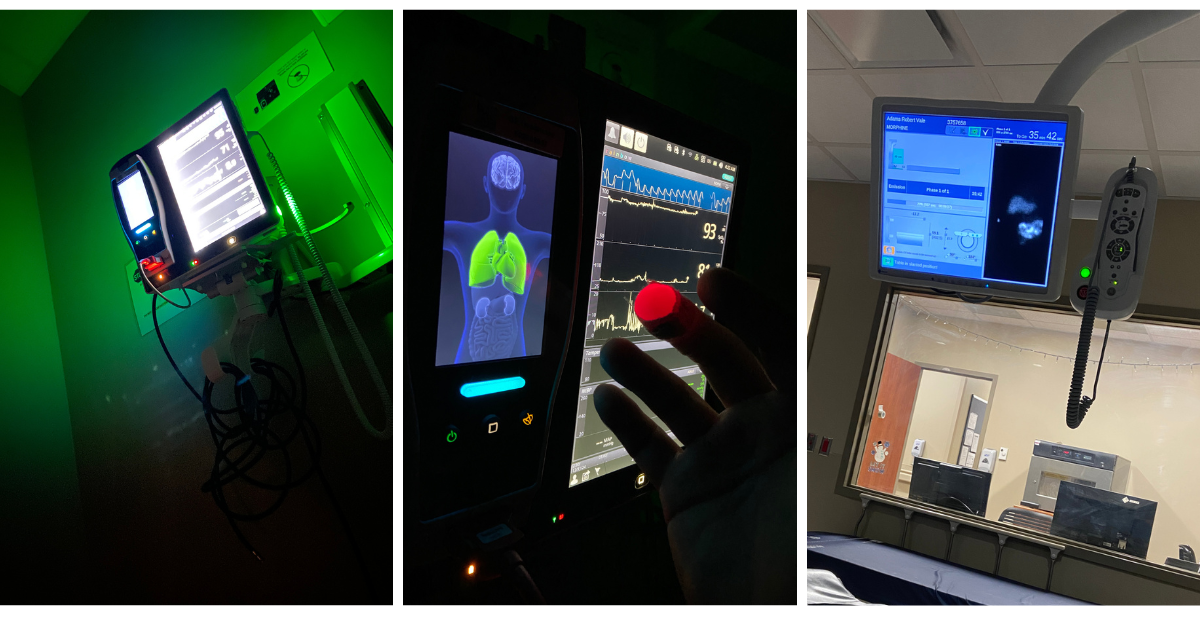
The symbol of National Nurses Day is the oil lamp, representing the “Lady with the Lamp,” Florence Nightingale, who made her rounds through the dark wards of the Crimean War. In 2026, that lamp has been replaced by the green light of a heart monitor and the high-intensity LEDs of a trauma bay, but the “light” nurses bring remains the same.
In ER Nurses, you read about Tara Cuccinelli and Teneille Taylor – nurses whose stories are so raw and powerful they demand a second reading. They represent the hundreds of thousands of nurses who will clock in today, on May 6, and every day after.
How We Can Celebrate
As readers of 27gen know, I am a firm believer in the concept of the “Wednesday Weekly Reader” – the idea that staying curious and informed about the world makes us better family, neighbors, and humans. This National Nurses Day, I encourage you to do more than just say “thank you.”
- Educate Yourself: Pick up a copy of ER Nurses or Sarah DiGregorio’s Taking Care. Understand the complexity of what these professionals do.
- Advocate: Support policies that ensure safe patient-to-nurse ratios and mental health resources for healthcare workers.
- Listen: If you have a nurse in your life, ask them about their day – the ingrown toenails and the tragedies alike. Sometimes the greatest gift is simply being seen.
To the teams at Atrium Huntersville Emergency Department and Atrium Cabarrus Emergency Department and PSC-3 who cared for me, and to the millions of nurses featured in Patterson’s pages and beyond: your work is the “beating heart” of our society. You see us at our worst, and you give us your best.
Happy National Nurses Day.

Part of a regular series on 27gen, entitled Wednesday Weekly Reader.
During my elementary school years one of the things I looked forward to the most was the delivery of “My Weekly Reader,” a weekly educational magazine designed for children and containing news-based current events.
It became a regular part of my love for reading, and helped develop my curiosity about the world around us.

