
On April 16, 2026, as we observe National Librarian Day, it is time to look past the outdated stereotype of the “shushing” gatekeeper in a cardigan. In an era where information – and misinformation – moves at the speed of light, the modern librarian has become something far more vital: a navigator, a community builder, and a fierce protector of the democratic right to know.
Librarians are the frontline workers of the intellectual world. They manage more than just shelves; they manage the collective memory of our civilization. Whether they are working in a sprawling metropolitan branch, a quiet university archive, or a local rural outpost, these professionals provide the infrastructure for curiosity.

The Modern Library: More Than Just Books
Today’s library is a high-tech hub, a maker space, a job-search center, and a sanctuary. Librarians are now experts in digital literacy, helping patrons navigate complex databases and verify sources in a world of “alternative facts.” They are the ultimate curators, hand-selecting stories that reflect the diverse tapestry of the human experience.
But perhaps most importantly, librarians offer a “third space” – a place that isn’t home and isn’t work, where no one is required to spend money to exist. In this space, the librarian is the host, ensuring that every citizen, regardless of status, has access to the tools of self-improvement.
Behind the Stacks: A Look at “The Secret Lives of Booksellers and Librarians”
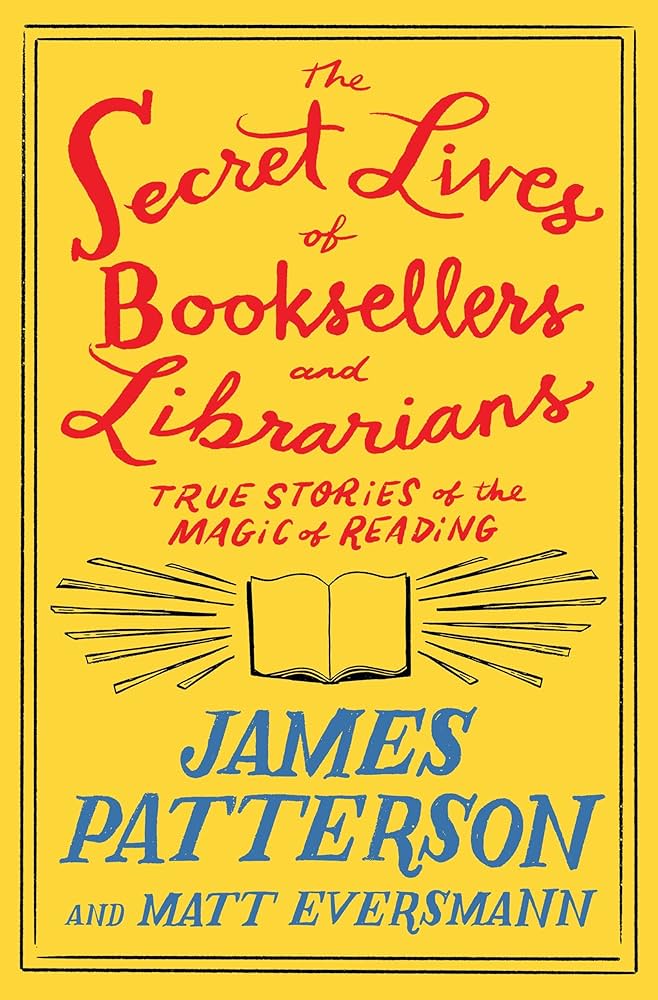
To truly understand the heartbeat of this profession, one need look no further than the 2024 release, “The Secret Lives of Booksellers and Librarians” by James Patterson and Matt Eversmann. Known for his high-octane thrillers, Patterson shifts gears here to offer a deeply moving, non-fiction tribute to the people who dedicate their lives to the printed word.
The book is structured as a collection of first-person accounts, a “human library” of sorts. It features dozens of short, punchy stories from across the United States. Rather than a dry history of the profession, Patterson and Eversmann present a mosaic of experiences.
Readers meet librarians who have faced down book bans, those who have helped homeless patrons find housing, and those who have turned their libraries into emergency shelters during natural disasters. It also highlights the “bookseller” side of the coin—the independent shop owners who act as literary matchmakers, keeping the culture of reading alive in an age of algorithms.
A Love Letter to Literary Stewards
What makes this book so effective is its sincerity. Patterson doesn’t treat librarians as curiosities; he treats them as heroes.
- Humanity Over Heroics: The book shines when it focuses on the small, quiet moments. A librarian finding the “perfect book” for a struggling child is described with the same intensity as a detective solving a case. It captures the emotional weight of the job – the exhaustion, the passion, and the occasional heartbreak of seeing a beloved community space underfunded.
- The Struggle for Freedom: Several segments address the modern challenges of censorship. The accounts from librarians standing firm against the removal of books are powerful reminders that this profession is often a political one, requiring immense moral courage.
- Accessibility: Written in Patterson’s signature accessible style, the book is a fast read but lingers in the mind. It manages to be both a celebration and an urgent call to action to support our local institutions.
“The Secret Lives of Booksellers and Librarians” is a essential reading for anyone who has ever found solace between the shelves. It proves that while the medium may change – from scrolls to hardbacks to e-readers—the need for a guide remains constant.
The Librarian’s Legacy
As we celebrate National Librarian Day 2026, we recognize that librarianship is a calling. It is a profession built on the belief that knowledge should be free, accessible, and defended. They are the architects of our childhood wonder and the researchers behind our adult successes. They see us at our most curious and our most vulnerable. Today, we don’t just say “thank you” for the books; we say thank you for the community, the clarity, and the courage.

How to Honor Your Local Librarian Today:
- Visit Your Branch: The best way to support a library is to use it. Check out a book, attend a workshop, or use the digital resources.
- Write a Thank-You Note: A simple card or email to the library director can go a long way in boosting morale.
- Advocate for Funding: Attend local board meetings or support legislation that ensures libraries remain well-funded and independent.
- Share a Recommendation: In the spirit of the “bookseller” side of Patterson’s book, share a title that changed your life with someone else today.
Librarians have spent centuries looking out for us. Today, let’s make sure we are looking out for them. Happy National Librarian Day!

Part of a regular series on 27gen, entitled Wednesday Weekly Reader.
During my elementary school years one of the things I looked forward to the most was the delivery of “My Weekly Reader,” a weekly educational magazine designed for children and containing news-based current events.
It became a regular part of my love for reading, and helped develop my curiosity about the world around us.

