Every May 13, kitchens across the country fill with the scent of cinnamon, nutmeg, and tart Granny Smiths. National Apple Pie Day isn’t just a celebration of a dessert; it’s an annual homage to a cultural icon. We’ve all heard the phrase “as American as apple pie,” a cliché so worn it’s practically smooth. But have you ever stopped to wonder how a fruit native to Kazakhstan and a pastry tradition rooted in medieval England became the definitive symbol of the American spirit?
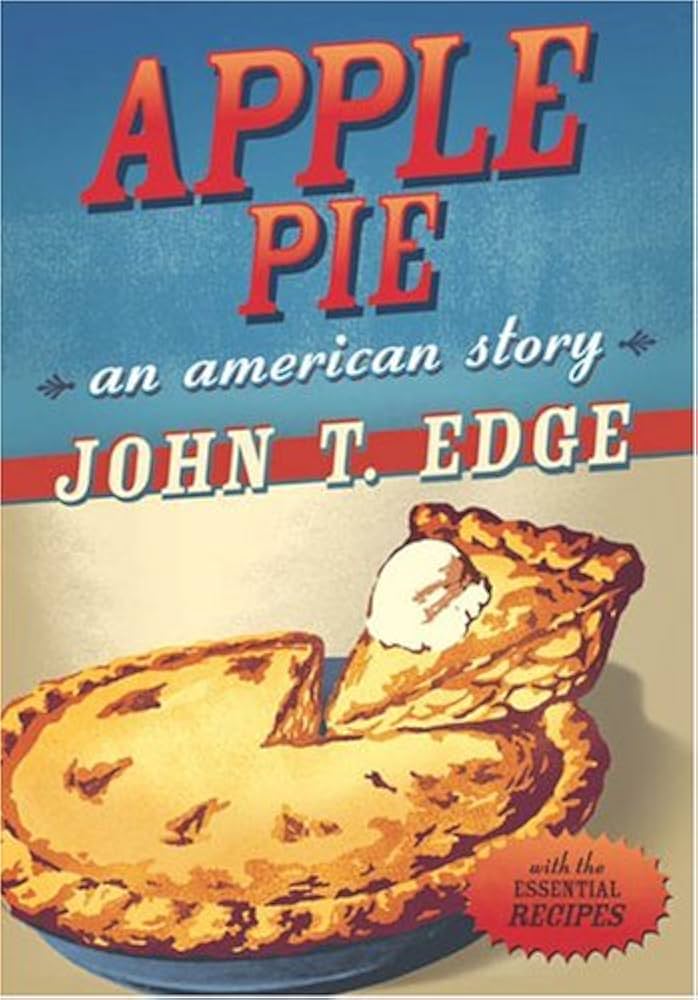
To truly celebrate this day, one must look beyond the lattice crust and into the deep, often complex history of the dish itself. Perhaps no one has chronicled this journey more vibrantly than John T. Edge in his “fruitful” work, Apple Pie: An American Story. Edge, a renowned food scholar and director of the Southern Foodways Alliance, doesn’t just give us recipes; he gives us a roadmap of the American identity through the lens of a pie tin.
The Myth of the “American” Apple
The great irony of our national obsession is that apples are not originally American. When European settlers arrived, the only native apple was the sour, diminutive crabapple. It was the colonists who brought seeds and grafted trees, not for eating out of hand, but for liquid gold: hard cider. In the early days of the Republic, apples were a survival crop, and the “pie” was often a way to preserve fruit or stretch a meager harvest.
As Edge explores in his book, the apple pie we recognize today – sweet, spiced, and encased in a flaky, buttery crust – evolved alongside the nation. Edge masterfully deconstructs the “as American as” mythology, reminding us that while the ingredients may have crossed the ocean, the meaning we attached to them was forged right here. He writes about how the pie became a staple of the American table because it represented the domestic ideal: a symbol of the hearth, the home, and the hardworking hands that transformed raw land into a fruitful garden.
A Journey Through Apple Pie: An American Story
Edge’s book is a travelogue of sorts, taking readers from the high-end bakeries of Manhattan to the roadside stands of the Pacific Northwest. He highlights the regional variations that make the American food landscape so rich. In some parts of the country, a slice of sharp cheddar cheese on top is non-negotiable; in others, a scoop of vanilla bean ice cream is the only acceptable accompaniment.
What makes Edge’s perspective so engaging is his ability to find the human stories behind the flour and fat. He profiles the “pie ladies” of small-town churches and the industrial innovators who brought frozen pies to the masses during the mid-20th century. Through these stories, we see how apple pie served as a bridge between generations. It was a constant through the Great Depression, a comfort during World War II (when soldiers famously claimed they were fighting for “mom and apple pie”), and a centerpiece of the post-war suburban dream.
The Anatomy of the Perfect Slice
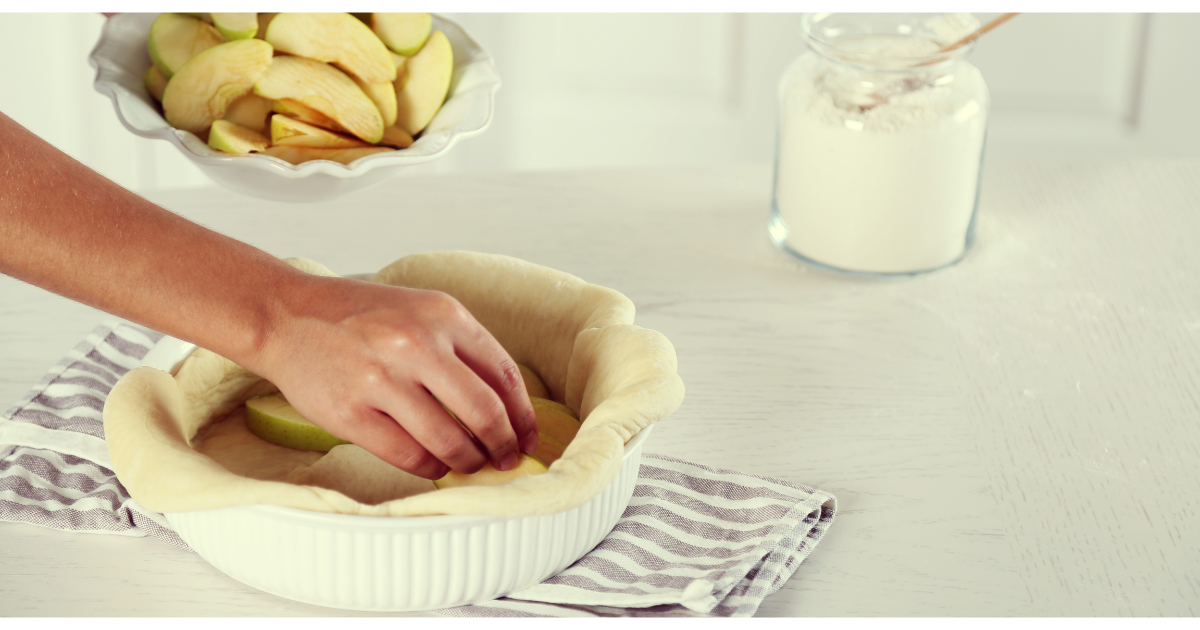
If you’re celebrating National Apple Pie Day by baking your own, you’re participating in a ritual that spans centuries. But what makes a “perfect” pie? According to the tradition Edge explores, it’s a balance of three distinct elements:
- The Fruit: A mix of textures is key. Using a blend of apples – such as the firm, tart Granny Smith paired with the sweeter, softer Braeburn or Honeycrisp – ensures that the filling has both structure and a complex flavor profile.
- The Spice: Cinnamon is the standard-bearer, but a touch of ginger, nutmeg, or even a pinch of cardamom can elevate the fruit’s natural brightness.
- The Crust: This is where the true artistry lies. Whether you prefer an all-butter crust for flavor or a shortening-based crust for ultimate flakiness, the goal is a golden-brown vessel that can hold the juices without becoming the dreaded “soggy bottom.”
More Than a Dessert: A Third Place Essential
In our modern world, we often talk about the importance of “third places” – those community spaces outside of home and work where people gather to connect. Historically, the local bakery or the diner counter has served this purpose, and almost invariably, there is an apple pie waiting under a glass dome.
National Apple Pie Day is a reminder of these communal ties. When you share a pie, you aren’t just sharing calories; you’re sharing a piece of a story. John T. Edge’s work reminds us that food is a narrative. Every crimped edge of a crust is a testament to someone’s grandmother, a specific orchard’s harvest, or a regional tradition that refused to die out.
How to Celebrate on May 13
If you want to do justice to the day and to the history John T. Edge has preserved, here are a few ways to celebrate:
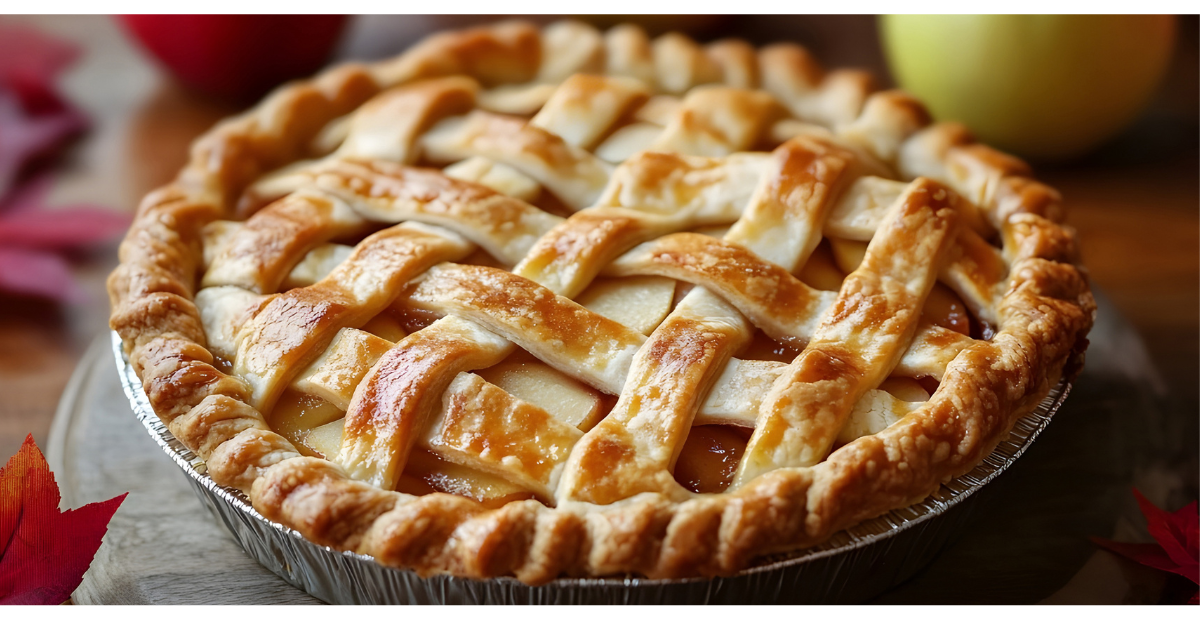
- Host a Pie Tasting: Don’t just settle for one. Buy or bake three different styles – a classic lattice, a Dutch crumble (streusel) top, and perhaps a savory-sweet version with cheese – and discuss the flavor differences with friends.
- Visit a Local Heritage Orchard: Many orchards have histories dating back over a hundred years. Learning about the specific varieties of apples grown in your region connects you to the soil and the seasons.
- Pick Up a Copy of Apple Pie: An American Story: Read a chapter while enjoying a slice. Understanding the sociological impact of the food on your plate makes the experience infinitely richer.
- Support Your Local “Third Place”: Go to a local independent diner or bakery. Order a slice of apple pie and strike up a conversation with the person next to you. It’s the most American way to spend the afternoon.
The Enduring Legacy
As we celebrate this May 13, let’s look at the apple pie for what it truly is: a miracle of migration and adaptation. It is a dish that took the best of what was brought here and mixed it with the grit and sweetness of the American experience.
In the words of John T. Edge, “To eat apple pie is to consume a bit of our shared history.” This National Apple Pie Day, take a moment to savor that history. Whether it’s a warm slice from a cast-iron skillet or a quick bite from a roadside stand, remember that you are partaking in a tradition that is as deep, as layered, and as satisfying as the pie itself. Happy National Apple Pie Day!

Part of a regular series on 27gen, entitled Wednesday Weekly Reader.
During my elementary school years one of the things I looked forward to the most was the delivery of “My Weekly Reader,” a weekly educational magazine designed for children and containing news-based current events.
It became a regular part of my love for reading, and helped develop my curiosity about the world around us.