

Today is the continuation of a short, 5-part series depicting the events in and around Charlotte and Mecklenburg County, NC preceding and during the American Revolution, specifically focusing on the Mecklenburg Declaration of Independence, or MeckDec, from May 20, 1775.
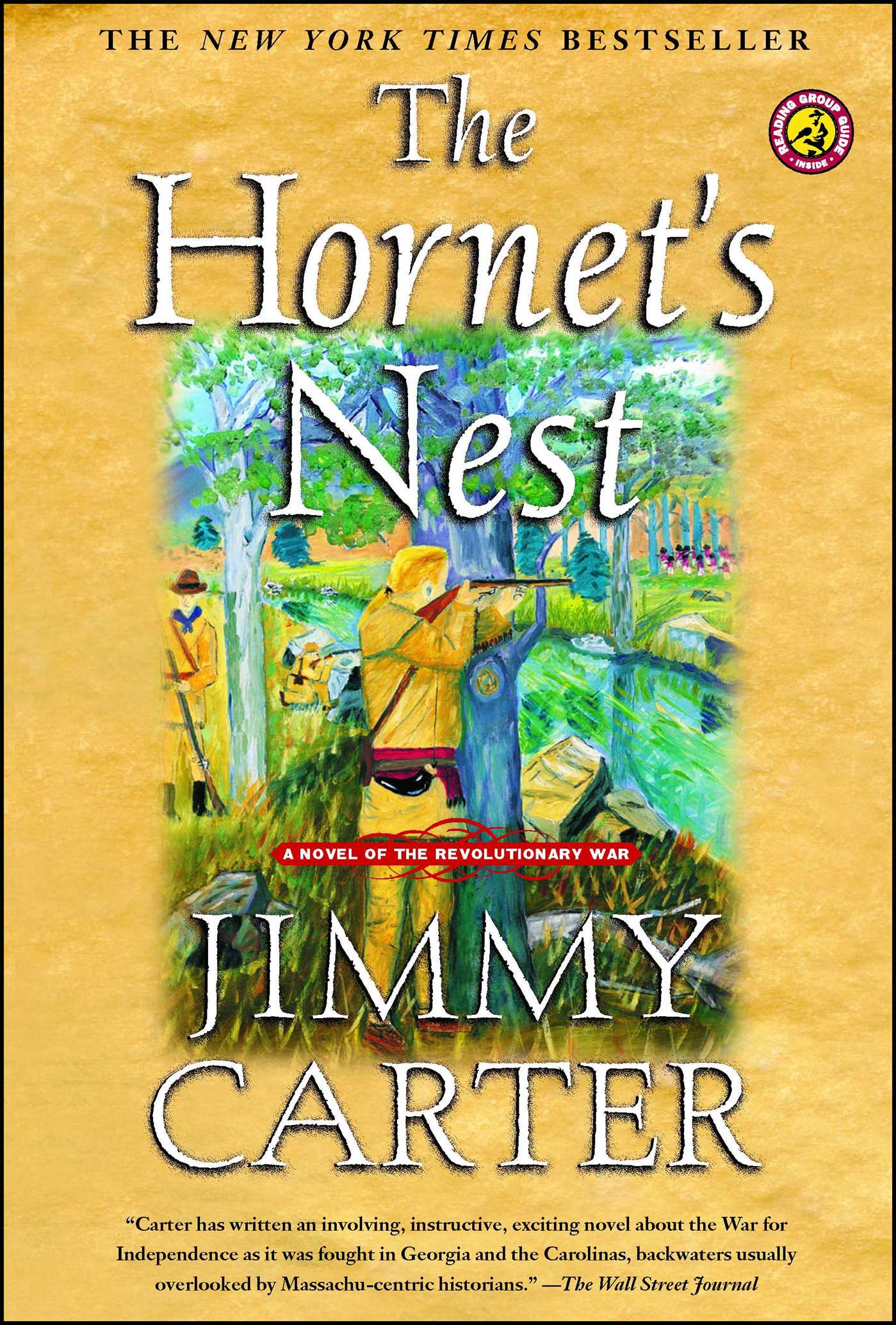
First up was Who’s Your Founding Father, published by David Fleming (2023). Then came The First American Declaration of Independence? by Scott Syfert (2014). Following that was Hornet’s Nest by Jimmy Carter (2003). Today’s article is another Hornet’s Nest – but of an entirely different type than the previous one.
Published in 1961 by the Public Library of Charlotte and Mecklenburg County, Hornet’s Nest: The Story of Charlotte and Mecklenburg County stands as a monumental achievement in regional American history. Co-authored by William LeGette Blythe and Charles Raven Brockmann, this comprehensive chronicle captures the essence of one of North Carolina’s most dynamic regions, earning its place as an enduring reference work despite the passage of more than six decades since its publication.

The book’s title draws from a colorful piece of Revolutionary War history, when British General Cornwallis famously described Charlotte as “a hornet’s nest of rebellion” during the American Revolutionary War. This metaphor perfectly encapsulates the spirit that Blythe and Brockmann capture throughout their narrative – a region characterized by fierce independence, entrepreneurial vigor, and an unwavering commitment to progress that has defined Charlotte and Mecklenburg County from their earliest days to the mid-20th century.
What makes Hornet’s Nest particularly compelling is its dual structure, presenting what the authors describe as “two books within a single cover.” This innovative approach allows readers to experience both the sweeping historical narrative and the intimate human stories that shaped the region’s development. The first book, primarily narrated by LeGette Blythe, provides the chronological backbone of the region’s history, while the second section delves deeper into the cultural, social, and economic forces that transformed a frontier settlement into a major Southern metropolitan area.
A Master Storyteller’s Approach
LeGette Blythe brings exceptional credentials to this project, having established himself as one of North Carolina’s most respected authors and historians. As an ancestor of two of the most prominent families in the story of the MeckDec, his professional craft is tempered by his personal history. Blythe’s previous works, including biographical studies and regional histories, demonstrate his ability to transform historical research into engaging narrative prose. In Hornet’s Nest, Blythe’s storytelling prowess shines as he weaves together complex historical threads into a coherent and compelling account.
The chapters leading up to and including the accounts of the MeckDeck support the declaration’s authenticity, reflecting the local tradition that viewed the May 20, 1775 document as a genuine precursor to the national Declaration of Independence, despite ongoing historical debates about its legitimacy. As you will see in the final article of this series next week, Hornet’s Nest was not Blythe’s first foray into the events surrounding Charlotte and it’s quest for independence in the mid-1700s.
The book excels in its treatment of the area’s founding and early development, tracing the journey from Native American settlements through colonial establishment to the emergence of Charlotte as a significant commercial center. Blythe’s narrative captures the entrepreneurial spirit that characterized the region’s early settlers, many of whom were Scots-Irish immigrants who brought with them a fierce independence and business acumen that would define the area’s character for generations.
While modern historians question whether the May 20th declaration actually existed as claimed, Blythe’s telling captures the undeniable revolutionary fervor that made Mecklenburg County a hotbed of resistance against British rule, embodying the defiant spirit that would define the region’s character throughout the American Revolution.
Comprehensive Coverage and Cultural Insight
One of the book’s greatest strengths lies in its comprehensive scope. Rather than focusing solely on political or economic history, Blythe and Brockmann provide rich coverage of the cultural developments that shaped the region. The authors explore the establishment of educational institutions, the growth of religious communities, the development of arts and literature, and the social dynamics that influenced the area’s evolution.
The book particularly excels in its coverage of Charlotte’s transformation from a small courthouse town to a major financial and commercial center. The authors skillfully document the rise of textile manufacturing, the development of banking institutions, and the growth of transportation networks that positioned Charlotte as a regional hub. Their treatment of these economic developments never loses sight of the human element, consistently connecting industrial growth to the stories of the individuals and families who drove these changes.
Historical Context and Significance
Hornet’s Nest serves as more than just a local history; it provides valuable insights into broader patterns of Southern development and urbanization. The book captures Charlotte and Mecklenburg County at a crucial moment in their history – the early 1960s, when the region stood on the brink of explosive growth that would transform it into one of the Southeast’s major metropolitan areas.
The authors’ treatment of social issues reflects the perspectives and limitations of their era. While the book provides extensive coverage of economic and political development, its treatment of racial relations and social inequality reflects the sensibilities of the early 1960s, before the full impact of the civil rights movement had transformed historical perspectives. Modern readers will note these limitations, but they also provide valuable insight into how history was understood and presented during this pivotal period in American social development.
Literary Merit and Accessibility
Despite its academic foundation, Hornet’s Nest remains highly accessible to general readers. Blythe’s narrative skill ensures that complex historical developments are presented in clear, engaging prose that brings the past to life. The book successfully balances scholarly rigor with storytelling appeal, making it valuable both as a reference work and as an engaging read for anyone interested in Southern history or urban development.
The authors’ use of primary sources and personal accounts adds authenticity and immediacy to their narrative. They skillfully integrate letters, diary entries, newspaper accounts, and oral histories to create a multi-dimensional portrait of the region’s development. This approach helps readers understand not just what happened, but how it felt to live through these transformative periods.
Enduring Value and Limitations
While Hornet’s Nest remains a comprehensive and valuable source for Charlotte and Mecklenburg County history, modern readers should be aware of its limitations. Published in 1961, the book naturally lacks coverage of the dramatic changes that have occurred in the region over the past six decades. The explosive population growth, the transformation into a major banking center, the arrival of major league sports, and the profound social changes that have reshaped the region all lie beyond the book’s scope.
Additionally, contemporary historical scholarship has expanded our understanding of previously marginalized voices and experiences. The book’s treatment of Native American history, African American experiences, and women’s contributions reflects the limitations of historical perspectives available in 1961. These gaps don’t diminish the book’s value but remind readers to supplement it with more recent scholarship that provides a more complete picture of the region’s complex history.

Hornet’s Nest: The Story of Charlotte and Mecklenburg County remains a remarkable achievement in regional American history. LeGette Blythe and Charles Brockmann created a work that successfully captures the spirit and substance of a dynamic region during its formative centuries. While dated in some respects, the book’s fundamental strengths – its comprehensive scope, engaging narrative style, and deep understanding of the forces that shaped the region – ensure its continued relevance for anyone seeking to understand the historical foundations of modern Charlotte and Mecklenberg County.
For historians, genealogists, and anyone interested in Southern urban development, Hornet’s Nest provides an indispensable foundation. It reminds us that behind every modern metropolis lies a rich tapestry of human ambition, struggle, and achievement – and that understanding this past remains essential for comprehending the present and future of this remarkable region.

Part of a regular series on 27gen, entitled Wednesday Weekly Reader.
During my elementary school years one of the things I looked forward to the most was the delivery of “My Weekly Reader,” a weekly educational magazine designed for children and containing news-based current events.
It became a regular part of my love for reading, and helped develop my curiosity about the world around us.
Note: Header art ©Dan Nance


 27gen.com