The Heart and Science of Nursing

A Personal Story

You know that nurse who helped you or your loved one during a hospital stay? The one who really saw you, heard you, and knew exactly what you needed? That’s not a coincidence – it’s what great nursing is all about. Whether we realize it or not, nurses are often there for many of life’s biggest moments, from our first breath to our last, the birth and growing pains of our children, and then the reality of aging adults – first our parents, then ourselves.

In a continuation of a recent post, I want to give you “the rest of the story.”

After 10 days in the hospital, spread over 2 stays, I was looking forward to going home – and I did, for 3 uneventful days. Then the pain returned with a vengeance, and so did I – back to the hospital. Imaging soon revealed that while the ulcer was continuing to heal, the aftereffects of the perforation had inflamed the gallbladder, and a stone lodged in a duct was causing the intense pain. Surgery was scheduled for the next day, and I was discharged two days later.

The pain was gone, and it was time to continue healing at home. I couldn’t do anything except lay in bed, and for those of you who know me, you know what’s coming next:

Reading.

In this case, I wanted to know more about that wonderful team of women (mostly) and men we call nurses who had provided care for me. A quick search of my local library and a pickup by Anita delivered this marvelous book that reflects so much of what I experienced over a two-week plus stay in the hospital, all under the care of the PSC-3 Nursing team at Atrium Cabarrus.


Nurses have always been vital to human existence. A nurse was likely there when you were born and a nurse might well be there when you die. Familiar in hospitals and doctors’ offices, these dedicated health professionals can also be found in schools, prisons, and people’s homes; at summer camps; on cruise ships, and at workplaces. Yet despite being celebrated during the Covid-19 epidemic, nurses are often undermined and undervalued in ways that reflect misogyny and racism, and that extend to their working conditions – and affect the care available to everyone. But the potential power of nursing to create a healthier, more just world endures.
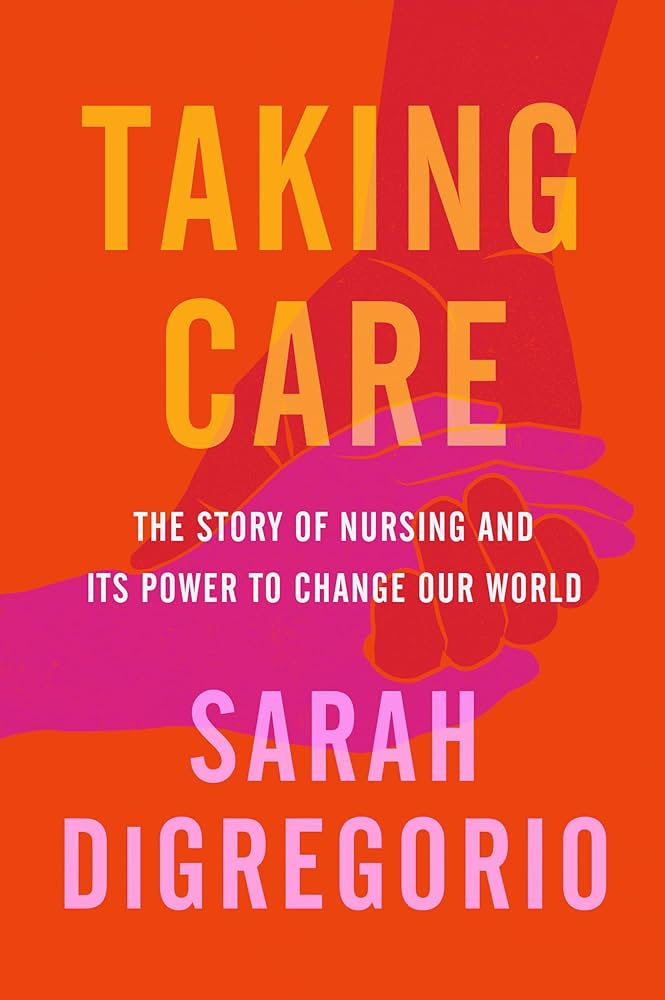
The story of nursing is complicated. It is woven into war, plague, religion, the economy, and our individual lives in myriad ways. In Taking Care, journalist Sarah DiGregorio chronicles the lives of nurses past and tells the stories of those today – caregivers at the vital intersection of health care and community who are actively changing the world, often invisibly. An absorbing and empathetic work that combines storytelling with nuanced reporting, Taking Care examines how we have always tried to care for each other – the incredible ways we have succeeded and the ways in which we have failed. Fascinating, empowering and significant, it is a call for change and a love letter to the nurses of yesterday, today, and tomorrow.


Think about what comes to mind when you hear the word “nurse.” Maybe you remember clapping during the early days of COVID, or you picture Florence Nightingale with her lamp. Perhaps you think of TV shows like M*A*S*H or countless others.. But the reality of nursing goes much deeper than any of these images suggest.

Here’s something that might surprise you: nursing is actually one of the biggest professions in the world, with over 27 million nurses and midwives globally. In the U.S. alone, there are three times as many nurses as doctors! Without nurses, our healthcare system would basically grind to a halt.

And nurses? They’re everywhere! They’re not just in hospitals – they’re on cruise ships managing outbreaks, in libraries doing free blood pressure checks, at NASA monitoring astronauts (how cool is that?), and even in state legislatures writing healthcare policies. They’re the ultimate healthcare multitaskers.

But what exactly do nurses do? Well, it’s way more than just following doctors’ orders. While doctors typically focus deeply on specific medical conditions, nurses take care of the whole picture. Think of it this way: if you’re leaving the hospital, your doctor might prescribe your medications, but your nurse is the one making sure you understand how to take them, checking if you can handle the stairs at home, and figuring out if you have someone to help with cooking.

Here’s my real-world example: imagine you need gallbladder removal surgery. Sure, the hepato-pancreato-biliary surgeon does the actual operation, but nurses are there every step of the way. They’re prepping you, putting in your IV, checking your vitals, and acting like healthcare air traffic controllers – making sure everyone from social workers to anesthesiologists to radiology staff is in the right place at the right time. After surgery, they’re watching your pain levels, managing your medications, preventing infections, and teaching your family how to care for you at home.

One nurse quoted in Taking Care put it perfectly: “Doctors figure out where the patient is and where they need to be. Nurses are the ones who actually get you there.” It’s like doctors draw the map, but nurses help you navigate the journey.

And get this – nursing isn’t just about medical procedures and medications. It’s about building relationships and understanding people in their full context – their family situation, their community, their environment. As nurse researcher Monica McLemore explained in the book, “Everyone thinks it’s just skills and tasks, like putting in IVs or reading monitors. But that’s just one part. Our real job is helping people through transitions, whether that’s recovering from illness or adapting to a new health reality.”

Think about it: nurses are often the first ones to notice when something’s off. Maybe it’s a subtle change in someone’s mental state that could signal a stroke, or maybe it’s spotting a pattern of heat-related health issues in farm workers. They’re like healthcare detectives, constantly putting together pieces of the puzzle.

The cool thing about nursing is that it’s both super scientific and deeply human. Nurses need to understand complex biology and medical procedures, but they also need to be great communicators and problem-solvers. They’re the ones asking the practical questions that doctors might not think of: “Do you feel safe walking in your neighborhood?” “Is there anyone at home who can help you?” “Do you need assistance getting food?”

And here’s something that often gets overlooked: nurses work with doctors, not for them. They’re separate but complementary professions, like two sides of the same healthcare coin. While doctors might focus on curing a specific condition, nurses focus on healing the whole person – and yes, there’s a difference!

So next time you’re in a healthcare setting, remember that the nurse caring for you is part of this amazing tradition that combines scientific knowledge, practical skills, and deep human connection. They’re not just there to take your temperature or give you medicine – they’re there to help guide you through whatever health journey you’re on, making sure you have what you need every step of the way.

After all, sooner or later, we all need someone to nurse us through tough times. And when that time comes, it’s pretty amazing to have someone who knows both the science of healing and the art of caring on your side.

With grateful appreciation to all the nursing team of PSC-3; you are caring professionals to the core.

Thank you.


Part of a regular series on 27gen, entitled Wednesday Weekly Reader.

During my elementary school years one of the things I looked forward to the most was the delivery of “My Weekly Reader,” a weekly educational magazine designed for children and containing news-based current events.

It became a regular part of my love for reading, and helped develop my curiosity about the world around us.

Beyond Change: Mastering the Psychological Journey of Transition

Often when you think you’re at the end of something, you’re at the beginning of something else.

Fred Rogers

It has become almost a cliché that the only constant today is change.

What moves it from a cliché to a truism is that the Greek philosopher Heraclitus said the same thing – 2,500 years ago.

In spite of that historical background, we all feel that change is different today: it is without end, and increasingly complex. We talk not of a single change, but of change as an ongoing phenomenon. It’s a collage, not a single simple image; one change overlaps with another, and it’s all change as far as the eye can see.

To some degree, the downside of change is inevitable. Whenever human communities are forced to adjust to shifting conditions, pain is ever present. But a significant amount of the waste and anguish we’ve witnessed in change management is avoidable.

The typical organization – or person – has not operated well in a rapidly changing environment. Structure, systems, and culture have often been a drag on change rather than a facilitator.

The failure to sustain significant change recurs again and again despite substantial resources committed to the change effort, talented and committed people “driving the change,” and high stakes. In fact, leaders feeling an urgent need for change end up right: organizations that fail to sustain significant change end up facing crises.

This isn’t the sort of challenge you take on because it sounds good.

Adapting to and mastering change is not a choice. A significant part of a leader’s responsibility deals with being a change agent in the organization’s culture. In a time when changes come so fast and from so many unexpected angles, change is no longer a luxury but an imperative.

Even though change is a must, the “how-to’s” can often prove a problem. Many people lunge into change with no idea of its rules, its guiding principles, its nuances – and its dangers. Quite often disaster is the result. The only thing worse than ignoring change is leaping into it willy-nilly.


THE QUICK SUMMARY – Managing Transitions by William Bridges

The business world is constantly transforming. When restructures, mergers, bankruptcies, and layoffs hit the workplace, employees and managers naturally find the resulting situational shifts to be challenging. But the psychological transitions that accompany them are even more stressful. Organizational transitions affect people; it is always people, rather than a company, who have to embrace a new situation and carry out the corresponding change.

As veteran business consultant William Bridges explains, transition is successful when employees have a purpose, a plan, and a part to play. This indispensable guide is now updated to reflect the challenges of today’s ever-changing, always-on, and globally connected workplaces. Directed at managers on all rungs of the corporate ladder, this expanded edition of the classic bestseller provides practical, step-by-step strategies for minimizing disruptions and navigating uncertain times.

A SIMPLE SOLUTION

If you were to gather a group of 10 to 20 people together, and ask them to discuss changes they are going through (or have recently gone through), before long you will notice all different types of change provide people with the same basic experience.

Three main similarities begin to present themselves:

  1. An ending, followed by
  2. A period of confusion and distress, leading to
  3. A new beginning.

However you deal with them, endings are the first phase of transition. The second phase is a time of lostness and emptiness before “life” resumes an intelligible pattern and direction, while the third phase is that of beginning anew.

That is the order of things in nature. Leaves fall in autumn, winter sets in, and then the green emerges again from the dry brown wood in the spring. Human affairs flow along similar channels, or they would if we were better able to stay in that current.

But endings are fearful. They break our connections with the setting in which we have come to know ourselves, and they awaken old memories of hurt and shame. Growing frightened, we are likely to abort the three-phase process of ending, lostness, and beginning.

Sometimes, we even twist the pattern around so that beginnings come first, then endings, and then…then what? Nothing.

It is when we turn things around in that way that transition becomes so unintelligible and frightening.

It isn’t the change that will do you in – it’s the transitions. Getting people through the transition is essential if the change is actually to work as planned.

The Three Phases of Transition

Endings – Letting go of the old ways and the old identity people had. This first phase of transition is an ending and the time when you need to help people deal with their losses.

Neutral Zone – Going through and in-between time when the old is gone but the new isn’t fully operational. Called the “neutral zone,” it’s when the critical psychological realignments and repatternings are taking place.

New Beginnings – Coming out of the transition and making a new beginning. This is when people develop the new identity, experience the new energy, and discover the new sense of purpose that make the change begin to work.

William Bridges, Managing Transitions

A NEXT STEP

On the top of a chart tablet, list a change in your organizational life that you have been considering.

Underneath this, divide the rest of the chart tablet into three columns, and write the headings “Endings,” “Neutral Zone,” and “New Beginnings” at the top of the columns.

Before you move forward, ask yourselves these three questions developed by the William Bridges Associates team:

  1. What is changing? Until any vagueness you have about change can be clarified and until the leaders of the change can explain it clearly, in a statement lasting no longer than one minute, there is no way that they are going to be able to get other people to buy into the change. Longer explanations and justifications will also have to be made but it is the one-minute statement that will be the core of people’s understanding.
  2. What will actually be different because of the change? Many change projects are designed and launched at such a high level in the organization that all the planning is unrelated to the everyday, operational details that make up the lives of most workers. In such cases, the decision-makers often have no idea how changes will actually make anyone’s life or job, or even the function of a whole department, different. Yet that is all that people need to know before they can embrace and support a change.
  3. Who’s going to lose what? There must be a hundred other versions of objections to dealing with endings and losses, but they are all variations on a single theme: the mistaken idea that the best way to get people through a transition is to deny that they are even in a transition. In fact many internal communications projects are based on this central misconception that you can (and should) talk people out of their reactions to the change.

Transition management is based on another idea: that the best way to get people through transition is to affirm their experience and to help them to deal with it. It is simply a question of understanding how the world looks to them and using that as the starting point in your dealings with them.

With an understanding of the dynamics covered in these three questions, spend at least one hour working through the three phases of transition, writing down words or phrases under each heading.


Part of a regular series on 27gen, entitled Wednesday Weekly Reader.

During my elementary school years one of the things I looked forward to the most was the delivery of “My Weekly Reader,” a weekly educational magazine designed for children and containing news-based current events.

It became a regular part of my love for reading, and helped develop my curiosity about the world around us.

Attunement in Leadership: Converting Resistance into Collective Commitment

One of the most challenging aspects of leadership isn’t dealing with external obstacles – it’s managing internal resistance from your own team. While leaders generally prepare themselves for external challenges, the emotional toll of facing opposition from within can be particularly devastating, often leaving them feeling betrayed and discouraged.

 Every leader knows the stormy seas of resistance. When faced with change, even the most dedicated teams can push back, especially when there’s something to lose. How do you guide your team through these turbulent times without losing sight of the mission? Leading Through Resistance by Tod Bolsinger is a beacon for leaders navigating the choppy waters of organizational change.

Leading Through Resistance offers more than just strategies; it delivers a mindset shift. With wisdom woven through every page, Tod Bolsinger teaches you unexpected skills to not only face resistance but to transform it into a mission-driving force.

Leading Through Resistance is a roadmap to resilient leadership. Equip yourself with the tools to lead with confidence, adapt with grace, and inspire transformation. Whether you’re a seasoned leader or just starting your leadership journey, Leading Through Resistance is your essential guide to turning resistance into resilience.


Understanding Internal Resistance

Internal resistance emerges when we introduce new ideas or attempt to implement significant organizational changes. As leaders, we often take this resistance personally, allowing our egos to become overinvolved until any disagreement feels like a direct challenge to our professional identity. This emotional response can lead to either passive avoidance or counterproductive pushback.

However, it’s crucial to understand that resistance to change isn’t malicious – it’s natural. As Edwin Friedman noted, sabotage isn’t “the bad things that evil people do,” but rather “the human things that anxious people do.” In fact, resistance is so inherently linked to the leadership process that it should be expected whenever significant change is initiated.

The Path Forward: From Pushback to Pull-Together

Instead of trying to eliminate resistance, successful leaders learn to lead through it. The key is to implement an emotionally intelligent process that transforms pushback into buy-in. Rather than meeting resistance with force, invite your team to lock arms and channel their energy toward collective progress.

Core Principles for Managing Resistance

Start with Dual Convictions

  • The Preservation Conviction: Ensure all changes protect and maintain the organization’s core purpose and values
  • The Change Conviction: Acknowledge that adaptation is necessary to preserve and advance the organization’s mission

Stay Calm, Curious, and Connected

  • Maintain emotional equilibrium without becoming detached
  • Create psychologically safe spaces for honest dialogue
  • Move closer to resistance rather than away from it
  • Transform heated emails into personal conversations
  • Convert formal complaints into opportunities for coffee meetings

Practice Attunement

Research shows that nearly 90% of what distinguishes outstanding leaders comes down to emotional intelligence rather than cognitive abilities. This emotional intelligence manifests through four core competencies:

  • Self-awareness
  • Self-management
  • Social awareness
  • Relationship management

Practical Strategies for Implementation

Slow Down the Process – While crisis often provides the urgency needed for change, resist the temptation to rush. Frenetic action rarely leads to sustainable transformation.

Give the Work Back – Engage key stakeholders early in the process. As Patrick Lencioni wisely noted, “If people don’t weigh in, they can’t buy in.” Create a guiding coalition that includes even those likely to push back— – heir perspective is valuable.

Conduct an Accusation Audit – Begin by acknowledging potential objections and fears. People are typically twice as motivated by fear of loss as they are by potential gains. Creating this psychological safety helps lower defensive barriers.

Practice Active Mirroring – Listen intently enough to repeat key phrases and emotions expressed by others. The goal isn’t to get them to say “You’re right,” but rather to hear them say “That’s right” when you reflect their concerns back to them.

Embrace the Power of “No” – Counter-intuitively, a genuine “no” is more valuable than a “counterfeit yes.” When people feel safe expressing disagreement, it builds trust and opens the door to authentic commitment later.

For those of us trained in the old “command and control” mindset,  it is natural to assume that we have to stand our ground for things to go our way. Don’t eliminate resistance – lead through it.

Tod Bolsinger

The Adaptive Reset

The traditional leadership model of meeting resistance with resistance is outdated. Today’s effective leaders understand that attunement accelerates change. When clarity and empathy combine, they become powerful tools for reducing resistance and fostering genuine buy-in.

Remember that emotional connection precedes rational agreement. In the words of moral psychologist Jonathan Haidt, “Intuitions come first, strategic reasoning second.” By focusing on building trust and lowering defensiveness through genuine connection, leaders can create the conditions for meaningful transformation.

The path forward isn’t about domination or control – it’s about the art of persuading people to work toward a common goal. When leaders make the conscious choice to resist pushing back against pushback and instead attune with those who resist, they create the possibility for collective movement forward.

This approach isn’t manipulation; it’s a process of genuine mutual transformation rooted in deep values and full engagement. By combining clear purpose with emotional intelligence, leaders can turn opponents into allies and resistance into momentum for positive change.


Charcoal Mellowed and History Forgotten: The Legacy of Nearest Green and Jack Daniel

As a Native Tennesseean, specifically Middle Tennessee, I have long been aware of the person of Jack Daniel and the distillery that bears his name.

Interestingly enough, other than name recognition, my first extended exposure to Jack Daniel was through music.

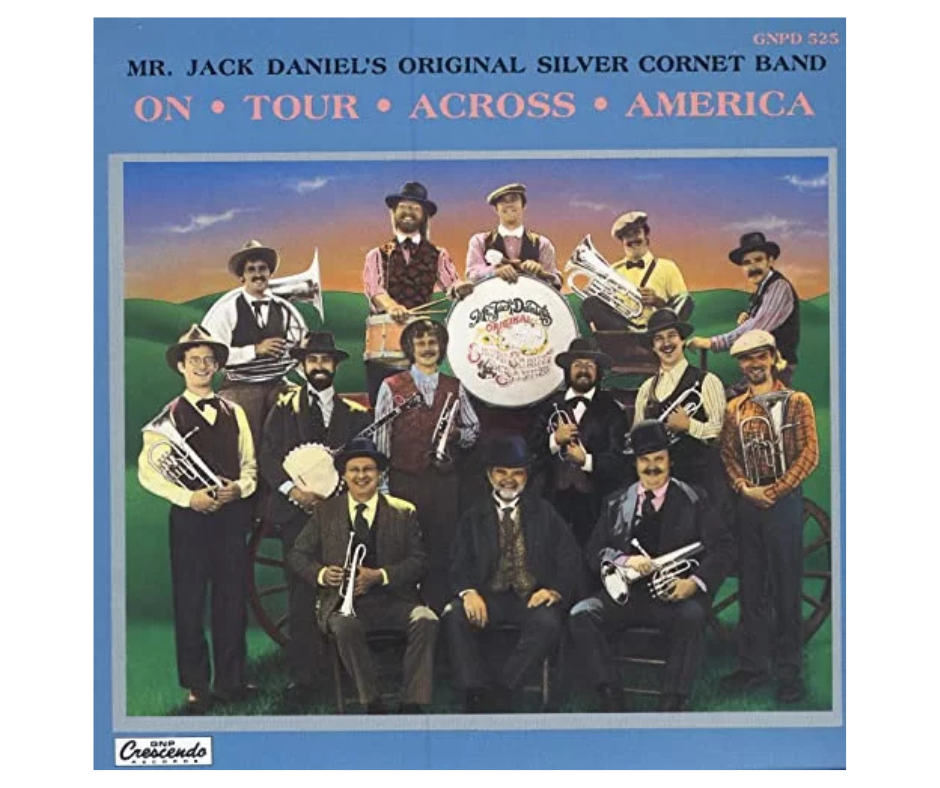
When Jack Daniel opened saloons in Lynchburg in 1892, he thought of a novel way to attract people to the town square. Mr. Jack formed The Silver Cornet Band with musically inclined locals – a bank clerk, grocer, policeman, and even a local lawyer. Like his whiskey, music brought folks together from every walk of life. Mr. Jack’s band played together for another 20 years. Even when the Distillery was closed due to various state and local Prohibition laws, the band kept Jack’s spirit alive.

Mr. Jack Daniel’s Original Silver Cornet Band is an affectionate re-creation of a small town band that existed in Lynchburg, Tennessee from 1892 until about 1914.

The “modern” version of this band was the creation of David Fulmer in the mid-1970s, who wrote the show and performed as the “Professor” for many years.

The band began touring in 1978, performing in concert halls throughout the United States and Canada and delighting audiences at music festivals, music educator conferences, and for civic and private events with its joyful style and expert musicianship.

More than just a band concert, a performance by the Silver Cornet Band was a time traveling excursion to an era when life moved at a less hurried pace; when a warm summer evening was spent with a picnic supper in the park, the fellowship of friends and neighbors, and the sound of band music in the air.

I knew several of the band members over the years, as several came from the music program at my college, Tennessee Technological University. Although known primarily as an engineering school, it also had an outstanding low-brass music program, and the attraction of a “brass band” from a turn-of-the-century time period captured the imagination and participation of students.

I was fortunate to attend several concerts over the years, and have all of their music that has been released on CDs. I suppose it was my fondness for the music and the generosity of the man who inspired it, Jack Daniel, who lead me to take the next step in learning more.

Several years after the 100th anniversary of the founding of the distillery, I took part in a tour, fascinated by the stacks of hardwood burning to make the charcoal to filter the liquid, curious about the cave spring that supplied the water, impressed by the craftsmanship needed to create the barrels, and amazed at the huge gallons of mash as it begin the fermentation process that ultimately produced the golden amber liquid that was a part the southern culture of my teenage and college years.

Though not a partaker of alcohol, I was fascinated by the story of Jack Daniel and his life. Over the years, I would read and/or see articles about Jack Daniel and its contribution to culture – particularly the Southern culture from which it arose.

Then, in 2016, a story began to come out: Jack Daniel did own and operate the first registered distillery in the U.S. – but the secret of his charcoal-filtered whiskey came from the knowledge and expertise of a former slave (not owned by Jack Daniel) named Nearest Green who taught a young Jack Daniel all about distilling whiskey…

…and that brings us to today’s Wednesday Weekly reader.


New York Times bestselling author Fawn Weaver unveils the hidden narrative behind one of America’s most iconic whiskey brands. This book is a vibrant exploration set in the present day, delving into the life and legacy of Nearest Green, the African American distilling genius who played a pivotal role in the creation of the whiskey that bears Jack Daniel’s name.

Set against the backdrop of Lynchburg, Tennessee, Love & Whisky weaves together a thrilling blend of personal discovery, historical investigation, and the revelation of a story long overshadowed by time. Through extensive research, personal interviews, and the uncovering of long-buried documents, Weaver brings to light not only the remarkable bond between Nearest Green and Jack Daniel but also Daniel’s concerted efforts during his lifetime to ensure Green’s legacy would not be forgotten. This deep respect for his teacher, mentor, and friend was mirrored in Jack’s dedication to ensuring that the stories and achievements of Nearest Green’s descendants, who continued the tradition of working side by side with Jack and his descendants, would also not be forgotten.

Love & Whiskey is more than just a recounting of historical facts; it’s a live journey into the heart of storytelling, where every discovery adds a layer to the rich tapestry of American history. Weaver’s pursuit highlights the importance of acknowledging those who have shaped our cultural landscape; yet remained in the shadows.

As Weaver intertwines her present-day quest with the historical threads of Green and Daniel’s lives, she not only pays homage to their legacy but also spearheads the creation of Uncle Nearest Premium Whiskey. This endeavor has not only brought Nearest Green’s name to the forefront of the whiskey industry but has also set new records, symbolizing a step forward in recognizing and celebrating African American contributions to the spirit world.

Love & Whiskey invites readers to witness a story of enduring friendship, resilience, and the impact of giving credit where it’s long overdue. It’s an inspiring tale of how uncovering the past can forge new paths and how the spirit of whiskey has connected lives across generations. Join Fawn Weaver on this extraordinary adventure, as she navigates through the layers of history, friendship, and the unbreakable bonds formed by the legacy of America’s native spirit, ensuring the stories of Nearest Green and his descendants live on in the heart of American culture.


The story of Nearest Green, one of the most remarkable yet long-forgotten figures in American whiskey history, has become an essential narrative in understanding the origins of Jack Daniel’s whiskey. Nathan “Nearest” Green was not only the first known African American master distiller, but he was also instrumental in teaching Jack Daniel the craft of whiskey making. His story, rediscovered after more than a century of obscurity, has profoundly reshaped how we view the birth of one of the world’s most famous whiskey brands.

The Early Life of Nearest Green

Nathan Green, commonly known as “Uncle Nearest,” was born into slavery in the early 1800s in Maryland. Like many enslaved people of that time, his skills were not limited to manual labor. Green had an exceptional talent for distilling whiskey, a process that was complex and labor-intensive, requiring a mastery of both art and science. While little is known about his early life, it is likely that he learned the distillation process from earlier generations of enslaved African Americans or European settlers who practiced whiskey-making techniques brought over from Ireland and Scotland.

By the mid-1800s, Green was enslaved on a farm owned by the Reverend Dan Call, a preacher and distiller in Lynchburg, Tennessee. It was at Call’s distillery that Green’s talents in whiskey production would shape history.

Meeting Jack Daniel

Jack Daniel, born Jasper Newton Daniel in 1846, grew up in a world where whiskey was an essential part of southern life. After losing his mother at a young age and suffering from a strained relationship with his father, young Jack left home as a teenager. It was during this period that he was introduced to Reverend Dan Call, who not only took him under his wing but also introduced him to the art of whiskey making. However, it wasn’t Call who would provide Jack with the most important lessons in distilling; that honor belonged to Nearest Green.

Recognizing Green’s unmatched skill, Call entrusted him with teaching Jack Daniel how to make whiskey. Green became Daniel’s mentor, passing on the essential techniques of distillation, including the critical process of charcoal mellowing – an important step in what would later become the defining feature of Tennessee whiskey. The charcoal mellowing technique, also known as the “Lincoln County Process,” involves filtering the whiskey through charcoal to remove impurities and smooth out the flavor. This unique process differentiates Tennessee whiskey from other American whiskeys like bourbon, and it was Green who mastered and shared this process with Jack Daniel.

The Role of Nearest Green in Shaping Jack Daniel’s Whiskey

Nearest Green’s contribution to the Jack Daniel’s whiskey brand goes far beyond simply passing down techniques. His expertise was fundamental to the product’s flavor, consistency, and quality, and his influence is seen in the principles that would guide Jack Daniel’s whiskey production for generations.

Green’s mastery of the charcoal mellowing process allowed Jack Daniel’s whiskey to stand out from competitors. This filtration method gave the whiskey its distinctive smoothness and refinement, creating the signature taste that would make Jack Daniel’s a household name. Green’s influence is not just in the technique but in the philosophy that great whiskey is a product of attention to detail, patience, and craftsmanship.

Even after the end of slavery following the Civil War, Nearest Green remained an integral part of the Jack Daniel’s distillery. When Jack Daniel formally established his distillery in 1866 (which today is considered the oldest registered distillery in the United States), Nearest Green continued to work alongside him, this time as a free man. In fact, records show that Green was one of the distillery’s first employees, making him not only one of the first African American master distillers but also an important partner in the founding of the brand. Later, Green’s two sons continued their father’s legacy at Jack Daniel’s distillery.

The Lost Legacy of Nearest Green

Despite his undeniable contributions, Nearest Green’s role in the creation of Jack Daniel’s whiskey faded from history over the decades. Whiskey production in the 19th century was dominated by white narratives, and the contributions of African Americans were often overlooked or erased altogether. As a result, Nearest Green’s name was not mentioned in the official Jack Daniel’s company history for over 150 years.

It wasn’t until the 21st century that Green’s role began to be rediscovered. In 2016, author and historian Fawn Weaver embarked on a mission to uncover the true history behind the origins of Jack Daniel’s whiskey. Through meticulous research, Weaver uncovered documentation and oral histories that confirmed Nearest Green’s integral role in teaching Jack Daniel how to make whiskey.

Her efforts led to a groundbreaking realization: that Nearest Green was not only Jack Daniel’s teacher but also a key figure in the establishment of one of the most iconic whiskey brands in the world. This discovery marked a turning point in the narrative of American whiskey history and forced a reexamination of the often-overlooked contributions of African Americans to the industry.

Restoring Green’s Place in History

The rediscovery of Nearest Green’s legacy has led to a concerted effort to ensure his contributions are recognized and celebrated. In 2017, Jack Daniel’s officially acknowledged Nearest Green as the first master distiller for the brand. The company has since made efforts to honor his memory, including creating a dedicated section on the distillery’s tour that focuses on Green’s contributions.

Fawn Weaver also founded the Nearest Green Foundation, which aims to preserve Green’s legacy and provide scholarships for his descendants. Additionally, in 2017, a new whiskey brand, Uncle Nearest Premium Whiskey, was launched in his honor. Uncle Nearest Whiskey has quickly gained popularity, and its success serves as a fitting tribute to the man whose expertise and craftsmanship shaped the early days of Jack Daniel’s whiskey.

The Legacy of Nearest Green

Nearest Green’s story is not just one of whiskey-making brilliance; it’s a story about how the contributions of African Americans were often sidelined or forgotten in history. The rediscovery of his legacy offers a fuller, more accurate picture of the origins of Jack Daniel’s whiskey and highlights the crucial role African Americans played in shaping the American whiskey industry.

Nearest Green’s influence endures in every bottle of Jack Daniel’s whiskey, a testament to his mastery of distilling and the indelible mark he left on the industry. Today, his legacy is being restored and celebrated, reminding us of the rich and complex history behind one of the world’s most beloved spirits.


Part of a regular series on 27gen, entitled Wednesday Weekly Reader.

During my elementary school years one of the things I looked forward to the most was the delivery of “My Weekly Reader,” a weekly educational magazine designed for children and containing news-based current events.

It became a regular part of my love for reading, and helped develop my curiosity about the world around us.

Breaking Free from Aimless Wandering: The Call to Follow


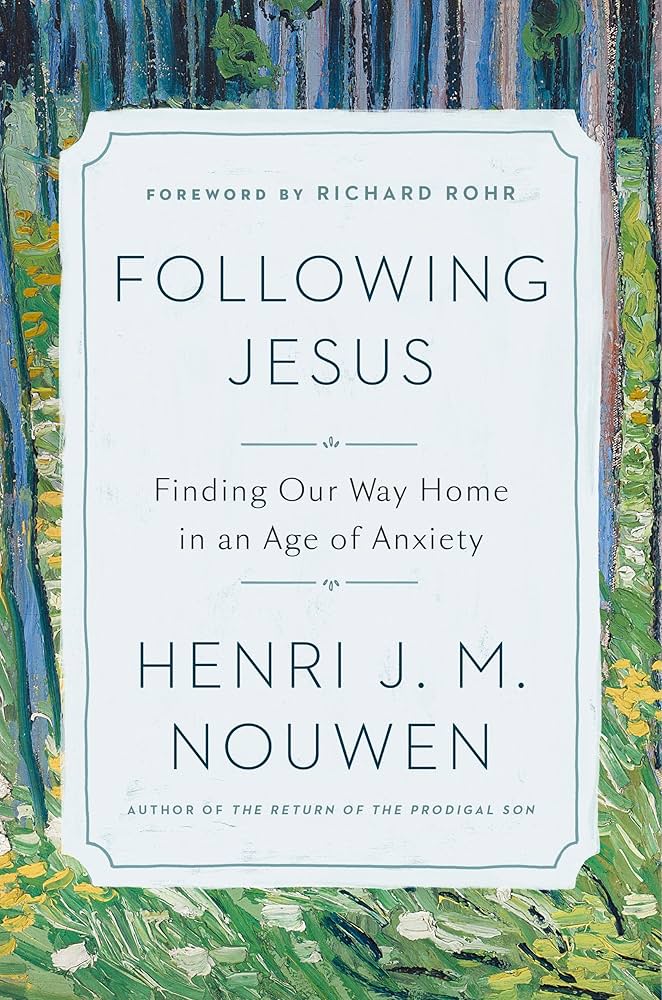
It is into this deeply tired world of ours that God sends Jesus to speak the voice of love. Jesus says, “Follow me. Don’t keep running around. Follow me. Don’t just sit there. Follow me.”

Henri Nouwen

Following Jesus explores the spiritual concept of truly following Jesus, addressing a common human tendency to either be constantly busy or completely inactive. The author observes that many people live life in two extreme modes: perpetual restlessness or complete disengagement.

In the first mode, individuals are constantly moving, doing numerous activities, attending events, and meeting people, yet feeling a profound sense of meaninglessness. They’re exhausted by their own busyness, often unable to articulate what they’re actually accomplishing. This restless wandering leads to deep fatigue and a sense of being lived, rather than living purposefully.

The alternative state is total passivity, where people give up on their pursuits and sink into a state of apathy. They lose interest in life, spending time watching television, sleeping, or engaging in mindless activities. Some might seek escape through substances or other distractions, but fundamentally, they feel empty and unmotivated.

The core message is that Jesus offers a transformative alternative to these states through a gentle, loving call to “follow me.” This invitation isn’t forceful but is a sensitive, quiet voice that can reshape one’s entire existence. When people hear and respond to this call, their lives gain focus, purpose, and meaning. The wandering and listlessness are replaced by a clear direction and renewed excitement.

Author Henri Nouwen encourages readers to quiet themselves and listen for this voice of love, which speaks personally and intimately, calling each individual by name and offering a path out of spiritual exhaustion into a meaningful, directed life.


Henri Nouwen’s Following Jesus is a tender meditation on Christian discipleship that invites readers into a deeply personal and transformative journey of faith. At its core, the book is less a theological treatise and more a compassionate invitation to experience Christ’s love in the most intimate ways possible.

Nouwen begins by challenging the conventional understanding of following Jesus. It’s not about rigid adherence to rules or performing grand religious gestures, but about cultivating a profound, personal relationship with Christ. He emphasizes that discipleship is fundamentally about love – a love that transforms, heals, and provides radical hope.

Throughout the book, Nouwen explores several key themes of Christian discipleship. He speaks eloquently about vulnerability, suggesting that true following of Jesus means embracing our own brokenness and weakness. Instead of seeing our limitations as obstacles, Nouwen encourages readers to view them as sacred spaces where God’s grace can most powerfully manifest.

The spiritual journey, as Nouwen describes it, is not a linear path but a continuous process of surrender and discovery. He draws beautiful parallels between Jesus’s own life and the challenges believers face, highlighting that following Christ means walking a path of both profound joy and deep suffering. This isn’t a journey of achievement, but of continuous becoming – allowing oneself to be shaped by divine love.

Nouwen also delves into the importance of community and compassion. Following Jesus, he argues, isn’t a solitary endeavor but a collective experience of transformation. We grow closer to Christ not by isolating ourselves, but by opening our hearts to others, especially those who are marginalized or suffering. He challenges readers to see Christ in every person, particularly those society often overlooks.

Prayer and contemplation are central to Nouwen’s understanding of discipleship. He doesn’t present them as dutiful practices, but as intimate conversations with a loving God. These moments of stillness, he suggests, are where we truly learn to listen and align our hearts with divine purpose.

Another profound aspect of the book is Nouwen’s exploration of spiritual poverty. He suggests that truly following Jesus means letting go of our need for control, status, and self-sufficiency. It’s about creating space within ourselves for God’s grace to work – a radical act of trust and surrender.

Nouwen’s writing is characteristically gentle and deeply personal. He doesn’t lecture but invites readers into a reflective journey, sharing his own struggles and insights with remarkable honesty. His words feel like a compassionate conversation with a wise, loving spiritual mentor who understands the complexities of human faith.

The book ultimately presents following Jesus as a dynamic, living relationship rather than a static set of beliefs. It’s an ongoing dialogue of love, transformation, and grace. Nouwen reminds us that discipleship isn’t about perfection, but about persistent, humble openness to God’s transformative power.

For anyone seeking a more intimate, authentic understanding of Christian faith, Following Jesus offers a profoundly moving roadmap. It’s an invitation to experience divine love not as a distant concept, but as a lived, breathed reality that can reshape our entire existence.


Part of a regular series on 27gen, entitled Wednesday Weekly Reader.

During my elementary school years one of the things I looked forward to the most was the delivery of “My Weekly Reader,” a weekly educational magazine designed for children and containing news-based current events.

It became a regular part of my love for reading, and helped develop my curiosity about the world around us.

Celebrating the Third Place: Ray Oldenburg’s Refinement of Community Spaces


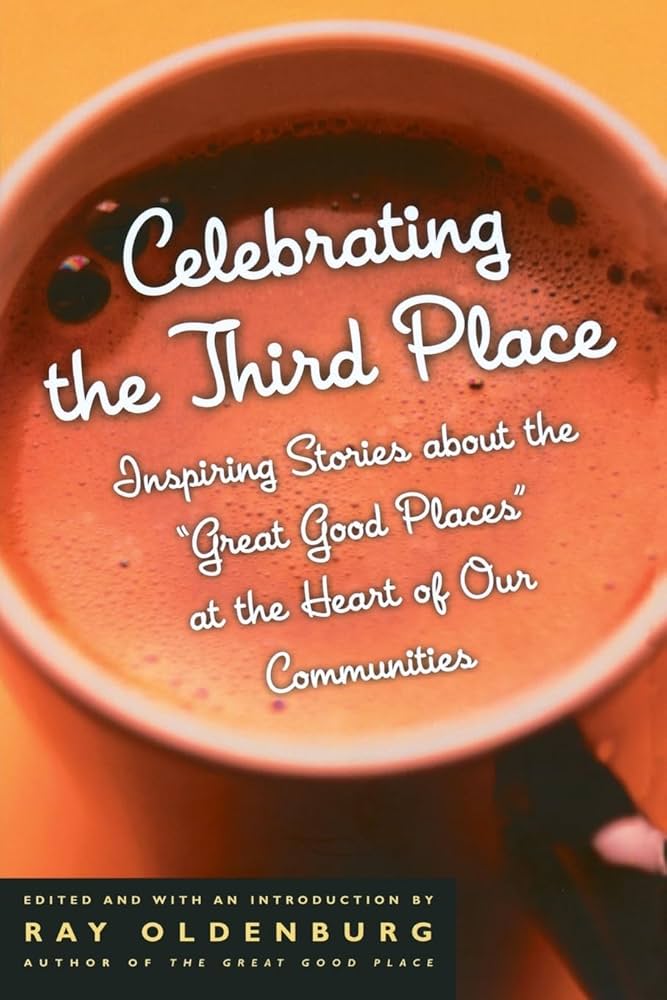
Nationwide, more and more entrepreneurs are committing themselves to creating and running “third places,” also known as “great good places.”

In his landmark work, The Great Good Place, Ray Oldenburg identified, portrayed, and promoted those third places. Ten years after the original publication of that book, Oldenburg wanted to celebrate the many third places that dot the American landscape and foster civic life.

Celebrating the Third Place brings together fifteen firsthand accounts by proprietors of third places, as well as appreciations by fans who have made spending time at these hangouts a regular part of their lives. Among the establishments profiled are a shopping center in Seattle, a three-hundred-year-old tavern in Washington, D.C., a garden shop in Amherst, Massachusetts, a coffeehouse in Raleigh, North Carolina, a bookstore in Traverse City, Michigan, and a restaurant in San Francisco.


Ray Oldenburg’s Celebrating the Third Place (2000) builds upon the ideas introduced in his earlier work, The Great Good Place (1989), and refines the concept of third places. While The Great Good Place laid the theoretical groundwork for understanding the importance of informal gathering spaces in fostering community, Celebrating the Third Place offers a more practical examination of these spaces. Through real-world examples and case studies, Oldenburg highlights how third places function in various cultural contexts and emphasizes their potential to revitalize and strengthen communities. This article will explore how it refines the concept of third places, and discuss its continuing impact on urban planning, social sciences, and community development.

In the aftermath of World War II, a significant shift occurred in American urban landscapes, dramatically impacting the existence and survival of “third places” – those informal public gathering spaces essential for community building. These places, often locally owned, independent, and small-scale businesses, have faced increasing challenges due to changing urban planning paradigms, economic pressures, and evolving social habits.

The Rise of Chains and Unifunctional Zoning

One of the primary culprits in the decline of third places has been the emergence of chain establishments, coinciding with the implementation of unifunctional zoning policies. This zoning approach, which separates residential areas from commercial ones, has forced Americans to rely heavily on cars for even the most basic errands. As a result, people now drive to strips and malls where only large chains can afford to operate, effectively squeezing out smaller, local businesses.

Before the advent of unifunctional zoning, communities were designed with a mix of residential and commercial spaces. Small stores, taverns, offices, and eateries were within walking distance for most town and city dwellers, forming the backbone of community life. These businesses typically served customers within a two or three-block radius and thrived in this localized ecosystem. However, the introduction of negative zoning created an environment where impersonal chain operations could flourish at the expense of independent establishments.

The Human Element: Public Characters vs. Corporate Policies

The shift from local independents to chain establishments has had profound implications for community dynamics. Many operators of mom-and-pop stores were what Jane Jacobs called “public characters” – individuals who knew and cared about everyone in the neighborhood. These figures played crucial roles in maintaining community cohesion, keeping an eye on children, monitoring neighborhood safety, and facilitating the flow of important local information.

In stark contrast, chain establishments often prioritize efficiency and standardization over community engagement. High employee turnover rates and corporate policies discouraging casual interactions with customers have eroded the personal connections that once defined local businesses. This shift has resulted in a less personalized, less engaged community experience.

Urban Planning and the Retreat to Private Spaces

Decades of poor urban planning have further exacerbated the challenges faced by third places. The public sphere has become increasingly inhospitable and difficult to navigate, encouraging a trend towards “nesting” or “cocooning” – the tendency for people to retreat to the comfort of their private homes. As homes have become better equipped, more comfortable, and more entertaining, the appeal of venturing out into public spaces has diminished.

This domestic retreat presents a significant challenge to movements like Traditional Town Planning or the New Urbanism, which aim to restore community and public life through architectural and layout principles reminiscent of the 1920s. However, the effectiveness of these approaches in isolation is questionable. Examples of well-designed public spaces failing to attract people suggest that architectural solutions alone may not be sufficient to revitalize community life.

The Digital Age and Its Impact

The rise of personal computers and internet connectivity has further complicated efforts to promote public life. Many people now spend significant time online, whether for work, entertainment, or social interaction. This digital engagement often comes at the expense of face-to-face community interactions, presenting yet another obstacle to the revival of third places.

Hope for Revival: The Harrisburg Example

Despite these challenges, there are examples of successful efforts to revitalize public life and support third places. The city of Harrisburg, Pennsylvania, offers an inspiring case study. Following years of economic stagnation and natural disasters, Harrisburg embarked on a concerted effort to promote community spirit and street life.

Key to Harrisburg’s success was the city government’s supportive approach to new, independent businesses. By recognizing and rewarding establishments that contributed to the city’s betterment, Harrisburg created a welcoming environment for entrepreneurs and community builders. This approach, combined with the preservation of walkable, human-scale architecture and mixed land use, has resulted in a vibrant public life that larger cities might envy.

The Loss of Community Time

A final consideration in the struggle for third places is the loss of what could be called “community time.” The replacement of a post-work free hour with commuting time has had a significant impact on community cohesion. Where people once had time to engage with their community before returning home, they now often spend that time isolated in their cars, fostering frustration rather than connection.

The challenges facing third places in modern America are numerous and complex, ranging from urban planning decisions to economic pressures and changing social habits. However, the importance of these spaces for community building and social cohesion remains as vital as ever. Success stories like Harrisburg demonstrate that with intentional effort and supportive policies, it is possible to create and maintain vibrant third places.

As we move forward, it is crucial to recognize the value of these spaces and work towards creating environments that foster their development. This may require rethinking our approach to urban planning, supporting local businesses, and actively encouraging community engagement. By doing so, we can hope to preserve and revitalize the “stuff of community” that third places provide, enriching our social fabric and improving the quality of life in our towns and cities.


Clarity in Chaos: How Mission-Focused Leadership Drives Organizational Success

In a world where change is the only constant, leadership demands courage and clarity.

Every organization faces pivotal moments that can either blur their vision or strengthen their resolve. Through insightful storytelling, engaging illustrations, and practical exercises, Bolsinger helps you cut through the noise to hone in on what truly matters―your mission. 

The Mission Always Wins isn’t just about theory; it’s packed with real-life case studies and actionable advice, so you can foster alignment and purpose within your team. The Mission Always Wins is your go-to guide for learning to navigate the choppy waters of organizational change with precision and purpose.

Are you ready to align your team with a mission that matters? The Mission Always Wins will help you to lead with clarity and conviction in times of change.


In today’s rapidly evolving business landscape, organizations face unprecedented challenges that demand more than traditional problem-solving approaches. These challenges require adaptive change, a transformational process that goes beyond surface-level solutions. As Tod Bolsinger, an expert in leadership and organizational change, emphasizes in his book The Mission Always Wins, adaptive leadership is crucial for guiding organizations through complex, evolving landscapes.

Understanding Adaptive Change

Adaptive change is not about a great leader solving a hard problem with resolve and a clear plan. Instead, it’s a process where a group takes responsibility for their own transformation, altering behaviors, attitudes, and sometimes even cherished values. As leadership experts Ronald Heifetz and Marty Linsky observe, “To meet adaptive challenges, people must change their hearts as well as their behaviors.”

The goal of an adaptive change leader is not to please stakeholders by solving their problems. Rather, it’s to guide the organization through personal and shared transformation to accomplish its mission in a changing and often disruptive world. The leader’s primary task is to help the organization make necessary adaptations that bring about transformation for the sake of the mission.

The Mission Always Wins

In the face of adaptive challenges, leaders often find themselves negotiating multiple, sometimes competing, values. One of the most painful realities is that they can no longer rely on win-win solutions. In fact, when facing adaptive challenges, win-win often becomes lose-lose.

So, how do we lead a team through this disappointing leadership challenge? The answer lies in a simple yet difficult-to-implement mantra: The mission always wins. Always. Every time. In every conflict. This means that the focused, shared, missional purpose of the organization takes precedence over every other competing value. It’s more important than personal preferences, leadership styles, or past successes.

Building a First Team

To ensure that the mission always wins, leaders must develop a “first team” as described by Patrick Lencioni in his book “The Advantage.” This concept refers to an executive leadership team that considers each other the most important team, sharing one common mission. For many executive team members, this requires a difficult shift in mindset. They may have to prioritize their loyalty to the mission over their loyalty to their departments or personal interests.

Crafting a Clear Mission Statement

A clear, concise mission statement is crucial for adaptive leadership. Drawing inspiration from the military concept of “commander’s intent,” a good mission statement should provide clarity on the purpose, goal, and desired end state of the organization. An effective approach is to craft an 8-word mission statement. This brevity forces leaders to distill the essence of their organization’s purpose, making it easily communicable and actionable for all team members.

Facing the Reality of Casualties

When organizations prioritize their mission in the face of adaptive challenges, there will inevitably be casualties. These can manifest as changes in roles, reworking of budgets and resources, or even people leaving the organization. As a leader, it’s crucial to acknowledge these losses and pay extra attention to those who will experience the changes most personally and dramatically.

Naming and Navigating Competing Values

Adaptive leadership requires the ability to name and navigate competing values with missional clarity. This process involves:

  1. Putting all organizational values on the table
  2. Naming them explicitly
  3. Identifying which values are in competition
  4. Prioritizing values based on the organization’s mission

By going through this process, leaders can make tough decisions that align with the organization’s core purpose, even when it means disappointing some stakeholders.

The Importance of Adaptation

While preserving core values is crucial, healthy adaptation of these values is equally important for organizational thriving in a changing environment. As Jerry Porras and Jim Collins suggest, “Once you have determined what will never change, then you must be prepared to change everything else.” This delicate balance between preservation and adaptation is at the heart of effective adaptive leadership.

Leading with Missional Clarity

Remember, in the face of adaptive challenges, the mission always wins. This principle should be the north star guiding all decisions and actions. It may lead to difficult choices and disappointments in the short term, but it ensures the long-term health and success of the organization.

As we navigate an increasingly complex and rapidly changing world, the ability to lead adaptive change will become ever more crucial. By embracing these principles and practices, leaders can transform their organizations, enabling them to not just survive, but thrive in the face of unprecedented challenges.

The path of adaptive leadership may be difficult, but for organizations committed to making a lasting impact, it’s the only way forward. In the end, it’s not about winning every battle or pleasing every stakeholder – it’s about fulfilling the mission that drives your organization’s very existence.

As Bolsinger reminds us, “There are always stakeholders who are deeply committed to keeping things the way they have always been. Every time, in every decision, the key question is: Does it further our missions? The mission always wins. Always. Every. Time.”

The Mission Always Wins isn’t just a catchy phrase; it’s a powerful guiding principle for leaders navigating the choppy waters of organizational change. By focusing on the mission, building a strong first team, crafting a clear mission statement, and courageously facing the challenges of adaptive change, leaders can guide their organizations toward a future of purpose, resilience, and lasting impact.


The Great American Grid: Jefferson’s Mathematical Vision of Liberty

Seen from an airplane, much of the United States appears to be a gridded land of startling uniformity. Perpendicular streets and rectangular fields, all precisely measured and perfectly aligned, turn both urban and rural America into a checkerboard landscape that stretches from horizon to horizon. In evidence throughout the country, but especially the West, the pattern is a hallmark of American life. One might consider it an administrative convenience – an easy way to divide land and lay down streets – but it is not. The colossal grid carved into the North American continent, argues historian and writer Amir Alexander, is a plan redolent with philosophical and political meaning.

In 1784 Thomas Jefferson presented Congress with an audacious scheme to reshape the territory of the young United States. All western lands, he proposed, would be inscribed with a single rectilinear grid, transforming the natural landscape into a mathematical one. Following Isaac Newton and John Locke, he viewed mathematical space as a blank slate on which anything is possible and where new Americans, acting freely, could find liberty. And if the real America, with its diverse landscapes and rich human history, did not match his vision, then it must be made to match it.

From the halls of Congress to the open prairies, and from the fight against George III to the Trail of Tears, Liberty’s Grid tells the story of the battle between grid makers and their opponents. When Congress endorsed Jefferson’s plan, it set off a struggle over American space that has not subsided. Transcendentalists, urban reformers, and conservationists saw the grid not as a place of possibility but as an artificial imposition that crushed the human spirit. Today, the ideas Jefferson associated with the grid still echo through political rhetoric about the country’s founding, and competing visions for the nation are visible from Manhattan avenues and Kansan pastures to Yosemite’s cliffs and suburbia’s cul-de-sacs. An engrossing read, Liberty’s Grid offers a powerful look at the ideological conflict written on the landscape.


From the window of a commercial jetliner flying over the western United States, a striking pattern emerges: an endless succession of square fields, perfectly aligned with the compass points, stretching from horizon to horizon. This geometric tapestry covers two-thirds of the continental United States, imposing a uniform mathematical design upon the natural landscape. Mountains, valleys, rivers, and even cities bend to its will, creating a sight that is both awe-inspiring and perplexing.

This vast checkerboard is known as the Great American Grid, a unique feature of the American landscape that sets it apart from the rest of the world. While rectilinear patterns in agricultural land can be found in other parts of the globe, none match the scale, uniformity, and sheer ambition of the American grid. It is a single, unified network that redefines space itself, transforming a diverse continent into a uniform mathematical plane.

The origins of this grand design can be traced back to one of America’s founding fathers: Thomas Jefferson. The same man who penned the Declaration of Independence also conceived of and championed the idea of dividing the entire continent into regular squares. Far from being a mere practical convenience for land transactions, the grid was a bold ideological statement, embodying Jefferson’s vision of America as a land of unconstrained freedom and infinite opportunity.

Jefferson’s grid was not implemented without resistance. Even George Washington opposed the plan, arguing that it would hinder rather than facilitate settlement and expansion. The technical challenges of imposing a single Cartesian grid over such a vast landmass were immense, requiring a multigenerational effort by a dedicated government bureaucracy. This herculean task, conducted at the frontiers of technical feasibility, lasted nearly two centuries.

The grid’s implementation was driven by Jefferson’s belief in an “Empire of Liberty.” In his vision, the vacant and uniform mathematical terrain would provide a blank slate for enterprising settlers to build their fortunes and forge a nation, unconstrained by history, tradition, or geography. The grid became a physical manifestation of the American dream, promising limitless opportunity to all who ventured westward.

However, Jefferson’s vision was not universally embraced. As the grid spread across the western landscape, it faced opposition from those who viewed it with profound skepticism. Transcendentalists like Henry David Thoreau, urban reformers such as Frederick Law Olmsted, and conservationists like John Muir saw the rectilinear terrain not as a land of freedom, but as an oppressive artificial imposition.

These critics argued that the unchecked settlement of the West led not only to opportunities for settlers but also to the destruction of the natural environment and the displacement of indigenous peoples. They viewed the grid as a soulless mathematical construct that crushed the human spirit and set people on a path to social and moral degradation. Their solution was to check the spread of the Cartesian terrain by circumscribing it with naturalistic landscapes.

This ideological conflict between the grid and the “anti-grid” has shaped the American landscape into a terrain of contrasts. The rigid rectilinear cities give birth to naturalistic parks at their centers and curvilinear suburbs at their outskirts. The vast gridded expanse of the West is punctuated by protected natural wonders. The streets of Manhattan and the cornfields of Kansas stand in stark contrast to the winding paths of Central Park and the rugged cliffs of Yosemite Valley.

The battle between these competing visions continues to this day, with each side leaving its mark on the American landscape. The grid, with its promise of freedom and opportunity, remains a powerful symbol of the American dream. Yet the anti-grid, with its emphasis on harmony with nature and preservation of wilderness, serves as a constant reminder of the costs of unchecked expansion.

This ongoing conflict is more than just a matter of landscape design; it reflects fundamental tensions in the American psyche. The grid embodies the belief in progress, individualism, and the power of human ingenuity to shape the world. The anti-grid, on the other hand, represents a reverence for nature, a recognition of human limitations, and a desire for organic community.

As America continues to evolve, the interplay between these competing visions will undoubtedly shape its future. The great American grid, born from Jefferson’s mathematical mind and ideological convictions, remains a testament to the power of ideas to transform the physical world. It stands as a bold statement of what America aspires to be: a land of boundless opportunity where individuals can forge their own destinies.

Yet the presence of the anti-grid serves as a crucial counterbalance, reminding us of the importance of preserving natural beauty, respecting ecological limits, and maintaining a sense of humility in the face of nature’s grandeur. The tension between these two visions – the mathematical and the organic, the planned and the wild – continues to define the American landscape and the American character.

As we look to the future, the challenge lies in finding a balance between these competing ideals. Can we preserve the spirit of opportunity and innovation embodied by the grid while also respecting the natural world and the diverse communities that call this land home? The answer to this question will shape not only the American landscape but also the nation’s identity for generations to come.


Part of a regular series on 27gen, entitled Wednesday Weekly Reader.

During my elementary school years one of the things I looked forward to the most was the delivery of “My Weekly Reader,” a weekly educational magazine designed for children and containing news-based current events.

It became a regular part of my love for reading, and helped develop my curiosity about the world around us.
The Human Element: Framing in a Digital World

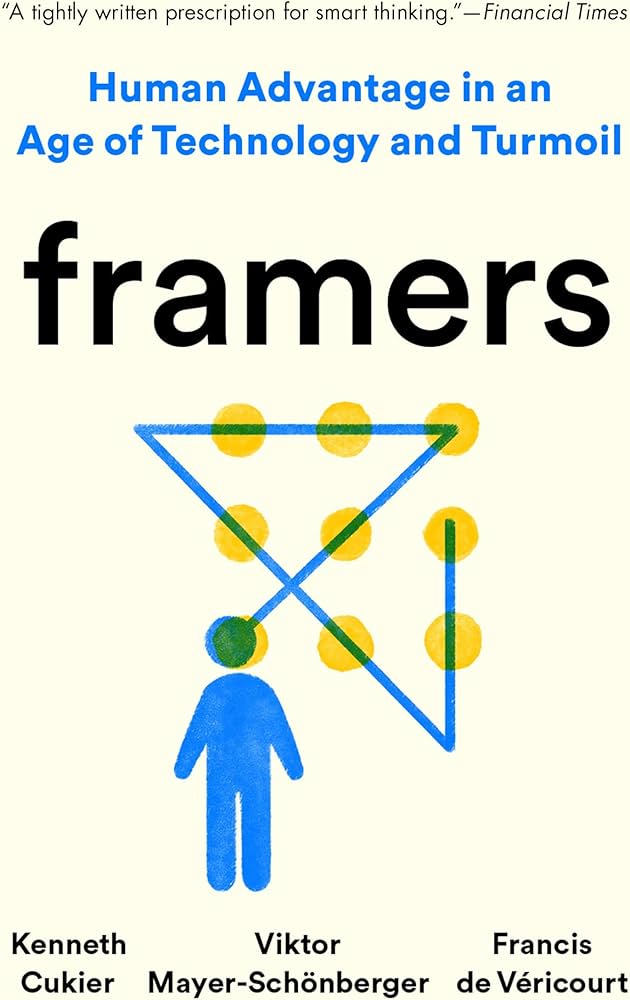
From pandemics to populism, AI to ISIS, wealth inequity to climate change, humanity faces unprecedented challenges that threaten our very existence. The essential tool that will enable humanity to find the best way forward is defined in Framers by internationally renowned authors Kenneth Cukier, Viktor Mayer-Schönberger, and Francis de Véricourt. 

To frame is to make a mental model that enables us to make sense of new situations. Frames guide the decisions we make and the results we attain. People have long focused on traits like memory and reasoning, leaving framing all but ignored. But with computers becoming better at some of those cognitive tasks, framing stands out as a critical function—and only humans can do it. This book is the first guide to mastering this human ability.

Illustrating their case with compelling examples and the latest research, authors Cukier, Mayer-Schönberger, and de Véricourt examine:

– Why advice to “think outside the box” is useless

– How Spotify beat Apple by reframing music as an experience

– How the #MeToo twitter hashtag reframed the perception of sexual assault

– The disaster of framing Covid-19 as equivalent to seasonal flu, and how framing it akin to SARS delivered New Zealand from the pandemic

Framers shows how framing is not just a way to improve how we make decisions in the era of algorithms—but why it will be a matter of survival for humanity in a time of societal upheaval and machine prosperity


KEY LEARNINGS

Concept 1: Framing Effects

Framing effects demonstrate how the way information is presented can significantly influence people’s decisions and perceptions. This concept teaches non-profits to strategically choose the language and context they use to frame their mission, projects, and messages. By emphasizing certain aspects and downplaying others, non-profits can shape how their audiences interpret and respond to their initiatives.

Application: Non-profits can tailor their communication to align with the values and emotions of their target audience. For instance, when discussing a social issue, the application suggests using positive and empathetic language to evoke support and engagement.

Concept 2: Cognitive Biases

Cognitive biases are inherent mental shortcuts that affect how individuals perceive and process information. Non-profits can leverage an understanding of these biases to optimize their messaging and campaigns. By recognizing biases such as confirmation bias and availability heuristic, organizations can craft messages that resonate with audiences more effectively.

Application: The application provides guidance on crafting messages that counteract common cognitive biases. For instance, non-profits can present balanced and evidence-based information to counter confirmation bias and employ vivid stories to overcome the availability heuristic.

Concept 3: Narrative Power

The power of narrative lies in its ability to connect emotionally with audiences and make information memorable. Non-profits can harness the impact of storytelling to convey complex issues in relatable ways, making their cause more compelling and accessible. Effective storytelling can create a sense of empathy and urgency, encouraging individuals to take action.

Application: Non-profits can learn to incorporate personal stories of individuals affected by their initiatives. The application offers strategies for weaving narratives into campaigns, emphasizing the human impact of their work to inspire empathy and drive support.

Concept 4: Perception Management

Perception management involves shaping how people perceive certain information, often by influencing the context in which it is presented. Non-profits can apply this concept to reframe challenges as opportunities and emphasize the progress made, fostering a positive outlook among supporters.

Application: The application suggests strategies for positioning setbacks as learning experiences and highlighting successes in measurable terms. By guiding non-profits to manage perceptions effectively, the application helps maintain stakeholder confidence and support.

Concept 5: Contextual Communication

Contextual communication recognizes the importance of adapting messages to different cultural, social, and economic contexts. Non-profits can enhance their impact by tailoring their communication strategies to resonate with diverse audiences. This approach demonstrates respect for the unique perspectives of various communities.

Application: To facilitate contextual communication, the application provides guidelines for researching and understanding the values and norms of different target audiences. By demonstrating cultural sensitivity, non-profits can establish deeper connections and foster inclusive engagement.

Kenneth Cukier, Viktor Mayer-Schönberger, and Francis de Véricourt’s Framers offers a thought-provoking exploration of the uniquely human ability to frame problems and solutions. The authors argue that in a world increasingly dominated by technology, this ability remains indispensable.

The Power of Framing

Framing, as the authors define it, is the process of creating mental models that allow us to see patterns, predict outcomes, and make sense of new situations. These mental models, or frames, guide our decisions, shape our perceptions, and ultimately determine our success.

The Human Edge

While machines excel at certain tasks, such as data analysis and pattern recognition, they lack the ability to frame problems in the same way that humans do. Humans possess a unique ability to synthesize information, draw connections, and create narratives that give meaning to complex situations. This ability, the authors argue, is essential for effective problem-solving, innovation, and leadership.

Examples of Framing in Action

The book is rich with examples that illustrate the power of framing. One particularly striking example is the story of the Wright brothers. The Wright brothers were not the first to experiment with flight, but they were the first to succeed. Their success can be attributed, in part, to their ability to frame the problem of flight in a new way. By focusing on the challenge of controlling an aircraft in flight, rather than simply building a heavier-than-air machine, the Wright brothers were able to develop a revolutionary new approach to aviation.

The Dangers of Poor Framing

The authors also explore the negative consequences of poor framing. For example, the initial framing of COVID-19 as equivalent to a seasonal flu contributed to the mishandling of the pandemic. By downplaying the seriousness of the virus, policymakers and the public were unprepared for the challenges that lay ahead.

Practical Implications

Framers offers practical advice on how individuals and organizations can improve their framing skills. The authors emphasize the importance of cultivating curiosity, seeking diverse perspectives, and practicing empathy. They also argue that it is essential to be aware of the biases that can influence our framing.

Limitations and Ethical Considerations

While Framers offers a compelling argument for the importance of human framing, it is not without its limitations. Some readers may find the book’s focus on individual agency somewhat narrow. While the authors acknowledge the role of societal factors and systemic biases in shaping our frames, they primarily emphasize the power of individual choice and action.

Additionally, the book could have benefited from a more in-depth discussion of the potential ethical implications of framing. In particular, the authors could have explored the ways in which framing can be used to manipulate public opinion and promote harmful ideologies.


Framers is a valuable contribution to our understanding of the human mind and its place in the technological age. By highlighting the unique ability of humans to frame problems and solutions, the authors offer a hopeful message about our potential to thrive in a world increasingly dominated by machines.

Framers explores the power of framing, perception, and communication in influencing decision-making. By integrating these concepts, leaders can enhance their messaging, outreach, and impact.


The Laws of Connection: A Deep Dive into Human Relationships

Social connection is as essential for our health and happiness as a balanced diet and regular exercise. It reduces our risk of stroke, heart disease, and Alzheimer’s. It enhances our creativity and adds years to our life span. Yet many of us struggle to form strong and meaningful bonds – and the problem lies not with our personalities but with a series of cognitive biases that stop us from fulfilling our social potential.

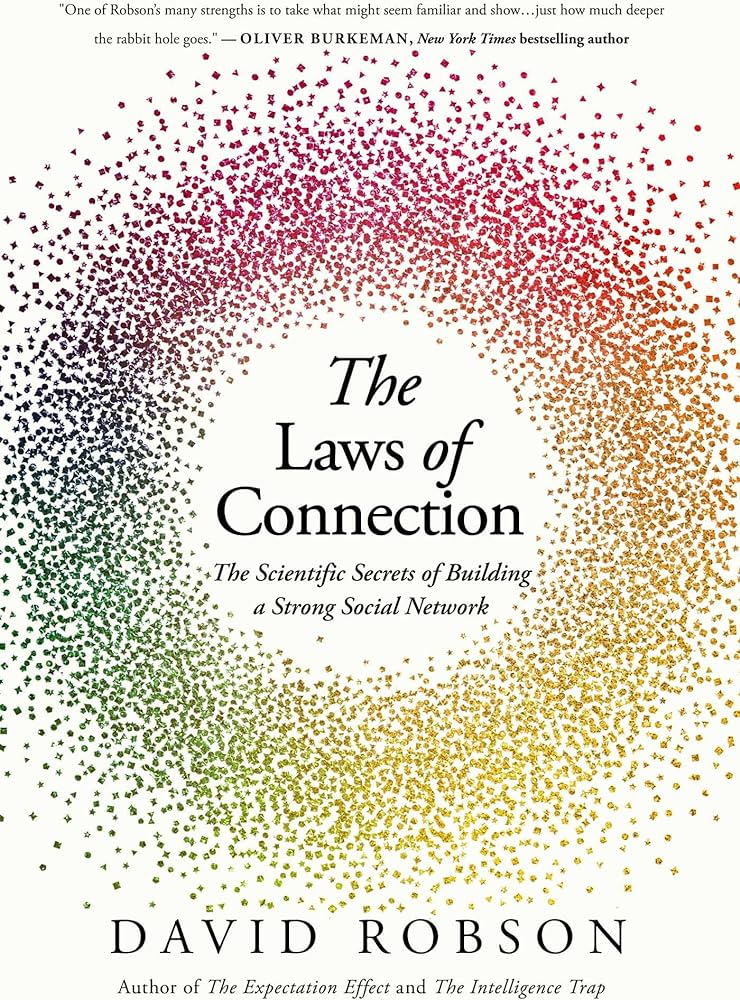
In The Laws of Connection, award-winning science writer David Robson describes the psychological barriers that lead us to keep others at a distance and offers evidence-based strategies to overcome them.

Drawing on philosophy, neuroscience, and cutting-edge psychology, Robson introduces readers to new concepts such as the liking gap, the novelty penalty, the fast-friendship procedure, the beautiful mess effect, and the Japanese art of amae (a Japanese term used to describe acting like a spoiled child). Whether we are shy or confident, introvert or extrovert, we can all build deeper relationships. The Laws of Connection shows us how.


David Robson’s The Laws of Connection is a captivating exploration of the science behind human relationships. Drawing on a wealth of psychological research, Robson delves into the cognitive biases and social barriers that can hinder our ability to connect with others. The book offers a compelling argument that strong social connections are essential for our well-being, challenging the notion that our personality traits are fixed determinants of our social success.

At the heart of Robson’s argument is the idea that our thought processes and behaviors play a crucial role in shaping our relationships. He introduces various cognitive biases that can inadvertently sabotage our social interactions. For instance, the “liking gap” refers to our tendency to underestimate how much others like us, while the “novelty penalty” suggests that we may be less likely to form bonds with people who are too similar to us.

The book also explores the concept of the “beautiful mess effect,” which highlights the importance of embracing imperfections in our relationships. Rather than striving for idealized connections, Robson argues that it is often the messy, imperfect moments that strengthen our bonds.

In addition to cognitive biases, Robson discusses the social barriers that can hinder our ability to connect with others. These barriers include fear of rejection, lack of self-confidence, and cultural differences. The book provides practical strategies for overcoming these challenges and fostering deeper connections.

One of the key themes in The Laws of Connection is the power of intentional connection. Robson emphasizes that building strong relationships requires effort and conscious attention. He introduces techniques such as the “fast-friendship procedure” and the “disclosure reciprocity effect” to help readers forge deeper bonds with others.

The fast-friendship procedure involves asking a series of personal questions to create a sense of intimacy and connection. The disclosure reciprocity effect suggests that we are more likely to open up to others if they first share personal information with us.

Throughout the book, Robson provides compelling examples and anecdotes to illustrate his points. He draws on research from various fields, including psychology, sociology, and neuroscience, to support his arguments.

Here are Robson’s Laws of Connection:

  1. Be consistent in your treatment of others. Avoid becoming a stressful frenemy.
  2. Create a mural understanding with the people you met.
  3. Ignore superficial similarities and instead focus on your internal world, and the peculiar ways that your thoughts and feelings coincide. Trust that others, on average, will like you as much as you like them, and be prepared to practice your social skills to build your social confidence.
  4. Check your assumptions; engage in ‘perspective/getting rather than ‘perspective-taking’ to avoid egocentric thinking and misunderstandings.
  5. In conversation, demonstrate active attention, engage in self-disclosure, and avoid the novelty penalty, to build mutual understanding and contribute to the merging of our minds.
  6. Praise people generously, but be highly specific in your words of appreciation.
  7. Be open about your vulnerabilities, and value honesty over kindness (but practice both, if possible).
  8. Do not fear envy. Disclose your successes but be accurate in your statements and avoid comparing yourself to others. Enjoy ‘confelicity’.
  9. Ask for help when you need it, in the expectation that your pleas for support can build a stronger long-term bond.
  10. Offer emotional support to those in need, but do not force it upon them. Validate their feelings while providing an alternative perspective on their problems.
  11. Be civil and curious in disagreements; show interest in the other side’s viewpoint; share personal experiences; and translate your opinions into their moral language.
  12. For your wellbeing, choose forgiveness over spite. Look at the big picture in arguments. Ensure your apologies define the offense, take responsibility for your actions, and express regret. Have faith that people can change for the better.
  13. Reach out to the people who are missing in your life. Let them know that they are still a part of your thoughts.

Overall, The Laws of Connection is a thought-provoking and informative book that provides valuable insights into the science of human connection. It is a must-read for anyone interested in improving their relationships and understanding the psychological factors that influence our social interactions.

Beyond its practical applications, the book also offers a deeper understanding of the human condition. Robson’s exploration of the science of connection sheds light on the fundamental need for social connection and the ways in which we can cultivate meaningful relationships.

The Laws of Connection is a valuable resource for anyone seeking to improve their social lives and build stronger relationships. It offers practical strategies, thought-provoking insights, and a deeper understanding of the science behind human connection


Part of a regular series on 27gen, entitled Wednesday Weekly Reader.

During my elementary school years one of the things I looked forward to the most was the delivery of “My Weekly Reader,” a weekly educational magazine designed for children and containing news-based current events.

It became a regular part of my love for reading, and helped develop my curiosity about the world around us.