The literary world gifted us Ove, and cinema, Otto – both initially presented as curmudgeonly figures, their exteriors hardened by life’s inevitable knocks. Yet, beneath their gruff façades lay reservoirs of profound wisdom and a deep capacity for compassion, often revealed through unexpected connections with those younger and more vibrant. These characters, while fictional, serve as potent reminders of the multifaceted experience of growing older, a journey often unfairly shadowed by societal stigma.
One of the most poignant aspects of aging, as depicted in these narratives, is the accumulation of wisdom. Life, with its inherent joys and sorrows, etches lessons onto the hearts and minds of those who have traversed its many seasons. Ove’s meticulous nature and Otto’s adherence to rules weren’t simply quirks; they were often rooted in a lifetime of experience, a deep understanding of how things work, and a desire for order in a world that can feel increasingly chaotic. This wisdom manifests not just in practical skills – fixing a leaky pipe, understanding the intricacies of a neighborhood – but also in a deeper understanding of human nature, resilience in the face of adversity, and the cyclical nature of life itself.
Illustration of Wisdom
Imagine a young couple struggling to assemble flat-pack furniture, their frustration mounting with each misaligned piece. An older neighbor, perhaps initially seen as out-of-touch, steps in with a calm demeanor, having assembled countless such items over the years. Seasoned eyes spot the crucial missing step, experienced hands work with an efficiency born of practice, turning a moment of stress into one of quiet accomplishment. This isn’t just about putting together furniture; it’s about the transfer of practical knowledge, a tangible link between generations.
Beyond wisdom, the elderly often possess a wellspring of compassion, often masked by a seemingly stern exterior. Ove’s gruff interventions in his neighborhood, while appearing critical, often stemmed from a deep-seated sense of responsibility and a genuine care for the well-being of his community. Similarly, Otto’s initial resistance to his new, boisterous neighbors eventually melts away, revealing a man capable of profound empathy and unexpected acts of kindness. This compassion isn’t always expressed through grand gestures but often through small, everyday acts of support, a listening ear, or a comforting presence in times of need.
Compassionate Example
Picture an elderly woman noticing a young single parent struggling with groceries and a crying child. Instead of simply observing, she offers a helping hand, carrying a bag or distracting the child with a gentle smile and a kind word. This simple act of empathy, born from years of navigating her own challenges and witnessing the struggles of others, can have a significant impact, offering a moment of respite and connection in an otherwise demanding day.
Despite the potential for wisdom and compassion, growing older is often accompanied by a pervasive societal stigma. The elderly can be made to feel invisible, their contributions undervalued, their opinions dismissed as outdated. They might face ageist stereotypes that portray them as frail, incompetent, or out of touch. This marginalization can lead to feelings of isolation, loneliness, and a diminished sense of self-worth. The initial perceptions of Ove and Otto as simply “grumpy old men” exemplify this stigma, overlooking the rich inner lives and valuable experiences they held.
The Heartaches That Shape Us
It’s crucial not to gloss over the heartaches that often accompany aging. The loss of loved ones, declining health, and the feeling of being left behind by a rapidly changing world are very real and deeply felt. Ove’s gruffness was, in part, a shield against the immense grief of losing his beloved wife. Otto’s initial despair stemmed from a similar loss and a feeling of purposelessness. These heartaches can shape an individual, sometimes leading to a seemingly prickly exterior. However, it is often through these very experiences that a deeper capacity for empathy and understanding is forged. Having weathered their own storms, the elderly can offer a unique form of solace and support to those facing their own challenges.
A Shift in Perspective
The stories of Ove and Otto, while tinged with sadness, ultimately offer a positive message. They highlight the importance of looking beyond superficial judgments and recognizing the inherent value and potential that resides within every individual, regardless of age. They encourage us to dismantle the stigma associated with growing older and to instead foster communities that value the wisdom, cherish the compassion, and embrace the unique contributions of our elders.
By shifting our perspective, we can move away from seeing aging as a period of decline and instead recognize it as a continuation of life, rich with experience and the potential for meaningful connection. Just as the seemingly rigid exteriors of Ove and Otto eventually cracked to reveal the warmth within, so too can our societal perceptions evolve to fully appreciate the enduring wisdom and boundless compassion of our aging population.
Recognizing their value enriches not only their lives but the very fabric of our communities.
Part of a regular series on 27gen, entitled Wednesday Weekly Reader.
During my elementary school years one of the things I looked forward to the most was the delivery of “My Weekly Reader,” a weekly educational magazine designed for children and containing news-based current events.
It became a regular part of my love for reading, and helped develop my curiosity about the world around us.
In an increasingly disconnected world, the simple yet profound act of knowing and loving our literal neighbors has the power to transform individuals, communities, and even the world. This is the central message of The Art of Neighboring: Building Genuine Relationships Right Outside Your Door by Jay Pathak and Dave Runyon. The book challenges the common tendency to view “neighbor” as a metaphorical concept, encompassing anyone in need across the globe, and instead calls for a radical shift in focus: prioritizing the people who live closest to us.
Pathak and Runyon argue that while global outreach and broader compassion are vital, neglecting our immediate neighbors often leads to a diluted and ineffective practice of love. By aiming for everyone, we often connect deeply with no one. Jesus, when asked to summarize the commandments, emphasized loving God and loving our neighbor as ourselves. The authors contend that Jesus’s initial audience would have naturally understood “neighbor” to mean those in their immediate vicinity. The parable of the Good Samaritan then served to expand their understanding of who qualifies as a neighbor, not to replace the importance of caring for those geographically close.
The Art of Neighboring isn’t just a theoretical discussion; it’s a practical guide filled with relatable anecdotes and actionable steps. The authors address common barriers to neighboring, such as busy schedules and fear of awkward interactions. They emphasize that building genuine relationships takes time, consistency, and a willingness to step outside our comfort zones. Small, regular acts of kindness and connection can accumulate into strong, meaningful bonds. The book encourages readers to move beyond superficial interactions and learn the names, stories, interests, and even needs of those living nearby.
A key principle highlighted is the distinction between being responsible to our neighbors and being responsible for them. While we are called to be present, supportive, and helpful, we must also recognize our own limitations and avoid taking on burdens that are not ours to carry. Healthy neighboring involves reciprocity – a willingness to both give and receive help. This mutual exchange fosters deeper connections and breaks down walls of isolation.
The ultimate motivation for neighboring, according to Pathak and Runyon, should be rooted in our faith and love for God, not as a means to an end. While sharing our faith may naturally arise within genuine relationships, it should never be the sole or ulterior motive for reaching out. Authentic love, offered unconditionally, often speaks louder than words.
Top Five Applications of Home Hospitality in Neighboring
Home hospitality serves as a powerful tool for building connections and demonstrating care for our neighbors. It moves beyond casual greetings and creates opportunities for deeper interaction and relationship building. Here are five key applications:
Simple Shared Meals: Inviting a neighbor over for a casual meal, whether it’s a weeknight dinner, a weekend brunch, or even just sharing takeout on the porch, creates a relaxed atmosphere for conversation and connection. It doesn’t need to be elaborate; the focus is on the shared experience and the opportunity to learn more about each other. For example, inviting a new neighbor over for pizza shortly after they move in can be a welcoming gesture.
Informal Gatherings: Hosting small, informal gatherings based on shared interests or neighborhood events can foster a sense of community. This could be a book club meeting, a game night, a potluck to celebrate a holiday, or watching a local sports team together. These events provide a low-pressure environment for neighbors to interact and build friendships.
Offering Practical Help: Home hospitality can extend to providing practical assistance within your home. This could involve offering to watch a neighbor’s child for a few hours during an emergency, helping with a small home repair if you have the skills, or providing a temporary place to stay during a crisis. These acts of service demonstrate tangible care and build trust.
Welcoming New Neighbors: Extending specific hospitality to those who have recently moved into the neighborhood is crucial. This could involve a welcome basket with local information and small treats, an invitation for coffee or a meal, or simply offering help with unpacking. Making newcomers feel seen and welcomed from the start can set the foundation for positive relationships.
Creating Space for Vulnerability: As relationships deepen, home can become a safe space for sharing more personal aspects of life. Offering a listening ear over a cup of coffee, providing comfort during a difficult time, or celebrating milestones together within the intimacy of your home can foster deep and meaningful connections.
Next Steps to Take
Embracing the art of neighboring is a journey, not a destination. Here are some practical next steps you can take to begin or deepen your engagement with your immediate community:
Learn Your Neighbors’ Names: Start with the basics. Make a conscious effort to learn the names of the people who live on either side of you, across the street, and in the houses directly behind you. A simple “Hi, I’m [Your Name]” can be the first step in building a connection.
Initiate Simple Interactions: Look for opportunities for brief, friendly interactions. Wave hello when you see them outside, offer a compliment on their garden, or ask a simple question about the neighborhood. These small gestures can build familiarity and open the door for further conversation.
Find Common Ground: Pay attention during your interactions to discover shared interests or experiences. Do you both enjoy gardening? Have children of similar ages? Frequent the same local park? Finding common ground provides natural topics for conversation and potential activities to share.
Offer Small Acts of Kindness: Look for simple ways to be helpful. Offer to bring in their trash cans, water their plants while they’re away, or share extra produce from your garden. These small acts of service demonstrate care and build goodwill.
Be Present and Available: Spend time in your front yard or on your porch. This increases your visibility and creates more opportunities for spontaneous interactions with passersby. Being physically present signals your openness to connection.
Consider a Neighborhood Gathering: Take the initiative to organize a small, informal gathering. This could be a block party, a potluck picnic in a shared green space, or a casual coffee hour at your home. These events provide a structured opportunity for neighbors to meet and socialize.
Listen More Than You Talk: When you do have conversations with your neighbors, practice active listening. Show genuine interest in what they have to say, ask follow-up questions, and remember details for future interactions.
Pray for Your Neighbors: Consciously lift your neighbors up in prayer. Pray for their well-being, their families, and any specific needs you become aware of. This act of intercession can deepen your sense of connection and compassion.
The Art of Neighboring reminds us that the most profound acts of love and community building often begin right outside our front door. By intentionally cultivating relationships with those who live closest to us, we can create stronger, more vibrant, and more caring neighborhoods, one genuine connection at a time.
In a world that often values youth over experience, the concept of a Modern Elder offers a refreshing perspective on the value of wisdom accumulated over decades of professional life. My own 44-year employment journey has been a testament to how careers evolve, skills compound, and wisdom grows – not in spite of transitions, but because of them.
The Power of Transition
Transitions have defined my professional life, serving as inflection points that transformed challenges into growth opportunities. As I wrote in this post Final Approach: Reframing Life’s Unexpected Transitions, transitions aren’t merely endings but gateways to new beginnings. Each career pivot I’ve experienced – from media ministry to education, from construction to clarity consulting – required not just adaptation but transformation.
My journey began at Highview Baptist in Louisville (1981-1986) as Minister of Media, where I expanded audiovisual and communications departments in multiple areas including creating daily children’s educational shows and critical input into the launching of the ACTS satellite network. What seemed like a specialized role evolved as I embraced technological change, researching and implementing large church computer networks in 1983 – long before most churches considered digital infrastructure essential. This early willingness to evolve foreshadowed what would become a hallmark of the Modern Elder mindset: digital fluency coupled with perspective shifting.
The transitions continued through my tenure at Prays Mill Baptist in Georgia (1987-1994) and First Baptist Huntersville (1995-2004), where my responsibilities consistently expanded beyond initial job descriptions. Each transition within these roles – from education minister to administrative leader, from creating a volunteer development process to long-range planning – required the resilience and growth mindset now recognized as core competencies of Modern Elders.
Perhaps the most significant transition came in 2004 when I joined J.H. Batten Design Builders as Sales Development Director. This leap from ministry to commercial construction specializing in churches demanded courage and adaptability. Rather than seeing my prior experience as unrelated, I leveraged my organizational and people skills to create new business models, including a consultant sales approach and an industry certification process that expanded the company’s reach and influence.
As I wrote in The Last Click: Erasing Calendar Blocks, Embracing Possibilities, transitions require us to erase old expectations and embrace new possibilities. This perspective served me well when joining Auxano/Lifeway in 2012, where I brought the dream of an online information platform known as the Vision Room into reality. In addition, a long-held passion for Guest Experiences led to the creation of Guest Experience Boot Camps that trained over 500 church leaders from 126 churches in a four-year period.
The Modern Elder Concept
Since 2022, I have been deep diving into the concepts of a Modern Elder. Along the way, through conversations, connections, and observations, I have developed a framework for the basics of what makes a Modern Elder. The 12 Core Competencies of a Modern Elder represent a structure that resonates deeply with my experience. Unlike traditional models of retirement that suggest fading relevance, the Modern Elder concept celebrates the unique value that experienced professionals bring to organizations when they combine accumulated wisdom with continued growth.
Looking back, I recognize how these competencies manifested throughout my career:
Wisdom Intelligence developed as I synthesized experiences across different organizational contexts, allowing me to see patterns and solutions others might miss. This was particularly evident in my work creating clarity resources at Auxano that distilled complex organizational principles into actionable guidance.
Intergenerational Collaboration became essential as workplaces diversified. From being the youngest staff member in 1981 to working with younger colleagues and clients at Auxano beginning in 2012 required me to appreciate different communication styles while offering the perspective that only experience provides.
The early adoption of computer networks and complete ministry software in 1983 and later development of digital engagement systems in 2014 demonstrated Digital Fluency that many of my contemporaries lacked. Rather than resisting technological change, I embraced it as a tool for expanded impact.
The various leadership positions I’ve held – from educational ministry to sales development – sharpened my Emotional Intelligence as I navigated complex relationships and organizational dynamics. This same emotional awareness informed my approaches to guest experience training, where empathy serves as the foundation.
One particular competency – a Growth Mindset – has been developed over my entire life, but was highlighted for a period of over 8 years: the creation, launch, and almost daily work in a book excerpt/application project called SUMS Remix. With 227 bi-weekly issues, referencing 574 books, it was an integral part of my work, demonstrated an openness to learning, evolving, and challenging existing assumptions for leaders.
My career path defies linear description. Instead, it represents a series of expanding concentric circles, each building upon previous experience while venturing into new territory. From managing audiovisual departments to leading building campaigns, from developing volunteer programs to creating national certification processes, each role added new capabilities while drawing on established strengths.
The transition to Auxano/Lifeway in 2012 represented not just a new job but an integration of all previous experience. Establishing visionroom.com as an online clarity resource drew on my media background. Creating guest experience assessment and training programs leveraged my educational ministry and building consultant experience. Leading digital engagement efforts built upon my early technology adoption.
What appears as separate chapters in my resume actually represents the ongoing development of additional, interrelated competencies:
Mentorship Excellence through educational leadership
Perspective Shifting through consultative approaches
Resilience through multiple organizational transitions
Storytelling through content creation
Cultural Stewardship through change management
Humility through consistently embracing new challenges
As I wrote in Closing the Circle: A Grateful Goodbye and a New Beginning, career transitions represent opportunities to close one circle while beginning another. The Modern Elder doesn’t simply accumulate experience but transforms it into wisdom that benefits organizations and individuals alike.
The Circle Continues
My journey illustrates that careers aren’t meant to follow straight lines but rather to trace meaningful patterns that create ever-expanding impact. The Modern Elder doesn’t seek retirement in the traditional sense but rather maximum influence – using accumulated wisdom to guide others while continuing to grow personally.
The 12 competencies didn’t develop sequentially but emerged organically through challenges embraced and transitions navigated successfully. Each role change – whether within organizations or between them – required leaving comfort zones and entering learning zones where these competencies could develop.
As I contemplate future transitions, I do so not with anxiety but with anticipation. The Modern Elder path isn’t about clinging to past accomplishments but about leveraging them to create future impact. It’s about growing whole, not just growing old – integrating experience, wisdom, and continuous learning into a compelling whole that benefits organizations precisely because it brings perspective that youth alone cannot provide.
In a world of constant disruption, the Modern Elder offers not just adaptation but transformation – turning transitions from endings into beginnings, challenges into growth opportunities, and experience into wisdom that benefits generations to come.
Christopher Snyder’s The Making of Middle-earth: A New Look Inside the World of J.R.R. Tolkien offers readers a richly detailed exploration of the inspirations, influences, and intellectual foundations that shaped J.R.R. Tolkien’s legendary fictional world. This scholarly yet accessible work (revised edition 2022) stands as an essential companion for anyone seeking to understand the complex tapestry of mythological, linguistic, and historical threads that Tolkien masterfully wove into his literary creation.
The Scholar Behind the Story
Snyder, a medieval historian and professor at Mississippi State University, brings impressive academic credentials to his analysis of Tolkien’s world-building. Unlike many Tolkien scholars who approach the material primarily through literary criticism, Snyder’s background allows him to contextualize Tolkien’s creation within the historical and mythological traditions that influenced it. This perspective proves invaluable throughout the book, as Snyder meticulously connects Tolkien’s fictional elements to their real-world inspirations.
Structure and Content
The book is thoughtfully organized into thematic chapters that methodically examine different aspects of Tolkien’s creative process and influences. Beginning with biographical context, Snyder traces Tolkien’s early life, academic career, and the formative experiences that would later shape his fictional world. Particular attention is given to Tolkien’s traumatic experiences during World War I and how they informed his depiction of good versus evil in Middle-earth.
From there, Snyder delves into the linguistic foundations of Tolkien’s world – arguably the primary building block from which all other elements developed. As a philologist, Tolkien’s creation of Elvish languages preceded much of his mythology, and Snyder effectively demonstrates how these invented languages shaped the cultures, histories, and even geographies of Middle-earth. For Tolkien, language was not merely a tool for storytelling but the very essence from which his stories emerged.
The heart of the book explores the mythological, literary, and historical influences that informed Tolkien’s world-building. Snyder expertly analyzes connections between Middle-earth and Nordic mythology, Celtic legends, Arthurian romance, and Anglo-Saxon literature. Particularly strong is his examination of how “Beowulf” – a text Tolkien studied extensively throughout his academic career – provided crucial inspiration for elements ranging from Smaug the dragon to the cultures of Rohan.
What distinguishes Snyder’s analysis is his refusal to oversimplify. While identifying clear parallels between Tolkien’s creation and its influences, he also acknowledges the transformative nature of Tolkien’s imagination. Middle-earth was not merely a pastiche of borrowed elements but a cohesive secondary world that transcended its inspirations to create something genuinely original.
Visual Enrichment
The book is enhanced by thoughtful visual elements that complement the text. Maps, illustrations, and photographs help readers visualize both Tolkien’s world and its real-world inspirations. Particularly effective are comparisons of Middle-earth locations with their potential real-world counterparts, and illustrations of mythological figures that may have influenced Tolkien’s characters.
Scholarly Yet Accessible
One of the book’s greatest strengths is its balance between academic rigor and readability. Snyder writes with scholarly precision, grounding his analysis in thorough research and careful consideration of evidence. Yet his prose remains engaging and clear, making complex concepts accessible to general readers. This delicate balance allows the book to serve both as an introduction for newcomers to Tolkien scholarship and as a valuable resource for more experienced readers.
Snyder is careful to distinguish between documented influences and speculative connections, maintaining intellectual honesty throughout. When suggesting potential influences without direct evidence from Tolkien’s writings, he clearly frames these as possibilities rather than certainties – a refreshing approach in a field sometimes prone to overstatement.
Beyond the Movies
For readers whose primary experience with Middle-earth comes through Peter Jackson’s film adaptations, Snyder’s book offers a valuable broadening of perspective. While acknowledging the films’ importance in popularizing Tolkien’s work, Snyder maintains focus on the literary creation and its deeper meanings. This approach encourages readers to engage directly with Tolkien’s texts and the rich cultural traditions they draw upon.
Minor Shortcomings
If the book has a weakness, it lies in occasional repetition of certain themes across chapters. Some connections between Tolkien’s work and its inspirations are revisited multiple times, which can feel redundant to attentive readers. Additionally, while Snyder thoroughly examines the influences on Tolkien’s work, he devotes somewhat less attention to Tolkien’s own influence on subsequent fantasy literature and popular culture – an aspect that might have provided valuable context for understanding Middle-earth’s lasting significance.
Theological Dimensions
One particularly insightful aspect of Snyder’s analysis is his treatment of the religious and theological dimensions of Tolkien’s work. As a devout Catholic, Tolkien incorporated Christian themes into his mythology in subtle but profound ways. Snyder examines how Tolkien’s faith informed his conception of good and evil, his views on mortality and immortality, and his understanding of creation itself. This analysis helps explain the moral depth that distinguishes Tolkien’s work from many of its imitators.
The Making of Middle-earthstands as an essential contribution to Tolkien scholarship that simultaneously serves as an accessible entry point for general readers. Snyder’s expertise as a medieval historian brings fresh perspective to familiar material, illuminating connections that might escape notice in more narrowly literary analyses.
For serious Tolkien enthusiasts, the book provides a deeper understanding of the vast cultural heritage that informed Middle-earth’s creation. For casual fans, it offers an engaging introduction to the complex foundations underlying a beloved fictional world. And for those interested in creative processes more generally, it demonstrates how a singular imagination can transform diverse influences into something entirely new.
At a time when fantasy literature and media continue to dominate popular culture, Snyder’s book reminds us of the exceptional depth and thoughtfulness behind Tolkien’s pioneering work. By revealing the scholarly foundations of Middle-earth, Snyder helps us appreciate anew the remarkable achievement that continues to captivate readers nearly a century after Bilbo Baggins first stepped out of his comfortable hobbit-hole and into adventure.
Whether you’re a longtime Tolkien scholar or simply curious about how Middle-earth came to be, Snyder’s illuminating study deserves a place on your bookshelf – ideally right beside the dog-eared copies of The Hobbit and The Lord of the Rings that inspired your journey into Tolkien’s world in the first place.
Part of a regular series on 27gen, entitled Wednesday Weekly Reader.
During my elementary school years one of the things I looked forward to the most was the delivery of “My Weekly Reader,” a weekly educational magazine designed for children and containing news-based current events.
It became a regular part of my love for reading, and helped develop my curiosity about the world around us.
In The Neighboring Church: Getting Better at What Jesus Said Matters Most, authors Rick Rusaw and Brian Mavis challenge the contemporary church to shift its focus from attractional models to incarnational ministry, emphasizing the profound impact of simply loving our neighbors. Drawing from their experiences at LifeBridge Christian Church, they argue that the most effective way to embody the Great Commandment – to love God and love our neighbors as ourselves – is not through elaborate programs but through genuine, everyday engagement with those around us.
The book stems from a simple yet powerful realization: author Brian Mavis’s neighbors were uninterested in attending a traditional church service but were open to exploring faith in the context of their own relationships and homes. This experience illuminated a crucial insight: many people are longing for authentic connection and a tangible expression of God’s love in their daily lives, something that can often be missed within the walls of a church building.
Rusaw and Mavis contend that the church has inadvertently created a culture where members are primarily focused on internal activities and programs, leaving little margin for meaningful interaction with their immediate neighbors. They advocate for a “neighboring” movement, where Christians are equipped and encouraged to intentionally build relationships with the people who live, work, and socialize near them. This isn’t about turning every interaction into an evangelistic opportunity but rather about cultivating genuine care and concern for the well-being of those in our sphere of influence. It’s about making “neighbor” a verb.
The authors highlight that being a good neighbor transcends organized church initiatives. It’s about noticing needs, offering practical help, sharing life, and extending hospitality. They emphasize that this approach mirrors Jesus’s own ministry, which was deeply rooted in relational engagement within communities. By prioritizing neighboring, the church can become less of an institution people attend and more of a network of individuals actively embodying Christ’s love in their respective neighborhoods.
The Power of Home Hospitality
A cornerstone of the “neighboring” philosophy presented in the book is the practice of home hospitality. Opening our homes is portrayed not as an obligation but as a powerful tool for building bridges, fostering connection, and demonstrating the love of Christ in a tangible way. It moves beyond formal entertaining and focuses on creating welcoming spaces where authentic relationships can flourish.
Here are five key applications of home hospitality, as inspired by the principles in The Neighboring Church:
Building Relational Bridges: Inviting neighbors into your home, whether for a meal, coffee, or just a casual visit, creates opportunities for deeper connection beyond surface-level interactions. It allows you to learn about their lives, families, joys, and struggles in a relaxed and personal setting. For instance, hosting a neighborhood barbecue can be a simple way to break the ice and foster a sense of community.
Demonstrating Practical Care: Home hospitality can be a means of offering practical support. This could involve providing a meal for a neighbor who is sick, offering childcare for a single parent, or simply being a listening ear over a cup of tea. These acts of service, offered within the context of a welcoming home, can be incredibly impactful.
Sharing Life and Faith Naturally: Opening your home provides a natural environment for sharing your life, including your faith, without pressure or formality. As relationships deepen, opportunities may arise to speak about what is important to you in a genuine and relatable way. For example, sharing a meal and conversation can organically lead to discussions about values and beliefs.
Creating a Sense of Belonging: For those who may feel isolated or marginalized, being welcomed into a home can be a powerful experience of belonging. It communicates value and worth, demonstrating that they are seen and cared for. Inviting a new family in the neighborhood for dinner can help them feel more integrated into the community.
Modeling Hospitality for Others: When we practice home hospitality, we model this behavior for our families and those around us. It teaches the importance of generosity, openness, and valuing relationships. Children who grow up in hospitable homes are more likely to extend hospitality to others.
Taking the Next Steps
Embracing the principles of The Neighboring Church and the practice of home hospitality is a journey, not a destination. Here are some practical next steps you can take:
Know Your Neighbors: Start by intentionally getting to know the people who live closest to you. Learn their names, their interests, and some of their story. A simple conversation while getting the mail or tending your garden can be a starting point.
Initiate Simple Interactions: Look for opportunities for small acts of kindness and connection. This could be offering help with yard work, bringing over baked goods, or simply stopping for a brief chat.
Open Your Door: Consider simple ways to extend hospitality in your home. This doesn’t require a perfect house or elaborate meals. Start with inviting one or two neighbors over for coffee, tea, or a casual meal.
Be Present and Listen: When you do open your home, focus on being present with your guests, listening attentively to their stories, and showing genuine interest in their lives.
Be Consistent and Patient: Building authentic relationships takes time and consistency. Don’t be discouraged if initial efforts don’t yield immediate deep connections. Continue to be open and available to your neighbors.
Encourage Your Church Community: Share the ideas from “The Neighboring Church” with your church leaders and fellow members. Explore ways your church can collectively encourage and equip people to be better neighbors. This could involve small group discussions, sharing stories of neighboring, or organizing neighborhood-focused service projects.
The Neighboring Church offers a compelling vision for a church that is deeply connected to its community, one relationship at a time. By prioritizing the simple yet profound act of loving our neighbors, expressed in practical ways like home hospitality, we can move beyond programs and truly embody the love of Christ in the world around us, transforming our neighborhoods and ourselves in the process.
Embarking on the journey to becoming a modern elder is akin to setting sail on a voyage of self-discovery, one where the maps are drawn not just from personal experience but also from the timeless wisdom embedded in the stories we read.
Just as ancient mariners navigated by celestial bodies, those seeking to embrace this evolving role can find guidance in the enduring patterns of human character and experience captured in literary archetypes. From the sage advisor to the resilient hero, these recurring figures offer profound insights into the qualities, challenges, and ultimate contributions of those who embrace the mantle of elderhood in a contemporary world.
By exploring these archetypal representations, we can better understand the multifaceted nature of this transformative journey and glean valuable perspectives on how to navigate its unique terrain.
Previous individual posts and series have taken a more contemporary view of the journey to my becoming a modern elder. In addition, Nehemiah provides an excellent source of characteristics a modern elder should emulate. While those approaches are certainly valuable, over the past few months I have come to realize that journey can draw from many different sources. They even all don’t have to be contemporary.
All we have to decide is what to do with the time that is given us.
Gandalf, from J.R.R. Tolkien’s “Lord of the Rings”
In an era often captivated by the allure of youth and the relentless pursuit of innovation, the concept of the “modern elder” emerges as a vital counter-narrative. It champions the enduring significance of accumulated wisdom, seasoned experience, and the profound impact of mentorship in navigating the ever-increasing complexities of contemporary life. While the term itself is relatively new, the archetype of the wise elder resonates across cultures and throughout the annals of storytelling. Within the rich tapestry of literature, perhaps no character embodies this archetype more compellingly than Gandalf, the enigmatic and powerful wizard from J.R.R. Tolkien’s monumental 3-volume work, The Lord of the Rings, and his earlier book, The Hobbit.
For reference, I have long been a fan of Tolkien’s work – I first acquired and read the LOTR paperback versions around 1970, as I was beginning junior high. In the many years since then, I have reread both The Hobbit and LOTR several times, and have been working through the rest of Tolkien’s works. In addition, there are many scholars and serious students of Tolkien who have written about his works; there’s certainly no shortage of source material!
Earlier this year, I began a Tolkien quest of my own: reading through the 12-volume History of Middle-earth. The History of Middle-earth dives deep into the creation of the myths, languages, and histories behind Tolkien’s classics – The Hobbit, The Lord of the Rings, and The Silmarillion – all thanks to Tolkien’s son Christopher’s thorough documentation and insightful commentary.
As I jumped around the different volumes, it struck me that there was one character who stood out in terms of a modern elder – even though this was a fictional character! At first glance, drawing a parallel between a figure of high fantasy and a contemporary social concept might seem like a whimsical exercise.
Gandalf, with his iconic flowing grey beard, his pointed hat that speaks of ancient lore, and the staff that serves as both a tool and a symbol of his authority, inhabits a world of magic and mythical creatures. Yet, beneath this fantastical veneer lies a core of qualities, a fundamental essence, that aligns remarkably with the defining principles of a modern elder. By delving deeper into Gandalf’s actions and his counsel throughout LOTR (and the Hobbit), we uncover a timeless model for those seeking to embrace the profound and evolving role of elderhood in our own world.
A Deep Wellspring of Hard-Earned Experience
One of the foundational tenets of the modern elder is not simply the accumulation of years, but the depth and breadth of life experiences that have shaped their understanding of the world. They are individuals who have weathered personal and societal storms, celebrated moments of profound joy, and, most importantly, extracted invaluable lessons from both triumph and tribulation. Gandalf, as one of the Istari – angelic beings sent to Middle-earth in human form millennia prior to the events of The Lord of the Rings – possesses an almost incomprehensible reservoir of experience. He has witnessed the ebb and flow of ages, the rise and fall of civilizations both great and small, and has engaged in battles against ancient evils that predate recorded history in the Tolkien timeline. This vast tapestry of lived history profoundly informs his judgment, allowing him to offer perspectives and insights that younger, less seasoned characters within Middle-earth simply cannot grasp. Consider his strategic counsel to the Fellowship of the Ring, advice drawn not just from tactical acumen but from centuries of understanding the insidious nature of darkness and the enduring power of hope, even in the face of overwhelming despair. His knowledge of ancient lore, forgotten languages, and the intricate web of Middle-earth’s history provides a crucial foundation for the Fellowship’s perilous quest.
The Transformative Power of Intentional Mentorship
A central and defining role of the modern elder is that of a mentor – an individual who consciously and compassionately guides, supports, and empowers others to discover their own potential and navigate their unique paths. Gandalf stands as the quintessential mentor figure throughout The Lord of the Rings. He recognizes the inherent courage within Frodo Baggins, nurturing his nascent bravery and guiding him through the daunting responsibility of bearing the One Ring. He patiently steers Aragorn towards embracing his rightful destiny as the king, offering both encouragement and challenging him to rise to the occasion. His interactions with the entire Fellowship are marked by timely and insightful advice, often delivered in cryptic yet ultimately illuminating ways. Crucially, Gandalf does not dictate or impose his will; instead, he illuminates possibilities, encourages critical thinking, and fosters self-reliance. His famous and oft-quoted line, “All we have to decide is what to do with the time that is given us,” perfectly encapsulates this empowering approach, emphasizing individual agency and the importance of choice rather than blind obedience to authority. He sees the potential in each member of the Fellowship, even the seemingly insignificant hobbits, and helps them recognize their own strengths.
Navigating the Inevitable Currents of Change with Grace and Adaptability
The modern world is characterized by a relentless and often disorienting pace of change. Modern elders, having witnessed numerous societal and personal transformations throughout their lives, possess a unique ability to navigate these shifting currents with a sense of perspective, resilience, and adaptability. Gandalf, despite his ancient origins and deep understanding of tradition, remains remarkably relevant and influential in a rapidly evolving Middle-earth. He recognizes the shifting tides of power, the emergence of new threats, and the need for unconventional alliances. His dramatic return as Gandalf the White after his battle with the Balrog in the Mines of Moria signifies not a nostalgic clinging to the past, but a powerful evolution. He embraces new responsibilities and wields a greater authority, demonstrating an ability to adapt and grow in the face of profound personal and external challenges. This transformation underscores the idea that true elderhood is not about stagnation, but about continued growth and relevance.
An Unwavering Anchor of Enduring Values
In a world often swayed by fleeting trends and shifting moral landscapes, modern elders often serve as vital anchors of enduring values. They embody principles such as integrity, compassion, resilience, and a deep-seated commitment to ethical conduct. Gandalf consistently demonstrates these fundamental qualities throughout his interactions. He exhibits unwavering loyalty to his friends and allies, remains steadfast in his commitment to the forces of good, and possesses a profound empathy for the struggles and vulnerabilities of others, especially the seemingly small and unassuming hobbits. His moral compass remains true and unwavering, providing a vital ethical framework for the other characters as they navigate the treacherous path towards Mordor and confront the seductive power of the Ring. His wisdom is not merely intellectual; it is deeply intertwined with a strong sense of justice and a profound understanding of the importance of compassion.
Influence Beyond Brute Force– The Power of Wisdom and Connection
While Gandalf undoubtedly possesses considerable magical power, his true and lasting strength lies not solely in his ability to wield spells and command the elements, but in his wisdom, his profound understanding of people and their motivations, and his remarkable ability to inspire hope and foster unity. Modern elders understand that true influence transcends physical capabilities or material wealth. Their power resides in their accumulated insights, their extensive networks of connections, and their capacity to see the larger, interconnected picture. Gandalf’s impact on the War of the Ring is not solely through his direct magical interventions, but perhaps more significantly through his strategic guidance, his ability to forge alliances between disparate factions (Elves, Men, Dwarves, and Hobbits), and his unwavering belief in the inherent capacity for good to triumph over evil, even when all seems lost. He understands the power of collaboration and the importance of recognizing the unique strengths that each individual and group brings to a common cause.
While Gandalf is undeniably a figure of fantasy, a powerful wizard inhabiting a richly imagined world, his essence resonates deeply with the core principles of the modern elder. He embodies the profound wisdom gained through millennia of experience, the transformative power of intentional mentorship, the crucial ability to navigate change with grace and adaptability, and the steadfastness of enduring core values. By thoughtfully examining his character, his actions, and his interactions with the world around him, we gain a richer and more nuanced understanding of the vital role that elders – both fictional and real – play in guiding, inspiring, and ultimately shaping the course of our journeys through life. Gandalf serves as a timeless reminder that true strength lies not just in overt power, but in the enduring wisdom of a life lived with purpose, integrity, and a generous spirit of guidance. His legacy extends far beyond the realm of fantasy, offering profound insights into the enduring value of elderhood in our own modern world.
In some corner or horizontal space of nearly every book lover’s home sits a tower of possibilities – a stack of unread books that grows with each passing week, defying gravity and good intentions alike. This is the TBR pile: “To Be Read,” a physical manifestation of literary ambition that stands as both promise and gentle rebuke.
Since I’m an overachiever – if only in this area – in my house, particularly my office, there are multiple TBR piles.
The Anatomy of a TBR Pile
The typical TBR pile is a fascinating ecosystem of its own. At its foundation rests the ambitious purchases – perhaps a weighty classic one has been meaning to tackle for years, or the award-winner your friends are talking about. The middle section often contains gifts from well-meaning friends and relatives who correctly identified the recipient as a reader but perhaps missed the mark on genre preferences. The middle section for me also contains my spur-of-the-moment volumes from the new section at my library. Finishing out my TBR pile are the “Top of the Stack” – either impulse buys, those books acquired during moments of weakness at bookstore sales or the latest weekly “holds” from my library searches.
What makes a TBR pile unique to each reader is not just its content but its organization – or delightful lack thereof. Some bibliophiles maintain meticulously categorized stacks sorted by genre, publication date, or reading priority. Others embrace chaos theory, allowing their collection to exist as a jumbled monument to literary possibility where the next read might be determined by whichever volume happens to be most accessible when the current book is finished.
As a firm adherent to the “both/and” philosophy, I utilize both of the above: some TBR piles have definite themes and organization; others are a haphazard collection at best.
The Weekly TBR Pilgrimage
As a dedicated reader, my local Charlotte Mecklenburg library branch serves as both sanctuary and hunting ground. Weekly visits become ritual, a sacred appointment kept regardless of weather or competing engagements. Long written in stone in my calendar is a weekly “Lunch & Learn” – an early morning library visit followed by lunch at Big Bitez Grill. These excursions follow predictable patterns: the return of last week’s borrows, the browsing of new arrivals, and finally, the inevitable checkout of more volumes than one could reasonably expect to finish before their due date. Luckily, on almost all checkouts, up to three renewals take place automatically. Best of all, there are no overdue fines!
An example would be last week’s library visit, when I picked up seven books about J.R.R. Tolkien’s works about Middle-earth. As depicted in the image below, they are this week’s “Top of the Stack” which I am reading through at the moment. Most likely, all of these books will eventually be acquired and become part of my Tolkien library.
While I have a long history of library visits going back to my childhood, library visits have evolved beyond merely walking the physical stacks. I arrive with a carefully curated hold list of titles gleaned from topic-specific searches, online reading groups, literary podcasts, and social media recommendations. The library’s computer system becomes a treasure map, leading to searching online and then reserving volumes I want to check out.
TBR and the Quest for Synoptical Reading
Among the most ambitious readers exists a practice known as synoptical reading – the art of reading multiple books on the same subject to develop a more comprehensive understanding. This approach transforms the solitary act of reading into something resembling academic research, with books in conversation with one another through the mind of their reader. Of the four types of reading, this is by far my favorite.
A TBR pile built around synoptical reading takes on a different character. Instead of random accumulation, these collections grow with purpose. One might find three biographies of the same historical figure, offering different perspectives on a single life. Or perhaps a stack of novels from the same literary movement, each illuminating different facets of a shared aesthetic. Science books examining competing theories, philosophy texts in direct dialogue with one another – the synoptical TBR pile becomes a curated symposium waiting to happen.
Library visits for the synoptical reader involve strategic searches through subject headings and cross-references. What began as interest in a single volume often expands into the exploration of an entire subject area, with each new discovery adding another title to the ever-growing list.
Truth be told, several of my TBR piles contribute to my individual libraries. Largest, of course, is my Disney library – 500+ volumes and growing. Beyond that are several that have origins and applications in my former work: Guest Experiences (315 ); First Place Hospitality (203 ); and SUMS Remix (576 ). Other examples of my smaller synoptic libraries include Bridges (14), Shepherding (17 ), author Stephen Hunter (26), and the Burger Quest (24 ). There are more, but you get the point: for me, TBR is almost equivalent to synoptical reading.
The Psychology of the Unread
There’s a particular joy in acquiring books that exists independently from the pleasure of reading them. The Japanese term tsundoku describes the habit of buying books and letting them pile up unread, and many bibliophiles recognize themselves in this gentle accusation. This has been wrongly applied to me – if I buy it, or even check it out from the library, it’s going to be read.
A healthy TBR pile serves as a buffer against the unthinkable – the prospect of having nothing new to read. It stands as a promise of adventures yet to come, of knowledge not yet acquired but tantalizingly within reach. Each unread book represents potential rather than failure, a conversation waiting to happen between author and reader.
Yet there’s also the guilt. The reproachful spines of books purchased with enthusiasm but subsequently neglected. The nagging awareness that at current reading speeds, one might need several lifetimes to complete even the existing collection, let alone new additions.
Finding Peace with the Pile
I would like to think that I am becoming a wise bibliophile, having made peace with my TBR piles, understanding that some books may remain a long-delayed read, and that’s perfectly acceptable to me. The pile serves purposes beyond mere pre-reading storage: it’s a physical manifestation of intellectual curiosity, a declaration of reading intentions, and sometimes simply office decor that accurately reflects my personality and interests.
Weekly library visits continue regardless, new books are still acquired, and synoptical reading projects are still planned with enthusiasm. The TBR pile grows and occasionally contracts, but never disappears entirely. And in this constant state of literary potential energy waits the true joy of the book lover’s life – not just in the reading, but in the anticipation of all those worlds waiting to be explored, one opened cover at a time.
Part of a regular series on 27gen, entitled Wednesday Weekly Reader.
During my elementary school years one of the things I looked forward to the most was the delivery of “My Weekly Reader,” a weekly educational magazine designed for children and containing news-based current events.
It became a regular part of my love for reading, and helped develop my curiosity about the world around us.
From the humble beginnings of a whistling steamboat to the sprawling, immersive worlds of modern theme parks, the Walt Disney Company has masterfully woven music into the very fabric of its storytelling. As an amateur Disney historian dedicated to understanding all the many facets of the enduring legacy of Walt Disney as well as a music lover, I can attest that music has been far more than a mere accompaniment; it’s the very heartbeat of the Disney brand, a powerful tool for emotional connection and brand building that has resonated across generations.
My personal connection to Walt Disney and music go back to Mary Poppins, the first Walt Disney movie I can remember seeing in a theater in 1964. An amazing visual feast, it also contains the earliest Walt Disney music from my memories.
Mary Poppins was produced as a full-scale musical, and the musical talents of the lyric and song writers (Bob and Dick Sherman) and the arranger (Irwin Kostal) paired beautifully with the voice of actress Julie Andrews to become the quintessential Walt Disney film. Critic Leonard Maltin commented that “Every song in the film suits its context perfectly and conveys emotions and ideas otherwise unexpressed in the dialogue.”
From my perspective even 61 years later, Mary Poppins represents the best of what Walt Disney and the entire Disney studio create with its magical blend of story, animation, live action, and of course, music.
What made the music of Disney’s movies so magical?
In this Wednesday Weekly Reader, I’m going to look at the magic of Disney music through the pages of three books:
The Musical World of Walt Disney presents the stories behind the music of Disney films, television productions, and other entertainment projects – how the songs were composed, why certain songs were created, the role that music played within the films, and a look at the people responsible for the classic words and music.
Whether you have played, sung, whistled, or even hummed any of the memorable Disney songs, you’ll enjoy takin a trip through Disney’s musical world.
The colorful illustrations and photographs of classic Disney characters included in the book will take on new meaning as the evolution of the music is traced throughout the years of Disney film production.
Here’s your ticket to the magical kingdom of Disney music; – a book that why entire family will enjoy as you explore the fascinating Musical World of Walt Disney.
In Music in Disney’s Animated Features James Bohn investigates how music functions in Disney animated films and identifies several vanguard techniques used in them. In addition, he also presents a history of music in Disney animated films, as well as biographical information on several of the Walt Disney Studios’ seminal composers.
The popularity and critical acclaim of Disney animated features truly is built as much on music as it is on animation. Beginning with Steamboat Willie and continuing through all of the animated features created under Disney’s personal supervision, music was the organizing element of Disney’s animation. Songs establish character, aid in narrative, and fashion the backbone of the Studios’ movies from Snow White and the Seven Dwarfs through The Jungle Book and beyond.
Bohn underscores these points while presenting a detailed history of music in Disney’s animated films. The book includes research done at the Walt Disney Archives as well as materials gathered from numerous other facilities. In his research of the Studios’ notable composers, Bohn includes perspectives from family members, thus lending a personal dimension to his presentation of the magical Studios’ musical history. The volume’s numerous musical examples demonstrate techniques used throughout the Studios’ animated classics.
Songs written for Disney productions over the decades have become a potent part of American popular culture. Since most Americans first discovered these songs in their youth, they hold a special place in one’s consciousness.
The Disney Song Encyclopedia describes and discusses hundreds of famous and not-so-famous songs from Disney films, television, Broadway, and theme parks from the 1930s to the present day. Over 900 songs are given individual entries and presented in alphabetical order. The songwriters and original singers are identified, as well as the source of the song and other venues in which it might have been used over the years. Notable recordings of the song are also listed.
But most important, the song is described and what makes it memorable is discussed. This is not a reference list but a true encyclopedia of Disney songs. The book also contains a preface describing the criteria for selecting the songs, a glossary of song terms, a list of all the Disney songs and their sources, a songwriter’s directory in which every song by each composer/lyricist is listed, a bibliography, a guide to recordings and DVDs of Disney productions, and an index of people and titles.
Walt Disney, a man of profound intuition and artistic vision, understood the transformative power of sound. In Steamboat Willie (1928), the synchronized clanging and jaunty melodies weren’t just a novelty; they were a revelation. They imbued the animated world with a sense of life and immediacy, forging a direct emotional link with the audience. This early innovation set the stage for Disney’s unwavering commitment tomusical excellence, a commitment that has consistently placed music at the forefront of its creative endeavors.
Interestingly, Walt Disney had no formal musical training. He was primarily a cartoonist and filmmaker who recognized something profound: music could breathe life into animation. “There’s a terrific power to music,” Disney once told his staff “You can run these pictures and they’d be dragging and boring, but the minute you put music behind them, they have life and vitality they don’t get in any other way.” This understanding led him to devote significant attention to the musical aspects of his productions, despite his lack of technical musical knowledge.
Walt Disney possessed an uncanny ability to know exactly what style of music would enhance a particular scene. He encouraged his animators to study music, recognizing its natural rhythms as fundamental to creating compelling animation. Two of his legendary “nine old men,” Frank Thomas and Ollie Johnston, noted that music was “undoubtedly the most important addition” to any production, giving it “integrity, style, emphasis, meaning and unity.”
Music is undoubtedly the most important addition that will be made to the picture. It can do more to bring a production to life, to give it integrity, style, emphasis, meaning and unity, than any other single ingredient. With the surge of a full orchestra, there will be bigness and majesty and soaring spirits; with a nervous, fluttering melody line on a single instrument, or pulsating drumbeats, there will be agitation, apprehension, suspicion. Music can build tension in commonplace scenes or ease it in ones that have become visually too frightening.
Frank Thomas and Ollie Johnston, “Disney Animation: Illusion of Life”
Walt’s appreciation for music was so complete that he built entire films around it. Fantasia stands as perhaps his most ambitious musical project, challenging his animators to create visual interpretations of classical masterpieces. Under his guidance, Disney composers and songwriters continually pushed boundaries, developing innovative techniques for synchronizing music with animation – methods still used throughout the film industry today.
This pioneering spirit extended beyond mere technical achievements. Disney’s music typically carried messages of hope and touched universal human emotions. As one Disney songwriter observed, Walt’s most successful films “had heart” and “would reach out and touch one of our human emotions.” This emotional resonance helped ensure that Disney films weren’t just for children but rather touched the child in everyone.
The Disney musical tradition has continued to evolve long after Walt’s time. In the 1990s, the company successfully transitioned to Broadway, beginning with Beauty and the Beast and followed by critical successes like The Lion King. Simultaneously, home video and DVD releases brought Disney music directly into households worldwide, further cementing these songs in popular culture.
Even rival animators acknowledged Disney’s musical innovations. Chuck Jones of Warner Brothers fame noted that “practically every tool we use today was originated at the Disney studio.” Disney films didn’t simply evolve gradually – they made quantum leaps that took both animation and film music to new heights.
Walt Disney once wrote, “I cannot think of the pictorial story without thinking about the complementary music which will fulfill it.” As film historian Leonard Maltin observed, music wasn’t merely “a key ingredient” of Walt Disney’s success – it was “the foundation” of it. Though he couldn’t read music or play an instrument, Disney possessed an innate musicality and understood intuitively how music could enhance storytelling.
This emotional resonance is a cornerstone of the Disney brand. By tapping into universal emotions like love, loss, joy, and hope, Disney music creates a shared experience that transcends cultural and linguistic barriers. When a child hears “A Whole New World” from Aladdin, they are not simply listening to a song; they are transported to a realm of wonder and possibility. This emotional connection fosters a sense of loyalty and affection for the Disney brand, creating lifelong fans who carry these cherished memories with them.
The strategic use of music in live-action films further reinforces this brand identity. While the transition from animation required a more nuanced approach, Disney successfully adapted its musical legacy for a new medium. The live-action Beauty and the Beast (2017) not only honored the beloved animated score but also expanded upon it, creating a richer, more immersive musical experience. The power of these musical revivals is immense, each song an emotional touchstone to preexisting beloved works, therefore enforcing brand loyalty, and the emotional response.
In the theme parks, music becomes an integral part of the immersive experience. From the nostalgic melodies of Main Street, U.S.A., to the adventurous themes of Adventureland, music is carefully curated to transport guests to different worlds. Attractions like “it’s a small world” rely on music to create a sense of unity and shared experience, while the “Grim Grinning Ghosts” theme from “The Haunted Mansion” adds a playful layer of spookiness to the ride. This careful orchestration of sound enhances the storytelling, creating a sense of wonder and excitement that leaves a lasting impression.
The reach of Disney music extends beyond the confines of its films and parks, permeating popular culture. Iconic songs have been covered by countless artists, featured in numerous films and television shows, and used to evoke emotions in countless everyday moments. This ubiquity reinforces the Disney brand as a cultural touchstone, a symbol of magic and emotional resonance.
In essence, music is the emotional glue that binds the Disney experience together. It’s the key that unlocks the door to imagination, the force that amplifies the joy, and the language that speaks to the heart. This unwavering commitment to musical excellence has been instrumental in building the Disney brand into a global icon, a symbol of magic and emotional connection that will continue to resonate for generations to come.
This musical magic continues to resonate today, providing an experience that’s accessible to people of all ages around the world. To experience Disney is, fundamentally, to experience music.
Part of a regular series on 27gen, entitled Wednesday Weekly Reader.
During my elementary school years one of the things I looked forward to the most was the delivery of “My Weekly Reader,” a weekly educational magazine designed for children and containing news-based current events.
It became a regular part of my love for reading, and helped develop my curiosity about the world around us.
A friend once asked me to define a true reader. Of course, I answered with a quote from a book:
I went on to share the source of the book, The Reading Life, by C.S. Lewis, and I want to share it here.
The revered teacher and bestselling author reflects on the power, importance, and joy of a life dedicated to reading books in this delightful collection drawn from his wide body of writings.
More than fifty years after his death, intellectual and teacher C. S. Lewis continues to speak to readers, thanks not only to his intellectual insights on Christianity but also his wondrous creative works and deep reflections on the literature that influenced his life. Beloved for his instructive novels including The Screwtape Letters, The Great Divorce, and The Chronicles of Narnia as well as his philosophical books that explored theology and Christian life, Lewis was a life-long writer and book lover.
Cultivated from his many essays, articles, and letters, as well as his classic works, The Reading Life provides guidance and reflections on the love and enjoyment of books. Engaging and enlightening, this well-rounded collection includes Lewis’ reflections on science fiction, why children’s literature is for readers of all ages, and why we should read two old books for every new one.
A window into the thoughts of one of the greatest public intellectuals of our time, this collection reveals not only why Lewis loved the written word, but what it means to learn through literature from one of our wisest and most enduring teachers.
C.S. Lewis’ The Reading Life is a carefully curated collection of his thoughts, essays, and correspondence about the art and joy of reading. Compiled posthumously from various sources, including letters, lectures, and previously published works, this volume offers readers a glimpse into the literary mind of one of the 20th century’s most influential Christian thinkers and writers.
The collection opens by establishing Lewis’s deeply personal relationship with books from childhood. Far from presenting reading as merely educational, Lewis reveals it as transformative and essential to his intellectual and spiritual formation. He recounts being “baptized” into the world of Norse mythology as a child, describing the profound way certain texts awakened his imagination and shaped his worldview.
Lewis distinguishes between different types of reading experiences throughout the collection. He contrasts what he calls “literary” reading – where one engages with a text for its inherent aesthetic qualities and transformative potential – with reading merely for information or distraction. Lewis argues passionately that the former holds greater value, allowing books to change us rather than merely entertaining or informing us.
One of the collection’s strengths is Lewis’s discussion of how to approach literature. He advocates for reading with receptivity and openness, suggesting that truly experiencing a book requires temporarily setting aside our own prejudices and assumptions. Lewis emphasizes that good reading involves surrender – allowing ourselves to be led by the author rather than imposing our interpretations from the outset.
Lewis also explores the relationship between reading and moral development. While he rejects the simplistic notion that reading “good” books automatically makes one virtuous, he acknowledges literature’s capacity to expand our moral imagination and help us understand perspectives beyond our own limited experience. His nuanced view recognizes literature’s power without overstating its moral effects.
The collection addresses practical aspects of reading as well. Lewis offers insights on rereading, suggesting that revisiting books is essential to truly understanding them. He discusses the value of reading older works, arguing that they provide necessary perspective to counter the cultural blindness of our own era. Lewis also tackles the sometimes intimidating prospect of reading “the classics,” providing encouraging advice for approaching difficult texts.
What makes The Reading Life particularly compelling is Lewis’s voice – erudite but accessible, passionate but reasoned. His writing exudes both intellectual rigor and childlike wonder. Whether discussing medieval literature or children’s stories, Lewis conveys the same infectious enthusiasm for the written word.
The collection’s most profound sections explore reading as a spiritual practice. Lewis suggests that literature can prepare us for divine encounters by awakening longing and helping us recognize beauty. While never suggesting that books replace religious experience, he positions them as potential conduits for transcendence.
Lewis’ Christian worldview and his literary preferences tend toward the classical and medieval. As such, some may find his perspectives on modern literature limited by his own historical context and personal taste. Additionally, the collection’s posthumous assembly means some thematic repetition occurs across selections.
The Reading Life is ultimately a celebration of literature’s capacity to expand our consciousness. Lewis portrays reading not as escapism but as a means of encountering reality more fully. Through books, he suggests, we can transcend the limitations of our individual perspective and experience the world through different eyes.
For those who already appreciate Lewis’s work, this collection provides valuable insights into the literary influences that shaped his thought. For newcomers, it offers an accessible introduction to Lewis’s brilliant mind and his approach to literature. For all readers, it serves as a compelling reminder of why we read and how books can transform our lives.
In an age of digital distraction and superficial content consumption, Lewis’s reflections on deep, attentive reading feel especially relevant. The Reading Life invites us to reconsider our relationship with books and challenges us to read not merely for information or entertainment but for transformation. It reminds us that the true value of reading lies not in the quantity of books we consume but in how deeply we allow them to shape us.
We want to see with other eyes, to imagine with other imaginations, to feel with other hearts, as well as with our own.
C.S. Lewis
Part of a regular series on 27gen, entitled Wednesday Weekly Reader.
During my elementary school years one of the things I looked forward to the most was the delivery of “My Weekly Reader,” a weekly educational magazine designed for children and containing news-based current events.
It became a regular part of my love for reading, and helped develop my curiosity about the world around us.
As a longtime researcher of on the history of Walt Disney (the man), it’s fascinating to consider how an attraction he developed can serve as a lens through which to examine societal concepts, particularly those surrounding aging. I recently discovered a book that explored that concept, drawing on the themes present in Walt Disney’s Carousel of Progress.
But before we get into that book in this week’s Wednesday Weekly Reader, you’ve got to understand the background of the Carousel of Progress.
Walt Disney’s Carousel of Progress, a classic attraction found in the Magic Kingdom’s Tomorrowland, presents a unique perspective on the evolution of American life through the 20th century. Through its rotating stages, the attraction showcases how technological advancements have transformed the daily lives of a typical American family over four time periods. While ostensibly a celebration of progress, the Carousel of Progress also inadvertently offers a compelling metaphor for understanding evolving concepts of old age in the United States.
Walt Disney originally conceived concepts that became the show in 1958 as part of a new area at Disneyland Park in California called Edison Square. When the concept was abandoned, the idea was reimagined, eventually opening under the name “Progressland” at the 1964-65 New York World’s Fair in the General Electric Pavilion.
With the classic song “There’s a Great Big Beautiful Tomorrow” by the Academy Award®-winning team of brothers Richard and Robert Sherman, the show was an instant hit. Following its success, the show moved to Disneyland Park and opened in 1967 as the Carousel of Progress. In 1973 it was closed and moved to Walt Disney World in Orlando.
In 1975, the attraction opened in Magic Kingdom park where it was rewritten and restaged with a new theme song, “The Best Time of Your Life.”
In the true spirit of progress, the show was reworked in 1994 to its initial incarnation with the original theme song intact – as a tribute to nostalgia.
The Carousel of Progress holds the record as the longest-running stage show in the history of American theater. It is one of the oldest attractions in the Walt Disney World Resort, and the oldest attraction at Walt Disney World to have been worked on by Walt Disney.
Despite its undeserved reputation of being outdated and boring, I have liked the Carousel of Progress since I unknowingly rode the attraction the year it opened in 1975; I was part of the year-long celebration of America’s Bicentennial that Walt Disney World staged beginning that summer, called “America on Parade.”
As a rising high school senior who had limited time in the park, the Carousel of Progress – along with Space Mountain, Pirates of the Caribbean, and the Haunted Mansion were the four attractions I rode that day. Space Mountain aside (vertigo), those are the same attractions I’ve made sure to go on during every visit to the Magic Kingdom over the ensuing years.
Accordingly, I’ve remained interested in each of those attractions, and when any of them pop up in unexpected and unusual conversations almost 50 years later, I naturally explore them more!
The Carousel of Progress, Walt Disney’s animatronic celebration of technological advancement, takes visitors on a journey through the American century beginning in the late 1800s. We join a ‘typical” family as only Hollywood of the early 1960s can conceive: they navigate the wonders of electricity, household appliances, and eventually voice-activated home systems, all while the patriarch cheerfully reminds us that “there’s a great big beautiful tomorrow shining at the end of every day.”
This attraction embodies America’s once-unwavering faith in the marriage of capitalism and technology – a belief that progress was inevitable, linear, and universally beneficial. As audiences rotate from scene to scene, they witness how innovation solves yesterday’s problems while creating greater comfort, leisure, and prosperity.
But what happens when the carousel stops spinning? When progress falters, or when we discover that technological advancement hasn’t delivered on its promises for vast segments of society?
This is the territory author James Chappel explores in his provocative new work Golden Years: How American Invented and Reinvented Old Age. Utilizing Disney’s attraction as a metaphor in his introduction, Chappel examines how Americans have conceptualized progress over decades. Unlike Disney’s optimistic portrayal, however, Chappel interrogates the gap between the promised future and our lived reality, particularly in how we care for our aging population – a demographic conspicuously absent from Disney’s vision of perpetual youth and boundless opportunity (even though, interestingly, the “aged” are present in each scene of the Carousel of Progress).
Beginning with the 1935 passage of the Social Security Act, Americans were sold on the idea of old age: what it was, and what is was for. The core idea was simple. Older people, while distinct in capacities and purposes from younger ones, had a meaningful place in the world. They ought to be valued and respected, and they deserved security and dignity even if they were no longer participating in the waged labor force. Older people, in short, belonged on the Carousel.
James Chappel, Golden Years
The Narrative of Progress
The attraction’s core theme is “progress,” a concept deeply ingrained in American culture. Each scene depicts a more technologically advanced era, highlighting the conveniences and comforts that new inventions bring. This unwavering focus on forward momentum reflects a societal tendency to equate “good living” with constant advancement.
In the context of aging, this can translate to a cultural pressure to remain “productive” and “modern,” often leading to the marginalization of those who cannot keep pace with rapid technological change.
The Shifting Landscape of “Modern Life”
The Carousel of Progress illustrates how the definition of “modern life” has drastically shifted over time. What was considered cutting-edge in the early 20th century is now quaint and nostalgic.
Similarly, societal perceptions of aging have evolved. Older generations have witnessed profound transformations in technology, social norms, and lifestyles. This creates a generational divide, where the experiences and perspectives of older adults may be perceived as “outdated.”
Nostalgia and the Idealized Past
The attraction evokes a sense of nostalgia, romanticizing the past while simultaneously celebrating the future. This nostalgic element can be seen as a reflection of how society often views aging, with a tendency to idealize youth and earlier life stages.
This can also create a difficult situation, where older people are seen as living in the past, and not properly living in the present.
Technological Integration and Isolation
While showing the benefits of technology, it can be argued that it also shows how technology can isolate people. Modern scenes show people more and more focused on individual devices.
This can be a big problem for the elderly, where technology can be a barrier, and also where the use of technology can cause social isolation.
In essence, the Carousel of Progress, with its optimistic portrayal of technological advancement, mirrors the complex and often contradictory attitudes towards aging in American society. It highlights the tension between celebrating progress and grappling with the challenges of a rapidly changing world. By examining this beloved attraction through the lens of social commentary, the hope is to gain a deeper understanding of how cultural narratives shape our perceptions of aging.
On farms and in factories, Americans once had little choice but to work until death. As the nation prospered, a new idea was born: the right to a dignified and secure old age. That project has benefited millions, but it remains incomplete – and today it’s under siege.
In Golden Years, historian James Chappel shows how old age first emerged as a distinct stage of life and how it evolved over the last century, shaped by politicians’ choices, activists’ demands, medical advancements, and cultural models from utopian novels to The Golden Girls. Only after World War II did government subsidies and employer pensions allow people to retire en masse. Just one generation later, this model crumbled. Older people streamed back into the workforce, and free-market policymakers pushed the burdens of aging back onto older Americans and their families. We now confront an old age mired in contradictions: ever longer lifespans and spiraling health-care costs, 401(k)s and economic precarity, unprecedented opportunity and often disastrous instability.
As the population of older Americans grows, Golden Years urges us to look to the past to better understand old age today—and how it could be better tomorrow.
Golden Years is a fascinating account of the history of old age in modern America, showing how we created unprecedented security for some and painful uncertainty for others.
Golden Years: How Americans Invented and Reinvented Old Age by James Chappel offers a comprehensive examination of the evolving perceptions and policies surrounding aging in the United States. Chappel, a historian at Duke University, delves into the socio-political, economic, and cultural factors that have shaped the experience of old age over the past century.
In the late 19th and early 20th centuries, many Americans worked until they were physically unable, with little to no financial support in their later years. The introduction of the Social Security Act in 1935 marked a pivotal shift, providing a safety net that acknowledged the right to a secure and dignified retirement. However, Chappel points out that these benefits were initially designed for a specific demographic: middle-class, married, white couples. Notably, agricultural and domestic workers, many of whom were African American, were excluded from these early provisions.
The mid-20th century saw the rise of the term “senior citizens,” reflecting a societal shift towards viewing older adults as active and engaged members of the community. This era witnessed the expansion of programs like Medicare and Medicaid, further solidifying support for the elderly. Cultural representations, such as the 1985 television show “The Golden Girls,” mirrored and influenced these changing attitudes by portraying older women leading vibrant, independent lives.
However, Chappel highlights that the landscape of aging underwent significant changes towards the end of the 20th century. The shift towards privatization, exemplified by the introduction of IRAs and 401(k) plans, placed more responsibility on individuals to secure their own retirement. This move, coupled with rising healthcare costs and longer life expectancies, has led to increased financial insecurity among older adults.
Chappel also addresses the disparities that persist within the aging population. For instance, older Black Americans have often faced discriminatory practices in nursing homes and have been disproportionately affected by policies that did not account for their unique challenges. Activists like sociologist Jacquelyne Jackson have worked to bring these issues to light, advocating for policies that recognize and address the specific realities confronting older Black individuals.
In the contemporary context, Chappel observes a dilution of collective advocacy for older adults. Organizations such as AARP have shifted focus towards commercial ventures, potentially at the expense of robust policy advocacy. This evolution raises concerns about the future of Social Security and the adequacy of support systems for an aging population.
Golden Years is not only a captivating historical account but also a call to action. Chappel urges policymakers and society at large to reconsider how aging is approached, emphasizing the need for inclusive and sustainable models that ensure dignity and security for all older adults, regardless of race or socioeconomic status.
As individuals, and as a nation, we are all getting older. We will be making decisions together about how to shape the gray future. And in doing so, it might help to understand a good deal more about the gray past.
Chappel’s work offers a nuanced exploration of the transformation of old age in America. By weaving together historical analysis with cultural insights, Golden Years provides readers with a deeper understanding of the challenges and opportunities that come with an aging society. It serves as a timely reminder of the importance of equitable policies and the collective responsibility to support individuals as they age.
Part of a regular series on 27gen, entitled Wednesday Weekly Reader.
During my elementary school years one of the things I looked forward to the most was the delivery of “My Weekly Reader,” a weekly educational magazine designed for children and containing news-based current events.
It became a regular part of my love for reading, and helped develop my curiosity about the world around us.














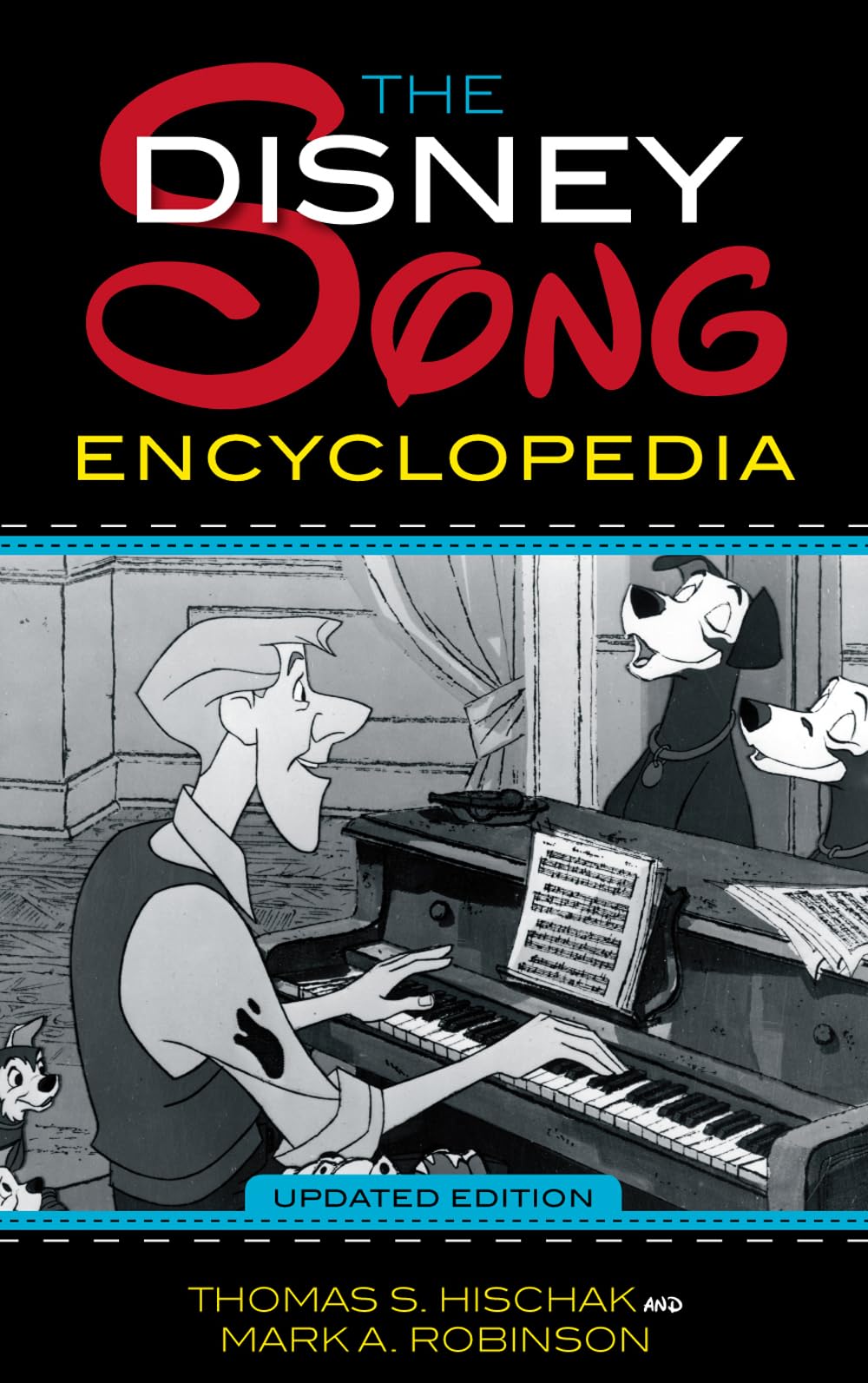



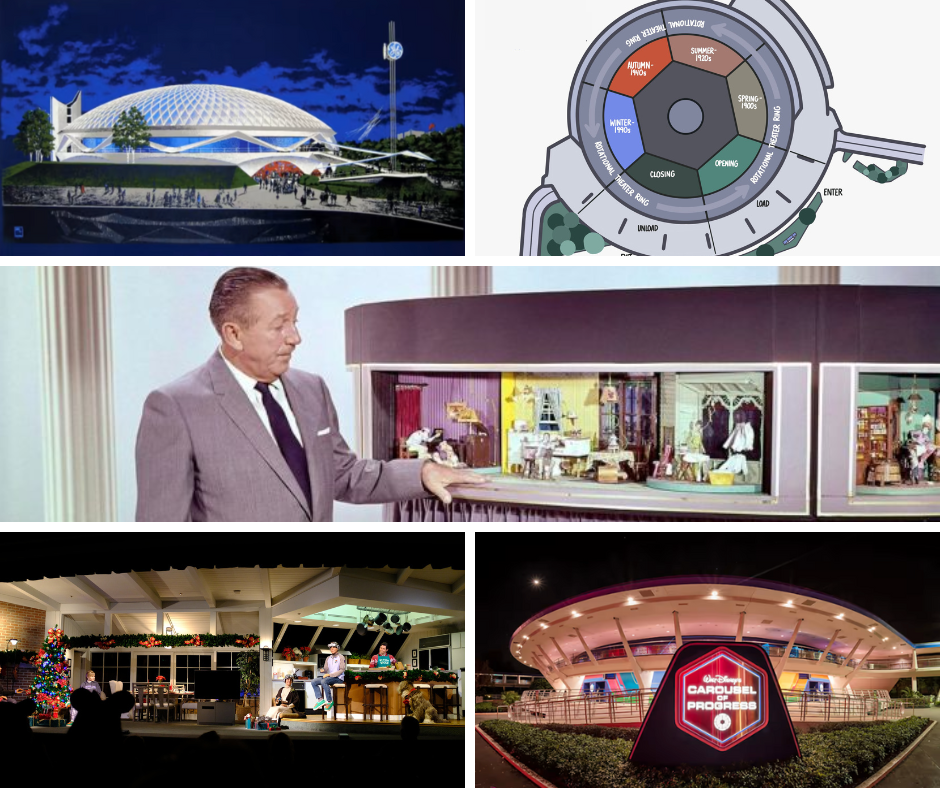
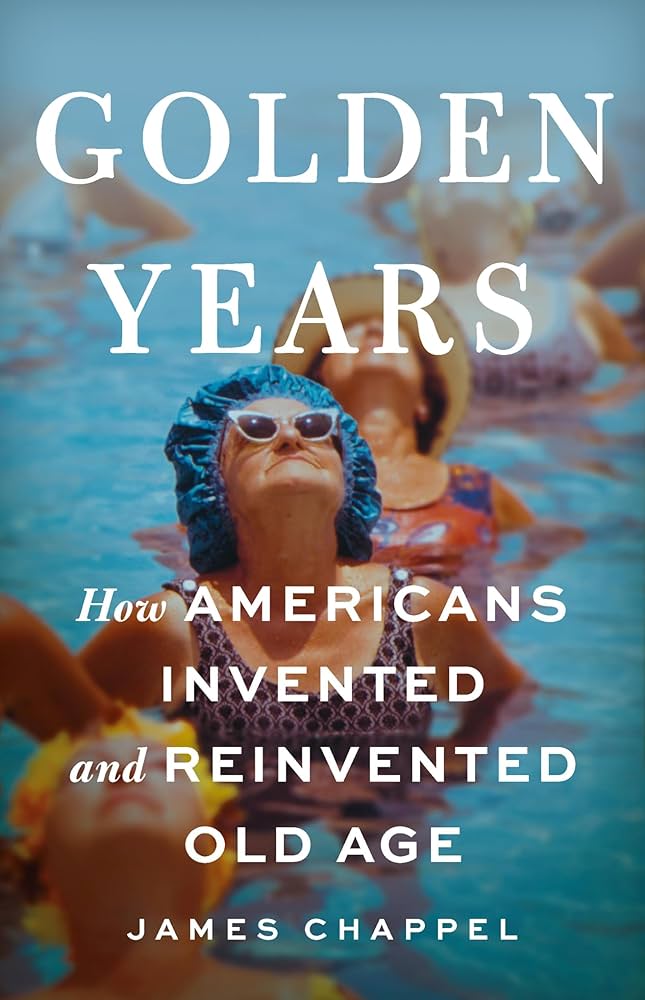
 27gen.com