
In our current era of unprecedented change and uncertainty, resilience has become a critical skill for professionals of all ages. For Modern Elders, resilience takes on a special significance. It’s not just about surviving in a rapidly evolving workplace; it’s about thriving and leading by example. This article explores how Modern Elders can cultivate and demonstrate resilience, bouncing back from setbacks and maintaining mental toughness in the face of constant change.
Though resilience – at least in terms of a much-desired leadership characteristic – seems to be an invention of recent leadership “gurus,” one of the best demonstrations of resilience comes from a true story taking place 110 years ago…
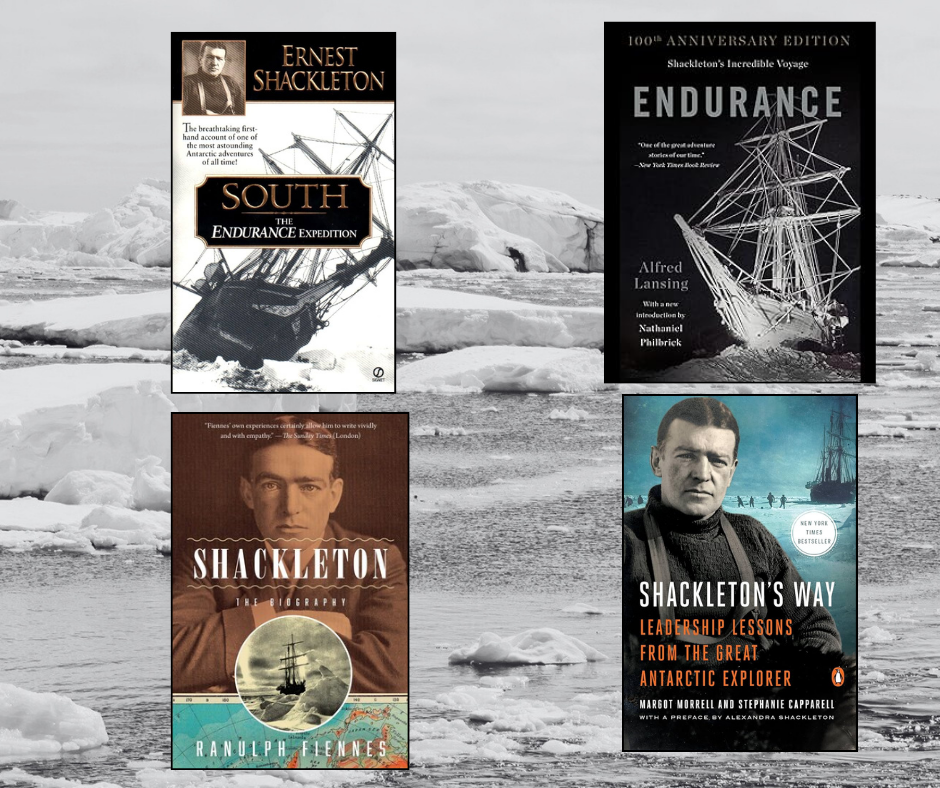
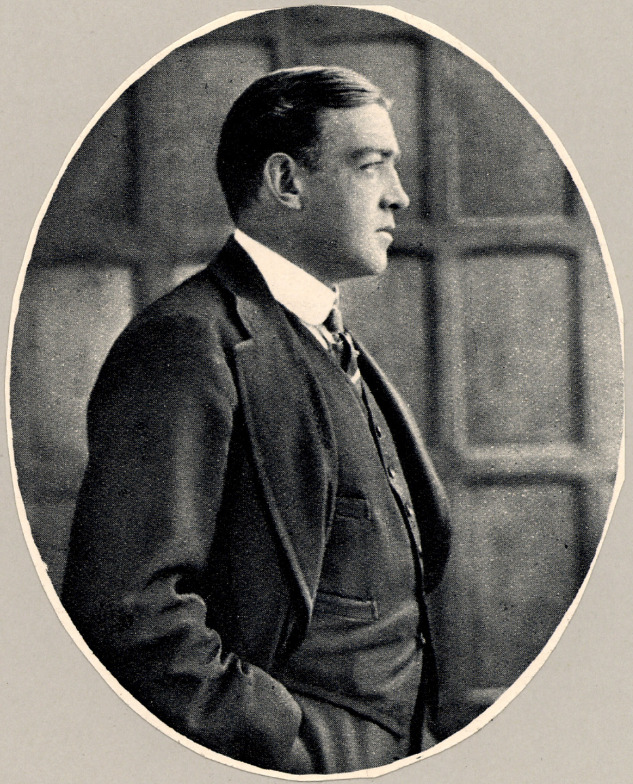
In 1914, explorer Ernest Shackleton’s ship Endurance became trapped in Antarctic ice, leaving him and his crew stranded. Rather than succumb to despair, Shackleton adapted his mission from exploration to survival. He maintained morale through 20 months on the ice, a perilous boat journey, and a treacherous mountain crossing. Thanks to his unwavering determination and ability to inspire hope, Shackleton successfully led all 27 of his men to safety, despite facing seemingly insurmountable odds.
This true story illustrates how Shackleton’s resilience as a leader enabled him to guide his team through extreme adversity, ultimately achieving their new goal of survival against all expectations.
We will have to save a deeper exploration into the leadership of Ernest Shackleton for another day, but as his story indicates, his ability to adapt, persist, and maintain hope in the direst circumstances exemplifies resilience as a crucial leadership characteristic.

The Dual Nature of Resilience for Modern Elders
In today’s unpredictable cultural and business landscape, resilience has become an essential quality for success at any age. For Modern Elders, however, resilience takes on a unique and multifaceted role. It’s not just about weathering storms but about harnessing decades of experience to navigate an ever-changing world with grace and adaptability. As we explore the concept of resilience for Modern Elders, we find that it manifests in two crucial ways, each drawing on the wealth of wisdom accumulated over a lifetime while embracing the challenges of the present and future.
Resilience for Modern Elders encompasses these two key aspects:
- Bouncing Back from Setbacks: The ability to recover quickly from failures, disappointments, and unexpected challenges.
- Mental Toughness Amid Change: The capacity to remain focused, adaptable, and positive in an environment of rapid and continuous change.
Mastering the Art of Bouncing Back
Modern Elders have likely experienced numerous setbacks throughout their careers. This wealth of experience can be a powerful tool for developing resilience. Here’s how to enhance your ability to bounce back:
- Reframe Setbacks as Learning Opportunities: View failures and disappointments as chances to grow and improve rather than as personal deficiencies.
- Cultivate a Growth Mindset: Embrace the belief that abilities and intelligence can be developed through effort, learning, and persistence.
- Practice Self-Compassion: Be kind to yourself in the face of failure. Treat yourself with the same compassion you would offer a friend.
- Leverage Your Experience: Draw on past successes and overcome challenges to boost confidence in your ability to recover.
- Build a Strong Support Network: Cultivate relationships with colleagues, mentors, and friends who can provide emotional support and practical advice during tough times.
- Maintain Perspective: Use your years of experience to put current setbacks into a broader context, recognizing that most failures are temporary.
Strategies for developing bounce-back ability:
- Reflective Journaling: Regularly write about challenges and how you’ve overcome them to reinforce your resilience.
- Skill Development: Continuously learn new skills to increase your adaptability and confidence in facing new challenges.
- Physical Well-being: Maintain good physical health through regular exercise, proper nutrition, and adequate sleep to support emotional resilience.
- Mindfulness Practices: Engage in meditation or other mindfulness techniques to build emotional regulation and stress management skills.
Cultivating Mental Toughness in the Face of Rapid Change
The pace of change in today’s workplace can be overwhelming, even for seasoned professionals. Here’s how Modern Elders can develop and maintain mental toughness:
- Embrace a ‘Change is Constant’ Mindset: Accept that change is an integral part of modern professional life, not a series of isolated events.
- Focus on What You Can Control: Direct your energy towards aspects of your work and life that you can influence, rather than worrying about factors beyond your control.
- Develop Adaptive Expertise: Cultivate the ability to apply your knowledge and skills flexibly in new and changing situations.
- Practice Cognitive Flexibility: Train yourself to switch between different concepts, think about multiple concepts simultaneously, and adapt behavior to changing environments.
- Maintain a Long-Term Perspective: Use your experience to see beyond immediate disruptions and focus on long-term goals and values.
- Cultivate Curiosity: Approach change with a sense of curiosity and openness, viewing it as an opportunity to learn and grow rather than a threat.
Strategies for building mental toughness:
- Scenario Planning: Regularly engage in exercises that envision various possible futures to reduce fear of the unknown.
- Continuous Learning: Stay current with industry trends and new technologies to feel more confident in your ability to adapt.
- Stress Inoculation: Deliberately expose yourself to small, manageable stressors to build resilience for larger challenges.
- Mindset Shifts: Practice reframing negative self-talk into more constructive, solution-focused thinking.
The Modern Elder as a Resilience Role Model
As a Modern Elder, your resilience not only benefits you but also serves as a powerful example for younger colleagues. By demonstrating how to bounce back from setbacks and navigate change with grace, you can:
- Inspire Confidence: Show that challenges can be overcome, regardless of their magnitude.
- Provide Perspective: Help younger colleagues understand that setbacks are a normal part of professional life and not career-ending catastrophes.
- Offer Coping Strategies: Share the techniques and mindsets that have helped you develop resilience over the years.
- Foster a Resilient Culture: Contribute to creating a workplace environment that values learning from failures and adapting to change.
Overcoming Resilience Challenges
While Modern Elders possess a wealth of experience that can bolster their resilience, they may also face unique challenges in maintaining and developing this crucial trait. By acknowledging these potential stumbling blocks and actively working to address them, Modern Elders can not only maintain their resilience but also enhance it, setting an inspiring example of adaptability and strength for colleagues of all generations.
Here are potential pitfalls to be aware of:
- Change Fatigue: Guard against becoming worn down by constant change, leading to decreased adaptability.
- Rigidity: Avoid becoming set in your ways or resistant to new ideas, which can hinder resilience.
- Imposter Syndrome: Combat feelings of inadequacy that may arise when facing new challenges or working with younger, tech-savvy colleagues.
To address these challenges:
- Self-Care: Prioritize activities that recharge you mentally and emotionally.
- Peer Support: Connect with other Modern Elders to share experiences and coping strategies.
- Professional Development: Continuously update your skills to maintain confidence in your abilities.

Resilience is not a fixed trait but a skill that can be developed and strengthened over time. As a Modern Elder, you have a unique advantage in building resilience, drawing on a wealth of experience and perspective. By consciously cultivating your ability to bounce back from setbacks and maintain mental toughness in the face of change, you position yourself as an invaluable asset in today’s dynamic workplace.
Resilience isn’t about being unaffected by challenges or change. It’s about facing difficulties head-on, learning from them, and emerging stronger. As you continue to develop and demonstrate resilience, you not only enhance your own career longevity and satisfaction but also serve as a beacon of strength and adaptability for your entire organization.
In embodying resilience, you truly exemplify the essence of a Modern Elder – combining the wisdom of experience with the flexibility and strength to thrive in an ever-changing world.




 27gen.com