Flipping History: How McDonald’s Reshaped the Hamburger’s Popularity

Few entrepreneurs can claim to have radically changed the way we live, and Ray Kroc is one of them. His revolutions in food-service automation, franchising, shared national training, and advertising have earned him a place beside the men and women who have founded not only businesses, but entire empires. But even more interesting than Ray Kroc the business man is Ray Kroc the man. Not your typical self-made tycoon, Kroc was fifty-two years old when he opened his first franchise. In Grinding It Out, you’ll meet the man behind McDonald’s, one of the largest fast-food corporations in the world with over 36,000 stores around the globe.

Irrepressible enthusiast, intuitive people person, and born storyteller, Kroc will fascinate and inspire you on every page.


The growth of McDonald’s worldwide continues to astonish. In tough financial times, McDonald’s proved that ingenuity, trial and error, and gut instinct were the keys to building a service business the entire world has come to admire.

McDonald’s has been a trendsetter in advertising, focusing on different demographics as well as the physically disabled. McDonald’s created McJobs, a program that employs both mentally challenged adults and senior citizens. And because its franchisees have their fingers on the pulse of the marketplace, McDonald’s has evolved successfully with the health food revolution, launching dozens of new products and moving toward environmentally safe packaging and recyclable goods.

Inspiring, informative, and filled with behind-the-scenes stories, McDonald’s: Behind the Arches offers an irresistible look inside a great American business success.

In the heart of modern American culture, few icons shine as brightly as the golden arches of McDonald’s. The fast-food giant’s rise from humble beginnings to global dominance has been chronicled in two seminal books, Grinding It Out by Ray Kroc and McDonald’s: Behind the Arches by John F. Love. These accounts not only shed light on the company’s history and key figures but also highlight its profound impact on the culinary landscape and the popularity of the hamburger in America.

A Journey Forged in Determination: Ray Kroc’s Perspective

Ray Kroc, the man responsible for transforming McDonald’s into a worldwide phenomenon, provides an intimate view of the company’s early days in his memoir Grinding It Out. Kroc’s tenacity and entrepreneurial spirit were instrumental in taking a single burger stand in San Bernardino, California, and turning it into an empire that would revolutionize the fast-food industry.

Kroc’s recounting of his collaboration with the McDonald brothers and the development of the Speedee Service System underscored his commitment to efficiency and consistency. This innovation laid the foundation for McDonald’s ability to serve quality food quickly—a concept that would define fast food for generations to come.

McDonald’s: Behind the Brand with John F. Love

In McDonald’s: Behind the Arches, John F. Love delves into the fascinating journey of the company, exploring its inception, evolution, and the personalities that shaped its trajectory. Love’s meticulous research provides a well-rounded picture of the McDonald brothers, Ray Kroc, and their individual contributions to the brand.

The book reveals how the iconic branding of McDonald’s, including the golden arches and memorable slogans, played a pivotal role in establishing the chain’s identity. McDonald’s was not just selling food; it was selling a consistent experience—a concept that was revolutionary in the fast-food landscape.

Culinary Innovations that Redefined Fast Food

Both books emphasize McDonald’s culinary innovations that transformed the food industry. The introduction of the assembly line-inspired kitchen, which expedited the preparation process while maintaining quality, set new standards for efficiency in the food sector. This innovative approach paved the way for uniformity in taste and presentation, regardless of location.

Moreover, Grinding It Out and McDonald’s: Behind the Arches highlight the strategic introduction of iconic menu items, such as the Big Mac and Happy Meal. These additions not only catered to evolving consumer preferences but also solidified McDonald’s role as a trendsetter within the fast-food arena.

The Hamburger: A Symbol of American Fast Food Culture

The hamburger, a quintessentially American creation, underwent a transformation in the hands of McDonald’s. By perfecting the art of the burger, streamlining the cooking process, and ensuring consistent taste, McDonald’s effectively popularized the hamburger across the nation.

The standardized approach to crafting hamburgers at McDonald’s contributed to the widespread recognition of the sandwich as a quick, convenient, and satisfying meal option. This cultural shift elevated the hamburger’s status from a simple fast-food choice to an enduring symbol of American culinary culture.

Shaping Culinary History and Beyond

Ray Kroc’s Grinding It Out and John F. Love’s McDonald’s: Behind the Arches provide invaluable insights into the evolution of McDonald’s, from its innovative culinary techniques to its cultural impact on American dining habits. Through meticulous research and engaging storytelling, these works illuminate the indelible mark McDonald’s has left on the world of food and business, forever altering how we view the hamburger and fast food.


Still hungry?

Indulging in Burger Bliss: A Quest for Culinary Perfection

White Castle: The Trailblazing Pioneer of Fast Food

Bite Into Tradition: The Best Loved Regional Burger Chains in the Country

Burger Beast Unleashed: The Ultimate Tribute to Burgers in Sef Gonzalez’ Book

Sink Your Teeth into “The Hamburger”: A Culinary Journey by Josh Ozersky

Burger Magic: Exploring the Universal Fascination Behind America’s Favorite Dish

My Quest for the Perfect Hamburger: A Literary, Culinary, and Arbitrary Journey in Pursuit of America’s Iconic Delight

A Tantalizing Top of the Stack, Made to Order

Before Burger Quest

White Castle: The Pioneering Trailblazer of American Fast Food

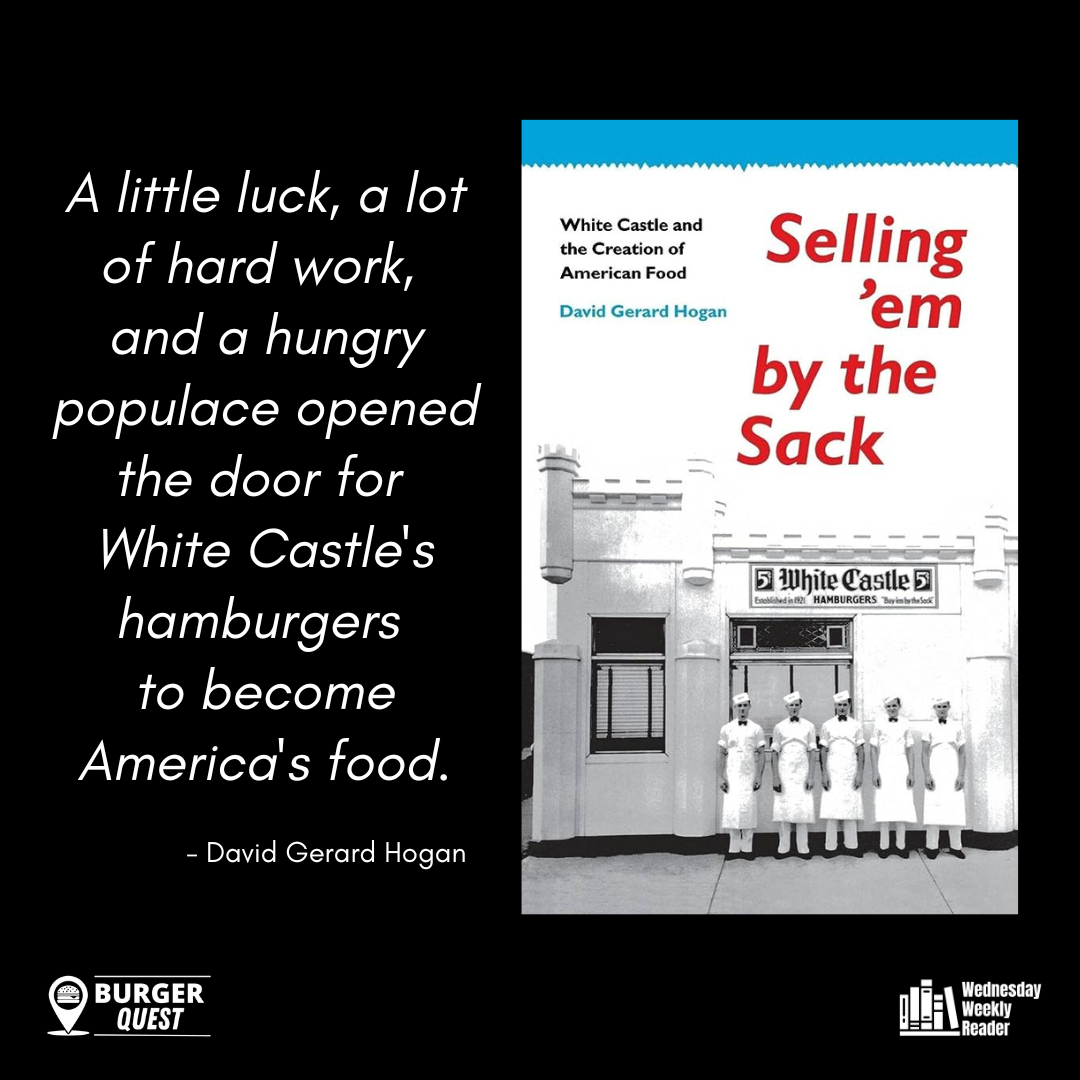
In the wake of World War I, the hamburger was still considered a disreputable and undesirable food. Yet by 1930 Americans in every corner of the country accepted the hamburger as a mainstream meal and eventually made it a staple of their diet. The quintessential “American” food, hamburgers have by now spread to almost every country and culture in the world. But how did this fast food icon come to occupy so quickly such a singular role in American mass culture?

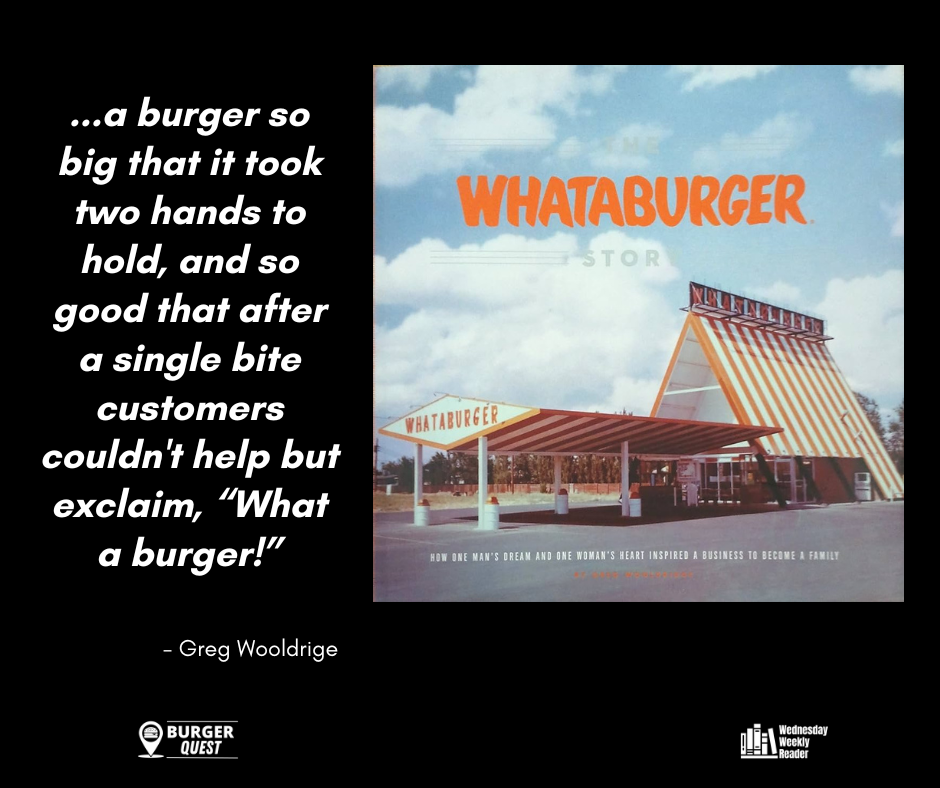
In Selling ‘em By the Sack, David Gerard Hogan traces the history of the hamburger’s rise as a distinctive American culinary and ethnic symbol through the prism of one of its earliest promoters. The first to market both the hamburger and the “to go” carry-out style to American consumers, White Castle quickly established itself as a cornerstone of the fast food industry. Its founder, Billy Ingram, shrewdly marketed his hamburgers in large quantities at five cents a piece, telling his customers to “Buy’em by the Sack.”

The years following World War II saw the rise of great franchised chains such as McDonald’s, which challenged and ultimately overshadowed the company that Billy Ingram founded. Yet White Castle stands as a charismatic pioneer in one of America’s most formidable industries, a company that drastically changed American eating patterns, and hence, American life. It could be argued that what Henry Ford did for the car and transportation, Billy Ingram did for the hamburger and eating.

As a food researcher and enthusiast, I am always on the lookout for captivating literature that delves into the intriguing world of the origins and history of food. With the advent of Burger Quest, even more so! Selling ’em by the Sack by David Gerard Hogan is one such remarkable piece of work that left a lasting impression on me.

In this thought-provoking book, Hogan takes readers on an enlightening journey through the fascinating history and evolution of the fast-food industry, focusing primarily on the iconic American chain, White Castle. The author skillfully unravels the secrets behind the success of this pioneering fast-food establishment, offering profound insights into the art of selling and consumer behavior.

Hogan’s narrative style is engaging and well-paced, making the book an easy and enjoyable read for both industry insiders and casual enthusiasts alike. He effortlessly weaves together historical anecdotes, cultural influences, and the innovative marketing strategies that have made White Castle a household name since its inception in 1921. The depth of research presented in “Selling ’em by the Sack” demonstrates Hogan’s dedication to understanding the industry’s past and its implications for the present.

One of the standout features of this book is Hogan’s ability to explore the often overlooked socio-cultural impact of fast food on society. He astutely examines how White Castle’s success shaped America’s eating habits, urban development, and consumer expectations. Moreover, he delves into the company’s pioneering techniques in food preparation, supply chain management, and brand building, setting the stage for the fast-food giants that followed in its footsteps.

I appreciate Hogan’s skillful use of language and storytelling techniques. He artfully captures the essence of White Castle’s brand identity and its role in shaping the larger fast-food culture. Throughout the book, Hogan demonstrates a keen understanding of how powerful marketing and advertising campaigns can influence consumer behavior and drive business success.

Selling ’em by the Sack is not just a book about White Castle; it is a story of entrepreneurship, innovation, and adaptability. Hogan masterfully paints the picture of how this modest hamburger stand evolved into a global fast-food phenomenon. The book imparts valuable lessons for aspiring entrepreneurs, marketers, and food industry professionals, emphasizing the importance of staying true to one’s vision while continually adapting to meet the changing needs and desires of customers.

While Hogan celebrates the successes of White Castle, he also confronts the controversies surrounding the fast-food industry, including issues related to health, labor practices, and sustainability. This balanced approach adds depth to the book and encourages readers to think critically about the broader implications of the fast-food culture in modern society.

In conclusion, Selling ’em by the Sack is a captivating and insightful exploration of the fast-food industry, with a focus on White Castle’s significant contributions to the field. David Gerard Hogan’s expertise as a food researcher shines through in every chapter, making this book a must-read for anyone interested in the intersection of food, marketing, and culture. Whether you are a food enthusiast, a history buff, or a business professional, this book offers a satisfying and enlightening experience that will leave you hungry for more.


Still hungry?

Bite Into Tradition: The Best Loved Regional Burger Chains in the Country

Burger Beast Unleashed: The Ultimate Tribute to Burgers in Sef Gonzalez’ Book

Sink Your Teeth into “The Hamburger”: A Culinary Journey by Josh Ozersky

Burger Magic: Exploring the Universal Fascination Behind America’s Favorite Dish

My Quest for the Perfect Hamburger: A Literary, Culinary, and Arbitrary Journey in Pursuit of America’s Iconic Delight

A Tantalizing Top of the Stack, Made to Order

Before Burger Quest

Sink Your Teeth into “The Hamburger”: A Savory Culinary Journey by Josh Ozersky

America has run on hamburgers for over a century. This is the story of their sizzle and their symbolism, where they came from and how they conquered the world.

What do Americans think of when they think of the hamburger? A robust, succulent spheroid of fresh ground beef, the birthright of red-blooded citizens? Or a cardboard-boxed Big Mac, mass-produced to industrial specifications and served by wage slaves to an obese, brainwashed population? Is it cooking or commodity? An icon of freedom or the quintessence of conformity?

The Hamburger is a fast-paced and entertaining book unfolding the immense significance of the hamburger as an American icon. Josh Ozersky shows how the history of the burger is entwined with American business and culture and, unexpectedly, how the burger’s story is in many ways the story of the country that invented (and reinvented) it.

Spanning the years from the nineteenth century with its waves of European immigrants to our own era of globalization, the book recounts how German “hamburg steak” evolved into hamburgers for the rising class of urban factory workers and how the innovations of the White Castle System and the McDonald’s Corporation turned the burger into the Model T of fast food. The hamburger played an important role in America’s transformation into a mobile, suburban culture, and today, America’s favorite sandwich is nothing short of an irrepressible economic and cultural force. How this all happened, and why, is a remarkable story, told here with insight, humor, and gusto.

Josh Ozersky’s The Hamburger takes readers on an irresistible exploration of one of America’s most iconic and beloved foods—the hamburger. With meticulous research and a genuine passion for the subject, Ozersky delves into the history, cultural significance, and evolution of this culinary masterpiece, leaving readers hungry for more.

In this delightful book, Ozersky artfully blends storytelling, gastronomic insights, and historical anecdotes to paint a vivid picture of the hamburger’s journey from its humble beginnings to its status as a global sensation. Whether you’re a devoted foodie or simply a lover of good eats, The Hamburger has something to offer everyone.

One of the book’s greatest strengths lies in Ozersky’s ability to convey his deep knowledge of the subject matter in an accessible and engaging manner. He navigates the intricate world of beef cuts, patty preparation, and bun selection with expertise, making it both educational and entertaining. From the juicy debates surrounding the perfect burger patty thickness to the ideal ratio of condiments and toppings, Ozersky leaves no stone unturned.

Moreover, The Hamburger goes beyond mere culinary exploration. Ozersky dives into the cultural and societal aspects that have shaped the hamburger’s popularity throughout history. He skillfully analyzes how the burger has adapted to different regions, cultures, and even dietary trends, all while maintaining its universal appeal. By examining the hamburger’s place in fast food culture, gourmet dining, and the rise of the modern food truck revolution, Ozersky showcases the burger’s versatility and its ability to adapt to ever-changing culinary landscapes.

There are a few minor areas where the book falls short. While Ozersky provides a wealth of historical context and insightful analysis, some readers might crave a more personal touch or an exploration of the author’s own experiences with hamburgers. Additionally, the inclusion of more visually appealing photographs or illustrations would have enhanced the overall reading experience.

The Hamburger is an informative and engaging read that will satisfy both burger enthusiasts and those curious about the cultural significance of this ubiquitous food. Ozersky’s passion for hamburgers shines through every page, making it impossible to resist the temptation to indulge in a juicy, perfectly grilled patty by the time you reach the final chapter.

The Hamburger is a must-read for anyone with an appreciation for the mouthwatering joy that only a well-crafted burger can bring. With its blend of history, culinary expertise, and cultural insights, Ozersky’s book leaves readers with a deeper understanding and newfound admiration for this timeless classic.


No More Front Porches

Rebuilding Community in Our Isolated Worlds

Being a part of God’s kingdom is not just having a private relationship with God but also having a communal relationship with His other children.

Linda Wilcox, No More Front Porches

Front Porches. Once they were a vital part of American society. Whether you had a large verandah that circled the house, or little more than a front stoop, you adorned it with comfortable chairs and spent hours there, talking with friends and relatives, watching what was going on in the neighborhood, looking out for others, and keeping in touch with your world. Front porches symbolized relationships and being involved with life beyond your front door.

Today, life has changed.

Few new homes offer a place to nestle as twilight sets in and few people have the leisure time for this lifestyle, or even for the relationships that it represents. We’ve moved ahead and left front porch attitudes behind as quaint relics.

But in recent decades, as the nation has reeled from tragedies such as the September 11 terrorist attacks, countless shootings, and the pandemic, Americans are again scurrying to regain that closeness, care, and compassion we found in communities that sat on front porches. Perhaps, we’re finding, we need the stability of those front porch attitudes in our lives.

In No More Front Porches, sociologist Linda Wilcox looks at how and why communities, churches, and lifestyles have changed. She evaluates the nostalgia for the ’good old days,’ and explores the offerings of today. Though we can never regain the idealized past, she gives us help and hope for building emotional and community ’front porches’ in the frantic society we now zoom through. She helps us learn how to avoid isolation and refocus our methods for building those close, front porch relationships.

Let No More Front Porches help you discover a little bit more about this society in which we live. And in the process, you’re bound to learn how to better enjoy people in your home, neighborhood, church and world.

According to author Linda Wilcox, it’s not uncommon for us, thanks to 24-hour news availability, to know more about what’s happening on the other side of the planet than what’s happening on the other side of the fence.

Written in 2002, that truism is all the more prevalent today. It’s too easy to become trapped in the digital world of 24/7, feeling always on, FOMO, and living life in the hyperspeed lane.

Only in the last decade, the author writes, have we come to “need” this much immediate contact with each other. Now, it seems, we can’t live without our devices right beside us, if not in our hands most of our waking hours.

At the same time, we desire a personal space that allows us to escape the demands of our public (and digital) lives and a place we can call our own.

And so we retreat into our closed garage doors and empty front porches, emerging in our vehicles off on an errand, returning to the same garage door, closing it before we exit the vehicle.

A pointed, and poignant, quote from the author sums it up: Let’s be realistic. Perhaps we can’t save the world [by being on the front porch], but surely we can do a better job than we have in the past.

Americans are hungry to regain the closeness, care, and compassion we used to find right outside our front doors.

inspired and adapted from No More Front Porches


How to Lead Your Church to Leverage the Everyday Moments of Their Life to Share the Gospel

Just for fun, ask this question to a group of church leaders: Is an attractional model of ministry or incarnational emphasis more effective? Then sit back, as a vigorous discussion is sure to follow.

Attractional ministry implies that the church’s basic strategy for reaching the lost revolves around getting “seekers” or the “unchurched” into the church building. Once inside, the opportunity to present the gospel defines the primary opportunity for evangelism. This is often known as an “invest and invite” approach.

In contrast, the incarnational emphasis of a missional mindset focuses on living and sharing the gospel “where life happens.” The emphasis is placed on the church “disassembling” itself for the primary work of evangelism in the nooks and crannies of everyday life.

In the attractional mode, big church buildings are important, and the church gathered is the consummation of evangelism. In the incarnational mode, fluid and flexible communities of faith are important; the church scattered is the consummation of evangelism. A common rally-cry against the attractional model is that the church should be measured by its sending capacity, not its seating capacity.

The missional reorientation described above represents an important shift in focus from methodology to identity.

This issue of SUMS Remix looks at solutions that will help you understand that distinction, and equip the church to leverage everyday moments in their lives to share the gospel: 

Sending is not something you do, but being sent is something you are.

SUMS Remix 82, released December 2017


A Tantalizing Top of the Stack, Made to Order!

The announcement is coming Friday 6/30, but here’s a teaser.

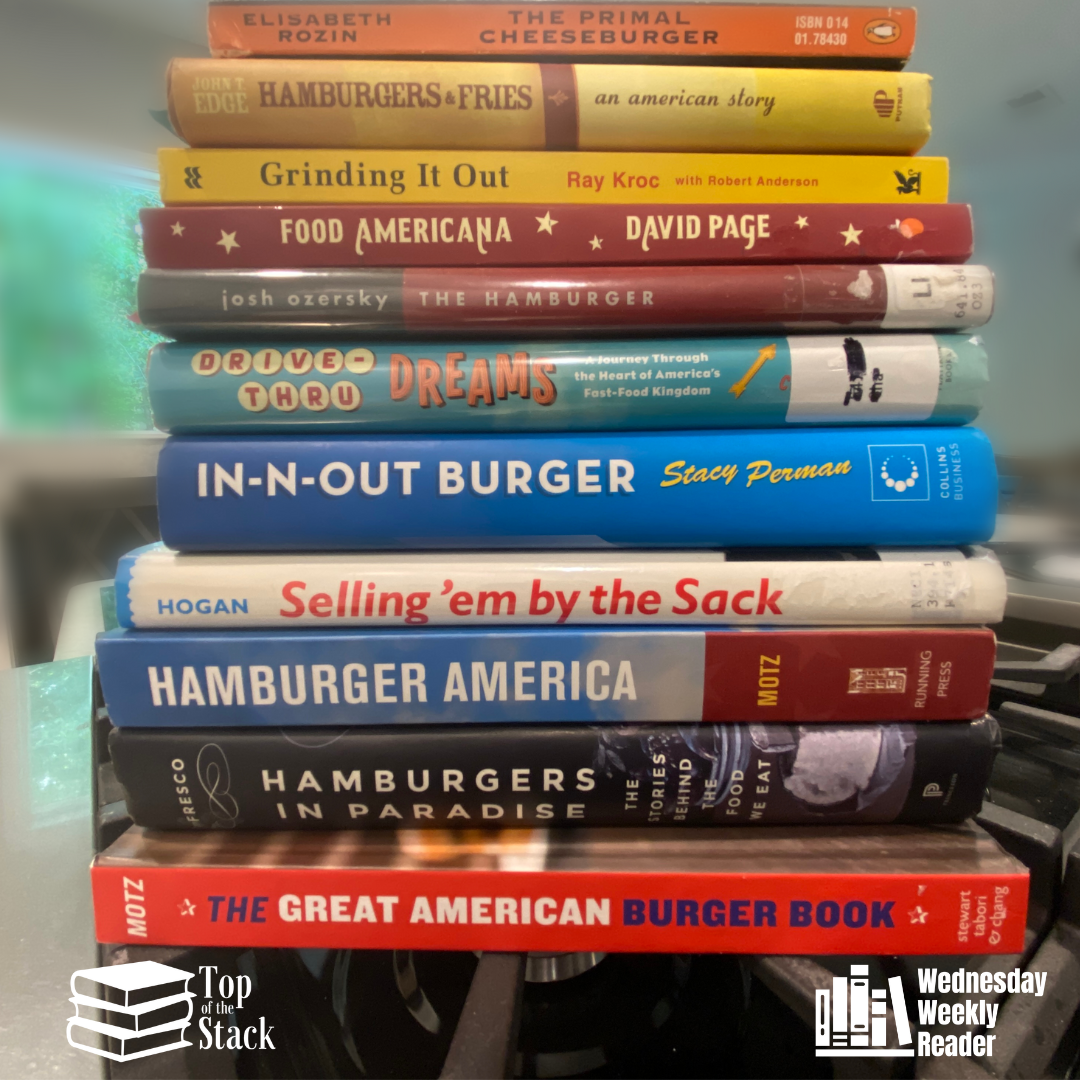
To capture the complexity of even simple things requires looking at it from multiple angles, the first of which is literarythe writing, study, or content of literature about the object in question.

Of course you knew I would begin there.

The stack you see in the image is my beginning point, but I have no doubt my journey will uncover additional delicious delights about the humble hamburger…

… and that’s just in books!

Pull up a chair, slide into the booth, sit at the lunch counter – let the #BurgerQuest begin!


The Secret to Building a Visionary Organization

Many leaders view retirement – whether a few years or a few decades away – as a finish line.

But increasingly these leaders, especially for those who are closer to retirement, are finding that being too young to retire but too old to find a job has become a critical issue.

Retirement doesn’t have to be the last great thing a leader does. It can be the gateway to a leader’s greatest season of influence.

We may live ten years longer than our parents and may even work twenty years longer, yet power is moving to those ten years younger.

Are leaders in this age group facing a decades long “irrelevancy gap”?

Many of us feel like we’re growing whole rather than growing old. What if there was a new, modern archetype of elderhood, one that was worn as a badge of honor, not cloaked in shame?

Chip Conley

THE QUICK SUMMARY – Wisdom @ Work: The Making of a Modern Elder by Chip Conley

Experience is making a comeback. Learn how to repurpose your wisdom.

At age 52, after selling the company he founded and ran as CEO for 24 years, rebel boutique hotelier Chip Conley was looking at an open horizon in midlife. Then he received a call from the young founders of Airbnb, asking him to help grow their disruptive start-up into a global hospitality giant. He had the industry experience, but Conley was lacking in the digital fluency of his 20-something colleagues. He didn’t write code, or have an Uber or Lyft app on his phone, was twice the age of the average Airbnb employee, and would be reporting to a CEO young enough to be his son. Conley quickly discovered that while he’d been hired as a teacher and mentor, he was also in many ways a student and intern. What emerged is the secret to thriving as a mid-life worker: learning to marry wisdom and experience with curiosity, a beginner’s mind, and a willingness to evolve, all hallmarks of the “Modern Elder.”

In a world that venerates the new, bright, and shiny, many of us are left feeling invisible, undervalued, and threatened by the “digital natives” nipping at our heels. But Conley argues that experience is on the brink of a comeback. Because at a time when power is shifting younger, companies are finally waking up to the value of the humility, emotional intelligence, and wisdom that come with age. And while digital skills might have only the shelf life of the latest fad or gadget, the human skills that mid-career workers possess–like good judgment, specialized knowledge, and the ability to collaborate and coach – never expire.

A SIMPLE SOLUTION

You don’t have to be on the other side of fifty to find the concept of becoming a “Modern Elder” relevant. The age at which we’re feeling self-consciously “old” is now creeping into some people’s thirties.

Digital platforms are disrupting virtually all industries, and the result is that more and more companies are relentlessly pursuing young hires, seemingly placing high DQ (digital intelligence) above all other skills.

The problem is that many of these young digital leaders are being thrust into positions of power with little experience or guidance.

At the same time, there exists a generation of older workers with invaluable skills – high EQ (emotional intelligence), good judgment born out of decades of experience, specialized knowledge, and a vast network of contacts.

With more generations in the workplace than ever before, elders have so much to offer those younger than them.

What if Modern Elders were the secret ingredient for the visionary organizations of tomorrow? What lessons must a Modern Elder learn?

Evolve

If we’re too wedded to the past and to the costume of a traditional elder – making wise pronouncements from the pulpit – we aren’t likely to grow much of a congregation.

As we enter midlife, we embark upon a creative evolution that amplifies our specialness while editing out the extraneous. After a lifetime of accumulation, we can concentrate on what we do best, what gives us meaning, and what we want to leave behind.

Sometimes, reframing your identity is not an internal shift in your values, but an external rearranging of your life to once again give priority to that which is most life-affirming for you.

Learn

There is great value in adopting a beginner’s mind and how to use this fresh perspective to increase your ability to learn.

Our world is awash in knowledge, but often wanting in wisdom. To stay relevant, it’s not just about learning something new, it’s also about learning new ways to access the information at our fingertips.

Teaching and learning are symbiotic. You can’t be a teaching legend without living on the learning edge.

Collaborate

By leveraging your ability to collaborate, you can make something bigger.

With five generations in today’s workplace, we can either operate as separate isolationist countries with generation-specific dialects and talents coexisting on one continent, or we can find ways to bridge these generational borders and delight in learning from people both older and younger than us.

Counsel

A byproduct of being seen as the elder at work is becoming the confidant of younger employees who want to bathe in your fountain of wisdom and are likely to be more candid with you as they don’t see you as a competitive threat.

While collaboration is a team sport, counseling is one-on-one, becoming a confident to your younger colleagues.

Smart companies know that while their competitors may outsource “counsel” to outside coaches who may offer some general wisdom, being a wise advisor can be so much more effective when an advisor is a wise elder who is in the trenches day to day with the advisee

Chip Conley, Wisdom @ Work: The Making of a Modern Elder

A NEXT STEP

Author Chip Conley devotes extensive help to leaders who want to go through the four lessons listed above. In order to get a taste of these resources, set aside some time to consider each of the following:

Evolve

Ask a minimum of a half-dozen coworkers, friends, or family to answer the following question: “When you think of me in good times or bad, what are the core qualities that I exhibit? What are the positive ones? And what are the more challenging ones?”

Before you read anyone else’s answers, answer these yourself, being as candid as you can, knowing you don’t need to share this with anyone else.

  • Can you identify your identity?
  • What are the durable traits or qualities you want your reputation built on?
  • What qualities are you ready to part ways with?

The capacity for change with a ballast of continuity defines the Modern Elder.

Learn

While it contradicts the stereotype that older people become more narrow-minded and set in their ways, there’s glorious evidence that post-fifty, many elders return to a childlike sense of wonder.

  • How can you become more curious?
  • What’s a subject – unrelated to your work – in which you could become one of the world’s leading experts?
  • How will your create necessary time in your schedule for wondering about the world?

Essential for a Modern Elder is the desire to experience something new and unexpected rather than regress into what is comfortable and familiar.

Collaborate

Your capacity to collaborate will improve if you create team norms that help everyone feel that the group is there to support you and the mission, as opposed to undermining you. Here are a few group norms that have proven to be effective:

  • Try to encourage everyone to participate in group discussions, especially those representing diverse demographics and viewpoints.
  • Lead by example by not interrupting teammates during conversations and giving credit to people for their earlier idea as you built upon it.
  • Call out intergroup conflicts so you can resolve matters in person.

As a Modern Elder, we have the capacity to be a “first-class noticer,” paying close attention to what is happening around us, and helping make sure everyone on the team is contributing.

Counsel

You may learn that your true value comes in those times when you get the counselor role right. Here are some best practices in counseling:

  • Listen both to the story and for the story and beware of pre-judging.
  • Assuming it feels appropriate, self-reveal something about your history that will help others understand they’re not alone.
  • Prove your loyal – first and foremost by explicitly committing to confidentiality.

Spiritually radiant, physically vital, and socially responsible Modern Elders feel generative when they create the space for those younger than them to accelerate their learning by means of providing wise counsel.


Part of a regular series on 27gen, entitled Wednesday Weekly Reader

During my elementary school years one of the things I looked forward to the most was the delivery of “My Weekly Reader,” a weekly educational magazine designed for children and containing news-based, current events.

It became a regular part of my love for reading, and helped develop my curiosity about the world around us.

Celebrating 100 Years of Magic: New Disney Books Arrive

For 100 years, the Walt Disney Company’s passion has been storytelling. From one generation to the next, the greatest stories live forever.

The Walt Disney Company will mark its 100th anniversary in 2023, timed to its founding by Walt Disney and Roy O. Disney on October 16, 1923. The year 2023 will celebrate the journey and storytelling of Disney’s creative visionaries across the decades, as well as the fans and families who have brought Disney into their hearts to create cherished memories during the past 100 years.

And of course, I will kick off my personal version of that celebration with three new Disney history books, just released for the occasion.

The Story of Disney 100 Years of Wonder

As part of the festivities, this must-have coffee table book showcases the company’s history and rich legacy – past, present, and future – through vibrant voices and rare Disney concept art and photographs.

On October 16, 1923, Walt Disney and his brother Roy founded what we now know to be The Walt Disney Company. Walt’s passion and vision continues to inspire creative development across the company. As a result, Disney characters – and their stories – have touched the lives of generations of fans. They encourage a belief that dreams really can come true.

As the official companion to the touring exhibition by Walt Disney Archives and SC Exhibitions, The Story of Disney: 100 Years of Wonder serves as a treasure trove for pop culture enthusiasts, artists, art collectors, and Disney fans.

Walt Disney: An American Original

This must-have biography tells the story of Walt Disney’s life – told as no other book can!

Walt Disney is an American hero. From Mickey Mouse to Disneyland, he changed the face of American culture. His is a success story like no other: a man who developed animated film into an art form and made a massive contribution to the folklore of the world.

After years of research, respected Hollywood biographer Bob Thomas produced a definitive biography of the man behind the legend of Disney: the unschooled cartoonist from Kansas City who when bankrupt on his first movie venture and developed into the genius who produced unmatched works of animation, and ultimately was the creative spirit of an international entertainment empire that has enchanted generations.

Complete with a collection of rare photographs, Walt Disney: An American Original is a fascinating and inspirational work that captures the spirit of Walt Disney.

This Commemorative Edition includes new:

  • introductions from Jeff Kurtti and Marcy Carriker Smothers
  • a 32-page photo insert with rare behind-the-scenes photos
  • endnotes to add further context and connect Walt’s story to today

The Official Walt Disney Quote Book

This special edition quote book showcases insights from Walt Disney, along with rare Disney photographs.

Walt Disney once said, “There is more treasure in books than in all the pirates’ loot on Treasure Island and at the bottom of the Spanish Main. . . .” Never has this been truer than within these pages.

This collection of quotations from the co-founder of The Walt Disney Company ranges from the well-known to the obscure, but all are assured to entertain, enlighten, and inspire. His words have been gleaned from publications, productions, and interviews over the breadth of his amazing career. Some are simple nuggets of homespun wisdom, while others are statements of knowledge gained while he crafted the enchanting films, televisions shows, and unparalleled experiences that are so beloved by audiences the world over.

The Official Walt Disney Quote Book has been compiled for anyone eager to learn more about a man who had such an incredible, positive impact on his own time and on the future yet to be – Walt Disney, the Showman of the World.


Part of a regular series on 27gen, entitled Wednesday Weekly Reader

During my elementary school years one of the things I looked forward to the most was the delivery of “My Weekly Reader,” a weekly educational magazine designed for children and containing news-based, current events.

It became a regular part of my love for reading, and helped develop my curiosity about the world around us.

American History: Understanding the American People by Understanding Disney History

I’ve alway loved learning about history – in particular, American history. In addition to the hundreds of books I’ve read over the years, both my undergraduate and graduate degrees are accompanied by a minor in history.

My love of American history was set in motion by virtue of the fact that I was born in the spring of 1958, thus placing me in the high school graduating class of 1976 – the 200th celebration of America’s declaration of independence from England.

There were many activities from that senior year that hold a special place in my mind, but the one near the top involves Disney – and serves as a great connection to this week’s Wednesday Weekly Reader.

Disney Theme Parks and America’s National Narratives takes a public history approach to situating the physical spaces of the Disney brand within memory and identity studies.

For over 65 years, Disney’s theme parks have been important locations for the formation and negotiation of the collective memory of the American narrative. Disney’s success as one of America’s most prolific storytellers, its rise as a symbol of America itself, and its creation of theme parks that immerse visitors in three-dimensional versions of certain “American” values and historic myths have both echoed and shaped the way the American people see themselves. 

Like all versions of the American narrative, Disney’s vision serves to reassure us, affirm our shared values, and unite a diverse group of people under a distinctly American identity – or at least, it did. 

The book shows how the status Disney obtained led the public to use them both as touchstones of identity and as spaces to influence the American identity writ large. This volume also examines the following:

  • How Disney’s original cartoons and live-action entertainment offerings drew from American folk history and ideals
  • How their work during World War II cemented them as an American symbol at home and abroad
  • How the materialization of the American themes already espoused by the brand at their theme parks created a place where collective memory lives
  • How legitimization by presidents and other national figures gave the theme parks standing no other entertainment space has
  • How Disney has changed alongside the American people and continues to do so today.

The book explores how five specific factors have worked in concert over time to transform Disney’s theme parks from simple amusement parks to places where the collective memory of the American narrative is shaped.


My Disney experience during the 60s – early 70s was limited to television and movies. But when 1975 rolled around, something magical happened.

Disney’s “America on Parade” was a unique parade at Disneyland and Walt Disney World from 1975-1976, honoring the United States of America on the occasion of its bicentennial anniversary in 1976.

I was a senior in high school that year – the class of ’76. Many activities planned for that class year revolved around celebrating the Bicentennial.

And this happened…

During the parade, recorded marching music playing from speakers in the floats was mixed with the same melodies played by live bands Disney had invited from high schools across the country.

The Mount Juliet High School “Band of Gold” was invited to participate in America on Parade.

Marching down Main Street, playing some of the music I love best – now that was something special.


As the Walt Disney Company celebrates its 100th anniversary this year, a look back at both the life of Walt Disney and the company he founded are intertwined with the concepts, images, and spirit of America.

Walt Disney had a deep love and respect for America:

Actually, if you could see close in my eyes, the American flag is waving in both of them and up my spine is growing this red, white, and blue stripe.

As author Bethanee Bemis states in her book, “Disney theme parks are some of the foremost places where the nation consumes its collective memory of the American Experience, where they see many of the stories and cultural myths that make up the American national narrative.”

Disney is in the business of selling memories. Not just memories of family vacations, but memories of stories from American history.

Bethanee Bemis

According to Bemis, “Walt Disney was not the first to use history to inspire his storytelling nor the first to turn history into a physical experience. He was, however, the first to use a brand that had itself already become symbolic of a nation’s history to create that physical experience.”

Disney Theme Parks and America’s National Narratives is a scholarly work (the author is a museum specialist at the National Museum of American History at the Smithsonian) that is an important addition to the collective body of Disney history.

This book will be of interest to students and scholars of history, media, cultural studies, American studies and tourism – and of course, Disney nerds like me.


Part of a regular series on 27gen, entitled Wednesday Weekly Reader

During my elementary school years one of the things I looked forward to the most was the delivery of “My Weekly Reader,” a weekly educational magazine designed for children and containing news-based, current events.

It became a regular part of my love for reading, and helped develop my curiosity about the world around us.

Delivering Disney Magic: Dick Nunis, Walt’s Apprentice

If you read about the origins and development of Disneyland in the early 1950s leading up to its opening in July 1955, the well-known names start with Walt and Roy Disney, followed by a small-but-influential group of Disney studio team members who used their imaginative talents to transfer ideas from the screen to reality.

Of course, that is an important part of the history of Disney – we wouldn’t have the parks without their creative brilliance.

But it’s one thing to create a place like Disneyland, and a whole other thing to run a place like Disneyland.

During the final, frenzied weeks of construction leading to opening day on July 17, 1955, the name Dick Nunis appears in the history of Disneyland – a new college graduate, hired to be a “gofer” for Van Arsdale France, who created the first orientation and training program for employees.

Nunis had met Walt Disney several years before (Walt’s daughter Diane was a classmate of Nunis, and was dating her husband-to-be Ron Miller, a teammate of Nunis’ at USC). That memorable first encounter included a ride on “The Carolwood Pacific Railroad” – a miniature train with over 1/2 mile of track circling Walt Disney’s home (one of the four foundational origin stories of Disneyland, but that’s for another day).

That train ride with Walt Disney foreshadowed the future of Dick Nunis, as he progressed from a gofer to chairman of Walt Disney Attractions, a forty-four year career at Disney on the operations side of the parks. 

Walt’s Apprentice: Keeping the Disney Dream Alive is the memoir of Disney Legend Dick Nunis. It is a warm personal reminiscence of learning directly from Walt Disney for 12 years, followed by more than 30 years devoted to championing his vision and standards as the Disney empire grew.

The story covers Disney’s highlights, including the 1960 Winter Olympics, 1964-1965 New York World’s Fair, and the development and opening of Disneyland, Walt Disney World, Epcot, Tokyo Disneyland and Disneyland Paris. 

Unlike other Disney books, this story is told from the perspective of operations rather than Imagineering. It touches on decisions that defined the guest experience and Disney’s reputation for quality in areas ranging from capacity and people-moving, training, delivering a consistent “good show,” food service, and more.

This first-person narrative is presented as a series of wide-ranging vignettes. Some vignettes focus on personal, character-shaping events, such as the injury that ended his collegiate football career. Other stories touch on national events, such as Nikita Khrushchev’s derailed visit to Disneyland, the decision to close the park following the assassination of John F. Kennedy, and Ronald Reagan’s assistance in expediting the visa process for cast members staffing the Epcot World Showcase. Few people have enjoyed a life so immersed in Disney magic.

These stories share that magic through the memories of one of the original doers and dreamers.

In my personal research and study of the history of the Disney company, I had long noticed the name of Dick Nunis and the many contributions he made at each stage of his Disney career.

When I learned that the long-rumored book from Nunis was being published, it went to the top of my list.

It did not disappoint!

As one of a very few individuals still alive who worked closely with Walt Disney, Walt’s Apprentice chronicles how Nunis learned directly from Walt Disney for a dozen years, then spent the next thirty years devoted to championing Walt’s vision and standards as Disney grow into a worldwide enterprise, “creating happiness” for young and old alike.

If you want to read a first-person narrative on Disney with a focus on the operational side, Walt’s Apprentice is a must.


Part of a regular series on 27gen, entitled Wednesday Weekly Reader

During my elementary school years one of the things I looked forward to the most was the delivery of “My Weekly Reader,” a weekly educational magazine designed for children and containing news-based, current events.

It became a regular part of my love for reading, and helped develop my curiosity about the world around us.