The Enduring Legacy of Doc Adams

An annual post on the occasion of my father’s birthday. Though he as been gone since 2012, his influence continues to shape me. Part of that influence is reading; learn more here.


“I never made much money, but I made a lot of friends, and that’s what’s important.” 

H.D. “Doc” Adams

These words, spoken by Doc Adams and remembered at his celebration service, capture the essence of a man who understood something profound about legacy: the difference between leaving something to people and leaving something in people.

In March 2012, when over 750 guests came to pay their respects to Doc Adams, they weren’t mourning a loss – they were celebrating a living testament to transformational impact. From four-year-olds to ninety-four-year-olds, multiple generations gathered not because of what HD Adams had accumulated, but because of what he had given away.

The Dum Dum Philosophy: Simple Acts, Profound Results

HD Adams ran a gas station, but his true business was in the currency of kindness. For decades, every child who walked through his doors received a Dum Dum sucker – a gesture that cost pennies but created memories lasting decades. This wasn’t marketing strategy; it was life philosophy embodied: “Serve people with a smile, and then give them a little extra.” This came natural to him, but I later discovered he had a little “boost” in this area as well!

The genius lay not in the candy’s simplicity, but in its sustainability. Unlike grand gestures that burn bright and fade, these moments of generosity created what modern psychology calls “orbital influence” – a gravitational pull of goodness that shaped everyone who encountered it. Children didn’t just remember the treat; they remembered feeling seen, valued, and surprised by unexpected kindness from someone who owed them nothing.

This influence extended far beyond the gas station. Doc Adams understood intuitively what research now confirms: meaningful change happens through consistent, authentic interactions, not dramatic moments. Each sucker was a small investment in human connection that paid dividends across generations.

Beyond Material Wealth: The Architecture of True Legacy

When Doc joked about “spending my inheritance” during rare personal purchases, he revealed sophisticated understanding that many wealthy individuals never achieve. He grasped the fundamental distinction between inheritance and legacy – between transactional gifts and transformational impact.

Inheritance is temporary – money, property, possessions that can be divided, spent, or lost. Legacy is permanent – values, character, and wisdom that become part of who people are, impossible to steal and difficult to squander. Doc chose transformation over transaction, understanding his life’s impact would be measured in relationship depth, not dollar amounts.

This choice required courage. In a culture obsessed with accumulation, he demonstrated that true wealth lies in what you distribute, not what you gather.

The Gravitational Pull of Authentic Character

Doc Adams possessed “wisdom intelligence” – the ability to synthesize life experience into actionable insights benefiting others. His gravitational pull wasn’t based on position, power, or wealth, but on authentic care and consistent character.

Like planets in stable orbit, people were drawn to him because he provided reliable warmth and light. His gas station became more than business – it became a community gathering point where people felt safe, valued, and genuinely cared for. This is orbital influence: creating environments where others thrive simply by being in your presence.

The most powerful leaders throughout history understand this principle. They recognize influence isn’t about controlling others’ paths, but providing steady, reliable force that allows others to find their best trajectory. Doc mastered this without leadership books or seminars. He simply understood that people need to feel seen, valued, and encouraged.

Knowledge Transfer Through Living Example

Doc Adams didn’t leave written wisdom or recorded speeches. His knowledge transfer strategy was more powerful: he lived his values so consistently they became embedded in his community’s DNA. When I distributed Dum Dum suckers at my dad’s funeral, I wasn’t just honoring memory – I was perpetuating proven values across decades.

The most effective legacy builders understand that knowledge transfer isn’t about documentation; it’s about demonstration. Doc Adams taught through actions that:

  • Success is measured by relationships, not revenue
  • Small gestures have outsized impact
  • Consistency matters more than intensity
  • Everyone deserves dignity and care
  • Generosity multiplies when freely given

These lessons weren’t taught in a classroom but transmitted through hundreds of daily interactions, each reinforcing that people matter more than profit.

The Compound Effect in Action

The true measure of Doc’s legacy became visible at his celebration service. Our friends and family didn’t gather to honor someone’s bank account – they celebrated a life that touched theirs. Children who had grown into parents brought their own families to pay respects to someone who had shown them kindness decades earlier.

Each sucker given away was an investment paying dividends across generations. Children who felt valued grew up understanding how adults should treat young people. They became parents passing on that same generosity and kindness. The ripple effects of his simple care continue spreading through families and communities, creating positive change that compounds over time.

Lessons for Modern Legacy Builders

HD Adams’ life offers profound guidance for today’s professionals:

  • Start small, stay consistent. You don’t need grand gestures for lasting impact. The power was in consistency, not cost.
  • Prioritize relationships over transactions. Every interaction is an opportunity to deposit value in someone’s life.
  • Choose transformation over transaction. What you leave in people lasts longer than what you leave to them.
  • Understand your influence. Your actions and character create a field that affects everyone around you.
  • Make giving your model. The more you give away, the richer you become in what truly matters: human connection and community impact.

The Living Legacy

Today, over 13 years after his death, Doc Adams’ legacy continues compounding. His children, grandchildren, and great grandchildren carry forward his values, spreading the same generosity that characterized his life. Children who received those suckers are now adults who remember not just candy, but the lesson it represented: everyone deserves unexpected kindness.

This is the true measure of a life well-lived – not assets accumulated, but lives transformed. Doc understood that we make a living by what we get, but we make a life by what we give. His legacy reminds us that the most powerful currency isn’t money, but the consistent choice to make others feel valued and loved.

In our digitally connected world, Doc Adams’ legacy stands as testament to the enduring power of face-to-face kindness, consistent character, and the simple truth that small acts of love, multiplied over time, can change the world – one Dum Dum sucker at a time.

When Commerce Meets Community: The Transformation of Third Places

Over the past 35+ years, the concept of the “third place” has undergone a remarkable transformation. Originally described by sociologist Ray Oldenburg as informal public spaces where people could gather, relax, and connect outside of home and work, these third places have increasingly shifted from grassroots, community-driven hubs to commercially branded environments. While the rise of corporate third places has introduced new opportunities for connection and convenience, it has also brought challenges that affect inclusivity, authenticity, and the role these spaces play in our lives.

How has commercialization reshaped third places – and what does that mean for the way we socialize and build community?

The Branded Third Place: Where Community Meets Profit

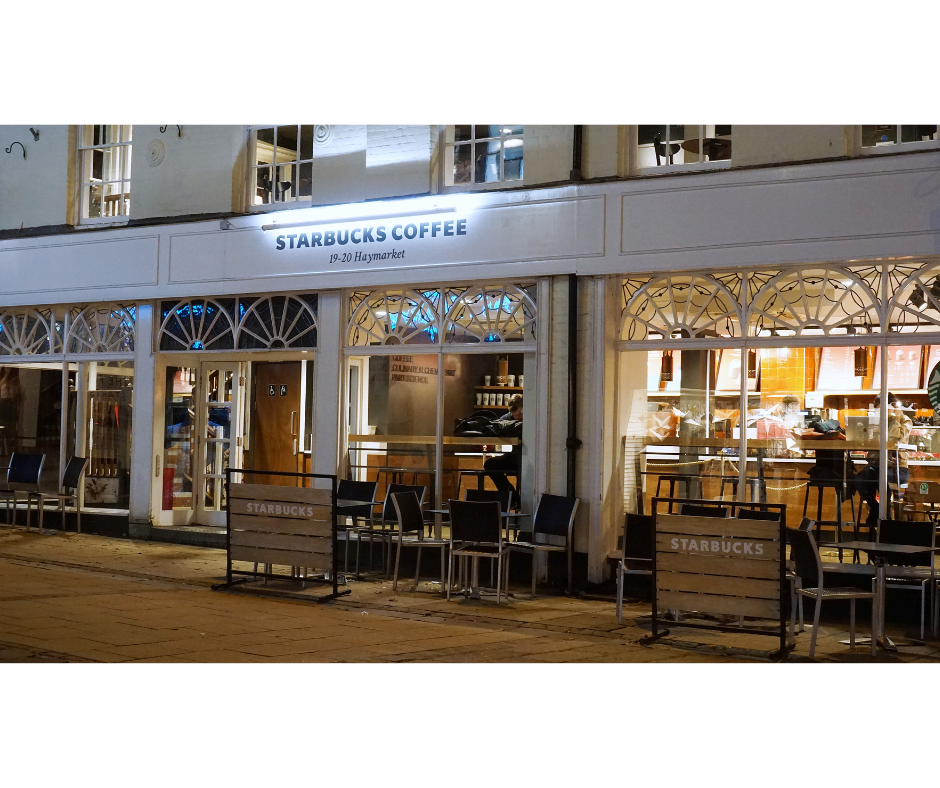
In Oldenburg’s mindset, third places were often neighborhood coffee shops, diners, bookstores, or pubs where people could linger without the pressure to spend much money. Today, corporations have seized on the idea of the third place and turned it into a marketing tool. Starbucks, perhaps the most famous example, explicitly branded itself as a “third place” in the 1990s, creating environments where customers could gather, work, or relax while enjoying a coffee. This idea caught on, and other brands, from Panera Bread to McDonald’s with its McCafé concept, began to position themselves as modern-day community hubs.

While these branded spaces often provide a consistent and welcoming experience – comfortable seating, free Wi-Fi, ambient music – they are inherently transactional. To enjoy these spaces, customers are typically expected to make a purchase. Unlike traditional third places, where lingering was often welcomed regardless of spending, these spaces come with an unspoken understanding: you’re welcome as long as you’re consuming.

Independent Third Places Face Challenges

As corporate third places have flourished, many independent, grassroots third places have struggled to survive. Local coffee shops, bookstores, and neighborhood bars often lack the financial resources to compete with large chains that benefit from economies of scale and brand recognition. Rising rents and changing consumer habits have also played a role, making it difficult for these smaller spaces to stay afloat.

The loss of independent third places has broader implications. These spaces often reflect the unique character of their communities, offering a sense of local identity and culture that branded third places can’t replicate. A family-owned café might host open mic nights or community discussions, fostering a sense of belonging that goes beyond the transactional. When these spaces disappear, communities lose not just a gathering spot, but a part of their cultural fabric.

The “Pay-to-Play” Model and Inclusivity

One of the most significant shifts in third places has been the introduction of financial thresholds for participation. While traditional third places often welcomed people from all walks of life, modern branded spaces tend to cater to specific demographics. The expectation to purchase a latte or sandwich in exchange for using the space creates a barrier for those with limited disposable income. For individuals who used to rely on free or low-cost community spaces, such as libraries or parks, this can make socializing more difficult.

This shift also raises questions about inclusivity. Oldenburg’s vision of third places emphasized their egalitarian nature – a pub or café where people from different socioeconomic backgrounds could meet as equals. In many branded third places, the design and pricing often cater to a more affluent clientele, making these spaces feel exclusive rather than welcoming to all.

The Commodification of Social Interaction

Another consequence of commercialization is the commodification of the very social interactions that make third places valuable. Today, spending time in a third place is often tied to lifestyle branding. A chic café with minimalist décor might appeal to young professionals or creatives, while a rustic microbrewery draws in a different niche. These curated environments encourage customers to identify with the space—and by extension, the brand—turning what should be a community-oriented experience into a carefully marketed product.

Additionally, many modern third places have introduced data-driven business models. For example, establishments offering free Wi-Fi might collect data on browsing habits or purchasing patterns, turning customers into sources of revenue beyond their coffee orders. This surveillance adds another layer of commercialization, subtly altering the experience of being in a third place.

The Positive Side of Commercialized Third Places

It’s not all bad news, though. The rise of branded third places has made these spaces more widely available and accessible in some respects. Chains like Starbucks have brought the concept of the third place to areas that previously lacked such gathering spots, particularly in suburban and rural regions. For people who value consistency and convenience, these spaces provide a reliable option for meeting friends, working remotely, or simply relaxing.

Corporate ownership has also brought attention to the importance of design and amenities in creating welcoming environments. Many branded third places invest in features like comfortable seating, good lighting, and thoughtful layouts, enhancing the overall experience. During challenging times, such as the COVID-19 pandemic, larger chains were often able to adapt quickly, offering mobile ordering, curbside pickup, and expanded outdoor seating – ensuring that third places remained accessible when people needed them most.

Striking a Balance

The commercialization of third places presents a complex picture. On one hand, branded spaces have made third places more widely available and have introduced new amenities that enhance convenience and comfort. On the other hand, the transactional nature of these spaces, their tendency to cater to specific demographics, and the decline of independent alternatives have raised concerns about inclusivity and authenticity.

As we move forward, communities and businesses alike will need to think critically about how to preserve the spirit of Oldenburg’s third places in an increasingly commercialized world. How can we create spaces that are welcoming to everyone, regardless of their ability to pay? How can we balance the convenience of branded third places with the cultural richness of grassroots ones? These are questions worth exploring if we want to ensure that third places remain vital parts of our social fabric.

Ultimately, the best third places – whether branded or independent – are those that prioritize connection over consumption, fostering a sense of belonging that goes beyond the bottom line. After all, it’s the people who make these spaces special, not the products they sell.


Other posts in this series:

Four Words to Use Every Day

Most of the time we give ourselves more credit than is due for our conversations. When those conversations are intended to move the listener to take an action, we need to remember the following:

The significance of what we are saying is not always self-evident, let alone shocking and/or awe-inspiring.

It’s time for clarity, in two words:

So what?

Keep asking the question till you (and your audience) are satisfied that you are both clear on what is being communicated.

But don’t stop there: information without application leads to stagnation (a favorite quote of my pastor, Steven Furtick).

It’s time for transformation, in two more words:

Now what?

Your audience may have information, but have you given them reason to act on it?

Today.

Guest Experience Transformation Priorities

In the prior 8 posts of this series, I have been “translating” the work of Harley Manning and Kerry Bodine’s book “Outside In” from the business world of customer experience to the church world of Guest Experiences.

Along the way, I hope you have seen that this is not a one-shot quick-fix deal, but a journey to excellence. The key element – the 6 disciplines of Guest Experiences – must be embedded in all your Guest experience practices.

The decision you face next is what to tackle first, second, or third, not what to do or not to do.trash can

Transformation of any type is not as simple as a one-size-fits-all prescription. I’ve found that the only place one-size-fits-all is the trashcan!

Instead, here are two overarching approaches for setting priorities. The first is to build out one or more disciplines where you’re already strong, and the second is to shore up the disciplines where you’re weakest.

Build on Strengths

When deciding to build on strengths, realize that “strengths” is a relative term. Because each of the 6 disciplines consists of multiple practices, it’s unlikely that you’re systematic or even repeatable (remember the 4 adoption levels?) at every practice in any discipline. But if you see that you are systematic – or close to it – for most of the practices in a discipline, you have an opportunity: Press into that discipline and master it, and then use it as a lever to move your organization toward adoption of the other disciplines.

Shore Up Weaknesses

Instead of capitalizing on one or two relatively mature disciplines, you may choose to develop one or two exceptionally week ( or non-existent) disciplines that hold back your other efforts.

Even a single weak discipline can hold you back because there are natural dependencies among the disciplines. For example, Guest experience strategy sets the overall direction for everything else you do. If you’re at the Missing or Ad Hoc levels for the four practices in the strategy discipline, you’re just wasting effort everywhere else.

Transforming your organization from its current level to one of WOW! Guest Experiences is a major undertaking. It will take a long time to reach the Sustain phase – and even then, you’re not “finished”. As shown in the Reinvent phase, improving Guest experiences is a constant journey, not a project. The people you are trying to reach – your Guests – are a work in process, and they are constantly changing as well.

Moving to WOW! Guest Experiences at your church is a journey that has a beginning but not an end.

That journey is made possible by the last post of this series – the people you have serving on your teams.


Part 9 of a series based on the book Outside In

Outside In

These posts “translate” the world of customer experience to the language and setting of Guest Experiences in the church.

>> Part 8