
In the wake of World War I, the hamburger was still considered a disreputable and undesirable food. Yet by 1930 Americans in every corner of the country accepted the hamburger as a mainstream meal and eventually made it a staple of their diet. The quintessential “American” food, hamburgers have by now spread to almost every country and culture in the world. But how did this fast food icon come to occupy so quickly such a singular role in American mass culture?
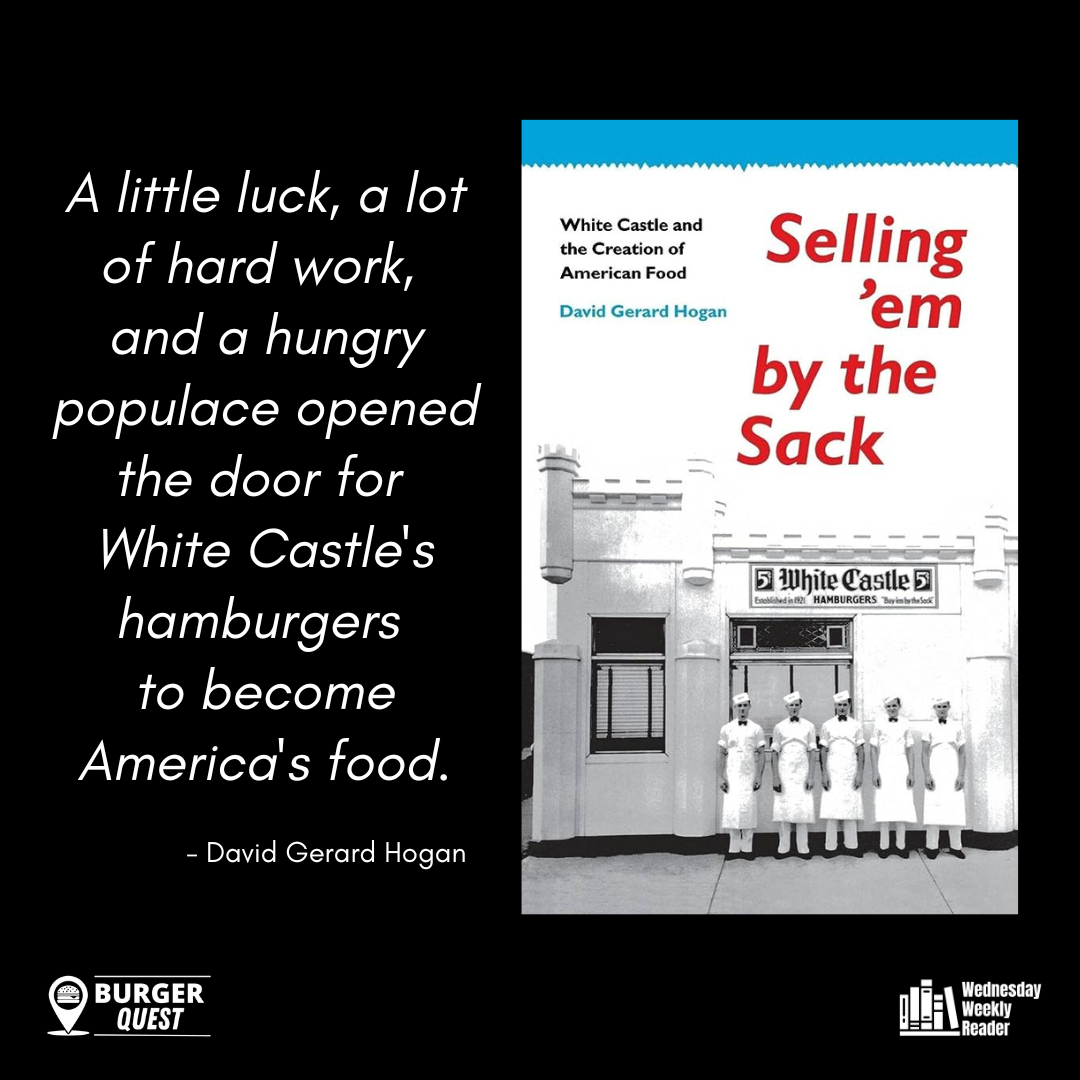
In Selling ‘em By the Sack, David Gerard Hogan traces the history of the hamburger’s rise as a distinctive American culinary and ethnic symbol through the prism of one of its earliest promoters. The first to market both the hamburger and the “to go” carry-out style to American consumers, White Castle quickly established itself as a cornerstone of the fast food industry. Its founder, Billy Ingram, shrewdly marketed his hamburgers in large quantities at five cents a piece, telling his customers to “Buy’em by the Sack.”
The years following World War II saw the rise of great franchised chains such as McDonald’s, which challenged and ultimately overshadowed the company that Billy Ingram founded. Yet White Castle stands as a charismatic pioneer in one of America’s most formidable industries, a company that drastically changed American eating patterns, and hence, American life. It could be argued that what Henry Ford did for the car and transportation, Billy Ingram did for the hamburger and eating.

As a food researcher and enthusiast, I am always on the lookout for captivating literature that delves into the intriguing world of the origins and history of food. With the advent of Burger Quest, even more so! Selling ’em by the Sack by David Gerard Hogan is one such remarkable piece of work that left a lasting impression on me.
In this thought-provoking book, Hogan takes readers on an enlightening journey through the fascinating history and evolution of the fast-food industry, focusing primarily on the iconic American chain, White Castle. The author skillfully unravels the secrets behind the success of this pioneering fast-food establishment, offering profound insights into the art of selling and consumer behavior.
Hogan’s narrative style is engaging and well-paced, making the book an easy and enjoyable read for both industry insiders and casual enthusiasts alike. He effortlessly weaves together historical anecdotes, cultural influences, and the innovative marketing strategies that have made White Castle a household name since its inception in 1921. The depth of research presented in “Selling ’em by the Sack” demonstrates Hogan’s dedication to understanding the industry’s past and its implications for the present.
One of the standout features of this book is Hogan’s ability to explore the often overlooked socio-cultural impact of fast food on society. He astutely examines how White Castle’s success shaped America’s eating habits, urban development, and consumer expectations. Moreover, he delves into the company’s pioneering techniques in food preparation, supply chain management, and brand building, setting the stage for the fast-food giants that followed in its footsteps.
I appreciate Hogan’s skillful use of language and storytelling techniques. He artfully captures the essence of White Castle’s brand identity and its role in shaping the larger fast-food culture. Throughout the book, Hogan demonstrates a keen understanding of how powerful marketing and advertising campaigns can influence consumer behavior and drive business success.
Selling ’em by the Sack is not just a book about White Castle; it is a story of entrepreneurship, innovation, and adaptability. Hogan masterfully paints the picture of how this modest hamburger stand evolved into a global fast-food phenomenon. The book imparts valuable lessons for aspiring entrepreneurs, marketers, and food industry professionals, emphasizing the importance of staying true to one’s vision while continually adapting to meet the changing needs and desires of customers.
While Hogan celebrates the successes of White Castle, he also confronts the controversies surrounding the fast-food industry, including issues related to health, labor practices, and sustainability. This balanced approach adds depth to the book and encourages readers to think critically about the broader implications of the fast-food culture in modern society.
In conclusion, Selling ’em by the Sack is a captivating and insightful exploration of the fast-food industry, with a focus on White Castle’s significant contributions to the field. David Gerard Hogan’s expertise as a food researcher shines through in every chapter, making this book a must-read for anyone interested in the intersection of food, marketing, and culture. Whether you are a food enthusiast, a history buff, or a business professional, this book offers a satisfying and enlightening experience that will leave you hungry for more.
Still hungry?
Bite Into Tradition: The Best Loved Regional Burger Chains in the Country
Burger Beast Unleashed: The Ultimate Tribute to Burgers in Sef Gonzalez’ Book
Sink Your Teeth into “The Hamburger”: A Culinary Journey by Josh Ozersky
Burger Magic: Exploring the Universal Fascination Behind America’s Favorite Dish
 27gen.com