Few entrepreneurs can claim to have radically changed the way we live, and Ray Kroc is one of them. His revolutions in food-service automation, franchising, shared national training, and advertising have earned him a place beside the men and women who have founded not only businesses, but entire empires. But even more interesting than Ray Kroc the business man is Ray Kroc the man. Not your typical self-made tycoon, Kroc was fifty-two years old when he opened his first franchise. In Grinding It Out, you’ll meet the man behind McDonald’s, one of the largest fast-food corporations in the world with over 36,000 stores around the globe.
Irrepressible enthusiast, intuitive people person, and born storyteller, Kroc will fascinate and inspire you on every page.
The growth of McDonald’s worldwide continues to astonish. In tough financial times, McDonald’s proved that ingenuity, trial and error, and gut instinct were the keys to building a service business the entire world has come to admire.
McDonald’s has been a trendsetter in advertising, focusing on different demographics as well as the physically disabled. McDonald’s created McJobs, a program that employs both mentally challenged adults and senior citizens. And because its franchisees have their fingers on the pulse of the marketplace, McDonald’s has evolved successfully with the health food revolution, launching dozens of new products and moving toward environmentally safe packaging and recyclable goods.
Inspiring, informative, and filled with behind-the-scenes stories, McDonald’s: Behind the Arches offers an irresistible look inside a great American business success.
In the heart of modern American culture, few icons shine as brightly as the golden arches of McDonald’s. The fast-food giant’s rise from humble beginnings to global dominance has been chronicled in two seminal books, Grinding It Out by Ray Kroc and McDonald’s: Behind the Arches by John F. Love. These accounts not only shed light on the company’s history and key figures but also highlight its profound impact on the culinary landscape and the popularity of the hamburger in America.
A Journey Forged in Determination: Ray Kroc’s Perspective
Ray Kroc, the man responsible for transforming McDonald’s into a worldwide phenomenon, provides an intimate view of the company’s early days in his memoir Grinding It Out. Kroc’s tenacity and entrepreneurial spirit were instrumental in taking a single burger stand in San Bernardino, California, and turning it into an empire that would revolutionize the fast-food industry.
Kroc’s recounting of his collaboration with the McDonald brothers and the development of the Speedee Service System underscored his commitment to efficiency and consistency. This innovation laid the foundation for McDonald’s ability to serve quality food quickly—a concept that would define fast food for generations to come.
McDonald’s: Behind the Brand with John F. Love
In McDonald’s: Behind the Arches, John F. Love delves into the fascinating journey of the company, exploring its inception, evolution, and the personalities that shaped its trajectory. Love’s meticulous research provides a well-rounded picture of the McDonald brothers, Ray Kroc, and their individual contributions to the brand.
The book reveals how the iconic branding of McDonald’s, including the golden arches and memorable slogans, played a pivotal role in establishing the chain’s identity. McDonald’s was not just selling food; it was selling a consistent experience—a concept that was revolutionary in the fast-food landscape.
Culinary Innovations that Redefined Fast Food
Both books emphasize McDonald’s culinary innovations that transformed the food industry. The introduction of the assembly line-inspired kitchen, which expedited the preparation process while maintaining quality, set new standards for efficiency in the food sector. This innovative approach paved the way for uniformity in taste and presentation, regardless of location.
Moreover, Grinding It Out and McDonald’s: Behind the Arches highlight the strategic introduction of iconic menu items, such as the Big Mac and Happy Meal. These additions not only catered to evolving consumer preferences but also solidified McDonald’s role as a trendsetter within the fast-food arena.
The Hamburger: A Symbol of American Fast Food Culture
The hamburger, a quintessentially American creation, underwent a transformation in the hands of McDonald’s. By perfecting the art of the burger, streamlining the cooking process, and ensuring consistent taste, McDonald’s effectively popularized the hamburger across the nation.
The standardized approach to crafting hamburgers at McDonald’s contributed to the widespread recognition of the sandwich as a quick, convenient, and satisfying meal option. This cultural shift elevated the hamburger’s status from a simple fast-food choice to an enduring symbol of American culinary culture.
Shaping Culinary History and Beyond
Ray Kroc’sGrinding It Out and John F. Love’s McDonald’s: Behind the Arches provide invaluable insights into the evolution of McDonald’s, from its innovative culinary techniques to its cultural impact on American dining habits. Through meticulous research and engaging storytelling, these works illuminate the indelible mark McDonald’s has left on the world of food and business, forever altering how we view the hamburger and fast food.
The hamburger stands as an iconic symbol of American cuisine, a mouthwatering delight that has captured the hearts and palates of millions. But where did this beloved dish originate, and how has it evolved over time?
For this step of the #BurgerQuest, we embark on a flavorful journey, tracing the origins and evolution of hamburgers in America, uncovering the stories and transformations that shaped this culinary masterpiece.
The Early Beginnings: A Taste of Europe
To understand the true essence and origins of the hamburger, we must go back in time to explore its European roots. It was during the 19th century that German immigrants brought with them the traditions of Hamburg steak, a precursor to the modern hamburger. These immigrants, primarily from the city of Hamburg, Germany, brought their love for ground beef and the concept of minced meat patties with them to the shores of America.
In Germany, the Hamburg steak was a popular dish made from minced or chopped beef that was often served raw or lightly cooked. It gained prominence for its robust flavors and the satisfaction it provided to those who indulged in it. As German immigrants began to settle in America, they brought their culinary traditions with them – including their beloved Hamburg steak.
Upon arriving in the United States, these German immigrants found themselves adapting to the new land and its culinary landscape. While the concept of the Hamburg steak remained, its preparation and presentation underwent some transformations. It was during this time that the ground beef was shaped into a patty and cooked to perfection, resulting in a more familiar and approachable form of the dish.
The flavors of Hamburg steak resonated with Americans, and it didn’t take long for this delectable creation to catch on. As the dish gained popularity, it became known simply as the hamburger, named after the city of Hamburg, where its roots originated. The hamburger quickly became a symbol of American cuisine, a delicious amalgamation of flavors and cultural exchange.
While the exact moment when the Hamburg steak transformed into the modern hamburger remains a mystery, it is clear that it was the result of a gradual evolution shaped by the diverse influences of immigrants and the changing culinary landscape of America. The fusion of German traditions with American innovation birthed a culinary masterpiece that would forever change the way we experience and savor the joy of food. Their culinary heritage, blended with American ingenuity and a dash of creativity, laid the foundation for what would become an enduring symbol of American cuisine.
Louis Lassen: A Revolutionary Bite
In the realm of hamburger history, one name stands out as a visionary and pioneer: Louis Lassen. Hailing from New Haven, Connecticut, Lassen is often credited with serving the first-ever hamburger in America*, forever etching his name into the annals of culinary greatness.
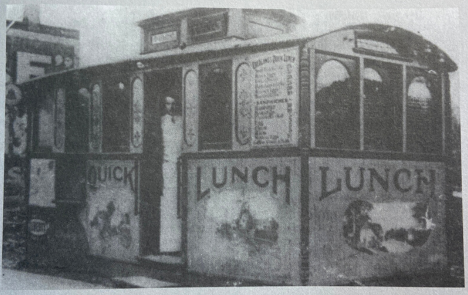
It was in the late 1800s when Louis Lassen, a Danish immigrant, established his small lunch wagon in the bustling city of New Haven. Little did he know that this modest endeavor would mark a pivotal moment in the history of American cuisine. Lassen’s lunch wagon quickly became a gathering place, attracting hungry patrons seeking a quick and satisfying meal.
Lassen’s innovative approach to food soon led to the creation of something extraordinary—a ground beef patty sandwiched between two slices of bread. This simple yet ingenious concept would become the precursor to the modern hamburger. It is said that Lassen’s inspiration for this innovative creation came from a desire to provide his customers with a portable and convenient meal that would tantalize their taste buds.
*Note – there are at least five other individuals who have credible stories as the “first” to bring the hamburger as we know it today into being. Each is an interesting part of hamburger lore, and may be covered in future stories. For now, and with acknowledgement of the Library of Congress, I’m sticking with Louis Lassen – while at the same time acknowledging that the actual “first” hamburger creator will never be known with any degree of accuracy.
Word of Lassen’s delectable creation spread like wildfire, capturing the attention of locals and travelers alike. The aroma of sizzling beef and the sound of sizzling patties drew people in, and soon enough, lines began to form outside Lassen’s lunch wagon, all eager to experience the tantalizing flavors he had unleashed upon the world. In 1895, he opened a small restaurant – which is still in existence today, with burgers cooked to order in the original cast iron grills dating back to 1898.
The impact of Louis Lassen’s revolutionary bite went beyond mere taste. It represented a shift in the culinary landscape, a departure from traditional meal formats, and a bold embrace of a new concept that would forever change the way people enjoyed food on the go. The hamburger, born in the humble confines of Lassen’s lunch wagon, would go on to spark a nationwide craze, captivating the hearts and palates of Americans from coast to coast.
Lassen’s contribution to the hamburger’s legacy cannot be overstated. His innovative spirit, dedication to quality ingredients, and commitment to culinary excellence set the stage for what would become an enduring symbol of American cuisine. Through his unwavering passion for creating something extraordinary, He paved the way for countless burger enthusiasts, restaurateurs, and chefs to explore the limitless possibilities of this beloved dish.
Today, as we savor the juicy, flavorful hamburgers that have become a staple of our culinary landscape, we pay homage to Louis Lassen and his pioneering vision. His revolutionary bite has left an indelible mark on the history of hamburgers, reminding us that the simplest of creations can have the most profound impact. So, with each bite we take, let us celebrate the legacy of Louis Lassen and the delicious journey he set in motion—one that continues to delight and inspire burger lovers around the world.
From Street Food to Mainstream: The Rise of the Hamburger
As the tantalizing flavors and irresistible aroma of hamburgers began to capture the hearts and taste buds of Americans, the dish quickly made its transition from humble street food to mainstream popularity. The allure of the hamburger’s simplicity, convenience, and mouthwatering taste proved irresistible to a nation on the move, seeking a quick and satisfying meal.
Across the country, vibrant street food scenes emerged, bustling with vendors and food carts offering up their own take on the burgeoning hamburger. From city streets to county fairs, the sizzling sound of beef patties hitting the grill became an anthem, drawing in passersby with its tempting melody.
The appeal of the hamburger extended far beyond its delicious flavor. It represented a shift in the way Americans dined—a departure from the formalities of a sit-down meal and a step towards a more casual, fast-paced lifestyle. The hamburger embraced the spirit of an evolving nation, one that was eager to embrace new culinary experiences and embrace the freedom to enjoy their meals on the go.
As the demand for hamburgers skyrocketed, entrepreneurial minds recognized the untapped potential for this delectable creation. Diners, drive-ins, and burger joints began to spring up across the nation, offering a dedicated space where hungry patrons could indulge in their favorite hand-held delight. These establishments became cherished gathering places, where friends and families could gather to enjoy a simple, yet satisfying meal together.
The rise of the hamburger’s popularity was also intertwined with the growth of the automobile culture. Drive-ins and roadside stands became iconic destinations for those on road trips or simply seeking a tasty meal. The convenience of ordering from the comfort of one’s car and the allure of carhop service added an extra layer of excitement to the dining experience, making hamburgers an inseparable part of the American road trip narrative.
With each passing year, the hamburger solidified its place in the American culinary lexicon. It became a go-to option for families seeking an affordable, crowd-pleasing meal, and a beloved treat for people of all ages. From small towns to big cities, the sizzle of burgers on griddles and the aroma of onions and melting cheese became synonymous with comfort, nostalgia, and the joy of indulging in a classic American dish.
The rise of the hamburger from street food to mainstream popularity marked a cultural shift in the way Americans approached dining. It symbolized a departure from formalities, a celebration of simplicity, and a testament to the diverse flavors that make up the American culinary landscape. As the burger continued to weave its way into the fabric of American culture, it cemented its place as an enduring symbol of culinary delight and a beloved staple of the American diet.
Today, as we enjoy hamburgers from the vast array of establishments offering their own unique twists on the classic, we pay homage to the journey that took this humble street food and transformed it into a culinary icon. From its modest beginnings to its position as a symbol of American comfort food, the rise of the hamburger represents the collective love, passion, and creativity of a nation that has forever embraced this flavorful delight.
In the early 20th century, a revolutionary force emerged in the realm of hamburgers—the iconic White Castle. Founded by Walter Anderson and Billy Ingram in 1921 in Wichita, KS, White Castle would forever change the landscape of fast food and leave an indelible mark on the history of hamburgers.
White Castle’s success can be attributed to its pioneering approach to the fast-food industry. Anderson and Ingram recognized the need for consistency, efficiency, and a streamlined system that would allow them to serve their signature sliders—the small, square-shaped burgers that would become their hallmark—in a fast and affordable manner. This innovative mindset laid the foundation for what would become the modern fast-food model.
One of the key aspects that set White Castle apart was its commitment to quality. The founders took great care in sourcing the finest ingredients, ensuring that each patty was made from 100% ground beef. They also introduced meticulous food preparation techniques, such as cooking the patties on a bed of onions to infuse them with extra flavor.
Another element that contributed to White Castle’s success was its iconic architecture. The small, castle-like structures with gleaming white exteriors and vibrant neon lights became instantly recognizable symbols of the brand. These buildings were strategically designed to capture attention and evoke a sense of curiosity, luring in customers who were eager to experience the unique and delicious burgers within.
White Castle’s marketing and advertising campaigns further propelled its rise to success. The company’s creative approaches, such as distributing colorful flyers and introducing the concept of “slider parties,” helped to establish a strong brand presence and build a dedicated customer base. The clever use of slogans and jingles also solidified White Castle’s position in the public consciousness, making the brand synonymous with the burger experience.
As the White Castle empire grew, so did its impact on the fast-food industry as a whole. The concept of standardized operations, quality control, and a focus on efficiency set the stage for the proliferation of fast-food chains that would follow. The success of White Castle served as a blueprint for others to replicate, paving the way for the growth of a fast-food culture that continues to thrive to this day.
Beyond its influence on the industry, White Castle’s unique burgers themselves became an enduring symbol of American comfort food. The small, bite-sized sliders with their signature steam-grilled buns and distinct flavor profile gained a devoted following. Generations of Americans have fond memories of late-night cravings satisfied by a bag of White Castle sliders, further solidifying the brand’s place in the hearts and stomachs of the nation.
So the next time you savor a delicious hamburger, catch a glimpse of a White Castle building with its distinctive charm, or see a box of frozen White Castles at your grocery store, take a moment to appreciate the enduring legacy of this fast-food empire. The rise of White Castle is a testament to the power of vision, ingenuity, and a passion for providing an unforgettable burger experience.
Fast Food Frenzy: The McDonald’s Impact
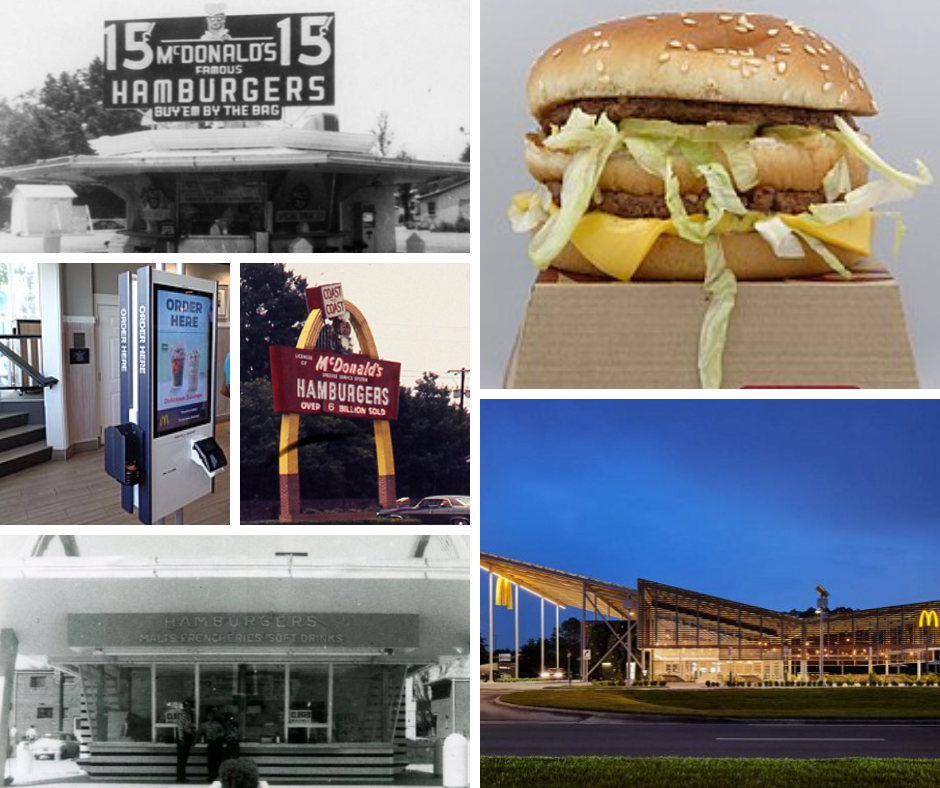
While White Castle played a significant role in revolutionizing the fast-food industry, it was another name that would come to dominate the global burger landscape—McDonald’s. The story of McDonald’s is not only one of success but also of unparalleled influence and innovation that forever shaped the fast-food industry and the way the world consumed hamburgers.
The transformative impact of McDonald’s can be attributed to the vision and business acumen of Ray Kroc. In 1955, Kroc, a struggling milkshake machine salesman, encountered Richard and Maurice McDonald, the founders of a small burger joint in San Bernardino, California. Recognizing the potential for their innovative fast-food system, Kroc partnered with the brothers and embarked on a journey that would change the culinary landscape forever.
Under Kroc’s leadership, McDonald’s introduced a revolutionary concept: the Speedee Service System. This innovative system revolutionized the way fast food was prepared, making it even faster, more efficient, and consistent. By streamlining operations, McDonald’s was able to serve customers with unprecedented speed while maintaining high standards of quality.
In addition to operational efficiency, McDonald’s recognized the importance of branding and consistency. The introduction of the iconic golden arches, designed to resemble the letter “M,” became an instantly recognizable symbol of the brand. The company’s commitment to delivering a consistent dining experience—no matter which McDonald’s location you visited—further solidified its position as an industry leader.
As McDonald’s expanded its reach across America, it introduced the concept of the modern fast-food restaurant. With its bright and inviting interiors, distinctive uniforms, and carefully curated menus, McDonald’s became more than just a place to grab a quick bite—it became a destination. Families flocked to McDonald’s for affordable meals that catered to both children and adults, fostering a sense of community and creating memories that would last a lifetime.
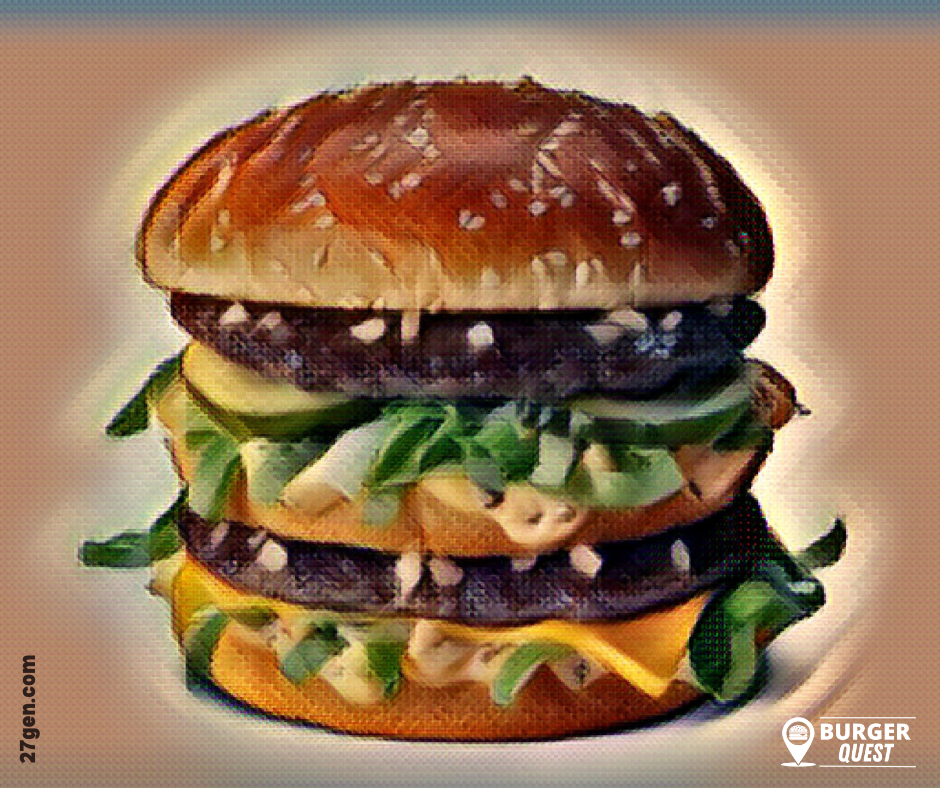
McDonald’s also played a pivotal role in introducing innovative menu items that captured the imagination of customers. From the iconic Big Mac, with its signature three-layered bun and special sauce, to the Quarter Pounder, which redefined the concept of a substantial burger, McDonald’s continually pushed the boundaries of what a fast-food burger could be. These menu innovations became cultural touchstones, forever embedded in the collective consciousness of burger enthusiasts worldwide.
Beyond its impact on the culinary landscape, McDonald’s revolutionized the way companies approached marketing and advertising. With catchy jingles, memorable characters like Ronald McDonald, and iconic campaigns like “I’m Lovin’ It,” McDonald’s managed to connect with consumers on an emotional level. Its marketing prowess, combined with its consistent and affordable offerings, propelled the company to unparalleled heights of success.
Today, McDonald’s stands as a global powerhouse, with thousands of locations spanning continents. Its influence on the fast-food industry is undeniable, and its impact on the popularity and accessibility of hamburgers is immeasurable. The fast-food frenzy ignited by McDonald’s not only transformed the way we consume burgers but also left an indelible mark on popular culture.
So, as you enjoy a McDonald’s hamburger or drive by one of its iconic golden arches, take a moment to appreciate the legacy of this fast-food giant. McDonald’s played a pivotal role in shaping the modern burger landscape, forever altering the way we experience fast food. It is a testament to the power of innovation, branding, and delivering an exceptional customer experience—a legacy that continues to inspire and influence the burger industry to this day.
From Hamburg to New Haven to Wichita to San Bernardino, the hamburger’s journey in the United States marked the beginning of a culinary revolution that would forever change the American food landscape. From its humble origins as Hamburg steak to its commercial success through chains like White Castle and McDonald’s, the hamburger has become an integral part of American cuisine and cultural identity. As the years passed, the hamburger’s popularity soared, evolving into a versatile dish with endless variations to suit every taste. Today, whether enjoyed at a fast-food joint or savored at a gourmet restaurant, the hamburger remains an enduring symbol of American culinary ingenuity and an all-time favorite comfort food for millions.





 27gen.com