Visionary Leadership: Lessons from Nehemiah

I’m continuing a brief series using the biblical story of Nehemiah as an excellent role model for a Modern Elder:

Today, I wanted to take a look at Nehemiah’s skill as a Visionary Leader. Nehemiah had a clear and specific vision – to rebuild the walls of Jerusalem. This singular focus allowed him to channel his energy and resources towards achieving that goal. Effective leaders often have a well-defined vision that guides their actions and decision-making.


Nehemiah recognized a need, took initiative, conceptualized a vision, devised a strategy, and rallied others to support his cause.

In his work Visionary Leadership, Burt Nanus defines a vision as a compelling future scenario for an organization, one that is both realistic and attractive. It serves as a beacon, guiding the organization towards a destination that surpasses its current state, promising greater success or desirability.

Nanus argues that a potent vision possesses the ability to galvanize action, igniting enthusiasm and prompting the mobilization of resources and talents to bring it to fruition. Effective leaders possess the ability to perceive opportunities beyond the present reality, focusing not only on the immediate concerns but also on future possibilities. This foresight distinguishes them as leaders, enabling them to prioritize what truly matters amidst competing demands.

According to Nanus, vision occupies a central role in leadership, acting as an essential tool for success. Biblical leaders, grounded in the belief of a divine guide, approach leadership with prayerful dependence on God’s guidance. They maintain an optimistic yet pragmatic outlook, aligning their vision with God’s purposes and stewarding resources accordingly.

However, they remain mindful of the need to uphold the integrity of their vision amidst external pressures and personal agendas. They guard against self-serving motives that may distort the vision and hinder the fulfillment of God’s intentions. For them, maintaining alignment with God’s purposes is paramount, ensuring that their leadership endeavors reflect divine guidance and contribute to His ultimate plan.

Nehemiah’s Approach to Communicating the Vision

Articulating the vision with clarity

Nehemiah clearly communicated the goal of rebuilding the walls of Jerusalem to restore its security and honor. He didn’t leave room for ambiguity, ensuring that everyone understood the purpose and significance of the project.

His vision was specific and actionable, providing a clear direction for the entire community to rally behind.

Inspiring others with his passion and commitment

Nehemiah’s personal dedication to the vision was evident in his words and actions. His passion for the well-being of Jerusalem and its people inspired others to join him in the endeavor.

He led by example, demonstrating his commitment through hard work, sacrifice, and unwavering faith in God’s providence.

Addressing doubts and concerns

Nehemiah acknowledged and addressed the doubts and fears of the people, reassuring them of God’s favor and protection throughout the project.

He listened empathetically to the concerns raised by various stakeholders and provided rational responses, instilling confidence and trust in his leadership.

Involvement of key stakeholders

Nehemiah strategically engaged with influential leaders and officials to garner support for his vision. He sought the backing of King Artaxerxes of Persia, as well as local authorities, to secure resources and permissions for the project.

By enlisting the support of key stakeholders, Nehemiah gained credibility and legitimacy for his leadership, enhancing the likelihood of success.

Nehemiah actively involved the entire community in the vision, rallying people from all walks of life to participate in the rebuilding efforts. He organized the population into teams based on their skills and proximity to different sections of the wall, maximizing efficiency and collaboration.

Through effective delegation and coordination, Nehemiah ensured that everyone contributed their talents and resources towards achieving the shared goal.

Overall, Nehemiah’s approach to communicating the vision exemplifies key principles of effective leadership, including clarity, inspiration, empathy, and stakeholder engagement. By skillfully articulating his vision and rallying widespread support, Nehemiah was able to mobilize a diverse community towards the successful completion of a monumental task.

Nehemiah’s Visionary Leadership Lessons 

Focused leaders operate from clarity of vision.

Empathic leaders are characterized by their sensitivity to existing needs even before being developing a vision to address them. 

Passionate leaders operate from a profound sense of duty and accountability. 

Prepared leaders enhance motivation, making leadership tasks more manageable.

Collaborative leaders derive greater satisfaction from empowering others rather than solely focusing on executing tasks themselves.

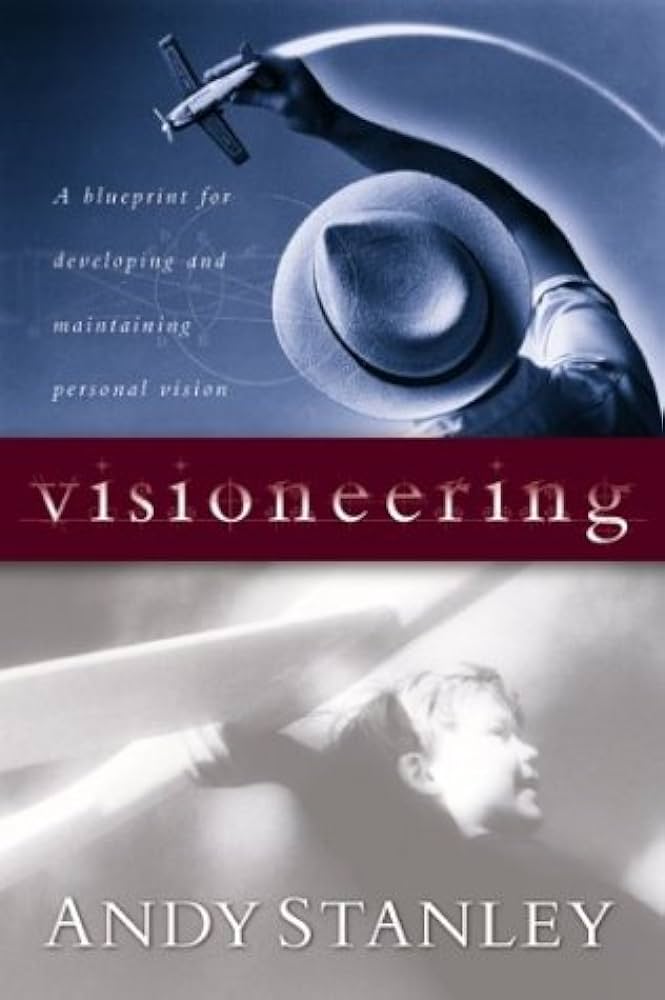
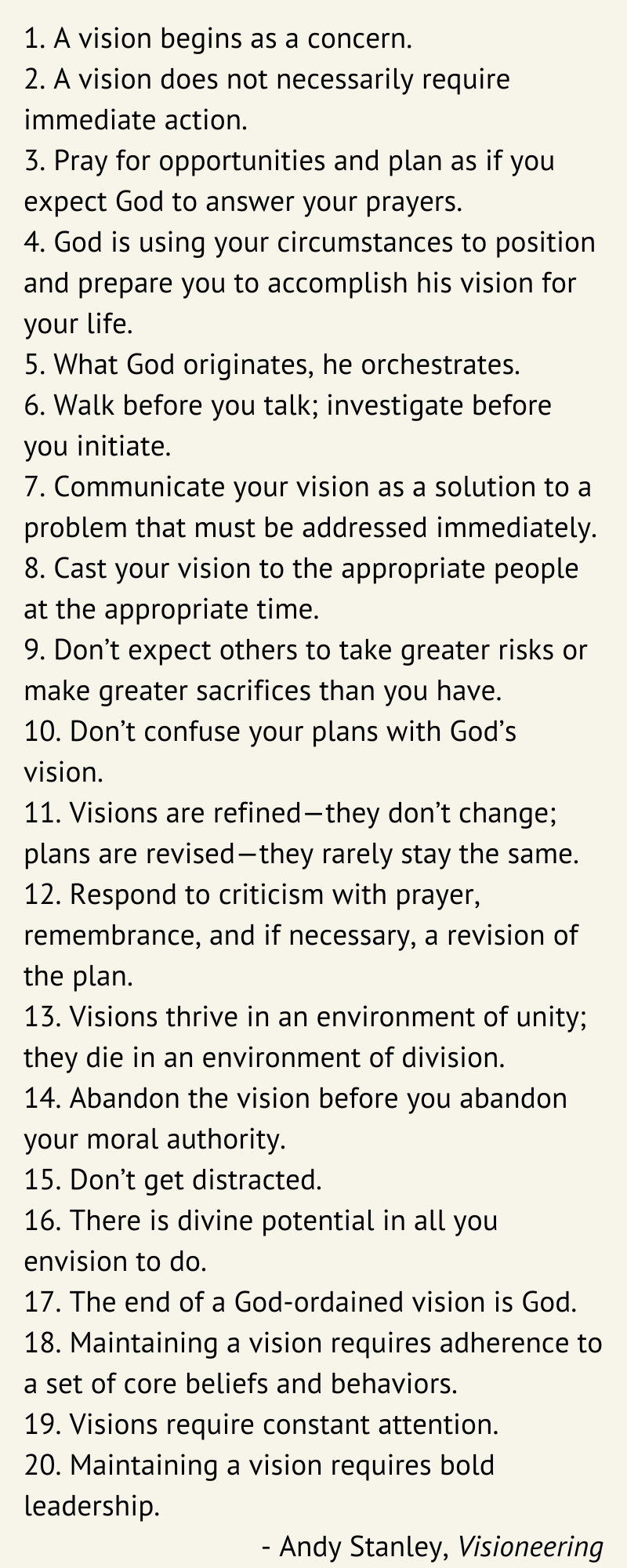
In his book Visioneering, Andy Stanley developed the following “building blocks” that leaders will find helpful as they pursue a vision for the organizations they lead.

Leadership from the Knees Up: Lessons from Nehemiah

In Nehemiah 1:5, Nehemiah implores, “I beseech Thee, O Lord God of heaven,” as he engages in prayer. When confronted with a need, our initial reaction often mirrors our flawed human nature: How can I resolve this? or Who is to blame for this situation? However, the resolution to any people problem lies not in human reasoning alone but in taking it first to God in prayer. This principle, highlighted in the first chapter of the book of Nehemiah and exemplified in Nehemiah’s life, underscores the vital role of prayer in a leader’s life.

Nehemiah’s approach before the Lord serves as a model for leaders. Firstly, he acknowledges and praises God’s greatness, recognizing Him as the ultimate authority. Secondly, Nehemiah humbly confesses his own involvement in the problem, taking responsibility instead of blaming others. This confession is not a scapegoat for others’ failures but a genuine recognition of personal culpability. Thirdly, he lays claim to God’s promises, citing previous assurances of restoration and protection for His people. Lastly, Nehemiah boldly presents his desires before God, seeking success and favor in his endeavors.

Leaders can learn from Nehemiah’s example of complete reliance on prayer, understanding that effective prayer combines conviction with action. Nehemiah 1 exemplifies the synergy between prayer and proactive engagement. Prayer is not merely words and thoughts but practical, prompting action rooted in faith and dependence on God.

The importance of prayer is underscored by four succinct reasons. Firstly, prayer necessitates patience, compelling us to wait on God’s timing rather than rushing into action. Secondly, prayer brings clarity to our vision, dispelling the fog of uncertainty and enabling us to see situations from God’s perspective. Thirdly, prayer soothes our anxieties, replacing worry with peace as we entrust our concerns to God. Lastly, prayer ignites our faith, fostering trust in God’s ability to intervene where human efforts fall short.

Nehemiah’s reliance on prayer highlights its transformative power in leadership. Through prayer, we invite God into our seemingly insurmountable challenges, trusting in His ability to accomplish what is beyond our capability. Nehemiah’s inclination to kneel before God serves as a poignant reminder for leaders to seek divine guidance and assistance in times of need.

As Charles Swindoll stated, Nehemiah modeled true leadership – from the knees up!


Inspired by Hand Me Another Brick, by Charles R. Swindoll


FROM RUINS TO RESILIENCE: Leadership in Times of Adversity

Glance through newsfeeds on your device and it won’t take long to find another story of an organizational or leadership breakdown. Although things may appear smooth and stable on the surface, beneath an often thin veneer it is not unusual to find internal strife or organizational confusion.

Guess what – that’s nothing new.

It’s been around for thousands of years…

Every leader faces problems. But should we solve them by using strategies found in best-selling leadership books?

Or is there another way?

It would be the dream of today’s content creators to write promotional materials for the memoirs of Nehemiah, the governor of Judah in the latter part of the fifth century B.C. They would almost be salivating at the opportunity to mine this amazing text from the Bible which speaks directly to contemporary concerns and offers such practical guidance in so many areas of life.

Here’s a glimpse of what that copy might look like:

Become a Leader and Discover How to:

  • Strategize and execute actionable plans
  • Influence others positively and foster a culture of cooperation
  • Navigate challenging authority figures
  • Inspire and empower team members
  • Unlock eight essential strategies for overcoming obstacles
  • Achieve success where others have faltered
  • Attain victory through collaboration rather than coercion

While each of these insights (and more) are gleaned from Nehemiah, it would be remiss to overlook its most crucial aspect: Nehemiah’s deep devotion to God. His intimate connection with God through prayer and personal piety enabled him to tap into divine wisdom, patience, skill, and perseverance, essential for accomplishing his monumental task.

And what a task it was! In 445 B.C., Nehemiah journeyed from the Persian capital of Susa to the ancient Jewish hub of Jerusalem to oversee its reconstruction. Devastated 141 years earlier by Nebuchadnezzar, the Babylonian king, Jerusalem lay in ruins, its once-majestic walls reduced to rubble. Despite the daunting circumstances and the discouragement of previous failed attempts at reconstruction by returning exiles, Nehemiah orchestrated a remarkable turnaround. In just fifty-two days, amidst fierce opposition, he oversaw the completion of the city’s formidable defenses, commencing work on August 1st and concluding on September 21st.

How did he achieve the seemingly impossible? Nehemiah attributes the success not to his own prowess but to the divine intervention of God. When granted permission by King Artaxerxes, Nehemiah acknowledged God’s favor, stating, “The king granted by requests, for the gracious hand of my God was on me.” (Nehemiah 2:8). Confronted by formidable adversaries such as Sanballat and Tobiah, Nehemiah remained steadfast, affirming, “The God of the heavens is the one who will grant us success” (v. 20). Upon completion, Nehemiah attributed the feat to divine assistance, declaring, ” …this task had been accomplished by our God” (Nehemiah 6:16).

Nehemiah exemplifies exceptional leadership qualities, offering timeless lessons. Yet, beyond his leadership acumen lies his profound reliance on God – a lesson equally vital for us today.

May God raise up leaders like Nehemiah in our time of need.


Inspired by Nehemiah: Learning to Lead, by James Montgomery Boice


Nehemiah’s Blueprint: A Biblical Model for Problem Solving

Short deadlines.

Not enough staff.

Tight budgets.

Personal attacks.

External opposition.

Internal conflicts.

A huge task.

Sound like your organization?

Hopefully not, but that was the situation that Nehemiah faced as he stood at the broken down walls of Jerusalem and wept. Fortunately, Nehemiah had a unique ability to solve the complex problems that faced him. His methods illustrate two powerful elements of systems thinking that every leader should possess. As you begin to understand these elements, they will help you solve the problems you face as a leader.

Nehemiah’s ability to solve complex problems grew out of his manner of seeing the problems – as a systems thinker. Peter Senge, one of the early proponents of systems thinking, said “Systems thinking is a discipline for seeing wholes. It is a framework for seeing interrelationships rather than things, for seeing patterns of change rather than static ‘snapshots’ “.

Two elements of systems thinking made a difference for Nehemiah. He saw what Senge labeled “the subtle interconnectedness that gives living systems their unique character,” and he saw the ‘structures’ that underlie complex situations”.

The result? He was so successful in his work that, when people saw it, “they realized that this work had been done with the help of God” (Nehemiah 6:16). Each step of the way, Nehemiah had sought the Lord for direction. God answered those prayers by providing favor, strength, and wisdom.

How will you use systems thinking to “rebuild the walls” you encounter?

Nehemiah’s approach to rebuilding the walls of Jerusalem serves as a prime example of problem-solving in the Bible. 

He grasped the problem’s scope by carefully considering the report he received, understanding its importance in shaping subsequent actions. This involved not just hearing the report but also probing the messengers for additional details.

He empathized with the suffering of his people, feeling deeply for them and for the honor of God. This compassionate stance underpinned his entire plan.

Nehemiah turned to prayer, petitioning the “God of heaven” fervently and humbly. His prayer was marked by reverence, confession, and a plea for divine favor, recognizing the need for God’s intervention in his interactions with King Artaxerxes.

He waited for the right moment to approach the king, having spent months in prayerful preparation. Even when the opportunity arose, Nehemiah continued to seek God’s guidance through prayer.

Upon reaching Jerusalem, Nehemiah quietly assessed the situation, taking time to understand the condition of the wall before revealing his plan. This thoughtful approach mirrored that of a skilled physician diagnosing a patient’s ailment.

Nehemiah involved the community in the solution, recognizing that the problem was a collective concern. With a rallying cry, he gathered support for the rebuilding effort, instilling confidence in the people by reminding them of God’s favor.

Nehemiah’s example highlights the importance of prayer, empathy, careful planning, and community involvement in problem-solving. Leaders can glean valuable insights from his actions by studying this narrative closely.


Pursue Clarity in Your Daily Life

God crafted you with unparalleled potential and positioned you on this planet for a distinct purpose. Amidst the hustle and bustle of everyday life, you may have yet to unearth your unique calling in a manner that provides profound clarity.

This dilemma is common; akin to a faint echo, the prospect of a vision-driven existence often remains elusive, overshadowed by the demands of daily existence.

However, your divine blueprint – God’s intended plan for your life – is more accessible than you might imagine. You are a masterpiece crafted by God in Christ Jesus to undertake good deeds, which He has already laid out in advance for you to fulfill (Ephesians 2:10).

Equipped with the appropriate tools, you can uncover your life’s vision and synchronize it with your vocational path. It is both feasible and imperative to grasp your God-given identity and the dreams instilled by Him within you. Most significantly, you can discern and map out the practical steps needed to reach these aspirations.

Everybody ends up somewhere in life.

Wouldn’t you like to end up somewhere on purpose?

  • What breaks your heart?
  • What keeps you up at night?
  • What could be that should be?

Andy Stanley believes these questions are breadcrumbs that lead to the discovery of personal vision. With down-to-earth practicality, Stanley extracts principles from the story of Nehemiah to help you discover your purpose in life.

Visioneering includes helpful exercises and time-tested ideas for visionary decision-making, personal growth, and leadership at home and at work. Catch a glimpse of God’s incredible vision for your life, relationships, and business—and discover the passion to follow it.

What is clarity really about? How can pursuing clarity help us discover our purpose in life?

The concept of clarity means being free from anything that obscures, blocks, pollutes, or darkens. If you have clarity, you see things simply in an understandable and precise way.

Clarity will help you make your life direction unquestionable.

Honoring God involves discovering His picture or vision of what our lives could and should be. Glorifying God involves discovering what we could and should accomplish.

We were created and re-created with his purposes in mind. And until we discover his purpose – and follow through – there will always be a hole in our soul.

As Christians, we do not have the right to take our talents, abilities, experiences, opportunities, and education and run off in any direction we please. We lost that right at Calvary. But then, why would we dream of such a thing? God has a vision for your life. What could possibly be more fulfilling than that?

At the same time, we have no right to live visionless lives either. If God – think about it – if God has a vision for what you are to do with your allotment of years, you had better get on with it. What a tragedy to miss it. Missing out on God’s plan for our lives must be the greatest tragedy this side of eternity.

Your uniqueness and individuality will reach its pinnacle in the context of your pursuit of God’s plan for your life. Manmade visions all begin to look alike after a while. Unless you discover God’s unique vision for your future, your life may very well be a rerun.

– Andy Stanley, Visioneering

Andy Stanley, in Visioneering, says that “Vision gives significance to the otherwise meaningless details of our lives.” To further develop this thought, he wants you to realize how vision weaves four things into the fabric of our daily lives.

Reflect on each of the areas below:

Passion – vision is always accompanied by strong emotion; the clearer the vision, the stronger the emotion. How is your vision being expressed in powerful and compelling emotions?

Motivation – vision provides motivation. In what areas of your life is vision providing motivation on a regular basis?

Direction – vision sets a direction for our lives. How is your vision prioritizing your values and providing direction to your life?

Purpose – vision gives you a reason to get up and show up. How is your vision providing purpose in your daily life?

Connect with 2-3 colleagues or friends, and ask them these questions around their calling and process together how God might call you into greater collaboration together to reach your potential and impact the world.


How Questions Lead to Understanding

The way to avoid a misunderstanding is to have an understanding.

I heard those words from my father years ago, and they have come to be an important part of an ongoing learning curve involving that most difficult of social skills – communication.

Communication between individuals or groups of people is never easy. Some people think that all we have to do is to listen. Others think we just need to hear them out. However, there is a great difference between hearing and listening. Hearing refers to the physical dimension of the sound waves striking the ear and the brain processing them into meaningful information. Listening, however, involves far more than the hearing process. It incorporates paying attention and focusing with the intention of understanding and responding appropriately.

One of the most basic of all human needs is the need to understand and to be understood. The best way to understand people is to listen to them. Not only that but when people feel that you have really listened to them, you will gain their respect and they will value and give you the credibility to speak.

Consider how you feel when you sense someone is really listening to what you have to say. You feel good, you feel understood, and more connected to the person who is listening. The fact that they are interested causes you to feel cared for.

True listening is a skill which needs to be learnt and practiced because the mind functions seven times more quickly than it is possible to speak. Therefore the mind needs to be slowed down and focused on what the person is saying, and not pay attention to other irrelevant thoughts or distractions.

One of the best ways to build up your listening skills is to ask a question, and then be quiet and listen to the answer. Questions will give you a greater understanding of the person, give them encouragement, and instill a sense of connectedness. Make sure that ask questions and listen more than you speak.

When you have the opportunity, use a question or questions and experience the power of creating understanding with others through the power of listening.

And in my experience, understanding is easier to find when you ask the right questions.

Of course, asking the right question is often a challenge. It’s easy to ask a question that triggers an argument, demands analysis, expects a defensive reply or begs for an explanation. These kinds of questions may be interesting, but they lack power.

Powerful questions are those that evoke a choice for accountability and commitment. They are questions that take us to requests, offers, declarations, forgiveness, confession, gratitude, and welcome: all of which are memorable and have a transformative power.

Questions create the space for something new to emerge.

What questions will you be asking today?


Unlocking Understanding: The Art of Meaningful Conversation

If a person is a point of view, then to know them well you have to ask them how they see things.

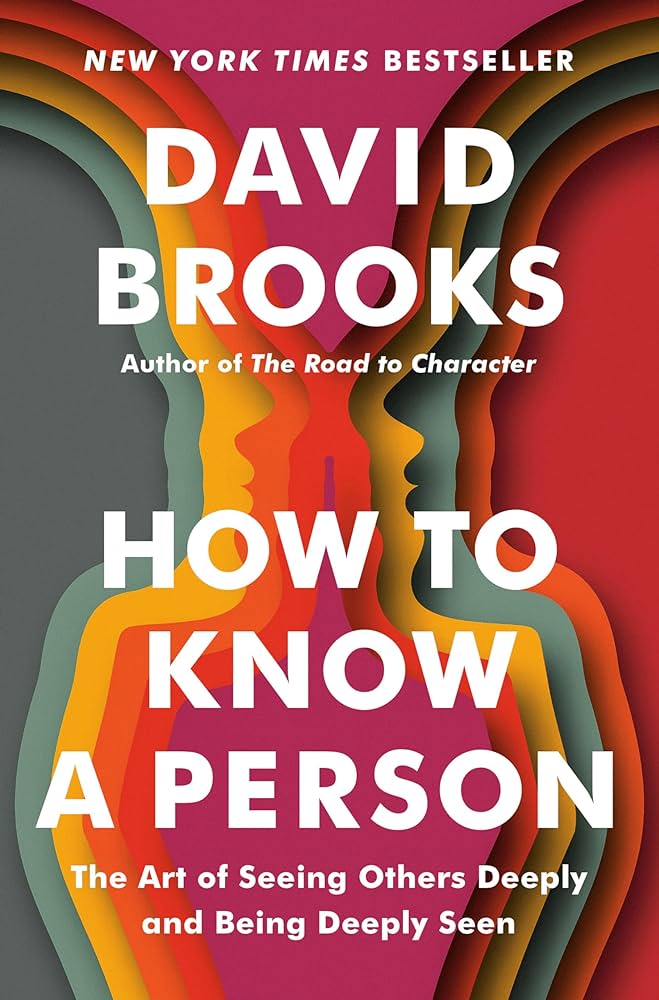
David Brooks, How to Know a Person

It doesn’t work  to imagine what’s going on in people’s heads – you have to ask them.

You have to have a conversation.

A good conversation is an act of joint exploration. Somebody floats a half-formed idea. Somebody else seizes on the nub of the idea, plays with it, offers their personal perspective based on their memories, and floats it back so the other person can respond. A good conversation sparks you to have thoughts you never had before. A good conversation starts in one place and ends up in another.

Author David Brooks spent time talking with conversation experts and reading their books. He put together the following list of some of the nonobvious ways to become a better conversationalist.

  • Treat attention as an on/off switch, not a dimmer. If you’re in a conversation, you’re going to stop doing anything else and just pay attention to this.
  • Be a loud listener. When another person is talking, you want to be listening so actively that you’re practically burning calories. Active listening is an invitation to express.
  • Favor familiarity. People have trouble picturing and getting excited about the unfamiliar, but they love to talk about what they know.
  • Make them authors, not witnesses. Good conversationalists don’t only want to talk about what happened, they want to know how you experienced what happened.
  • Don’t fear the pause. Wait for the end of the other person’s comment, and then pause a few beats to consider how to respond to what’s been said.
  • Do the looping. Repeat what someone just said in order to make sure you accurately received what they were trying to project.
  • The midwife model. In conversation, a midwife is there not to lead with insights but to receive and build on the insights the other person is developing.
  • Keep the gem statement at the center. In the midst of many difficult conversations, there is a truth underneath the disagreement, something both parties can agree upon.
  • Find the disagreement under the disagreement. When you search for the disagreement under the disagreement, you are looking for the moral, philosophical roots of why you each believe what you do.
  • Don’t be a topper. When someone tells you about a situation,  don’t turn around and say, “I know exactly what you mean. Here’s what’s going on with me.”

The experience of being listened to all the way on something – until our meaning is completely clear to another human being – is extremely rare in life.

Mónica Guzmán

In the pursuit of meaningful, engaging conversations, it’s essential to develop a set of social skills and master the art of conversation. The ultimate goal is to make the experience of being actively listened to and truly understood a more common occurrence in our lives.


Inspired by, and adapted from, How to Know a Person by David Brooks


From Aging to Sage-ing: Navigating the Journey of Becoming a Modern Elder

Many of us feel like we’re growing whole rather than growing old. What if there was a new, modern archetype of elderhood, one that was worn as a badge of honor, not cloaked in shame?

Chip Conley

On the occasion of my 65th birthday in 2023, I made public a project I had been working for some time, and one that I plan to continue the rest of my life:

Becoming a Modern Elder.

Here was my resolve: As much as it is in my health, resources, and capacity, I resolve to:

My journey to becoming a Modern Elder is all about reciprocity. 

Giving and receiving. Teaching and learning. Speaking and listening. 

Everyone gets older, but not everyone gets elder.

The first just happens (if you’re lucky and healthy). The other you have to earn.

Along this journey, I’ve been researching the topic of elderhood, and I wanted to share an important contribution to that research from Terry Jones in his book, The Elder Within:

One writer approached the idea of what he calls “elderhood” as a “state of consciousness that arises in the context of physiological aging… [where] the psyche issues a call for us to engage in life completion, a process that involves specific tasks, such as coming to terms with our mortality, healing our relationships, enjoying our achievements and leaving a legacy for the future.”

The archetypal elder has been the same force in most cultures over most all of time. An archetype is an ancient model for a role that has survived time. Some writers refer to the archetypal “elder within” when discussing the energy from the psyche that energizes those who express eldership. “Within each person awaits the figure of the elder – a promise and a challenge.” Just as the instincts seem to account for recurrent behavior patterns in man, so the archetypes seem to account for recurrent psychic patterns. 

Psychic patterns are expressions of your psyche. The psyche is all of the human being, which is not physical. The psyche includes the conscious and unconscious elements of the human personality.

When a man taps the energy of the “elder within,” the following are available to him:

  • Balance in our expression of strength, celebration, intellect, and feeling
  • Knowledge of our faults, our shadow
  • An expression of self principally from our center, our soul
  • Patience and a desire to be available to others
  • An awareness of our personal strength
  • A sage-like love for consensus and community
  • A expression of wisdom that leads to being shown extraordinary
  • Deference by the community
  • A hunger to share the world with women and children: the opposite of patriarchy
  • A drive for conservation and a passion for the Earth and its survival
  • Assertive energy that invigorates and energizes but is not dangerous to others
  • A need to nurture and guide younger people and contribute to the next generation
  • Husbandman energy: driven by a passion for the best possible life for men and the beauty of the Earth
  • Stewardship energy of the Earth, of people
  • A desire to take care of ourselves and take pride in our good health
  • Knowledge that we are caretakers whose vitality depends on a personal shift from self to community
  • A personal force that empowers others when they are in your presence
  • A hunger to introduce the meaning of life to the young

Eldership is wisdom in an active state.

Wisdom is enlightenment, insight, and a high degree of learning. The elder is aware of the need to pass on one’s knowledge and to pass on the responsibility of stewardship of man and the Earth to the young.

I would love to hear your comments:

  • What’s your reaction to the list above?
  • What would you change?
  • What would you add?
  • What would you remove?

Thanks for contributing to my ongoing research and discussion of the Modern Elder!


The Art of Seeing Others Deeply and Being Seen

When I was young, I wanted to be knowledgeable, but as I got older, I wanted to be wise. Wise people don’t just possess information; they possess a compassionate understanding of other people. They know about life.

David Brooks

Along the journey of becoming a Modern Elder, I want to become more present with people, have bigger conversations, and find deep pleasure in human connection.

As a textbook introvert, I struggle with the previous sentence, but there’s always hope…

…especially when I read How to Know a Person by David Brooks.

David Brooks observes, “There is one skill that lies at the heart of any healthy person, family, school, community organization, or society: the ability to see someone else deeply and make them feel seen – to accurately know another person, to let them feel valued, heard, and understood.”

And yet we humans don’t do this well. All around us are people who feel invisible, unseen, misunderstood. In How to Know a Person, Brooks sets out to help us do better, posing questions that are essential for all of us: If you want to know a person, what kind of attention should you cast on them? What kind of conversations should you have? What parts of a person’s story should you pay attention to?

Driven by his trademark sense of curiosity and his determination to grow as a person, Brooks draws from the fields of psychology and neuroscience and from the worlds of theater, philosophy, history, and education to present a welcoming, hopeful, integrated approach to human connection. How to Know a Person helps readers become more understanding and considerate toward others, and to find the joy that comes from being seen. Along the way it offers a possible remedy for a society that is riven by fragmentation, hostility, and misperception.

The act of seeing another person, Brooks argues, is profoundly creative: How can we look somebody in the eye and see something large in them, and in turn, see something larger in ourselves? How to Know a Person is for anyone searching for connection, and yearning to be understood.

Building meaningful relationships and fostering a sense of community boils down to mastering a series of small, tangible social skills. It’s about navigating disagreements without damaging connections, gradually unveiling vulnerability, being an attentive listener, gracefully concluding conversations, seeking forgiveness when needed, gently turning down others without causing heartbreak, comforting those in distress, and hosting gatherings where everyone feels embraced. It’s also about the ability to empathize and see things from another’s perspective.

Within any group, there are two types of individuals: Diminishers and illuminators. Diminishers focus on themselves, making others feel insignificant through stereotypes and assumptions. On the flip side, illuminators exhibit a persistent curiosity about others, asking the right questions to understand different viewpoints. They shine a light on people, making them feel respected and valued.

Despite being crucial life skills, these aren’t typically taught in schools, leaving a gap in practical knowledge about offering the rich attention we all crave. At the core of a healthy person, family, school, organization, or society lies a fundamental skill: the ability to deeply see and make others feel seen, to understand and value them.

This goes beyond mastering a set of techniques; it’s a way of life. To truly know someone, you need to grasp how they perceive the world, experiencing it through their eyes. Building relationships is an ongoing effort to understand others on a profound level and let them feel heard, valued, and comprehended. It’s about knowing how they know you.

Some people are much better at seeing people than others are. In any collection of humans, there are diminishers and there are illuminators. Diminishers are so into themselves, they make others feel insignificant. They stereotype and label. If they learn one thing about you, they proceed to make a series of assumptions about who you must be.
Illuminators, on the other hand, have a persistent curiosity about other people. They have been trained or have trained themselves in the craft of understanding others. They know how to ask the right questions at the right times — so that they can see things, at least a bit, from another’s point of view. They shine the brightness of their care on people and make them feel bigger, respected, lit up.

David Brooks

Take a look at some of the following characteristics of Diminishers and Illuminators as developed by Brooks. Do you recognize yourself in any of them?

Diminisher Tactics

  • First Impressions: It’s that quick sizing-up moment when you meet someone, where you open your eyes, direct your gaze, and take them in.
  • Egotism: Some folks struggle to step outside their own viewpoints. They just aren’t curious about others.
  • Anxiety: Ever met someone drowning in the noise of their thoughts? It’s like they’ve got a whole party in their head, and they can’t quite tune into what’s happening in yours.
  • Naïve Realism: Ever thought your perspective was the one true reality, assuming everyone sees the world just as you do? That’s naive realism in action.
  • The Lesser-Minds Problem: While we’re privy to our thoughts, we only catch a snippet of what’s happening in other minds. This leads to the perception that our inner world is far more intricate than theirs.
  • Objectivism: Picture someone adopting a detached, dispassionate stance to understand entire populations but missing the individual stories.
  • Essentialism: Ever grouped people together, thinking they’re more similar than they really are? Or believed others from different groups are fundamentally different from “us”? That’s essentialism.
  • The Static Mindset: Imagine forming fixed perceptions of people, maybe based on past encounters, and not bothering to update them to reflect who they are now. That’s the static mindset in action.

The Illuminator’s Look

  • Gentleness: It’s about having a genuine emotional concern for others, recognizing the ties that bind us and the commonalities we share.
  • Openness: Pushing aside insecurities and self-absorption to fully engage in the experience of someone else.
  • Curiosity in Action: Cultivating the spirit of an explorer and honing the skill of imagining to truly see others.
  • Warmth: While some treat understanding as an intellectual exercise, for many, it’s a whole-body experience filled with emotion and affection.
  • Kindness: A generous spirit that looks for the best in people.
  • A Complete View: It’s easy to misjudge when you only see a fragment of someone rather than their whole being.

Striving to cast an illuminating gaze that is tender, generous, and open, we set ourselves on the right path. This approach helps us move beyond the clichéd character types we often lazily assign to people, ultimately enhancing how we present ourselves to the world.

The real process of, say, building a friendship or creating a community involves performing a series of small, concrete actions well: being curious about other people; disagreeing without poisoning relationships; revealing vulnerability at an appropriate pace; being a good listener; knowing how to ask for and offer forgiveness; knowing how to host a gathering where everyone feels embraced; knowing how to see things from another’s point of view.

David Brooks

The Importance of Being Present in the Moment

We know it when when we feel it, and we know it when we see it, but presence is hard to define. On the other hand, most of us are quite good at describing the lack of it.

Amy Cuddy

Presence arises from a sense of personal empowerment, enabling us to be deeply connected with our authentic selves. In this psychological state, we can maintain a strong presence even in the midst of highly stressful situations that typically lead to distraction and a feeling of powerlessness. When we experience presence, our speech, facial expressions, postures, and movements seamlessly align, creating a synchronized and focused demeanor. This internal harmony is not only tangible but also resonant because it reflects our genuine selves. The pursuit of presence is not about cultivating charisma, extraversion, or meticulously managing the impressions we make on others. Instead, it revolves around fostering an authentic, powerful connection within ourselves.

This type of presence is achievable through gradual changes. There’s no need for extensive pilgrimages, profound spiritual revelations, or complete inner transformations – while these are valid pursuits, they can seem overwhelming, abstract, and idealistic to many. Instead, let’s concentrate on moments – a state of psychological presence that endures just long enough to guide us through challenging situations where the stakes are high, such as job interviews, tough conversations, idea pitches, seeking assistance, public speaking, and similar scenarios.

True presence is about the ordinary and the everyday; it’s accessible to everyone. The key is learning how to summon that presence, especially during life’s critical moments when it tends to elude us.

In the context of modern elders seeking to be truly present to others, the concept of presence aligns with the idea of being fully engaged, attentive, and authentic in interpersonal interactions. Here are some key aspects to consider:

Mindfulness and Awareness: Modern elders aiming to be present prioritize mindfulness and self-awareness. This involves consciously focusing on the current moment, setting aside distractions, and being fully attuned to the person or situation at hand. By cultivating mindfulness, modern elders can create meaningful connections and contribute more effectively to the well-being of others.

Active Listening: Being present also involves active listening. Modern elders strive to genuinely understand others by listening with empathy, suspending judgment, and responding thoughtfully. This not only fosters better communication but also demonstrates respect for the perspectives of those around them.

Authenticity and Vulnerability: Modern elders seek to be authentically themselves in the presence of others. This involves embracing vulnerability, sharing personal experiences, and being open about one’s own journey. Authenticity enhances trust and creates a supportive environment for learning and growth.

Cultivating Emotional Intelligence: Presence extends to emotional intelligence, where modern elders are attuned to their own emotions and those of others. By navigating emotions effectively, they can foster positive relationships and provide meaningful support to younger generations.

Balancing Technology and Human Connection: Modern elders are mindful of the role of technology in their lives and its potential to create mental clutter. They actively manage their digital presence, ensuring that technology enhances rather than hinders their ability to connect with others on a deeper level.

Time Management: Being present also involves effective time management. Modern elders prioritize their commitments, creating space for quality interactions with others. This may involve setting boundaries, delegating tasks, and focusing on activities that align with their values and goals.

Continuous Learning and Adaptability: The concept of being present extends to a mindset of continuous learning. Modern elders remain curious, embracing new ideas and perspectives. This adaptability allows them to connect with younger generations and stay relevant in a rapidly evolving world.

By embodying these principles of presence, modern elders can fulfill their role as mentors and guides, providing valuable support and wisdom to younger individuals while creating a positive and enriching environment for mutual growth and learning.


And of course I’ve got a bookshelf of resources related to Presence that I’m working through. They will be appearing in future Wednesday Weekly Reader posts.