Jesus’ Model of Local Engagement: Your Neighborhood as a Mission Field

Think about the homes and people in your immediate vicinity. This is your opportunity to represent Jesus to those around you. Acts 17:26 suggests that your living situation is not random, but purposeful.

Your current location is a chance to practice loving others as Jesus taught.

Viewing your neighborhood as a mission field can transform your perspective and actions. You might spend more time there, interacting with and serving your neighbors differently. God has placed you there to show love to those nearby.

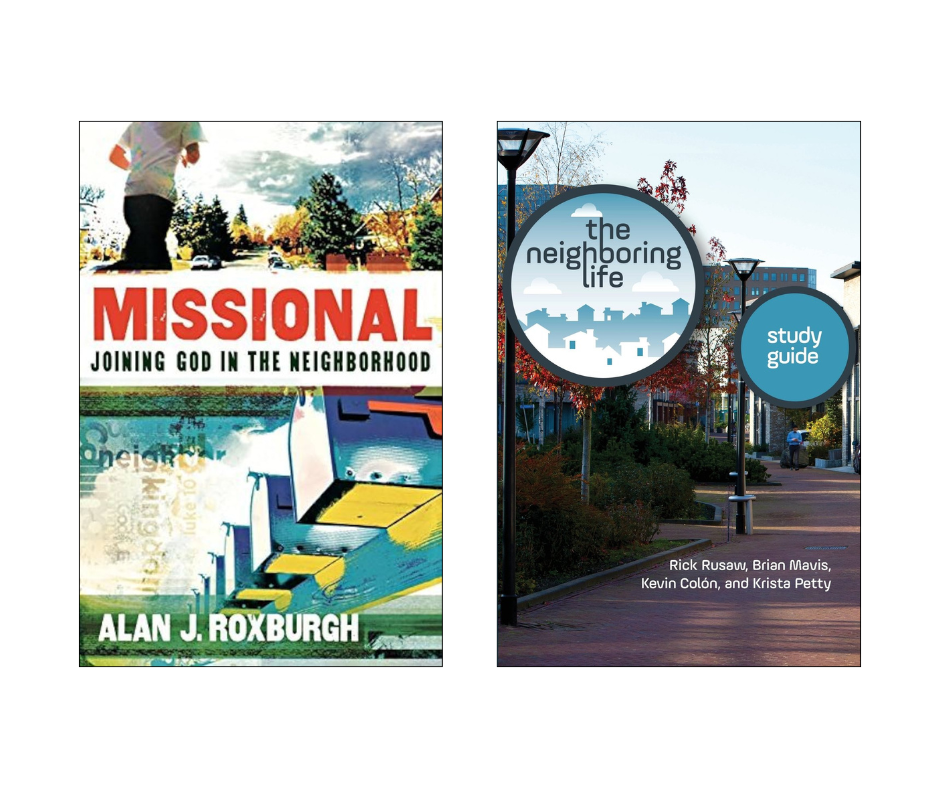
Jesus exemplified this approach. As Alan Roxburgh points out in Missional: Joining God in the Neighborhood, Jesus often appeared in everyday settings and used ordinary examples in his teachings. His stories frequently focused on common activities and needs.

The practice of “staying” in your neighborhood doesn’t have to be complicated. It’s about recognizing the divine in daily life and engaging with your community in simple, relatable ways.

JESUS…

…asked for a drink of water.

…attended a wedding.

…was a guest at someone’s house.

…grieved with friends. 

…told stories, even jokes.

…went fishing.

…made breakfast on the beach for his friends.

…threw raging parties.

…gave his friends nicknames like Rock and Sons of Thunder.

…prayed for his friends. 

…called them by name.

…shared his life.

…made wine.

…visited the sick.

…saw people and their potential.

…even during his worst moments, he blessed his neighbor.

He was touchable, authentic, and available. He was a best friend and the best neighbor.

How can you follow the examples of Jesus presented above?


Inspired by:

Missional: Joining God in the Neighborhood and The Neighboring Life Study Guide

How to Lead Your Church to Leverage the Everyday Moments of Their Life to Share the Gospel

Just for fun, ask this question to a group of church leaders: Is an attractional model of ministry or incarnational emphasis more effective? Then sit back, as a vigorous discussion is sure to follow.

Attractional ministry implies that the church’s basic strategy for reaching the lost revolves around getting “seekers” or the “unchurched” into the church building. Once inside, the opportunity to present the gospel defines the primary opportunity for evangelism. This is often known as an “invest and invite” approach.

In contrast, the incarnational emphasis of a missional mindset focuses on living and sharing the gospel “where life happens.” The emphasis is placed on the church “disassembling” itself for the primary work of evangelism in the nooks and crannies of everyday life.

In the attractional mode, big church buildings are important, and the church gathered is the consummation of evangelism. In the incarnational mode, fluid and flexible communities of faith are important; the church scattered is the consummation of evangelism. A common rally-cry against the attractional model is that the church should be measured by its sending capacity, not its seating capacity.

The missional reorientation described above represents an important shift in focus from methodology to identity.

This issue of SUMS Remix looks at solutions that will help you understand that distinction, and equip the church to leverage everyday moments in their lives to share the gospel: 

Sending is not something you do, but being sent is something you are.

SUMS Remix 82, released December 2017