The Cultural Archaeologist: Cultivating Living Traditions in Times of Change

In today’s rapidly shifting business landscape, organizations face a delicate balancing act: how to evolve and innovate while maintaining the cultural DNA that made them successful. This challenge has given rise to a critical leadership competency – cultural stewardship – the art of nurturing organizational heritage while guiding thoughtful transformation.

Today’s article is the final in a 12-part exploration of the Modern Elder’s core competencies distilled from my 40+ year career journey. The topic of understanding of organizational culture and how to preserve valuable traditions while evolving practices is a fitting close to this series.

The Archaeological Approach to Organizational Traditions

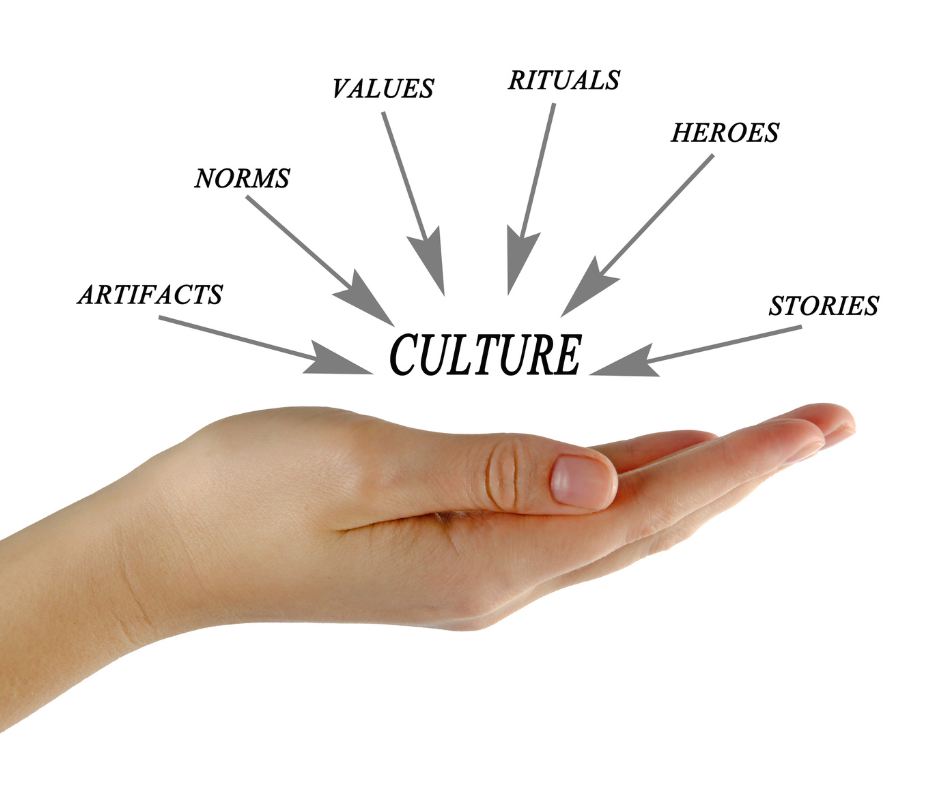
Effective cultural stewardship begins with becoming an organizational archaeologist, carefully excavating and examining the traditions, practices, and values that define your company’s identity. Not every long-standing practice deserves preservation simply because it’s old, nor should every new idea be dismissed because it challenges convention.

The most valuable traditions to preserve are those that directly connect to your organization’s core purpose and have demonstrated resilience across multiple challenges. These might include customer service philosophies that have built lasting loyalty, decision-making processes that consistently produce quality outcomes, or mentorship traditions that have developed exceptional talent. Amazon’s customer obsession principle, for instance, has remained constant even as the company has evolved from an online bookstore to a global technology giant.

Look for traditions that embody your organization’s values in action rather than just words on a wall. The weekly town halls where employees can directly question leadership, the informal mentoring relationships that develop organically, or the collaborative problem-solving approaches that emerge during crises – these practices often represent the living essence of your culture.

Orchestrating Cultural Evolution

Healthy cultural evolution requires the same intentionality as biological evolution—it must be adaptive, gradual, and purpose-driven. Organizations that successfully navigate cultural change treat it as an ongoing process rather than a one-time initiative.

The key lies in creating what anthropologists call “cultural bridges” – practices that honor the past while pointing toward the future. When Netflix transitioned from DVD-by-mail to streaming, they maintained their culture of data-driven decision making and customer focus while completely reimagining their business model. The cultural foundation remained solid even as the operational superstructure transformed.

Successful cultural evolution also requires safe spaces for experimentation. Establish pilot programs, innovation labs, or cross-functional teams where new cultural practices can be tested without threatening the entire organizational ecosystem. These experimental zones allow you to observe which changes enhance your culture and which might undermine it.

Building Bridges Across Generational Divides

Perhaps nowhere is cultural stewardship more critical than during leadership transitions and generational handoffs. Institutional memory – the collective knowledge, relationships, and hard-won wisdom that exists in the minds of long-term employees – can evaporate overnight if not carefully preserved and transferred.

Create structured storytelling opportunities where veteran employees can share not just what they know, but how they learned it. The story of how the company navigated the 2008 financial crisis contains more valuable cultural DNA than any policy manual. These narratives help newer employees understand not just the rules, but the reasoning behind them.

Reverse mentoring programs, where younger employees share fresh perspectives with seasoned leaders, create two-way bridges that honor both innovation and experience. When properly structured, these relationships don’t just transfer knowledge – they create hybrid approaches that combine institutional wisdom with contemporary insights.

Cultivating Inclusive Cultural Evolution

True cultural stewardship recognizes that the strongest cultures are those that can incorporate diverse perspectives while maintaining coherent values. This means actively seeking voices that have been historically marginalized and creating pathways for their insights to influence organizational evolution.

Inclusive cultural stewardship goes beyond surface-level diversity initiatives. It involves examining which cultural practices might inadvertently exclude certain groups and being willing to adapt traditions that no longer serve the entire community. The goal isn’t to abandon all traditions, but to ensure that cultural preservation doesn’t become cultural stagnation.

Consider implementing “culture circles” – diverse groups of employees from different levels, departments, and backgrounds who regularly discuss how cultural practices are experienced across the organization. These conversations often reveal blind spots and generate innovative solutions that honor the past while expanding the future.

The Innovation-Tradition Balance

The most successful organizations don’t see innovation and tradition as opposing forces – they view them as complementary aspects of sustainable growth. Apple exemplifies this balance, maintaining Steve Jobs’ design philosophy and attention to detail while continuously pushing technological boundaries.

Establish clear criteria for when to preserve, when to adapt, and when to replace cultural practices. Ask whether a tradition still serves its original purpose, whether it can be modified to work better in current conditions, or whether it has become a barrier to necessary progress.
The Steward’s Legacy

Cultural stewardship isn’t about creating museums – it’s about cultivating living traditions that can adapt and thrive. The most effective cultural stewards understand that their role is temporary; they’re not building monuments to themselves, but creating sustainable systems that will outlast their tenure.

By thoughtfully identifying what to preserve, skillfully facilitating evolution, and courageously bridging divides, cultural stewards ensure that organizations can honor their heritage while boldly embracing their future. In doing so, they create the conditions for sustained success across generations of change.


How Great Leaders Turn Limitations into Strengths

In boardrooms across the globe, a quiet revolution is taking place. The traditional image of the all-knowing, infallible leader is giving way to something far more powerful: the humble elder. This new archetype represents a fundamental shift in how we understand effective leadership, one that embraces vulnerability as strength and treats wisdom as an ongoing journey rather than a destination.

Today’s article is the eleventh of a 12-part exploration of the Modern Elder’s core competencies distilled from my 40+ year career journey. Humility is balancing confidence in acquired wisdom with openness to new approaches and ideas. The humble elder understands a profound truth that often eludes younger leaders: acknowledging what you don’t know is not weakness – it’s intelligence.

The Strength in Acknowledging Limitations

This willingness to reveal limitations stems from a deep security that comes with experience. The humble elder has weathered enough storms to know that pretending to have all the answers is far more dangerous than admitting ignorance. They’ve learned that leadership isn’t about being the smartest person in the room – it’s about being wise enough to recognize and harness the collective intelligence around them.

Research in organizational psychology consistently shows that leaders who acknowledge their limitations create more innovative and resilient teams. When team members see their leader as fallible and human, they’re more likely to contribute their own insights, challenge assumptions, and take calculated risks. The humble elder’s admission of limitations becomes a catalyst for organizational learning and growth.

Balancing Confidence with Openness

The art of humble leadership lies in striking the delicate balance between confidence and openness. The humble elder projects quiet assurance while maintaining intellectual curiosity. They speak with conviction about their values and vision while remaining genuinely interested in perspectives that might challenge or refine their thinking.

This balance manifests in their communication style. When discussing company strategy, a humble elder might say, “Based on my experience, I believe this approach will work because…” followed by, “but I’m curious to hear your thoughts on potential blind spots.” They anchor their team with decisive leadership while creating space for collaborative refinement.

The confidence of the humble elder is earned through decades of both success and failure. It’s not the bravado of inexperience but the quiet assurance of someone who has learned to trust their judgment while remaining open to new information. This creates a leadership presence that is both reassuring and dynamic, stable yet adaptable.

Creating Psychological Safety Through Vulnerability

Perhaps the most transformative aspect of humble elder leadership is how vulnerability becomes a tool for creating psychological safety. When leaders share their struggles, uncertainties, and learning moments, they give permission for others to do the same. This creates an environment where innovation thrives because people feel safe to experiment, fail, and learn.

The humble elder might share stories of past mistakes not to diminish their authority, but to model the learning process. They create cultures where phrases like “I don’t know, but let’s find out” and “I was wrong about that” become signs of intellectual courage rather than weakness. This vulnerability-based leadership style has been shown to increase employee engagement, reduce turnover, and accelerate innovation cycles.

In practice, this might look like a leader beginning a difficult conversation with, “I’m not sure I’m approaching this correctly, so please help me understand your perspective.” Such openness doesn’t undermine authority – it enhances it by demonstrating emotional intelligence and genuine care for outcomes over ego.

Learning from Mistakes and Failures

The humble elder’s relationship with failure is fundamentally different from that of their younger counterparts. Where inexperience might lead to defensiveness or blame-shifting, the humble elder approaches mistakes with curiosity and accountability. They understand that failure is not the opposite of success but a prerequisite for it.

This mature perspective on failure creates a learning culture throughout the organization. When team members see their leader take responsibility for mistakes and extract lessons from them, they’re more likely to adopt similar approaches. The humble elder’s post-mortem meetings focus not on who was at fault but on what can be learned and how systems can be improved.

The key insight of the humble elder is that mistakes become valuable only when they’re acknowledged, analyzed, and integrated into future decision-making. They model this process publicly, turning their own failures into teaching moments for their entire organization.

The Ongoing Journey of Wisdom Acquisition

Perhaps the most defining characteristic of the humble elder is their recognition that wisdom is not a destination but a journey. Even with decades of experience, they maintain a beginner’s mind, approaching new challenges with curiosity rather than assumption. They understand that the world is constantly changing, and what worked yesterday might not work tomorrow.

This commitment to continuous learning manifests in their daily practices. They actively seek out diverse perspectives, read voraciously, and surround themselves with people who challenge their thinking. They ask questions not because they lack confidence but because they understand that inquiry is the path to deeper understanding.

The humble elder’s journey of wisdom acquisition never ends. They approach each new day, each new challenge, and each new relationship as an opportunity to learn something valuable. In doing so, they not only continue to grow but inspire others to embrace their own journey of lifelong learning.

In a world that often celebrates certainty and quick answers, the humble elder offers a different path – one that leads to deeper wisdom, stronger relationships, and more sustainable success. Their legacy lies not in what they knew, but in how they learned, and how they helped others learn alongside them.


Seasoned Strength: How Life Experience Builds Unshakeable Resilience

As we commemorate Independence Day, it’s worth reflecting on the extraordinary resilience demonstrated by America’s Founding Fathers in the years leading up to July 4, 1776. These men had weathered decades of political upheaval, economic uncertainty, and personal setbacks before they found the courage to sign a document that would brand them as traitors to the Crown. Their willingness to risk everything- their fortunes, their reputations, their very lives – came not from youthful recklessness but from the hard-earned wisdom of experience. They had learned through years of struggle that some challenges require bold action rather than patient endurance, and that true security often demands the courage to abandon false safety.

Today’s article is the eighth of a 12-part exploration of the Modern Elder’s core competencies distilled from my 40+ year career journey. Resilience isn’t born overnight – it’s forged through decades of weathering storms, adapting to change, and learning that most challenges, no matter how overwhelming they seem in the moment, are temporary. As we accumulate years of experience, we develop an invaluable asset: the deep-seated knowledge that we’ve survived difficult times before and can do so again. This hard-earned wisdom transforms how we approach uncertainty and positions us as steady anchors for others navigating turbulent waters.

Lessons from Navigating Previous Workplace Transformations

Every career spans multiple workplace transformations – mergers, layoffs, technological shifts, leadership changes, and industry disruptions. I. have encountered all of these in one form or another. Each of these experiences adds another layer to our resilience foundation. Those who have weathered several corporate restructurings understand that initial panic often gives way to opportunity. They’ve seen how companies that seemed invincible can crumble, while others emerge stronger from crisis.

These workplace veterans carry institutional memory that proves invaluable during transitions. They remember when email replaced memos, when remote work shifted from novelty to necessity, and when entire departments were automated away. This perspective allows them to see patterns others miss – recognizing that change, while uncomfortable, often creates new possibilities for growth and innovation.

Perhaps most importantly, experienced professionals have learned to separate their identity from their job title. They understand that careers are portfolios of experiences rather than linear progressions, and this detachment from any single role provides emotional stability during periods of professional uncertainty. They’ve discovered that skills are transferable, relationships endure beyond organizations, and adaptability matters more than expertise in any single domain.

Resilience Practices That Improve with Age

Time teaches us which coping strategies actually work and which merely provide temporary relief. Younger professionals might rely on caffeine-fueled all-nighters or stress-eating to manage pressure, but experience reveals the superior power of sustainable practices like regular exercise, meditation, and maintaining perspective through challenging times.

Seasoned individuals develop sophisticated emotional regulation skills. They’ve learned to pause before reacting, to distinguish between problems they can solve and situations they must accept, and to find meaning in adversity. They understand that resilience isn’t about avoiding stress but about recovering from it more quickly and completely.

Sleep, nutrition, and physical health take on new importance as we age, not just for longevity but as foundations for mental clarity and emotional stability. Many discover that what seemed like luxury self-care in their twenties – regular massage, therapy, or similar activities – becomes essential maintenance for sustained high performance.

The practice of gratitude also deepens with experience. Having witnessed genuine hardship, loss, and struggle, seasoned individuals often possess a more nuanced appreciation for ordinary moments of peace, health, and connection. This gratitude serves as a buffer against temporary setbacks and provides emotional reserves during difficult periods.

Supporting Others Through Uncertainty and Change

Experience creates natural mentors. Those who have navigated multiple life transitions possess both the wisdom to offer guidance and the humility to know when to simply listen. They understand that people process change differently and that rushing someone through grief, fear, or confusion often backfires.

Experienced supporters have learned the art of presence over problem-solving. They know when to share their own stories of overcoming similar challenges and when to create space for others to find their own solutions. Their patience comes from understanding that growth happens on individual timelines and that premature advice can feel dismissive rather than helpful.

These seasoned guides also recognize the importance of normalizing struggle. By sharing their own moments of doubt, failure, and recovery, they help others understand that setbacks are part of everyone’s journey, not signs of personal inadequacy. This perspective can be profoundly healing for those who feel isolated in their difficulties.

Converting Setbacks into Wisdom

Every significant setback – job loss, relationship ending, health scare, financial crisis – initially feels like pure loss. But time and reflection reveal how these experiences contribute to our wisdom and strength. The job that ended unexpectedly might have led to a better opportunity. The relationship that failed might have taught crucial lessons about boundaries or compatibility.

This transformation from setback to wisdom isn’t automatic – it requires intentional reflection and meaning-making. Experienced individuals have learned to ask productive questions: What did this teach me about myself? How did this experience clarify my values? What strengths did I discover I possessed? How can this knowledge help others facing similar challenges?

The key is developing the patience to wait for the lessons to emerge. Some insights arrive immediately, while others take years to fully understand. This long view helps prevent premature conclusions and allows for the complexity that characterizes most human experiences.

The Calm Presence as a Stabilizing Force

Perhaps the greatest gift that experience provides is the ability to remain calm in chaos. Having survived multiple crises, seasoned individuals radiate a quiet confidence that everything will work out – not necessarily as planned, but in some workable way. This presence becomes a stabilizing force for families, teams, and communities during uncertain times.

This calm isn’t passive acceptance but rather active confidence in one’s ability to adapt and persevere. It comes from knowing that panic rarely improves outcomes, that most urgent situations allow for thoughtful response rather than immediate reaction, and that human beings are remarkably adaptable when circumstances require it.

In a world that often celebrates youth and innovation, the deep resilience that comes with experience offers something equally valuable: the steady assurance that challenges can be met, changes can be navigated, and wisdom can be shared to help others build their own reserves of strength for whatever lies ahead.


Intergenerational Collaboration: Bridging the Age Gap in Today’s Workplace

Today’s workplace presents an unprecedented demographic landscape where up to five generations – from Traditionalists and Baby Boomers to Gen X, Millennials, and Gen Z – may work side by side, each bringing distinct perspectives shaped by their formative historical, technological, and cultural contexts. This remarkable age diversity creates both significant opportunities and potential friction points that organizations must navigate effectively. For modern elders, the ability to foster Intergenerational Collaboration has evolved from a desirable skill to an essential competency – one that transforms generational differences into powerful sources of innovation, resilience, and competitive advantage in an increasingly complex business environment.

This article is the second of a 12‑part exploration of the Modern Elder’s core capacities distilled from my 40+ year career journey. Effective intergenerational collaboration requires recognizing that generational differences represent complementary strengths rather than deficits, with modern elders serving as crucial translators and bridges between various age groups.

As workplaces continue to diversify, the modern elder who masters intergenerational collaboration doesn’t merely navigate differences – they transform them into a powerful organizational asset that enhances resilience, sparks innovation, and creates a sustainable competitive advantage.


Understanding Generational Differences

Each generation brings distinct perspectives shaped by the historical, technological, and cultural contexts of their formative years. Modern elders recognize that these differences extend beyond stereotypes into genuine variations in communication preferences, work styles, and core values.

Baby Boomers often value face-to-face interaction and detailed context, while Gen Z might prefer quick digital exchanges and visual information. Gen X typically appreciates autonomy and direct feedback, while Millennials may seek more collaborative approaches and regular affirmation. Rather than viewing these differences as obstacles, the modern elder sees them as complementary strengths that, when properly aligned, create more robust solutions.

“The most common mistake is assuming generational differences represent deficits rather than distinctions,” notes workplace anthropologist Dr. Leah Reynolds. “Different isn’t lesser – it’s just different. The modern elder understands this intuitively.”

Communication Bridges Across Generations

Effective intergenerational collaboration begins with communication adaptability. Modern elders develop what might be called “multilingual” workplace communication – the ability to adjust tone, medium, and context to connect meaningfully with colleagues of any age.

This might mean learning to appreciate the efficiency of text-based communication with younger colleagues while helping them understand the value of occasional in-person meetings. It could involve translating between the precise, technical language preferred by some generations and the more narrative approach favored by others.

Building Mutual Respect

Respect forms the cornerstone of successful intergenerational relationships, but it must be actively cultivated rather than assumed. Modern elders demonstrate respect by genuinely engaging with diverse perspectives, avoiding age-based assumptions, and recognizing the valid contributions of colleagues regardless of their career stage.

This means acknowledging that wisdom isn’t exclusively the domain of experience, nor is innovation the sole province of youth. A 23-year-old digital native might offer invaluable insights about user experience design, while a 63-year-old product manager might provide crucial context about product evolution that prevents repeating past mistakes.

The modern elder creates environments where respect flows in all directions – not just up the traditional authority hierarchy, but laterally across age groups and downward from experienced to emerging talent.

Leveraging Complementary Strengths

The most productive intergenerational teams capitalize on the complementary strengths each generation brings. Modern elders excel at identifying these strengths and creating partnerships that leverage them.

A generation that grew up with social media brings intuitive understanding of digital engagement. Colleagues who navigated multiple economic cycles offer perspective on market fluctuations. Those who built careers during organizational transformations provide change management wisdom. The modern elder doesn’t just recognize these differences – they actively design collaborations that align these varied strengths with organizational needs.

Intergenerational Collaboration in Acton

Having worked across multiple churches and organizations from 1981 to 2025, I have experienced spanning organizational “generations” – from pre-digital church ministry to modern content marketing systems in a consulting setting. This positioning as an organizational translator who understands both traditional ministry contexts and contemporary digital engagement exemplifies the modern elder’s role in intergenerational collaboration.

Here are a few examples:

  • Bridging Digital and Traditional Communication Methods: At Auxano/Lifeway I developed social media platforms (Facebook, Twitter/X, Instagram, LinkedIn) while also maintaining traditional forms of communication. This demonstrates adapting to multiple generational preferences – creating digital touch points for younger audiences while maintaining approaches that would resonate with older generations.
  • Technology Evolution Across Career Span: The progression from creating new multimedia ministry opportunities to computer network implementation to website development to implementing social media shows how I bridged technological evolutions throughout my career – adapting to each new wave while bringing valuable context from previous eras.
  • Cross-Generational Knowledge Transfer: The establishment of visionroom.com as an online clarity information source and the creation of the SUMS Remix book excerpt product represents transforming traditional wisdom and knowledge into digital formats accessible to younger generations – demonstrating how a modern elder can serve as a bridge between established knowledge and new consumption methods.

Creating Intergenerational Mentoring Circles

Traditional mentoring typically flows in one direction – from experienced to novice. The modern elder, however, recognizes the limitations of this model in today’s rapidly changing workplace. Instead, they champion mentoring circles where knowledge and skills flow multidirectionally.

These structured groups bring together colleagues of various ages and experience levels around shared learning objectives. A marketing mentoring circle might include a veteran marketer sharing campaign development principles, a mid-career professional offering project management techniques, and an early-career team member demonstrating emerging social platform strategies.

This approach democratizes expertise, acknowledging that everyone has something valuable to teach and something important to learn. It also normalizes cross-generational learning as an organizational practice rather than an exception.

The Modern Elder’s Unique Contribution

What makes the modern elder particularly valuable in intergenerational collaboration is their ability to serve as translators and bridges. Having witnessed workplace evolution firsthand, they understand both where organizations have been and where they’re heading. This enables them to contextualize changes for colleagues of all ages, reducing resistance and building cohesion.

As workplaces continue to diversify in age, experience, and perspective, the ability to foster productive intergenerational collaboration becomes increasingly valuable. The modern elder who masters this competency doesn’t just navigate generational differences—they transform those differences into a powerful source of organizational resilience and innovation.

By understanding generational contexts, adapting communication approaches, fostering mutual respect, leveraging complementary strengths, and creating multidirectional learning opportunities, the modern elder helps organizations harness the full potential of their age-diverse workforce. In doing so, they don’t just bridge the generational gap – they turn it into a competitive advantage.


Empathy to Impact: Can Design Thinking Solve the World’s Problems?


Social sector innovators are discovering the power of design thinking to address challenges of all scales, from fighting hunger and promoting sustainability to streamlining administrative tasks and enhancing healthcare outcomes. In a shift towards action, design thinking is bringing together those who seek solutions, rather than just another meeting. Today, design thinking is being implemented across various organizations and professions. As illustrated by its success in diverse scenarios – from aiding farmers in Mexico to improving mental health services in Australia – design thinking offers a common thread and perhaps even represents a movement towards a new way of problem-solving.

Facing especially wicked problems, social sector organizations are searching for powerful new methods to understand and address them. Design Thinking for the Greater Good goes in depth on both the how of using new tools and the why. As a way to reframe problems, ideate solutions, and iterate toward better answers, design thinking is already well established in the commercial world. Through ten stories of struggles and successes in fields such as health care, education, agriculture, transportation, social services, and security, the authors show how collaborative creativity can shake up even the most entrenched bureaucracies―and provide a practical roadmap for readers to implement these tools.

Design thinkers Jeanne Liedtka, Randy Salzman, and Daisy Azer explore how major agencies like the Department of Health and Human Services and the Transportation and Security Administration in the United States, as well as organizations in Canada, Australia, and the United Kingdom, have instituted principles of design thinking. In each case, these groups have used the tools of design thinking to reduce risk, manage change, use resources more effectively, bridge the communication gap between parties, and manage the competing demands of diverse stakeholders. Along the way, they have improved the quality of their products and enhanced the experiences of those they serve. These strategies are accessible to analytical and creative types alike, and their benefits extend throughout an organization. This book will help today’s leaders and thinkers implement these practices in their own pursuit of creative solutions that are both innovative and achievable.


Design Thinking for the Greater Good isn’t just another addition to the growing design thinking literature. It carves out a distinct and crucial space by focusing on how the principles and practices of design thinking can be powerfully applied to address complex social challenges and drive positive societal impact.

At its core, Design Thinking for the Greater Good argues that the human-centered, iterative, and creative problem-solving approach of design thinking is uniquely suited to tackle the often messy and multifaceted issues faced by non-profits, social enterprises, government agencies, and even socially conscious businesses. The authors move beyond the traditional business applications of design thinking, demonstrating its transformative potential in areas like poverty reduction, healthcare access, environmental sustainability, and education reform.

One of the key ideas emphasized throughout the book is the paramount importance of deep empathy. The authors stress that understanding the needs, motivations, and contexts of the people being served is not just a preliminary step but an ongoing and integral part of the design thinking process. They illustrate this with compelling examples, such as the work of IDEO.org in developing affordable and culturally appropriate sanitation solutions in developing countries. By immersing themselves in the lives of the communities they were trying to help, the designers gained invaluable insights into the real barriers and opportunities, leading to solutions that were not only functional but also sustainable and embraced by the users. This went beyond simply asking users what they wanted; it involved observing their daily routines, understanding their cultural norms, and feeling their frustrations firsthand.

The book also highlights the power of prototyping and experimentation in the social sector. Often, organizations working for the greater good face significant constraints in terms of resources and risk tolerance. However, the authors persuasively argue that low-fidelity prototyping – creating quick and inexpensive versions of potential solutions – allows organizations to test assumptions, gather feedback, and learn rapidly without committing significant resources upfront. For example, consider a non-profit developing a new program to support at-risk youth. Instead of launching a full-scale initiative, they might first pilot a smaller version with a select group, using simple tools like storyboards and role-playing to get feedback from both the youth and the staff. This iterative approach allows for course correction and ensures that the final solution is more likely to be effective and impactful.

Another crucial concept explored is the need for systems thinking. Social problems are rarely isolated; they are often deeply embedded within complex systems of interconnected factors. The book emphasizes the importance of understanding these systems, identifying leverage points, and designing interventions that address the root causes rather than just the symptoms. For instance, when tackling food insecurity, a design thinking approach might not just focus on providing food aid but also explore the underlying issues of access, affordability, and agricultural practices within the broader food system. This holistic perspective allows for the development of more sustainable and long-term solutions.

The authors also delve into the challenges and nuances of applying design thinking in the context of social impact. They acknowledge that unlike purely market-driven contexts, measuring success in the social sector can be more complex and require different metrics. They discuss the importance of defining clear goals, identifying relevant indicators, and using both qualitative and quantitative data to assess the impact of design-led interventions. They share examples of organizations that have successfully used design thinking to not only create innovative solutions but also to develop robust evaluation frameworks to demonstrate their effectiveness to funders and stakeholders.

Furthermore, Design Thinking for the Greater Good underscores the importance of collaboration and co-creation. Addressing complex social issues often requires bringing together diverse perspectives and expertise. The book showcases examples of successful design thinking projects that involved not only designers and organizational staff but also the beneficiaries themselves, community leaders, policymakers, and other stakeholders. This collaborative approach fosters a sense of ownership, ensures that solutions are relevant and culturally appropriate, and builds stronger, more resilient initiatives. For example, a project aimed at improving maternal healthcare in a rural community might involve healthcare providers, community health workers, pregnant women, and their families in the design process to ensure that the proposed solutions address their specific needs and concerns.

The book is rich with case studies that bring these key ideas to life. From initiatives aimed at improving access to clean water and sanitation to programs designed to empower marginalized communities and foster economic development, the examples illustrate the tangible impact that design thinking can have on real-world problems. These case studies are not just anecdotal; they provide practical insights into the methods and tools used, the challenges faced, and the lessons learned.

Design Thinking for the Greater Good offers a compelling and practical framework for leveraging the power of design thinking to address pressing social challenges. It moves beyond the theoretical and provides actionable guidance, supported by real-world examples, for individuals and organizations seeking to create positive change. The book’s emphasis on empathy, experimentation, systems thinking, collaboration, and rigorous evaluation provides a roadmap for applying design thinking principles effectively in the social sector. It serves as an inspiring call to action, demonstrating that by embracing a human-centered and iterative approach, we can unlock innovative solutions and build a more just and sustainable world for all. 

Design thinking is not just for designers; it’s for anyone who is passionate about tackling complex problems and creating meaningful impact in their communities and beyond. It empowers readers to see the world through a different lens and to approach social challenges with creativity, empathy, and a relentless focus on the needs of the people they serve.


Part of a regular series on 27gen, entitled Wednesday Weekly Reader.

During my elementary school years one of the things I looked forward to the most was the delivery of “My Weekly Reader,” a weekly educational magazine depicted above, designed for children and containing news-based current events.

It became a regular part of my love for reading, and helped develop my curiosity about the world around us.

The Danger of Being the Brightest Person in the Room

72 years ago this month, two scientists walked into their neighborhood pub in Cambridge, England, ordered their drinks, and one of them announced to the patrons “We have found the secret to life.”

This was no lie – that morning, Cambridge University scientists James D. Watson and Frances H.C. Crick had discovered the double-helix structure of DNA, the biological material that carries life’s genetic information.

On the fiftieth anniversary of that discovery, Watson took part in an interview inquiring about the aspects of their work that had led them to solve the problem ahead of an array of other highly accomplished and recognized rival scientists.

Along with the expected answers – they identified the most important part of the problem, they were passionate about their work, they devoted themselves single-mindedly to the task, they were willing to attempt approaches outside their area of familiarity – came this surprise:

Watson said that he and Crick had cracked the elusive code for DNA primarily because they were not the most intelligent scientists pursuing the answer.

Watson went on to explain that the most intelligent person working on the project in those days was Rosalind Franklin, a British scientist working in Paris at the time. According to Watson, Rosalind was so intelligent that she rarely sought advice. And if you’re the brightest person in the room, then you’re in trouble.

Watson’s comment describes exactly the error that many leaders in today’s organizations make: they believe that they are the best-informed, most-experienced, or most-skilled person in the group. They may be, but studies have repeatedly shown that the approaches and outcomes of groups who cooperate in seeking a solution are not just better than the average member working along, they are even better than the group’s best problem solver working alone.

Far too often, leaders – who by virtue of greater experience, skill, and wisdom, deem themselves the ablest problem solver in the group – fail to ask for input from team members.

  • Lone decision makers can’t match the diversity of knowledge and perspectives of a team
  • Input from others can stimulate thinking processes that wouldn’t develop on their own
  • Individual thinkers can’t parallel process – dividing parts of the problem among many members

Trying to discover the meaning of life? How about something much simpler, like a new funding initiative to increase service to one of your target groups? Or any problem facing your team?

Don’t forget the danger of being the brightest person in the room.

The Divine Relay: Joshua’s Faithful Sprint to Leadership

Like a masterfully executed relay race, the transition of leadership from Moses to Joshua stands as one of history’s most significant passings of the baton. Moses, having led God’s people through the wilderness for forty years, carefully prepared Joshua for the decisive moment when he would take the lead. The baton of leadership, weighted with the responsibilities of guiding over two million Israelites, was transferred with divine precision and purpose.

Joshua grabbed this baton with both faith and fortitude. Where many might have stumbled under the pressure of succeeding such a legendary leader as Moses, Joshua found his stride by keeping his eyes fixed on God’s promises. His leadership style demonstrated that the race wasn’t about filling Moses’ sandals, but about running his own God-ordained course with excellence.

The walls of Jericho became his first major hurdle, where Joshua proved that unconventional divine strategies trump human wisdom. His courage to follow God’s battle plan – marching around walls instead of attacking them – showed that true leadership means trusting God’s playbook over tactical human reasoning.

Just as a relay runner must maintain momentum, Joshua’s consistent obedience and dedication to God’s law inspired the Israelites to remain faithful for an entire generation. His timeless declaration, “As for me and my house, we will serve the Lord,” became the victory lap that defined his legacy.

This particular verse has long been a favorite of Anita and me; it’s depicted on our front door above. We brought it from GA almost 30 years ago, and should we ever leave this home, it will go with us.

Clarity in Chaos: How Mission-Focused Leadership Drives Organizational Success

In a world where change is the only constant, leadership demands courage and clarity.

Every organization faces pivotal moments that can either blur their vision or strengthen their resolve. Through insightful storytelling, engaging illustrations, and practical exercises, Bolsinger helps you cut through the noise to hone in on what truly matters―your mission. 

The Mission Always Wins isn’t just about theory; it’s packed with real-life case studies and actionable advice, so you can foster alignment and purpose within your team. The Mission Always Wins is your go-to guide for learning to navigate the choppy waters of organizational change with precision and purpose.

Are you ready to align your team with a mission that matters? The Mission Always Wins will help you to lead with clarity and conviction in times of change.


In today’s rapidly evolving business landscape, organizations face unprecedented challenges that demand more than traditional problem-solving approaches. These challenges require adaptive change, a transformational process that goes beyond surface-level solutions. As Tod Bolsinger, an expert in leadership and organizational change, emphasizes in his book The Mission Always Wins, adaptive leadership is crucial for guiding organizations through complex, evolving landscapes.

Understanding Adaptive Change

Adaptive change is not about a great leader solving a hard problem with resolve and a clear plan. Instead, it’s a process where a group takes responsibility for their own transformation, altering behaviors, attitudes, and sometimes even cherished values. As leadership experts Ronald Heifetz and Marty Linsky observe, “To meet adaptive challenges, people must change their hearts as well as their behaviors.”

The goal of an adaptive change leader is not to please stakeholders by solving their problems. Rather, it’s to guide the organization through personal and shared transformation to accomplish its mission in a changing and often disruptive world. The leader’s primary task is to help the organization make necessary adaptations that bring about transformation for the sake of the mission.

The Mission Always Wins

In the face of adaptive challenges, leaders often find themselves negotiating multiple, sometimes competing, values. One of the most painful realities is that they can no longer rely on win-win solutions. In fact, when facing adaptive challenges, win-win often becomes lose-lose.

So, how do we lead a team through this disappointing leadership challenge? The answer lies in a simple yet difficult-to-implement mantra: The mission always wins. Always. Every time. In every conflict. This means that the focused, shared, missional purpose of the organization takes precedence over every other competing value. It’s more important than personal preferences, leadership styles, or past successes.

Building a First Team

To ensure that the mission always wins, leaders must develop a “first team” as described by Patrick Lencioni in his book “The Advantage.” This concept refers to an executive leadership team that considers each other the most important team, sharing one common mission. For many executive team members, this requires a difficult shift in mindset. They may have to prioritize their loyalty to the mission over their loyalty to their departments or personal interests.

Crafting a Clear Mission Statement

A clear, concise mission statement is crucial for adaptive leadership. Drawing inspiration from the military concept of “commander’s intent,” a good mission statement should provide clarity on the purpose, goal, and desired end state of the organization. An effective approach is to craft an 8-word mission statement. This brevity forces leaders to distill the essence of their organization’s purpose, making it easily communicable and actionable for all team members.

Facing the Reality of Casualties

When organizations prioritize their mission in the face of adaptive challenges, there will inevitably be casualties. These can manifest as changes in roles, reworking of budgets and resources, or even people leaving the organization. As a leader, it’s crucial to acknowledge these losses and pay extra attention to those who will experience the changes most personally and dramatically.

Naming and Navigating Competing Values

Adaptive leadership requires the ability to name and navigate competing values with missional clarity. This process involves:

  1. Putting all organizational values on the table
  2. Naming them explicitly
  3. Identifying which values are in competition
  4. Prioritizing values based on the organization’s mission

By going through this process, leaders can make tough decisions that align with the organization’s core purpose, even when it means disappointing some stakeholders.

The Importance of Adaptation

While preserving core values is crucial, healthy adaptation of these values is equally important for organizational thriving in a changing environment. As Jerry Porras and Jim Collins suggest, “Once you have determined what will never change, then you must be prepared to change everything else.” This delicate balance between preservation and adaptation is at the heart of effective adaptive leadership.

Leading with Missional Clarity

Remember, in the face of adaptive challenges, the mission always wins. This principle should be the north star guiding all decisions and actions. It may lead to difficult choices and disappointments in the short term, but it ensures the long-term health and success of the organization.

As we navigate an increasingly complex and rapidly changing world, the ability to lead adaptive change will become ever more crucial. By embracing these principles and practices, leaders can transform their organizations, enabling them to not just survive, but thrive in the face of unprecedented challenges.

The path of adaptive leadership may be difficult, but for organizations committed to making a lasting impact, it’s the only way forward. In the end, it’s not about winning every battle or pleasing every stakeholder – it’s about fulfilling the mission that drives your organization’s very existence.

As Bolsinger reminds us, “There are always stakeholders who are deeply committed to keeping things the way they have always been. Every time, in every decision, the key question is: Does it further our missions? The mission always wins. Always. Every. Time.”

The Mission Always Wins isn’t just a catchy phrase; it’s a powerful guiding principle for leaders navigating the choppy waters of organizational change. By focusing on the mission, building a strong first team, crafting a clear mission statement, and courageously facing the challenges of adaptive change, leaders can guide their organizations toward a future of purpose, resilience, and lasting impact.


The Human Element: Framing in a Digital World

From pandemics to populism, AI to ISIS, wealth inequity to climate change, humanity faces unprecedented challenges that threaten our very existence. The essential tool that will enable humanity to find the best way forward is defined in Framers by internationally renowned authors Kenneth Cukier, Viktor Mayer-Schönberger, and Francis de Véricourt. 

To frame is to make a mental model that enables us to make sense of new situations. Frames guide the decisions we make and the results we attain. People have long focused on traits like memory and reasoning, leaving framing all but ignored. But with computers becoming better at some of those cognitive tasks, framing stands out as a critical function—and only humans can do it. This book is the first guide to mastering this human ability.

Illustrating their case with compelling examples and the latest research, authors Cukier, Mayer-Schönberger, and de Véricourt examine:

– Why advice to “think outside the box” is useless

– How Spotify beat Apple by reframing music as an experience

– How the #MeToo twitter hashtag reframed the perception of sexual assault

– The disaster of framing Covid-19 as equivalent to seasonal flu, and how framing it akin to SARS delivered New Zealand from the pandemic

Framers shows how framing is not just a way to improve how we make decisions in the era of algorithms—but why it will be a matter of survival for humanity in a time of societal upheaval and machine prosperity


KEY LEARNINGS

Concept 1: Framing Effects

Framing effects demonstrate how the way information is presented can significantly influence people’s decisions and perceptions. This concept teaches non-profits to strategically choose the language and context they use to frame their mission, projects, and messages. By emphasizing certain aspects and downplaying others, non-profits can shape how their audiences interpret and respond to their initiatives.

Application: Non-profits can tailor their communication to align with the values and emotions of their target audience. For instance, when discussing a social issue, the application suggests using positive and empathetic language to evoke support and engagement.

Concept 2: Cognitive Biases

Cognitive biases are inherent mental shortcuts that affect how individuals perceive and process information. Non-profits can leverage an understanding of these biases to optimize their messaging and campaigns. By recognizing biases such as confirmation bias and availability heuristic, organizations can craft messages that resonate with audiences more effectively.

Application: The application provides guidance on crafting messages that counteract common cognitive biases. For instance, non-profits can present balanced and evidence-based information to counter confirmation bias and employ vivid stories to overcome the availability heuristic.

Concept 3: Narrative Power

The power of narrative lies in its ability to connect emotionally with audiences and make information memorable. Non-profits can harness the impact of storytelling to convey complex issues in relatable ways, making their cause more compelling and accessible. Effective storytelling can create a sense of empathy and urgency, encouraging individuals to take action.

Application: Non-profits can learn to incorporate personal stories of individuals affected by their initiatives. The application offers strategies for weaving narratives into campaigns, emphasizing the human impact of their work to inspire empathy and drive support.

Concept 4: Perception Management

Perception management involves shaping how people perceive certain information, often by influencing the context in which it is presented. Non-profits can apply this concept to reframe challenges as opportunities and emphasize the progress made, fostering a positive outlook among supporters.

Application: The application suggests strategies for positioning setbacks as learning experiences and highlighting successes in measurable terms. By guiding non-profits to manage perceptions effectively, the application helps maintain stakeholder confidence and support.

Concept 5: Contextual Communication

Contextual communication recognizes the importance of adapting messages to different cultural, social, and economic contexts. Non-profits can enhance their impact by tailoring their communication strategies to resonate with diverse audiences. This approach demonstrates respect for the unique perspectives of various communities.

Application: To facilitate contextual communication, the application provides guidelines for researching and understanding the values and norms of different target audiences. By demonstrating cultural sensitivity, non-profits can establish deeper connections and foster inclusive engagement.

Kenneth Cukier, Viktor Mayer-Schönberger, and Francis de Véricourt’s Framers offers a thought-provoking exploration of the uniquely human ability to frame problems and solutions. The authors argue that in a world increasingly dominated by technology, this ability remains indispensable.

The Power of Framing

Framing, as the authors define it, is the process of creating mental models that allow us to see patterns, predict outcomes, and make sense of new situations. These mental models, or frames, guide our decisions, shape our perceptions, and ultimately determine our success.

The Human Edge

While machines excel at certain tasks, such as data analysis and pattern recognition, they lack the ability to frame problems in the same way that humans do. Humans possess a unique ability to synthesize information, draw connections, and create narratives that give meaning to complex situations. This ability, the authors argue, is essential for effective problem-solving, innovation, and leadership.

Examples of Framing in Action

The book is rich with examples that illustrate the power of framing. One particularly striking example is the story of the Wright brothers. The Wright brothers were not the first to experiment with flight, but they were the first to succeed. Their success can be attributed, in part, to their ability to frame the problem of flight in a new way. By focusing on the challenge of controlling an aircraft in flight, rather than simply building a heavier-than-air machine, the Wright brothers were able to develop a revolutionary new approach to aviation.

The Dangers of Poor Framing

The authors also explore the negative consequences of poor framing. For example, the initial framing of COVID-19 as equivalent to a seasonal flu contributed to the mishandling of the pandemic. By downplaying the seriousness of the virus, policymakers and the public were unprepared for the challenges that lay ahead.

Practical Implications

Framers offers practical advice on how individuals and organizations can improve their framing skills. The authors emphasize the importance of cultivating curiosity, seeking diverse perspectives, and practicing empathy. They also argue that it is essential to be aware of the biases that can influence our framing.

Limitations and Ethical Considerations

While Framers offers a compelling argument for the importance of human framing, it is not without its limitations. Some readers may find the book’s focus on individual agency somewhat narrow. While the authors acknowledge the role of societal factors and systemic biases in shaping our frames, they primarily emphasize the power of individual choice and action.

Additionally, the book could have benefited from a more in-depth discussion of the potential ethical implications of framing. In particular, the authors could have explored the ways in which framing can be used to manipulate public opinion and promote harmful ideologies.


Framers is a valuable contribution to our understanding of the human mind and its place in the technological age. By highlighting the unique ability of humans to frame problems and solutions, the authors offer a hopeful message about our potential to thrive in a world increasingly dominated by machines.

Framers explores the power of framing, perception, and communication in influencing decision-making. By integrating these concepts, leaders can enhance their messaging, outreach, and impact.


How to Rethink and Redefine Your Approach to Leadership in Times of Upheaval

Crises are inevitable, but your response to them can shape your legacy.

In a world where crises seem to be the new normal, leadership that adapts is more vital than ever. In his new book How Not to Waste a Crisis, bestselling author Tod Bolsinger offers a refreshing perspective on turning chaos into opportunity. 

Unlike a typical leadership book, How Not to Waste a Crisis is an invitation to rethink and redefine your approach to leadership in times of upheaval. What sets the book apart is its vibrant storytelling, engaging illustrations, and practical exercises. Each chapter brings to life real-world examples and transforms complex concepts into digestible insights.

Whether you’re leading a church, nonprofit, or any mission-driven organization, How Not to Waste a Crisis provides:

Wisdom for Navigating Crises: Learn to lead with adaptability, not sheer effort.

Practical Advice: Enjoy insights from bestselling leadership author Tod Bolsinger.

Engaging and Digestible Chapters: Experience storytelling at its best.

Exercises and Case Studies: Apply what you learn immediately with team exercises and real-life examples.

Discover how to turn challenges into opportunities for growth. Don’t just read about leadership – experience transformation through the pages of How Not to Waste a Crisis.


In a world where predicting the future is increasingly difficult, adaptive leadership offers a powerful alternative: Don’t predict. Prototype. By embracing diverse perspectives, asking powerful questions, and engaging in thoughtful experimentation, leaders can guide their organizations through even the most turbulent times.

In today’s rapidly changing world, traditional leadership approaches often fall short when faced with complex, adaptive challenges. To thrive in this environment, leaders must embrace a new paradigm: adaptive leadership. This article explores the key components of adaptive leadership and how they can be applied to navigate uncertainty and drive meaningful change.

The Power of Diverse Interpretations

One of the cornerstones of adaptive leadership is the ability to gather and synthesize diverse interpretations of a situation. While it’s tempting for leaders to rely on their own perspectives or create echo chambers of like-minded individuals, true insight comes from embracing a variety of viewpoints.

Consider these examples:

  • A decline in donations to a non-profit organization could be seen as a failure in fundraising skills or an opportunity to explore new investment models.
  • Decreased church attendance might indicate a lack of commitment from members or a chance to reach a younger, digitally-savvy audience.
  • Students who seem “glad to be together” may actually be masking deeper issues of belonging and inclusivity.

By actively seeking out and listening to diverse interpretations, leaders can uncover hidden patterns and themes that might otherwise go unnoticed. This process allows for a deeper understanding of the challenges at hand and opens up new possibilities for action.

From Observation to Interpretation

The journey from observation to interpretation is a critical one in adaptive leadership. While the observation stage focuses on gathering as much data as possible, the interpretation stage is about making sense of that data through multiple lenses. This shift requires leaders to:

  1. Look for recurring themes across different perspectives.
  2. Consider whether certain voices are dominating the conversation or if important viewpoints are being overlooked.
  3. Identify the underlying emotions and energy behind the words being spoken.

As leaders engage in this process, they often discover a “song beneath the words” – a unifying theme that ties together seemingly disparate interpretations. This might manifest as:

  • A tension between preserving cherished values and embracing necessary change.
  • A gap between stated organizational values and actual practices.
  • An underlying anxiety or enthusiasm that permeates the entire system.

By tuning into these deeper currents, adaptive leaders can gain invaluable insights into the true nature of the challenges they face.

The Art of Formulating Learning Questions

A key shift in adaptive leadership is moving away from the “expert expectation” – the assumption that leaders should have all the answers. Instead, adaptive leaders become expert questioners, focusing on formulating powerful questions that drive learning and exploration.

Effective learning questions are:

  1. Open-ended (using “how,” “what,” and “why”)
  2. Genuinely engaging (demonstrating care for both the people answering and the answers themselves)
  3. Designed to dig deeper beneath surface-level responses

Some universally useful questions include:

  • “What do you think about this?”
  • “What else?” (Asked repeatedly until all ideas are exhausted)
  • “What life experience shaped you to think, believe, or see the world that way?”

By embracing curiosity and humility, leaders create an environment where complex challenges can be explored more fully, and new insights can emerge.

Playful Interventions: The Power of Prototypes

In a world of constant change, the ability to adapt quickly is crucial. Adaptive leaders embrace a “bias for action” – not by stubbornly repeating past behaviors, but by engaging in thoughtful experimentation. This is where the concept of prototypes comes into play.

Prototypes are safe, modest, and inexpensive experiments designed to test ideas and challenge assumptions. They allow organizations to:

  1. Explore critical questions formulated in earlier stages of the adaptive process.
  2. Challenge default behaviors and mental models.
  3. Learn valuable insights with minimal risk and investment.

The key to effective prototyping is focusing on learning rather than immediate success. Instead of asking, “Does it work?” the primary question becomes, “What will we learn?” This shift in mindset encourages more frequent experimentation and reduces the fear of failure.

Interestingly, research from companies like Google has shown that significant insights can be gained from surprisingly small sample sizes. Their famous Design Sprint process revealed that 80% of necessary information could be gathered from just five respondents. This finding should embolden leaders to embrace prototyping as a low-risk, high-reward strategy for navigating uncertainty.

Principles for Healthy Interventions

As organizations engage in the adaptive process and experiment with prototypes, it’s crucial to keep three key principles in mind:

  1. Solutions must align with the organization’s core values or “DNA.”
  2. There must be clarity on what aspects of the organization will “never change” before initiating transformative efforts.
  3. Leaders must be prepared to leave behind outdated practices, even if they were once effective.

These principles ensure that adaptive efforts strengthen the organization’s identity rather than diluting it. The goal is not to become something entirely new, but to evolve into the healthiest version of the organization in a changing environment.

Embracing the Iterative Nature of Adaptive Leadership

Adaptive leadership is not a linear process but an iterative one. Leaders must be prepared to cycle through observation, interpretation, questioning, and experimentation multiple times as they navigate complex challenges. Each iteration brings new insights and learnings, allowing the organization to continuously adapt and improve.

This ongoing process also serves to prepare the organization for inevitable changes and losses. By engaging in regular experimentation and learning, team members become more comfortable with uncertainty and more resilient in the face of change.


The new mindset of leading through a world of “permanent crisis” is not how to bring your expertise, education, and mastery to bear on the challenges before you, but training differently in how to learn to lead all over again – in real time – in the midst of the crisis.

Tod Bolsinger