

The food we prepare, share, and remember becomes the material through which we construct and perform our life narratives and identities.
I love food.
Eating it, sure, but also knowing how it’s grown; where it came from (not just what I’m eating for supper, but how it came to be, over time, supper); what goes with what; how all the ethnic cuisines came to America and how they’re changing our culture. Oh, and how it’s made; what’s the history of some our favorite (and not so favorite) foods; what’s healthy for me; what’s not so healthy; why I like it anyway…
I could go on and on, but you get the picture.
My mother was a transplanted native of Missouri who adapted to Southern cooking in the mid 1950s and honed the craft with family and church over the next 60 years. I have great memories of childhood meals – simple, but oh-so-good.
My oldest son’s second job in high school, and every one for the next 25 years revolved around food. From pizza baker to coffee-house barista to small restaurant cook to line cook to pastry chef to kitchen manager and training chef to food services manager, his young adult life was immersed in all things food. Even though he is now doing other work, his family and all our family recognize his talent: they all like his food and request it when he gets a chance to cook.
My youngest son, through a scheduling error, took a year-long culinary class as a junior in high school. He loved it so much he took another one as a senior, cooking for the faculty every day. He brought home recipes and tried them out on Anita and me (which we really liked). He went on to get a double degree at Johnson & Wales University, along the way cooking in one of Charlotte’s top-rated restaurants, managing the food service programs at three different conference centers, and now is events manager for a university in Virginia. His culinary skills are much in demand by family and friends.
And of course, I practice cooking all the time: old standby recipes that have become family favorites, new ones pulled from magazines or off the Web. One look at me and you see I don’t miss too many meals!
There is the learning part: I read food magazines, culinary books, first person narratives about life in the industry, and so on. When I eat out, I focus on the food – and the people preparing and delivering it. It’s always instructive.
It would seem that every time I am around food, I’m performing a version of myself. The dishes I make or eat aren’t just food; they are evidence of where I’ve been, who raised me, what I’ve lost and found. When I cook for others, or choose a restaurant to visit with friends, or recommend a culinary book, I’m offering more than food in its various forms. I’m presenting a carefully curated chapter of my life story, plated and garnished.
This is the fourth and final article in a series exploring how food experiences reveal fundamental truths about social interaction, identity, and community through the lens of Erving Goffman’s dramaturgical sociology. Read the series here; continue with Part Four below.
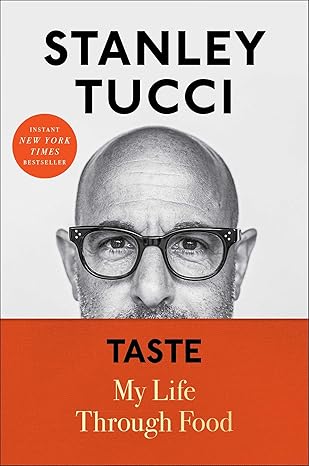
In Taste: My Life Through Food, Stanley Tucci weaves his autobiography through recipes and meals, from his Italian-American childhood to the grief of losing his first wife to cancer to his own experience with cancer. The book reveals something profound about how we use food to construct and perform our identities. We’re not just what we eat – we’re what we cook, what we remember eating, what we choose to share, and the stories we tell about all of it.
If Erving Goffman taught us that social life is theatrical performance, then the kitchen is where we write our scripts. The meals we prepare, the ingredients we choose, the techniques we master or reject – these become the material through which we perform our life narratives. Food is autobiography made edible.
Tucci understands this intuitively. His signature dishes aren’t just recipes; they’re identity markers. The pasta his grandmother made becomes a touchstone for his Italian heritage. The risotto he perfected is evidence of his sophistication and patience. The simple roast chicken he turned to during grief demonstrates resilience. Each dish is a prop in the ongoing performance of being Stanley Tucci – actor, gourmand, Italian-American, widower, survivor, lover of life.
This is how food functions as autobiography: through accumulated memories that we perform and re-perform with every meal. Your grandmother’s biscuit recipe isn’t just instructions for combining flour and butter. It’s a ritual that connects you to her, to your childhood, to a particular vision of home and comfort. When you make those biscuits for your own family, you’re performing continuity across generations. You’re claiming a heritage, asserting an identity, saying “this is where I come from.”
But food autobiography is never just about preservation. It’s also about curation and invention. Tucci writes about adapting family recipes, discovering new cuisines, developing his own style. He performs authenticity to his roots while also performing cosmopolitanism, growth, evolution. His food story isn’t static nostalgia – it’s an ongoing narrative of becoming.
This dual performance – honoring tradition while asserting individuality – defines modern food identity. We want our cooking to prove we’re connected to something larger than ourselves (family, culture, tradition) while also demonstrating our unique taste, creativity, and discernment. We’re simultaneously claiming membership and asserting distinction.
Consider the rise of food memoir as a genre. From Ruth Reichl to Anthony Bourdain to Samin Nosrat, writers increasingly use food as the organizing principle for life stories. Why? Because food memories are vivid, sensory, universal yet specific. Everyone eats, but the particular foods that mark our lives – the birthday cakes, the holiday meals, the comfort foods during hard times – these are uniquely ours.
Tucci’s memoir becomes especially poignant when he writes about grief. After his first wife’s death from cancer, cooking became both refuge and challenge. Simple tasks felt impossible; elaborate projects provided distraction. Food remained a way to care for his children when other forms of care felt inadequate. The meals he made during this period weren’t just sustenance – they were performances of normalcy, of continued life, of love that persists beyond loss.
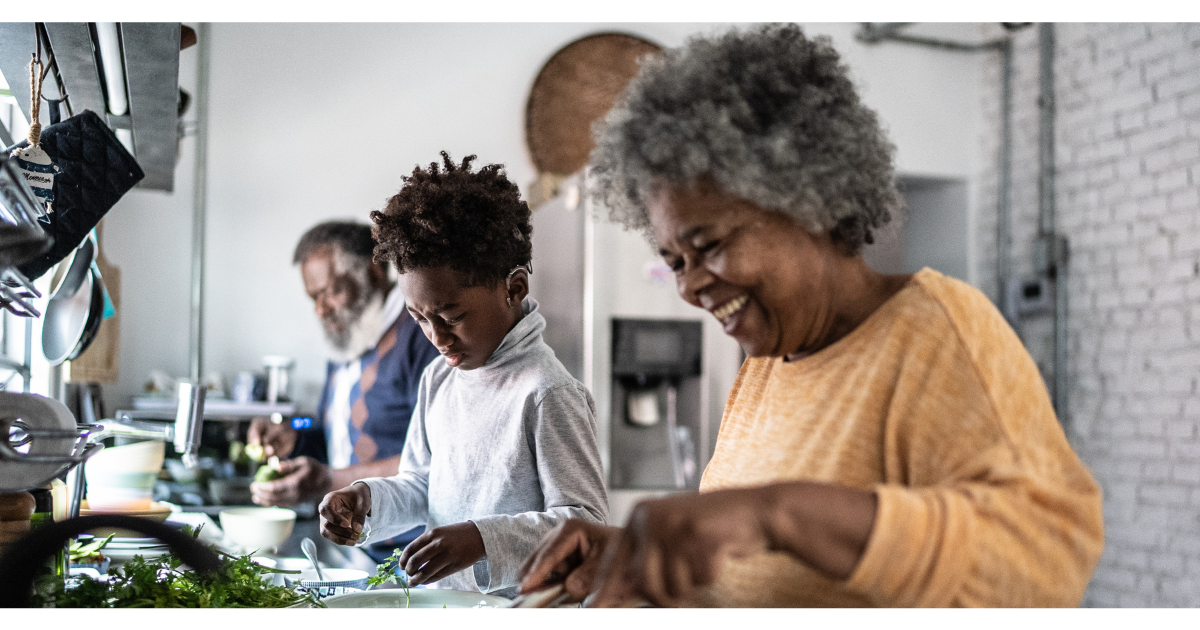
This reveals food’s role in performing continuity during disruption. When everything else changes, familiar meals ground us. They’re rituals that say: some things endure. Making breakfast for your kids the morning after trauma, preparing holiday dishes despite absence, cooking through grief – these are performances of resilience, small dramas of survival enacted daily in kitchens everywhere.
But Tucci also shows how food enables performance of joy and renewal. His courtship of his second wife involved elaborate meals, careful wine pairings, the sharing of favorite dishes. Through food, he performed being alive again, capable of pleasure, worthy of love. Each meal was an offering, a promise, a demonstration that he could still create beauty and warmth.
The digital age has amplified food’s role in autobiographical performance exponentially. Instagram and food blogs transform private cooking into public identity construction. We don’t just make dinner; we photograph it, hashtag it, broadcast it. The meal becomes evidence of the kind of person we are – or want others to believe we are.
This isn’t necessarily shallow. Social media simply makes explicit what was always true: food choices are identity performances. Posting your homemade sourdough performs patience, craft, trendiness. Sharing your grandmother’s tamale recipe performs cultural authenticity and family connection. Documenting your farm-to-table dinner performs environmental consciousness and class status.
We curate our food narratives as carefully as we curate our meals. We emphasize certain stories (the romantic dinner in Rome) while omitting others (the takeout eaten alone over the sink). We craft origin stories for our favorite dishes, perform discovery of new ingredients, document our culinary evolution. All autobiography is selective performance, and food autobiography is no exception.
Tucci is remarkably honest about this curation. He acknowledges performing Italian-ness perhaps more consciously because he’s an American of Italian descent, not Italian-born. His food identity required more active construction, more deliberate performance. This self-awareness doesn’t diminish the authenticity of his connection to Italian food – it reveals how all cultural identity involves conscious performance alongside lived experience.
The immigrant experience intensifies food’s role in identity performance. For those navigating between cultures, food becomes crucial terrain for negotiating belonging. Do you cook the foods of your heritage to maintain connection? Adopt local cuisines to perform assimilation? Some combination that demonstrates bicultural fluency? Each choice performs a different relationship to identity and belonging.
Tucci writes about his parents’ generation navigating this tension – Italian enough to feel authentic, American enough to belong. Food was the primary stage for this performance: Sunday sauce made from the old recipe, but Thanksgiving turkey fully embraced. The menu itself became a statement about who they were, who they were becoming.
This reveals Goffman’s concept of “personal front” – the expressive equipment we use to perform identity. For Tucci’s family, personal front included not just appearance and manner, but also ingredients in the pantry, dishes on the table, aromas in the kitchen. The performance extended to sensory experience, to the materiality of daily life.
In contemporary life, dietary choices have become even more loaded as identity performances. Vegan, paleo, gluten-free, locavore – these aren’t just eating patterns but identity categories, complete with values, communities, and social meanings. Declaring your diet performs beliefs about health, environment, animal welfare, self-discipline, or counter-cultural positioning.
What Tucci and Goffman together reveal is that we write our autobiographies not just in words but in meals. The food we prepare, share, and remember becomes the narrative structure of our lives. We organize time through food rituals – birthday cakes, holiday feasts, anniversary dinners. We mark transitions through food – the first meal in a new home, the last dinner before someone leaves, the foods we can’t eat anymore.
These aren’t just memories; they’re performances of continuity and meaning. When you recreate your mother’s recipe, you’re performing connection across time and death. When you cook something new, you’re performing growth and adventure. When you feed others, you’re performing care, competence, generosity.
The kitchen is a stage, but it’s also a writer’s desk. We’re simultaneously cooking and composing, feeding and narrating, making meals and making meaning. The self we cook is the self we perform is the self we become.
Taste includes recipes – dozens of them, detailed and personal. This isn’t just helpful; it’s essential to Tucci’s autobiographical project. The recipes are the evidence, the material proof of the life he’s narrated. They’re scripts future performers can follow, ways to taste his story, to perform a version of his identity in their own kitchens.
In a world increasingly mediated by screens and algorithms, where so much identity is virtual, food remains stubbornly material. You can’t fake a meal you’ve actually cooked. The skills are real, the failures evident, the successes tangible. This materiality makes food particularly powerful for autobiographical performance – it is identity you can taste, touch, smell, share.
We’re all writing our life stories in kitchens and dining rooms, constructing identities one meal at a time. The question isn’t whether we’re performing through our food choices – we inevitably are. The question is whether we’re conscious of the story we’re telling, intentional about the self we’re cooking into existence.
Tucci shows us that this consciousness doesn’t diminish authenticity. Instead, it deepens our appreciation for the work involved in maintaining identity, in honoring the past while remaining open to the future, in feeding ourselves and others with both skill and love. The performance is the point. The autobiography is always being written. And every meal is another chapter in the ongoing story of who we are.

Part of a regular series on 27gen, entitled Wednesday Weekly Reader.
During my elementary school years one of the things I looked forward to the most was the delivery of “My Weekly Reader,” a weekly educational magazine designed for children and containing news-based current events.
It became a regular part of my love for reading, and helped develop my curiosity about the world around us.
 27gen.com