Think about the homes and people in your immediate vicinity. This is your opportunity to represent Jesus to those around you. Acts 17:26 suggests that your living situation is not random, but purposeful.
Your current location is a chance to practice loving others as Jesus taught.
Viewing your neighborhood as a mission field can transform your perspective and actions. You might spend more time there, interacting with and serving your neighbors differently. God has placed you there to show love to those nearby.
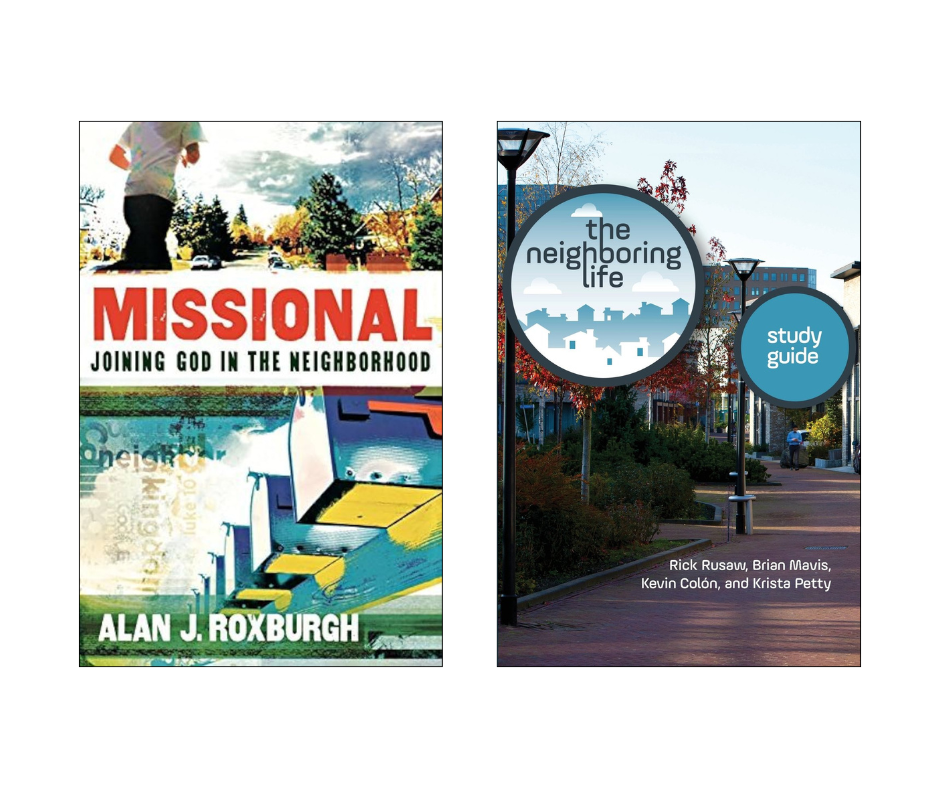
Jesus exemplified this approach. As Alan Roxburgh points out in Missional: Joining God in the Neighborhood, Jesus often appeared in everyday settings and used ordinary examples in his teachings. His stories frequently focused on common activities and needs.
The practice of “staying” in your neighborhood doesn’t have to be complicated. It’s about recognizing the divine in daily life and engaging with your community in simple, relatable ways.
JESUS…
…asked for a drink of water.
…attended a wedding.
…was a guest at someone’s house.
…grieved with friends.
…told stories, even jokes.
…went fishing.
…made breakfast on the beach for his friends.
…threw raging parties.
…gave his friends nicknames like Rock and Sons of Thunder.
…prayed for his friends.
…called them by name.
…shared his life.
…made wine.
…visited the sick.
…saw people and their potential.
…even during his worst moments, he blessed his neighbor.
He was touchable, authentic, and available. He was a best friend and the best neighbor.
How can you follow the examples of Jesus presented above?
Within the South itself, no other form of cultural expression, not even music, is as distinctively characteristic of the region as the spreading of a feast of native food and during before a gathering of kin and friends. For as long as there has been a South, and people who think of themselves as Southerners, food has been central to the region’s image, its personality, and its character.
John Egerton, Southern Food
Southern Hospitality
Southern culture places a high value on hospitality, instilling it from an early age. Young girls are taught charm and etiquette, while boys learn the art of being gentlemen. This upbringing emphasizes the importance of making others feel comfortable and appreciated, often at the expense of personal comfort.
Southerners are known for going above and beyond in their hospitality. Thoughtful gestures like handwritten notes, hostess gifts, homemade meals, or simply offering refreshments are common expressions of warmth and kindness. These acts reflect deeply ingrained values passed down through generations.
In the South, food is intimately tied to hospitality and love. Culinary skills often become part of one’s identity. For example, a person might be known for their athletic prowess, but their reputation for making an exceptional pie crust could be equally important in social circles.
This focus on hospitality means many Southerners are always prepared to offer comfort or assistance. Whether it’s a new baby, a loss in the family, or an unexpected visitor, there’s often a homemade dish ready to be shared or the willingness to quickly prepare something.
The essence of Southern hospitality lies in prioritizing others’ needs. More often than not, this thoughtfulness is accompanied by offerings of food or drink, be it sweet tea, homemade desserts, or a full meal meant to be savored together. This readiness to welcome and care for others is a defining characteristic of Southern culture.
The Family Table
The family table in the South is more than just a place to eat—it’s a sanctuary. As you gather, you’re invited to shed your worries and bask in a nurturing environment that feeds both body and spirit.
Southern cuisine embodies love, comfort, and security, especially when shared among family. Every Southern get-together revolves around food, from leisurely Sunday meals to lively weeknight dinners. Picture glasses of sweet tea accompanying classic “meat and three” plates: crispy fried chicken, squash casserole, tangy fried green tomatoes, and golden onion rings, all capped off with a rich caramel cake. Even post-meal cleanup fosters a sense of unity and gratitude.
These culinary traditions become ingrained in the Southern soul. The weekly dinner invitation isn’t just a question—it’s a gentle reminder of life’s true priorities. Attendance is as much an expression of love as the cooking itself. For those less inclined to verbal affection, serving up homemade burgers and fries speaks volumes.
The family table offers a unique opportunity to truly connect with loved ones. Regular dinners allow for daily check-ins, making it easier to sense when someone needs extra support. It’s also a place for fun and learning. One family encourages their children to bring interesting facts to share, broadening everyone’s knowledge and sparking engaging conversations.
Some Southerners take their commitment to the family table even further. One family outfitted theirs with comfortable office chairs, perfect for lingering over long Sunday meals as aromas of slow-cooked dishes fill the air.
These moments—waiting for food to finish cooking or cleaning up together—create lasting memories and strengthen familial bonds. By intentionally maintaining this tradition, Southerners foster connection, offer comfort, and express love. Bringing multiple generations together over delicious food in a welcoming environment rejuvenates the spirit, instills hope, and builds resilience. It’s this dedication to togetherness that makes the family table such an integral part of Southern life.
Creating Authentic, Enduring Relationships
There’s no expiration date or deadline for forging authentic, enduring relationships. We are free to take it slowly. We live our lives trusting that the tiny moments will not be wasted. There is no such thing as a trivial connection. You might never bake that peach coffee cake with the perfect crumb and serve it to her in your living room at 8:00 a.m. on a Thursday. But it might happen that one day you’ll meet your son’s classmate’s mom. A few weeks later you might notice her driving by as you walk home. You’ll wave. She’ll wave back. One day she’ll pull up to the curb and ask a question. Eventually she’ll come inside and sit at your table, and you’ll swap stories of struggle and success. After another year has passed she’ll invite you into her home. You’ll sit at her table and wrap your hands around her mug. She’ll spread your toast with butter and sprinkle it with cinnamon. You’ll talk about sorrow and motherhood until the tea grows cold. You will have made an actual friend, slowly, over time. (And you will tear up, retelling the story.) None of this would have happened if you hadn’t decided to be the sort of person who looks people in the eye and says hello.
Stacy Lyn Harris, Love Language of the South
Stacy grew up watching her grandmother cook the same way other kids watched cartoons. The Love Language of the Southis a memoir of southern culinary culture, regional traditions, and easy-to-follow recipes.
More than eighty recipes and dozens of hospitality tips give entertaining tools for novice and experienced hosts alike. Featuring an index designed to help cooks with meal planning, and find content by course, this cookbook will make cooking fun and productive. Or you might go straight for the southern classics, like Hoppin John, Bacon Cheddar Biscuits, Pimiento Cheese, and Cornmeal Fried Okra.
With southern food, it’s much more than keeping hunger pangs at bay. Learn the importance of gathering around the table to share food and bring comfort to those you love with The Love Language of the South!
Porch Revival: How an Architectural Classic Reclaimed Its Place in Modern Living
The porch, a quintessential element of American residential architecture, underwent significant transformations in the latter half of the 20th century and into the 21st century. Once a ubiquitous feature of homes across the country, the porch experienced a decline in popularity during the post-World War II era, only to experience a resurgence in recent decades.
The Mid-20th Century Decline
In the 1950s and 1960s, the rise of suburban living and the prevalence of air conditioning contributed to the diminishing role of porches. As families embraced a more private, indoor lifestyle, porches were often seen as unnecessary appendages or relics of a bygone era. Ranch-style homes, which were popular during this period, frequently lacked prominent porch spaces, favoring a sleek, minimalist aesthetic.
The Return of the Porch: 1970s-1990s
By the 1970s and 1980s, a renewed appreciation for traditional architectural styles and a growing interest in outdoor living began to revive the porch’s popularity. The resurgence of Victorian and Craftsman-style homes brought back the iconic wraparound porch, while contemporary designs incorporated more modest porch elements.
During this period, porches evolved to serve multiple functions beyond their traditional role as social gathering spaces. They became extensions of indoor living areas, offering additional seating and entertaining spaces for homeowners. The porch also emerged as a transitional zone between the home’s interior and the outdoors, blurring the boundaries between private and public spaces.
The Modern Porch: 2000-Present
In the 21st century, porches have continued to evolve, reflecting changing lifestyles and architectural trends. Here are some notable developments:
Outdoor Living Spaces: Porches have become integrated into larger outdoor living areas, featuring comfortable seating, outdoor kitchens, and entertainment systems. This trend has blurred the lines between indoor and outdoor spaces, creating seamless transitions between the two.
Sustainable Design: With an increased emphasis on environmental sustainability, porches have been designed to incorporate eco-friendly features such as natural ventilation, shading devices, and energy-efficient lighting. These elements contribute to the overall energy efficiency of the home while providing comfortable outdoor spaces.
Versatile Functionality: Contemporary porches often serve as multifunctional spaces, accommodating a variety of activities. From outdoor dining areas to home offices or exercise spaces, porches have become adaptable extensions of the home’s interior.
Aesthetic Diversity: While traditional porch styles like wraparounds and covered entries remain popular, architects and designers have also explored more modern interpretations. These include minimalist designs with clean lines, cantilevered structures, and the integration of innovative materials like glass and steel.
As societal values and architectural trends continue to evolve, the porch remains a beloved and adaptable element of American residential design. Its ability to seamlessly blend indoor and outdoor living, while reflecting changing lifestyles and sustainability goals, ensures its enduring relevance in the 21st century and beyond.
If you want to build community and attachment to where you live, scientists and neighbors agree: a front porch is just the ticket.
After more than a hundred years of inordinate fondness, Americans at the middle of the twentieth century discarded the porch as old-fashioned, obsolete, and valueless – until a blend of conservation and revival began to restore it to a place of honor and utility. The porch will never be what it once was, but neither will it vanish. Instead, after 150 years of yawing from ubiquity to rejection, the porch will hold its place as a standard element of domestic American architecture, and we will all be the better for that.
Michael Dolan
During the last decades of the Twentieth Century, outdoor life shifted away from the fronts of the houses. Before WW II, even fairly humble houses had front porches where people spent part of their free time. Upper-middle-class houses frequently had side porches. In the half-century after the war, family leisure gravitated to back yards, which are now routinely equipped with decks or patios. In other words, private areas behind the houses have been upgraded, while public areas facing the streets and sidewalks have surrendered much of their social importance.
Philip Langdon
We thought that the point of requiring porches on the fronts of houses was for environmental reasons – to cool the air doing into the house. We realized after the houses were up that everybody saw the social component of the porch – it status as the important in-between space separating the pubic realm from the private realm.
Elizabeth Plater-Zyberk
People like the image of a porch; it takes them back to simplicity, it conjures up the symbol of ‘I want to go there,’ and the porch takes them there.
Niedra North
For author Michael Dolan, if an American porch is really to be an American porch, it has to have some Americans on it. Latter-day porches often honor that principle in the breach. Instead of serving as community-oriented centers of conviviality and welcome, these porches stand, with their perfectly-placed rockers and adroitly-arranged tchotchkes, as illustrations of the hospitality folks would extend if only they weren’t so busy being busy, and if only being sociable didn’t intrude so much on their private lives.
He believes that if more houses had porches more people will have the chance to sit on them.
It that were the case, he continued, in time, as it had been for him with his older neighbors when he moved to the neighborhood, the first names would come, and then the friendships – and if not friendship, then neighborhood cordiality, that pleasant state in which you and the guy next door know one another well enough to say hello from the porch or to invite one another up to sit in a rocker or the glider.
Bringing Hospitality Back to Your Porch
Simply put, the front porch is too good an idea to be allowed to slip away, even if the hospitality we display is more theoretical than real.
– Michael Dolan
The good ol’ American front porch seems to stand for positivity and openness; a platform from which to welcome or wave farewell; a place where things of significance could happen.
– Dan Stevens
Make your front porch a part of your home, and it will make you a part of the world.
– John Sarris
My porch represents what I want my house to be: sheltering and communal, private and welcoming, a quiet vantage point from which to greet the whole world.
In his insightful book The Good Neighbor, author Maxwell King delves into the enduring legacy of Fred Rogers and his revolutionary approach to teaching children about the importance of being a good neighbor. Rogers, best known for his iconic children’s television series “Mister Rogers’ Neighborhood,” was a pioneer in using the medium to impart valuable life lessons on kindness, empathy, and community.
Fred Rogers (1928–2003) was an enormously influential figure in the history of television. As the creator and star of Mister Rogers’ Neighborhood, he was a champion of compassion, equality, and kindness, fiercely devoted to children and taking their questions about the world seriously.
The Good Neighbor is the first full-length biography of Fred Rogers, a staple of public television and an icon to generations of children. Based on original interviews, oral histories, and archival documents, biographer Maxwell King traces Rogers’s personal, professional, and artistic life through decades of work.
One of many touching stories told is the story of his appearance on Oprah Winfrey’s talk show in 1985, when Rogers issued strict instructions: No children were to be present during the taping. Winfrey and her producers ignored his request and filled her studio with young children and their mothers.
Author Maxwell King writes, “As soon as the children started to ask him questions directly, he seemed to get lost in their world, slowing his responses to their pace, and even hunching in his chair as if to insinuate himself down to their level. This wasn’t good television – at least, good adult television. Everything was going into a kind of slow motion as Fred Rogers became Mister Rogers, connecting powerfully with the smallest children present. He seemed to forget the camera as he focused on them one by one. . . . In the audience, Winfrey leaned down with her microphone to ask a little blond girl if she had a question for Mister Rogers. Instead of answering, the child broke away from her mother, pushed past Winfrey, and ran down to the stage to hug him. As the only adult present not stunned by this, apparently, Fred Rogers knelt to accept her embrace.”
The Good Neighbor is the definitive portrait of a beloved figure whose life and work continue to resonate today because of Mister Rogers’ message of kindness and compassion.
At the heart of Rogers’ philosophy was the belief that every person, regardless of age or background, has an inherent worth and deserves to be treated with dignity and respect. This fundamental principle formed the foundation of his concept of “neighborliness,” which extended far beyond mere physical proximity.
To Rogers, being a good neighbor meant cultivating a deep sense of compassion and understanding for others. It involved actively listening, recognizing the unique perspectives and experiences of those around us, and embracing diversity as a strength rather than a divisive force. Through his gentle yet profound teachings, Rogers encouraged children to see their neighbors not as strangers but as fellow human beings worthy of care and consideration.
One of the most powerful messages Rogers imparted was the importance of emotional intelligence and self-awareness. He believed that by developing a greater understanding of our own emotions and inner lives, we could better empathize with and support those around us. This idea was central to his approach to building strong, interconnected communities where individuals felt valued and supported.
King’s book highlights Rogers’ innovative use of storytelling and imagination to convey these profound lessons in a way that resonated with children. Through the world of make-believe and the familiar characters of the Neighborhood of Make-Believe, Rogers created a safe space for children to explore complex emotions, confront difficult topics, and develop a deeper appreciation for the richness of human experience.
Moreover, Rogers emphasized the significance of intergenerational connections and the role of adults in modeling positive behaviors for children. He believed that by embodying the principles of neighborliness themselves, adults could inspire the next generation to carry on these values and create a more compassionate world.
King’s exploration of Rogers’ teachings serves as a poignant reminder of the enduring relevance of his message in today’s increasingly polarized and disconnected society. At a time when divisions seem to run deep and empathy appears in short supply, Rogers’ call to see one another as neighbors – to embrace our shared humanity and work towards building inclusive, supportive communities – resonates more strongly than ever.
Through his gentle yet profound wisdom, Fred Rogers left an indelible mark on generations of children and adults alike. As King’s book illustrates, his concept of being a good neighbor transcends time and geography, offering a blueprint for fostering understanding, kindness, and a deep sense of connection in an increasingly fragmented world.
Hygge [HYOO-guh] has become a cultural buzzword. When many read about this Danish practice, their shoulders lift in excitement, then fall in exhale. In a culture of rush, hygge appeals to their desire for rest – for slow living, shared moments, and fostered friendships. Hygge has strong ties to beauty, contentment, and well-being. It’s warm and inviting. Hygge is the opposite of hustle. It eschews abundance. It savors. It takes things slow and envelopes you in sanctuary. Hygge is home. When you sit in a comfy chair by the fire, that’s hygge. When you arrange a fresh bouquet of wildflowers on a bedside table, that’s hygge too. Candles, soft furnishings, natural light, fresh-baked pastries, intimate gatherings with friends – these are what come to mind when you think of hygge. But hygge can be so much more.
In Holy Hygge, author Jamie Erickson unites the popular Danish practice with the deep, theological truths of the gospel. She unpacks the seven tenets of hygge: hospitality, relationships, well-being, atmosphere, comfort, contentment, and rest. In addition, Erickson shows how the external veneer of a lifestyle can create a life-giving home only when placed under the hope of the gospel.
Holy Hygge provides practical ideas for using hygge to gather people and introduce them to faith in Christ. Each chapter concludes with discussion questions, Scripture references, and a prayer.
In recent years, the Danish concept of “hygge” (pronounced hoo-gah) has been embraced around the world as a way to cultivate coziness, contentment and enjoying life’s simple pleasures. While it doesn’t directly translate to English, hygge essentially means creating an atmosphere that fosters feelings of warmth, comfort and conviviality.
The hygge philosophy emphasizes cherishing ordinary, cozy moments – savoring a hot mug of tea, lighting candles, relaxing with loved ones, or enjoying nature’s beauty. It’s about being present and appreciated the small joys in life. As such, it’s a mindset perfectly suited for home hospitality.
Incorporating hygge into your home entertaining creates an enveloping embrace for guests, a simple charm that makes them feel at ease. It encourages true hosting from the heart, focused on developing connections rather than presenting a showpiece. Here are some ways to invite hygge’s special warmth into your home for visitors:
Ambiance Matters – Lighting is key for a hygge environment. Keep things softly illuminated with lamps, candles, and the flicker of a fireplace. Add plush textiles like chunky knit blankets, pillows and area rugs. Choose warm color schemes. Play low-key background music. All these elements create an aura of soothing coziness.
Nurture Nostalgia – Vintage, handcrafted or heirloom items spark feelings of nostalgia central to hygge. Incorporate them into your decor – grandma’s ceramic vase, that needlepoint pillow you made, or a restored antique dresser. Display old family photos. Offer homey treats like fresh bread or cookies. These comforting touches make guests feel sentimental and at home.
Be Present – The hygge mindset is about savoring each moment rather than stressing over hosting formalities. Tune out distractions like your phone. Talk, laugh and connect with guests on a genuine level. If you cook, embrace family-style meals around the table. Pour another glass of wine. Hygge values emotional warmth over perfection.
Share Experiences – Some of the best hygge experiences come from doing cozy activities together. Suggest a living room “hyggekrog” (nook) where everyone can lounge by the fire playing board games. Swap favorite book quotes and passages. String popcorn. Make hot toddies. These simple shareable moments create lasting hygge memories.
Ultimately, hygge home hospitality means prioritizing authenticity over artifice. It’s about helping guests feel cared for, comfortable and able to make meaningful memories. With its emphasis on simplicity, contentment and engagement, hygge offers a heartwarming path to making your next home gathering truly special.
In Holy Hygge, author Jamie Erickson combines the Danish concept of hygge – creating cozy, convivial atmospheres that cultivate well-being – with principles of Christian hospitality and community building. The book explores how embodying hygge’s values like simplicity, togetherness, and cherishing life’s small joys can help create warm, engaging spaces where people feel welcomed to gather, connect with each other, and allow the gospel message to take root.
Erickson provides ideas for hygge-inspired practices to incorporate into church communities, small groups, and homes. This includes suggestions for comfortable communal spaces using soft lighting, plush textiles, and vintage decor pieces. She also recommends ways to build hygge through shared experiences like cooking nourishing meals together, faith-based arts and crafts, hymn singing, and meaningful conversation.
Throughout the book, Erickson aims to help readers move beyond surface hospitality into fostering deeper interpersonal connections. By embracing hygge’s spirit of relaxed conviviality, she believes church groups and families can create fertile ground for exploring big spiritual questions, providing mutual support, and allowing the gospel to organically grow in people’s hearts.
Erickson presents an appealing vision for creating intimate, engaged faith communities by channeling hygge’s distinctive warmth and “unhurriedness.” Her premise that the gospel can spread most authentically through such cozy, present-focused gatherings makes conceptual sense.
Where the book hits some uneven patches is in awkwardly trying to merge hygge’s essence – which is largely about indulging in simple creature comforts and self-care – with Christian teaching’s emphasis on sacrifice, spiritual discipline, and focusing outward. Some of the recommendations for hygge spiritual practices like making warming beverages or relaxing by the fire can feel a bit disjointed from their intended higher purposes.
That said, Erickson’s enthusiasm for using hygge to build a welcoming sense of togetherness and facilitate deeper faith bonds shines through compellingly. Her suggestions for creating intimate, living room-style faith spaces and making time for unhurried, substantive group discussion provide an appealing alternative vision to typical gathering models.
Overall, while the hygge-to-holy living synthesis isn’t fully seamless, Holy Hygge offers some inspiring, unconventional ideas for embodying the hospitality and communion core to Christian community life in new, more relaxed yet still meaningful ways. It’s a comfortingly distinctive take on “warmly abiding” together as believers.
What’s becoming clearer and clearer to me is that the most sacred moments, the ones in which I feel God’s presence most profoundly, when I feel the goodness of the world most arrestingly, take place at the table. The particular alchemy of celebrations and food, of connecting people and serving what I’ve made with my own hands, comes together as more than the sum of their parts.
Shauna Niequist
Bread & Wine is a collection of essays about family relationships, friendships, and the meals that bring us together.
This mix of Anne Lamott and Barefoot Contessa is a funny, honest, and vulnerable spiritual memoir.
Bread & Wine is a celebration of food shared, reminding readers of the joy found in a life around the table. It’s about the ways God teaches and nourishes people as they nourish the people around them. It’s about hunger, both physical and otherwise, and the connections between the two.
From the beginning of the Bible, food has played a central role in many pivotal stories and events – like the forbidden fruit from the Tree of Knowledge, Esau trading his birthright for a meal, the miraculous provision of manna in the wilderness, Jesus turning water into wine at a wedding, and the Last Supper becoming the basis for centuries of Christian tradition. Food matters deeply, both then and now.
However, the church has drifted away from emphasizing the physical acts of eating and cooking, preferring to focus solely on the mind, heart and soul. Meanwhile, modern society has pushed people towards artificial, mass-produced, sterile foods consumed hastily without appreciation. Many no longer see significance in the meals we eat and the act of gathering around the table.
But we should reclaim the importance of food and dining. For many, sharing a meal can be life at its richest. Rediscovering the spiritual meaning in what we eat, how we eat it, who we eat with, and where we eat can provide new profundity to our daily lives. The dinner table offers an opportunity to reconnect with something we have lost along the way.
Reading Bread & Wine should move you to bring back the table to the center of your home. Shauna Niequist’s challenge is to do just that.
She urges you to express your love to someone by inviting them over for dinner at 6 p.m. Open your door wide and welcome your loved ones into the inevitable chaos with open arms and laughter. Turn on the stove, chop ingredients, stir and season with unbridled love. Start with an onion and olive oil, then let your creativity flow into one of a million possible dishes.
Gather your loved ones around your table and nourish them with love, honesty and the flavors and aromas that evoke cherished memories and the best stories of your lives. Invest yourself fully in the sacred bonds of friendship – God’s greatest evidence of His presence on earth. More than anything, Niequist implores us to come to the table, literally and metaphorically.
We don’t come to the table to fight, prove points or stir up conflict. We come because our hunger draws us there. We come with needs and an admission of our human fragility. The table is a great equalizer, a level playing field many seek. It’s a place where we can stop striving, remove our masks, and allow ourselves to be nourished like children.
In a world that prides self-sufficiency and powering through needs, the table offers a safe space to rest in our vulnerability. It’s where we can let others attend to our needs. If a home is a body, the table is the heart – the sustaining center of life and health.
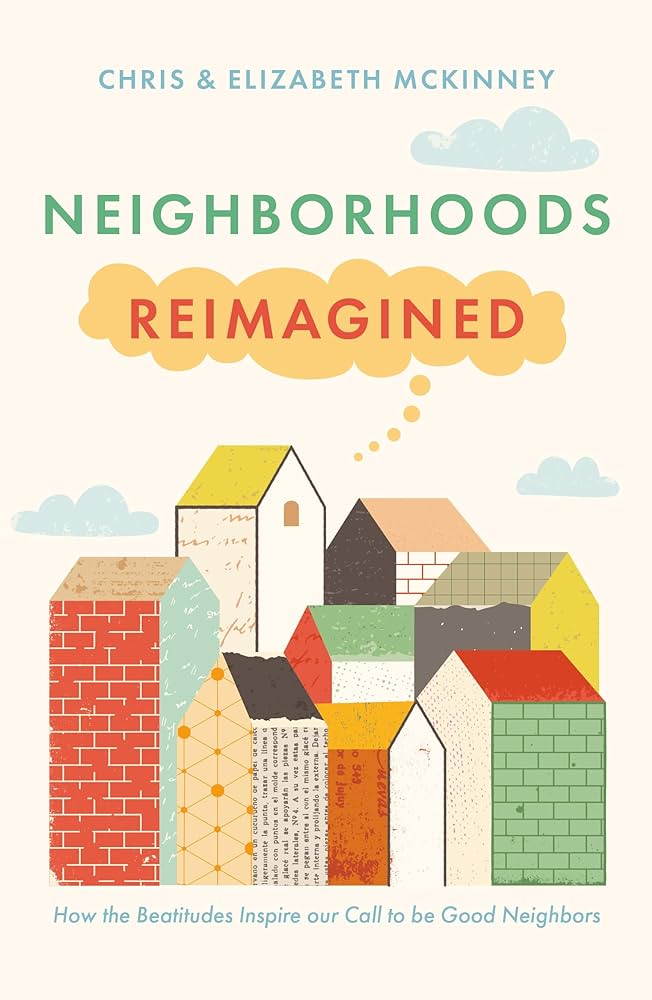
Somewhere along the way we drifted apart from our next-door neighbors, and now we’re not sure we can get back together again. We lack a clear vision for showing and sharing Jesus’ love with them and how his countercultural values might transform our neighborhoods, including us.
But just imagine. Imagine a neighborhood where people are connected rather than isolated, where wrongs are righted, where mercy brings fences down, and where we become agents in seeing God’s kingdom come.
Believing the beatitudes are Jesus’ invitation into neighborhood flourishing, Neighborhoods Reimagined envisions how these upside-down values can turn our corners right-side-up.
Chris and Elizabeth McKinney never set out to write a book on neighboring (much less two – they released Placed for a Purpose in 2020). They were fine hunkering down like everyone else – except they were’t fine.
Their neediness prompted them to consider connecting with those in proximity, moving them from side-by-side strangers to acquaintances Over time, those casual connections evolved into deeper friendships that could bear weightier conversations.
In time, both Chris and Elizabeth became convinced that the Beatitudes were a “roadway Jesus gives for our flourishing and for living as salt and light in our dark and flavorless world.”
At some juncture, our societal relationship with our immediate neighbors underwent a significant shift. It wasn’t a sudden or intentional breakup; rather, it seemed to occur gradually, almost inadvertently. We might characterize it as mutual, though it was never explicitly acknowledged. Our lives became increasingly busy, our work more demanding, and in the midst of it all, we simply drifted apart, ultimately losing touch for years.
This divergence in neighborly connections is not just a feeling; it’s substantiated by data. A study conducted by Georgetown University in 2005 revealed that nearly half of Americans were unfamiliar with their neighbors. Thirteen years later, in 2018, this figure rose to 68 percent, indicating a substantial decline in neighborly acquaintance. Undoubtedly, the events of the post-2020 era have further exacerbated this trend.
While we claim there’s no animosity, the reality suggests otherwise. There exists a level of mistrust that has developed as our social bonds weakened. This erosion of trust has reached a point where a knock at the door can induce panic. We’ve responded by installing larger peepholes, sophisticated doorbells equipped with cameras, and smart speakers for added security.
Research validates these emerging trust issues. Surveys indicate that less than half of us trust our neighbors, with the youngest demographic, aged 18-29, exhibiting an even higher rate of distrust at 61 percent. Without the buffer of introductions and established relationships, navigating the differences between urban and suburban life becomes awkward, leading us to retreat to our inner circles and online tribes.
The current political and social climate exacerbates these divisions. Our entrenched viewpoints make it exhausting to entertain alternative perspectives. Political discourse, once casual, now feels fraught with tension, prompting the erection of metaphorical fences that inhibit meaningful interaction. In essence, societal norms seem to suggest that maintaining distance and minding our own business is preferable to engaging with neighbors.
Though we may not label our neighbors as adversaries, our collective indifference speaks volumes. Jesus highlighted this tendency in his parable of the Good Samaritan, illustrating how even the most religious individuals can neglect those they don’t truly care for. So, what’s the solution?
Jesus offers a radical alternative through his teachings in the Sermon on the Mount, particularly in the Beatitudes. These statements outline the qualities and blessings bestowed upon those who embody his vision. While applicable to all aspects of life, in Neighborhoods Reimagined, the McKinneys explore how applying the Beatitudes to our neighborhoods could foster significant change.
How could the Beatitudes turn your neighborhood upside down?
Chris and Elizabeth McKinney
Jesus presents a counter-cultural perspective, challenging conventional wisdom with a vision for a renewed humanity rooted in love and compassion. Though seemingly impractical, his teachings offer a transformative pathway for neighborhoods to thrive.
By embracing Jesus’ upside-down kingdom and embodying the Beatitudes, we can cultivate a renewed sense of community and neighborliness. Imperfect though we may be, the transformative power of Jesus’ teachings can reshape our neighborhoods, one relationship at a time.
I first met and talked with the McKinneys after the publication of their first book. Later we had additional conversations as they expanded their network and began a podcast. When I learned they were working on this book, I could not wait to dive into it – and it has surpassed my expectations! With a warm, personable writing style, Chris and Elizabeth invite the reader to pull up a chair and join them on their journey of living out the Beatitudes in their neighborhood, warts and all. I found the end of chapter Reflection and Discussion sections helpful to really let the content sink in and work out how I might apply it in my own neighboring journey. If you are ready to have your neighborhood turned upside down, by all means let Chris and Elizabeth come alongside of you through Neighborhoods Reimagined.
As Christians, how should we interact with the place and people around us?
I’ve become thoroughly convinced through God’s Word that we are all beautifully created, explicitly called, and graciously reminded to pursue the common good right where we live. And I’ve been genuinely inspired by stories of Christians in much harsher times than our own doing just that in ways that were beautiful, rewarding, and intriguing to the world around them. The truth is, after all this study and research and introspection, most of my doubts are simply gone. They are being replaced by a “living hope,” as Peter put it in that letter to believers in Asia Minor. I see this beautiful, ancient path in front of me.
Don Everts
Are you tired of hearing people dismiss the church as an irrelevant relic? (Do you secretly wonder if they are right?) Don Everts explores an exciting reality that is revealed in Scripture, shown throughout history, and confirmed in the latest research: when Christians pursue the common good of the neighborhood, the world stands up and notices. It turns out this is exactly what we’re called to do. When Christians make good things, we bring blessings and hope to our local community.
With original research from the Barna Group and Lutheran Hour Ministries on how Christians relate to our neighborhoods, The Hopeful Neighborhood is filled with constructive, practical ways that Christians and churches can bless those around us. As Christians join together for the common good, we bring hope to the world, credibility to the church, and glory to God.
Author Don Everts believes that we all tread the same journey: from division to unity, from insignificance to relevance. This path leads to a more interconnected and harmonious way of life, to a gentler and more considerate manner of impacting the world, to a Christian presence in our nation that is more compelling and appealing, to a fuller utilization of the talents bestowed upon us by God, and to deeper connections with those who may not share our faith.
This journey begins right at our doorsteps and, guided by God’s grace, extends to encompass the places and people in our immediate surroundings.
Though this path may seem unfamiliar in an era marked by division, self-preservation, and indifference towards our neighbors, it is, in fact, an ancient and well-trodden route. Its simplicity lies in the transition from oneself to the community one resides in. Regardless of our location, we are part of a neighborhood, and perhaps God is urging us to be more mindful of this fact.
As Everts and his wife entered into the empty nest stage of life and contemplated whether to relocate to a new neighborhood or stay in their existing one, they found themselves in no hurry to make a decision. What they did know is that wherever they end up, they want to truly inhabit that place, no longer wishing to merely exist in a location. Rather, they seek to fully engage with it.
Regardless of their eventual neighborhood, their desire is for it to be a beacon of hope. They aspire to extend hospitality by welcoming others into their home for meals and fostering a sense of community among their neighbors. They aim to collaborate with those around them, utilizing their collective talents for the betterment of their shared environment and the people within it. Above all, they want to strive to ensure that no one in their neighborhood ever goes unnoticed or unacknowledged for decades on end.
May the people in our lives observe our set-apart and sanctified ways not as us being better and more righteous in a holier-than-thou way. Instead, when they see us taking interest in them, may they desire to know more about the one true God we serve.
Karen Ehman
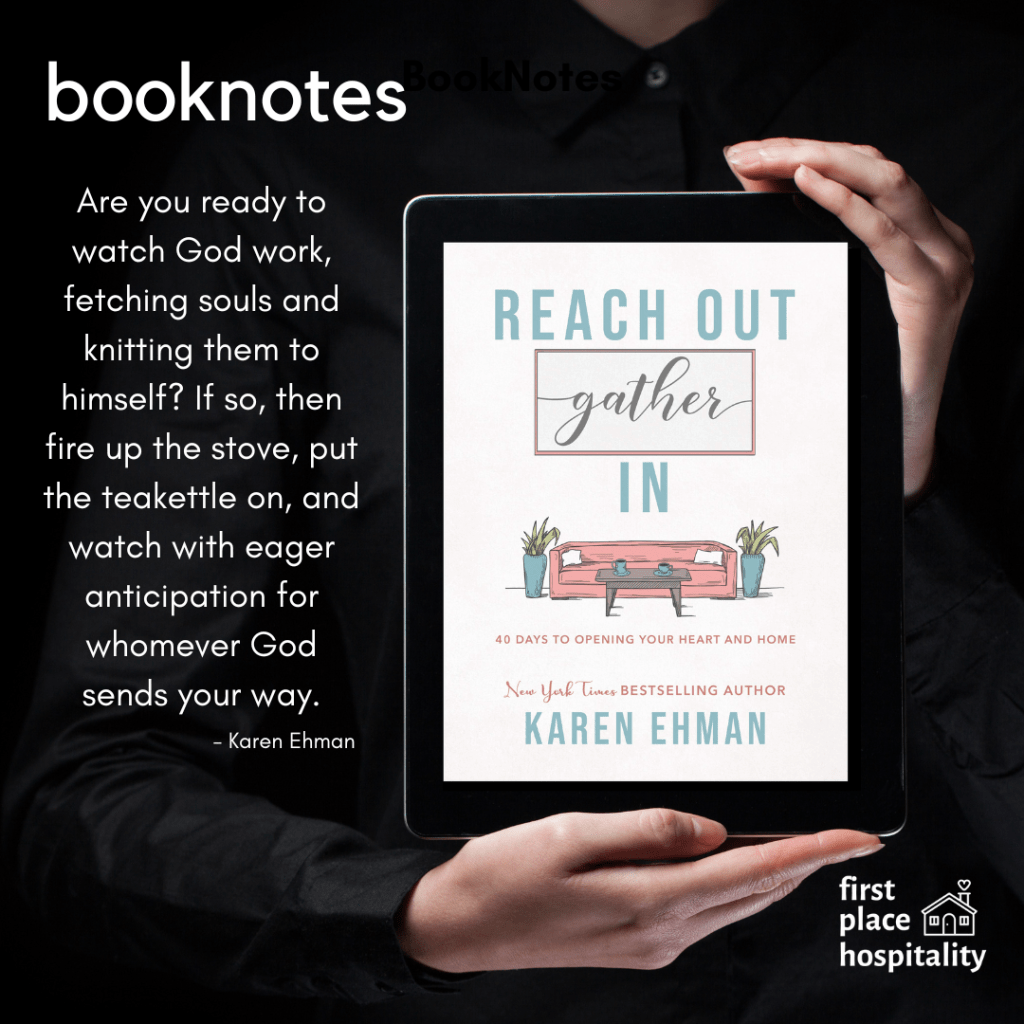
Like many, you want to open up your home and connect with others. But you don’t think you have the time or ability. Along comes Reach Out, Gather In.
Through devotionals and practical tips, New York Times bestselling author Karen Ehman will inspire you to put love into action in this 40-day journey of hospitality. Karen will help you with the how to and why of reaching out to others in meaningful ways. This book – part devotional, part practical handbook – will help you find loving ways to feed both the bodies and souls of the people whom God has placed in your life.
In Reach Out, Gather In, Karen shares some of her favorite recipes and hospitality traditions:
ideas for menu planning and themed gatherings
sorta-from-scratch shortcuts for busy days when you need something delicious in a snap
motivating stories and biblical inspiration
space for answering reflective questions so you can journal your own 40-day excursion
sidebars on decluttering and cleaning strategies
This beautiful book highlights the why of hospitality, so that your home and life will grow to be a place where the gospel is displayed, drawing others closer to Christ and making a difference for eternity.
According to author Karen Ehman, the biblical concept of hospitality is strait-forward in its definition. The original word is philoxenos. It is a combination of two other words: philos and xenos. Philos means love, and xenos means stranger. Hospitality is simply loving strangers and continuing to love them until the strangers become friends. There is no mention of a menu, no talk of home design.
Ehman adds that stranger love isn’t the only aspect of hospitality. Scripture also tethers this topic to loving fellow believers in passages such as Romans 12:13 and Romans 16:23. Hospitality is a tool we use to serve those we barely know or to minster to our closest friends. And it can be a powerful means of building up those in our local church as we offer our homes as venues where our spiritual community can flourish and care for each other.
Ehman observes that the Lord frequently utilizes everyday connections to advance his kingdom. In an anecdote, she recounts polling members of her Bible study group on their paths to faith, discovering that nearly all had initially embraced Christianity due to personal relationships rather than merely encountering the Gospel message. These relationships ranged from familiar faces like neighbors or colleagues to unexpected friendships with individuals who welcomed them into their lives and shared their Christian journey in an authentic manner. This intimate exposure to God’s presence in ordinary life sparked a desire for a similar connection with Him.
Drawing from the New Testament passage of 1 Thessalonians 2:7-8, Ehman emphasizes the importance of not only sharing the Gospel verbally but also sharing one’s life. She highlights the Greek term “psuché,” which conveys not just daily occurrences but the essence of one’s soul or personality. This soul sharing involves creating a space where individuals can connect deeply, allowing the Gospel to be exemplified through genuine relationships.
Contrary to common misconceptions, soul sharing doesn’t require extravagance or complexity but rather entails caring for others on a profound level, offering both material support and time while directing them towards Jesus. It mirrors the hospitality of the family of God and honors the legacy of those who have embraced the Gospel before us. This simple yet profound practice holds the potential to impact lives for eternity, inviting us to eagerly anticipate the divine encounters that await us.
Are you ready to watch God work, fetching souls and knitting them to himself? If so, then fire up the stove, put the coffee pot on, and watch with eager anticipation for whomever God sends your way.
We need vintage forms of church to engage our neighborhoods and fresh forms of church to engage the networks all around us. Further, one professional clergy person growing his or her flock is a bankrupt concept. The new missional frontier requires the whole people of God, the “priesthood of all believers.” Every Christian may invite others in their relational sphere to live under the Lordship of Jesus.
Michael Adam Beck and Jorge Acevedo
As consultants who work nationwide and as innovative pastors, authors Michael Adam Beck and Jorge Acevedo awaken congregational leaders and ministry teams to a distinctive Wesleyan approach for the Fresh Expressions movement. In A Field Guide to Methodist Fresh Expressions, they show congregations how to cultivate and customize fresh expressions that fit their local context. They motivate ministry teams to take risks, experiment, and when necessary, fail well.
According to authors Beck and Acevedo, in the emerging Industrial Revolution of the eighteenth century, John Wesley was leveraging the power of first, second, and third places (home, work, and public places). Not only did he understand the importance of embodying the gospel in the places where people lived, he also had the contextual intelligence to adapt to the rhythms of their lives.
Through relationships with real people in the “nodes” (physical places) we spread the Christian faith like a good virus in the entry points that spreads through the “flows” (digital channels of connectivity).
The authors encourage us to prayerfully seek what and where the Spirit is leading us. Ask what the Spirit is up to in the places where people do life. What are the rhythms of people’s lives in our contexts? How are we engaging the neighborhoods of our communities? How are we engaging the complex system of networks? In what ways are we utilizing the flow that connect people across geographies?
Fresh Expressions epitomize a form of church suited to our evolving culture:
1. Missional: Inspired by the Spirit to reach those who aren’t yet part of the Christian community.
2. Contextual: Tailored to fit the needs and characteristics of the local community.
3. Formational: Centered on the formation of disciples.
4. Ecclesial: A complete expression of “church” rather than a transitional phase leading to an established congregation.
There’s no idealized past to return to. The existing system falls short in reaching the majority of people. We’ve transitioned beyond the information age into an era of globalization, where interconnectedness prevails. For individuals under 30, online communities are integral to daily life, blurring the lines between virtual and physical reality. Shared interests, not geographic proximity, unite people. The prevalent wound of our time is isolation.
The Fresh Expressions movement mirrors the early Methodist reliance on the Holy Spirit’s guidance. To adapt to the new reality, we must be missional in engaging people in their spaces—be it home, work, school, or communal settings like cafes, pubs, or parks. Traditional methods like door-to-door evangelism are ineffective. Instead, we should gather with others in places where they naturally congregate, identifying potential “Holy Spirit Hot Spots.”
Disruption isn’t about creating a product but a process aimed at reaching marginalized segments of society. Examples from companies like Netflix and Amazon illustrate this approach. Failure is to be anticipated, and a bold vision is necessary to engage those who wouldn’t typically step foot in a church. The church must transition from passive observers in seats to active participants in the streets.
People bond over shared interests and activities. Establishing new expressions of the church within these communities can transform practices profoundly. It goes beyond merely mimicking church rituals in trendy locations; God’s grace works through these interactions with non-Christians.
The Methodist Revival, spearheaded by John Wesley, arose amidst immense societal challenges, including high child mortality rates and rampant exploitation in cities like London. Wesley deliberately engaged with the marginalized and suffering, claiming to experience God’s presence amid their struggles.
To engage non-Christians, the unaffiliated, or those disenchanted with organized religion, questions about scripture can serve as entry points for meaningful conversations. Objects with symbolic significance within the church can also spark dialogue with those outside the faith.




















 27gen.com