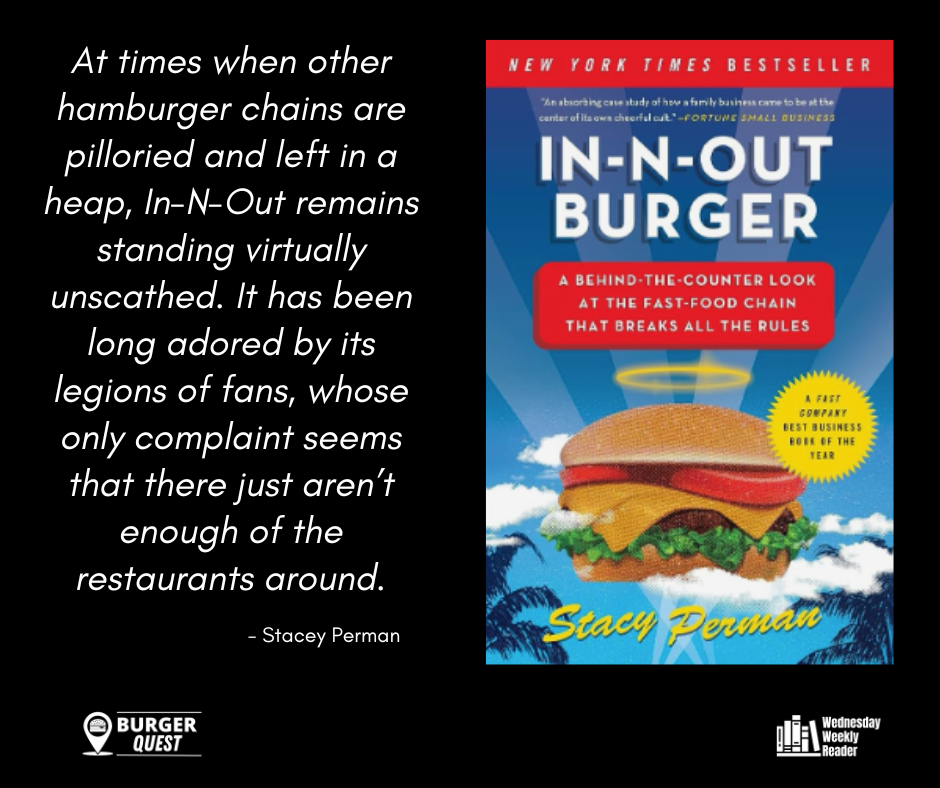
A behind-the-counter look at the fast-food chain that breaks all the rules, Stacy Perman’s In-N-Out Burgeris the New York Times bestselling inside story of the family behind the California-based hamburger chain with a cult following large enough to rival the Grateful Dead’s. A juicy unauthorized history of a small business-turned-big business titan, In-N-Out Burger was named one of Fast Company magazine’s Best Business Books of 2009, and Fortune Small Business insists that it “should be required reading for family business owners.
Stacy Perman’s In-N-Out Burger is a savory literary treat that delves deep into the history, culture, and enduring allure of a fast-food phenomenon that has captured the hearts and taste buds of millions. In this meticulously researched book, Perman uncovers the intriguing story behind the success of In-N-Out Burger, weaving together a narrative that is as satisfying as the restaurant’s legendary Double-Double.
With a captivating blend of storytelling and investigative journalism, Perman brings to life the journey of the Snyder family, the visionary founders of In-N-Out Burger. From the humble beginnings of a single drive-thru in Southern California to its iconic status as a cultural icon, the book traces the brand’s evolution with a focus on the values that have set it apart.
One of the book’s strengths is its ability to capture the essence of In-N-Out’s food philosophy. Perman not only describes the flavors and freshness of the menu items but also peels back the curtain on the restaurant’s commitment to quality. The meticulous attention to detail, from the sourcing of ingredients to the preparation methods, reflects the family’s dedication to serving an exceptional burger experience. This attention to craft resonates with food enthusiasts who seek more than just a quick meal.
Perman also delves into the brand’s fascinating culture, which sets In-N-Out apart in an industry often characterized by rapid turnover and uniformity. The author explores how the company’s dedication to its employees, simple menu, and classic aesthetic have created a loyal following that spans generations. This deep-rooted connection between In-N-Out and its customers is a testament to the company’s ability to maintain its authenticity while expanding into a rapidly changing fast-food landscape.
While In-N-Out Burger is a captivating read that offers a wealth of insight into the brand’s journey, there are a few moments where the narrative can feel overly detailed, potentially overwhelming readers who are looking for a more concise overview – but not for burger lovers! Additionally, a broader exploration of the brand’s challenges and controversies could have added a more balanced perspective to the story. [Note: Lynsi Snyder, granddaughter of In-N-Out founders and now president, is releasing her book The Ins and Outs of In-N-Out in October – a review will becoming here shortly thereafter!]
In conclusion, In-N-Out Burger by Stacy Perman is a flavorful journey through the history and ethos of a fast-food legend. Perman’s writing skillfully captures the essence of what makes In-N-Out Burger a beloved institution, resonating with both loyal fans and those who are curious about the stories behind their favorite comfort foods. For anyone with a fondness for a well-crafted burger and a desire to understand the behind-the-scenes magic of a successful culinary enterprise, this book is a satisfying and enlightening read.
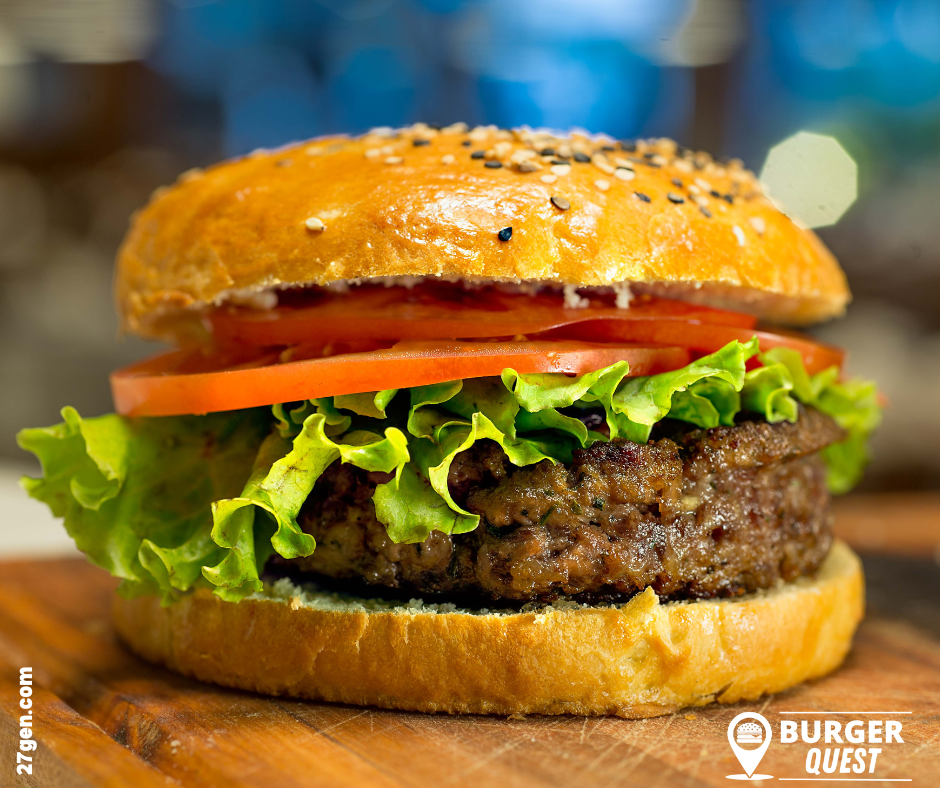
Burgers: they are more than just a meal; they are a culinary experience that bridges the gap between comfort and sophistication. Behind that delectable bite lies a world where art and science converge – the realm of crafting the perfect patty. On this step of #BurgerQuest, we look at burgerology, delving into the intricate technical aspects that transform a humble stack of ingredients into a mouthwatering masterpiece.
The Pursuit of Quality
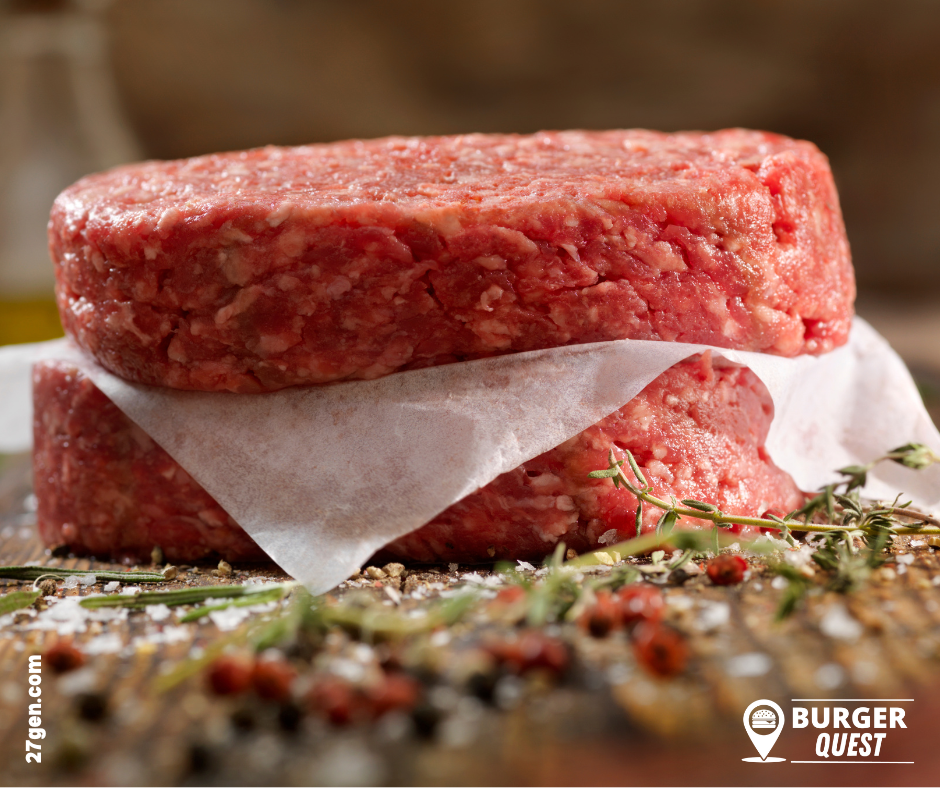
Crafting the perfect patty isn’t just about technique—it’s a pursuit of quality that begins with the choice of ingredients. Freshly ground beef isn’t just a preference; it’s a commitment to the finest flavors and a dedication to culinary excellence. It’s an acknowledgment of the fact that the best burger experiences are rooted in the alchemy of prime ingredients, handled with care and precision.
Meat Blends: A Symphony of Flavors
Creating a burger patty is akin to composing a symphony, and the choice of meat blend serves as the opening note. The art lies in balancing different cuts of beef to achieve the perfect blend of flavors, textures, and juiciness. A harmonious mixture of lean and fatty cuts, like chuck and brisket, contributes to a well-rounded profile, while a dash of short rib adds that indulgent touch. Each cut brings its unique character to the table, resulting in a burger that’s not just a patty, but a chorus of flavors.
Texture that Sings
In the culinary world, texture is as essential as taste. Freshly ground beef delivers a texture that’s second to none—juicy, tender, and full of character. The act of grinding meat freshly acquired from trusted sources preserves its moisture and integrity, allowing the patty to achieve that perfect balance between succulence and structure. This textured profile, achieved only with fresh ground beef, contributes to a transformative burger experience—one that transcends the ordinary and ventures into the realm of the extraordinary.
The Seasoning Dance
Seasoning is the choreography that elevates the burger’s taste. A delicate balance of salt, pepper, and optional herbs or spices transforms the meat blend into a canvas of taste sensations. The key is restraint—seasoning enhances the natural meat flavors without overpowering them. A light dusting just before cooking allows the seasonings to meld with the patty, enhancing its depth without overshadowing its essence.
Cooking Techniques: The Fire Within
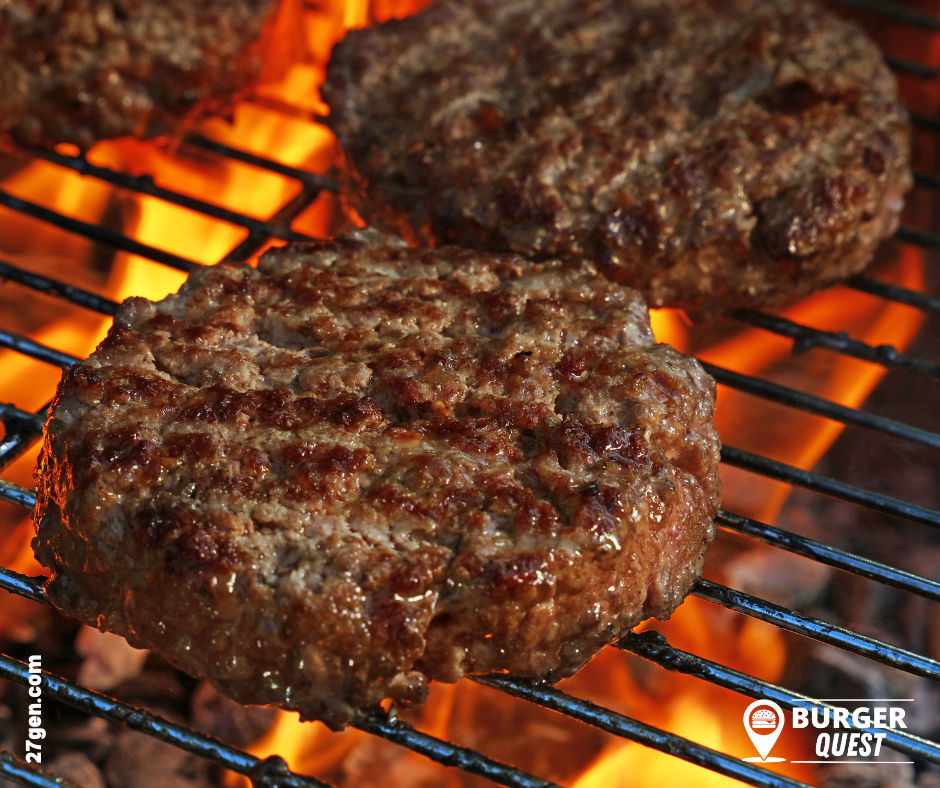
The cooking technique is the heartbeat of burgerology, determining the patty’s texture, juiciness, and overall appeal. Grilling offers that sought-after smoky flavor and charred exterior, while pan-searing produces a delectable crust. A hot, well-oiled grill or pan is essential—this initial sear locks in the juices, ensuring a succulent result. And let’s not forget the flip; once, and only once, is the golden rule. Overturning the patty excessively disrupts the cooking process, leading to a loss of moisture and flavor.
The Goldilocks Thickness
The thickness of the patty is the architectural choice that influences the overall burger experience. Too thin, and you risk an overcooked, dry interior; too thick, and you might struggle to achieve that perfect medium-rare. The sweet spot, often around ¾ of an inch, ensures even cooking and optimal juiciness. This is where the science of heat transfer marries the art of burger perfection.
Temperature and Resting: The Symphony’s Crescendo
Cooking a burger is a crescendo that culminates with a perfectly timed finale. A meat thermometer serves as the conductor, ensuring each patty reaches an internal temperature that promises both safety and succulence. And here’s the twist – the symphony doesn’t end with the sizzle. Allowing the patty to rest is as crucial as the cooking process. Resting redistributes the juices, yielding a moist and evenly flavored bite.
In the realm of burgerology, the perfect patty is more than just a product – it’s the harmonious convergence of technique, science, and passion. Crafting a burger that tantalizes the palate and enchants the senses requires an understanding of meat, heat, and the alchemy that transforms raw ingredients into an unforgettable bite. Culinary artisans embrace both the artistry and the precision that burgerology demands, creating a symphony of flavors that resonates with each bite.
We hold the power to elevate the burger experience from mundane to magical. It’s in the choices we make – the sourcing of high-quality beef, the act of grinding it fresh, and the understanding that a perfect patty is the outcome of a mindful culinary journey. With every bite, we celebrate the essence of fresh ground beef – a symphony of taste, texture, and aroma that transforms a simple burger into an exceptional culinary adventure.
Few entrepreneurs can claim to have radically changed the way we live, and Ray Kroc is one of them. His revolutions in food-service automation, franchising, shared national training, and advertising have earned him a place beside the men and women who have founded not only businesses, but entire empires. But even more interesting than Ray Kroc the business man is Ray Kroc the man. Not your typical self-made tycoon, Kroc was fifty-two years old when he opened his first franchise. In Grinding It Out, you’ll meet the man behind McDonald’s, one of the largest fast-food corporations in the world with over 36,000 stores around the globe.
Irrepressible enthusiast, intuitive people person, and born storyteller, Kroc will fascinate and inspire you on every page.
The growth of McDonald’s worldwide continues to astonish. In tough financial times, McDonald’s proved that ingenuity, trial and error, and gut instinct were the keys to building a service business the entire world has come to admire.
McDonald’s has been a trendsetter in advertising, focusing on different demographics as well as the physically disabled. McDonald’s created McJobs, a program that employs both mentally challenged adults and senior citizens. And because its franchisees have their fingers on the pulse of the marketplace, McDonald’s has evolved successfully with the health food revolution, launching dozens of new products and moving toward environmentally safe packaging and recyclable goods.
Inspiring, informative, and filled with behind-the-scenes stories, McDonald’s: Behind the Arches offers an irresistible look inside a great American business success.
In the heart of modern American culture, few icons shine as brightly as the golden arches of McDonald’s. The fast-food giant’s rise from humble beginnings to global dominance has been chronicled in two seminal books, Grinding It Out by Ray Kroc and McDonald’s: Behind the Arches by John F. Love. These accounts not only shed light on the company’s history and key figures but also highlight its profound impact on the culinary landscape and the popularity of the hamburger in America.
A Journey Forged in Determination: Ray Kroc’s Perspective
Ray Kroc, the man responsible for transforming McDonald’s into a worldwide phenomenon, provides an intimate view of the company’s early days in his memoir Grinding It Out. Kroc’s tenacity and entrepreneurial spirit were instrumental in taking a single burger stand in San Bernardino, California, and turning it into an empire that would revolutionize the fast-food industry.
Kroc’s recounting of his collaboration with the McDonald brothers and the development of the Speedee Service System underscored his commitment to efficiency and consistency. This innovation laid the foundation for McDonald’s ability to serve quality food quickly—a concept that would define fast food for generations to come.
McDonald’s: Behind the Brand with John F. Love
In McDonald’s: Behind the Arches, John F. Love delves into the fascinating journey of the company, exploring its inception, evolution, and the personalities that shaped its trajectory. Love’s meticulous research provides a well-rounded picture of the McDonald brothers, Ray Kroc, and their individual contributions to the brand.
The book reveals how the iconic branding of McDonald’s, including the golden arches and memorable slogans, played a pivotal role in establishing the chain’s identity. McDonald’s was not just selling food; it was selling a consistent experience—a concept that was revolutionary in the fast-food landscape.
Culinary Innovations that Redefined Fast Food
Both books emphasize McDonald’s culinary innovations that transformed the food industry. The introduction of the assembly line-inspired kitchen, which expedited the preparation process while maintaining quality, set new standards for efficiency in the food sector. This innovative approach paved the way for uniformity in taste and presentation, regardless of location.
Moreover, Grinding It Out and McDonald’s: Behind the Arches highlight the strategic introduction of iconic menu items, such as the Big Mac and Happy Meal. These additions not only catered to evolving consumer preferences but also solidified McDonald’s role as a trendsetter within the fast-food arena.
The Hamburger: A Symbol of American Fast Food Culture
The hamburger, a quintessentially American creation, underwent a transformation in the hands of McDonald’s. By perfecting the art of the burger, streamlining the cooking process, and ensuring consistent taste, McDonald’s effectively popularized the hamburger across the nation.
The standardized approach to crafting hamburgers at McDonald’s contributed to the widespread recognition of the sandwich as a quick, convenient, and satisfying meal option. This cultural shift elevated the hamburger’s status from a simple fast-food choice to an enduring symbol of American culinary culture.
Shaping Culinary History and Beyond
Ray Kroc’sGrinding It Out and John F. Love’s McDonald’s: Behind the Arches provide invaluable insights into the evolution of McDonald’s, from its innovative culinary techniques to its cultural impact on American dining habits. Through meticulous research and engaging storytelling, these works illuminate the indelible mark McDonald’s has left on the world of food and business, forever altering how we view the hamburger and fast food.
In the culinary cosmos, where taste buds reign supreme and flavors dance on the palate, there exists a realm that has captured the hearts and appetites of millions: the world of hamburgers. The humble yet iconic burger, with its savory embrace of juicy patties, harmonious toppings, and snug bun, has transcended its fast-food origins to become a canvas of culinary creativity. As a seasoned burger consumer of six decades and an aficionado of all things patty-powered, I have embarked on a delectable journey to uncover the ultimate burger experience, armed with a finely-tuned palate and a discerning eye for detail.
Right.
I just love eating hamburgers and researching and writing about them!
In this pursuit of burger nirvana, I’ve devised a comprehensive rating scale that evaluates each element of this handheld masterpiece. Every bite counts, and it is this attention to every nuance that separates a forgettable burger from a memorable masterpiece. Let’s delve into the core components that contribute to the tantalizing symphony of flavors, textures, and aromas that define a truly remarkable burger.
The Burger Patty: Where Flavor Takes Center Stage
At the heart of every great burger lies the patty, a canvas for the culinary artist’s imagination. From flavor to juiciness and texture, this element sets the tone for the entire experience. A patty can transcend mere sustenance, evoking a culinary journey with every bite. A score of 1 to 5 in each category defines the patty’s prowess: Flavor, Juiciness, and Texture.
Crafting the Perfect Bun: A Gateway to Gastronomic Bliss
A bun might seem inconspicuous, but it serves as the vessel that holds the essence of a burger together. Freshness and Texture are key players in this symphony. A bun can either elevate the experience or become a dampener, and I rate these two qualities on a scale of 1 to 4.
Cheese and Toppings: Elevating the Burger Narrative
The choice of Cheese and Toppings isn’t just a garnish; it’s an opportunity to inject personality and creativity into the burger. A masterful combination can transform a burger into a multi-sensory delight. The artistry lies in balancing the familiar with the innovative, and I evaluate these two items with a scale of 0 to 2 for cheese and 0 to 3 for toppings.
Sides: Accompanying the Star with Panache
A burger’s company matters, and the sides it’s served with can make or break the overall experience. Be it classic fries or a more avant-garde accompaniment, sides should complement the burger’s charisma. I gauge this on a scale of 0 to 2.
The Final Verdict: An Odyssey of Senses
After meticulously scrutinizing each element, I render the overall impression of the burger – a synthesis of its parts and the magic they create together. On a scale of 1 to 5, I judge the level of satisfaction the burger imparts, encapsulating the joy, memories, and sense of fulfillment it brings.
Adding It All Up: The Numbers Don’t Lie
If you’ve been keeping score of the ratings above, you will find that they add up to a possible 35 points. With a bit of deft magic from a calculator, I’ve broken those total possible points into a scale of seven ratings.
Coincidentally, the USDA has seven ratings for it’s grading of beef. And since burgers are always beef (don’t bring me your platitudes of veggie burgers, tofu burgers, etc.), what better way to show the ratings?
I give you the BurgerQuest Rating Scale, top to bottom:
7 – Exceptional, a burger masterpiece. Prime
6 – Scrumptious, a flavor-filled burger. Choice
5 – Delicious, a memorable burger. Select
4 – Tasty, a go-to favorite. Standard
3 – Satisfying, an enjoyable burger. Commercial
2 – Adequate, but forgettable. Utility
1 – Disappointing in so many ways. Cutter/Canner
With these scoring criteria as my compass, I’m ready to begin listing the ratings as I traverse the diverse landscapes of the burger world. From quaint diners to more refined settings, each establishment’s interpretation of the quintessential burger offers a unique chapter in the ongoing story of culinary evolution. Through this gastronomic odyssey, I’ll unearth the exceptional, the innovative, and the unforgettable, sharing my discoveries with you in pursuit of the ultimate burger bliss.
So, fasten your seatbelts and ready your appetites, for we’re about to embark on a quest that will redefine the way you experience the humble yet extraordinary world of hamburgers. Get ready to savor each moment, one bite at a time, and discover the places where burger dreams become reality.
My ratings of burgers will primarily appear on my Facebook and Instagram accounts. I may, from time to time, post some unique burger ratings or summaries here.
The literary aspects of BurgerQuest will continue here, as I dive deeper into the literature of the world of burgers. Eventually, I will also begin to document my culinary adventures in replicating (or at least trying) some burger adventures in my home kitchen and deck.
Disclaimer: As I stated in the opening post of this series, this quest is being undertaken through the lens of a literary, culinary, and arbitrary journey. For the purposes of ratings, there will be an emphasis on arbitrary. Even the most disappointing burger – if there is such a thing – provides sustenance, dubious nutrition, and satisfies if only for a little while the basic needs of hunger. I am grateful that I am able to undertake such a quest, knowing that millions of people around the world would be grateful for even a bite of one of the burgers I’ve consumed.
In the wake of World War I, the hamburger was still considered a disreputable and undesirable food. Yet by 1930 Americans in every corner of the country accepted the hamburger as a mainstream meal and eventually made it a staple of their diet. The quintessential “American” food, hamburgers have by now spread to almost every country and culture in the world. But how did this fast food icon come to occupy so quickly such a singular role in American mass culture?
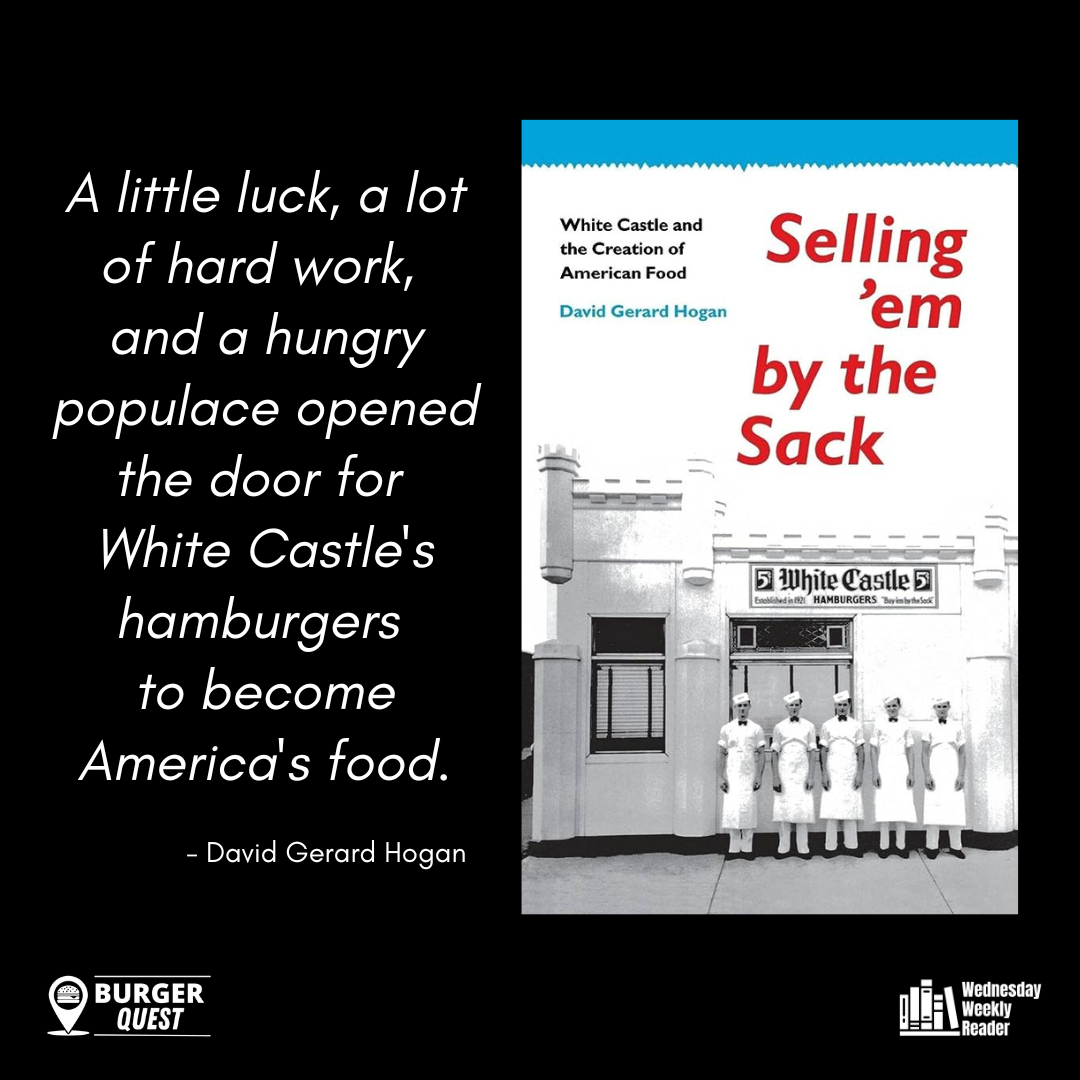
In Selling ‘em By the Sack, David Gerard Hogan traces the history of the hamburger’s rise as a distinctive American culinary and ethnic symbol through the prism of one of its earliest promoters. The first to market both the hamburger and the “to go” carry-out style to American consumers, White Castle quickly established itself as a cornerstone of the fast food industry. Its founder, Billy Ingram, shrewdly marketed his hamburgers in large quantities at five cents a piece, telling his customers to “Buy’em by the Sack.”
The years following World War II saw the rise of great franchised chains such as McDonald’s, which challenged and ultimately overshadowed the company that Billy Ingram founded. Yet White Castle stands as a charismatic pioneer in one of America’s most formidable industries, a company that drastically changed American eating patterns, and hence, American life. It could be argued that what Henry Ford did for the car and transportation, Billy Ingram did for the hamburger and eating.
As a food researcher and enthusiast, I am always on the lookout for captivating literature that delves into the intriguing world of the origins and history of food. With the advent of Burger Quest, even more so! Selling ’em by the Sack by David Gerard Hogan is one such remarkable piece of work that left a lasting impression on me.
In this thought-provoking book, Hogan takes readers on an enlightening journey through the fascinating history and evolution of the fast-food industry, focusing primarily on the iconic American chain, White Castle. The author skillfully unravels the secrets behind the success of this pioneering fast-food establishment, offering profound insights into the art of selling and consumer behavior.
Hogan’s narrative style is engaging and well-paced, making the book an easy and enjoyable read for both industry insiders and casual enthusiasts alike. He effortlessly weaves together historical anecdotes, cultural influences, and the innovative marketing strategies that have made White Castle a household name since its inception in 1921. The depth of research presented in “Selling ’em by the Sack” demonstrates Hogan’s dedication to understanding the industry’s past and its implications for the present.
One of the standout features of this book is Hogan’s ability to explore the often overlooked socio-cultural impact of fast food on society. He astutely examines how White Castle’s success shaped America’s eating habits, urban development, and consumer expectations. Moreover, he delves into the company’s pioneering techniques in food preparation, supply chain management, and brand building, setting the stage for the fast-food giants that followed in its footsteps.
I appreciate Hogan’s skillful use of language and storytelling techniques. He artfully captures the essence of White Castle’s brand identity and its role in shaping the larger fast-food culture. Throughout the book, Hogan demonstrates a keen understanding of how powerful marketing and advertising campaigns can influence consumer behavior and drive business success.
Selling ’em by the Sack is not just a book about White Castle; it is a story of entrepreneurship, innovation, and adaptability. Hogan masterfully paints the picture of how this modest hamburger stand evolved into a global fast-food phenomenon. The book imparts valuable lessons for aspiring entrepreneurs, marketers, and food industry professionals, emphasizing the importance of staying true to one’s vision while continually adapting to meet the changing needs and desires of customers.
While Hogan celebrates the successes of White Castle, he also confronts the controversies surrounding the fast-food industry, including issues related to health, labor practices, and sustainability. This balanced approach adds depth to the book and encourages readers to think critically about the broader implications of the fast-food culture in modern society.
In conclusion, Selling ’em by the Sack is a captivating and insightful exploration of the fast-food industry, with a focus on White Castle’s significant contributions to the field. David Gerard Hogan’s expertise as a food researcher shines through in every chapter, making this book a must-read for anyone interested in the intersection of food, marketing, and culture. Whether you are a food enthusiast, a history buff, or a business professional, this book offers a satisfying and enlightening experience that will leave you hungry for more.
While fast-food chains like McDonald’s and White Castle played a significant role in popularizing hamburgers, and other national chains like Burger King and Wendy’s followed their lead, the culinary landscape of America is also rich with regional icons and innovators who have added their own unique flavors and twists to this beloved dish. From coast to coast, a flavorful mosaic of regional specialties and gourmet creations has emerged, contributing to the diverse tapestry of the American burger experience.
Here are the best-known:
In-N-Out Burger, a West Coast legend, has become an icon in the world of fast food. Known for their simple yet delicious menu, In-N-Out delivers classic burgers with fresh ingredients, crisp lettuce, ripe tomatoes, and their famous secret sauce. The burgers are cooked to perfection, and the patties boast that irresistible, slightly crispy exterior. With a loyal fan base and a commitment to quality, In-N-Out Burger continues to uphold its reputation as a regional favorite, offering a taste of California’s sun-kissed flavors.
Whataburger, a beloved Texan institution, has garnered a dedicated following for its hearty and flavorful burgers. What sets Whataburger apart is their commitment to customization, offering a range of toppings and condiments to create a burger that suits every individual’s taste. From their signature Whataburger with its perfectly grilled beef patty to the famous Honey Butter Chicken Biscuit, Whataburger serves up comfort food with a Texas-sized twist. With a focus on quality ingredients and a welcoming atmosphere, Whataburger is a cherished symbol of Lone Star State pride.
Shake Shack, born in New York City, has garnered a cult-like following for its gourmet take on the classic burger. With a focus on quality and sustainability, Shake Shack sources premium ingredients, serving up burgers that are juicy, flavorful, and made to order. Their ShackBurger, topped with lettuce, tomato, cheese, and their special ShackSauce, is a crowd favorite. Beyond burgers, Shake Shack offers indulgent milkshakes, crinkle-cut fries, and a range of creative menu items. With a commitment to excellence and a modern, inviting atmosphere, Shake Shack has become a global sensation, redefining the fast-food burger experience.
Culver’s is a Midwestern gem, known for its delicious ButterBurgers and frozen custard. With a focus on quality and freshness, Culver’s crafts their burgers using Midwest-raised beef, ensuring every bite is full of flavor. The ButterBurger, with its lightly buttered bun and perfectly seasoned patty, is a testament to Culver’s commitment to a satisfying, indulgent experience. Pair that with their famous frozen custard, available in a variety of flavors and served in delectable sundaes, and you have a winning combination that has captured the hearts of Midwesterners and beyond.
Krystal, a Southern institution, has been serving up iconic square-shaped sliders since 1932. Known for their affordability and distinct flavor, Krystal’s burgers offer a unique take on the traditional hamburger. The small, steam-grilled patties are topped with diced onions and served on soft, warm buns, creating a delightful combination of textures and tastes. Krystal’s history and longevity have made it a beloved fixture in the South, where generations have enjoyed these bite-sized treasures.
Cook Out, a regional favorite mainly found in the Southeast, has gained a cult-like following for its extensive menu and affordable prices. Cook Out’s burgers are flame-grilled to perfection, offering a smoky and flavorful experience. What makes Cook Out truly special is the incredible variety of options, from classic cheeseburgers to more adventurous creations like the BBQ Bacon Ranch burger. With an abundance of sides and milkshake flavors, Cook Out ensures a complete and satisfying meal for burger enthusiasts seeking bold flavors and generous portions.
Steak n’ Shake, a classic American diner, has been delighting customers since 1934. Known for their steakburgers, which are made with a blend of sirloin and round steak, Steak n’ Shake offers a burger experience that combines quality ingredients with traditional diner charm. The burgers are cooked to order and served on a toasted bun, providing that nostalgic taste and texture that keeps customers coming back for more. With a menu that also includes hand-dipped milkshakes and a 24/7 dining experience, Steak n’ Shake remains a go-to destination for those seeking a taste of American diner nostalgia.
Freddy’s, named after co-founder Freddy Simon, has captured the hearts of burger enthusiasts with its throwback to the classic, all-American diner experience. Known for their thin, crispy-edged patties, Freddy’s burgers offer a satisfying crunch and a burst of flavor in every bite. Their signature steakburgers are complemented by a range of toppings, including onions, pickles, and Freddy’s sauce, all served on a buttery toasted bun. With a focus on quality, friendly service, and a nod to the nostalgia of the past, Freddy’s delivers a burger experience that feels timeless and comforting.
I know, just the action of making the above list will undoubtably leave someone’s favorite regional chain out! If you’ve got a favorite, give it a shout out in the comments!
The history of America’s sandwich is filled with unbelievable journeys and larger-than-life characters. All About the Burger by the Burger Beast, Sef Gonzalez, takes you on the road as he explores the fascinating backstory behind the burger.
From White Castle to Shake Shack, to Bell’s Burger (yes, Taco Bell started as a burger joint, too) and KFC, the entire Americana food landscape has influenced the burgers you enjoy today.
The contributions burgers have made to food culture
The evolution of the burger from carnival treat to an American staple
Where to go to find your next favorite burger and much more!
In All About the Burger, Sef Gonzalez takes readers on an extraordinary culinary adventure, diving headfirst into the heart and soul of burger culture. With passion and expertise, Gonzalez celebrates the iconic hamburger’s impact on society while exploring the diverse and fascinating world of burger variations.
From the moment you crack open the book, it’s evident that Gonzalez has poured his heart into this comprehensive ode to burgers. As a seasoned burger blogger and self-proclaimed “Burger Beast,” Gonzalez brings a wealth of knowledge and a contagious enthusiasm to every page. The book is an exquisite blend of historical tidbits, personal anecdotes, and tantalizing descriptions that will leave your taste buds yearning for a juicy burger.
One of the standout features of All About the Burger is its meticulous research. Gonzalez delves deep into the burger’s past, tracing its origins from humble beginnings to its widespread popularity in modern times. He unravels the evolution of burger joints, the fast-food revolution, and the rise of gourmet burgers, offering readers a fascinating glimpse into the burger’s journey through history.
Gonzalez also showcases his globe-trotting adventures in search of the perfect burger. From hidden local gems to world-renowned establishments, his mouthwatering tales of burger expeditions leave readers eager to embark on their culinary pilgrimages. The book is peppered with vivid descriptions of unique burger creations, tempting readers to try new flavors and combinations beyond the traditional beef patty.
All About the Burger is much more than just a food guide; it’s an exploration of the cultural significance of this beloved dish. Gonzalez brilliantly captures how the burger has become a symbol of community, bringing people together to bond over their shared love of this simple yet satisfying meal. He highlights how burgers transcend borders, unifying people from various backgrounds and cultures.
While All About the Burger is undoubtedly a captivating and immersive read, it does have a few minor drawbacks. Some readers may find the sheer volume of information overwhelming, as the book covers an extensive range of topics related to burgers. That being said, burger lovers will want even more!
In conclusion, All About the Burger is a delightful and informative read for anyone with a penchant for this quintessential American delicacy. Gonzalez’s infectious passion for burgers shines through in every sentence, making this book a savory delight that captures the essence of burger culture. Whether you’re a seasoned burger aficionado or a curious foodie, this book will undoubtedly whet your appetite for exploration and appreciation of the burger’s enduring legacy.
The hamburger stands as an iconic symbol of American cuisine, a mouthwatering delight that has captured the hearts and palates of millions. But where did this beloved dish originate, and how has it evolved over time?
For this step of the #BurgerQuest, we embark on a flavorful journey, tracing the origins and evolution of hamburgers in America, uncovering the stories and transformations that shaped this culinary masterpiece.
The Early Beginnings: A Taste of Europe
To understand the true essence and origins of the hamburger, we must go back in time to explore its European roots. It was during the 19th century that German immigrants brought with them the traditions of Hamburg steak, a precursor to the modern hamburger. These immigrants, primarily from the city of Hamburg, Germany, brought their love for ground beef and the concept of minced meat patties with them to the shores of America.
In Germany, the Hamburg steak was a popular dish made from minced or chopped beef that was often served raw or lightly cooked. It gained prominence for its robust flavors and the satisfaction it provided to those who indulged in it. As German immigrants began to settle in America, they brought their culinary traditions with them – including their beloved Hamburg steak.
Upon arriving in the United States, these German immigrants found themselves adapting to the new land and its culinary landscape. While the concept of the Hamburg steak remained, its preparation and presentation underwent some transformations. It was during this time that the ground beef was shaped into a patty and cooked to perfection, resulting in a more familiar and approachable form of the dish.
The flavors of Hamburg steak resonated with Americans, and it didn’t take long for this delectable creation to catch on. As the dish gained popularity, it became known simply as the hamburger, named after the city of Hamburg, where its roots originated. The hamburger quickly became a symbol of American cuisine, a delicious amalgamation of flavors and cultural exchange.
While the exact moment when the Hamburg steak transformed into the modern hamburger remains a mystery, it is clear that it was the result of a gradual evolution shaped by the diverse influences of immigrants and the changing culinary landscape of America. The fusion of German traditions with American innovation birthed a culinary masterpiece that would forever change the way we experience and savor the joy of food. Their culinary heritage, blended with American ingenuity and a dash of creativity, laid the foundation for what would become an enduring symbol of American cuisine.
Louis Lassen: A Revolutionary Bite
In the realm of hamburger history, one name stands out as a visionary and pioneer: Louis Lassen. Hailing from New Haven, Connecticut, Lassen is often credited with serving the first-ever hamburger in America*, forever etching his name into the annals of culinary greatness.
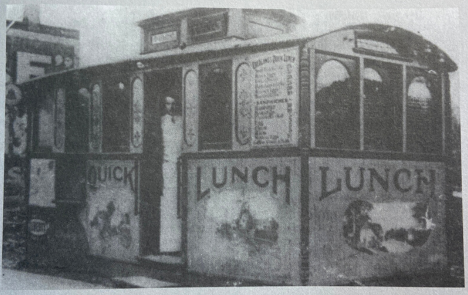
It was in the late 1800s when Louis Lassen, a Danish immigrant, established his small lunch wagon in the bustling city of New Haven. Little did he know that this modest endeavor would mark a pivotal moment in the history of American cuisine. Lassen’s lunch wagon quickly became a gathering place, attracting hungry patrons seeking a quick and satisfying meal.
Lassen’s innovative approach to food soon led to the creation of something extraordinary—a ground beef patty sandwiched between two slices of bread. This simple yet ingenious concept would become the precursor to the modern hamburger. It is said that Lassen’s inspiration for this innovative creation came from a desire to provide his customers with a portable and convenient meal that would tantalize their taste buds.
*Note – there are at least five other individuals who have credible stories as the “first” to bring the hamburger as we know it today into being. Each is an interesting part of hamburger lore, and may be covered in future stories. For now, and with acknowledgement of the Library of Congress, I’m sticking with Louis Lassen – while at the same time acknowledging that the actual “first” hamburger creator will never be known with any degree of accuracy.
Word of Lassen’s delectable creation spread like wildfire, capturing the attention of locals and travelers alike. The aroma of sizzling beef and the sound of sizzling patties drew people in, and soon enough, lines began to form outside Lassen’s lunch wagon, all eager to experience the tantalizing flavors he had unleashed upon the world. In 1895, he opened a small restaurant – which is still in existence today, with burgers cooked to order in the original cast iron grills dating back to 1898.
The impact of Louis Lassen’s revolutionary bite went beyond mere taste. It represented a shift in the culinary landscape, a departure from traditional meal formats, and a bold embrace of a new concept that would forever change the way people enjoyed food on the go. The hamburger, born in the humble confines of Lassen’s lunch wagon, would go on to spark a nationwide craze, captivating the hearts and palates of Americans from coast to coast.
Lassen’s contribution to the hamburger’s legacy cannot be overstated. His innovative spirit, dedication to quality ingredients, and commitment to culinary excellence set the stage for what would become an enduring symbol of American cuisine. Through his unwavering passion for creating something extraordinary, He paved the way for countless burger enthusiasts, restaurateurs, and chefs to explore the limitless possibilities of this beloved dish.
Today, as we savor the juicy, flavorful hamburgers that have become a staple of our culinary landscape, we pay homage to Louis Lassen and his pioneering vision. His revolutionary bite has left an indelible mark on the history of hamburgers, reminding us that the simplest of creations can have the most profound impact. So, with each bite we take, let us celebrate the legacy of Louis Lassen and the delicious journey he set in motion—one that continues to delight and inspire burger lovers around the world.
From Street Food to Mainstream: The Rise of the Hamburger
As the tantalizing flavors and irresistible aroma of hamburgers began to capture the hearts and taste buds of Americans, the dish quickly made its transition from humble street food to mainstream popularity. The allure of the hamburger’s simplicity, convenience, and mouthwatering taste proved irresistible to a nation on the move, seeking a quick and satisfying meal.
Across the country, vibrant street food scenes emerged, bustling with vendors and food carts offering up their own take on the burgeoning hamburger. From city streets to county fairs, the sizzling sound of beef patties hitting the grill became an anthem, drawing in passersby with its tempting melody.
The appeal of the hamburger extended far beyond its delicious flavor. It represented a shift in the way Americans dined—a departure from the formalities of a sit-down meal and a step towards a more casual, fast-paced lifestyle. The hamburger embraced the spirit of an evolving nation, one that was eager to embrace new culinary experiences and embrace the freedom to enjoy their meals on the go.
As the demand for hamburgers skyrocketed, entrepreneurial minds recognized the untapped potential for this delectable creation. Diners, drive-ins, and burger joints began to spring up across the nation, offering a dedicated space where hungry patrons could indulge in their favorite hand-held delight. These establishments became cherished gathering places, where friends and families could gather to enjoy a simple, yet satisfying meal together.
The rise of the hamburger’s popularity was also intertwined with the growth of the automobile culture. Drive-ins and roadside stands became iconic destinations for those on road trips or simply seeking a tasty meal. The convenience of ordering from the comfort of one’s car and the allure of carhop service added an extra layer of excitement to the dining experience, making hamburgers an inseparable part of the American road trip narrative.
With each passing year, the hamburger solidified its place in the American culinary lexicon. It became a go-to option for families seeking an affordable, crowd-pleasing meal, and a beloved treat for people of all ages. From small towns to big cities, the sizzle of burgers on griddles and the aroma of onions and melting cheese became synonymous with comfort, nostalgia, and the joy of indulging in a classic American dish.
The rise of the hamburger from street food to mainstream popularity marked a cultural shift in the way Americans approached dining. It symbolized a departure from formalities, a celebration of simplicity, and a testament to the diverse flavors that make up the American culinary landscape. As the burger continued to weave its way into the fabric of American culture, it cemented its place as an enduring symbol of culinary delight and a beloved staple of the American diet.
Today, as we enjoy hamburgers from the vast array of establishments offering their own unique twists on the classic, we pay homage to the journey that took this humble street food and transformed it into a culinary icon. From its modest beginnings to its position as a symbol of American comfort food, the rise of the hamburger represents the collective love, passion, and creativity of a nation that has forever embraced this flavorful delight.
In the early 20th century, a revolutionary force emerged in the realm of hamburgers—the iconic White Castle. Founded by Walter Anderson and Billy Ingram in 1921 in Wichita, KS, White Castle would forever change the landscape of fast food and leave an indelible mark on the history of hamburgers.
White Castle’s success can be attributed to its pioneering approach to the fast-food industry. Anderson and Ingram recognized the need for consistency, efficiency, and a streamlined system that would allow them to serve their signature sliders—the small, square-shaped burgers that would become their hallmark—in a fast and affordable manner. This innovative mindset laid the foundation for what would become the modern fast-food model.
One of the key aspects that set White Castle apart was its commitment to quality. The founders took great care in sourcing the finest ingredients, ensuring that each patty was made from 100% ground beef. They also introduced meticulous food preparation techniques, such as cooking the patties on a bed of onions to infuse them with extra flavor.
Another element that contributed to White Castle’s success was its iconic architecture. The small, castle-like structures with gleaming white exteriors and vibrant neon lights became instantly recognizable symbols of the brand. These buildings were strategically designed to capture attention and evoke a sense of curiosity, luring in customers who were eager to experience the unique and delicious burgers within.
White Castle’s marketing and advertising campaigns further propelled its rise to success. The company’s creative approaches, such as distributing colorful flyers and introducing the concept of “slider parties,” helped to establish a strong brand presence and build a dedicated customer base. The clever use of slogans and jingles also solidified White Castle’s position in the public consciousness, making the brand synonymous with the burger experience.
As the White Castle empire grew, so did its impact on the fast-food industry as a whole. The concept of standardized operations, quality control, and a focus on efficiency set the stage for the proliferation of fast-food chains that would follow. The success of White Castle served as a blueprint for others to replicate, paving the way for the growth of a fast-food culture that continues to thrive to this day.
Beyond its influence on the industry, White Castle’s unique burgers themselves became an enduring symbol of American comfort food. The small, bite-sized sliders with their signature steam-grilled buns and distinct flavor profile gained a devoted following. Generations of Americans have fond memories of late-night cravings satisfied by a bag of White Castle sliders, further solidifying the brand’s place in the hearts and stomachs of the nation.
So the next time you savor a delicious hamburger, catch a glimpse of a White Castle building with its distinctive charm, or see a box of frozen White Castles at your grocery store, take a moment to appreciate the enduring legacy of this fast-food empire. The rise of White Castle is a testament to the power of vision, ingenuity, and a passion for providing an unforgettable burger experience.
Fast Food Frenzy: The McDonald’s Impact
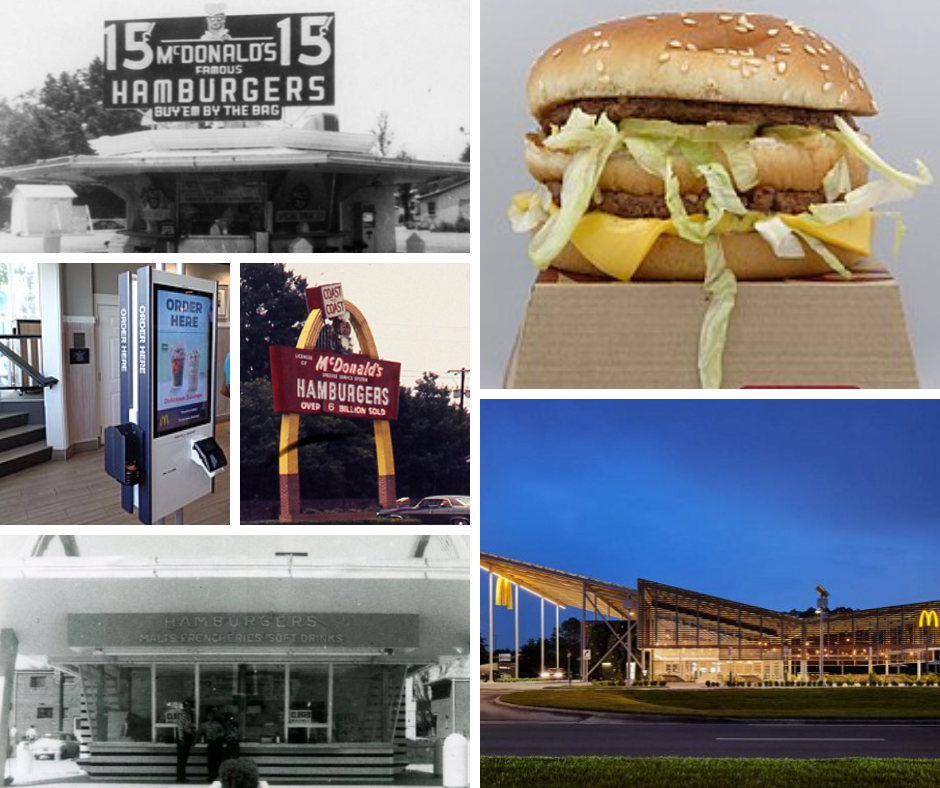
While White Castle played a significant role in revolutionizing the fast-food industry, it was another name that would come to dominate the global burger landscape—McDonald’s. The story of McDonald’s is not only one of success but also of unparalleled influence and innovation that forever shaped the fast-food industry and the way the world consumed hamburgers.
The transformative impact of McDonald’s can be attributed to the vision and business acumen of Ray Kroc. In 1955, Kroc, a struggling milkshake machine salesman, encountered Richard and Maurice McDonald, the founders of a small burger joint in San Bernardino, California. Recognizing the potential for their innovative fast-food system, Kroc partnered with the brothers and embarked on a journey that would change the culinary landscape forever.
Under Kroc’s leadership, McDonald’s introduced a revolutionary concept: the Speedee Service System. This innovative system revolutionized the way fast food was prepared, making it even faster, more efficient, and consistent. By streamlining operations, McDonald’s was able to serve customers with unprecedented speed while maintaining high standards of quality.
In addition to operational efficiency, McDonald’s recognized the importance of branding and consistency. The introduction of the iconic golden arches, designed to resemble the letter “M,” became an instantly recognizable symbol of the brand. The company’s commitment to delivering a consistent dining experience—no matter which McDonald’s location you visited—further solidified its position as an industry leader.
As McDonald’s expanded its reach across America, it introduced the concept of the modern fast-food restaurant. With its bright and inviting interiors, distinctive uniforms, and carefully curated menus, McDonald’s became more than just a place to grab a quick bite—it became a destination. Families flocked to McDonald’s for affordable meals that catered to both children and adults, fostering a sense of community and creating memories that would last a lifetime.
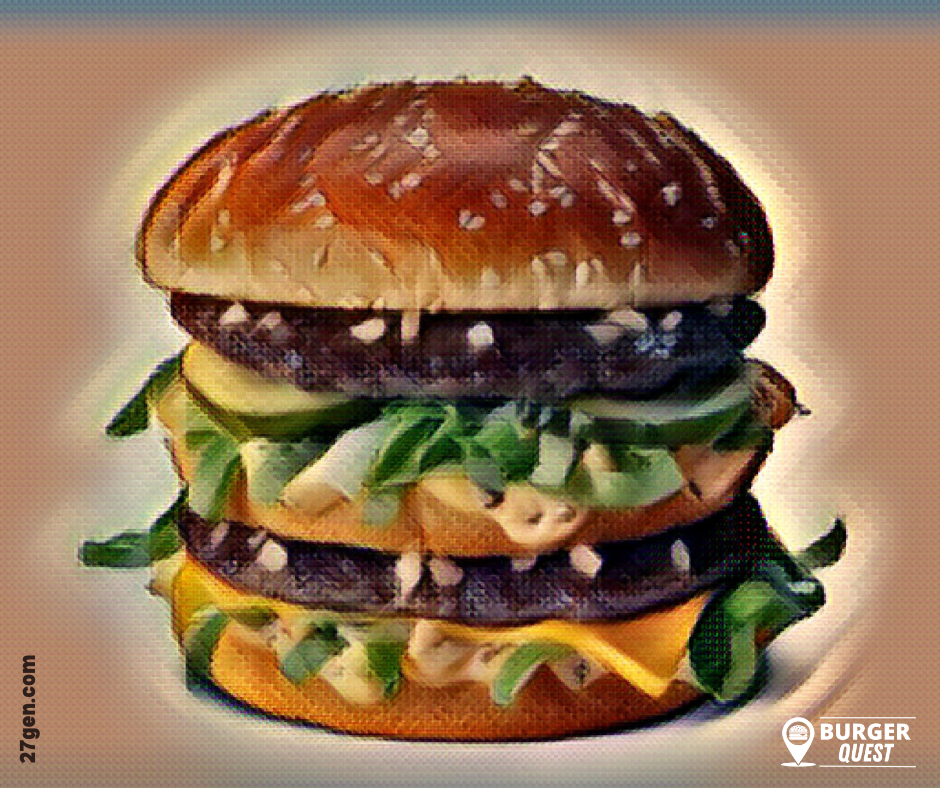
McDonald’s also played a pivotal role in introducing innovative menu items that captured the imagination of customers. From the iconic Big Mac, with its signature three-layered bun and special sauce, to the Quarter Pounder, which redefined the concept of a substantial burger, McDonald’s continually pushed the boundaries of what a fast-food burger could be. These menu innovations became cultural touchstones, forever embedded in the collective consciousness of burger enthusiasts worldwide.
Beyond its impact on the culinary landscape, McDonald’s revolutionized the way companies approached marketing and advertising. With catchy jingles, memorable characters like Ronald McDonald, and iconic campaigns like “I’m Lovin’ It,” McDonald’s managed to connect with consumers on an emotional level. Its marketing prowess, combined with its consistent and affordable offerings, propelled the company to unparalleled heights of success.
Today, McDonald’s stands as a global powerhouse, with thousands of locations spanning continents. Its influence on the fast-food industry is undeniable, and its impact on the popularity and accessibility of hamburgers is immeasurable. The fast-food frenzy ignited by McDonald’s not only transformed the way we consume burgers but also left an indelible mark on popular culture.
So, as you enjoy a McDonald’s hamburger or drive by one of its iconic golden arches, take a moment to appreciate the legacy of this fast-food giant. McDonald’s played a pivotal role in shaping the modern burger landscape, forever altering the way we experience fast food. It is a testament to the power of innovation, branding, and delivering an exceptional customer experience—a legacy that continues to inspire and influence the burger industry to this day.
From Hamburg to New Haven to Wichita to San Bernardino, the hamburger’s journey in the United States marked the beginning of a culinary revolution that would forever change the American food landscape. From its humble origins as Hamburg steak to its commercial success through chains like White Castle and McDonald’s, the hamburger has become an integral part of American cuisine and cultural identity. As the years passed, the hamburger’s popularity soared, evolving into a versatile dish with endless variations to suit every taste. Today, whether enjoyed at a fast-food joint or savored at a gourmet restaurant, the hamburger remains an enduring symbol of American culinary ingenuity and an all-time favorite comfort food for millions.
America has run on hamburgers for over a century. This is the story of their sizzle and their symbolism, where they came from and how they conquered the world.
What do Americans think of when they think of the hamburger? A robust, succulent spheroid of fresh ground beef, the birthright of red-blooded citizens? Or a cardboard-boxed Big Mac, mass-produced to industrial specifications and served by wage slaves to an obese, brainwashed population? Is it cooking or commodity? An icon of freedom or the quintessence of conformity?
The Hamburger is a fast-paced and entertaining book unfolding the immense significance of the hamburger as an American icon. Josh Ozersky shows how the history of the burger is entwined with American business and culture and, unexpectedly, how the burger’s story is in many ways the story of the country that invented (and reinvented) it.
Spanning the years from the nineteenth century with its waves of European immigrants to our own era of globalization, the book recounts how German “hamburg steak” evolved into hamburgers for the rising class of urban factory workers and how the innovations of the White Castle System and the McDonald’s Corporation turned the burger into the Model T of fast food. The hamburger played an important role in America’s transformation into a mobile, suburban culture, and today, America’s favorite sandwich is nothing short of an irrepressible economic and cultural force. How this all happened, and why, is a remarkable story, told here with insight, humor, and gusto.
Josh Ozersky’s The Hamburger takes readers on an irresistible exploration of one of America’s most iconic and beloved foods—the hamburger. With meticulous research and a genuine passion for the subject, Ozersky delves into the history, cultural significance, and evolution of this culinary masterpiece, leaving readers hungry for more.
In this delightful book, Ozersky artfully blends storytelling, gastronomic insights, and historical anecdotes to paint a vivid picture of the hamburger’s journey from its humble beginnings to its status as a global sensation. Whether you’re a devoted foodie or simply a lover of good eats, The Hamburger has something to offer everyone.
One of the book’s greatest strengths lies in Ozersky’s ability to convey his deep knowledge of the subject matter in an accessible and engaging manner. He navigates the intricate world of beef cuts, patty preparation, and bun selection with expertise, making it both educational and entertaining. From the juicy debates surrounding the perfect burger patty thickness to the ideal ratio of condiments and toppings, Ozersky leaves no stone unturned.
Moreover, The Hamburger goes beyond mere culinary exploration. Ozersky dives into the cultural and societal aspects that have shaped the hamburger’s popularity throughout history. He skillfully analyzes how the burger has adapted to different regions, cultures, and even dietary trends, all while maintaining its universal appeal. By examining the hamburger’s place in fast food culture, gourmet dining, and the rise of the modern food truck revolution, Ozersky showcases the burger’s versatility and its ability to adapt to ever-changing culinary landscapes.
There are a few minor areas where the book falls short. While Ozersky provides a wealth of historical context and insightful analysis, some readers might crave a more personal touch or an exploration of the author’s own experiences with hamburgers. Additionally, the inclusion of more visually appealing photographs or illustrations would have enhanced the overall reading experience.
The Hamburger is an informative and engaging read that will satisfy both burger enthusiasts and those curious about the cultural significance of this ubiquitous food. Ozersky’s passion for hamburgers shines through every page, making it impossible to resist the temptation to indulge in a juicy, perfectly grilled patty by the time you reach the final chapter.
The Hamburger is a must-read for anyone with an appreciation for the mouthwatering joy that only a well-crafted burger can bring. With its blend of history, culinary expertise, and cultural insights, Ozersky’s book leaves readers with a deeper understanding and newfound admiration for this timeless classic.
Delicious, versatile, and universally adored, certain dishes possess an undeniable charm that transcends cultural boundaries. Among these culinary wonders stands a true icon – the hamburger.
The hamburger, with its simple yet irresistible combination of a juicy patty, fresh toppings, and a soft bun, has achieved unparalleled popularity and a universal appeal that has captured the hearts and palates of people worldwide.
Let’s embark on a brief, mouthwatering exploration, uncovering the reasons behind the universal appeal of this beloved dish.
Versatility: A Burger for Every Palate
Hamburgers offer a delightful canvas for customization, making them appealing to a wide range of taste preferences. With classic beef patties as a foundation, the burger caters to diverse diets and culinary choices. With an array of toppings, sauces, and condiments, individuals can create personalized flavor profiles, ensuring a burger for every palate.
Comfort Food Connection
The universal appeal of the hamburger lies in its ability to evoke feelings of comfort and nostalgia. As a quintessential comfort food, the burger offers a familiar and satisfying experience. Whether it brings back childhood memories of backyard barbecues or conjures visions of casual outings with loved ones, the burger taps into a collective sentiment of warmth and familiarity.
Convenience and Accessibility
In our fast-paced world, convenience plays a significant role in the universal appeal of the hamburger. As a handheld delight, it provides a quick and easy meal option, ideal for busy individuals on the go. Furthermore, hamburgers are widely accessible, available at a range of establishments, from fast-food joints to gourmet burger restaurants, ensuring everyone can savor their deliciousness.
Cultural Cross-Pollination
The hamburger’s universal appeal can be attributed to its adaptability to different cultures and cuisines beyond its American roots. From fusion flavors to regional variations, the burger has seamlessly integrated itself into various culinary traditions worldwide. This cultural cross-pollination has expanded its appeal, making it a beloved dish in diverse communities and enhancing its global popularity.
Social Bonding and Shared Experiences
Hamburgers have a remarkable ability to bring people together, fostering social connections and shared experiences. Whether enjoyed at backyard barbecues, family gatherings, or friendly outings, burgers create moments of togetherness and joy. The act of sharing a delicious burger encourages conversations, laughter, and the forging of lasting memories.
The Perfect Combination of Flavors and Textures
One of the key factors behind the universal appeal of hamburgers is the harmonious blend of flavors and textures they offer. The juicy patty, complemented by crisp toppings, melty cheese, and a soft bun, creates a symphony of taste and mouthfeel. The balance between savory, tangy, and sweet notes satisfies the palate and leaves a lasting impression.
Pop Culture and Media Influence
Hamburgers have become cultural icons, portrayed in movies, television shows, and advertisements, further enhancing their universal appeal. The representation of mouthwatering burgers in popular media creates a sense of desire and anticipation, sparking the craving to indulge in this beloved dish. Additionally, the influence of social media and food blogging has propelled burger culture, fueling the excitement and engagement surrounding hamburgers.
The Last Bite
The universal appeal of the hamburger can be attributed to a multitude of factors that converge to create an irresistible dining experience. From its versatile nature and comforting familiarity to its ability to foster social connections and adapt to various cultures, the hamburger has captured the hearts and taste buds of individuals worldwide. As an emblem of culinary delight, it continues to unite people, transcend borders, and evoke a shared passion for exceptional flavors. The universal love for the hamburger stands as a testament to its enduring appeal and its position as a timeless favorite in culinary culture. So, the next time you sink your teeth into a juicy, flavorful burger, savor the taste and appreciate the reasons behind its universal appeal – a culinary masterpiece that brings people together and celebrates the joy of good food.














 27gen.com