How to Help Your Church See Biblical Hospitality – Specifically the “Table” – as a Way of Life

In December 2019, the motion picture, “A Beautiful Day in the Neighborhood,” staring Tom Hanks as beloved television icon Fred Rogers made its debut. Rogers was the creator, showrunner, and host of the preschool television series Mister Rogers’ Neighborhood, which ran from 1968-2001.

As a musician, puppeteer, writer, and producer, Fred Rogers’ gentle demeanor brought beautiful simplicity through nurturing interactions with young children to over 30 years of viewers. His enigmatic theme song, from which the motion picture takes its title, includes the following lines, which many adults can recall:

It’s a beautiful day in this neighborhood, 

A beautiful day for a neighbor,

Would you be mine?

Could you be mine?

Fred Rogers was also a Presbyterian minister, and it’s likely those lines were inspired by another story of a neighbor.

In the Parable of the Good Samaritan (Luke 10:25-37), Jesus asked the expert in law, in effect, “Who is your neighbor?”

It’s almost 2020, and the question remains, “Who is our neighbor?”

From the television neighborhoods of Beaver Cleaver and Andy Taylor, to Mr. Rogers, to Sam and Diane, to Jerry and Kramer, to Rachel and Monica and Phoebe and Chandler and Joey, to Phil and Claire, to Jack and Rebecca and Randall and Kate, it’s a question that mainly depicts an unfulfilled longing for a neighborhood that actually works.

It occurs to me that this is not a neighborhood;

It is only a collection of unconnected individuals.

Philip Langdon, A Better Place to Live

Long gone are the days where kids played in the yards and streets all day “till the street lights came on” and where neighbors talked across fences or on front porches.

It seems as if the people we live closest to appear only briefly when the car leaves the garage in the morning and comes back in the evening. 

It seems as if the idea of “neighborhood” has disappeared in reality if not actuality, and with it the idea of knowing for, and caring for, neighbors.

As Lance Ford and Brad Brisco write in Next Door as in Heaven:

What does all this neighborhood business have to do with the gospel? As Jesus followers – people of the Good News – we follow the one who said the most important commandment is to love God with all our heart, soul, and strength, and to love our neighbors as ourselves. We have a tremendous opportunity before us: to take notice and help resurrect rich relationship in our neighborhoods.

If anyone should “neighbor” differently, it should be us.

According to Leonard Sweet, if we really want to learn someone’s story, sitting down at the table and breaking bread together is the best way to start.

This issue of SUMS Remix looks at solutions that will help you see the importance of your “table” as a place of disciplemaking. The solutions include: 

A closing quote, by Rosaria Butterfield, author of The Gospel Comes with a House Key, seems most appropriate:

Radical, ordinary hospitality brings the gospel to our lost friends and neighbors. Such hospitality sees our homes as not our own, but as God’s tools for the furtherance of his kingdom as we welcome those who look, think believe, and act differently from us into our everyday, sometimes messy lives – helping them see what true Christian faith really looks like.  

SUMS Remix 134, released December 2019


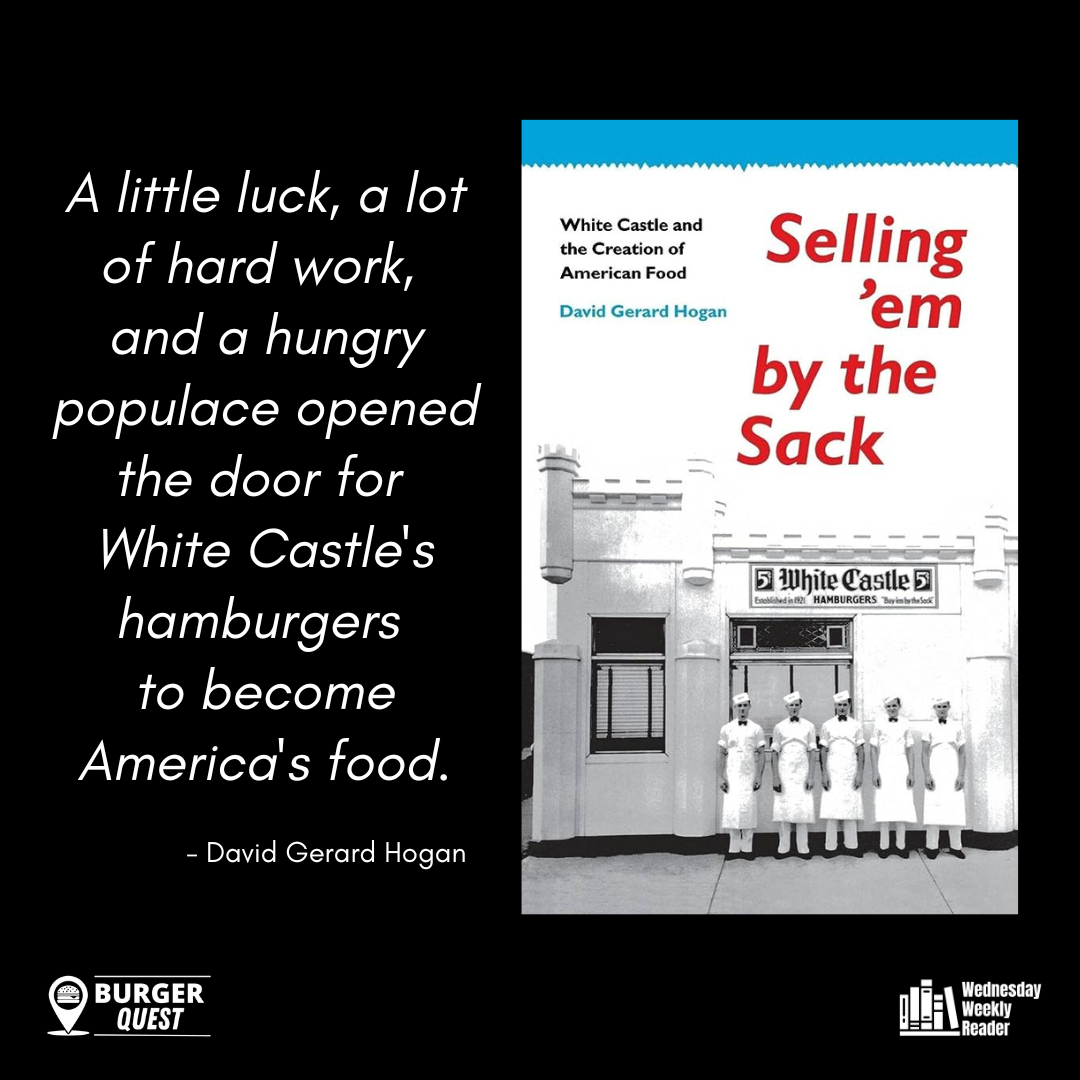
White Castle: The Pioneering Trailblazer of American Fast Food

In the wake of World War I, the hamburger was still considered a disreputable and undesirable food. Yet by 1930 Americans in every corner of the country accepted the hamburger as a mainstream meal and eventually made it a staple of their diet. The quintessential “American” food, hamburgers have by now spread to almost every country and culture in the world. But how did this fast food icon come to occupy so quickly such a singular role in American mass culture?

In Selling ‘em By the Sack, David Gerard Hogan traces the history of the hamburger’s rise as a distinctive American culinary and ethnic symbol through the prism of one of its earliest promoters. The first to market both the hamburger and the “to go” carry-out style to American consumers, White Castle quickly established itself as a cornerstone of the fast food industry. Its founder, Billy Ingram, shrewdly marketed his hamburgers in large quantities at five cents a piece, telling his customers to “Buy’em by the Sack.”

The years following World War II saw the rise of great franchised chains such as McDonald’s, which challenged and ultimately overshadowed the company that Billy Ingram founded. Yet White Castle stands as a charismatic pioneer in one of America’s most formidable industries, a company that drastically changed American eating patterns, and hence, American life. It could be argued that what Henry Ford did for the car and transportation, Billy Ingram did for the hamburger and eating.

As a food researcher and enthusiast, I am always on the lookout for captivating literature that delves into the intriguing world of the origins and history of food. With the advent of Burger Quest, even more so! Selling ’em by the Sack by David Gerard Hogan is one such remarkable piece of work that left a lasting impression on me.

In this thought-provoking book, Hogan takes readers on an enlightening journey through the fascinating history and evolution of the fast-food industry, focusing primarily on the iconic American chain, White Castle. The author skillfully unravels the secrets behind the success of this pioneering fast-food establishment, offering profound insights into the art of selling and consumer behavior.

Hogan’s narrative style is engaging and well-paced, making the book an easy and enjoyable read for both industry insiders and casual enthusiasts alike. He effortlessly weaves together historical anecdotes, cultural influences, and the innovative marketing strategies that have made White Castle a household name since its inception in 1921. The depth of research presented in “Selling ’em by the Sack” demonstrates Hogan’s dedication to understanding the industry’s past and its implications for the present.

One of the standout features of this book is Hogan’s ability to explore the often overlooked socio-cultural impact of fast food on society. He astutely examines how White Castle’s success shaped America’s eating habits, urban development, and consumer expectations. Moreover, he delves into the company’s pioneering techniques in food preparation, supply chain management, and brand building, setting the stage for the fast-food giants that followed in its footsteps.

I appreciate Hogan’s skillful use of language and storytelling techniques. He artfully captures the essence of White Castle’s brand identity and its role in shaping the larger fast-food culture. Throughout the book, Hogan demonstrates a keen understanding of how powerful marketing and advertising campaigns can influence consumer behavior and drive business success.

Selling ’em by the Sack is not just a book about White Castle; it is a story of entrepreneurship, innovation, and adaptability. Hogan masterfully paints the picture of how this modest hamburger stand evolved into a global fast-food phenomenon. The book imparts valuable lessons for aspiring entrepreneurs, marketers, and food industry professionals, emphasizing the importance of staying true to one’s vision while continually adapting to meet the changing needs and desires of customers.

While Hogan celebrates the successes of White Castle, he also confronts the controversies surrounding the fast-food industry, including issues related to health, labor practices, and sustainability. This balanced approach adds depth to the book and encourages readers to think critically about the broader implications of the fast-food culture in modern society.

In conclusion, Selling ’em by the Sack is a captivating and insightful exploration of the fast-food industry, with a focus on White Castle’s significant contributions to the field. David Gerard Hogan’s expertise as a food researcher shines through in every chapter, making this book a must-read for anyone interested in the intersection of food, marketing, and culture. Whether you are a food enthusiast, a history buff, or a business professional, this book offers a satisfying and enlightening experience that will leave you hungry for more.


Still hungry?

Bite Into Tradition: The Best Loved Regional Burger Chains in the Country

Burger Beast Unleashed: The Ultimate Tribute to Burgers in Sef Gonzalez’ Book

Sink Your Teeth into “The Hamburger”: A Culinary Journey by Josh Ozersky

Burger Magic: Exploring the Universal Fascination Behind America’s Favorite Dish

My Quest for the Perfect Hamburger: A Literary, Culinary, and Arbitrary Journey in Pursuit of America’s Iconic Delight

A Tantalizing Top of the Stack, Made to Order

Before Burger Quest

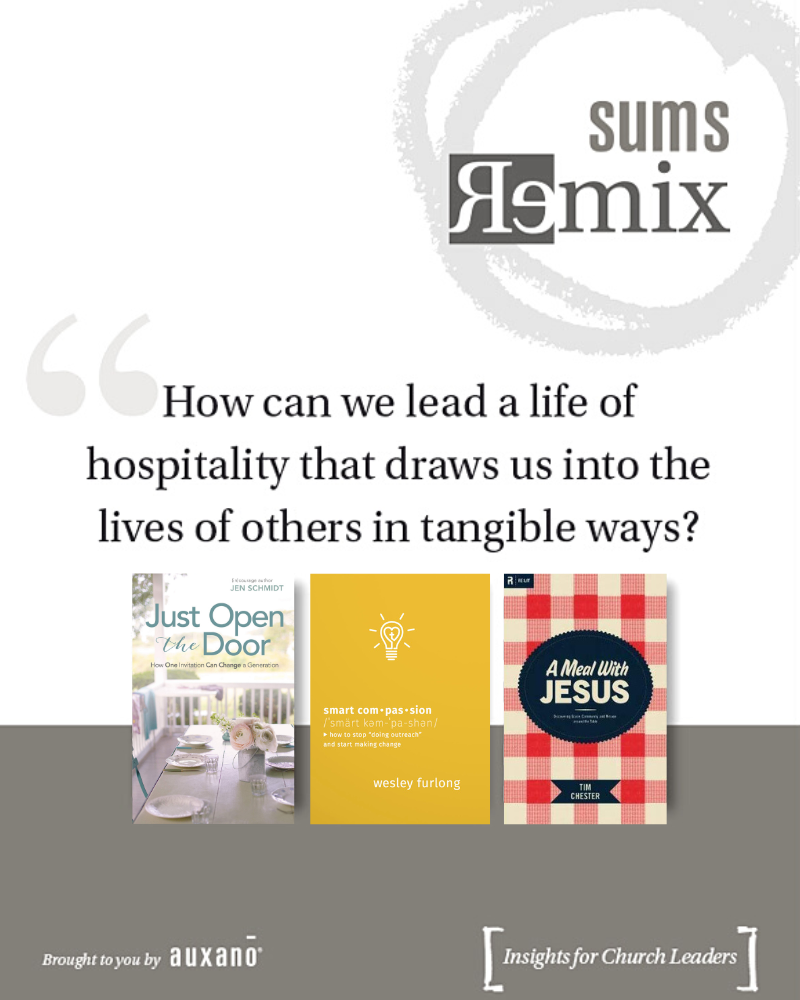
How to Lead a Life of Hospitality that Draws You into the Lives of Others in Tangible Ways

The heart of God’s purpose for humankind is relationships – first, with God Himself; then, with one another. Arguably, there is no better place to build relationships than at the table with good food and great conversation.

Len Sweet, in his book From Tablet to Table states it eloquently:

Remember God’s first command in the Bible? Eat.

Remember God’s last command in the Bible? Drink.

And everything in between is a table – a life-course meal on which is served the very bread of life and cup of salvation.

It’s time to bring back the table to our homes, to our churches, and to our neighborhoods and the world.

The table is a recurring biblical theme, one that our fast-paced, drive-through, Instant Pot culture finds unfamiliar.

What would happen if we brought back the table as a sacred object of furniture in every home, church, and community?

Are we truly hungry to accept Jesus’ invitation –  “Come and follow” – and to go wherever He leads, even if it means next door?

Especially if it means following Him next door!

What would it take for the table to return to the center of our family lives – and by extension, to those God has placed in our circle and situations?

This issue of SUMS Remix looks at solutions that will help you learn how to engage with your neighbors, establishing and deepening your relationships through hospitality. The solutions include: 

SUMS Remix 103, released October 2018


Burger Beast Unleashed: The Ultimate Tribute to Burgers in Sef Gonzalez’s Book

The history of America’s sandwich is filled with unbelievable journeys and larger-than-life characters. All About the Burger by the Burger Beast, Sef Gonzalez, takes you on the road as he explores the fascinating backstory behind the burger.

From White Castle to Shake Shack, to Bell’s Burger (yes, Taco Bell started as a burger joint, too) and KFC, the entire Americana food landscape has influenced the burgers you enjoy today.

All About the Burger is the definitive bible of burgers. You will learn about:

  • The contributions burgers have made to food culture
  • The evolution of the burger from carnival treat to an American staple
  • Where to go to find your next favorite burger and much more!

In All About the Burger, Sef Gonzalez takes readers on an extraordinary culinary adventure, diving headfirst into the heart and soul of burger culture. With passion and expertise, Gonzalez celebrates the iconic hamburger’s impact on society while exploring the diverse and fascinating world of burger variations.

From the moment you crack open the book, it’s evident that Gonzalez has poured his heart into this comprehensive ode to burgers. As a seasoned burger blogger and self-proclaimed “Burger Beast,” Gonzalez brings a wealth of knowledge and a contagious enthusiasm to every page. The book is an exquisite blend of historical tidbits, personal anecdotes, and tantalizing descriptions that will leave your taste buds yearning for a juicy burger.

One of the standout features of All About the Burger is its meticulous research. Gonzalez delves deep into the burger’s past, tracing its origins from humble beginnings to its widespread popularity in modern times. He unravels the evolution of burger joints, the fast-food revolution, and the rise of gourmet burgers, offering readers a fascinating glimpse into the burger’s journey through history.

Gonzalez also showcases his globe-trotting adventures in search of the perfect burger. From hidden local gems to world-renowned establishments, his mouthwatering tales of burger expeditions leave readers eager to embark on their culinary pilgrimages. The book is peppered with vivid descriptions of unique burger creations, tempting readers to try new flavors and combinations beyond the traditional beef patty.

All About the Burger is much more than just a food guide; it’s an exploration of the cultural significance of this beloved dish. Gonzalez brilliantly captures how the burger has become a symbol of community, bringing people together to bond over their shared love of this simple yet satisfying meal. He highlights how burgers transcend borders, unifying people from various backgrounds and cultures.

While All About the Burger is undoubtedly a captivating and immersive read, it does have a few minor drawbacks. Some readers may find the sheer volume of information overwhelming, as the book covers an extensive range of topics related to burgers. That being said, burger lovers will want even more!

In conclusion, All About the Burger is a delightful and informative read for anyone with a penchant for this quintessential American delicacy. Gonzalez’s infectious passion for burgers shines through in every sentence, making this book a savory delight that captures the essence of burger culture. Whether you’re a seasoned burger aficionado or a curious foodie, this book will undoubtedly whet your appetite for exploration and appreciation of the burger’s enduring legacy.


Still hungry?

Tracing the Origins and Early Development of Hamburgers in America

Sink Your Teeth into “The Hamburger”: A Culinary Journey by Josh Ozersky

Burger Magic: Exploring the Universal Fascination Behind America’s Favorite Dish

My Quest for the Perfect Hamburger: A Literary, Culinary, and Arbitrary Journey in Pursuit of America’s Iconic Delight

A Tantalizing Top of the Stack, Made to Order

Before Burger Quest

How to Measure the Power of Place Attachment

To be rooted is perhaps the most important and least recognized need of the human soul

Simone Weil

What if a place becomes the right place only by our choosing to love it?

Melody Warnick, author of the fabulous book This Is Where You Belong, sets the whole tone of her book in the first chapter talking about “Place Attachment.”

Humans are instinctively driven to form connection with places. 

The most common term for this is “place attachment,” because it suggests the affectionate, almost familial connection that can form between us and where we live. You mostly know it when you feel it, which you probably have. When you roll into your town after being away for awhile and say, “It’s good to be home,” that’s a product of place attachment. So is feeling drawn as if by magic to a particular city, never wanting to leave the place where you grew up, or never wanting to leave the place you live right now.

If all this sounds a bit touch-feely, it is. Like happiness, place attachment exists partly as emotion and partly as a pattern of thought, which makes it difficult to quantify.

Over the years researchers have developed a “place attachment scale” of statements they use to gauge the sensation. Study participants are usually asked to rank their agreement on a scale of 1 to 5, but for the sake of simplicity, you can assess your own place attachment by answering each of the questions below “true” or “false” about the town or city where you live. Click here or on the image below for a PDF.

The more times you answer “true,” the more likely you are to be attached to your town. Making nineteen or more “true” answers, which puts you in the top quartile, indicates that you probably feel strongly connected to where you live. Six or fewer, on the other hand, suggests that you live somewhere unfamiliar or in a town you’re not particularly over the moon about. And if you’re not very place attached you may be saying to yourself, “Clearly place attachment feels nice. But why should I care? Will it actually make my life feel better?”

According to place attachment research, the answer is a resounding yes. Studies show that when you pit “Stayers” – long-term residents of a place – against “Movers,” the Stayers are generally far more social.

Where we live matters, and staying where we live matters. When it comes to place attachment, our towns are what we think they are.

No matter what anyone else thinks, your town just has to make you happy.

And being a good neighbor starts with you.


I can’t emphasize this enough: If you like the idea of loving where you live, of being a better neighbor, or anything remotely connected, you MUST check out the work of Melody Warnick. Follow her on social media. Buy the book (below). Sign up for her newsletter on her website. Peruse the website for other articles she has written. It’s all PURE GOLD.

Inspired and adapted from

This is Where You Belong, Melody Warnick

Sink Your Teeth into “The Hamburger”: A Savory Culinary Journey by Josh Ozersky

America has run on hamburgers for over a century. This is the story of their sizzle and their symbolism, where they came from and how they conquered the world.

What do Americans think of when they think of the hamburger? A robust, succulent spheroid of fresh ground beef, the birthright of red-blooded citizens? Or a cardboard-boxed Big Mac, mass-produced to industrial specifications and served by wage slaves to an obese, brainwashed population? Is it cooking or commodity? An icon of freedom or the quintessence of conformity?

The Hamburger is a fast-paced and entertaining book unfolding the immense significance of the hamburger as an American icon. Josh Ozersky shows how the history of the burger is entwined with American business and culture and, unexpectedly, how the burger’s story is in many ways the story of the country that invented (and reinvented) it.

Spanning the years from the nineteenth century with its waves of European immigrants to our own era of globalization, the book recounts how German “hamburg steak” evolved into hamburgers for the rising class of urban factory workers and how the innovations of the White Castle System and the McDonald’s Corporation turned the burger into the Model T of fast food. The hamburger played an important role in America’s transformation into a mobile, suburban culture, and today, America’s favorite sandwich is nothing short of an irrepressible economic and cultural force. How this all happened, and why, is a remarkable story, told here with insight, humor, and gusto.

Josh Ozersky’s The Hamburger takes readers on an irresistible exploration of one of America’s most iconic and beloved foods—the hamburger. With meticulous research and a genuine passion for the subject, Ozersky delves into the history, cultural significance, and evolution of this culinary masterpiece, leaving readers hungry for more.

In this delightful book, Ozersky artfully blends storytelling, gastronomic insights, and historical anecdotes to paint a vivid picture of the hamburger’s journey from its humble beginnings to its status as a global sensation. Whether you’re a devoted foodie or simply a lover of good eats, The Hamburger has something to offer everyone.

One of the book’s greatest strengths lies in Ozersky’s ability to convey his deep knowledge of the subject matter in an accessible and engaging manner. He navigates the intricate world of beef cuts, patty preparation, and bun selection with expertise, making it both educational and entertaining. From the juicy debates surrounding the perfect burger patty thickness to the ideal ratio of condiments and toppings, Ozersky leaves no stone unturned.

Moreover, The Hamburger goes beyond mere culinary exploration. Ozersky dives into the cultural and societal aspects that have shaped the hamburger’s popularity throughout history. He skillfully analyzes how the burger has adapted to different regions, cultures, and even dietary trends, all while maintaining its universal appeal. By examining the hamburger’s place in fast food culture, gourmet dining, and the rise of the modern food truck revolution, Ozersky showcases the burger’s versatility and its ability to adapt to ever-changing culinary landscapes.

There are a few minor areas where the book falls short. While Ozersky provides a wealth of historical context and insightful analysis, some readers might crave a more personal touch or an exploration of the author’s own experiences with hamburgers. Additionally, the inclusion of more visually appealing photographs or illustrations would have enhanced the overall reading experience.

The Hamburger is an informative and engaging read that will satisfy both burger enthusiasts and those curious about the cultural significance of this ubiquitous food. Ozersky’s passion for hamburgers shines through every page, making it impossible to resist the temptation to indulge in a juicy, perfectly grilled patty by the time you reach the final chapter.

The Hamburger is a must-read for anyone with an appreciation for the mouthwatering joy that only a well-crafted burger can bring. With its blend of history, culinary expertise, and cultural insights, Ozersky’s book leaves readers with a deeper understanding and newfound admiration for this timeless classic.


No More Front Porches

Rebuilding Community in Our Isolated Worlds

Being a part of God’s kingdom is not just having a private relationship with God but also having a communal relationship with His other children.

Linda Wilcox, No More Front Porches

Front Porches. Once they were a vital part of American society. Whether you had a large verandah that circled the house, or little more than a front stoop, you adorned it with comfortable chairs and spent hours there, talking with friends and relatives, watching what was going on in the neighborhood, looking out for others, and keeping in touch with your world. Front porches symbolized relationships and being involved with life beyond your front door.

Today, life has changed.

Few new homes offer a place to nestle as twilight sets in and few people have the leisure time for this lifestyle, or even for the relationships that it represents. We’ve moved ahead and left front porch attitudes behind as quaint relics.

But in recent decades, as the nation has reeled from tragedies such as the September 11 terrorist attacks, countless shootings, and the pandemic, Americans are again scurrying to regain that closeness, care, and compassion we found in communities that sat on front porches. Perhaps, we’re finding, we need the stability of those front porch attitudes in our lives.

In No More Front Porches, sociologist Linda Wilcox looks at how and why communities, churches, and lifestyles have changed. She evaluates the nostalgia for the ’good old days,’ and explores the offerings of today. Though we can never regain the idealized past, she gives us help and hope for building emotional and community ’front porches’ in the frantic society we now zoom through. She helps us learn how to avoid isolation and refocus our methods for building those close, front porch relationships.

Let No More Front Porches help you discover a little bit more about this society in which we live. And in the process, you’re bound to learn how to better enjoy people in your home, neighborhood, church and world.

According to author Linda Wilcox, it’s not uncommon for us, thanks to 24-hour news availability, to know more about what’s happening on the other side of the planet than what’s happening on the other side of the fence.

Written in 2002, that truism is all the more prevalent today. It’s too easy to become trapped in the digital world of 24/7, feeling always on, FOMO, and living life in the hyperspeed lane.

Only in the last decade, the author writes, have we come to “need” this much immediate contact with each other. Now, it seems, we can’t live without our devices right beside us, if not in our hands most of our waking hours.

At the same time, we desire a personal space that allows us to escape the demands of our public (and digital) lives and a place we can call our own.

And so we retreat into our closed garage doors and empty front porches, emerging in our vehicles off on an errand, returning to the same garage door, closing it before we exit the vehicle.

A pointed, and poignant, quote from the author sums it up: Let’s be realistic. Perhaps we can’t save the world [by being on the front porch], but surely we can do a better job than we have in the past.

Americans are hungry to regain the closeness, care, and compassion we used to find right outside our front doors.

inspired and adapted from No More Front Porches


How to Lead Your Church to Leverage the Everyday Moments of Their Life to Share the Gospel

Just for fun, ask this question to a group of church leaders: Is an attractional model of ministry or incarnational emphasis more effective? Then sit back, as a vigorous discussion is sure to follow.

Attractional ministry implies that the church’s basic strategy for reaching the lost revolves around getting “seekers” or the “unchurched” into the church building. Once inside, the opportunity to present the gospel defines the primary opportunity for evangelism. This is often known as an “invest and invite” approach.

In contrast, the incarnational emphasis of a missional mindset focuses on living and sharing the gospel “where life happens.” The emphasis is placed on the church “disassembling” itself for the primary work of evangelism in the nooks and crannies of everyday life.

In the attractional mode, big church buildings are important, and the church gathered is the consummation of evangelism. In the incarnational mode, fluid and flexible communities of faith are important; the church scattered is the consummation of evangelism. A common rally-cry against the attractional model is that the church should be measured by its sending capacity, not its seating capacity.

The missional reorientation described above represents an important shift in focus from methodology to identity.

This issue of SUMS Remix looks at solutions that will help you understand that distinction, and equip the church to leverage everyday moments in their lives to share the gospel: 

Sending is not something you do, but being sent is something you are.

SUMS Remix 82, released December 2017


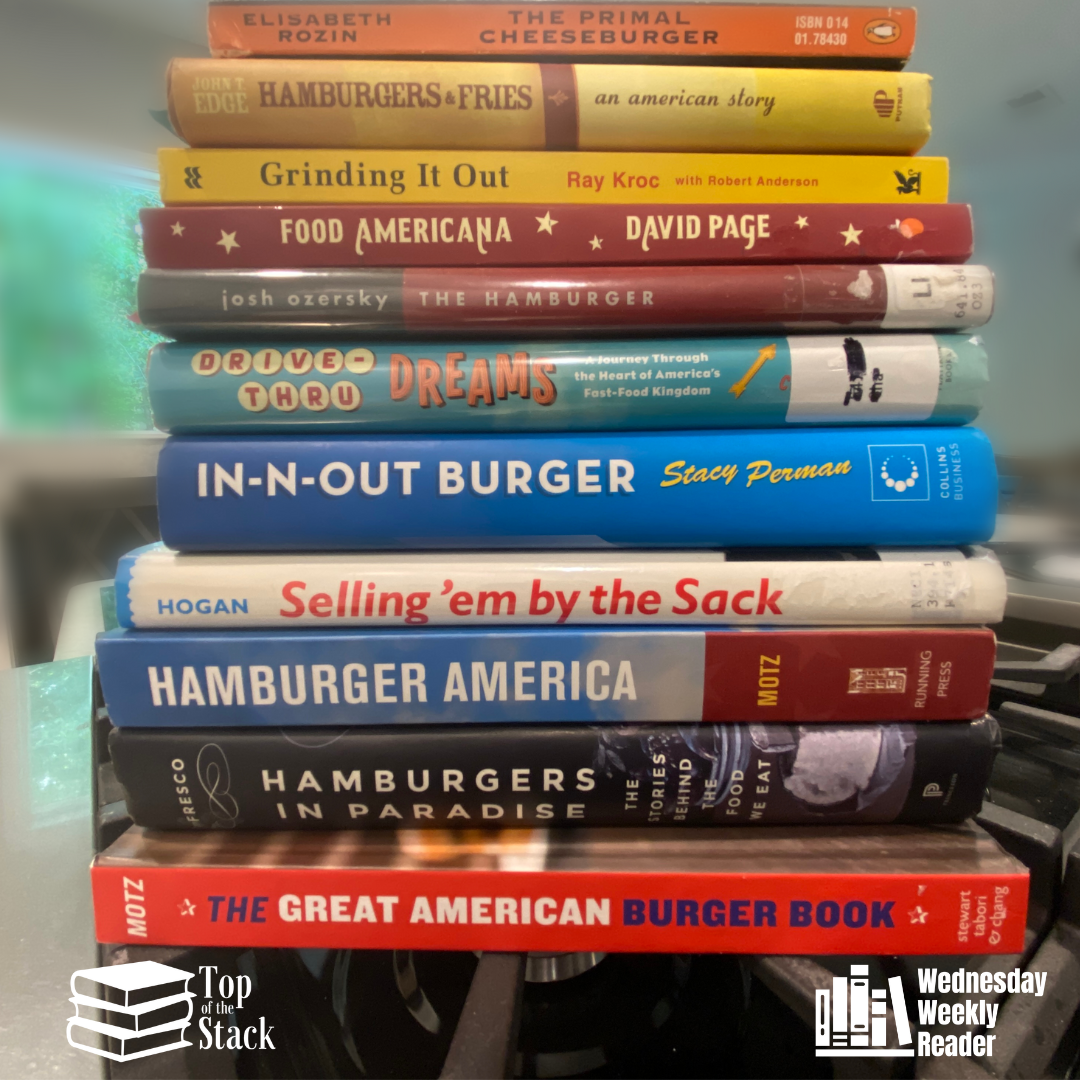
A Tantalizing Top of the Stack, Made to Order!

The announcement is coming Friday 6/30, but here’s a teaser.

To capture the complexity of even simple things requires looking at it from multiple angles, the first of which is literarythe writing, study, or content of literature about the object in question.

Of course you knew I would begin there.

The stack you see in the image is my beginning point, but I have no doubt my journey will uncover additional delicious delights about the humble hamburger…

… and that’s just in books!

Pull up a chair, slide into the booth, sit at the lunch counter – let the #BurgerQuest begin!


Wisdom is Developed Only in Experience

Out in the open wisdom calls aloud, she raises her voice in the public square; on top of the wall she cries out, at the city gate she makes her speech. (Proverbs 1:20–21, NIV)


Wisdom invites people to learn from her, but she does so not from the ivory tower but outside, in the public square and public places of the city. Wisdom is developed only in experience. No matter how hard they study, the graduates of medical school, law school, and business school will become truly wise in their fields only out in the open, that is, in real-life experience. 

Proverbs is not an “inspirational” book with statements that immediately jump off the page at you. Wisdom cannot be conveyed by a series of TED talks or “executive briefings.” It is inaccessible to people too busy for its method. It comes through first with experience and then with deep, honest reflection on that experience. 

The journey from the Proverbs of Solomon to the writings of Socrates (via his student Plato) is not as strange as one might seem:

Wisdom is humility, accepting that we know very little or nothing at all

Socrates describes this conclusion when he states “I am wiser than that man. Neither of us probably knows anything worthwhile; but he thinks he does when he does not, and I do not and do not think I do”. Socrates is considered the wisest man in Athens by the Oracle, because instead of assuming he possesses wisdom, he accepts that wisdom is often unattainable and that we should instead continuously pursue new and truer knowledge. (from Plato’s Apology)

Socratic wisdom, then, is humility: a recognition of your own ignorance.

To continually move past this ignorance, the Socratic method uses questions to examine the values, principles, and beliefs of students in a dialogue, not a one-sided monologue by the teacher.

Wisdom emerges only as we ask thought-provoking, searching questions: 

  • When did I last see this illustrated in my life or someone else’s? 
  • Where do I need to practice this? 
  • How would my life be different if I did? 
  • What wrong thinking and attitudes result when I forget this? 

Jesus, often spoke in parables and answered questions with other questions, trying to get us to reflect, think, and grow in wisdom (Matthew 13:10; Luke 20:4; John 16:29). 

What has happened to you recently that was significantly good or difficult? Have you reflected on it with others to learn wisdom from it?

I’m reminded of a wise saying by my father: 

It’s okay to be ignorant – it just means you haven’t learned something yet. Just don’t be stupid – stupid is terminal.

Doc Adams

My journey to becoming a Modern Elder is all about reciprocity. 

Giving and receiving. Teaching and learning. Speaking and listening. 

Everyone gets older, but not everyone gets elder.

The first just happens (if you’re lucky and healthy). The other you have to earn.


Adapted from God’s Wisdom for Navigating Life by Tim and Kathy Keller, and Wisdom@Work by Chip Conley