When the Honeymoon Ends: What Happens When the Grand Opening is Over and the Daily Grind Begins?

Note: On the 56th anniversary of Walt Disney’s death, a continuing series of posts on the difficulties – and opportunities – former, now new again, Disney CEO Bob Iger is facing.

Upon Walt Disney’s untimely death in 1966 at age 65, his behind-the-scenes brother, Roy Disney, reluctantly came out of retirement to oversee the building and financing of Walt Disney World. Roy Disney died in late 1971, just a few months after the opening of Walt Disney World, and for the next decade the Disney Company was led by a team including Card Walker, Donn Tatum, and Ron Miller—all originally trained by the Disney brothers.

The genius of Roy Disney is often overlooked – a sad and unfortunate fact because Walt, the creative genius, only succeeded because of Roy, the organizational and business genius.

Their partnership, which began in 1923, was certainly filled with ups and downs. The lowest, of course, was when Walt died. In an act of pure brotherly love, Roy stepped out of retirement and stepped up to complete a version of Walt’s dream – renaming the project WALT Disney World, in tribute to his brother.

Roy, who had in reality been CEO of Disney since 1929, was now faced with dealing with the creative side of Disney. As only brothers can, the two Disneys were the best of friends and could be the worst of enemies. Even so, the Disney Company prospered with a long track record of successes.

Then Walt died.

What would the Disney Company do?

This is what they did then. Are there lessons for what they might do now?


As anyone who has been married knows, there is a difference between the moonlight and roses of courtship and the bills and responsibilities of marriage.

Van France, Founder of Disney University

Anyone who has ever been involved in a grand opening knows the feeling. The energy accompanying the pre-opening, followed by the eventual letdown afterward, can be an emotional roller coaster.

At Walt Disney World, a number of issues were adding to the post-opening blues:

  • Roy Disney, who took over as the company’s inspirational leader after Walt Disney’s death in 1966, passed away in December 1971, barely two months after the opening of Walt Disney World. His enthusiasm and focus motivated all the cast members to push through the challenges to complete Walt’s Florida dream. The company lost its vital inspirational leaders in a relatively short span of time.
  • Cast members were exhausted. There wasn’t an operational road map for opening Walt Disney World. Everything was new; cast members learned as they created. Systems and procedures were developed as the resort took shape.
  • Opportunities for career advancement slowed down. Turnover skyrocketed.
  • Much more than a single theme park, Disney World was a complex environment that involved many professions. Walt Disney World, with the hotels, golf courses, campgrounds, and resorts, was a 24/7/365 operation. The word downtime wasn’t in the vocabulary.
  • The singular goal of opening Walt Disney World, a tremendous source of motivation in and of itself, was gone. What else was there to look forward to? The inspiration and motivation provided by the clarity of a major goal would be hard to duplicate.

Sustaining the intense levels of pre-opening enthusiasm, effort, and momentum is not a reasonable goal for any organization. However, preventing a post accomplishment toxic environment or a mass exodus of team members driven out by crashing morale is a goal that is both attainable and worth pursuing.

The size and scope of Walt Disney World were unprecedented. It faced an equally immense employee relations crisis.

What would Disney do (again)?

Disney executive Dick Nunis began a series of meetings of the divisional vice presidents – but it wasn’t any ordinary meeting, and it was definitely not an ordinary location. In a small, sparse room – more like an unfinished attic than a meeting room – the meetings began.

That room, in the tower of Cinderella Castle, the symbol of the Happiest Place on Earth, would be the location for a miraculous turnaround.
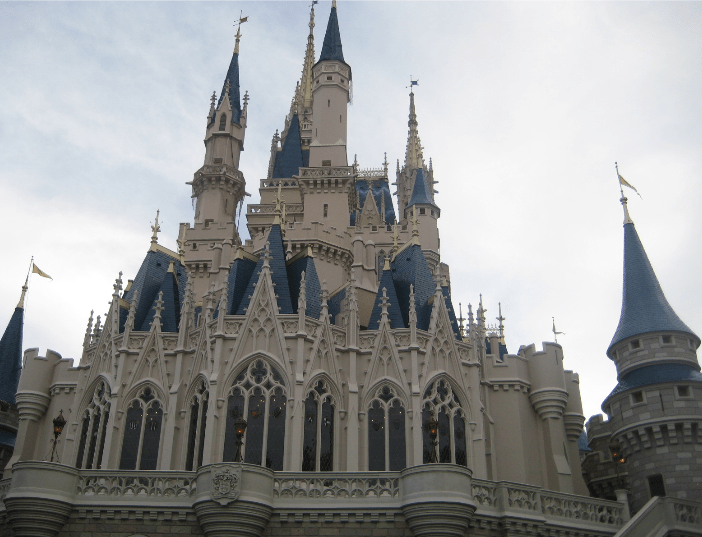
The meetings led to a revised employee development strategy of centralized activities controlled by the Disney University and decentralized activities under the control of the divisions.

At the center of the plan was Disney University. It is the keeper of the key, the company’s conscience regarding the Disney brand; it is responsible for setting the ‘big picture’ to ensure a consistent delivery of the product. The new-hire orientation ensures everyone coming on board knows the culture of the company. The decentralized portion of the training strategy is the responsibility of each operating division.

Thor Degelmann, Human Resource Development Manager, Walt Disney Company

And the result – by 1975, two years after the meetings began, the turnover rate at Walt Disney World had dropped from 83 percent to 28 percent, a 66 percent reduction in turnover.

The honeymoon was over, but the marriage would thrive.

Applying Van France’s Four Circumstances

Innovate – Support – Educate – Entertain

Crisis Management and Culture Change

  • In your organization, what is the equivalent of a honeymoon coming to an end?
  • Are senior team leaders fully engaged in the resolution process?
  • How could this turnaround strategy be improved?
  • What symbols represent the culture of your organization?
  • How could these symbols be used to help reinforce organizational culture and resolve crises?
  • How do you communicate important messages?
  • Are openness, honesty, and collaboration encouraged?
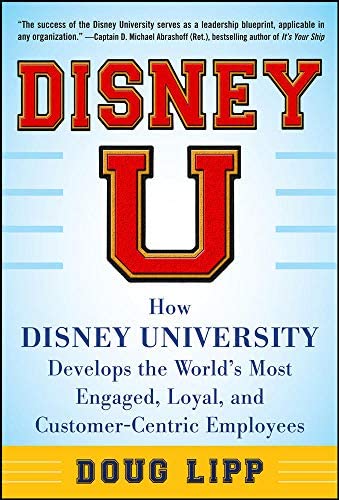
Inspired by and adapted from Disney U by Doug Lipp

Get the book TODAY to learn invaluable lessons for your Guest Experience Teams

Disney U is one of the most significant resources related to the Disney organization, leadership, team development, and Guest Experiences available. Over the last ten years, I’ve spent over 100 days on Disney properties. During observations, and in numerous conversations with Cast Members, I was reminded again and again of the importance of the training principles found in Disney U.

What will Disney do?

Revisiting the Leadership Qualities You Need to Assume the Legacy of Walt Disney

Note: This is a revised version of a post first published in early 2020. With the huge announcement earlier this week of the replacement of Disney CEO Bob Chapek by former CEO Bob Iger, I thought I would revisit the post before publishing a new one on the return of Bob Iger, what that means to the Disney company, and how hard it is to continue a founder’s vision.


For many people today, Walt Disney is not seen as a man, but instead as a nameless, faceless entertainment giant which owns the intellectual properties of the Disney Studios, Pixar Studios, Marvel, LucasFilms, and Fox. While that is all true, the man named Walter Elias Disney rose from humble beginnings to found the studio that bears his name in 1923.

After several years of barely scraping by and one disastrous setback, Disney put together a string of successes. By the early 1930s, Disney had reached what many industry leaders considered the pinnacle of success for an animated short features studio.

However, Walt Disney wasn’t at the top; he was just getting started.

I dream, I test my dreams against my beliefs, I dare to take risks, and I execute my vision to make those dreams come true.

Walt Disney

Not all visionaries are leaders, but all leaders are visionaries. You can’t lead people without a vision of where you are taking them.

What is your dream, your vision?

According to author Pat Williams, great leaders are people of vision. Without a vision, how will you know what success looks like? How will you know how to get there? Your vision is your definition of success.

Look at the quote by Walt Disney above: “I dream, I test my dreams against my beliefs, I dare to take risks, and I execute my vision to make those dreams come true.”

Author Pat Williams breaks the quote down as follows:

  • “I dream.” Walt began with a vision, a dream of the future.
  • “I test my dreams against my beliefs.” Walt made sure his vision was consistent with his beliefs, his core values, and his integrity.
  • “I dare to take risks.” He acted boldly, betting on himself to win.
  • “I execute my vision to make those dreams come true.” He focused all his energies, and those of his organization, on turning his dreams into reality.

Walt Disney died on December 15, 1966. Although the purchase of land for what would become Walt Disney World had been completed, infrastructure work had barely begun. After concentrating on theme parks for years, the quality of movies and animation had declined. Leadership of the company passed to several individuals for a few years, then to Michael Eisner for twenty years.

After rising through the ranks of ABC Television and Disney, Iger became the COO of Disney in 2000, and then in 2005, Iger was named chairman and then CEO of The Walt Disney Company.

Put yourself in Iger’s shoes, if you can imagine: How do you assume the legacy of Walt Disney?

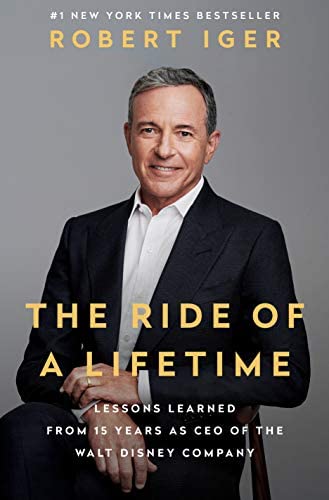
The Ride of a Lifetime: Lessons Learned from 15 Years as CEO of the Walt Disney Company, is that story.

In the fall of 2019, Robert Iger, chairman and CEO of the Walt Disney Company, released a memoir/leadership book, based on his forty-five year career in the media and entertainment world. 

Robert Iger became CEO of The Walt Disney Company in 2005, during a difficult time. Competition was more intense than ever and technology was changing faster than at any time in the company’s history. His vision came down to three clear ideas: Recommit to the concept that quality matters, embrace technology instead of fighting it, and think bigger—think global—and turn Disney into a stronger brand in international markets.

Today, Disney is the largest, most admired media company in the world, counting Pixar, Marvel, Lucasfilm, and 21st Century Fox among its properties. Its value is nearly five times what it was when Iger took over, and he is recognized as one of the most innovative and successful CEOs of our era.

In The Ride of a Lifetime, Robert Iger shares the lessons he learned while running Disney and leading its 220,000-plus employees, and he explores the principles that are necessary for true leadership.

This book is about the relentless curiosity that has driven Iger for forty-five years, since the day he started as the lowliest studio grunt at ABC. It’s also about thoughtfulness and respect, and a decency-over-dollars approach that has become the bedrock of every project and partnership Iger pursues, from a deep friendship with Steve Jobs in his final years to an abiding love of the Star Wars mythology.


“The ideas in this book strike me as universal” Iger writes. “Not just to the aspiring CEOs of the world, but to anyone wanting to feel less fearful, more confidently themselves, as they navigate their professional and even personal lives.”

My experiences from day one have all been in the media and entertainment world, but these strike me as universal ideas: about fostering risk taking and creativity; about building a culture of trust; about fueling a deep and abiding curiosity in oneself and inspiring that in the people around you; about embracing change rather than living in denial of it; and about operating, always, with integrity and honesty in the world, even when that means facing things that are difficult to face. 

Bob Iger

As Iger neared the end of his 45+ year career and began to think back on what he had learned, he came up with ten principles that struck him as true leadership:

Optimism – A pragmatic enthusiasm for what can be achieved.

Courage – The foundation of risk-taking is courage.

Focus – Allocating time, energy, and resources to the strategies, problems, and projects that are of highest importance and value is extremely important.

Decisiveness – All decisions, no matter how difficult, and and should be made in a timely way.

Curiosity – A deep and abiding curiosity enables the discovery of new people, places, and ideas.

Fairness – Strong leadership embodies the fair and decent treatment of people. Empathy and accessibility are essential.

Thoughtfulness – Taking the time to develop informed opinions.

Authenticity – Be genuine and honest. Truth and authenticity breed respect and trust.

Relentless pursuit of perfection – A refusal to accept mediocrity or make excuses for something being “good enough.”

Integrity – High ethical standards for all things, big and small.

How can Iger’s list of principles inspire you to be a better leader?


A little backstory on the acquisition book: This is the book everyone who has even a passing interest in the Disney Corporation was waiting for. Since becoming a part of Disney’s senior management team in 1996, and especially since becoming CEO in 2005, Iger’s ideas and the values he embraced have led to the reinvention and resurgence of one of the most beloved companies in the world. 

Under Iger’s leadership, Disney acquired four powerhouse companies – Pixar, Marvel, LucasFilm, and 21st Century Fox.

Iger donated proceeds of from his book to educational initiatives aimed at fostering more diversity in the field of journalism.

When the rumors of his book first came out in the fall of 2016, it went on my watch list, and true to Amazon’s promise, it was delivered the day it was released on September 23, 2019.

Handing off the CEO role to Bob Chapek in early 2020, Iger remained executive chairman (till the end 2020) and chairman of the Board of The Walt Disney Company (till the end of 2021).


And now coming soon, the sequel to Bob Iger’s leadership post of the Walt Disney Company…

(To be continued)

My 5-Generational Cohort Family is a Microcosm of Society

The legions of ancient Rome were composed of ten cohorts each: cohesive units of 300-600 men who trained, ate, slept, fought, won, lost, lived, and died together. The strength was their ability to think, act, and react as a unit. Though composed of individuals, training and socialization equipped them to behave as if of a single mind when called to battle. Social demographers, students of the effects of population on society, use the term cohort to refer to people born in the same general time span who share key life experiences – from setting out for school for the first time together through reaching puberty at the same time, to entering the workforce or university or marriage or middle age or their dotage at the same time.

The six primary generations of today’s American lifestyle span a remarkable slice of American and world history. Three major wars, countless minor (?) ones, economic booms and busts, social upheavals, rocketing technological achievement, and even stepping beyond our planet are among the milestones that have directly and indirectly shaped the times.

I count myself fortunate to have a direct connection to all six generations. To me, understanding more about how each of them think, feel, and act is not just a mental exercise – it’s a necessary part of life.

  • Builder Generation (1922-1945) My father and mother were born into the early part of this cohort. He entered military service just as WWII was ending; she was in college and then taught school; they were part of what some call “The Greatest Generation”. Think “American values” and you’ve got their number: civic pride, loyalty, respect for authority, and apple pie. My father passed away in 2012, and my mother in 2018. They may not be physically present with me, but who I am was shaped by their influence, and they impact me every day. Additionally, this cohort, as their generation moves into their twilight years, still controls a significant part of the economy and will continue to be influential in the years ahead outside of their numbers.
  • Baby Boomers (1946-1964) My wife and I are late Baby Boomers. Born in the latter 50s, we are a part of what was until recently the largest cohort in US history. For over thirty years, the sheer size of the Boomer generation defined the organization’s social landscape in a majority-rules cultural takeover. We were the civil rights, empowerment, and diversity generation. Never content with the status quo, we are always redefining what it means to be old and cool and important and successful.
  • Generation X (1965-1982) My oldest son and one of my daughters-in-law are Xers, even though they sometimes exhibit characteristics of the next cohort as well. Technologically adept, clever, and resourceful, the Xers are a deeply segmented, fragmented cohort. Their need for feed back and flexibility, coupled with the dislike of close supervision is but one of the many complex nuances of this generation. They are all about change- they’ve changed cities, homes, and even parents all their lives. Often seen as pessimistic with an edgy skepticism, many Xers are more positive about their personal future than the group as a whole.
  • Millennials (1983-2000) My other three children, two daughters-in-law, and a son-in-law all fall into this cohort. They are the children of the soccer moms and little League dads, and endless rounds of swim meets, karate classes, dancing lessons, computer camp and … you get the picture. They consider themselves the smartest, cleverest, healthiest and most-wanted group to have ever lived. Born into the technology boom times, barriers of time and space have little absolute meaning to them. They are willing to work and learn. By sheer numbers (their total births eclipsed the Boomers by several million) they are going to dominate history in new ways. They are the hyper-connected: constantly connected to multiple devices in order to know what and whom they need to know.
  • Generation Z (2001-2015) As the generation of the first six of my grandchildren, it is important to me to try to fully understand them. Technology is the hallmark of this group, which is the first generation to be raised in the era of smartphones and social media as a daily part of life. They’re growing up amid the promise of technological innovation – but also in the environment of economic uncertainty, a sharp decrease in well-defined and reliable career paths, increasing political divides, and the effect of decades of repressed racial tensions. The preeminent event of this cohort is the 9/11 attacks and the rise of terrorism around the world (and the U.S. response to it). Consequently, when compared to their predecessors, this group is both more cautious and more anxious.
  • Alpha Generation (2016-TBD) I have two grandchildren in this cohort, and there is one more on the way! While it is too early to define the characteristics of this cohort in any meaningful way, consider the early memories of children born since 2016: They will assuredly recall adult populations that were divided, diseased, and depressed. Their early years were launched alongside the large differences of the Trump and Biden administrations; their memories will be forever marked by the pandemic, ongoing political polarization, and increasing international unrest on a scale not seen since WWII.

There are some indications that generational cohorts repeat every four generations, so we’ll just have to see. Led by the thoughts of William Strauss and Neil Howe published in the late 1990s, this idea of “cycles” is getting more attention now that their predictions of today’s Millennial cohort are proving to be on target more often than not. That will definitely be my radar in the future!

An interesting fact, and the origin of the title of this website: there are 27 years between each of the first born in the above first three generations of my family, thus 27gen.

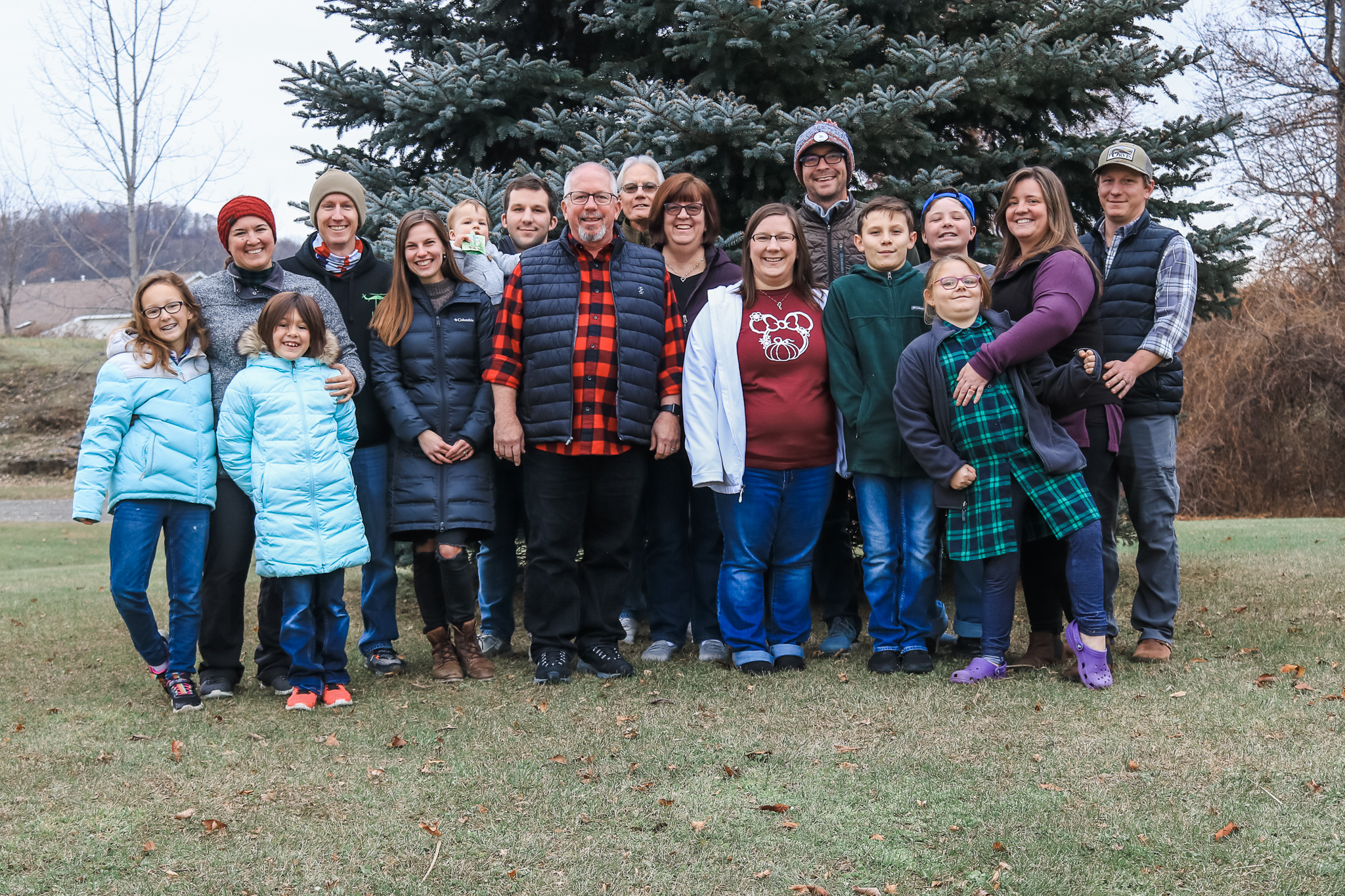
Here’s the last time all of #TheAdamsFamilyExperience was together in one place: Thanksgiving 2021, in Greenwich, NY.

The next five years are going to be very interesting as each of these five generations exert influence on each other. I will be actively watching my own microcosm of society.


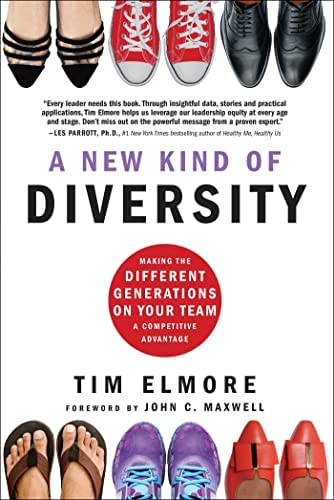
My latest reading on generations: The release of A New Kind of Diversity by Tim Elmore was much-anticipated. Elmore brings his decades of research and leadership experience to bear on what might be the biggest, most dramatic, and most disruptive shift the American workforce has ever seen: the vast diversity of several generations living—and working—together. 

For the first time in history, up to five generations find themselves working alongside each other in a typical company. The result? There can be division. Interactions between people from different generations can resemble a cross-cultural relationship. Both usually possess different values and customs. At times, each generation is literally speaking a different language!

Just in case you were wondering…

From time to time I get asked about the name of this blog. 

The quick answer? When I started this website in 2008, there were four generations of Adams boys alive, with an average of 27 years between them. 

Thus, 27gen – energized by the steady, deliberate journey in generational learning.

Our “history” spans the first transatlantic telephone call (from NYC to London) the year my father was born to smartphones now that connect the world in an instant.

In other words, there is a lot of history in play: things that have happened, things that are happening, and things that will happen.

And it is all connected.

Here’s a better explanation:

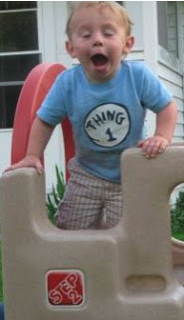
This is my son Jonathan, at two years of age, obviously having a good time at my parent’s house.

He’s now 41.

This is my grandson Jack (Jonathan’s son) at two years of age, obviously having a good time playing at his house.

He’s now 14.

Some things never change…

Some things are always changing…

I want to make sure I understand the difference.

Learn to Love Where You Live by Staying Loyal

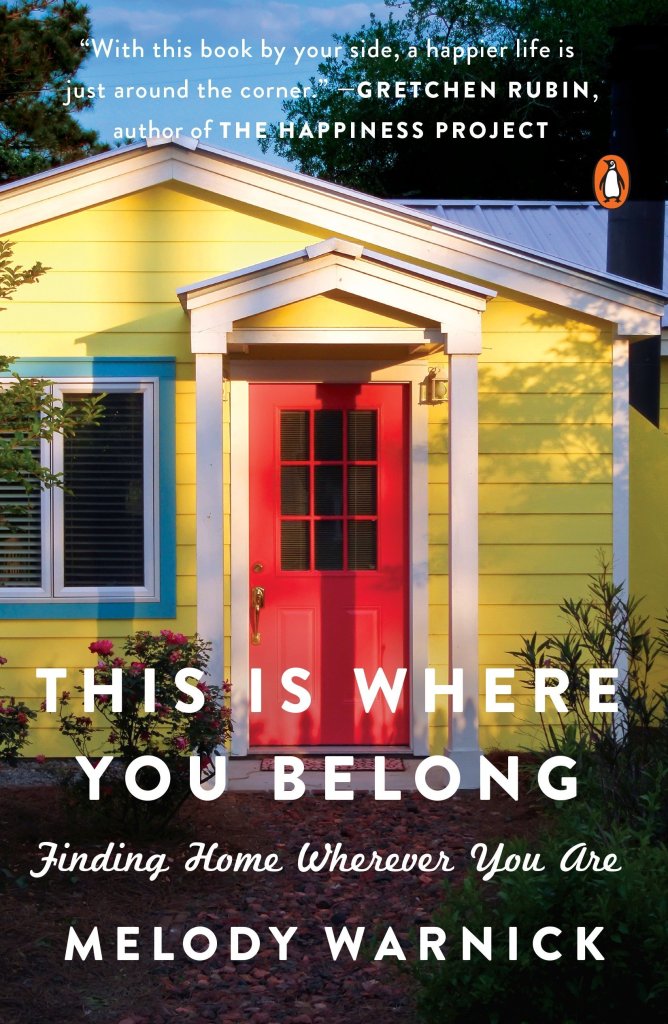
Today’s post is the tenth and final one in a series of posts over the past few weeks, taking a “deeper dive” into the concepts at the heart of Melody Warnick’s book, This is Where You Belong

Here is Warnick’s list of ten placement behaviors that she developed on the journey to “Love where you live.”

  1. Walk more
  2. Buy local
  3. Get to know your neighbors
  4. Do fun stuff
  5. Explore nature
  6. Volunteer
  7. Eat local
  8. Become more political
  9. Create something new
  10. Stay loyal through hard times

The trouble with place attachment is that to fall in love with a place is to risk losing it and grieving for it.

Melody Warnick

Author Melody Warnick believes that home is nothing more or less than the place where you feel at home and choose to stake yourself – and maybe not in that order. When we decide to plant roots, often the feeling of at-homeness follows.

The problem is that your town, wherever it is, will in all likelihood fall apart some day.

Warnick believes that what locals do next, after the disaster, is a key measure of how place attached we really are. How loyal will we be when things go wrong?

Warnick’s “Love Where You Live” experiments were used to test her hypothesis that actively seeking the good things in her town, investing her time and energy, and immersing herself in her surroundings would make her feel more like she belonged. For the most part, they had.

What she had never tested, and could not, was whether she had the mettle to make it through a crisis.

In her research of other places’ disasters or crises, she discovered the paradox of resilience: while anticipating Bad Things can make you feel antisocial, the aftermath of the actual event tends to increase social capital. The newfound ties developed during the crisis have the added benefit of making residents feel more rooted just at the moment they’re waffling between fight and flight.

Here are a few ideas from Warnick on Staying Loyal:

  • Create an emergency contact list for your neighbors. You’ll be one another’s first line of defense in case of disaster, with the added benefit that now you have their numbers to invite them to your Sunday Night Dinner.
  • Read about your town’s history so you’ll have a better sense of what it’s been through. Even small towns tend to carry local history books in their library.
  • Make your own personal resilience plan. Identify the most common shocks in your region – earthquakes, floods, wildfires – and figure out what you need to deal with them. You’ll feel less stressed if you know what to do when a Bad Thing happens.

I can’t emphasize this enough: If you like the idea of loving where you live, of being a better neighbor, or anything remotely connected, you MUST check out the work of Melody Warnick. Follow her on social media. Buy the book. Sign up for the newsletter on her website. Peruse the website for other articles she has written. It’s all PURE GOLD.

Learn to Love Where You Live by Creating Something New

Today’s post is the ninth in a series of ten posts, taking a “deeper dive” into the concepts at the heart of Melody Warnick’s book, This is Where You Belong

Here is Warnick’s list of ten placement behaviors that she developed on the journey to “Love where you live.”

  1. Walk more
  2. Buy local
  3. Get to know your neighbors
  4. Do fun stuff
  5. Explore nature
  6. Volunteer
  7. Eat local
  8. Become more political
  9. Create something new
  10. Stay loyal through hard times

The world, I realized, is full of people who say, “That would be fun.” What it needs is more people who say, “Let’s give it a whirl.”

Melody Warnick

In her “Love Where You Live” project, author Melody Warnick found that making cities prettier, more vibrant, or even cooler, can instill hope. According to one survey she found, living in a beautiful city is a more important predictor of personal happiness than objectively more consequential attributes like clean drinking water or safe streets.

In her research, Warnick found that created placemakers aren’t superheros. They’re usually average citizens – teachers, artists, entrepreneurs, lawyers, designers, activists, moms, dads, friends, neighbors – who decide to take matters into their own hands. They have a sense of what their city could be, and they love their place enough to try to change it, even a little bit.

Warnick found that when creative placemaking projects work well, they pull people together in interactions that build trust and a sense of community. Singing, chatting, drawing, painting, and howling together at a really bad joke are free, but they offer an astound return on investment in terms of their place attachment dividend.

Here are a few of the author’s ideas for Creating Something:

  • Find out what events are happening in your neighborhood – concerts, dance shows, festivals – and show up to as many as you can afford, even if it’s not your thing.
  • Throw a few bucks in the case whenever you see a busker in your town. There presence makes your hometown an interesting place to be.
  • Gather friends for an adventure and make something silly and creative happen in your neighborhood.
  • If you have it in you, be a creative initiator and organize a placemaking project in your town.

I can’t emphasize this enough: If you like the idea of loving where you live, of being a better neighbor, or anything remotely connected, you MUST check out the work of Melody Warnick. Follow her on social media. Buy the book. Sign up for the newsletter on her website. Peruse the website for other articles she has written. It’s all PURE GOLD.

Love Where You Live by Getting More Political

Today’s post is the eighth in a series of ten posts over the next few weeks, taking a “deeper dive” into the concepts at the heart of Melody Warnick’s book, This is Where You Belong

Here is Warnick’s list of ten placement behaviors that she developed on the journey to “Love where you live.”

  1. Walk more
  2. Buy local
  3. Get to know your neighbors
  4. Do fun stuff
  5. Explore nature
  6. Volunteer
  7. Eat local
  8. Become more political
  9. Create something new
  10. Stay loyal through hard times

If some small part of me might have once been reluctant about the wonkiness of a nine-week civics class, it had been overshadowed by the recognition that the Citizens Institute was exactly what you would do if you cared about your city.

Melody Warnick

As author Melody Warnick went through a nine-week Citizens Institute in her hometown, she came to two realizations:

  1. Good towns just don’t happen. They are planned into existence.
  2. Making decisions that keep all kinds of residents satisfied is incredibly difficult.

In her research she found support for this line of thought from various sources. “I think town employees are the unsung heroes,” says Rick Morse, an associate professor of public administration and government at the University of North Carolina at Chapel Hill, who studies citizens academies. “They’re always in the background working, and people don’t realize that all in their life is convenient and good because of what these other people do. For citizens, it’s kind of this aha moment: ‘Oh wow, these are good people, and they’re doing good things.'”

According to Warnick, the majority of Americans are crap at civic engagement, the process by which we citizen participate in the running of our town in an effort to make things better – happier – where we live. Very few of us get involved in local politics.

When you live in a town where people are not like you, politically or otherwise, you can feel isolated and alienated. The antidote, and the way to experience more place attachment where you live, is twofold.

First, learn to appreciate other residents for who they are and what they do for you – like Warnick did at the Citizens Institute.

Second, work with other to make good things happen in your town despite your differences.

Here are a few of the author’s ideas for Getting More Political:

  • Follow your mayor and city councilors on social media.
  • Join a local citizen’s academy (they go by many names).
  • Read a local news source online or in print to keep up with what’s happening in your town.
  • Download and use civic apps for your town.
  • Attend a city council meeting.

I can’t emphasize this enough: If you like the idea of loving where you live, of being a better neighbor, or anything remotely connected, you MUST check out the work of Melody Warnick. Follow her on social media. Buy the book. Sign up for the newsletter on her website. Peruse the website for other articles she has written. It’s all PURE GOLD.

Love Where You Live by Eating Local

Today’s post is the seventh in a series of ten posts over the next few weeks, taking a “deeper dive” into the concepts at the heart of Melody Warnick’s book, This is Where You Belong.

Here is Warnick’s list of ten placement behaviors that she developed on the journey to “Love where you live.”

  1. Walk more
  2. Buy local
  3. Get to know your neighbors
  4. Do fun stuff
  5. Explore nature
  6. Volunteer
  7. Eat local
  8. Become more political
  9. Create something new
  10. Stay loyal through hard times

Good food makes cities wealthier and more compelling, but there’s another reason why what we eat makes us love where we live. Food has an inimitable sensory power to connect us to a place.

Melody Warnick

And a starting point for eating local, according to author Warnick, is you local farmers’ market:

  1. The kinds of small, slow transactions that farmers’ markets represent the slow, “French-village” way to shop, filling your arms with the food you will eat for dinner tonight.
  2. Buying your groceries at the farmers’ market returns more money to the town you live in.
  3. The farmers’ market is decidedly social. Some studies show that at community farmers’ markets, people had ten times as many conversations than they did in supermarkets.

If not buying local, what about growing your own food? Studies that people who garden or farm have higher levels of neighborhood attachment; the act of literally putting down plant roots extends metaphorical ones as well.

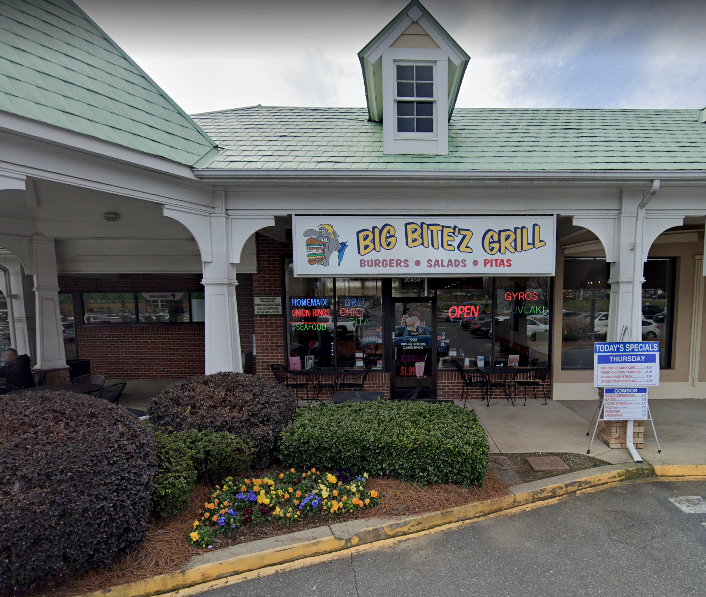
Then there’s the path of becoming a “regular” at a local restaurant. My regular Tuesday or Wednesday lunch takes place at Big Bite’Z Grill in Cornelius, NC – here’s the story.

In Warnick’s story of choosing a restaurant to eat local, the most telling comment is this:

Perhaps, I thought, being recognized didn’t matter as much as doing the recognizing. So what if I ordered the same chicken cashew sandwich five times in a row and an employee didn’t congratulate me on my steadfastness? I could still enjoy feeling like it was my sandwich, the same way I could still feel this was my restaurant, even if no one who worked there cared.

Here are a few of the author’s ideas for Eating Local:

  • Find a place in your hometown to become a regular.
  • Shop regularly at your farmers’ market.
  • Plant a garden, big or small.
  • Follow local restaurants on social media, and support them there.

All over this country are would-be “third places” – not just coffee shops and diners but potlucks, church dinners, and chili cookoffs – that can make us feel like we belong where we live.

Make them your own.


I can’t emphasize this enough: If you like the idea of loving where you live, of being a better neighbor, or anything remotely connected, you MUST check out the work of Melody Warnick. Follow her on social media. Buy the book. Sign up for the newsletter on her website. Peruse the website for other articles she has written. It’s all PURE GOLD.

Don’t You Want to Be Where Everybody Knows Your Name?

It was a scene straight out of the sitcom Cheers, repeated weekly from September 1982 to May 1993.

Many of you will be able to add the soundtrack to the image above. In case you haven’t yet discovered this classic series of 80’s comedy, it’s “Norm” – the one-word greeting given to the supporting character of Norm Peterson, played brilliantly by George Wendt. Norm is a Cheers bar regular and occasionally-employed accountant. A recurrent joke on the show, especially in the earlier seasons, was that the character was such a popular and constant fixture at the bar that anytime he entered through the front door everyone present would yell out his name (“NORM!”) in greeting.

Except this time, and in a different place, it was me.

For years I have been a regular, weekly customer of Big Bite’z Grill in Cornelius, NC. I call it my “Lunch and Learn” and it usually occurs on Tuesdays (sometimes Wednesdays). The first stop is at my library to drop off and pick up books. Then, it’s a short drive to the restaurant. I try to arrive early, both to avoid the lunch rush and to claim my table – it’s the two-top all the way in the back, next to the kitchen door. While there, I not only have a great lunch, but make connections with the staff and a chance to skim a new book just picked up.

My food order on these visits is always the same: buffalo chicken pita, onion rings, and until recently, a Mountain Dew. Everyone, from the owner John, counter servers Carolyn or Demetri, to the cooks in the kitchen know my order. Most days, the cooks have already started the order when they see me walking across the parking lot. When I walk in the front door, it’s already being rung up. If John is busy, he will bring me the food when it’s ready and I’ll pay before leaving.

I’m one of the hundreds of “regulars” that frequent Big Bite’Z throughout the week. On my regular day, I can pretty much count that “Coach” will be coming in as I am leaving. One or two of the regular vendors are finishing up John’s orders for the week. There’s the construction crews that rotate in and out to the patio seating. Over there are Cornelius policemen, regular customers like me. Nowadays, there is a constant stream of nearby workers who come in to pick up a carryout, along with various food delivery orders.

If it’s not too busy, I will always have an ongoing conversation with John about the current state of the world. Carolyn keeps me up to date on her family, as well as keeping my drink filled. Even when it is busy, one or both of them makes it a point to stop by my table, just to chat even if just for a short while.

I’ve been writing about this phenomena for some time. It’s a little different application, but it’s also true at Big Bite’z. In the words of author Melody Warnick:

It’s a symbiotic relationship. Restaurant staff make customers feel like they’ve wandered into the proverbial Cheersian establishment where everybody (or at least somebody) knows their name. Customers, in turn, treat their favorite restaurants as hangout spots that are neither home nor work but something in between – what sociologist Ray Oldenburg, terms a “third place.” “At the risk of sounding mystical,” says Oldenburg, “I will contend that nothing contributes as much to one’s sense of belong to a community as much as ‘membership’ in a third place.”

Melody Warnick, This is Where You Belong

During the early weeks of our local distancing restrictions in the spring of 2020, I made it a Saturday lunch practice to take orders from four-five of our neighbors, call in the order, and drive over to pick the orders up and drop them off on our neighbor’s front porch. I also continued my weekly Lunch and Learn visits, but with take out. Later in the summer, when the restrictions were eased to allow 50% seating, I returned to my weekly visit to the restaurant.

All that changed the last week of October 2020 upon learning that I had been unknowingly exposed to COVID-19 the weekend before. I immediately quarantined in our house. The next day I tested negative, and after experiencing symptoms, I tested negative again twice more over the few days later (eventually I tested positive). For the next five weeks, my world was our house. Without going into details, I exhibited literally all the CDC list of symptoms during the first two weeks, and following that, had two virtual visits with my PCP, which culminated in a day spent in the ER. While I recovered from the initial symptoms, earlier this year after another hospital stay, I became an official “long-hauler,” and am participating in our local hospital’s Long Term COVID Clinic studies. I have returned to an outside, though restricted, life. Fatigue and other symptoms are a regular part of my life.

Back to mid-December of 2020: It was with much anticipation, and maybe a little trepidation, that I pulled into the parking lot at Big Bite’z for my first visit in over five weeks.

When I walked in the door, I saw two big smiles, heard “Bob,” and immediately my order was called out to the kitchen, the cooks acknowledging me with big smiles.

Everybody wanted to know why I had been absent, and what happened, and was everything ok. It was a genuine, heartfelt connection, not just as a customer, but more – a friend.

After the initial conversations, it was as if the five weeks had not occurred. John stopped by my table two or three times with his latest opinion on what was going on. Carolyn was so kind as usual, and the kitchen conversations in Greek and Spanish just behind me were as reassuring as they were humorous.

I was back, and to my friends at Big Bite’z, I was missed, and welcomed back as if I had never been gone.

This has been a long and personal story, with only one question for you to consider:

How are you going to welcome back regulars when they return?

Love Where You Live by Volunteering

Today’s post is the sixth in a series of ten posts over the next few weeks, taking a “deeper dive” into the concepts at the heart of Melody Warnick’s book, This is Where You Belong.

Here is Warnick’s list of ten placement behaviors that she developed on the journey to “Love where you live.”

  1. Walk more
  2. Buy local
  3. Get to know your neighbors
  4. Do fun stuff
  5. Explore nature
  6. Volunteer
  7. Eat local
  8. Become more political
  9. Create something new
  10. Stay loyal through hard times

There are a million good reasons to volunteer, one of them being that “you don’t have to move out of your neighborhood to live in a better one,” as urban activist Majora Carter has said. Falling in love with where you live is simply a side benefit.

Melody Warnick

According to author Melody Warnick, volunteering in your hometown gives you a double-whammy benefit: Helping out makes you feel better while simultaneously making your city a better place to live. What’s good for your community is good for you.

One of the by-products of volunteering in and for your city can be a sense of “place identity.” The idea is that, in the same way you might self-identify as a parent or a lawyer or a dog lover, volunteering helps you see yourself as a valuable part of your town. You join the collective “we” of your place, a sentiment that’s summed up tidily in this statement from the place attachment scale: “Where I live tells you a lot about who I am as a person.”

Here are a few of the many ideas in her book:

  • Consider the things about your area that break your heart, like the homeless guy on the ben or the packs of teenagers you see shuffling around at loose ends.
  • Find a place to volunteer. Big cities have lots of opportunities. Small towns often have their own volunteer centers. Check out the local branch of the United Way.
  • Perform random acts of kindness, either on a special day like your birthday or a day you’re bored.
  • Donate to a cause, and make it a family project by saving change in a jar. Let the family decide where the donation will go.

I can’t emphasize this enough: If you like the idea of loving where you live, of being a better neighbor, or anything remotely connected, you MUST check out the work of Melody Warnick. Follow her on social media. Buy the book. Sign up for the newsletter on her website. Peruse the website for other articles she has written. It’s all PURE GOLD.