The Perennial Paradigm: Shaping the Future Beyond Age

In today’s world, the acceleration of megatrends – increasing longevity and the explosion of technology among many others – are transforming life as we now know it.

In The Perennials, bestselling author of 2030 Mauro Guillén unpacks a sweeping societal shift triggered by demographic and technological transformation. Guillén argues that outmoded terms like Boomers, Gen X, Millennials, and Gen Z have long been used to pigeonhole us into rigid categories and life stages, artificially preventing people from reaching their full potential. A new postgenerational workforce known as “perennials” – individuals who are not pitted against each other either by their age or experience – makes it possible to liberate scores of people from the constraints of the sequential model of life and level the playing field so that everyone has a chance at living a rewarding life. Guillén unveils how this generational revolution will impact young people just entering the workforce as well as those who are living and working longer.

This multigenerational revolution is already happening and Mauro Guillén identifies the specific cultural, organizational and policy changes that need to be made in order to switch to a new template and usher in a new era of innovation powered by the perennials.

The Future Belongs to Perennials: Perennials – individuals defying age stereotypes – are shaping the future across various aspects of life. The aging population, with longer life expectancies, is gaining prominence in the workforce, consumption, and social influence. Retirement is evolving into a period of learning, freelancing, and flexible employment. Technology and a perennial mindset are opening new opportunities for active seniors.

Reducing Intergenerational Friction: Breaking away from the traditional sequential model of life reduces conflicts between generations. More elderly people working lessens the tax burden on the young and fosters intergenerational collaboration. Lifelong learning also promotes better understanding between age groups.

Transforming the Global Economy: Multi-generational households and workplaces are revolutionizing society. They reduce poverty, revolutionize real estate, aid childcare and elderly care, and boost productivity through mentorship and diversity. This shift can address pension financing issues and enhance GDP growth potential.

Leveling the Playing Field: A post-generational society with perennial values can combat ageism and provide equal access to essentials like education, healthcare, employment, and housing. It offers opportunities for those who face setbacks in the traditional life model.

Evolving Work and Careers: The future of work includes multi-generational environments, multiple careers, and lifelong learning. Technology assists in managing work-life balance. Adapting to this change requires developing skills for effective collaboration with technology and enhancing social, negotiation, teamwork, and emotional intelligence skills.


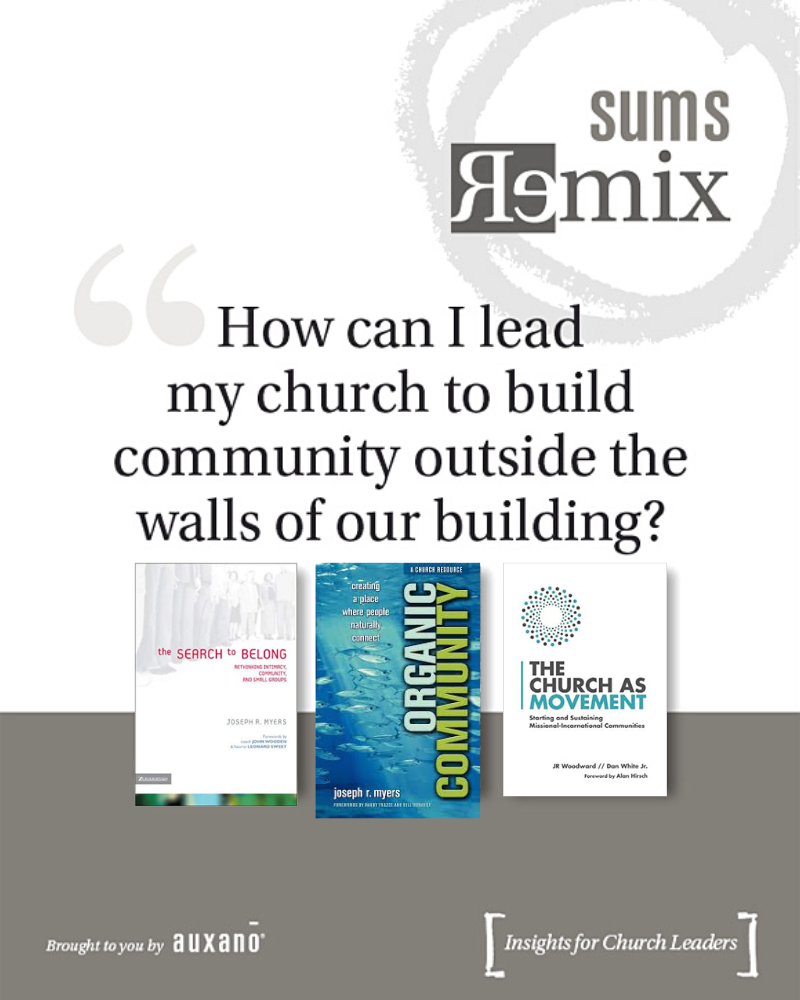
Lead Your Church to Build Community Outside the Walls of Your Building

According to church planter and coach Linda Bergquist, because our lives are already filled with church activities, “neighbor-sphere” friendships continuously elude us. However, when Jesus talked about our becoming salt and light, it was the macrocommunity of people who make up our everyday existence of which He spoke.

It means that we need to figure out how to engage and participate in our larger communities in a healthy way. Being good is not enough; it is a poor imitation of doing good toward others.

The fact that such a small percentage of church members, including leaders, have so little time for people outside their own small group of friends means that something is not working.

This issue of SUMS Remix looks at solutions that will help you lead your church to build community outside the walls of your building. The solutions include: 


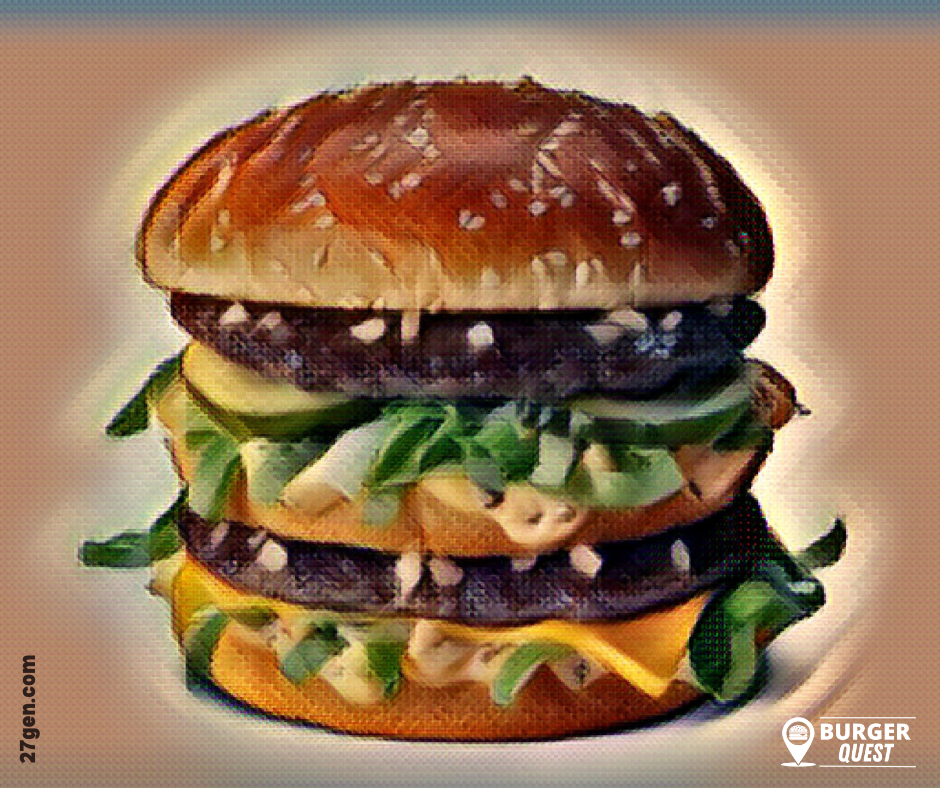
Bun Brilliance: Unveiling the Essence of the Ultimate Burger Bun

In the gastronomic universe of the burger, where flavors fuse and textures entwine, there is a quiet star that often steals the show—the bun. This seemingly simple component is the unsung hero, holding together the symphony of flavors within. Any serious look at the burger has to include a journey into the world of burger buns, unraveling their significance, exploring their diverse forms, and discovering how they wield the power to elevate the burger experience to unparalleled heights.

The Pillar of Burger Perfection

The bun is more than just a vessel—it’s the foundation upon which burger excellence is built. Its role extends beyond holding the contents together; it acts as a canvas for the harmonious interplay of flavors and textures. A great bun is like a great stage—it lets the performers shine while providing a solid structure for the grand show. The choice of bun can be the difference between a satisfactory meal and an extraordinary culinary journey.

A Spectrum of Buns: From Classic to Artisanal

Burger buns, much like the burgers themselves, come in a delightful array of forms. The classic soft brioche bun offers a gentle embrace for the patty, complementing its juiciness with a tender, slightly sweet texture. Sourdough buns add a tangy dimension, enhancing the overall flavor profile. And then there are the artisanal creations—pretzel buns, ciabatta rolls, and even lettuce wraps for those embracing low-carb alternatives. Each bun brings its unique character, introducing a diverse spectrum of tastes and textures.

Texture and Flavor: A Multi-sensory Dance

The bun’s texture is a key player in the burger symphony. A soft bun might yield to the pressure of the patty, creating a harmonious marriage of flavors, while a crustier bun introduces an intriguing contrast. But it’s not just about texture; the bun contributes its own flavor notes to the ensemble. A subtly sweet brioche bun enhances the overall sweetness, while a rustic ciabatta bun adds a touch of earthiness. The bun’s flavor and texture, much like a skilled instrumentalist, join the composition with finesse.

The Bun-Patty Symbiosis

The bun-patty relationship is a delicate dance—a symbiosis that can either elevate or undermine the burger experience. A bun that’s too dense or overwhelming might overpower the flavors within. Conversely, a bun that’s too flimsy could disintegrate under the patty’s weight. Achieving the perfect balance—a bun that holds its form without being intrusive—is the holy grail of burger crafting.

Elevating the Burger Experience

Burger enthusiasts understand that the search for the ultimate burger bun is a quest for perfection. It’s a quest that considers not just taste, but texture, aroma, and how the bun complements the entirety of the burger’s ensemble. It’s a recognition that the bun is more than a mere accessory; it’s a co-protagonist in the burger narrative, adding depth and character to every bite.

So, as you sink your teeth into that next perfectly crafted burger, take a moment to appreciate the role of the bun—a humble yet significant component that transforms a meal into a sensory masterpiece. The bun is the unsung symphony behind every bite, and it’s a testament to the intricate artistry that defines the world of burgers—a world where every element, from the patty to the bun, plays its part in creating a culinary masterpiece.


Still hungry?

From Drive-Thru to Cultural Icon: The Story Behind In-N-Out Burger

Burgerology: The Art and Science of the Perfect Patty

Flipping History: How McDonald’s Shaped the Hamburger’s Popularity

Indulging in Burger Bliss: A Quest for Culinary Perfection

White Castle: The Trailblazing Pioneer of Fast Food

Bite Into Tradition: The Best Loved Regional Burger Chains in the Country

Burger Beast Unleashed: The Ultimate Tribute to Burgers in Sef Gonzalez’ Book

Sink Your Teeth into “The Hamburger”: A Culinary Journey by Josh Ozersky

Burger Magic: Exploring the Universal Fascination Behind America’s Favorite Dish

My Quest for the Perfect Hamburger: A Literary, Culinary, and Arbitrary Journey in Pursuit of America’s Iconic Delight

A Tantalizing Top of the Stack, Made to Order

Before Burger Quest

From Drive-Thru to Cultural Icon: The Story Behind In-N-Out Burger

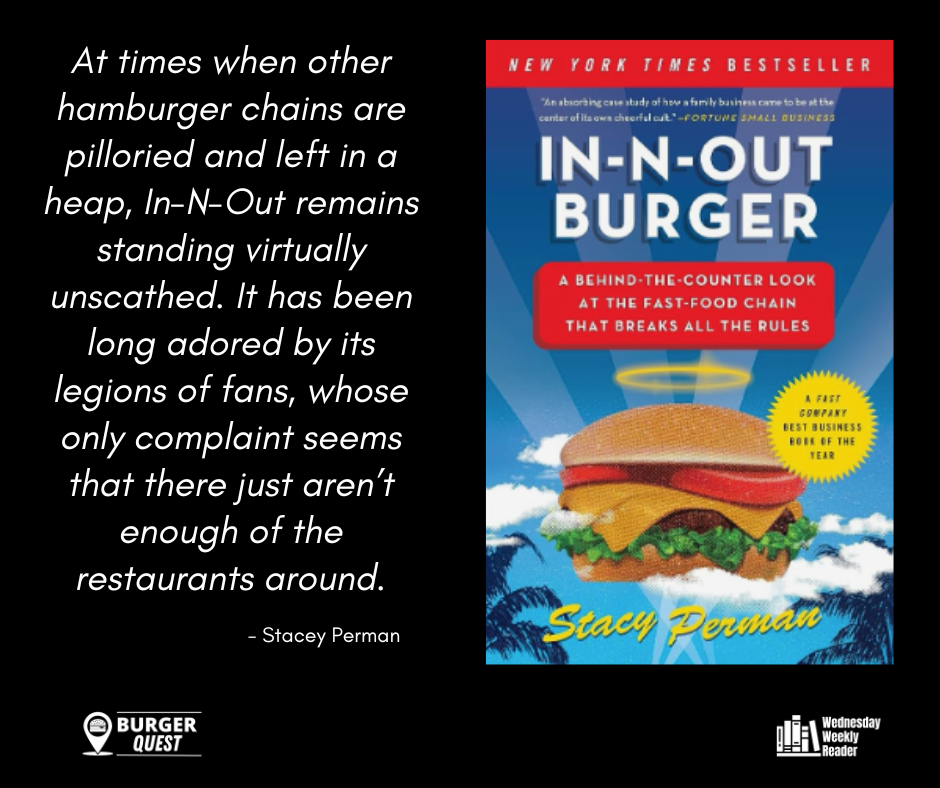
A behind-the-counter look at the fast-food chain that breaks all the rules, Stacy Perman’s In-N-Out Burger is the New York Times bestselling inside story of the family behind the California-based hamburger chain with a cult following large enough to rival the Grateful Dead’s. A juicy unauthorized history of a small business-turned-big business titan, In-N-Out Burger was named one of Fast Company magazine’s Best Business Books of 2009, and  Fortune Small Business insists that it “should be required reading for family business owners.

Stacy Perman’s In-N-Out Burger is a savory literary treat that delves deep into the history, culture, and enduring allure of a fast-food phenomenon that has captured the hearts and taste buds of millions. In this meticulously researched book, Perman uncovers the intriguing story behind the success of In-N-Out Burger, weaving together a narrative that is as satisfying as the restaurant’s legendary Double-Double.

With a captivating blend of storytelling and investigative journalism, Perman brings to life the journey of the Snyder family, the visionary founders of In-N-Out Burger. From the humble beginnings of a single drive-thru in Southern California to its iconic status as a cultural icon, the book traces the brand’s evolution with a focus on the values that have set it apart.

One of the book’s strengths is its ability to capture the essence of In-N-Out’s food philosophy. Perman not only describes the flavors and freshness of the menu items but also peels back the curtain on the restaurant’s commitment to quality. The meticulous attention to detail, from the sourcing of ingredients to the preparation methods, reflects the family’s dedication to serving an exceptional burger experience. This attention to craft resonates with food enthusiasts who seek more than just a quick meal.

Perman also delves into the brand’s fascinating culture, which sets In-N-Out apart in an industry often characterized by rapid turnover and uniformity. The author explores how the company’s dedication to its employees, simple menu, and classic aesthetic have created a loyal following that spans generations. This deep-rooted connection between In-N-Out and its customers is a testament to the company’s ability to maintain its authenticity while expanding into a rapidly changing fast-food landscape.

While In-N-Out Burger is a captivating read that offers a wealth of insight into the brand’s journey, there are a few moments where the narrative can feel overly detailed, potentially overwhelming readers who are looking for a more concise overview – but not for burger lovers! Additionally, a broader exploration of the brand’s challenges and controversies could have added a more balanced perspective to the story. [Note: Lynsi Snyder, granddaughter of In-N-Out founders and now president, is releasing her book The Ins and Outs of In-N-Out in October – a review will becoming here shortly thereafter!]

In conclusion, In-N-Out Burger by Stacy Perman is a flavorful journey through the history and ethos of a fast-food legend. Perman’s writing skillfully captures the essence of what makes In-N-Out Burger a beloved institution, resonating with both loyal fans and those who are curious about the stories behind their favorite comfort foods. For anyone with a fondness for a well-crafted burger and a desire to understand the behind-the-scenes magic of a successful culinary enterprise, this book is a satisfying and enlightening read.


Still hungry?

Burgerology: The Art and Science of the Perfect Patty

Flipping History: How McDonald’s Shaped the Hamburger’s Popularity

Indulging in Burger Bliss: A Quest for Culinary Perfection

White Castle: The Trailblazing Pioneer of Fast Food

Bite Into Tradition: The Best Loved Regional Burger Chains in the Country

Burger Beast Unleashed: The Ultimate Tribute to Burgers in Sef Gonzalez’ Book

Sink Your Teeth into “The Hamburger”: A Culinary Journey by Josh Ozersky

Burger Magic: Exploring the Universal Fascination Behind America’s Favorite Dish

My Quest for the Perfect Hamburger: A Literary, Culinary, and Arbitrary Journey in Pursuit of America’s Iconic Delight

A Tantalizing Top of the Stack, Made to Order

Before Burger Quest

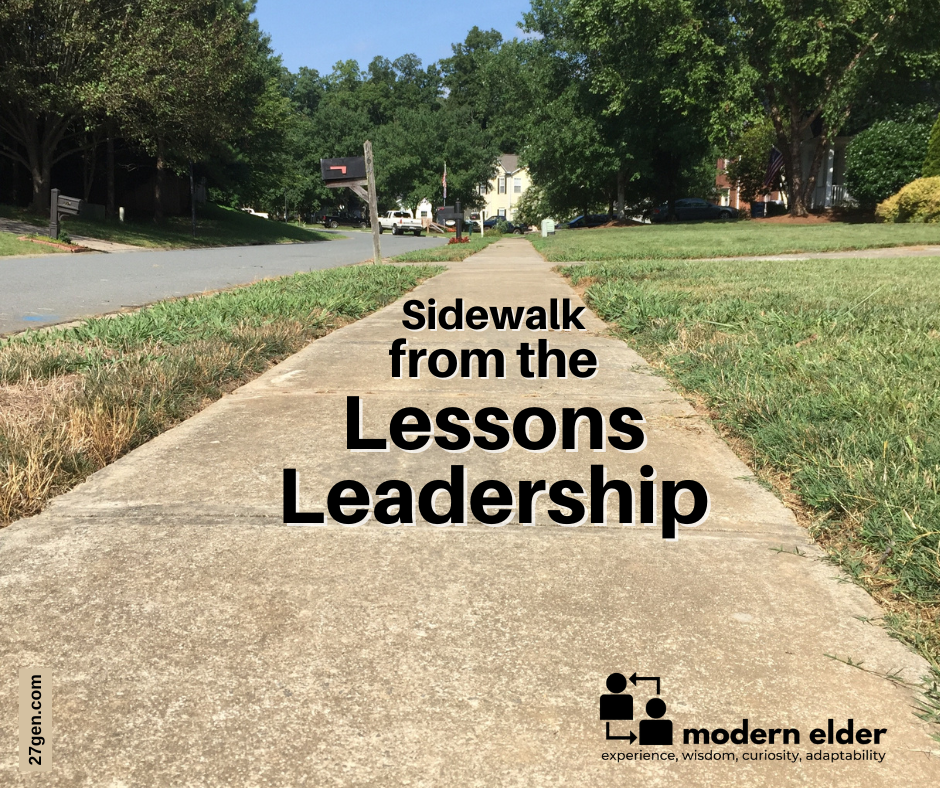
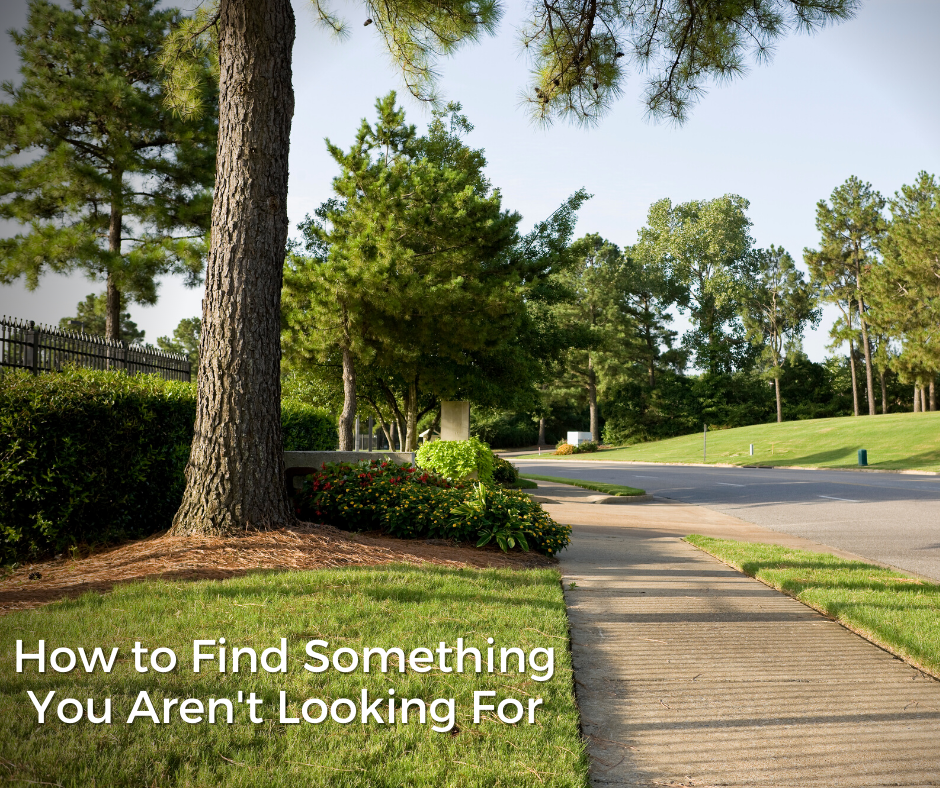
Leadership Lessons from the Sidewalk

In a recent post on walking unplugged, I mentioned that I would be walking the next day with my feet.

I wasn’t trying to be flippant – I was merely stating that your feet can tell you a lot about where you’re walking, and what you’re walking on, and in the process, you can learn a lot.

With that going through my head, I began my walk – and it wasn’t long before I realized Leadership Lessons the sidewalk could teach me.

In a short walk through my neighborhood, I felt and observed the following:

  • Raised Sidewalk – visible, growing tree roots: Leaders should always be looking for obscure things that may trip them up.
  • Sunken Sidewalk – hidden sources of erosion: Leaders should be cautious of unseen things that will bring them down and stunt their capabilities.
  • New Sidewalk Section – replacing to make it functional again: As your leadership grows and matures, you can count on learning new ways to do some things better.
  • Clean Sidewalk – appearances matter: Leaders must present themselves in the best manner possible, which instills confidence.
  • Dirty, Stained Sidewalk – see above: Conversely, sloppy appearances give others pause.
  • Cracked Sidewalk – too heavy a load: Leaders aren’t super heroes, and must balance the “load” they carry.
  • Grass in Sidewalk – maybe lazy, but at least distracted: Leaders who allow interruptions won’t be able to focus.
  • Grass growing over the Sidewalk – know your boundaries: Leaders know that boundaries help focus attention and align teams.
  • Sidewalks – take you somewhere: Leaders don’t fly solo; they must take others with them.
  • Sidewalks – make your journey easier: Well-prepared leaders are in a better position to help others on the journey.
  • Sidewalks – make your journey safer: Leaders watch out for the safety and welfare of others.
  • Sidewalks – lift you above the road: Leaders must rise above their surroundings.

In their civic role, sidewalks play a vital purpose in city, town, and suburban life. As conduits for pedestrian movement and access, they enhance connectivity and promote walking.  Safe, accessible, and well-maintained sidewalks are a fundamental and necessary investment.

But for me, they provide great leadership lessons.

And of course, I couldn’t resist sharing Shel Silverstein’s most appropriate poem:

“There is a place where the sidewalk ends
And before the street begins,
And there the grass grows soft and white,
And there the sun burns crimson bright,
And there the moon-bird rests from his flight
To cool in the peppermint wind.

Let us leave this place where the smoke blows black
And the dark street winds and bends.
Past the pits where the asphalt flowers grow
We shall walk with a walk that is measured and slow,
And watch where the chalk-white arrows go
To the place where the sidewalk ends.

Yes we’ll walk with a walk that is measured and slow,
And we’ll go where the chalk-white arrows go,
For the children, they mark, and the children, they know
The place where the sidewalk ends.”

― Shel Silverstein, Where the Sidewalk Ends


How to Take a Walk With All Your Senses

Welcome to the age of white noise.

We live our lives in a constant tether to phones, to apps, and to social media – mostly acquiescing to FOMO.

In this age of distraction, the ability to experience and be present is often lost, as is our capacity to think and to see and to listen.

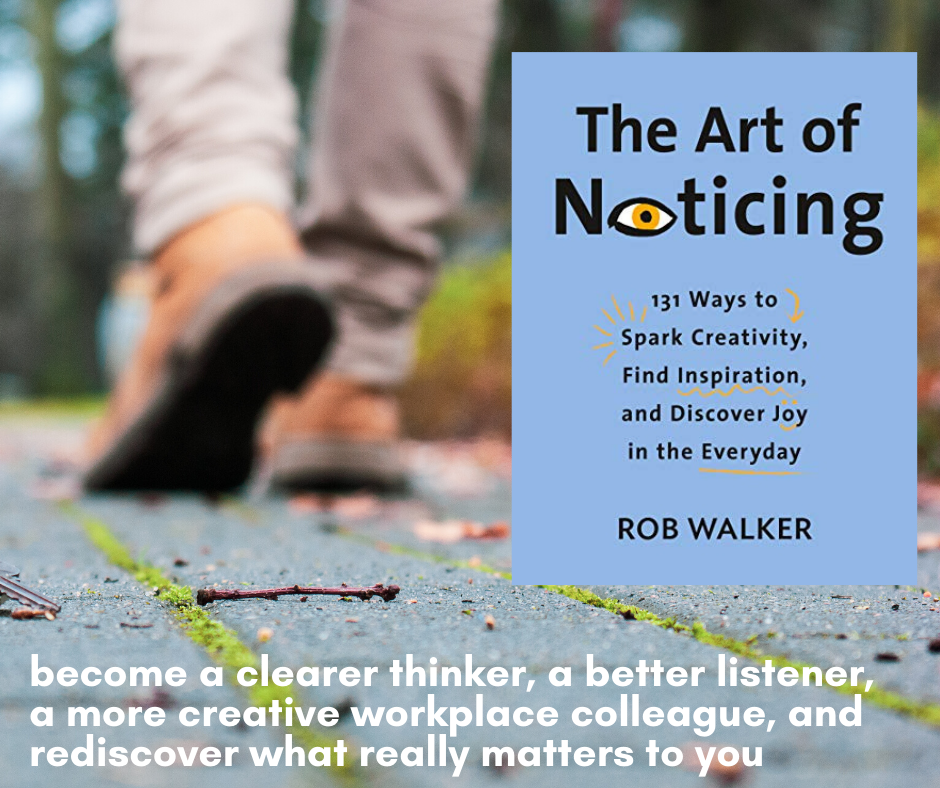
Rob Walker, The Art of Noticing

In an effort to battle this, I’m inviting you to join me in taking a walk – with all your senses.

In short, I want you to pay attention.

At a basic level, paying attention is simply making a selection among all the stimuli bombarding you at any moment.

Even if we ignore most of what is going on around us, we can only take in so much of the world at a time. Our sensory system has a limited capacity, both in range and in speed of processing.

The sensory system I’m referring to are your five classical senses: sight, sound, touch, taste, and smell.

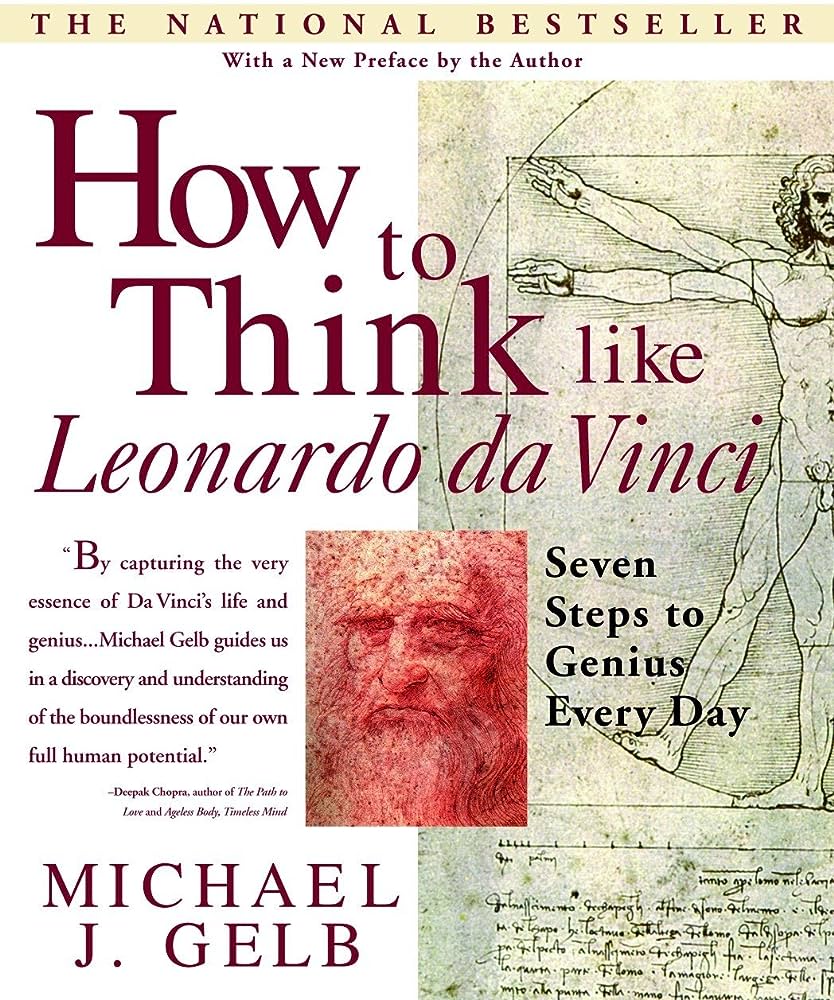
Limited capacity aside, many times we unfortunately ignore the parts that are available to us. Leonardo da Vinci reflected sadly that the average human:

“looks without seeing, listens without hearing, touches without feeling, eats without tasting, moves without physical awareness, inhales without awareness of odor or fragrance, and talks without thinking.”

A Brief Primer on How Our Senses Work

Sound The outer ear catches and channels sound waves to the middle ear, which contains three tiny bones. These bones vibrate, transmitting the sound the inner ear, where thousands of hair cells are stimulated by the movement of the fluid within the inner ear. An electrical impulse is transmitted along the hearing nerve to the brain creating the sensation of hearing.

Sight The experience of sight begins when photons from the world hit the lens of our eye, and get focused onto over 130 million receptor cells on the retina. These receptor cells convert incoming light into electrical signals to be sent to the brain, making sight possible.

Smell Every day we are confronted with a smorgasbord of smells. Our five million olfactory cells can sniff out one molecule of odor-causing substance in one part per trillion of air. We take about 23,000 breaths per day processing about 440 cubic feet of scent-laden air.

Touch Our bodies have more than 500,000 touch detectors and 200,000 temperature sensors. Each of these sensors gathers sensory information and relay it through specific nerve bundles back to the central nervous system for processing and possible reaction

Taste The complex process of tasting begins when tiny molecules released by the substances around us stimulate special cells in the nose, mouth, or throat. These special sensory cells transmit messages through nerves to the brain, where specific tastes are identified.

Enough of the science lab! God designed our bodies to sense, interpret, and react to the millions of stimuli that occur around us every day.

What do you miss, every day, right in front of you, while walking around the block?

I was paying so little attention to most of what was right before me that I had become a sleepwalker on the sidewalk. What I saw and attended to was exactly what I expected to see. That attention invited attention’s companion: inattention to everything else.

Alexandra Horowitz, On Looking

inspired by Alexandra Horowitz’s On Looking

and Rob Walker’s The Art of Noticing

and Michael J. Gelb’s How to Think Like Leonardo da Vinci


Part of a regular series on 27gen, entitled Wednesday Weekly Reader

During my elementary school years one of the things I looked forward to the most was the delivery of “My Weekly Reader,” a weekly educational magazine designed for children and containing news-based, current events.

It became a regular part of my love for reading, and helped develop my curiosity about the world around us.

Learn to See God at Work in Your Neighborhood

Note: As the original issue of this SUMS Remix was being prepared in March 2020, most of the United States was under some type of mandate restricting movement. Typically called “physical distancing,” the intent is to minimize the chances of the coronavirus being spread by maintaining a distance of at least six feet when you are in public settings.

However, even if “physical distancing” (the more correct term) is no longer required, “social interaction” is needed more now than ever before. 

Efforts taken to slow the spread of the coronavirus should encourage strengthening social ties while maintaining that physical distancing.

Therefore, some of this content may not be applicable under current restrictions in your community; however, the intent is critical in moving forward as we demonstrate hospitality to our neighborhoods, in every season

According to Rosaria Butterfield, 

Christians are called to live in the world but not live like the world. Christians are called to dine with sinners but not sin with sinners. 

She adds,

We live in a world awash with counterfeit hospitality. Knowing the difference between the grace of God and its counterfeit is crucial to Christian living.

Hospitality shares what there is; that’s all. It’s not entertainment. It’s not supposed to be.

This issue of SUMS Remix looks at solutions that will help you understand and practice hospitality in and through your home. The solutions include: 


Burgerology: The Art and Science of the Perfect Patty

Burgers: they are more than just a meal; they are a culinary experience that bridges the gap between comfort and sophistication. Behind that delectable bite lies a world where art and science converge – the realm of crafting the perfect patty. On this step of #BurgerQuest, we look at burgerology, delving into the intricate technical aspects that transform a humble stack of ingredients into a mouthwatering masterpiece.

The Pursuit of Quality

Crafting the perfect patty isn’t just about technique—it’s a pursuit of quality that begins with the choice of ingredients. Freshly ground beef isn’t just a preference; it’s a commitment to the finest flavors and a dedication to culinary excellence. It’s an acknowledgment of the fact that the best burger experiences are rooted in the alchemy of prime ingredients, handled with care and precision.

Meat Blends: A Symphony of Flavors

Creating a burger patty is akin to composing a symphony, and the choice of meat blend serves as the opening note. The art lies in balancing different cuts of beef to achieve the perfect blend of flavors, textures, and juiciness. A harmonious mixture of lean and fatty cuts, like chuck and brisket, contributes to a well-rounded profile, while a dash of short rib adds that indulgent touch. Each cut brings its unique character to the table, resulting in a burger that’s not just a patty, but a chorus of flavors.

Texture that Sings

In the culinary world, texture is as essential as taste. Freshly ground beef delivers a texture that’s second to none—juicy, tender, and full of character. The act of grinding meat freshly acquired from trusted sources preserves its moisture and integrity, allowing the patty to achieve that perfect balance between succulence and structure. This textured profile, achieved only with fresh ground beef, contributes to a transformative burger experience—one that transcends the ordinary and ventures into the realm of the extraordinary.

The Seasoning Dance

Seasoning is the choreography that elevates the burger’s taste. A delicate balance of salt, pepper, and optional herbs or spices transforms the meat blend into a canvas of taste sensations. The key is restraint—seasoning enhances the natural meat flavors without overpowering them. A light dusting just before cooking allows the seasonings to meld with the patty, enhancing its depth without overshadowing its essence.

Cooking Techniques: The Fire Within

The cooking technique is the heartbeat of burgerology, determining the patty’s texture, juiciness, and overall appeal. Grilling offers that sought-after smoky flavor and charred exterior, while pan-searing produces a delectable crust. A hot, well-oiled grill or pan is essential—this initial sear locks in the juices, ensuring a succulent result. And let’s not forget the flip; once, and only once, is the golden rule. Overturning the patty excessively disrupts the cooking process, leading to a loss of moisture and flavor.

The Goldilocks Thickness

The thickness of the patty is the architectural choice that influences the overall burger experience. Too thin, and you risk an overcooked, dry interior; too thick, and you might struggle to achieve that perfect medium-rare. The sweet spot, often around ¾ of an inch, ensures even cooking and optimal juiciness. This is where the science of heat transfer marries the art of burger perfection.

Temperature and Resting: The Symphony’s Crescendo

Cooking a burger is a crescendo that culminates with a perfectly timed finale. A meat thermometer serves as the conductor, ensuring each patty reaches an internal temperature that promises both safety and succulence. And here’s the twist – the symphony doesn’t end with the sizzle. Allowing the patty to rest is as crucial as the cooking process. Resting redistributes the juices, yielding a moist and evenly flavored bite.

In the realm of burgerology, the perfect patty is more than just a product – it’s the harmonious convergence of technique, science, and passion. Crafting a burger that tantalizes the palate and enchants the senses requires an understanding of meat, heat, and the alchemy that transforms raw ingredients into an unforgettable bite. Culinary artisans embrace both the artistry and the precision that burgerology demands, creating a symphony of flavors that resonates with each bite.

We hold the power to elevate the burger experience from mundane to magical. It’s in the choices we make – the sourcing of high-quality beef, the act of grinding it fresh, and the understanding that a perfect patty is the outcome of a mindful culinary journey. With every bite, we celebrate the essence of fresh ground beef – a symphony of taste, texture, and aroma that transforms a simple burger into an exceptional culinary adventure.


Still hungry?

Flipping History: How McDonald’s Shaped the Hamburger’s Popularity

Indulging in Burger Bliss: A Quest for Culinary Perfection

White Castle: The Trailblazing Pioneer of Fast Food

Bite Into Tradition: The Best Loved Regional Burger Chains in the Country

Burger Beast Unleashed: The Ultimate Tribute to Burgers in Sef Gonzalez’ Book

Sink Your Teeth into “The Hamburger”: A Culinary Journey by Josh Ozersky

Burger Magic: Exploring the Universal Fascination Behind America’s Favorite Dish

My Quest for the Perfect Hamburger: A Literary, Culinary, and Arbitrary Journey in Pursuit of America’s Iconic Delight

A Tantalizing Top of the Stack, Made to Order

Before Burger Quest

Flipping History: How McDonald’s Reshaped the Hamburger’s Popularity

Few entrepreneurs can claim to have radically changed the way we live, and Ray Kroc is one of them. His revolutions in food-service automation, franchising, shared national training, and advertising have earned him a place beside the men and women who have founded not only businesses, but entire empires. But even more interesting than Ray Kroc the business man is Ray Kroc the man. Not your typical self-made tycoon, Kroc was fifty-two years old when he opened his first franchise. In Grinding It Out, you’ll meet the man behind McDonald’s, one of the largest fast-food corporations in the world with over 36,000 stores around the globe.

Irrepressible enthusiast, intuitive people person, and born storyteller, Kroc will fascinate and inspire you on every page.


The growth of McDonald’s worldwide continues to astonish. In tough financial times, McDonald’s proved that ingenuity, trial and error, and gut instinct were the keys to building a service business the entire world has come to admire.

McDonald’s has been a trendsetter in advertising, focusing on different demographics as well as the physically disabled. McDonald’s created McJobs, a program that employs both mentally challenged adults and senior citizens. And because its franchisees have their fingers on the pulse of the marketplace, McDonald’s has evolved successfully with the health food revolution, launching dozens of new products and moving toward environmentally safe packaging and recyclable goods.

Inspiring, informative, and filled with behind-the-scenes stories, McDonald’s: Behind the Arches offers an irresistible look inside a great American business success.

In the heart of modern American culture, few icons shine as brightly as the golden arches of McDonald’s. The fast-food giant’s rise from humble beginnings to global dominance has been chronicled in two seminal books, Grinding It Out by Ray Kroc and McDonald’s: Behind the Arches by John F. Love. These accounts not only shed light on the company’s history and key figures but also highlight its profound impact on the culinary landscape and the popularity of the hamburger in America.

A Journey Forged in Determination: Ray Kroc’s Perspective

Ray Kroc, the man responsible for transforming McDonald’s into a worldwide phenomenon, provides an intimate view of the company’s early days in his memoir Grinding It Out. Kroc’s tenacity and entrepreneurial spirit were instrumental in taking a single burger stand in San Bernardino, California, and turning it into an empire that would revolutionize the fast-food industry.

Kroc’s recounting of his collaboration with the McDonald brothers and the development of the Speedee Service System underscored his commitment to efficiency and consistency. This innovation laid the foundation for McDonald’s ability to serve quality food quickly—a concept that would define fast food for generations to come.

McDonald’s: Behind the Brand with John F. Love

In McDonald’s: Behind the Arches, John F. Love delves into the fascinating journey of the company, exploring its inception, evolution, and the personalities that shaped its trajectory. Love’s meticulous research provides a well-rounded picture of the McDonald brothers, Ray Kroc, and their individual contributions to the brand.

The book reveals how the iconic branding of McDonald’s, including the golden arches and memorable slogans, played a pivotal role in establishing the chain’s identity. McDonald’s was not just selling food; it was selling a consistent experience—a concept that was revolutionary in the fast-food landscape.

Culinary Innovations that Redefined Fast Food

Both books emphasize McDonald’s culinary innovations that transformed the food industry. The introduction of the assembly line-inspired kitchen, which expedited the preparation process while maintaining quality, set new standards for efficiency in the food sector. This innovative approach paved the way for uniformity in taste and presentation, regardless of location.

Moreover, Grinding It Out and McDonald’s: Behind the Arches highlight the strategic introduction of iconic menu items, such as the Big Mac and Happy Meal. These additions not only catered to evolving consumer preferences but also solidified McDonald’s role as a trendsetter within the fast-food arena.

The Hamburger: A Symbol of American Fast Food Culture

The hamburger, a quintessentially American creation, underwent a transformation in the hands of McDonald’s. By perfecting the art of the burger, streamlining the cooking process, and ensuring consistent taste, McDonald’s effectively popularized the hamburger across the nation.

The standardized approach to crafting hamburgers at McDonald’s contributed to the widespread recognition of the sandwich as a quick, convenient, and satisfying meal option. This cultural shift elevated the hamburger’s status from a simple fast-food choice to an enduring symbol of American culinary culture.

Shaping Culinary History and Beyond

Ray Kroc’s Grinding It Out and John F. Love’s McDonald’s: Behind the Arches provide invaluable insights into the evolution of McDonald’s, from its innovative culinary techniques to its cultural impact on American dining habits. Through meticulous research and engaging storytelling, these works illuminate the indelible mark McDonald’s has left on the world of food and business, forever altering how we view the hamburger and fast food.


Still hungry?

Indulging in Burger Bliss: A Quest for Culinary Perfection

White Castle: The Trailblazing Pioneer of Fast Food

Bite Into Tradition: The Best Loved Regional Burger Chains in the Country

Burger Beast Unleashed: The Ultimate Tribute to Burgers in Sef Gonzalez’ Book

Sink Your Teeth into “The Hamburger”: A Culinary Journey by Josh Ozersky

Burger Magic: Exploring the Universal Fascination Behind America’s Favorite Dish

My Quest for the Perfect Hamburger: A Literary, Culinary, and Arbitrary Journey in Pursuit of America’s Iconic Delight

A Tantalizing Top of the Stack, Made to Order

Before Burger Quest

How to Find Something You Aren’t Looking For

Over the coming century, the most vital human resource in need of conservation and protection is likely to be our own consciousness and mental space.

Tim Wu, The Attention Merchants

A runner I have never been, and not likely to ever be.

A road biker (bicycle) I once was (150+ miles per week), and hope to be again one day.

Active sports participation (first as a player on various teams, and then as an active soccer coach for 14 years) is long past.

My exercise, health permitting, is walking.

A few years ago, it was three-four miles a day. Now, not a lot – some days I struggle to make a half-mile; others, a little more.

For the longest time, I listened to podcasts during these walks. I would have time to listen to at least two or three, and often came back from those walks with eight-ten voice memos on my phone.

Then one day, I walked unplugged from my phone…

Pay attention to what you pay attention to. That’s pretty much all the information you need.

Amy Krouse Rosenthal

While I will always be a learner, both by genetics and environment (vocation), I think that hour a day might be better put to use paying attention, and seeking to grow wiser, not just smarter.

The stimulation of modern life, philosopher Georg Simmel complained in 1903, wears down the senses, leaving us dull, indifferent, and unable to focus on what really matters.

In the 1950s, writer William Whyte lamented in Life magazine that “billboards, neon signs,” and obnoxious advertising were converting the American landscape into one long roadside distraction.

“A wealth of information creates a poverty of attention,” economist Herb Simon warned in 1971.

The sense that external forces seek to seize our attention isn’t new – but it feels particularly acute today. Billboards, shop windows, addictive video games, endless news cycles, and commercial appeals tantalize us from all directions. We contend with the myriad distractions flowing through the pocket-sized screens we carry with us everywhere. By various estimates, a typical smartphone owner checks a device 150 times per day – every six minutes – and touches, swipes, or taps it more than 2,500 times.

The Art of Noticing, Rob Walker

And so I walk, unplugged.

Yesterday, I watched for American flags. In my neighborhood, I’m never out of sight of one. Some are bright and relatively new, since we are not too far removed from the Independence Day period. The American flag has always been more than a piece of cloth to me. A symbol for sure, but one rich with history, sacrifice, and uncommon wisdom. No matter the season outside, the vivid red, white, and blue always speak to me in different ways.

I’ve also listened to the late summer sounds of a mid-morning North Carolina symphony of insects and birds. The insects I’m guessing are mostly cicadas and katydids – first one, then the another, then a whole chorus. And then quiet. And then it starts over.

With one section of my walk bordering a park and the streets and yards filled with trees, I can always hear birds – robins, blue jays, cardinals, sparrows, blue birds, mockingbirds, crows, hawks, and more – including a nighttime hair-raising screech owl.

I listened for sounds I didn’t hear – cars up and down the street. Most people have gone to work if they’re going, and lunchtime hasn’t yet arrived. No planes on approach to CLT – that means the winds have shifted direction, and the landing pattern, often overhead, is further to the west. About a mile away, I-77 traffic is no doubt busy – but I didn’t hear it, again thanks to the wind direction.

Tomorrow I’m walking with my feet. Well, of course I will. But I’m going to “listen” to what my feet are saying about the path I choose, and see what I can learn.

When you actively notice new things, that puts you in the present…As you’re noticing new things, it’s engaging, and it turns out…it’s literally, not just figuratively, enlivening.

Ellen J. Langer

inspired by The Art of Noticing, by Rob Walker