
On April 1st, while many are busy plotting April Fools’ Day pranks, some people are celebrating a quieter, more ancient process: National Sourdough Bread Day. It is a day to honor a culinary tradition that predates the pyramids, a process that bridges the gap between biology and art.
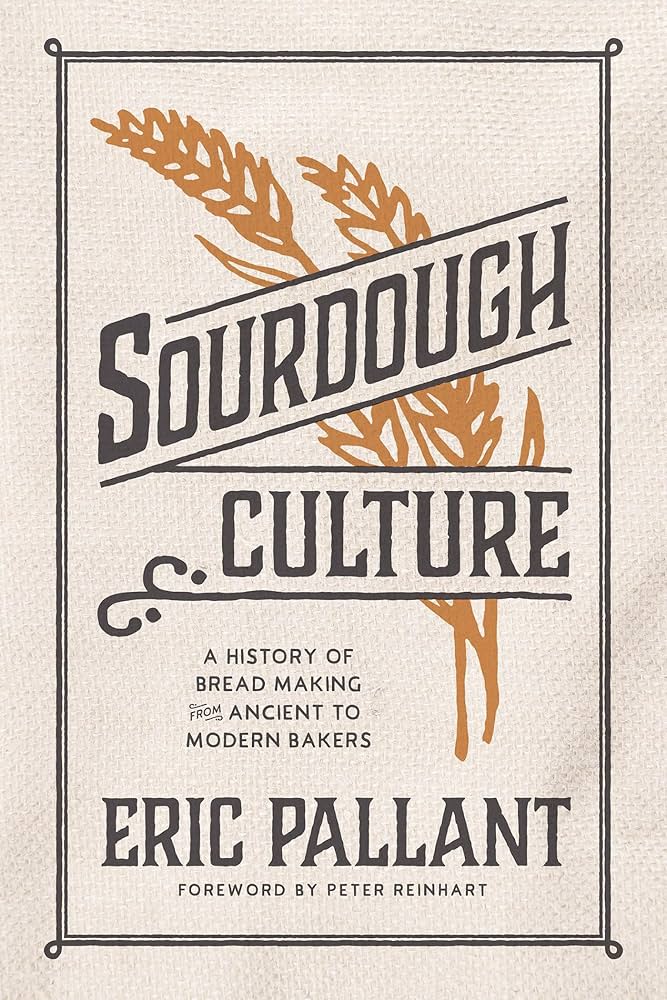
To truly understand the depth of this craft, one must look to the work of Eric Pallant, author of Sourdough Culture: A History of Bread Making from Ancient to Modern Bakers. Pallant argues that sourdough is not just a trendy pandemic hobby or a tangy loaf found in artisan bakeries; it is a vital thread in the fabric of human civilization.
The Original “Wild” Yeast
Before the mid-19th century, all leavened bread was sourdough. There were no little yellow packets of commercial yeast available at the local grocer. If you wanted bread to rise, you had to rely on the invisible world around you.
As Pallant explains, sourdough is the result of a symbiotic relationship between wild yeast and lactic acid bacteria. When you mix flour and water and leave it on your counter, you aren’t just making a mess; you are creating an ecosystem. This “starter” – or levain – captures microorganisms from the flour itself, the air in your kitchen, and even the skin on your hands.
Unlike commercial yeast (Saccharomyces cerevisiae), which is bred for speed and uniformity, the wild colony in a sourdough starter is diverse. The yeast provides the carbon dioxide that makes the bread rise, while the bacteria produce the organic acids that give the bread its signature tang and improve its shelf life.
A Journey Through Time
Pallant’s exploration of sourdough is as much a history of humanity as it is of bread. He traces the origins of leavened bread back to Ancient Egypt. Legend has it that a bowl of gruel was left out too long, began to ferment, and was baked anyway – yielding a light, airy loaf instead of a flat cracker.
From the sun-drenched ovens of the Nile to the communal ovens of medieval Europe, sourdough was the “daily bread” that sustained empires. In many cultures, the starter was a precious heirloom. Pallant shares stories of families who kept their starters alive for generations, carrying them across oceans in jars tucked into waistbands to keep the cultures warm during the long voyage to the New World.
During the California Gold Rush, sourdough became so synonymous with the prospectors of San Francisco that the miners themselves were nicknamed “Sourdoughs.” They slept with their starter jars to prevent the yeast from freezing in the chilly mountain nights. This rugged history is why San Francisco remains the sourdough capital of the world today.
The Science of the Senses
Why does sourdough taste so much better than a standard white loaf? The answer lies in time. Commercial bread is designed to go from flour to bag in a matter of hours. Sourdough, however, demands patience.
During the long fermentation process, enzymes in the flour begin to break down gluten and phytic acid. This is why many people with mild gluten sensitivities find they can digest sourdough more easily than industrial bread. The bacteria also produce complex flavor compounds that simply cannot be replicated by a lab-grown yeast.
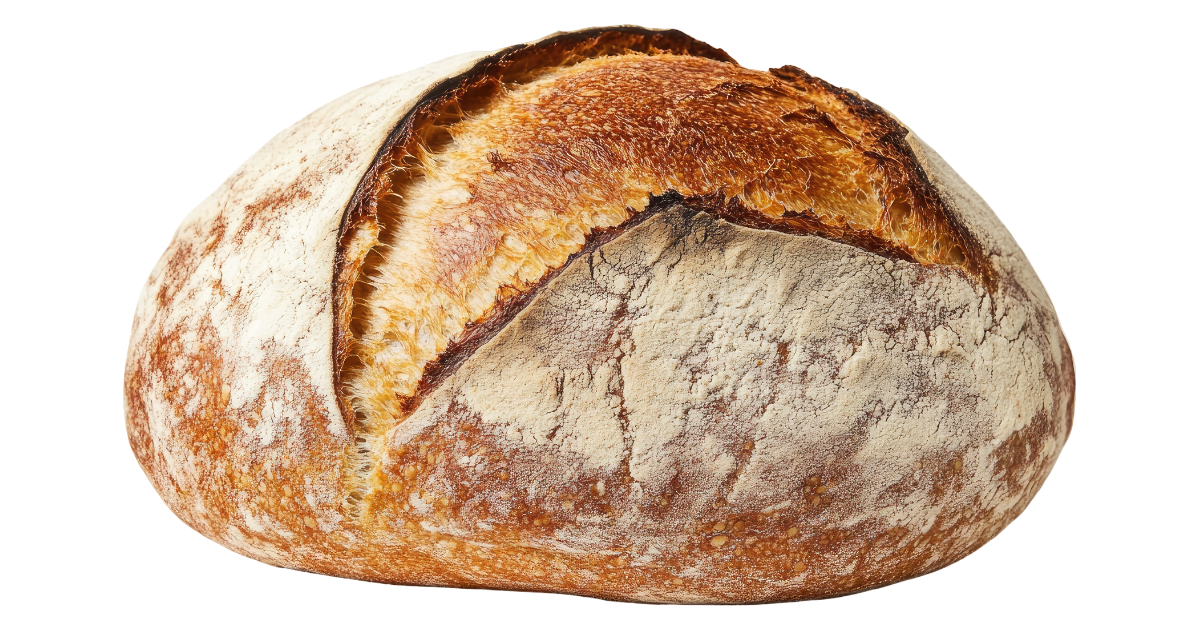
When you bite into a well-crafted sourdough, you experience a symphony of textures: the “shatter” of a deeply caramelized, mahogany crust followed by the “crumb” – the soft, chewy, and irregular interior that smells of toasted grain and a hint of vinegar.
The Zen of the Starter
In Sourdough Culture, Pallant emphasizes that baking sourdough is a rejection of modern “fast-food” culture. It requires the baker to be present. You cannot rush a starter; it bubbles when it is ready, not when your schedule dictates.
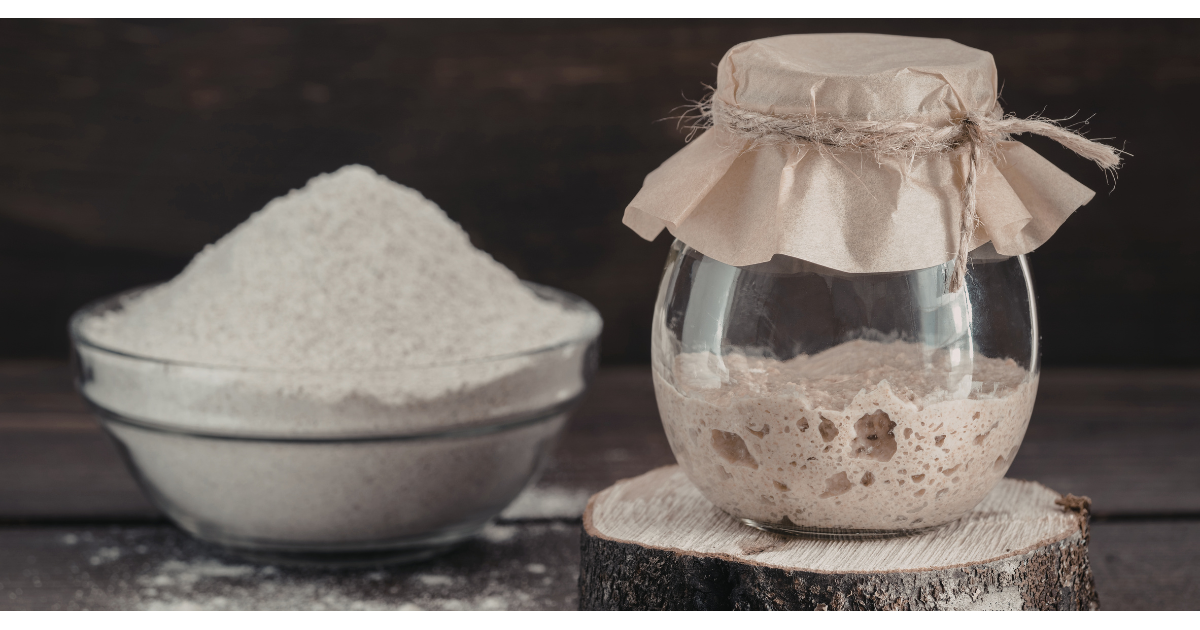
Feeding a starter is a ritual. It requires an understanding of the environment – how a rainy day might slow the rise, or how a warm kitchen might send the fermentation into overdrive. This connection to the natural world is what many modern bakers find so therapeutic. In a world of digital distractions, the tactile act of kneading dough and the rhythmic cycle of feeding a starter provides a grounding sense of purpose.
How to Celebrate National Sourdough Bread Day
You don’t need to be a master baker to participate in National Sourdough Bread Day. Here are a few ways to honor the tradition inspired by Eric Pallant’s research:
- Start Your Own Culture: All you need is flour, water, and time. Mix equal parts by weight, feed it daily, and watch as the invisible microbes transform a simple paste into a living, breathing entity.
- Support a Local Artisan: Visit a bakery that uses traditional long-fermentation methods. Ask them about their “mother” dough – many bakeries use starters that are decades old.
- Share the Wealth: Sourdough is meant to be shared. The beauty of a starter is that it grows. When you “discard” a portion to feed your culture, give that discard to a friend. You aren’t just giving them ingredients; you’re giving them a piece of history.
- Read the Story: Pick up a copy of Pallant’s Sourdough Culture. Understanding the thousands of years of trial and error that led to the loaf on your table makes every bite taste significantly better.
A Toast to the Future
As we celebrate on April 1st, we recognize that sourdough is more than a food trend; it is a survival strategy that has fed humanity for six millennia. In an age of ultra-processed foods, sourdough stands as a testament to the power of simplicity.
By keeping a jar of flour and water on our counters, we remain connected to the ancient Egyptians, the gold miners of the Yukon, and the countless grandmothers who kept their starters alive through wars and migrations.
So, here’s to the wild yeast, the friendly bacteria, and the patient bakers. Happy National Sourdough Bread Day – may your crust be crispy, your crumb be airy, and your starter always be bubbly.

Part of a regular series on 27gen, entitled Wednesday Weekly Reader.
During my elementary school years one of the things I looked forward to the most was the delivery of “My Weekly Reader,” a weekly educational magazine designed for children and containing news-based current events.
It became a regular part of my love for reading, and helped develop my curiosity about the world around us.
 27gen.com