
Over the past 35+ years, the concept of the “third place” has undergone a remarkable transformation. Originally described by sociologist Ray Oldenburg as informal public spaces where people could gather, relax, and connect outside of home and work, these third places have increasingly shifted from grassroots, community-driven hubs to commercially branded environments. While the rise of corporate third places has introduced new opportunities for connection and convenience, it has also brought challenges that affect inclusivity, authenticity, and the role these spaces play in our lives.
How has commercialization reshaped third places – and what does that mean for the way we socialize and build community?
The Branded Third Place: Where Community Meets Profit
In Oldenburg’s mindset, third places were often neighborhood coffee shops, diners, bookstores, or pubs where people could linger without the pressure to spend much money. Today, corporations have seized on the idea of the third place and turned it into a marketing tool. Starbucks, perhaps the most famous example, explicitly branded itself as a “third place” in the 1990s, creating environments where customers could gather, work, or relax while enjoying a coffee. This idea caught on, and other brands, from Panera Bread to McDonald’s with its McCafé concept, began to position themselves as modern-day community hubs.

While these branded spaces often provide a consistent and welcoming experience – comfortable seating, free Wi-Fi, ambient music – they are inherently transactional. To enjoy these spaces, customers are typically expected to make a purchase. Unlike traditional third places, where lingering was often welcomed regardless of spending, these spaces come with an unspoken understanding: you’re welcome as long as you’re consuming.
Independent Third Places Face Challenges
As corporate third places have flourished, many independent, grassroots third places have struggled to survive. Local coffee shops, bookstores, and neighborhood bars often lack the financial resources to compete with large chains that benefit from economies of scale and brand recognition. Rising rents and changing consumer habits have also played a role, making it difficult for these smaller spaces to stay afloat.

The loss of independent third places has broader implications. These spaces often reflect the unique character of their communities, offering a sense of local identity and culture that branded third places can’t replicate. A family-owned café might host open mic nights or community discussions, fostering a sense of belonging that goes beyond the transactional. When these spaces disappear, communities lose not just a gathering spot, but a part of their cultural fabric.
The “Pay-to-Play” Model and Inclusivity
One of the most significant shifts in third places has been the introduction of financial thresholds for participation. While traditional third places often welcomed people from all walks of life, modern branded spaces tend to cater to specific demographics. The expectation to purchase a latte or sandwich in exchange for using the space creates a barrier for those with limited disposable income. For individuals who used to rely on free or low-cost community spaces, such as libraries or parks, this can make socializing more difficult.
This shift also raises questions about inclusivity. Oldenburg’s vision of third places emphasized their egalitarian nature – a pub or café where people from different socioeconomic backgrounds could meet as equals. In many branded third places, the design and pricing often cater to a more affluent clientele, making these spaces feel exclusive rather than welcoming to all.
The Commodification of Social Interaction
Another consequence of commercialization is the commodification of the very social interactions that make third places valuable. Today, spending time in a third place is often tied to lifestyle branding. A chic café with minimalist décor might appeal to young professionals or creatives, while a rustic microbrewery draws in a different niche. These curated environments encourage customers to identify with the space—and by extension, the brand—turning what should be a community-oriented experience into a carefully marketed product.
Additionally, many modern third places have introduced data-driven business models. For example, establishments offering free Wi-Fi might collect data on browsing habits or purchasing patterns, turning customers into sources of revenue beyond their coffee orders. This surveillance adds another layer of commercialization, subtly altering the experience of being in a third place.
The Positive Side of Commercialized Third Places
It’s not all bad news, though. The rise of branded third places has made these spaces more widely available and accessible in some respects. Chains like Starbucks have brought the concept of the third place to areas that previously lacked such gathering spots, particularly in suburban and rural regions. For people who value consistency and convenience, these spaces provide a reliable option for meeting friends, working remotely, or simply relaxing.
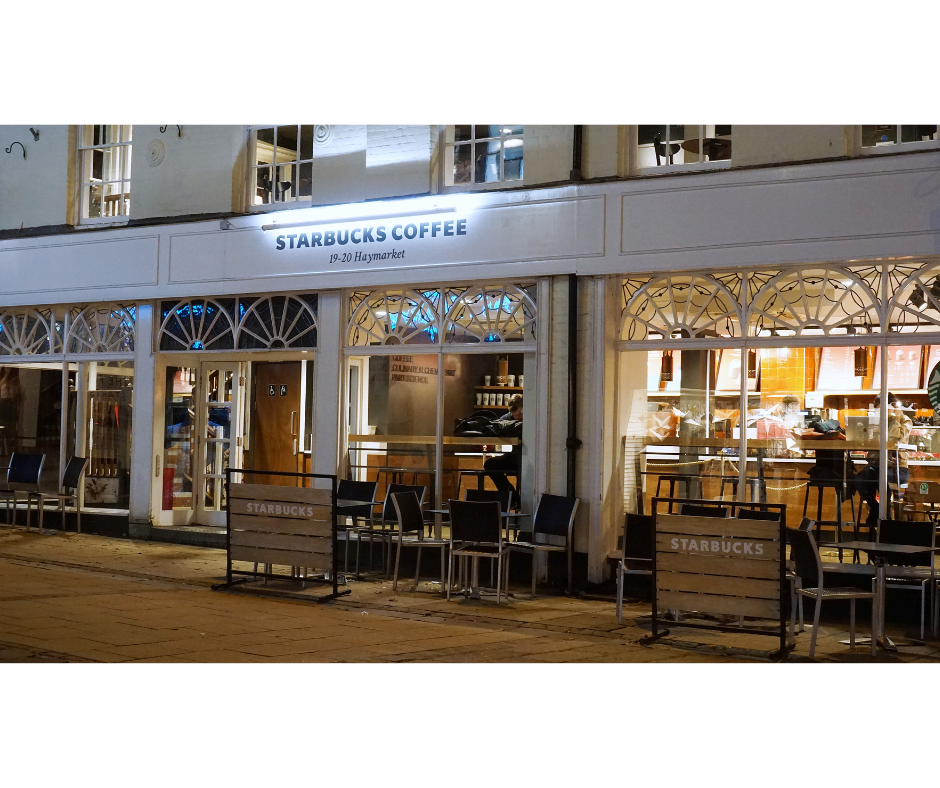
Corporate ownership has also brought attention to the importance of design and amenities in creating welcoming environments. Many branded third places invest in features like comfortable seating, good lighting, and thoughtful layouts, enhancing the overall experience. During challenging times, such as the COVID-19 pandemic, larger chains were often able to adapt quickly, offering mobile ordering, curbside pickup, and expanded outdoor seating – ensuring that third places remained accessible when people needed them most.
Striking a Balance
The commercialization of third places presents a complex picture. On one hand, branded spaces have made third places more widely available and have introduced new amenities that enhance convenience and comfort. On the other hand, the transactional nature of these spaces, their tendency to cater to specific demographics, and the decline of independent alternatives have raised concerns about inclusivity and authenticity.
As we move forward, communities and businesses alike will need to think critically about how to preserve the spirit of Oldenburg’s third places in an increasingly commercialized world. How can we create spaces that are welcoming to everyone, regardless of their ability to pay? How can we balance the convenience of branded third places with the cultural richness of grassroots ones? These are questions worth exploring if we want to ensure that third places remain vital parts of our social fabric.

Ultimately, the best third places – whether branded or independent – are those that prioritize connection over consumption, fostering a sense of belonging that goes beyond the bottom line. After all, it’s the people who make these spaces special, not the products they sell.

Other posts in this series:








 27gen.com