The Enduring Legacy of Doc Adams

An annual post on the occasion of my father’s birthday. Though he as been gone since 2012, his influence continues to shape me. Part of that influence is reading; learn more here.


“I never made much money, but I made a lot of friends, and that’s what’s important.” 

H.D. “Doc” Adams

These words, spoken by Doc Adams and remembered at his celebration service, capture the essence of a man who understood something profound about legacy: the difference between leaving something to people and leaving something in people.

In March 2012, when over 750 guests came to pay their respects to Doc Adams, they weren’t mourning a loss – they were celebrating a living testament to transformational impact. From four-year-olds to ninety-four-year-olds, multiple generations gathered not because of what HD Adams had accumulated, but because of what he had given away.

The Dum Dum Philosophy: Simple Acts, Profound Results

HD Adams ran a gas station, but his true business was in the currency of kindness. For decades, every child who walked through his doors received a Dum Dum sucker – a gesture that cost pennies but created memories lasting decades. This wasn’t marketing strategy; it was life philosophy embodied: “Serve people with a smile, and then give them a little extra.” This came natural to him, but I later discovered he had a little “boost” in this area as well!

The genius lay not in the candy’s simplicity, but in its sustainability. Unlike grand gestures that burn bright and fade, these moments of generosity created what modern psychology calls “orbital influence” – a gravitational pull of goodness that shaped everyone who encountered it. Children didn’t just remember the treat; they remembered feeling seen, valued, and surprised by unexpected kindness from someone who owed them nothing.

This influence extended far beyond the gas station. Doc Adams understood intuitively what research now confirms: meaningful change happens through consistent, authentic interactions, not dramatic moments. Each sucker was a small investment in human connection that paid dividends across generations.

Beyond Material Wealth: The Architecture of True Legacy

When Doc joked about “spending my inheritance” during rare personal purchases, he revealed sophisticated understanding that many wealthy individuals never achieve. He grasped the fundamental distinction between inheritance and legacy – between transactional gifts and transformational impact.

Inheritance is temporary – money, property, possessions that can be divided, spent, or lost. Legacy is permanent – values, character, and wisdom that become part of who people are, impossible to steal and difficult to squander. Doc chose transformation over transaction, understanding his life’s impact would be measured in relationship depth, not dollar amounts.

This choice required courage. In a culture obsessed with accumulation, he demonstrated that true wealth lies in what you distribute, not what you gather.

The Gravitational Pull of Authentic Character

Doc Adams possessed “wisdom intelligence” – the ability to synthesize life experience into actionable insights benefiting others. His gravitational pull wasn’t based on position, power, or wealth, but on authentic care and consistent character.

Like planets in stable orbit, people were drawn to him because he provided reliable warmth and light. His gas station became more than business – it became a community gathering point where people felt safe, valued, and genuinely cared for. This is orbital influence: creating environments where others thrive simply by being in your presence.

The most powerful leaders throughout history understand this principle. They recognize influence isn’t about controlling others’ paths, but providing steady, reliable force that allows others to find their best trajectory. Doc mastered this without leadership books or seminars. He simply understood that people need to feel seen, valued, and encouraged.

Knowledge Transfer Through Living Example

Doc Adams didn’t leave written wisdom or recorded speeches. His knowledge transfer strategy was more powerful: he lived his values so consistently they became embedded in his community’s DNA. When I distributed Dum Dum suckers at my dad’s funeral, I wasn’t just honoring memory – I was perpetuating proven values across decades.

The most effective legacy builders understand that knowledge transfer isn’t about documentation; it’s about demonstration. Doc Adams taught through actions that:

  • Success is measured by relationships, not revenue
  • Small gestures have outsized impact
  • Consistency matters more than intensity
  • Everyone deserves dignity and care
  • Generosity multiplies when freely given

These lessons weren’t taught in a classroom but transmitted through hundreds of daily interactions, each reinforcing that people matter more than profit.

The Compound Effect in Action

The true measure of Doc’s legacy became visible at his celebration service. Our friends and family didn’t gather to honor someone’s bank account – they celebrated a life that touched theirs. Children who had grown into parents brought their own families to pay respects to someone who had shown them kindness decades earlier.

Each sucker given away was an investment paying dividends across generations. Children who felt valued grew up understanding how adults should treat young people. They became parents passing on that same generosity and kindness. The ripple effects of his simple care continue spreading through families and communities, creating positive change that compounds over time.

Lessons for Modern Legacy Builders

HD Adams’ life offers profound guidance for today’s professionals:

  • Start small, stay consistent. You don’t need grand gestures for lasting impact. The power was in consistency, not cost.
  • Prioritize relationships over transactions. Every interaction is an opportunity to deposit value in someone’s life.
  • Choose transformation over transaction. What you leave in people lasts longer than what you leave to them.
  • Understand your influence. Your actions and character create a field that affects everyone around you.
  • Make giving your model. The more you give away, the richer you become in what truly matters: human connection and community impact.

The Living Legacy

Today, over 13 years after his death, Doc Adams’ legacy continues compounding. His children, grandchildren, and great grandchildren carry forward his values, spreading the same generosity that characterized his life. Children who received those suckers are now adults who remember not just candy, but the lesson it represented: everyone deserves unexpected kindness.

This is the true measure of a life well-lived – not assets accumulated, but lives transformed. Doc understood that we make a living by what we get, but we make a life by what we give. His legacy reminds us that the most powerful currency isn’t money, but the consistent choice to make others feel valued and loved.

In our digitally connected world, Doc Adams’ legacy stands as testament to the enduring power of face-to-face kindness, consistent character, and the simple truth that small acts of love, multiplied over time, can change the world – one Dum Dum sucker at a time.

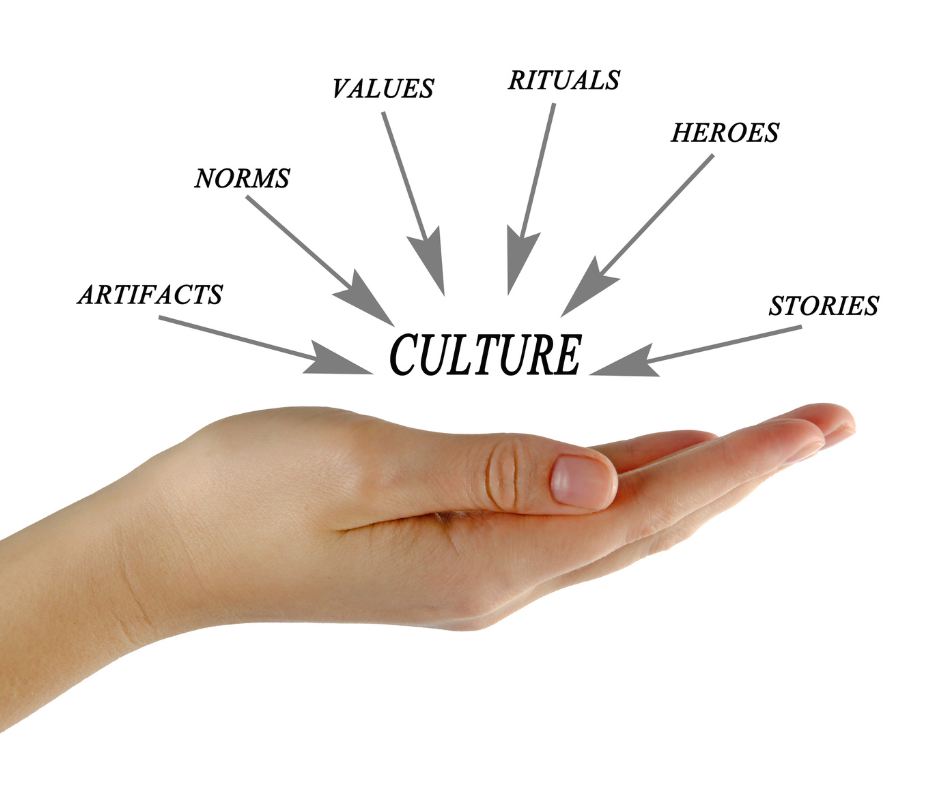
The Cultural Archaeologist: Cultivating Living Traditions in Times of Change

In today’s rapidly shifting business landscape, organizations face a delicate balancing act: how to evolve and innovate while maintaining the cultural DNA that made them successful. This challenge has given rise to a critical leadership competency – cultural stewardship – the art of nurturing organizational heritage while guiding thoughtful transformation.

Today’s article is the final in a 12-part exploration of the Modern Elder’s core competencies distilled from my 40+ year career journey. The topic of understanding of organizational culture and how to preserve valuable traditions while evolving practices is a fitting close to this series.

The Archaeological Approach to Organizational Traditions

Effective cultural stewardship begins with becoming an organizational archaeologist, carefully excavating and examining the traditions, practices, and values that define your company’s identity. Not every long-standing practice deserves preservation simply because it’s old, nor should every new idea be dismissed because it challenges convention.

The most valuable traditions to preserve are those that directly connect to your organization’s core purpose and have demonstrated resilience across multiple challenges. These might include customer service philosophies that have built lasting loyalty, decision-making processes that consistently produce quality outcomes, or mentorship traditions that have developed exceptional talent. Amazon’s customer obsession principle, for instance, has remained constant even as the company has evolved from an online bookstore to a global technology giant.

Look for traditions that embody your organization’s values in action rather than just words on a wall. The weekly town halls where employees can directly question leadership, the informal mentoring relationships that develop organically, or the collaborative problem-solving approaches that emerge during crises – these practices often represent the living essence of your culture.

Orchestrating Cultural Evolution

Healthy cultural evolution requires the same intentionality as biological evolution—it must be adaptive, gradual, and purpose-driven. Organizations that successfully navigate cultural change treat it as an ongoing process rather than a one-time initiative.

The key lies in creating what anthropologists call “cultural bridges” – practices that honor the past while pointing toward the future. When Netflix transitioned from DVD-by-mail to streaming, they maintained their culture of data-driven decision making and customer focus while completely reimagining their business model. The cultural foundation remained solid even as the operational superstructure transformed.

Successful cultural evolution also requires safe spaces for experimentation. Establish pilot programs, innovation labs, or cross-functional teams where new cultural practices can be tested without threatening the entire organizational ecosystem. These experimental zones allow you to observe which changes enhance your culture and which might undermine it.

Building Bridges Across Generational Divides

Perhaps nowhere is cultural stewardship more critical than during leadership transitions and generational handoffs. Institutional memory – the collective knowledge, relationships, and hard-won wisdom that exists in the minds of long-term employees – can evaporate overnight if not carefully preserved and transferred.

Create structured storytelling opportunities where veteran employees can share not just what they know, but how they learned it. The story of how the company navigated the 2008 financial crisis contains more valuable cultural DNA than any policy manual. These narratives help newer employees understand not just the rules, but the reasoning behind them.

Reverse mentoring programs, where younger employees share fresh perspectives with seasoned leaders, create two-way bridges that honor both innovation and experience. When properly structured, these relationships don’t just transfer knowledge – they create hybrid approaches that combine institutional wisdom with contemporary insights.

Cultivating Inclusive Cultural Evolution

True cultural stewardship recognizes that the strongest cultures are those that can incorporate diverse perspectives while maintaining coherent values. This means actively seeking voices that have been historically marginalized and creating pathways for their insights to influence organizational evolution.

Inclusive cultural stewardship goes beyond surface-level diversity initiatives. It involves examining which cultural practices might inadvertently exclude certain groups and being willing to adapt traditions that no longer serve the entire community. The goal isn’t to abandon all traditions, but to ensure that cultural preservation doesn’t become cultural stagnation.

Consider implementing “culture circles” – diverse groups of employees from different levels, departments, and backgrounds who regularly discuss how cultural practices are experienced across the organization. These conversations often reveal blind spots and generate innovative solutions that honor the past while expanding the future.

The Innovation-Tradition Balance

The most successful organizations don’t see innovation and tradition as opposing forces – they view them as complementary aspects of sustainable growth. Apple exemplifies this balance, maintaining Steve Jobs’ design philosophy and attention to detail while continuously pushing technological boundaries.

Establish clear criteria for when to preserve, when to adapt, and when to replace cultural practices. Ask whether a tradition still serves its original purpose, whether it can be modified to work better in current conditions, or whether it has become a barrier to necessary progress.

The Steward’s Legacy

Cultural stewardship isn’t about creating museums – it’s about cultivating living traditions that can adapt and thrive. The most effective cultural stewards understand that their role is temporary; they’re not building monuments to themselves, but creating sustainable systems that will outlast their tenure.

By thoughtfully identifying what to preserve, skillfully facilitating evolution, and courageously bridging divides, cultural stewards ensure that organizations can honor their heritage while boldly embracing their future. In doing so, they create the conditions for sustained success across generations of change.


How Great Leaders Turn Limitations into Strengths

In boardrooms across the globe, a quiet revolution is taking place. The traditional image of the all-knowing, infallible leader is giving way to something far more powerful: the humble elder. This new archetype represents a fundamental shift in how we understand effective leadership, one that embraces vulnerability as strength and treats wisdom as an ongoing journey rather than a destination.

Today’s article is the eleventh of a 12-part exploration of the Modern Elder’s core competencies distilled from my 40+ year career journey. Humility is balancing confidence in acquired wisdom with openness to new approaches and ideas. The humble elder understands a profound truth that often eludes younger leaders: acknowledging what you don’t know is not weakness – it’s intelligence.

The Strength in Acknowledging Limitations

This willingness to reveal limitations stems from a deep security that comes with experience. The humble elder has weathered enough storms to know that pretending to have all the answers is far more dangerous than admitting ignorance. They’ve learned that leadership isn’t about being the smartest person in the room – it’s about being wise enough to recognize and harness the collective intelligence around them.

Research in organizational psychology consistently shows that leaders who acknowledge their limitations create more innovative and resilient teams. When team members see their leader as fallible and human, they’re more likely to contribute their own insights, challenge assumptions, and take calculated risks. The humble elder’s admission of limitations becomes a catalyst for organizational learning and growth.

Balancing Confidence with Openness

The art of humble leadership lies in striking the delicate balance between confidence and openness. The humble elder projects quiet assurance while maintaining intellectual curiosity. They speak with conviction about their values and vision while remaining genuinely interested in perspectives that might challenge or refine their thinking.

This balance manifests in their communication style. When discussing company strategy, a humble elder might say, “Based on my experience, I believe this approach will work because…” followed by, “but I’m curious to hear your thoughts on potential blind spots.” They anchor their team with decisive leadership while creating space for collaborative refinement.

The confidence of the humble elder is earned through decades of both success and failure. It’s not the bravado of inexperience but the quiet assurance of someone who has learned to trust their judgment while remaining open to new information. This creates a leadership presence that is both reassuring and dynamic, stable yet adaptable.

Creating Psychological Safety Through Vulnerability

Perhaps the most transformative aspect of humble elder leadership is how vulnerability becomes a tool for creating psychological safety. When leaders share their struggles, uncertainties, and learning moments, they give permission for others to do the same. This creates an environment where innovation thrives because people feel safe to experiment, fail, and learn.

The humble elder might share stories of past mistakes not to diminish their authority, but to model the learning process. They create cultures where phrases like “I don’t know, but let’s find out” and “I was wrong about that” become signs of intellectual courage rather than weakness. This vulnerability-based leadership style has been shown to increase employee engagement, reduce turnover, and accelerate innovation cycles.

In practice, this might look like a leader beginning a difficult conversation with, “I’m not sure I’m approaching this correctly, so please help me understand your perspective.” Such openness doesn’t undermine authority – it enhances it by demonstrating emotional intelligence and genuine care for outcomes over ego.

Learning from Mistakes and Failures

The humble elder’s relationship with failure is fundamentally different from that of their younger counterparts. Where inexperience might lead to defensiveness or blame-shifting, the humble elder approaches mistakes with curiosity and accountability. They understand that failure is not the opposite of success but a prerequisite for it.

This mature perspective on failure creates a learning culture throughout the organization. When team members see their leader take responsibility for mistakes and extract lessons from them, they’re more likely to adopt similar approaches. The humble elder’s post-mortem meetings focus not on who was at fault but on what can be learned and how systems can be improved.

The key insight of the humble elder is that mistakes become valuable only when they’re acknowledged, analyzed, and integrated into future decision-making. They model this process publicly, turning their own failures into teaching moments for their entire organization.

The Ongoing Journey of Wisdom Acquisition

Perhaps the most defining characteristic of the humble elder is their recognition that wisdom is not a destination but a journey. Even with decades of experience, they maintain a beginner’s mind, approaching new challenges with curiosity rather than assumption. They understand that the world is constantly changing, and what worked yesterday might not work tomorrow.

This commitment to continuous learning manifests in their daily practices. They actively seek out diverse perspectives, read voraciously, and surround themselves with people who challenge their thinking. They ask questions not because they lack confidence but because they understand that inquiry is the path to deeper understanding.

The humble elder’s journey of wisdom acquisition never ends. They approach each new day, each new challenge, and each new relationship as an opportunity to learn something valuable. In doing so, they not only continue to grow but inspire others to embrace their own journey of lifelong learning.

In a world that often celebrates certainty and quick answers, the humble elder offers a different path – one that leads to deeper wisdom, stronger relationships, and more sustainable success. Their legacy lies not in what they knew, but in how they learned, and how they helped others learn alongside them.


Strategic Storytelling: How to Use the Power of Narrative

In professional environments, the ability to transfer knowledge effectively can make the difference between a team that thrives and one that struggles. While traditional methods like documentation and formal training have their place, strategic storytelling emerges as one of the most powerful tools for ensuring knowledge sticks, resonates, and transforms how people think and work.

Today’s article is the tenth of a 12-part exploration of the Modern Elder’s core competencies distilled from my 40+ year career journey. Storytelling is the skill in sharing experiences and lessons in compelling ways that resonate with others. Through strategic storytelling, we can transform our professional experiences into powerful tools for knowledge transfer, creating lasting impact that extends far beyond traditional training methods.

The Neuroscience of Narrative and Memory Retention

Our brains are wired for story. When we hear a narrative, multiple regions of our brain activate simultaneously, creating a richer, more memorable experience than when we process abstract information alone. The neural coupling effect demonstrates that when we listen to a story, our brains begin to mirror the storyteller’s brain activity, creating a shared experience that enhances understanding and retention.

Stories trigger the release of cortisol during tension-filled moments, oxytocin during emotional connections, and dopamine during positive outcomes. This neurochemical cocktail makes information more memorable and emotionally resonant. Research shows that people retain 65% of information when it’s presented in story format, compared to only 5% when presented as statistics or abstract concepts.

The brain’s default mode network, which is active during rest and introspection, is particularly receptive to narrative structure. This explains why we often remember stories long after we’ve forgotten the specific facts they contained. When we wrap knowledge in narrative, we’re essentially hijacking these natural neural pathways to make our message more powerful and lasting.

Crafting Stories That Convey Complex Lessons

Effective knowledge transfer through storytelling requires more than simply recounting events. The most impactful stories follow a deliberate structure that guides the audience through understanding. The classic three-act structure provides a reliable framework: setup, challenge, and resolution.

Begin with context that establishes the situation, introduces key players, and sets stakes that matter to your audience. The challenge phase should highlight the problem or decision point, emphasizing the complexity and consequences involved. The resolution should reveal not just what happened, but why it happened and what can be learned from it.

The most effective professional stories focus on transformation. They show how a person, team, or organization changed through the experience. This transformation element is crucial because it demonstrates the practical application of knowledge and provides a model for others to follow.

When dealing with complex technical or strategic concepts, use metaphors and analogies within your story structure. These linguistic bridges help audiences connect unfamiliar ideas to familiar experiences, making abstract concepts concrete and actionable.

Using Personal Anecdotes Effectively

Personal anecdotes carry unique power in knowledge transfer because they combine the authenticity of lived experience with the relatability of human struggle and success. When sharing personal stories, vulnerability becomes an asset, not a liability. Audiences connect more deeply with stories that acknowledge mistakes, confusion, or initial failure.

The key to effective personal anecdotes is balancing self-disclosure with professional relevance. Share enough personal detail to create emotional connection, but maintain focus on the professional lesson. Your role in the story should be as a guide or fellow traveler, not as a hero without flaws.

Consider the timing and context of personal stories. A story about overcoming failure might be perfect for a team facing a setback, but inappropriate during a client presentation. The same story can be adapted for different contexts by adjusting the focus and details while maintaining the core message.

Adapting Storytelling to Different Audiences

Effective storytellers understand that the same story can be told in multiple ways to serve different audiences. Senior executives might connect with stories about strategic decisions and their outcomes, while front-line employees might better relate to stories about operational challenges and solutions.

Consider your audience’s experience level, cultural background, and current challenges when selecting and adapting stories. A story that resonates with experienced professionals might need more context and simpler language for newcomers. Similarly, what works in a formal presentation might need adjustment for a casual mentoring conversation.

The emotional tone of your story should match both the message and the audience. A story about learning from failure might be told with humor to a team that’s become risk-averse, but with more serious reflection to a group that’s struggling with recent setbacks.

Building a Personal Story Bank of Professional Experiences

Developing a rich repository of professional stories requires systematic reflection and curation. Start by identifying key themes in your work experience: leadership lessons, problem-solving approaches, innovation examples, or relationship-building strategies. For each theme, collect 3-5 stories that illustrate different aspects or contexts.

Create a simple framework for documenting your stories. Include the situation, actions taken, results achieved, and lessons learned. Note the different ways each story can be adapted for various audiences and contexts. Regular reflection on recent experiences will help you recognize which moments contain teachable insights.

Review and refine your story bank regularly. As you gain more experience and perspective, you’ll discover new angles and applications for existing stories. Some stories will become more valuable over time, while others may lose their relevance.

The most powerful professional stories often come from moments of failure, confusion, or unexpected challenge. These experiences, while difficult to live through, often provide the richest material for knowledge transfer because they reveal the real complexities of professional life and the hard-won wisdom that comes from navigating them.


Perspective Shifting: How to See Every Challenge Through Fresh Eyes

In a world increasingly divided by rigid viewpoints and echo chambers, the ability to shift perspectives has become one of the most valuable skills a person can develop. Far from being wishy-washy or indecisive, perspective shifting represents a sophisticated form of mental agility that can transform how we navigate challenges, resolve conflicts, and lead others effectively.

Today’s article is the ninth of a 12-part exploration of the Modern Elder’s core competencies distilled from my 40+ year career journey. Perspective Shifting is the capacity to reframe challenges through multiple lenses based on diverse life experiences. The secret to thriving in life’s transitions is embracing the beginner’s mindset – starting fresh may seem counterintuitive, but novelty creates vivid memories and slows our perception of time, while flow states offer psychological pauses in aging. Curiosity becomes your compass, functioning like hunger to fuel dopamine-driven learning, especially “connective curiosity” that deepens relationships through genuine interest in others’ experiences. To stay curious, practice “vujá dé” – the opposite of déjà vu – by viewing familiar situations with fresh eyes and discovering extraordinary insights in ordinary moments through careful observation and openness to new perspectives.

The Foundation: How Diverse Life Experiences Create Unique Viewpoints

Every person carries a unique lens shaped by their accumulated experiences, cultural background, education, and personal struggles. A software engineer who grew up in rural poverty will approach problem-solving differently than one raised in suburban comfort. A parent managing work-life balance sees time constraints through different eyes than a single professional. A person who has overcome significant health challenges often develops a perspective on resilience that others may struggle to comprehend.

These diverse backgrounds aren’t just interesting biographical details – they’re the raw material for innovative solutions. When we recognize that each person’s viewpoint is both limited and valuable, we begin to understand perspective shifting not as abandoning our beliefs, but as temporarily borrowing someone else’s mental framework to expand our understanding.

The most effective leaders and problem-solvers are often those who have lived multiple lives: the executive who started in the mailroom, the doctor who was once a patient, the teacher who struggled as a student. They’ve developed what might be called “perspective fluency” – the ability to move fluidly between different ways of seeing the world.

Techniques for Seeing Challenges Through Multiple Frames

Perspective shifting begins with deliberate practice. One powerful technique is the “stakeholder walk-around,” where you systematically consider how each person affected by a situation might view it. When facing a budget cut, for instance, walk through the perspective of employees, customers, shareholders, and community members. What fears, hopes, and priorities would each group bring to the table?

Another effective method is temporal perspective shifting – viewing challenges through the lens of different time horizons. How would you see this problem if you only had one day to solve it versus one year? What would matter most if you were looking back on this situation five years from now? This technique often reveals that what feels urgent may not be truly important, and vice versa.

The “worst-case scenario” exercise can also unlock new perspectives. Instead of avoiding negative outcomes, deliberately explore them. What would happen if this project failed completely? What opportunities might emerge from apparent setbacks? This isn’t pessimism – it’s strategic thinking that prepares you for multiple futures.

Role reversal offers another powerful tool. If you’re a manager dealing with employee complaints, spend time genuinely imagining yourself in their position. What would your daily experience feel like? What information would you have access to, and what would remain hidden? This technique often reveals communication gaps and systemic issues that aren’t visible from the top.

Using Perspective Shifting in Conflict Resolution

When conflicts arise, most people become more entrenched in their positions. Perspective shifting offers a different path. Instead of fighting to prove your point, you become genuinely curious about understanding the other person’s viewpoint. This doesn’t mean agreeing with them – it means developing enough empathy to see how a reasonable person could hold their position.

In practice, this might sound like: “Help me understand what this situation looks like from your side” or “What am I missing about your experience that would help me see this differently?” These questions signal that you’re genuinely interested in understanding, not just waiting for your turn to speak.

Effective mediators often use perspective mirroring, where they reflect back each party’s viewpoint in a way that the other side can understand. They might say, “Sarah, it sounds like from your perspective, this deadline feels arbitrary and you’re worried about quality. Mike, you’re seeing this as a critical business commitment that affects client relationships. Both of you care about doing good work – you’re just weighing different risks.”

Teaching Perspective Skills to Teams

Building perspective-shifting capabilities across a team requires intentional cultivation. Start by creating psychological safety where people feel comfortable sharing their viewpoints without judgment. Regular “perspective rounds” in meetings, where team members briefly share how they see a situation, can normalize this practice.

Encourage devil’s advocate thinking by rotating who plays this role. When someone presents an idea, assign another team member to genuinely explore potential weaknesses or alternative approaches. Make this a constructive exercise focused on strengthening ideas rather than attacking them.

Cross-functional collaboration naturally builds perspective skills. When engineers work directly with customer service representatives, or when marketing teams spend time with product developers, they begin to understand different professional worldviews. Create structured opportunities for these interactions.

Story sharing sessions can also build empathy and perspective awareness. When team members share stories about their backgrounds, challenges they’ve overcome, or different cultural experiences, they build a reservoir of diverse perspectives to draw from when solving problems.

When to Hold Firm Versus Shift Perspective

Perspective shifting isn’t about becoming a chameleon who changes colors to match their surroundings. There are times when holding firm on your values and convictions is not only appropriate but necessary. The key is understanding the difference between core principles and preferred approaches.

Core values – like integrity, respect for human dignity, or commitment to quality – typically shouldn’t shift based on perspective. These represent your fundamental beliefs about right and wrong. However, your strategies for implementing these values might change dramatically based on new perspectives.

Hold firm when dealing with ethical violations, safety issues, or situations where compromise would violate your fundamental values. Be willing to shift perspective when exploring different approaches to shared goals, understanding why good people disagree, or finding creative solutions to complex problems.

The superpower of perspective shifting lies not in abandoning your viewpoint, but in developing the confidence and skill to temporarily step outside it. When you can see the world through multiple lenses while maintaining your core integrity, you become a more effective leader, collaborator, and problem-solver. In our complex, interconnected world, this ability to bridge different viewpoints may be one of the most crucial skills for creating positive change.


Seasoned Strength: How Life Experience Builds Unshakeable Resilience

As we commemorate Independence Day, it’s worth reflecting on the extraordinary resilience demonstrated by America’s Founding Fathers in the years leading up to July 4, 1776. These men had weathered decades of political upheaval, economic uncertainty, and personal setbacks before they found the courage to sign a document that would brand them as traitors to the Crown. Their willingness to risk everything- their fortunes, their reputations, their very lives – came not from youthful recklessness but from the hard-earned wisdom of experience. They had learned through years of struggle that some challenges require bold action rather than patient endurance, and that true security often demands the courage to abandon false safety.

Today’s article is the eighth of a 12-part exploration of the Modern Elder’s core competencies distilled from my 40+ year career journey. Resilience isn’t born overnight – it’s forged through decades of weathering storms, adapting to change, and learning that most challenges, no matter how overwhelming they seem in the moment, are temporary. As we accumulate years of experience, we develop an invaluable asset: the deep-seated knowledge that we’ve survived difficult times before and can do so again. This hard-earned wisdom transforms how we approach uncertainty and positions us as steady anchors for others navigating turbulent waters.

Lessons from Navigating Previous Workplace Transformations

Every career spans multiple workplace transformations – mergers, layoffs, technological shifts, leadership changes, and industry disruptions. I. have encountered all of these in one form or another. Each of these experiences adds another layer to our resilience foundation. Those who have weathered several corporate restructurings understand that initial panic often gives way to opportunity. They’ve seen how companies that seemed invincible can crumble, while others emerge stronger from crisis.

These workplace veterans carry institutional memory that proves invaluable during transitions. They remember when email replaced memos, when remote work shifted from novelty to necessity, and when entire departments were automated away. This perspective allows them to see patterns others miss – recognizing that change, while uncomfortable, often creates new possibilities for growth and innovation.

Perhaps most importantly, experienced professionals have learned to separate their identity from their job title. They understand that careers are portfolios of experiences rather than linear progressions, and this detachment from any single role provides emotional stability during periods of professional uncertainty. They’ve discovered that skills are transferable, relationships endure beyond organizations, and adaptability matters more than expertise in any single domain.

Resilience Practices That Improve with Age

Time teaches us which coping strategies actually work and which merely provide temporary relief. Younger professionals might rely on caffeine-fueled all-nighters or stress-eating to manage pressure, but experience reveals the superior power of sustainable practices like regular exercise, meditation, and maintaining perspective through challenging times.

Seasoned individuals develop sophisticated emotional regulation skills. They’ve learned to pause before reacting, to distinguish between problems they can solve and situations they must accept, and to find meaning in adversity. They understand that resilience isn’t about avoiding stress but about recovering from it more quickly and completely.

Sleep, nutrition, and physical health take on new importance as we age, not just for longevity but as foundations for mental clarity and emotional stability. Many discover that what seemed like luxury self-care in their twenties – regular massage, therapy, or similar activities – becomes essential maintenance for sustained high performance.

The practice of gratitude also deepens with experience. Having witnessed genuine hardship, loss, and struggle, seasoned individuals often possess a more nuanced appreciation for ordinary moments of peace, health, and connection. This gratitude serves as a buffer against temporary setbacks and provides emotional reserves during difficult periods.

Supporting Others Through Uncertainty and Change

Experience creates natural mentors. Those who have navigated multiple life transitions possess both the wisdom to offer guidance and the humility to know when to simply listen. They understand that people process change differently and that rushing someone through grief, fear, or confusion often backfires.

Experienced supporters have learned the art of presence over problem-solving. They know when to share their own stories of overcoming similar challenges and when to create space for others to find their own solutions. Their patience comes from understanding that growth happens on individual timelines and that premature advice can feel dismissive rather than helpful.

These seasoned guides also recognize the importance of normalizing struggle. By sharing their own moments of doubt, failure, and recovery, they help others understand that setbacks are part of everyone’s journey, not signs of personal inadequacy. This perspective can be profoundly healing for those who feel isolated in their difficulties.

Converting Setbacks into Wisdom

Every significant setback – job loss, relationship ending, health scare, financial crisis – initially feels like pure loss. But time and reflection reveal how these experiences contribute to our wisdom and strength. The job that ended unexpectedly might have led to a better opportunity. The relationship that failed might have taught crucial lessons about boundaries or compatibility.

This transformation from setback to wisdom isn’t automatic – it requires intentional reflection and meaning-making. Experienced individuals have learned to ask productive questions: What did this teach me about myself? How did this experience clarify my values? What strengths did I discover I possessed? How can this knowledge help others facing similar challenges?

The key is developing the patience to wait for the lessons to emerge. Some insights arrive immediately, while others take years to fully understand. This long view helps prevent premature conclusions and allows for the complexity that characterizes most human experiences.

The Calm Presence as a Stabilizing Force

Perhaps the greatest gift that experience provides is the ability to remain calm in chaos. Having survived multiple crises, seasoned individuals radiate a quiet confidence that everything will work out – not necessarily as planned, but in some workable way. This presence becomes a stabilizing force for families, teams, and communities during uncertain times.

This calm isn’t passive acceptance but rather active confidence in one’s ability to adapt and persevere. It comes from knowing that panic rarely improves outcomes, that most urgent situations allow for thoughtful response rather than immediate reaction, and that human beings are remarkably adaptable when circumstances require it.

In a world that often celebrates youth and innovation, the deep resilience that comes with experience offers something equally valuable: the steady assurance that challenges can be met, changes can be navigated, and wisdom can be shared to help others build their own reserves of strength for whatever lies ahead.


The Compound Effect of Legacy Thinking: From Individual Win to Collective Impact

In an era of rapid technological change and workforce mobility, the concept of legacy has evolved far beyond the traditional retirement gold watch. Today’s professionals are increasingly focused on creating meaningful, lasting impact that extends well beyond their tenure at any single organization. 

Today’s article is the seventh of a 12-part exploration of the Modern Elder’s core competencies distilled from my 40+ year career journey. Legacy Thinking represents a fundamental shift from short-term achievement to sustainable contribution, transforming how we approach our careers and the value we bring to our workplace communities.

Defining Meaningful Legacy in Professional Contexts

Professional legacy encompasses the enduring value an individual creates through their work, relationships, and contributions to organizational culture. Unlike personal accomplishments that primarily benefit the individual, meaningful legacy creates ripple effects that continue to generate value long after someone has moved on to new opportunities or retired from their career.

This type of legacy manifests in multiple dimensions. It includes the tangible systems, processes, and innovations that improve organizational efficiency and effectiveness. It encompasses the intangible elements of mentorship, cultural influence, and the professional development of colleagues. Most importantly, meaningful legacy involves creating frameworks and knowledge repositories that enable others to build upon existing work rather than starting from scratch.

The most impactful professional legacies solve problems that extend beyond immediate business needs. They address fundamental challenges that organizations face repeatedly, creating templates and methodologies that can be adapted and applied across different contexts and time periods. This approach transforms individual expertise into organizational assets that compound in value over time.

Knowledge Transfer Strategies That Stick

Effective knowledge transfer requires more than documentation and training sessions. The strategies that create lasting impact focus on embedding knowledge into organizational DNA through multiple channels and reinforcement mechanisms. Successful knowledge transfer begins with identifying the core insights, methodologies, and decision-making frameworks that represent the most valuable aspects of professional expertise.

Storytelling emerges as one of the most powerful tools for knowledge transfer. When professionals share the context behind their decisions, the challenges they faced, and the reasoning that led to successful outcomes, they create memorable frameworks that others can internalize and apply. These narratives provide the “why” behind processes and procedures, making them more likely to be understood, remembered, and correctly implemented.

Mentorship programs that extend beyond traditional hierarchical relationships also prove essential for sustainable knowledge transfer. Cross-functional partnerships, reverse mentoring arrangements, and peer-to-peer learning networks create multiple pathways for knowledge to flow throughout an organization. These relationships ensure that valuable insights don’t remain siloed within specific departments or experience levels.

Creating communities of practice around specific skills or challenges helps institutionalize knowledge sharing as an ongoing process rather than a one-time event. These communities provide forums for continuous learning, problem-solving, and adaptation of existing knowledge to new situations.

Building Sustainable Systems and Processes

Legacy-minded professionals focus on creating systems that function independently of their ongoing involvement. This requires designing processes with built-in flexibility, clear documentation, and mechanisms for continuous improvement. Sustainable systems anticipate future needs and challenges while remaining adaptable to changing circumstances.

The most effective systems balance standardization with customization. They provide clear frameworks and guidelines while allowing for adaptation based on specific contexts and emerging requirements. This approach ensures that processes remain relevant and useful as organizations evolve and face new challenges.

Technology plays a crucial role in building sustainable systems, but the most important element is human adoption. Legacy systems succeed when they make work easier and more effective for the people who use them. This requires involving end users in the design process and creating systems that align with natural workflows and existing organizational culture.

Regular review and iteration mechanisms ensure that systems remain current and effective. Building feedback loops and improvement processes into the original design prevents systems from becoming outdated or ineffective over time.

Balancing Short-Term Results with Long-Term Impact

One of the greatest challenges in legacy thinking involves managing the tension between immediate performance expectations and long-term value creation. Organizations often reward short-term achievements while giving lip service to long-term thinking. Successful legacy builders learn to deliver immediate results while simultaneously investing in future capabilities and improvements.

This balance requires strategic prioritization and communication skills. Legacy-minded professionals become adept at identifying opportunities where short-term actions can contribute to long-term objectives. They learn to articulate the future value of current investments and build support for initiatives that may not show immediate returns.

Project planning that incorporates both immediate deliverables and future scalability helps demonstrate how long-term thinking enhances rather than compromises short-term performance. This approach shows how legacy investments can improve efficiency, reduce future costs, and create competitive advantages that benefit the organization over time.

Legacy Thinking Applied to My Career

Throughout my career journey, Legacy Thinking principles are clearly demonstrated through the creation of sustainable systems that extended far beyond individual tenure. 

  • At Auxano/Lifeway, the establishment of visionroom.com and the Guest Experience Boot Camp exemplify building frameworks that enabled others to succeed—training over 525 participants across 100+ church teams created a multiplier effect that continued generating value long after initial implementation. 
  • The development of industry certification processes and consultant sales models at J.H. Batten Design Builder represents the institutionalization of knowledge transfer, transforming individual expertise into organizational assets. 
  • The recurring pattern of media expansions, building campaigns, and volunteer development programs across multiple organizations shows how professional legacy manifests through creating replicable systems and processes. 

Rather than simply achieving short-term results, my career demonstrates the compound effect of legacy thinking – where each role built upon previous experience to create increasingly sophisticated frameworks for organizational improvement, mentorship, and sustainable growth that benefited entire communities and industries.

Personal Fulfillment Through Legacy Contributions

Beyond organizational benefits, legacy thinking provides deep personal satisfaction and meaning. Professionals who focus on creating lasting impact often report higher levels of job satisfaction, engagement, and sense of purpose in their work. This fulfillment comes from seeing the continued use and evolution of their contributions long after they’ve moved on to new challenges.

Legacy contributions create connections that extend throughout careers and beyond. The relationships built through mentoring, knowledge sharing, and collaborative system building often become some of the most rewarding aspects of professional life. These connections provide ongoing opportunities for learning, collaboration, and mutual support.

Perhaps most importantly, legacy thinking transforms the narrative of professional achievement from individual success to collective impact. This perspective shift creates a more sustainable and fulfilling approach to career development, one that values contribution over accumulation and influence over authority. In today’s interconnected workplace, the professionals who thrive are those who understand that true success lies not in what they achieve alone, but in what they enable others to accomplish.


Mentorship Excellence: The Ongoing Transition in Modern Mentorship

The landscape of mentorship has undergone a profound transformation in recent years. Gone are the days when effective mentoring meant having all the answers or closely directing every step of a mentee’s journey. Today’s most impactful mentors understand that true mentorship excellence lies not in micromanaging or prescriptive guidance, but in the delicate art of asking powerful questions that unlock self-discovery and foster genuine growth.

Today’s article is the sixth of a 12-part exploration of the Modern Elder’s core competencies distilled from my 40+ year career journey. As I have learned over that entire journey, Mentorship Excellence has evolved dramatically. For the modern elder, it represents the ability to guide others without micromanaging, asking powerful questions that lead to self-discovery.  

Moving Beyond Traditional Mentoring Models

Traditional mentorship often followed a hierarchical model where experienced professionals would share their knowledge through direct instruction and advice-giving. While this approach had its merits, it frequently created dependency rather than independence, with mentees waiting for direction rather than developing their own problem-solving capabilities.

Modern mentorship excellence recognizes that each individual’s path to success is unique. Rather than imposing a one-size-fits-all approach, today’s exceptional mentors act as facilitators of growth, helping mentees discover their own strengths, values, and pathways. This shift acknowledges that the mentor’s role is not to clone themselves in their mentee, but to help the mentee become the best version of themselves.

The evolution from directive to collaborative mentoring reflects a deeper understanding of how people truly develop. When individuals arrive at insights through their own reflection and analysis, those discoveries carry more weight and staying power than externally imposed solutions. This transformation requires mentors to embrace vulnerability, admitting they don’t have all the answers while demonstrating confidence in their mentee’s ability to find solutions.

Question-Based Mentoring Techniques

The cornerstone of mentorship excellence lies in mastering the art of inquiry. Powerful questions serve as catalysts for insight, pushing mentees to examine their assumptions, explore new perspectives, and uncover hidden potential. These questions go beyond simple information gathering to probe deeper layers of understanding and motivation.

Effective mentoring questions often begin with “What if,” “How might,” or “What would happen if.” Instead of asking “What should I do about this conflict with my colleague?” a skilled mentor might ask, “What underlying needs or values might be driving this conflict, and how could understanding those change your approach?” This reframing moves the mentee from seeking a quick fix to developing a more nuanced understanding of the situation.

The timing and sequence of questions matter enormously. Exceptional mentors create a rhythm of inquiry that builds naturally, allowing space for reflection between questions. They resist the urge to fill silence, recognizing that the pause after a powerful question is often where the real work happens. This patience demonstrates trust in the mentee’s capacity for insight while creating psychological safety for vulnerable sharing.

Questions should also scale appropriately to the mentee’s readiness. Surface-level questions help establish comfort and rapport, while deeper inquiries about values, fears, and aspirations require a foundation of trust and psychological safety. The best mentors attune themselves to their mentee’s emotional state and developmental stage, calibrating their questions accordingly.

Creating Space for Self-Discovery

Mentorship excellence requires creating both physical and psychological space for self-discovery. This means resisting the mentor’s natural impulse to jump in with solutions or share similar experiences from their own journey. Instead, exceptional mentors hold space – maintaining presence and attention while allowing their mentees to work through challenges independently.

Creating this space involves active listening that goes beyond hearing words to understanding emotions, motivations, and unspoken concerns. Mentors who excel at this practice often reflect back what they hear, not to demonstrate their listening skills, but to help mentees hear their own thoughts more clearly. “It sounds like you’re feeling torn between your desire for advancement and your commitment to work-life balance” can help a mentee recognize internal conflicts they hadn’t fully articulated.

The physical environment also plays a role in fostering self-discovery. Moving conversations outside traditional office settings – perhaps to a coffee shop, park, or during a walk – can shift the dynamic from formal advice-giving to collaborative exploration. These changes in environment often unlock different types of thinking and conversation.

Reverse Mentoring Relationships

One of the most significant developments in modern mentorship is the recognition that learning flows in multiple directions. Reverse mentoring relationships, where younger or less experienced individuals share their expertise with senior colleagues, have become increasingly valuable in our rapidly changing world.

These relationships challenge traditional power dynamics and create opportunities for mutual growth. A senior executive might learn about digital trends from a recent graduate, while simultaneously offering strategic thinking and organizational wisdom. This bidirectional exchange requires mentors to embrace beginner’s mind, approaching conversations with curiosity rather than certainty.

Exceptional mentors actively seek these reverse mentoring opportunities, recognizing that staying current and relevant requires continuous learning. They model intellectual humility by asking questions about areas outside their expertise and demonstrating genuine interest in perspectives that differ from their own experience.

Full-Circle Mentoring – My Journey

As I have considered what it means to become a mentor, I have to begin the journey from the early days of my career. As a full-time student in seminary, but also employed in two different but related jobs that equalled full-time employment, I was grateful for supervisors and peers who patiently “showed me the ropes,” in the process becoming unintentional (on their part!) mentors that had impacts that continue to this day. In each of my three church staff positions, I benefited immensely from the guidance of seasoned ministers who helped to shape my development. Simultaneously, I begin to develop the early stages of becoming a mentor myself. In each of these positions, I can look back and see how my connection to individuals shaped their growth while at the same time shaping mine. Moving from serving on a church staff to serving church staffs (in a consulting role in two different organizations) created a unique opportunity: while still mentoring/being mentored within the respective organizations, I was able to establish numerous connections across the country with like-minded leaders in my passion area of Guest Experiences. Whether onsite with an experiential learning opportunity, connecting virtually, or communicating via my writing, these mentoring relationships became a two-way connection of mutual respect, learning, and challenge to continue to grow.

Measuring Mentorship Impact

Assessing the effectiveness of mentorship relationships requires looking beyond traditional metrics to capture the full spectrum of development. While career advancement and skill acquisition remain important measures, mentorship excellence also encompasses less tangible outcomes like increased confidence, clearer self-awareness, and enhanced decision-making capabilities.

Effective measurement involves both the mentor and mentee in regular reflection on progress and growth. Rather than imposing external benchmarks, exceptional mentors help their mentees define success on their own terms and create systems for tracking movement toward those goals. This might include regular check-ins focused on personal insights gained, challenges overcome, or new perspectives developed.

The true measure of mentorship excellence often becomes apparent long after the formal relationship has ended, when former mentees demonstrate the ability to navigate complex challenges independently and, in turn, become exceptional mentors themselves. This ripple effect – where the skills and approaches learned through quality mentorship are passed forward to others – represents the ultimate success of the mentoring relationship.

Modern mentorship excellence demands a fundamental shift from knowing all the answers to asking the right questions, from providing solutions to facilitating discovery, and from creating dependence to fostering independence. In mastering these skills, mentors not only accelerate their mentees’ development but also continue their own journey of growth and learning.


Cultivating a Growth Mindset at Any Age: The Modern Elder’s Continual Learning Journey

One of the most persistent myths in professional development is that learning capacity diminishes with age. This outdated belief not only limits individual potential but also creates organizational barriers that waste decades of accumulated wisdom. For the modern elder, developing and maintaining a growth mindset isn’t just about personal development – it’s about dismantling age-based assumptions and demonstrating that experience and adaptability can powerfully coexist.

Today’s article is the fifth of a 12-part exploration of the Modern Elder’s core competencies distilled from my 40+ year career journey. Having a Growth Mindset is centered on an openness to learning, evolving, and challenging existing assumptions.

Redefining Learning at Every Life Stage

The concept of a growth mindset, pioneered by psychologist Carol Dweck, centers on the belief that abilities and intelligence can be developed through dedication, hard work, and learning from failure. For the modern elder, this principle takes on unique dimensions that younger professionals rarely encounter.

Unlike early-career professionals who may approach learning with uncertainty about their capabilities, modern elders bring a complex relationship with learning. They possess deep expertise in certain areas while simultaneously facing rapidly evolving technologies, methodologies, and workplace cultures. This creates a fascinating tension: confidence in proven abilities alongside humility about emerging domains.

The key insight is that growth mindset for experienced professionals isn’t about starting from scratch – it’s about leveraging existing knowledge as a foundation for new learning. This approach transforms potential obstacles into advantages.

Combating Fixed Mindset Assumptions About Aging

Society perpetuates numerous myths about aging and learning capacity. These include assumptions that older professionals are “set in their ways,” resistant to change, or technologically challenged. The modern elder must actively combat these stereotypes, not just externally but internally.

Fixed mindset thinking often manifests as self-limiting beliefs: “I’m too old to learn this,” “This is how we’ve always done it,” or “Let the younger generation handle that.” The modern elder recognizes these thoughts as learned limitations rather than biological realities.

Research in neuroplasticity – the brain’s ability to form new neural connections throughout life – provides scientific backing for what many modern elders intuitively understand: the capacity for learning doesn’t diminish with age; it simply changes form. The mature brain may process information differently than a younger brain, but different doesn’t mean deficient.

Neuroplasticity and Lifelong Learning

Recent neuroscience research reveals that adult brains remain remarkably adaptable. Dr. Michael Merzenich, a pioneer in neuroplasticity research, notes that “the brain is designed to change throughout life.” This biological reality supports what successful modern elders demonstrate daily: learning continues to be possible and valuable at every career stage.

The modern elder’s approach to neuroplasticity-based learning often differs from younger colleagues. Where a 25-year-old might learn through trial and error, a 65-year-old might leverage pattern recognition from previous experiences to accelerate new skill acquisition. This isn’t a limitation – it’s a sophisticated learning strategy that combines novelty with wisdom.

Strategies for Challenging Comfort Zones

Growth mindset requires intentional discomfort. For the modern elder, this means systematically challenging assumptions and expanding beyond established expertise areas. 

Effective strategies include:

  • Reverse Mentoring Relationships: Actively seeking guidance from younger colleagues creates mutual learning opportunities while challenging hierarchical assumptions about knowledge flow.
  • Adjacent Learning: Exploring fields related to but distinct from core expertise. A marketing executive might study behavioral psychology, or a financial analyst might explore data visualization design.
  • Failure Reframing: Transforming setbacks from career threats into learning opportunities. The modern elder’s experience provides context for understanding that individual failures rarely define career trajectories.
  • Skill Stacking: Building complementary capabilities that enhance existing strengths rather than replacing them entirely.

Learning from Younger Colleagues Without Ego

One of the most challenging aspects of maintaining a growth mindset as an experienced professional is accepting that younger colleagues may possess superior knowledge in certain areas. This requires what researchers call “intellectual humility” – the recognition that expertise has boundaries and that valuable insights can come from unexpected sources.

The modern elder who masters this balance creates powerful learning relationships. They offer contextual wisdom and strategic thinking while remaining genuinely curious about new approaches and emerging trends. This reciprocal learning model enriches both parties and challenges organizational assumptions about knowledge hierarchy.

Balancing Confidence with Openness

The modern elder faces a unique challenge: maintaining confidence in hard-earned expertise while remaining open to new possibilities. This balance requires sophisticated emotional regulation and self-awareness.

Successful modern elders develop what might be called “confident humility” – strong conviction about core principles combined with flexibility about methods and applications. They understand that being right about fundamental concepts doesn’t mean being right about every implementation detail.

Growth Mindset IRL

My entire career encompasses a growth mindset; it hasn’t been a straight line but an expanding circle of possibilities where each transition becomes a gateway to transformation rather than an ending. Embracing a growth mindset as a Modern Elder means viewing your accumulated experience not as a fixed credential but as a foundation for continuous learning and evolution. During my 44-year journey from media ministry to administrative and discipleship pastor to construction consulting to clarity consulting, my willingness to adapt, learn new technologies, and challenge existing assumptions is in the process of transforming me from someone who simply ages into someone who grows whole. This mindset shift allows me to leverage decades of wisdom while remaining digitally fluent and emotionally intelligent, positioning me not for traditional retirement but for maximum influence where my unique perspective becomes increasingly valuable in a rapidly changing world.

The Growth Mindset Advantage

Modern elders with genuine growth mindsets possess several distinct advantages:

  • Contextual Learning: They can quickly connect new information to existing knowledge frameworks, accelerating comprehension.
  • Risk Assessment: Experience provides better judgment about which risks are worth taking in pursuit of growth.
  • Persistence: Having weathered previous learning challenges, they possess resilience for sustained effort.
  • Teaching Ability: Their learning journey becomes a valuable resource for mentoring others.

Creating a Learning Culture

Perhaps most importantly, modern elders with growth mindsets become catalysts for organizational learning cultures. By modeling curiosity, embracing challenges, and treating setbacks as learning opportunities, they give permission for others to do the same.

The modern elder’s growth mindset isn’t just about personal development – it’s about transforming workplace assumptions about age, expertise, and learning capacity. In demonstrating that experience and adaptability can coexist, they create more dynamic, inclusive, and innovative organizations where wisdom and curiosity work together to drive success.

The journey of cultivating a growth mindset never ends, regardless of career stage. For the modern elder, this ongoing learning journey represents not just professional necessity but personal fulfillment – proof that the best chapters of a career may still be ahead.


Emotional Intelligence Evolved: Leadership Beyond Empathy

The modern workplace demands more than technical expertise – it requires the nuanced understanding of human dynamics that only comes with experience. For the seasoned professional, emotional intelligence represents far more than a soft skill; it’s a sophisticated competency that transforms workplace challenges into opportunities for deeper connection and organizational growth.

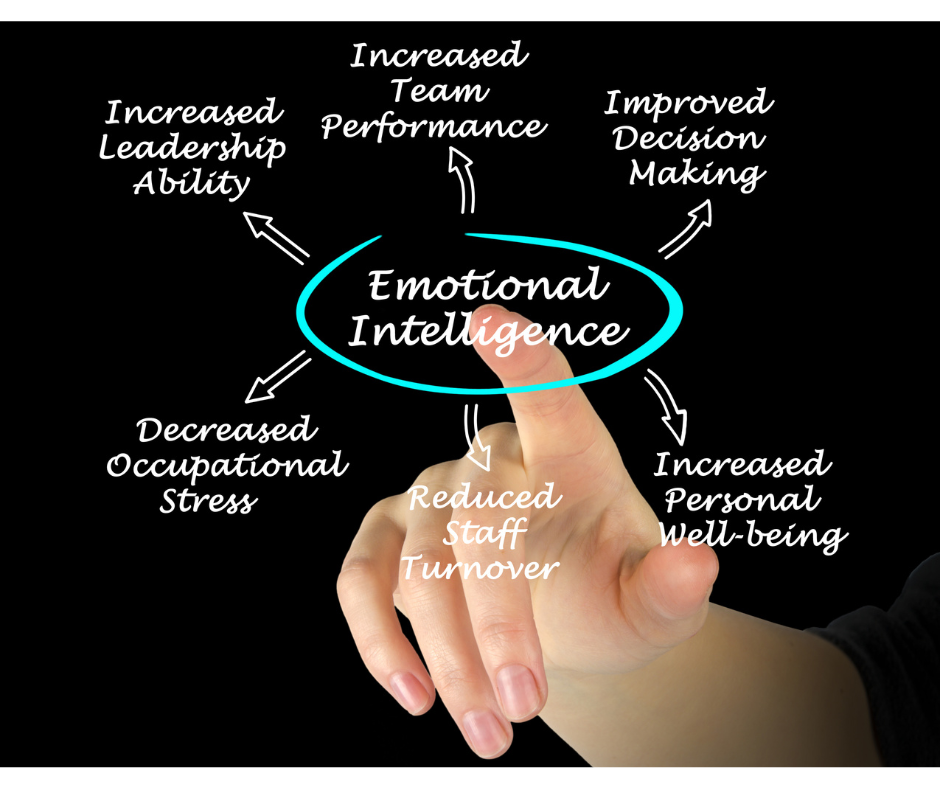
Today’s article is the fourth of a 12-part exploration of the Modern Elder’s core competencies distilled from my 40+ year career journey. As I have learned over that entire journey, Emotional Intelligence evolves dramatically throughout our professional careers. For the modern elder, it represents a sophisticated skill set that transcends basic empathy – becoming a nuanced ability to navigate complex workplace dynamics with grace, wisdom, and strategic insight.

The Mature Emotional Landscape

Unlike early-career emotional responses, the modern elder’s emotional intelligence is tempered by decades of diverse experiences. This maturity allows for a more measured, strategic approach to interpersonal challenges. Where younger professionals might react impulsively (as I certainly did in my early career!), the modern elder sees emotional situations as intricate landscapes to be carefully navigated.

Having witnessed countless workplace scenarios – from hostile takeovers to celebratory product launches, from team conflicts to collaborative breakthroughs – the modern elder develops what researchers call “emotional pattern recognition.” This ability to quickly identify emotional dynamics and predict their likely trajectory becomes invaluable in preventing workplace conflicts and maximizing collaborative potential.

Emotional Intelligence in Action

One of my most significant learning curves of emotional intelligence occurred during my tenure at First Baptist Huntersville with the unexpected resignation of a beloved lead pastor. When assigned as the staff lead to the congregational-directed transitional interim pastor process in 1998, I jumped headfirst into the steep  learning curve of advanced emotional intelligence. This critical role required developing exceptional empathy to understand the congregation’s concerns during a vulnerable period, self-awareness to manage my own emotions while supporting others, and sophisticated relationship navigation skills to balance strong congregational feelings, staff confidentiality, and the desire to move forward. Successfully guiding a church through pastoral transition demands the ability to read emotional undercurrents, address unspoken anxieties, and maintain organizational stability while honoring both past relationships and future possibilities – exemplifying emotional intelligence in action.

Over my forty+ year career, examples of other opportunities to grow in emotional intelligence occurred while:

  • Navigating the “remote/virtual workforce” in two different companies from 2004-2025. While the pandemic of 2020-2021 introduced the concept to many companies, I lived it for over two decades. As an introvert, I thrived in the environment, but still learned to appreciate and work together with the various teams to adjust to working daily with multiple individuals but hardly ever being in their presence.
  • Embracing an intellectual and real-life journey developing volunteer development programs in two difference churches from 1990-2003. What began as completing requirements for post-graduate work at Emory’s Candler School of Theology led to being fully-immersed in creating and developing two congregational programs designed to empower “just church members” into the realization that they were the Body of Christ.

Beyond Simple Empathy

Advanced emotional intelligence involves:

  • Deep self-awareness of personal emotional triggers and response patterns
  • Ability to read unspoken organizational dynamics and hidden tensions
  • Capacity to regulate emotional responses under extreme pressure
  • Transforming emotional insights into constructive, strategic action
  • Understanding the emotional ripple effects of decisions across the organization

This sophisticated emotional toolkit develops through years of observing how emotions drive behavior, influence decision-making, and shape organizational culture. The modern elder learns not just to recognize emotions, but to understand their strategic implications.

Creating Psychological Safety

The modern elder becomes a critical architect of workplace emotional environments. By demonstrating vulnerability, showing genuine care, and maintaining composure during challenging moments, they create spaces where team members feel safe to express themselves authentically.

Psychological safety – the belief that one can speak up, make mistakes, and show uncertainty without fear of negative consequences – requires emotional maturity to establish and maintain. Modern elders, having navigated their own professional vulnerabilities, understand how to create this environment without appearing weak or uncertain themselves.

Emotional Regulation as Leadership

Emotional regulation isn’t about suppressing feelings, but about understanding them deeply. It means recognizing when personal emotions might cloud judgment and developing strategies to maintain clarity. The modern elder brings a calm, stabilizing presence that can de-escalate tensions and guide teams through complex interpersonal challenges.

This regulation extends beyond personal management to organizational influence. When a modern elder maintains emotional equilibrium during a crisis, it provides an anchor point for the entire team. Their regulated response becomes contagious, helping others find their own emotional balance.

The Neuroscience of Emotional Maturity

Recent research in neuroscience supports what modern elders intuitively understand: emotional processing improves with age and experience. The brain’s emotional regulation centers become more efficient, while the integration between emotional and rational processing areas increases. This biological advantage, combined with experiential wisdom, creates unprecedented emotional intelligence capabilities.

Turning Emotional Insights into Organizational Strength

Emotional intelligence becomes a strategic asset when it transforms individual understanding into collective growth. Modern elders can help teams:

  • Recognize underlying emotional patterns that drive recurring conflicts
  • Address unspoken workplace tensions before they become destructive
  • Build more resilient, compassionate work cultures
  • Develop more nuanced communication strategies
  • Create feedback systems that account for emotional as well as performance metrics

In a world increasingly driven by technical skills, emotional intelligence emerges as a distinctly human capability. For the modern elder, it’s not just a skill – it’s a profound competitive advantage that bridges experience, understanding, and meaningful human connection. This emotional sophistication doesn’t just make them better colleagues; it makes them indispensable organizational assets in an increasingly complex workplace landscape.