Welcoming Hygge Hospitality into Your Home


Hygge [HYOO-guh] has become a cultural buzzword. When many read about this Danish practicetheir shoulders lift in excitement, then fall in exhale. In a culture of rush, hygge appeals to their desire for rest – for slow living, shared moments, and fostered friendships. Hygge has strong ties to beauty, contentment, and well-being. It’s warm and inviting. Hygge is the opposite of hustle. It eschews abundance. It savors. It takes things slow and envelopes you in sanctuary. Hygge is home. When you sit in a comfy chair by the fire, that’s hygge. When you arrange a fresh bouquet of wildflowers on a bedside table, that’s hygge too. Candles, soft furnishings, natural light, fresh-baked pastries, intimate gatherings with friends – these are what come to mind when you think of hygge. But hygge can be so much more. 


In Holy Hygge, author Jamie Erickson unites the popular Danish practice with the deep, theological truths of the gospel. She unpacks the seven tenets of hygge: hospitality, relationships, well-being, atmosphere, comfort, contentment, and rest. In addition, Erickson shows how the external veneer of a lifestyle can create a life-giving home only when placed under the hope of the gospel. 

Holy Hygge provides practical ideas for using hygge to gather people and introduce them to faith in Christ. Each chapter concludes with discussion questions, Scripture references, and a prayer.


In recent years, the Danish concept of “hygge” (pronounced hoo-gah) has been embraced around the world as a way to cultivate coziness, contentment and enjoying life’s simple pleasures. While it doesn’t directly translate to English, hygge essentially means creating an atmosphere that fosters feelings of warmth, comfort and conviviality.

The hygge philosophy emphasizes cherishing ordinary, cozy moments – savoring a hot mug of tea, lighting candles, relaxing with loved ones, or enjoying nature’s beauty. It’s about being present and appreciated the small joys in life. As such, it’s a mindset perfectly suited for home hospitality.

Incorporating hygge into your home entertaining creates an enveloping embrace for guests, a simple charm that makes them feel at ease. It encourages true hosting from the heart, focused on developing connections rather than presenting a showpiece. Here are some ways to invite hygge’s special warmth into your home for visitors:

Ambiance Matters – Lighting is key for a hygge environment. Keep things softly illuminated with lamps, candles, and the flicker of a fireplace. Add plush textiles like chunky knit blankets, pillows and area rugs. Choose warm color schemes. Play low-key background music. All these elements create an aura of soothing coziness.

Nurture Nostalgia – Vintage, handcrafted or heirloom items spark feelings of nostalgia central to hygge. Incorporate them into your decor – grandma’s ceramic vase, that needlepoint pillow you made, or a restored antique dresser. Display old family photos. Offer homey treats like fresh bread or cookies. These comforting touches make guests feel sentimental and at home.

Be Present – The hygge mindset is about savoring each moment rather than stressing over hosting formalities. Tune out distractions like your phone. Talk, laugh and connect with guests on a genuine level. If you cook, embrace family-style meals around the table. Pour another glass of wine. Hygge values emotional warmth over perfection.

Share Experiences – Some of the best hygge experiences come from doing cozy activities together. Suggest a living room “hyggekrog” (nook) where everyone can lounge by the fire playing board games. Swap favorite book quotes and passages. String popcorn. Make hot toddies. These simple shareable moments create lasting hygge memories.

Ultimately, hygge home hospitality means prioritizing authenticity over artifice. It’s about helping guests feel cared for, comfortable and able to make meaningful memories. With its emphasis on simplicity, contentment and engagement, hygge offers a heartwarming path to making your next home gathering truly special.


In Holy Hygge, author Jamie Erickson combines the Danish concept of hygge – creating cozy, convivial atmospheres that cultivate well-being – with principles of Christian hospitality and community building. The book explores how embodying hygge’s values like simplicity, togetherness, and cherishing life’s small joys can help create warm, engaging spaces where people feel welcomed to gather, connect with each other, and allow the gospel message to take root.

Erickson provides ideas for hygge-inspired practices to incorporate into church communities, small groups, and homes. This includes suggestions for comfortable communal spaces using soft lighting, plush textiles, and vintage decor pieces. She also recommends ways to build hygge through shared experiences like cooking nourishing meals together, faith-based arts and crafts, hymn singing, and meaningful conversation.

Throughout the book, Erickson aims to help readers move beyond surface hospitality into fostering deeper interpersonal connections. By embracing hygge’s spirit of relaxed conviviality, she believes church groups and families can create fertile ground for exploring big spiritual questions, providing mutual support, and allowing the gospel to organically grow in people’s hearts.  

Erickson presents an appealing vision for creating intimate, engaged faith communities by channeling hygge’s distinctive warmth and “unhurriedness.” Her premise that the gospel can spread most authentically through such cozy, present-focused gatherings makes conceptual sense.   

Where the book hits some uneven patches is in awkwardly trying to merge hygge’s essence – which is largely about indulging in simple creature comforts and self-care – with Christian teaching’s emphasis on sacrifice, spiritual discipline, and focusing outward. Some of the recommendations for hygge spiritual practices like making warming beverages or relaxing by the fire can feel a bit disjointed from their intended higher purposes.

That said, Erickson’s enthusiasm for using hygge to build a welcoming sense of togetherness and facilitate deeper faith bonds shines through compellingly. Her suggestions for creating intimate, living room-style faith spaces and making time for unhurried, substantive group discussion provide an appealing alternative vision to typical gathering models.    

Overall, while the hygge-to-holy living synthesis isn’t fully seamless, Holy Hygge offers some inspiring, unconventional ideas for embodying the hospitality and communion core to Christian community life in new, more relaxed yet still meaningful ways. It’s a comfortingly distinctive take on “warmly abiding” together as believers.


Making the Table the Center of Your Home

What’s becoming clearer and clearer to me is that the most sacred moments, the ones in which I feel God’s presence most profoundly, when I feel the goodness of the world most arrestingly, take place at the table. The particular alchemy of celebrations and food, of connecting people and serving what I’ve made with my own hands, comes together as more than the sum of their parts.

Shauna Niequist

Bread & Wine is a collection of essays about family relationships, friendships, and the meals that bring us together.

This mix of Anne Lamott and Barefoot Contessa is a funny, honest, and vulnerable spiritual memoir. 

Bread & Wine is a celebration of food shared, reminding readers of the joy found in a life around the table. It’s about the ways God teaches and nourishes people as they nourish the people around them. It’s about hunger, both physical and otherwise, and the connections between the two.


From the beginning of the Bible, food has played a central role in many pivotal stories and events – like the forbidden fruit from the Tree of Knowledge, Esau trading his birthright for a meal, the miraculous provision of manna in the wilderness, Jesus turning water into wine at a wedding, and the Last Supper becoming the basis for centuries of Christian tradition. Food matters deeply, both then and now. 

However, the church has drifted away from emphasizing the physical acts of eating and cooking, preferring to focus solely on the mind, heart and soul. Meanwhile, modern society has pushed people towards artificial, mass-produced, sterile foods consumed hastily without appreciation. Many no longer see significance in the meals we eat and the act of gathering around the table.

But we should reclaim the importance of food and dining. For many, sharing a meal can be life at its richest. Rediscovering the spiritual meaning in what we eat, how we eat it, who we eat with, and where we eat can provide new profundity to our daily lives. The dinner table offers an opportunity to reconnect with something we have lost along the way.

Reading Bread & Wine should move you to bring back the table to the center of your home. Shauna Niequist’s challenge is to do just that.

She urges you to express your love to someone by inviting them over for dinner at 6 p.m. Open your door wide and welcome your loved ones into the inevitable chaos with open arms and laughter. Turn on the stove, chop ingredients, stir and season with unbridled love. Start with an onion and olive oil, then let your creativity flow into one of a million possible dishes. 

Gather your loved ones around your table and nourish them with love, honesty and the flavors and aromas that evoke cherished memories and the best stories of your lives. Invest yourself fully in the sacred bonds of friendship – God’s greatest evidence of His presence on earth. More than anything, Niequist implores us to come to the table, literally and metaphorically.

We don’t come to the table to fight, prove points or stir up conflict. We come because our hunger draws us there. We come with needs and an admission of our human fragility. The table is a great equalizer, a level playing field many seek. It’s a place where we can stop striving, remove our masks, and allow ourselves to be nourished like children. 

In a world that prides self-sufficiency and powering through needs, the table offers a safe space to rest in our vulnerability. It’s where we can let others attend to our needs. If a home is a body, the table is the heart – the sustaining center of life and health. 

Come to the table.


The Art of Cultivating Community: Finding Meaning in Everyday Interactions

You want more. You want to belong to a community that looks out for each other. You believe in your bones we don’t have to live detached, distracted, and divided. The question is, How?

Shannan Martin invites you into deeper connection through simple resets, such as:

Open Door > Perfect Décor. We invite others in, seeking to connect, not impress.

Familiar > Fussy. We serve tacos and pizza like the feasts they are, because fancy is overrated.

Tender > Tough. We greet the world with our hearts exposed and our guards down.

Packed with street-level practices and real-talk storytelling, Start with Hello is your field guide for a life of security, camaraderie, and joy. There is no step too small.


We rely on various figures in our lives to guide us: pastors, priests, and spiritual advisors for matters of faith, doctors and therapists for physical and mental health, and teachers for a wide range of skills, from writing poetry to driving. Yet, there’s a significant gap in our education when it comes to building community. We’re not taught that it’s something we actively create with our own hands, tender hearts, and time. The process isn’t broken down for us, and the tools aren’t readily provided. It might seem like community effortlessly forms for some lucky individuals, leaving the rest of us feeling like we’re missing something.

In Start With Hello, Shannan Martin makes it very clear that she doesn’t offer solutions for anyone’s personal struggles; that’s not the purpose of her book. She still grapples with everyday challenges like lack of sleep or motivation, parenting dilemmas, and domestic disagreements. But what she does confidently share is how profoundly her life has been enriched by living closely connected with others. It’s one of the most genuine truths she has discovered – a truth that has reshaped her worldview and sense of self.

In many ways, Martin’s journey has brought her back to the simplicity and authenticity of her childhood, where quirks and letdowns were expected. It’s also been about discarding the loneliness narrative and embracing a fresh start, akin to opening a new notebook filled with possibilities. She readily shares here missteps, often by overanalyzing and trying too hard. She learned that genuine connections can’t be forced; they thrive on mutual solace and safety.

Martin is discovering how to take the lessons learned and cultivate them, acknowledging that imperfections can serve as fertile ground for growth. Honesty, humility, and humor are invaluable companions on her journey, as is a childlike imagination that dares to believe in better possibilities.

Authentic relationships don’t come with expiration dates; they unfold gradually, enriched by the seemingly insignificant moments. Every interaction holds potential, even if it’s as simple as exchanging a wave with a passing acquaintance. Over time, these small gestures can blossom into meaningful friendships, built on shared experiences and genuine understanding.

Don’t underestimate the power of a genuine connection. You may never bake that perfect coffee cake for your neighbor, but a chance encounter could lead to profound conversations and lasting bonds. It’s all about embracing the kind of person who values human connection and isn’t afraid to extend a friendly greeting.

Start With Hello is organized into the following sections:

  • Awake > Asleep
  • Windows > Mirrors
  • Listening > Talking 
  • Open Door > Perfect Décor
  • Familiar > Fussy 
  • Complexity > Comfort
  • Tender > Tough
  • Practice > Preach
  • Roots > Wheels 
  • Empathy > Everything

In addition to being filled with personal, heart-warming (and sometimes heart-wrenching) stories, each section closes with an “assignment” if you will; a practical action to put both feet and heart to what you’ve just read. Here’s one example from Martin’s section Windows > Mirrors:

The next time you need help, ask for it. This is hands-down my favorite, most foolproof tip for building relationships with the people near you. As we are people taught to solve our own problems, this humble practice cuts to the heart of who we think we want to be. But remember, interdependence is the goal here. Independence is overrated, not to mention lonely. A world where we rely on each other is better, brighter, and safer.

Like everything else worth doing, it will take some practice. Start small. Run next door and ask if they’ll grab your mail while you’re gone for the weekend. Cross the hall and ask for an egg. 

Before running out to buy a small appliance or yard tool that won’t get a lot of use, see if someone nearby has one you could borrow.

The best part? Though this isn’t about keeping score, it can be fun to find creative ways to repay the favor. (I recommend a hefty slice of whatever you baked with that borrowed egg.) 

Showing up needy sets the tone for a life of ordinary connectedness. You go first, and others will follow.

Connection is a circle, not a straight line. From attentiveness to empathy to hope, each feeds the others. I’m convinced staring at something small and beautiful might be the best way to survive this startling world.

Shannan Martin

Building Bridges, Not Fences: Embracing Jesus’ Radical Call to Neighborliness

Somewhere along the way we drifted apart from our next-door neighbors, and now we’re not sure we can get back together again. We lack a clear vision for showing and sharing Jesus’ love with them and how his countercultural values might transform our neighborhoods, including us.

But just imagine. Imagine a neighborhood where people are connected rather than isolated, where wrongs are righted, where mercy brings fences down, and where we become agents in seeing God’s kingdom come.

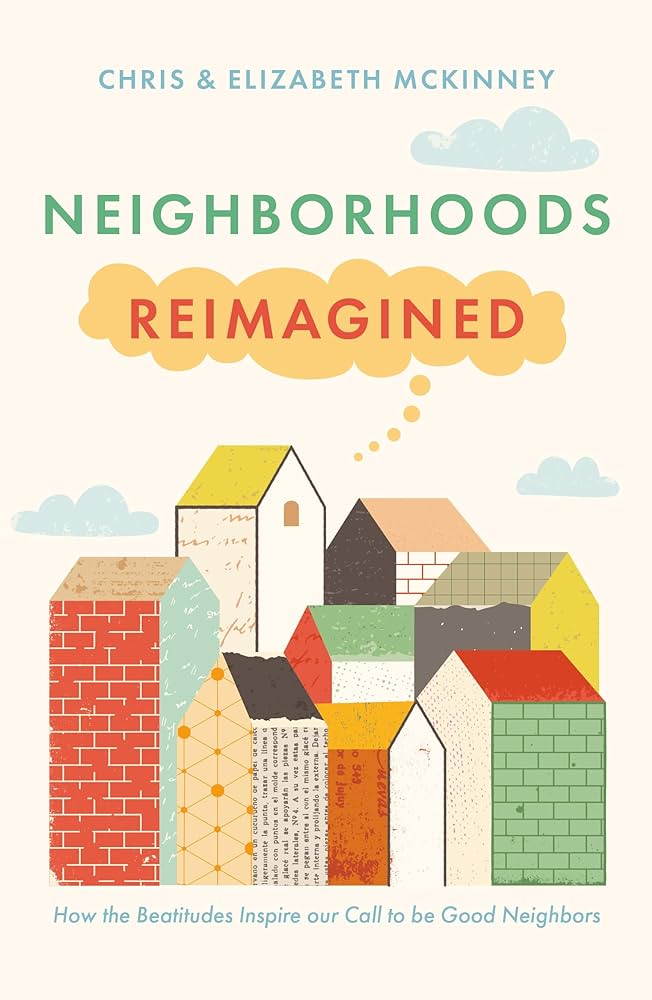
Believing the beatitudes are Jesus’ invitation into neighborhood flourishing, Neighborhoods Reimagined envisions how these upside-down values can turn our corners right-side-up.

Chris and Elizabeth McKinney never set out to write a book on neighboring (much less two – they released Placed for a Purpose in 2020). They were fine hunkering down like everyone else – except they were’t fine.

Their neediness prompted them to consider connecting with those in proximity, moving them from side-by-side strangers to acquaintances Over time, those casual connections evolved into deeper friendships that could bear weightier conversations.

In time, both Chris and Elizabeth became convinced that the Beatitudes were a “roadway Jesus gives for our flourishing and for living as salt and light in our dark and flavorless world.”


At some juncture, our societal relationship with our immediate neighbors underwent a significant shift. It wasn’t a sudden or intentional breakup; rather, it seemed to occur gradually, almost inadvertently. We might characterize it as mutual, though it was never explicitly acknowledged. Our lives became increasingly busy, our work more demanding, and in the midst of it all, we simply drifted apart, ultimately losing touch for years.

This divergence in neighborly connections is not just a feeling; it’s substantiated by data. A study conducted by Georgetown University in 2005 revealed that nearly half of Americans were unfamiliar with their neighbors. Thirteen years later, in 2018, this figure rose to 68 percent, indicating a substantial decline in neighborly acquaintance. Undoubtedly, the events of the post-2020 era have further exacerbated this trend.

While we claim there’s no animosity, the reality suggests otherwise. There exists a level of mistrust that has developed as our social bonds weakened. This erosion of trust has reached a point where a knock at the door can induce panic. We’ve responded by installing larger peepholes, sophisticated doorbells equipped with cameras, and smart speakers for added security.

Research validates these emerging trust issues. Surveys indicate that less than half of us trust our neighbors, with the youngest demographic, aged 18-29, exhibiting an even higher rate of distrust at 61 percent. Without the buffer of introductions and established relationships, navigating the differences between urban and suburban life becomes awkward, leading us to retreat to our inner circles and online tribes.

The current political and social climate exacerbates these divisions. Our entrenched viewpoints make it exhausting to entertain alternative perspectives. Political discourse, once casual, now feels fraught with tension, prompting the erection of metaphorical fences that inhibit meaningful interaction. In essence, societal norms seem to suggest that maintaining distance and minding our own business is preferable to engaging with neighbors.

Though we may not label our neighbors as adversaries, our collective indifference speaks volumes. Jesus highlighted this tendency in his parable of the Good Samaritan, illustrating how even the most religious individuals can neglect those they don’t truly care for. So, what’s the solution?

Jesus offers a radical alternative through his teachings in the Sermon on the Mount, particularly in the Beatitudes. These statements outline the qualities and blessings bestowed upon those who embody his vision. While applicable to all aspects of life, in Neighborhoods Reimagined, the McKinneys explore how applying the Beatitudes to our neighborhoods could foster significant change.

How could the Beatitudes turn your neighborhood upside down?

Chris and Elizabeth McKinney

Jesus presents a counter-cultural perspective, challenging conventional wisdom with a vision for a renewed humanity rooted in love and compassion. Though seemingly impractical, his teachings offer a transformative pathway for neighborhoods to thrive.

By embracing Jesus’ upside-down kingdom and embodying the Beatitudes, we can cultivate a renewed sense of community and neighborliness. Imperfect though we may be, the transformative power of Jesus’ teachings can reshape our neighborhoods, one relationship at a time.


I first met and talked with the McKinneys after the publication of their first book. Later we had additional conversations as they expanded their network and began a podcast. When I learned they were working on this book, I could not wait to dive into it – and it has surpassed my expectations! With a warm, personable writing style, Chris and Elizabeth invite the reader to pull up a chair and join them on their journey of living out the Beatitudes in their neighborhood, warts and all. I found the end of chapter Reflection and Discussion sections helpful to really let the content sink in and work out how I might apply it in my own neighboring journey. If you are ready to have your neighborhood turned upside down, by all means let Chris and Elizabeth come alongside of you through Neighborhoods Reimagined.


Beyond the Front Door: Building Bridges in Every Neighborhood

As Christians, how should we interact with the place and people around us?

I’ve become thoroughly convinced through God’s Word that we are all beautifully created, explicitly called, and graciously reminded to pursue the common good right where we live. And I’ve been genuinely inspired by stories of Christians in much harsher times than our own doing just that in ways that were beautiful, rewarding, and intriguing to the world around them.
The truth is, after all this study and research and introspection, most of my doubts are simply gone. They are being replaced by a “living hope,” as Peter put it in that letter to believers in Asia Minor. I see this beautiful, ancient path in front of me.

Don Everts

Are you tired of hearing people dismiss the church as an irrelevant relic? (Do you secretly wonder if they are right?) Don Everts explores an exciting reality that is revealed in Scripture, shown throughout history, and confirmed in the latest research: when Christians pursue the common good of the neighborhood, the world stands up and notices. It turns out this is exactly what we’re called to do. When Christians make good things, we bring blessings and hope to our local community.

With original research from the Barna Group and Lutheran Hour Ministries on how Christians relate to our neighborhoods, The Hopeful Neighborhood is filled with constructive, practical ways that Christians and churches can bless those around us. As Christians join together for the common good, we bring hope to the world, credibility to the church, and glory to God.


Author Don Everts believes that we all tread the same journey: from division to unity, from insignificance to relevance. This path leads to a more interconnected and harmonious way of life, to a gentler and more considerate manner of impacting the world, to a Christian presence in our nation that is more compelling and appealing, to a fuller utilization of the talents bestowed upon us by God, and to deeper connections with those who may not share our faith. 

This journey begins right at our doorsteps and, guided by God’s grace, extends to encompass the places and people in our immediate surroundings.

Though this path may seem unfamiliar in an era marked by division, self-preservation, and indifference towards our neighbors, it is, in fact, an ancient and well-trodden route. Its simplicity lies in the transition from oneself to the community one resides in. Regardless of our location, we are part of a neighborhood, and perhaps God is urging us to be more mindful of this fact.

As Everts and his wife entered into the empty nest stage of life and contemplated whether to relocate to a new neighborhood or stay in their existing one, they found themselves in no hurry to make a decision. What they did know is that wherever they end up, they want to truly inhabit that place, no longer wishing to merely exist in a location. Rather, they seek to fully engage with it.

Regardless of their eventual neighborhood, their desire is for it to be a beacon of hope. They aspire to extend hospitality by welcoming others into their home for meals and fostering a sense of community among their neighbors. They aim to collaborate with those around them, utilizing their collective talents for the betterment of their shared environment and the people within it. Above all, they want to strive to ensure that no one in their neighborhood ever goes unnoticed or unacknowledged for decades on end.

That’s what The Hopeful Neighborhood Project is all about.

Find out more here.


Transforming Lives Through Authentic Connections in Your Home

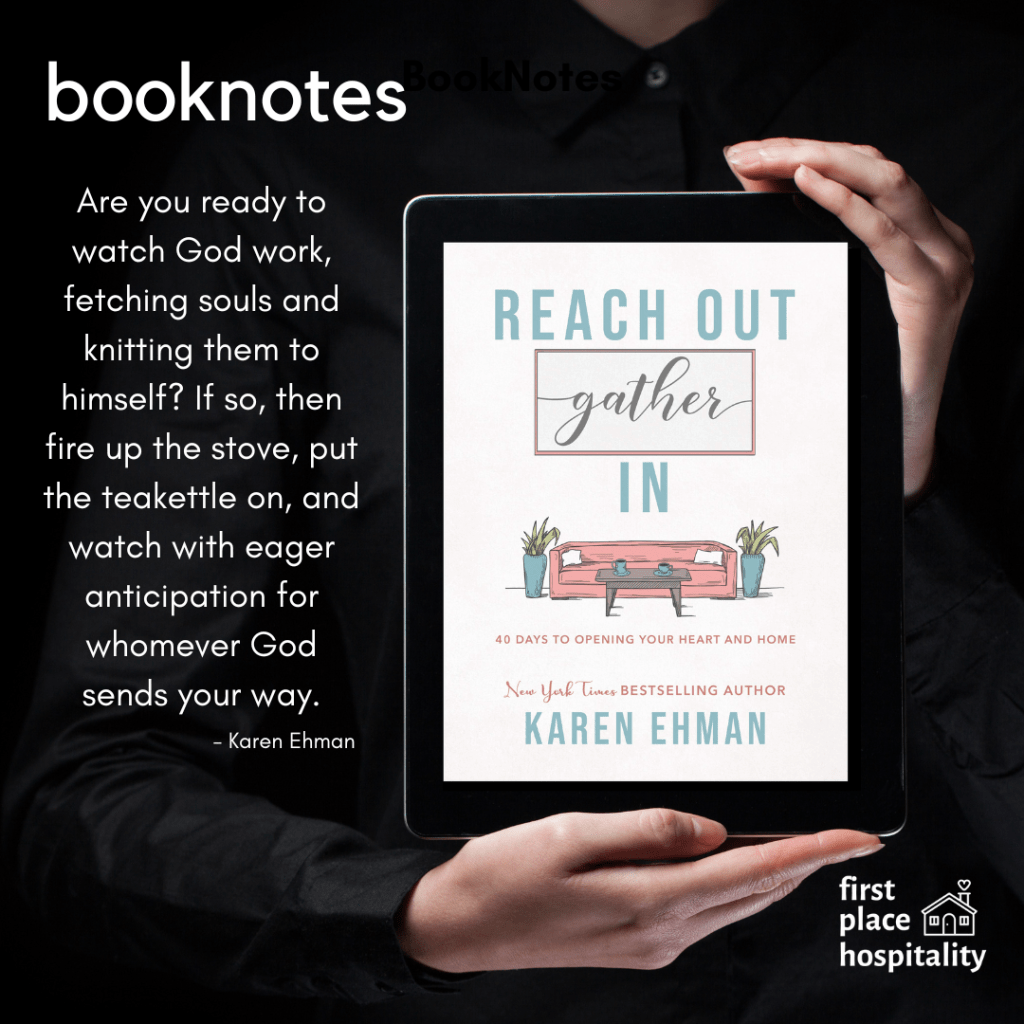
40 Days to Opening Your Heart and Home

May the people in our lives observe our set-apart and sanctified ways not as us being better and more righteous in a holier-than-thou way. Instead, when they see us taking interest in them, may they desire to know more about the one true God we serve.

Karen Ehman

Like many, you want to open up your home and connect with others. But you don’t think you have the time or ability. Along comes Reach Out, Gather In.

Through devotionals and practical tips, New York Times bestselling author Karen Ehman will inspire you to put love into action in this 40-day journey of hospitality. Karen will help you with the how to and why of reaching out to others in meaningful ways. This book – part devotional, part practical handbook – will help you find loving ways to feed both the bodies and souls of the people whom God has placed in your life.

In Reach Out, Gather In, Karen shares some of her favorite recipes and hospitality traditions:

  • ideas for menu planning and themed gatherings
  • sorta-from-scratch shortcuts for busy days when you need something delicious in a snap
  • motivating stories and biblical inspiration
  • space for answering reflective questions so you can journal your own 40-day excursion
  • sidebars on decluttering and cleaning strategies

This beautiful book highlights the why of hospitality, so that your home and life will grow to be a place where the gospel is displayed, drawing others closer to Christ and making a difference for eternity.

According to author Karen Ehman, the biblical concept of hospitality is strait-forward in its definition. The original word is philoxenos. It is a combination of two other words: philos and xenos. Philos means love, and xenos means stranger. Hospitality is simply loving strangers and continuing to love them until the strangers become friends. There is no mention of a menu, no talk of home design.

Ehman adds that stranger love isn’t the only aspect of hospitality. Scripture also tethers this topic to loving fellow believers in passages such as Romans 12:13 and Romans 16:23. Hospitality is a tool we use to serve those we barely know or to minster to our closest friends. And it can be a powerful means of building up those in our local church as we offer our homes as venues where our spiritual community can flourish and care for each other.

Ehman observes that the Lord frequently utilizes everyday connections to advance his kingdom. In an anecdote, she recounts polling members of her Bible study group on their paths to faith, discovering that nearly all had initially embraced Christianity due to personal relationships rather than merely encountering the Gospel message. These relationships ranged from familiar faces like neighbors or colleagues to unexpected friendships with individuals who welcomed them into their lives and shared their Christian journey in an authentic manner. This intimate exposure to God’s presence in ordinary life sparked a desire for a similar connection with Him.

Drawing from the New Testament passage of 1 Thessalonians 2:7-8, Ehman emphasizes the importance of not only sharing the Gospel verbally but also sharing one’s life. She highlights the Greek term “psuché,” which conveys not just daily occurrences but the essence of one’s soul or personality. This soul sharing involves creating a space where individuals can connect deeply, allowing the Gospel to be exemplified through genuine relationships.

Contrary to common misconceptions, soul sharing doesn’t require extravagance or complexity but rather entails caring for others on a profound level, offering both material support and time while directing them towards Jesus. It mirrors the hospitality of the family of God and honors the legacy of those who have embraced the Gospel before us. This simple yet profound practice holds the potential to impact lives for eternity, inviting us to eagerly anticipate the divine encounters that await us.

Are you ready to watch God work, fetching souls and knitting them to himself? If so, then fire up the stove, put the coffee pot on, and watch with eager anticipation for whomever God sends your way.


inspired and adapted from Reach Out Gather In by Karen Ehman.


A Field Guide to Methodist Fresh Expressions

Jesus is Lord of Neighborhoods and Networks

We need vintage forms of church to engage our neighborhoods and fresh forms of church to engage the networks all around us. Further, one professional clergy person growing his or her flock is a bankrupt concept. The new missional frontier requires the whole people of God, the “priesthood of all believers.” Every Christian may invite others in their relational sphere to live under the Lordship of Jesus.

Michael Adam Beck and Jorge Acevedo

As consultants who work nationwide and as innovative pastors, authors Michael Adam Beck and Jorge Acevedo awaken congregational leaders and ministry teams to a distinctive Wesleyan approach for the Fresh Expressions movement. In A Field Guide to Methodist Fresh Expressions, they show congregations how to cultivate and customize fresh expressions that fit their local context. They motivate ministry teams to take risks, experiment, and when necessary, fail well.

According to authors Beck and Acevedo, in the emerging Industrial Revolution of the eighteenth century, John Wesley was leveraging the power of first, second, and third places (home, work, and public places). Not only did he understand the importance of embodying the gospel in the places where people lived, he also had the contextual intelligence to adapt to the rhythms of their lives.

Through relationships with real people in the “nodes” (physical places) we spread the Christian faith like a good virus in the entry points that spreads through the “flows” (digital channels of connectivity).

The authors encourage us to prayerfully seek what and where the Spirit is leading us. Ask what the Spirit is up to in the places where people do life. What are the rhythms of people’s lives in our contexts? How are we engaging the neighborhoods of our communities? How are we engaging the complex system of networks? In what ways are we utilizing the flow that connect people across geographies?

Fresh Expressions epitomize a form of church suited to our evolving culture:

1. Missional: Inspired by the Spirit to reach those who aren’t yet part of the Christian community.

2. Contextual: Tailored to fit the needs and characteristics of the local community.

3. Formational: Centered on the formation of disciples.

4. Ecclesial: A complete expression of “church” rather than a transitional phase leading to an established congregation.

There’s no idealized past to return to. The existing system falls short in reaching the majority of people. We’ve transitioned beyond the information age into an era of globalization, where interconnectedness prevails. For individuals under 30, online communities are integral to daily life, blurring the lines between virtual and physical reality. Shared interests, not geographic proximity, unite people. The prevalent wound of our time is isolation.

The Fresh Expressions movement mirrors the early Methodist reliance on the Holy Spirit’s guidance. To adapt to the new reality, we must be missional in engaging people in their spaces—be it home, work, school, or communal settings like cafes, pubs, or parks. Traditional methods like door-to-door evangelism are ineffective. Instead, we should gather with others in places where they naturally congregate, identifying potential “Holy Spirit Hot Spots.”

Disruption isn’t about creating a product but a process aimed at reaching marginalized segments of society. Examples from companies like Netflix and Amazon illustrate this approach. Failure is to be anticipated, and a bold vision is necessary to engage those who wouldn’t typically step foot in a church. The church must transition from passive observers in seats to active participants in the streets.

People bond over shared interests and activities. Establishing new expressions of the church within these communities can transform practices profoundly. It goes beyond merely mimicking church rituals in trendy locations; God’s grace works through these interactions with non-Christians.

The Methodist Revival, spearheaded by John Wesley, arose amidst immense societal challenges, including high child mortality rates and rampant exploitation in cities like London. Wesley deliberately engaged with the marginalized and suffering, claiming to experience God’s presence amid their struggles.

To engage non-Christians, the unaffiliated, or those disenchanted with organized religion, questions about scripture can serve as entry points for meaningful conversations. Objects with symbolic significance within the church can also spark dialogue with those outside the faith.


inspired and adapted from A Field Guide to Methodist Fresh Expressions, by Michael Adam Beck and Jorge Acevedo

Your Hospitality Personality

How to Confidently Create Connection and Community

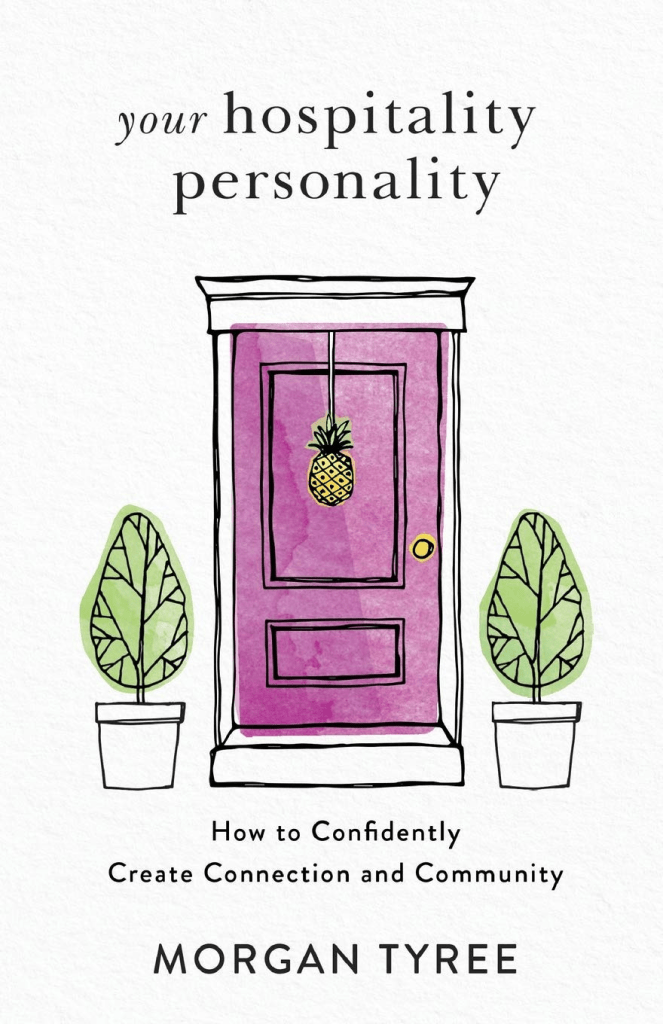
You have a hospitality personality, and it impacts how you approach hosting.

Morgan Tyree

Does the thought of hosting a dinner send you into spasms of delight or spirals of dismay? Do you love opening your home to others? Or do you dread even the planning it takes to get a group of friends to arrive at the same restaurant at the same time?

We each have our own unique hospitality personality. And when you tap into yours, you’ll find a lot more blessing with a lot less stressing.

With personal assessments, encouraging stories, and plenty of practical ideas, in Your Hospitality Personality, author Morgan Tyree shows you how to identify and embrace your hospitality personality so you can stop worrying and start enjoying yourself and your guests. She helps you understand your hospitality habits, hurdles, and hang-ups, then offers real-life solutions that fit you.

According to author Morgan Tyree, you have a unique and God-given way of interacting with others; don’t fight against your tendencies. If you do, you’ll only be limiting your potential reach, and wouldn’t that be a disservice?

Tyree also believes that you were specifically and individually created to effectively impact your circles of influence. Press into this truth. Seek out all the possibilities around you, and make sure to let your hospitality personality shine!

Do not waste any moment wishing for a different wiring. The world eagerly awaits your unique and invaluable gifts of hospitality.

Embrace your distinct, God-given manner of engaging with others; don’t resist your inclinations. Suppressing them would only curtail your potential impact, which would be a disservice, wouldn’t it?

You were meticulously crafted to make a significant difference within your spheres of influence. Embrace this reality. Explore the myriad opportunities around you and allow your hospitable nature to radiate!

Understanding your identity and aligning your actions with your hospitality traits will enable you to thrive as a host. Whether in your home or elsewhere, adhere to healthy hospitality practices. Commit to discerning which hospitality habits to retain and which to refine. Approach each aspect of hosting thoughtfully and tactfully, considering the who, what, where, when, and why. Design hosting experiences that alleviate any reservations you may have by purposefully arranging details in a manner that puts you most at ease. Make it your goal to enhance blessings while reducing stress.

Author Tyree outlines four primary hospitality personalities in her book:

  • Leaders: “The Director”
  • Entertainers: “The Socializer”
  • Includers: “The Supporter”
  • Organizers: “The Planner”

Regardless of your type, embrace the people placed in your life by God. Each of your circles craves your presence and attention – they need YOU. Plan your hospitality endeavors, and remember to sprinkle in spontaneous acts of kindness – it’s rewarding!

In her book Daring to Be Yourself, Alexandra Stoddard wisely states, “When you give your presence, you are giving the most. Ultimately, time is all you have. When you pay attention to someone else, you honor that person and the other person can honor you. You act not out of duty, but because you want to.”

Remember – your hospitality personality is a giftthe present of being present. Make sure to give it away!


inspired & adapted from Your Hospitality Personality: How to Confidently Create Connection and Community by Morgan Tyree


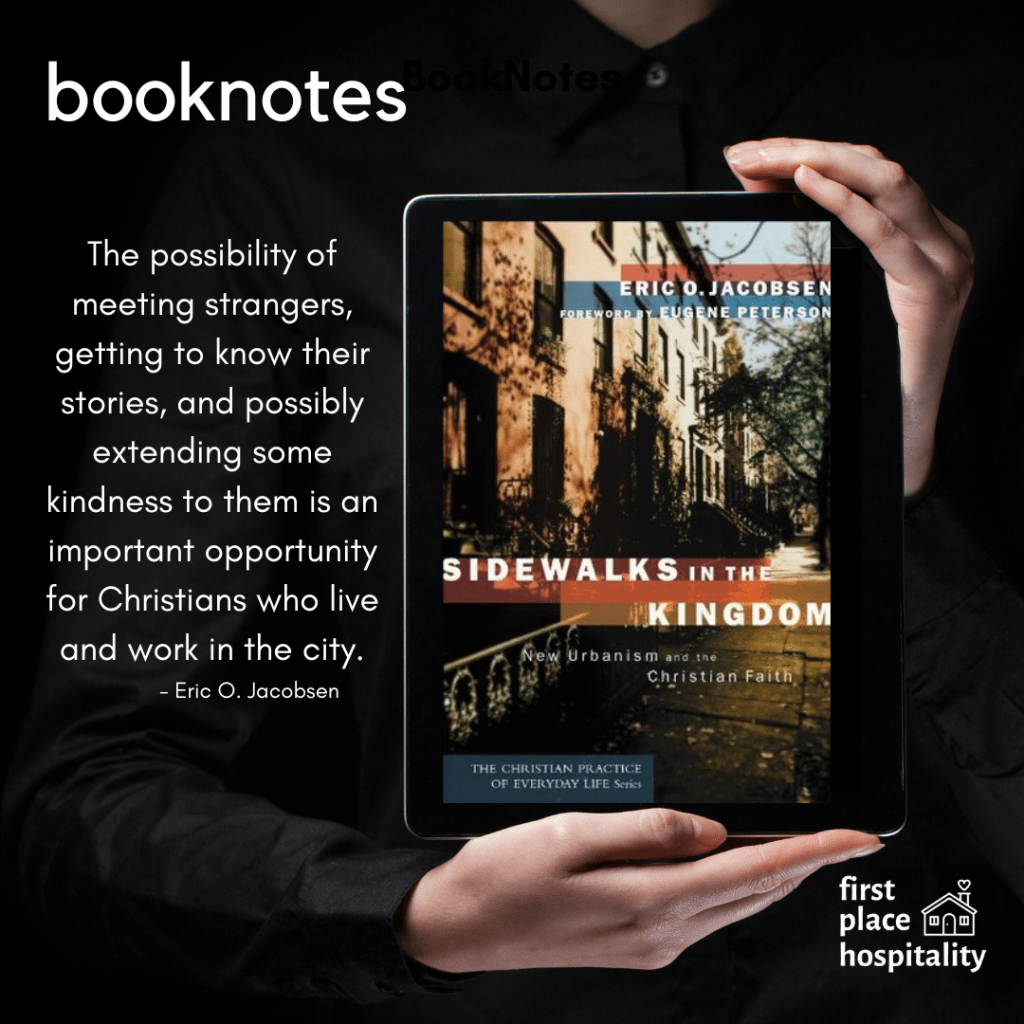
Sidewalks in the Kingdom

New Urbanism and the Christian Faith

The virtue of neighborliness is not only something I want for my neighborhood, but is something I want deeply for every residential area. I can practice neighborliness in my context while advocating for a return to neighborliness in every context.

Eric O. Jacobsen

Christians often talk about claiming our cities for Christ and the need to address urban concerns. But according to Eric Jacobsen, this discussion has remained far too abstract. Sidewalks in the Kingdom challenges Christians to gain an informed vision for the physical layout and structure of the city.

Jacobsen emphasizes the need to preserve the nourishing characteristics of traditional city life, including shared public spaces, thriving neighborhoods, and a well-supported local economy. He explains how urban settings create unexpected and natural opportunities to initiate friendship and share faith in Christ.

Helpful features include a glossary, a bibliography, and a description of New Urbanism. Pastors, city-dwellers, and those interested in urban ministry and development will be encouraged by Sidewalks in the Kingdom.

According to author Eric O. Jacobsen, the most meaningful way to define a city he has found is to say that you tend to know when you are in one. While it may sound like a cop-out, this is one area where our intuition might really be our most reliable guide.

To be more specific, there are six general features that would indicate to a visitor that he or she is in a city. These features can be understood as six distinct markers of the city.

  • Public spaces
  • Mixed-use zoning
  • Local economy
  • Beauty and quality in the built environment
  • Critical Mass
  • Presence of strangers

Jacobsen believes that a familiarity with these makers gives us handles upon which to hang our impressions of the communities in which we live, whether or not they qualify as cities. They also help focus and clarify our discussion about the merits of city life.


inspired by & adapted from Sidewalks in the Kingdom, by Eric O. Jacobsen


Palaces for the People

How Social Infrastructure Can Help People Fight Inequality, Polarization, and the Decline of Civic Life

The social and physical environment shapes our behavior in ways we’ve failed to recognize; it helps make us who we are and determines how we live.

Eric Klinenberg

We are living in a time of deep divisions. Americans are sorting themselves along racial, religious, and cultural lines, leading to a level of polarization that the country hasn’t seen since the Civil War. Pundits and politicians are calling for us to come together and find common purpose. But how, exactly, can this be done?

In Palaces for the People, Eric Klinenberg suggests a way forward. He believes that the future of democratic societies rests not simply on shared values but on shared spaces: the libraries, childcare centers, churches, and parks where crucial connections are formed. Interweaving his own research with examples from around the globe, Klinenberg shows how “social infrastructure” is helping to solve some of our most pressing societal challenges. Richly reported and ultimately uplifting, Palaces for the People offers a blueprint for bridging our seemingly unbridgeable divides.

According to author Eric Klinenberg, social infrastructure is not “social capital” – a concept commonly used to measure people’s relationships and interpersonal networks – but the physical conditions that determine whether social capital develops.

When social infrastructure is robust, it fosters contact, mutual support, and collaboration among friends and neighbors; when degraded, it inhibits social activity, leaving families and individuals to fend for themselves.

Social infrastructure is crucially important, because local, face-to-face interactions – at the school, the playground, and the corner diner – are the building blocks of all public life.

People forge bonds in places that have healthy social infrastructures – not because they set out to build community, but because when people engage in sustained, recurrent interaction, particularly while doing things they enjoy, relationships inevitably grow.


inspired by Palaces for the People, by Eric Klinenberg