Setting the Table: The Gospel According to Your Guest List

The dinner table holds extraordinary power. It’s where strangers become friends, where barriers dissolve, and where the Kingdom of God becomes tangible in our everyday lives. Yet too often, we limit our hospitality to those who look like us, think like us, and share our social status. What if God is calling us to something far more radical – a hospitality that mirrors His own heart for the marginalized, the lost, and the unreached?

The Biblical Imperative: Welcoming the “Least of These”

Jesus painted a vivid picture of Kingdom hospitality in Matthew 25:35-40, declaring that when we welcome the stranger, feed the hungry, and care for the vulnerable, we’re actually ministering to Him. This isn’t merely a suggestion for the spiritually mature – it’s a fundamental expression of what it means to follow Christ.

In Luke 14:12-14, Jesus challenges our natural inclinations even further, instructing us not to invite only “your friends, your brothers, your relatives, and your rich neighbors” to our feasts, but rather “the poor, the crippled, the lame, and the blind.” This radical reorientation of our guest lists reflects God’s preferential concern for those society overlooks and undervalues.

The call to hospitality toward the “least of these” isn’t comfortable. It requires us to step outside our social comfort zones and engage with people whose stories, struggles, and perspectives may be vastly different from our own. Yet this is precisely where the transformative power of the Gospel becomes most evident.

Breaking Down Barriers at the Table

The dining table possesses a unique ability to transcend social, economic, cultural, and spiritual divides. When we share a meal, we acknowledge our common humanity and our shared need for nourishment – both physical and spiritual. The simple act of eating together creates a level playing field where titles, bank accounts, and social status fade into the background.

Consider the revolutionary nature of Jesus’s table fellowship. He ate with tax collectors and sinners, breaking down the rigid social barriers of His time. The Pharisees were scandalized, but Jesus understood that the table was a powerful tool for demonstrating God’s inclusive love and grace.

In our context, radical hospitality might mean inviting the single mother from your child’s school, the elderly neighbor who rarely has visitors, the refugee family adjusting to a new culture, or the college student far from home. It means creating space for those who are different from us and allowing their stories to enrich our understanding of God’s diverse Kingdom.

Learning from the Early Church

The early Christian community provides a compelling model for radical hospitality. Acts 2:42-47 describes believers who “devoted themselves to the apostles’ teaching and to fellowship, to the breaking of bread and to prayer.” This wasn’t casual socializing – it was intentional community that broke down economic and social barriers.

Acts 4:32-35 reveals the extent of their radical sharing: “No one claimed that any of their possessions was their own, but they shared everything they had.” Their hospitality wasn’t limited to occasional dinner parties but extended to a complete reorientation of how they viewed their resources and relationships.

This early church model challenges our individualistic tendencies and calls us to view our homes, our tables, and our resources as tools for Kingdom advancement rather than personal comfort alone.

Hospitality as Evangelism

Radical hospitality serves as a powerful form of evangelism – not through pushy conversations or forced presentations, but through tangible demonstrations of Christ’s love. When we welcome the stranger, care for the hurting, and share our resources sacrificially, we’re preaching the Gospel through our actions.

People are drawn to authentic love. They can sense when hospitality comes from a genuine heart versus mere obligation. When our acts of welcome and care flow from our relationship with Christ, they carry spiritual weight that transcends mere social interaction.

This approach to evangelism removes the artificial distinction between “ministry” and “real life.” Every meal becomes an opportunity to demonstrate God’s love. Every invitation extended becomes a chance to reveal the inclusive nature of His Kingdom.

Overcoming Obstacles to Radical Hospitality

Many Christians struggle with barriers to radical hospitality. We’re too busy, our homes aren’t nice enough, we don’t cook well, or we feel awkward around people different from ourselves. These obstacles, while real, often mask deeper issues of fear and control.

Radical hospitality requires faith – faith that God will provide the resources, the energy, and the grace needed to welcome others well. It demands that we trust Him with our schedules, our reputations, and our comfort zones. The goal isn’t perfection but authenticity, not impressiveness but love.

Start small. Invite one person who might not otherwise have anywhere to go for Sunday dinner. Offer to share a simple meal with a neighbor going through a difficult time. Allow God to stretch your capacity for welcome gradually.

The Table as a Kingdom Microcosm

Every act of radical hospitality in our homes contributes to the visible manifestation of God’s Kingdom on earth. When the wealthy executive sits alongside the struggling single parent, when the suburban family welcomes the urban refugee, when generational and cultural barriers dissolve over shared food – we’re providing a glimpse of the eternal feast that awaits all believers.

Our tables become training grounds for eternity, spaces where we practice the radical inclusivity and sacrificial love that characterize God’s Kingdom. They’re laboratories for grace, where we learn to see others through Christ’s eyes and love them with His heart.

Embracing the Call

Radical hospitality isn’t a program to implement but a lifestyle to embrace. It’s a recognition that everything we have – our homes, our resources, our time – belongs to God and should be used for His redemptive purposes. It’s an acknowledgment that the Kingdom of God advances not just through formal ministry but through countless acts of welcome and care.

The invitation is clear: Will we limit our hospitality to those who can reciprocate, or will we embrace God’s radical vision of the table as a place where His love transforms lives and His Kingdom becomes visible? The choice is ours, but the eternal impact extends far beyond our dining rooms to the very heart of God’s redemptive mission in the world.


The Host’s Posture: Embodying Christ’s Love and Humility

Having explored God as the ultimate Host and the sacred act of preparing our tables, we now turn to the heart of the matter: the host themselves. In biblical hospitality, the host is not merely an orchestrator of events but an ambassador of Christ’s love, called to embody humility, service, and genuine care. This posture transcends social graces, moving into the realm of spiritual discipline and Christ-like imitation.

At the core of the host’s posture is Christ as the Ultimate Servant-Host. No one exemplified true hospitality more perfectly than Jesus. He consistently flipped societal norms, demonstrating that true leadership is found in humble service. His most profound act of hospitality, the washing of His disciples’ feet (John 13), redefined leadership as servanthood. He, the Master, took the lowest position, demonstrating that a host’s primary role is not to be served, but to serve. This is echoed in Luke 22:27, where Jesus states, “For who is greater, the one who is at the table or the one who serves? Is it not the one who is at the table? But I am among you as one who serves.” When we host, we are invited to mimic this divine humility, setting aside our own comfort or desire for accolades to prioritize the needs and well-being of our guests.

This posture of servanthood is fueled by love as the guiding principle. The kind of love mandated for the Christian host is agape love – a selfless, unconditional, sacrificial love that seeks the good of the other. It’s not a sentimental feeling but an active choice, a commitment to goodwill and action. This agape love compels us to anticipate needs, to overlook minor inconveniences, and to extend grace even when guests might be challenging or unresponsive. It means being attentive to dietary restrictions, cultural differences, or personal discomforts, not out of obligation, but out of a genuine desire to make others feel seen, valued, and cherished. When love guides our hospitality, the atmosphere of our home becomes a tangible expression of God’s heart.

A vital expression of this love is active listening and empathy. True hospitality creates a safe space where guests feel heard and understood. This requires the host to move beyond polite small talk, engaging in genuine conversation, asking thoughtful questions, and truly listening to the answers. It means being attuned to unspoken cues, recognizing when someone might be tired, uncomfortable, or in need of encouragement. The ability to empathize with a guest’s situation, even if unspoken, allows the host to minister to their deeper needs, offering not just physical sustenance but emotional and spiritual refreshment. This attentiveness, a mirror of Christ’s compassion, fosters profound connection that transcends a mere social gathering.

Perhaps one of the greatest challenges for any host is overcoming self-consciousness. The temptation to impress, to seek approval, or to worry excessively about every detail can stifle genuine hospitality. This self-focus pulls us away from the Christ-like posture of humility and service. True biblical hospitality liberates us from this burden. It’s not about our performance, but about God’s provision and His love flowing through us. When we release the pressure to be perfect and instead lean into God’s grace, we are free to be authentic, present, and genuinely engaged with our guests. This freedom allows us to welcome others into our imperfections, creating a more relatable and comforting environment than any meticulously curated facade. It’s in our vulnerability that guests often feel most at ease.

Finally, the host has a unique opportunity to facilitate edifying fellowship. The table, as a place of gathering, is ideal for conversation that builds up, encourages, and points towards spiritual truth. This doesn’t mean forcing awkward spiritual conversations, but rather creating an atmosphere where genuine sharing, laughter, and even thoughtful discussion about faith can naturally emerge. The host can gently steer conversation away from gossip or divisive topics, instead fostering dialogue that promotes unity, celebrates God’s goodness, and encourages mutual spiritual growth. This might involve sharing personal testimonies, discussing a Bible verse, or simply creating space for deep, meaningful conversations that nourish the soul as much as the meal nourishes the body.

Ultimately, the act of hosting, when viewed through a biblical lens, is a powerful manifestation of hospitality as a spiritual gift. Romans 12:13 encourages believers to “contribute to the needs of the saints and seek to show hospitality.” For those with this gift, it is a joy and a calling. For all believers, it is a command to be practiced. Cultivating this gift means intentionally developing the character qualities of love, humility, patience, and generosity. It means recognizing that God empowers us to be His hands and feet, extending His welcome, His grace, and His love to a world longing for genuine connection.

The host’s posture, therefore, is not merely a set of behaviors but a reflection of Christ’s character. By embracing humility, embodying love, practicing active listening, overcoming self-consciousness, and facilitating edifying fellowship, we become channels of God’s divine invitation, transforming our tables into sacred spaces where hearts are drawn closer to Him and to one another.


Today is the third in a five-part series that will prayerfully explore the profound role of the dining table in fostering Christ-like hospitality within the home, moving beyond mere functionality to embrace its spiritual, redemptive, and missional significance as an act of obedience, love, and worship.

The dining table should be a sacred altar of God’s grace, a place where His character of welcome and provision is manifest, where relationships are sanctified, and where the Kingdom of God is tangibly extended through shared communion.

A Seat at God’s Table: Understanding the Divine Roots of Home Hospitality

Today begins a five-part series that will prayerfully explore the profound role of the dining table in fostering Christ-like hospitality within the home, moving beyond mere functionality to embrace its spiritual, redemptive, and missional significance as an act of obedience, love, and worship.

The dining table should be a sacred altar of God’s grace, a place where His character of welcome and provision is manifest, where relationships are sanctified, and where the Kingdom of God is tangibly extended through shared communion.


In a world increasingly characterized by fleeting connections and self-serving pursuits, the concept of hospitality often gets diluted to a mere act of entertaining. We might host friends for dinner, impress colleagues with a well-planned event, or welcome family during holidays. While these gatherings have their place, they often fall short of the profound, grace-filled call to biblical hospitality. To truly grasp the essence of welcoming others into our homes and to our tables, we must first look to the Divine Host Himself: God.

From the very beginning, God demonstrates an unparalleled hospitality. In the book of Genesis, we find Him creating a perfect dwelling for humanity – Eden – a place of abundant provision and intimate fellowship. He provides for Adam and Eve, not out of obligation, but out of His overflowing nature of love and generosity. This initial act of divine provision sets the stage for understanding God as the ultimate Host, whose very character is defined by welcome, care, and an open invitation to His creation.

This divine hospitality is consistently woven throughout the biblical narrative, often symbolized by the table. Consider the Passover, where a shared meal becomes the central act of remembrance and covenant. It’s a physical re-enactment of God’s liberating grace, where each element on the table points to His unwavering faithfulness. Later, in the wilderness, God miraculously provides manna – daily bread from heaven – a tangible demonstration of His sustained provision for His people, sustaining them at His table in the barren land. These are not just historical events; they are profound theological statements about a God who desires to nourish, sustain, and commune with His creation.

The pinnacle of God’s hospitality is revealed in Jesus Christ. His incarnation is God’s radical act of entering our broken world, extending an ultimate invitation to reconciliation. Throughout His ministry, Jesus embodied a revolutionary form of hospitality. He dined with tax collectors and sinners, transforming outcasts into insiders. His meals were not merely about food; they were transformative encounters, spaces where grace broke through societal barriers and where forgiveness and healing were dispensed. The Last Supper, in particular, elevates the table to a covenant sign of unparalleled significance, establishing a new covenant in His blood, offering communion, forgiveness, and eternal life. Every celebration of the Lord’s Supper today is a continuation of this divine invitation, a taste of His sacrificial welcome.

This understanding of God as the archetype of hospitality informs the biblical mandate for believers to practice philoxenia. This Greek word, often translated as “hospitality,” literally means “love of strangers.” It’s far more than social etiquette; it’s a divine command to extend unconditional welcome, particularly to those outside our immediate circle, the marginalized, and the vulnerable. Hebrews 13:2 urges, “Do not forget to show hospitality to strangers, for by so doing some people have entertained angels without knowing it.” This verse not only highlights the potential for divine encounter but also challenges our comfort zones, pushing us beyond welcoming only those who can reciprocate.

Distinguishing biblical hospitality from mere entertaining is crucial. Entertaining often focuses on the host’s performance, seeking to impress, control, or gain social currency. It can be characterized by anxiety over perfection, a focus on expensive provisions, and a subtle self-serving agenda. Biblical hospitality, however, is radically different. It is motivated by agape love—a selfless, sacrificial love that seeks the good of the guest. It flows from a heart shaped by God’s own generosity and humility. It’s about making space, offering genuine presence, and desiring the spiritual and physical well-being of the one welcomed. While a beautifully prepared meal and setting can certainly enhance the experience, they are secondary to the posture of the host’s heart – a heart mirroring Christ’s.

Finally, our earthly tables serve as a profound foretaste of the ultimate divine invitation: the Wedding Feast of the Lamb, described in Revelation 19. This glorious, eternal banquet symbolizes the perfected communion between God and His redeemed people. Every act of hospitality we extend in our homes, every shared meal, every moment of genuine connection fostered around our tables, can be a small echo of that grand celestial feast. It reminds us that our earthly lives are a journey towards eternal communion with the Divine Host, and that our present acts of welcome are rehearsals for an unending celebration of grace.

Understanding God as the “Archetype of Hospitality” transforms our perspective on the dining table. It ceases to be just a surface for food and becomes a sacred altar, a covenant sign, and a tangible expression of God’s own welcoming heart. When we invite others to our table with this biblical understanding, we are not just offering a meal; we are participating in God’s ongoing divine invitation, extending His grace, and reflecting His character to a world desperately hungry for authentic connection and unconditional love.


The Simplest Way to Change the World: One Meal, One Conversation, One Neighbor at a Time

In a world grappling with complex problems and a pervasive sense of disconnection, Dustin Willis and Brandon Clements offer a refreshingly accessible and profoundly impactful solution in their book, The Simplest Way to Change the World: Biblical Hospitality as a Way of Life. Their central thesis is both straightforward and revolutionary: the most effective way to transform our communities and the world at large is by emulating the simple, relational ministry of Jesus – primarily through sharing meals and engaging in authentic conversations with those around us, starting with our neighbors.

Willis and Clements challenge the notion that global impact requires grand gestures or extensive resources. Instead, they argue that Jesus’s ministry was characterized by intentional presence, genuine curiosity about individuals, and the radical hospitality of sharing meals. He met people where they were, listened to their stories, addressed their immediate needs, and invited them into deeper relationship. The authors contend that by adopting this model in our own lives, we can create ripples of positive change that extend far beyond our immediate reach.

The book dismantles the barriers we often erect between ourselves and others – busyness, fear of awkwardness, and the misconception that we need to have all the answers. Willis and Clements emphasize that genuine connection doesn’t require perfection or a meticulously planned agenda. It simply requires a willingness to open our lives and our homes to those around us, offering a space of welcome and authentic engagement. They share numerous inspiring stories of individuals and communities who have embraced this simple approach, witnessing remarkable transformations in their neighborhoods and beyond.

The Simplest Way to Change the World isn’t about adding another item to our already overflowing to-do lists. Rather, it’s about shifting our perspective and infusing our everyday interactions with intentionality. It’s about seeing the divine potential in every person we encounter, from the barista at our local coffee shop to the family living next door. By prioritizing presence over programs and conversations over campaigns, we can cultivate genuine relationships that foster understanding, empathy, and ultimately, positive change.

The authors highlight the power of the table as a central point of connection. Sharing a meal breaks down social barriers, creates a relaxed atmosphere, and provides a natural context for meaningful conversation. It’s in these shared moments that we can truly see and be seen, hear and be heard, and begin to understand the unique stories and needs of those around us. This simple act of hospitality, consistently offered, can be a powerful catalyst for building trust and fostering a sense of belonging.

Top Five Applications of Home Hospitality in Changing the World

Home hospitality, as advocated by Willis and Clements, goes beyond polite entertaining. It’s a deliberate act of extending welcome and creating space for connection that can have profound ripple effects. Here are five key applications in the context of changing the world, one relationship at a time:

Intentional Meal Sharing with Neighbors: Regularly inviting neighbors over for simple meals – whether it’s a potluck, a barbecue, or just sharing leftovers – creates consistent opportunities for interaction and relationship building. This breaks down the anonymity of neighborhood living and fosters a sense of community where people know and care for one another. For instance, hosting a monthly “pizza night” for families on your street can become a cherished tradition.

Creating a Welcoming Space for Conversation: Your home can become a safe and inviting space for deeper conversations. This could involve inviting a neighbor struggling through a difficult time for coffee and a listening ear, or hosting a small group discussion on a topic of shared interest. Offering a space free from distractions signals that you value their presence and perspective.

Extending Hospitality to the Margins: Following Jesus’s example, home hospitality can be intentionally extended to those who are often overlooked or marginalized in our communities. This might involve inviting someone who is new to the area, someone experiencing loneliness, or someone from a different cultural background for a meal or conversation. This act of radical welcome can break down societal barriers and foster understanding.

Building Bridges Through Shared Experiences: Hosting informal gatherings centered around shared interests or local events can be a powerful way to connect with a diverse group of people. This could be a book club, a movie night, or a gathering to watch a local sporting event. These shared experiences provide natural conversation starters and help build connections beyond superficial interactions.

Practicing Open-Door Hospitality: While not always feasible, cultivating a spirit of open-door hospitality – being willing to welcome unexpected guests or offer spontaneous help – can create opportunities for organic connection. This might involve offering a cold drink to a neighbor working in their yard on a hot day or inviting someone in out of the rain. These small acts of spontaneous generosity can have a significant impact.

Next Steps to Take

Embracing the simple yet profound approach of Willis and Clements is a journey that begins with small, intentional steps. Here are some practical next steps you can take to start changing the world, one relationship at a time:

  1. Identify Your Immediate Neighbors: Make a conscious effort to know the names and a little about the people who live closest to you. If you don’t know them, take the initiative to introduce yourself. A simple knock on the door with a small gesture, like a baked treat or a plant, can be a great icebreaker.
  2. Plan a Simple Shared Meal: Invite one or two neighboring households for a casual meal in the next week or two. Keep it low-pressure and focus on creating a relaxed atmosphere for conversation. Don’t worry about having a perfect home or a gourmet meal; the focus is on connection.
  3. Initiate Meaningful Conversations: When you do connect with your neighbors, practice active listening. Ask open-ended questions and show genuine interest in their lives, their stories, and their perspectives. Put away distractions and be fully present in the conversation.
  4. Look for Opportunities to Serve: Pay attention to the needs around you. Is a neighbor struggling with yard work? Could someone use a ride to the store? Offer simple acts of service that demonstrate care and build goodwill.
  5. Be Consistent and Patient: Building genuine relationships takes time and consistency. Don’t be discouraged if initial interactions feel awkward or superficial. Keep showing up, keep offering hospitality, and trust that meaningful connections will develop over time.
  6. Expand Your Circle Intentionally: Once you’ve begun connecting with your immediate neighbors, consider how you can extend this approach to others in your wider community – perhaps someone at work, in your faith community, or involved in a local organization.
  7. Reflect on Jesus’s Example: Regularly reflect on the ways Jesus interacted with people. Notice his intentionality, his compassion, and his focus on building relationships through simple acts of love and hospitality. Let his example inspire your own efforts.
  8. Share Your Experiences: As you begin to experience the power of this simple approach, share your stories with others. Encourage them to embrace the art of neighboring and to discover the transformative potential of genuine connection.

The Simplest Way to Change the World offers a powerful antidote to the overwhelming challenges we face. By focusing on the person in front of us, sharing a meal, and engaging in authentic conversation, we can begin to build stronger communities, foster greater understanding, and truly embody the love of Jesus in our everyday lives. The revolution doesn’t start with a grand announcement; it begins with a simple invitation to our table.


The Art of Neighboring: Cultivating Community One Door at a Time

In an increasingly disconnected world, the simple yet profound act of knowing and loving our literal neighbors has the power to transform individuals, communities, and even the world. This is the central message of The Art of Neighboring: Building Genuine Relationships Right Outside Your Door by Jay Pathak and Dave Runyon. The book challenges the common tendency to view “neighbor” as a metaphorical concept, encompassing anyone in need across the globe, and instead calls for a radical shift in focus: prioritizing the people who live closest to us.

Pathak and Runyon argue that while global outreach and broader compassion are vital, neglecting our immediate neighbors often leads to a diluted and ineffective practice of love. By aiming for everyone, we often connect deeply with no one. Jesus, when asked to summarize the commandments, emphasized loving God and loving our neighbor as ourselves. The authors contend that Jesus’s initial audience would have naturally understood “neighbor” to mean those in their immediate vicinity. The parable of the Good Samaritan then served to expand their understanding of who qualifies as a neighbor, not to replace the importance of caring for those geographically close.

The Art of Neighboring isn’t just a theoretical discussion; it’s a practical guide filled with relatable anecdotes and actionable steps. The authors address common barriers to neighboring, such as busy schedules and fear of awkward interactions. They emphasize that building genuine relationships takes time, consistency, and a willingness to step outside our comfort zones. Small, regular acts of kindness and connection can accumulate into strong, meaningful bonds. The book encourages readers to move beyond superficial interactions and learn the names, stories, interests, and even needs of those living nearby.

A key principle highlighted is the distinction between being responsible to our neighbors and being responsible for them. While we are called to be present, supportive, and helpful, we must also recognize our own limitations and avoid taking on burdens that are not ours to carry. Healthy neighboring involves reciprocity – a willingness to both give and receive help. This mutual exchange fosters deeper connections and breaks down walls of isolation.

The ultimate motivation for neighboring, according to Pathak and Runyon, should be rooted in our faith and love for God, not as a means to an end. While sharing our faith may naturally arise within genuine relationships, it should never be the sole or ulterior motive for reaching out. Authentic love, offered unconditionally, often speaks louder than words.

Top Five Applications of Home Hospitality in Neighboring

Home hospitality serves as a powerful tool for building connections and demonstrating care for our neighbors. It moves beyond casual greetings and creates opportunities for deeper interaction and relationship building. Here are five key applications:

  1. Simple Shared Meals: Inviting a neighbor over for a casual meal, whether it’s a weeknight dinner, a weekend brunch, or even just sharing takeout on the porch, creates a relaxed atmosphere for conversation and connection. It doesn’t need to be elaborate; the focus is on the shared experience and the opportunity to learn more about each other. For example, inviting a new neighbor over for pizza shortly after they move in can be a welcoming gesture.
  2. Informal Gatherings: Hosting small, informal gatherings based on shared interests or neighborhood events can foster a sense of community. This could be a book club meeting, a game night, a potluck to celebrate a holiday, or watching a local sports team together. These events provide a low-pressure environment for neighbors to interact and build friendships.
  3. Offering Practical Help: Home hospitality can extend to providing practical assistance within your home. This could involve offering to watch a neighbor’s child for a few hours during an emergency, helping with a small home repair if you have the skills, or providing a temporary place to stay during a crisis. These acts of service demonstrate tangible care and build trust.
  4. Welcoming New Neighbors: Extending specific hospitality to those who have recently moved into the neighborhood is crucial. This could involve a welcome basket with local information and small treats, an invitation for coffee or a meal, or simply offering help with unpacking. Making newcomers feel seen and welcomed from the start can set the foundation for positive relationships.
  5. Creating Space for Vulnerability: As relationships deepen, home can become a safe space for sharing more personal aspects of life. Offering a listening ear over a cup of coffee, providing comfort during a difficult time, or celebrating milestones together within the intimacy of your home can foster deep and meaningful connections.

Next Steps to Take

Embracing the art of neighboring is a journey, not a destination. Here are some practical next steps you can take to begin or deepen your engagement with your immediate community:

  1. Learn Your Neighbors’ Names: Start with the basics. Make a conscious effort to learn the names of the people who live on either side of you, across the street, and in the houses directly behind you. A simple “Hi, I’m [Your Name]” can be the first step in building a connection.
  2. Initiate Simple Interactions: Look for opportunities for brief, friendly interactions. Wave hello when you see them outside, offer a compliment on their garden, or ask a simple question about the neighborhood. These small gestures can build familiarity and open the door for further conversation.
  3. Find Common Ground: Pay attention during your interactions to discover shared interests or experiences. Do you both enjoy gardening? Have children of similar ages? Frequent the same local park? Finding common ground provides natural topics for conversation and potential activities to share.
  4. Offer Small Acts of Kindness: Look for simple ways to be helpful. Offer to bring in their trash cans, water their plants while they’re away, or share extra produce from your garden. These small acts of service demonstrate care and build goodwill.
  5. Be Present and Available: Spend time in your front yard or on your porch. This increases your visibility and creates more opportunities for spontaneous interactions with passersby. Being physically present signals your openness to connection.
  6. Consider a Neighborhood Gathering: Take the initiative to organize a small, informal gathering. This could be a block party, a potluck picnic in a shared green space, or a casual coffee hour at your home. These events provide a structured opportunity for neighbors to meet and socialize.
  7. Listen More Than You Talk: When you do have conversations with your neighbors, practice active listening. Show genuine interest in what they have to say, ask follow-up questions, and remember details for future interactions.
  8. Pray for Your Neighbors: Consciously lift your neighbors up in prayer. Pray for their well-being, their families, and any specific needs you become aware of. This act of intercession can deepen your sense of connection and compassion.

The Art of Neighboring reminds us that the most profound acts of love and community building often begin right outside our front door. By intentionally cultivating relationships with those who live closest to us, we can create stronger, more vibrant, and more caring neighborhoods, one genuine connection at a time.


Low-Effort, High-Impact Neighborly Gestures

Let’s face it, life gets busy. Between work, family, and personal commitments, it can be challenging to find time for everything, let alone building strong neighborly relationships. But the good news is, fostering a great relationship with your neighbors doesn’t require a massive time commitment. Small, simple gestures can go a long way.

What if we took the time to get to know the people next to us and discovered that they aren’t so menacing after all? Perhaps we would find that the people on our block or floor are normal people just like us.

At the end of the day, they long for a place to belong, a place to be accepted and cared for.

Introduce Yourself – It might seem obvious, but simply introducing yourself to your neighbors can be a great starting point. A friendly hello, a brief conversation about the neighborhood, or even just exchanging names can lay the foundation for a positive relationship. You might be surprised how many people appreciate a warm welcome.

Share the Love (Literally) – Who doesn’t love a homemade treat? Baking is a classic way to show your appreciation. Whether it’s a batch of cookies, a loaf of bread, or a homemade jam, a small, delicious gift can be a wonderful icebreaker. It’s a simple gesture that can spark a conversation and create a positive impression.

Offer a Helping Hand – Small acts of kindness can go a long way. If you notice your neighbor struggling with groceries, offer to help carry them in. If you see their driveway needs shoveling after a snowstorm, lend a hand. These small gestures can make a big difference in someone’s day and strengthen your bond with your neighbor.

Mind Your Manners – Sometimes, the smallest actions can have the biggest impact. Be mindful of noise levels, especially during late hours. Respect shared spaces like sidewalks and lawns. These simple courtesies show that you care about your neighbors and their well-being.

Communicate Openly – If there’s an issue, address it directly and respectfully. Open communication is key to resolving conflicts and building trust. A friendly chat can often clear up misunderstandings and prevent larger problems from arising.

Remember, building strong neighborly relationships takes time and effort. But by incorporating these simple gestures into your daily life, you can create a more connected and supportive community without sacrificing too much of your own time. Small steps can lead to big rewards.

What are your favorite low-effort ways to connect with your neighbors? Share your tips in the comments below!


Check out these other “Good Neighbor Day” articles:

Coming Soon

  • 9/2 Family-Friendly Neighborly Activities
  • 9/9 Creating a Safer and Stronger Neighborhood Together
  • 9/16 Celebrating National Good Neighbor Day
  • 9/23 How to Celebrate National Good Neighbor Day in One Easy Step

– – –

How to Have a Beautiful Day in Your Neighborhood

Celebrating National Good Neighbor Day September 28

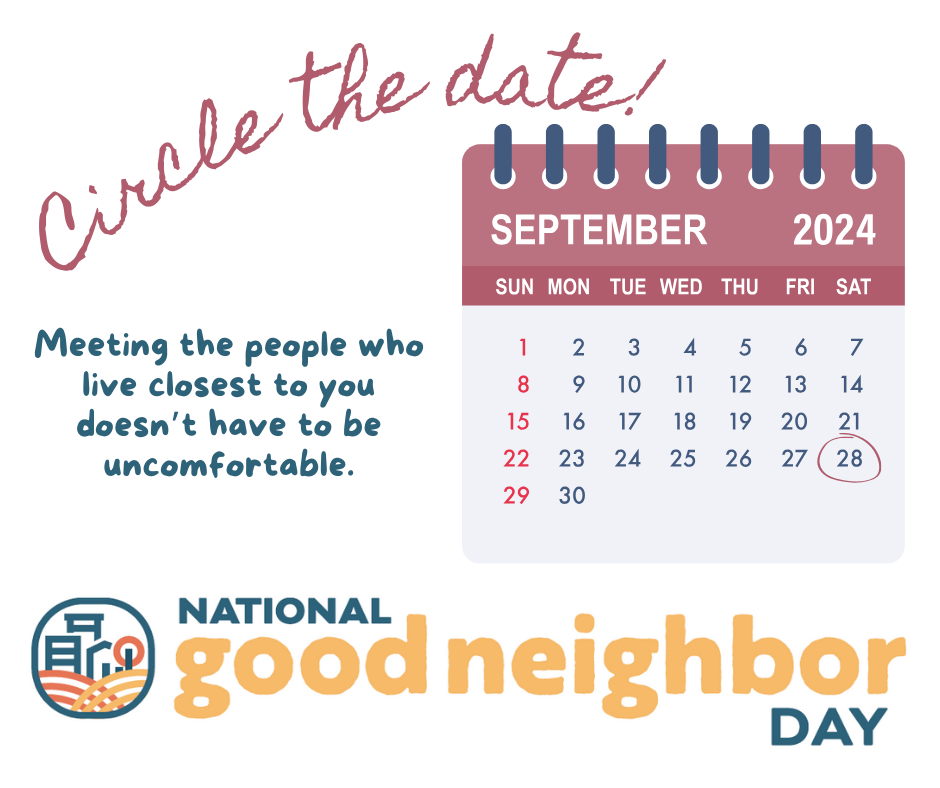
National Good Neighbor Day is an annual observance in the United States that encourages people to build stronger relationships with their neighbors and foster a sense of community. 

Here’s a brief overview of its history and background:

The day was created by Becky Mattson, a resident of Lakeside, Montana, who came up with the idea in the early 1970s. She believed that good neighbors were vital to the strength and well-being of communities and wanted to create a day that would recognize and encourage neighborly relationships.

Mattson began promoting the idea locally and then expanded her efforts to gain wider recognition. She successfully lobbied for the day to be recognized in her home state of Montana.

Encouraged by the state-level success, Mattson launched a campaign to have the day recognized nationally and her efforts caught the attention of members of Congress, who supported the idea.

In 1978, Mattson’s work culminated in success when President Jimmy Carter issued Proclamation 4601, officially designating the fourth Sunday in September as “National Good Neighbor Day.” In his proclamation, Carter stated, “Understanding, love, and respect build cohesive families and communities.”

In 2003, the observance was moved to a fixed date of September 28th each year. National Good Neighbor Day is sponsored and managed by The Hopeful Neighborhood Project.

Mattson’s grassroots effort to promote neighborliness and community spirit is a testament to how individual citizens can influence national observances. Her initiative has since inspired many communities across the United States to organize events and activities that foster better relationships between neighbors.

National Good Neighbor Day aims to promote kindness, consideration, and understanding between neighbors, recognizing the importance of strong community bonds.

As National Good Neighbor Day approaches, communities across the nation are gearing up to celebrate the spirit of neighborliness. This annual observance offers a perfect opportunity to strengthen bonds and create a more vibrant, connected neighborhood.

Here are some inspiring ways you can participate and make a difference in your community:

Bring the Neighborhood Together – Nothing fosters community spirit quite like sharing a meal. Consider organizing a block party, community potluck, or barbecue in your local park. These gatherings provide an excellent chance for neighbors to mingle, share stories, and create lasting connections.

Lend a Helping Hand – Good Neighbor Day is all about kindness. Why not offer to help an elderly neighbor with yard work or home maintenance? Baking treats to share or offering to pet-sit for a neighbor going on vacation are simple yet meaningful gestures that can brighten someone’s day.

Improve Your Surroundings – Take pride in your neighborhood by initiating community improvement projects. Organize a neighborhood clean-up, plant trees, or start a community garden. These activities not only beautify your area but also give neighbors a chance to work together towards a common goal.

Foster Social Connections – Launch a neighborhood watch program to enhance safety, or start a book club to bring together literature lovers. Setting up a community bulletin board can keep everyone informed about local news and events, fostering a sense of community.

Welcome New Faces – Make newcomers feel at home by creating a welcome committee. Greet new residents with welcome baskets filled with local goodies and information about the neighborhood. Offering a guided tour of the area can help them feel more connected to their new home.

Share Your Skills – Everyone has something to offer. Host workshops where neighbors can share their expertise, whether it’s cooking, home repair, or gardening. Consider setting up a tool-lending library to promote resource sharing within the community.

Celebrate Diversity – Organize multicultural potlucks or cultural performances to celebrate the diversity in your neighborhood. These events can foster understanding and appreciation for different cultures and traditions.

Give Back Together – Coordinate charitable activities like food or clothing drives for local charities. Volunteering as a group at local non-profits not only helps those in need but also strengthens neighborhood bonds.

Promote Health and Wellness – Organize group fitness activities like neighborhood walks or yoga in the park. Hosting health awareness seminars can also contribute to the overall well-being of your community.

Go Green – Initiate environmental projects such as coordinating neighborhood recycling efforts or organizing energy conservation challenges. These activities can bring neighbors together while making a positive impact on the environment.

Engage Youth – Set up mentoring programs or organize youth sports leagues to involve younger residents in community activities. This can help foster a sense of belonging and responsibility among the next generation.

Embrace Technology – Create neighborhood social media groups or websites to improve communication. Organizing digital literacy classes for older residents can help bridge generational gaps and keep everyone connected.

National Good Neighbor Day reminds us that strong communities are built on simple acts of kindness and connection. By participating in these activities, you’re not just celebrating a day – you’re contributing to a more cohesive, supportive, and vibrant neighborhood all year round. So why wait? Reach out to a neighbor today and start planning how you’ll make this Good Neighbor Day on September 28 special for your community.


Hosting with Heart: Bringing Five-Star Hospitality to Your Living Room

Will Guidara was twenty-six when he took the helm of Eleven Madison Park, a struggling two-star brasserie that had never quite lived up to its majestic room. Eleven years later, EMP was named the best restaurant in the world.

How did Guidara pull off this unprecedented transformation?

Radical reinvention, a true partnership between the kitchen and the dining room – and memorable, over-the-top, bespoke hospitality. Guidara’s team surprised a family who had never seen snow with a magical sledding trip to Central Park after their dinner; they filled a private dining room with sand, complete with mai-tais and beach chairs, to console a couple with a cancelled vacation. And his hospitality extended beyond those dining at the restaurant to his own team, who learned to deliver praise and criticism with intention; why the answer to some of the most pernicious business dilemmas is to give more – not less; and the magic that can happen when a busser starts thinking like an owner.

Today, every business can choose to be a hospitality business – and we can all transform ordinary transactions into extraordinary experiences. Featuring sparkling stories of his journey through restaurants, with the industry’s most famous players like Daniel Boulud and Danny Meyer, Guidara urges us all to find the magic in what we do—for ourselves, the people we work with, and the people we serve.


In the world of high-end restaurants and luxury hotels, the concept of “unreasonable hospitality” has gained traction, championed by industry leaders like Will Guidara. But what if we could bring this ethos into our own homes, transforming everyday gatherings into extraordinary experiences? Let’s explore how to apply these principles to create unforgettable moments for our guests, right in our own living rooms and dining tables.

At its core, unreasonable hospitality is about going above and beyond expectations, creating moments of delight and connection that surprise and touch our guests. In a home setting, this doesn’t mean spending lavishly or stressing ourselves out. Rather, it’s about thoughtfulness, attention to detail, and a genuine desire to make others feel special.

Start by truly knowing your guests. Pay attention to their preferences, interests, and needs. Did your friend mention loving a particular type of tea? Have it ready when they visit. Is your nephew obsessed with dinosaurs? Create a dinosaur-themed place setting just for him. These small gestures show that you listen and care, making your guests feel truly seen and appreciated.

Create a welcoming atmosphere from the moment your guests arrive. This goes beyond a clean house – think about the sensory experience. Perhaps it’s the aroma of freshly baked cookies wafting through the air, or a carefully curated playlist that sets the right mood. Consider personalizing the entrance, maybe with a chalkboard sign welcoming your guests by name.

During the visit, be present and attentive. Put away your phone and give your full attention to your guests. Anticipate their needs before they arise – have extra blankets ready for movie night, or offer a cool drink before they even realize they’re thirsty. It’s these proactive touches that elevate hospitality from good to exceptional.

Don’t be afraid to surprise and delight. If you’re having a dinner party, consider an unexpected intermission with a palate cleanser or a quick, fun activity. Or end the night with personalized goodie bags filled with each guest’s favorite treats. These unexpected moments of joy are what people will remember long after the event.

Flexibility is key in unreasonable hospitality. Be prepared to pivot if things don’t go as planned. If the weather ruins your backyard barbecue plans, quickly transform it into an indoor picnic adventure. Your ability to handle hiccups with grace and creativity will impress your guests more than a perfectly executed but rigid plan.

Remember, the goal is to create meaningful connections and memories. Sometimes, this means breaking from tradition or expectations. If your book club usually sticks to discussing the book, surprise them with a themed experience based on the novel’s setting. Transform your living room into a Parisian café or an English garden, depending on the book’s locale.

Lastly, extend your hospitality beyond the visit itself. Follow up with a thoughtful message or small gift that references a moment from their time with you. This shows that their visit made an impact on you too, deepening the connection.

Bringing unreasonable hospitality into our homes isn’t about perfection or grandeur. It’s about infusing love, thoughtfulness, and creativity into every interaction with our guests. By focusing on creating moments of surprise, comfort, and genuine connection, we can transform ordinary gatherings into extraordinary experiences that nurture our relationships and create lasting memories.


Jesus’ Model of Local Engagement: Your Neighborhood as a Mission Field

Think about the homes and people in your immediate vicinity. This is your opportunity to represent Jesus to those around you. Acts 17:26 suggests that your living situation is not random, but purposeful.

Your current location is a chance to practice loving others as Jesus taught.

Viewing your neighborhood as a mission field can transform your perspective and actions. You might spend more time there, interacting with and serving your neighbors differently. God has placed you there to show love to those nearby.

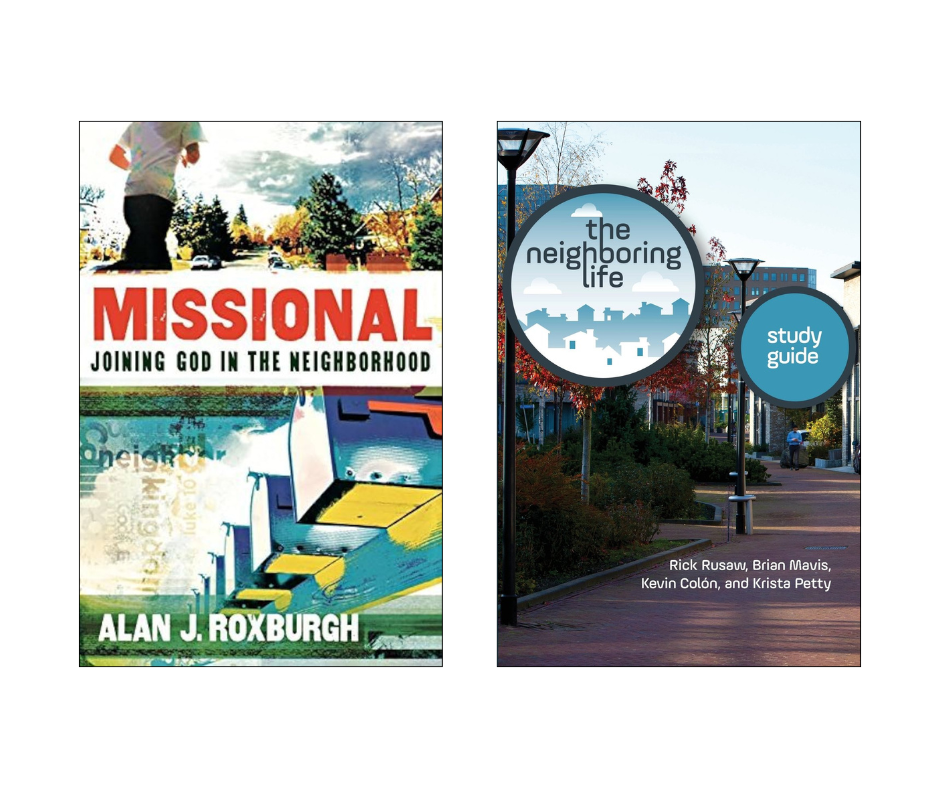
Jesus exemplified this approach. As Alan Roxburgh points out in Missional: Joining God in the Neighborhood, Jesus often appeared in everyday settings and used ordinary examples in his teachings. His stories frequently focused on common activities and needs.

The practice of “staying” in your neighborhood doesn’t have to be complicated. It’s about recognizing the divine in daily life and engaging with your community in simple, relatable ways.

JESUS…

…asked for a drink of water.

…attended a wedding.

…was a guest at someone’s house.

…grieved with friends. 

…told stories, even jokes.

…went fishing.

…made breakfast on the beach for his friends.

…threw raging parties.

…gave his friends nicknames like Rock and Sons of Thunder.

…prayed for his friends. 

…called them by name.

…shared his life.

…made wine.

…visited the sick.

…saw people and their potential.

…even during his worst moments, he blessed his neighbor.

He was touchable, authentic, and available. He was a best friend and the best neighbor.

How can you follow the examples of Jesus presented above?


Inspired by:

Missional: Joining God in the Neighborhood and The Neighboring Life Study Guide


The Profound Wisdom of Mister Rogers’ Neighborhood


In his insightful book The Good Neighbor, author Maxwell King delves into the enduring legacy of Fred Rogers and his revolutionary approach to teaching children about the importance of being a good neighbor. Rogers, best known for his iconic children’s television series “Mister Rogers’ Neighborhood,” was a pioneer in using the medium to impart valuable life lessons on kindness, empathy, and community.

Fred Rogers (1928–2003) was an enormously influential figure in the history of television. As the creator and star of Mister Rogers’ Neighborhood, he was a champion of compassion, equality, and kindness, fiercely devoted to children and taking their questions about the world seriously.

The Good Neighbor is the first full-length biography of Fred Rogers, a staple of public television and an icon to generations of children. Based on original interviews, oral histories, and archival documents, biographer Maxwell King traces Rogers’s personal, professional, and artistic life through decades of work.

One of many touching stories told is the story of his appearance on Oprah Winfrey’s talk show in 1985, when Rogers issued strict instructions: No children were to be present during the taping. Winfrey and her producers ignored his request and filled her studio with young children and their mothers.

Author Maxwell King writes, “As soon as the children started to ask him questions directly, he seemed to get lost in their world, slowing his responses to their pace, and even hunching in his chair as if to insinuate himself down to their level. This wasn’t good television – at least, good adult television. Everything was going into a kind of slow motion as Fred Rogers became Mister Rogers, connecting powerfully with the smallest children present. He seemed to forget the camera as he focused on them one by one. . . . In the audience, Winfrey leaned down with her microphone to ask a little blond girl if she had a question for Mister Rogers. Instead of answering, the child broke away from her mother, pushed past Winfrey, and ran down to the stage to hug him. As the only adult present not stunned by this, apparently, Fred Rogers knelt to accept her embrace.”

The Good Neighbor is the definitive portrait of a beloved figure whose life and work continue to resonate today because of Mister Rogers’ message of kindness and compassion.

At the heart of Rogers’ philosophy was the belief that every person, regardless of age or background, has an inherent worth and deserves to be treated with dignity and respect. This fundamental principle formed the foundation of his concept of “neighborliness,” which extended far beyond mere physical proximity.

To Rogers, being a good neighbor meant cultivating a deep sense of compassion and understanding for others. It involved actively listening, recognizing the unique perspectives and experiences of those around us, and embracing diversity as a strength rather than a divisive force. Through his gentle yet profound teachings, Rogers encouraged children to see their neighbors not as strangers but as fellow human beings worthy of care and consideration.

One of the most powerful messages Rogers imparted was the importance of emotional intelligence and self-awareness. He believed that by developing a greater understanding of our own emotions and inner lives, we could better empathize with and support those around us. This idea was central to his approach to building strong, interconnected communities where individuals felt valued and supported.

King’s book highlights Rogers’ innovative use of storytelling and imagination to convey these profound lessons in a way that resonated with children. Through the world of make-believe and the familiar characters of the Neighborhood of Make-Believe, Rogers created a safe space for children to explore complex emotions, confront difficult topics, and develop a deeper appreciation for the richness of human experience.

Moreover, Rogers emphasized the significance of intergenerational connections and the role of adults in modeling positive behaviors for children. He believed that by embodying the principles of neighborliness themselves, adults could inspire the next generation to carry on these values and create a more compassionate world.

King’s exploration of Rogers’ teachings serves as a poignant reminder of the enduring relevance of his message in today’s increasingly polarized and disconnected society. At a time when divisions seem to run deep and empathy appears in short supply, Rogers’ call to see one another as neighbors – to embrace our shared humanity and work towards building inclusive, supportive communities – resonates more strongly than ever.

Through his gentle yet profound wisdom, Fred Rogers left an indelible mark on generations of children and adults alike. As King’s book illustrates, his concept of being a good neighbor transcends time and geography, offering a blueprint for fostering understanding, kindness, and a deep sense of connection in an increasingly fragmented world.