
The modern workplace demands more than technical expertise – it requires the nuanced understanding of human dynamics that only comes with experience. For the seasoned professional, emotional intelligence represents far more than a soft skill; it’s a sophisticated competency that transforms workplace challenges into opportunities for deeper connection and organizational growth.
Today’s article is the fourth of a 12-part exploration of the Modern Elder’s core competencies distilled from my 40+ year career journey. As I have learned over that entire journey, Emotional Intelligence evolves dramatically throughout our professional careers. For the modern elder, it represents a sophisticated skill set that transcends basic empathy – becoming a nuanced ability to navigate complex workplace dynamics with grace, wisdom, and strategic insight.
The Mature Emotional Landscape
Unlike early-career emotional responses, the modern elder’s emotional intelligence is tempered by decades of diverse experiences. This maturity allows for a more measured, strategic approach to interpersonal challenges. Where younger professionals might react impulsively (as I certainly did in my early career!), the modern elder sees emotional situations as intricate landscapes to be carefully navigated.
Having witnessed countless workplace scenarios – from hostile takeovers to celebratory product launches, from team conflicts to collaborative breakthroughs – the modern elder develops what researchers call “emotional pattern recognition.” This ability to quickly identify emotional dynamics and predict their likely trajectory becomes invaluable in preventing workplace conflicts and maximizing collaborative potential.
Emotional Intelligence in Action
One of my most significant learning curves of emotional intelligence occurred during my tenure at First Baptist Huntersville with the unexpected resignation of a beloved lead pastor. When assigned as the staff lead to the congregational-directed transitional interim pastor process in 1998, I jumped headfirst into the steep learning curve of advanced emotional intelligence. This critical role required developing exceptional empathy to understand the congregation’s concerns during a vulnerable period, self-awareness to manage my own emotions while supporting others, and sophisticated relationship navigation skills to balance strong congregational feelings, staff confidentiality, and the desire to move forward. Successfully guiding a church through pastoral transition demands the ability to read emotional undercurrents, address unspoken anxieties, and maintain organizational stability while honoring both past relationships and future possibilities – exemplifying emotional intelligence in action.
Over my forty+ year career, examples of other opportunities to grow in emotional intelligence occurred while:
- Navigating the “remote/virtual workforce” in two different companies from 2004-2025. While the pandemic of 2020-2021 introduced the concept to many companies, I lived it for over two decades. As an introvert, I thrived in the environment, but still learned to appreciate and work together with the various teams to adjust to working daily with multiple individuals but hardly ever being in their presence.
- Embracing an intellectual and real-life journey developing volunteer development programs in two difference churches from 1990-2003. What began as completing requirements for post-graduate work at Emory’s Candler School of Theology led to being fully-immersed in creating and developing two congregational programs designed to empower “just church members” into the realization that they were the Body of Christ.

Beyond Simple Empathy
Advanced emotional intelligence involves:
- Deep self-awareness of personal emotional triggers and response patterns
- Ability to read unspoken organizational dynamics and hidden tensions
- Capacity to regulate emotional responses under extreme pressure
- Transforming emotional insights into constructive, strategic action
- Understanding the emotional ripple effects of decisions across the organization
This sophisticated emotional toolkit develops through years of observing how emotions drive behavior, influence decision-making, and shape organizational culture. The modern elder learns not just to recognize emotions, but to understand their strategic implications.
Creating Psychological Safety
The modern elder becomes a critical architect of workplace emotional environments. By demonstrating vulnerability, showing genuine care, and maintaining composure during challenging moments, they create spaces where team members feel safe to express themselves authentically.
Psychological safety – the belief that one can speak up, make mistakes, and show uncertainty without fear of negative consequences – requires emotional maturity to establish and maintain. Modern elders, having navigated their own professional vulnerabilities, understand how to create this environment without appearing weak or uncertain themselves.
Emotional Regulation as Leadership
Emotional regulation isn’t about suppressing feelings, but about understanding them deeply. It means recognizing when personal emotions might cloud judgment and developing strategies to maintain clarity. The modern elder brings a calm, stabilizing presence that can de-escalate tensions and guide teams through complex interpersonal challenges.
This regulation extends beyond personal management to organizational influence. When a modern elder maintains emotional equilibrium during a crisis, it provides an anchor point for the entire team. Their regulated response becomes contagious, helping others find their own emotional balance.
The Neuroscience of Emotional Maturity
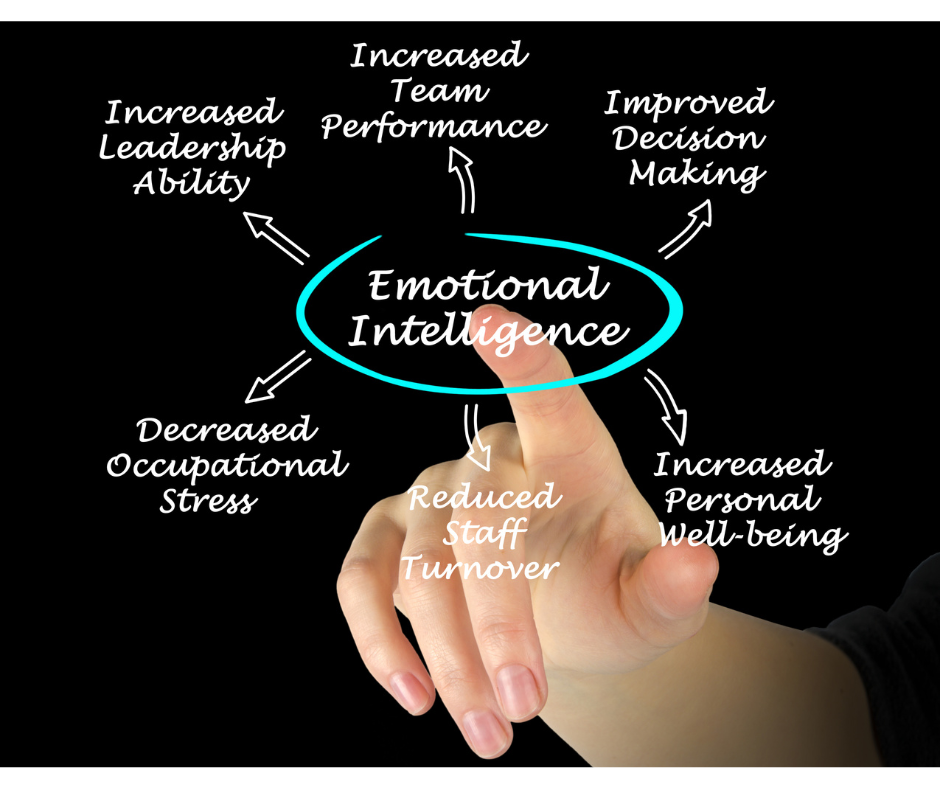
Recent research in neuroscience supports what modern elders intuitively understand: emotional processing improves with age and experience. The brain’s emotional regulation centers become more efficient, while the integration between emotional and rational processing areas increases. This biological advantage, combined with experiential wisdom, creates unprecedented emotional intelligence capabilities.
Turning Emotional Insights into Organizational Strength
Emotional intelligence becomes a strategic asset when it transforms individual understanding into collective growth. Modern elders can help teams:
- Recognize underlying emotional patterns that drive recurring conflicts
- Address unspoken workplace tensions before they become destructive
- Build more resilient, compassionate work cultures
- Develop more nuanced communication strategies
- Create feedback systems that account for emotional as well as performance metrics
In a world increasingly driven by technical skills, emotional intelligence emerges as a distinctly human capability. For the modern elder, it’s not just a skill – it’s a profound competitive advantage that bridges experience, understanding, and meaningful human connection. This emotional sophistication doesn’t just make them better colleagues; it makes them indispensable organizational assets in an increasingly complex workplace landscape.


 27gen.com