
My journey to becoming a modern elder is a fascinating one, characterized by a profound commitment to both personal growth and guiding the generations that follow. There is a delicate balance between being a lifelong learner and a mentor – let’s shed some light on why this equilibrium is vital in today’s rapidly evolving world.

The Lifelong Learner’s Quest – and a Current Example
Imagine history as an endless library, with each book representing a treasure trove of knowledge. As someone with an insatiable curiosity, you’ve made it your mission to explore these volumes continuously. The principle of being a lifelong learner is rooted in the idea that the pursuit of knowledge knows no age limit.
I’ve always been an avid reader, and my passion for history knows no bounds. It’s a passion that takes me on fascinating journeys through time. I’m on one such journey now: revisiting the history of the U.S. during the Gilded Age (1877-1900) – a period roughly sandwiched between the Reconstruction Era following the Civil War and the Progressive era (1896-1917) – a period of widespread social activism and political reform across the U.S. focused on defeating corruption, monopoly waste, and inefficiency.
I am discovering that this time period serves as both a mirror and a cautionary tale for our contemporary society. As we confront modern economic disparities, we must draw upon the lessons of history. The echoes of the past remind us that the pursuit of wealth must be tempered with compassion and a commitment to the well-being of all. In the subsequent articles, we will delve deeper into the Gilded Age’s legacy, exploring how it reverberates in today’s world of technological advancement and economic complexity.
In the heart of this tumultuous era stood titans of industry like Andrew Carnegie, whose steel empire forged the very skeleton of the modern age, and John D. Rockefeller, whose Standard Oil Company oiled the wheels of progress. Their fortunes grew at a staggering pace, giving rise to the notion that the age was “gilded” in a veneer of gold.
Yet, as skyscrapers pierced the heavens and railroads stitched the nation together, countless workers toiled in oppressive conditions, their sweat and blood sustaining the grandeur above. They faced grueling hours, meager wages, and perilous workplaces. Their lives stood in stark contrast to the opulence of the industrial barons. Poverty festered in the shadows, casting a pall over the grandeur. The “gilded” surface of society hid the harsh reality of life for the many.
As we look back upon this tumultuous epoch, it’s essential to recognize the striking parallels that echo through the corridors of history and into our present day. Income inequality, which simmered beneath the surface in the Gilded Age, remains a pressing issue today. The struggle for workers’ rights and the fight against social injustices continue to shape our society, echoing the challenges of yesteryears.
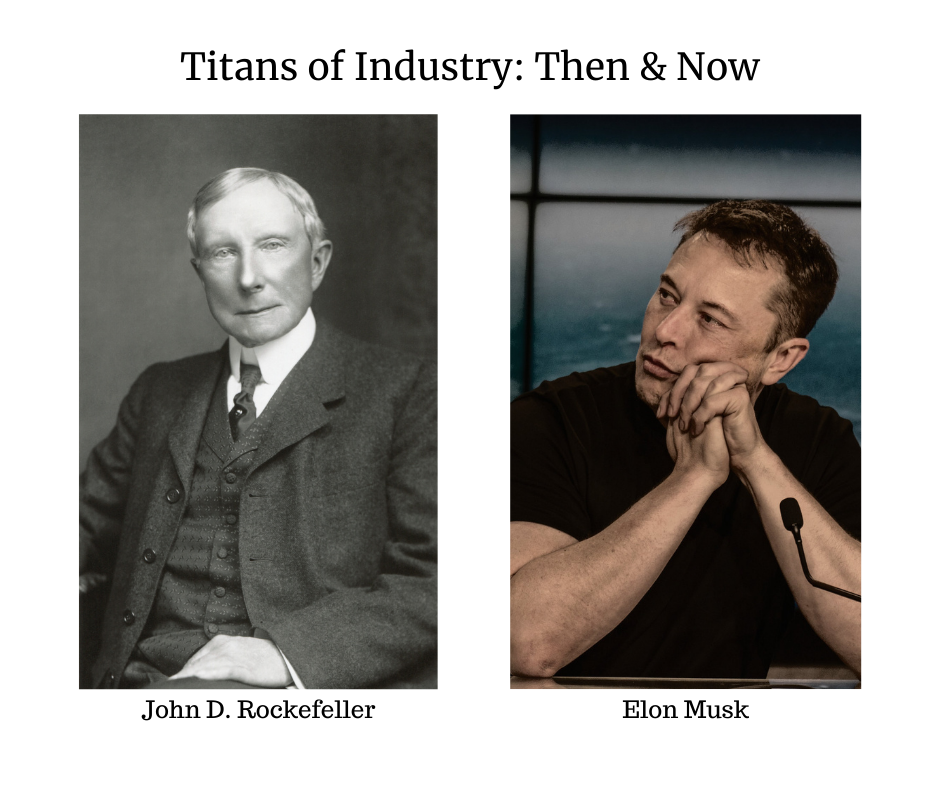
The allure and paradox of the Gilded Age serve as a poignant reminder that, despite the passage of time, certain themes persist. The titans of industry today are in the information business, represented by Elon Musk. This period invites us to reflect on our own age – a time of remarkable technological advancements, where the glimmer of prosperity coexists with the shadows of inequality.
As a lifelong learner, I thrive on these sensory descriptions. They remind me that history is not just about facts and dates; it’s about stories and emotions. It’s about stepping into the shoes of those who came before us and understanding their world. The pursuit of knowledge keeps my mind sharp and open to new ideas.
Here are some key aspects of a lifelong learner to consider:
Embracing Change
Lifelong learning keeps your mind agile and adaptable. In a world where new technologies and ideas constantly emerge, being open to change is crucial.
Staying Relevant
By actively seeking new information and skills, you ensure that you remain relevant in your field and continue to contribute to your organization and society.
Personal Fulfillment
Learning is not just a means to an end but a source of personal fulfillment. It enriches your life, broadens your perspective, and keeps your passion for knowledge burning brightly.
Guiding the Next Generation
While your personal growth is paramount, you also recognize the importance of mentoring and investing in younger generations – while at the same time learning from them! This role as a guide carries immense responsibility and rewards:
Passing the Torch
By sharing your experiences, knowledge, and insights, you help prepare the next generation for the challenges they will face. You become a bridge between the past and the future.
Nurturing Talent
Guiding young individuals allows you to identify and nurture their talents, helping them unlock their full potential.
Legacy Building
Mentoring is a way to leave a lasting legacy. The impact you have on the lives of those you mentor can ripple through time, shaping the future in profound ways.
The Art of Balancing
Balancing lifelong learning with mentoring can be challenging, but it’s a dance worth mastering. Here’s how you can achieve this equilibrium:
Structured Learning
Allocate dedicated time for your own learning endeavors. Consider it an investment in your ability to mentor effectively.
Integration
Find ways to weave your newfound knowledge into your mentoring relationships. This integration makes your guidance more relevant and powerful.
Adaptive Mentorship
Recognize that the needs of the next generation are ever-evolving. Be willing to adapt your mentoring style and content to meet these changing needs.
The Ripple Effect
As a modern elder, the commitment to both learning and mentoring creates a positive ripple effect. I hope to inspire those around me to embrace lifelong learning as a path to personal growth. Simultaneously, I want to empower younger generations to navigate their journeys with wisdom and confidence. Along that journey, I plan to learn from them.
The modern elder’s journey is a testament to the beauty of balance. By relentlessly pursuing knowledge while guiding the next generation, I don’t want to be just an individual; I want to be a beacon of inspiration and wisdom. This delicate dance between personal growth and mentorship can result in the crucial role in shaping a brighter, more informed, and empowered future for all.

 27gen.com