
In our increasingly interconnected and diverse world, cultural competence has become a crucial skill for leaders of all ages. For Modern Elders – experienced individuals who bring wisdom and perspective to their roles – this skill is particularly vital. Cultural competence enables them to bridge generational and cultural gaps, fostering understanding and collaboration in multicultural environments.
Understanding Cultural Competence
Cultural competence encompasses two key elements:
- Understanding and respect for diverse cultures and viewpoints
- The ability to work effectively in multicultural environments
These components are intertwined and mutually reinforcing. Let’s explore each in more detail.
Understanding and Respect for Diverse Cultures and Viewpoints
At its core, cultural competence begins with a genuine curiosity about and respect for different cultures, traditions, and perspectives. This involves:
- Continuous learning: Modern Elders should actively seek knowledge about various cultures, their histories, values, and customs. This can be achieved through reading, attending cultural events, or engaging in conversations with people from diverse backgrounds.
- Challenging personal biases: Recognizing and addressing one’s own cultural biases and stereotypes is crucial. This requires self-reflection and a willingness to question long-held assumptions.
- Embracing diversity: Viewing diversity as a strength rather than a challenge is essential. Modern Elders should appreciate how different viewpoints can lead to innovation and more comprehensive problem-solving.
- Practicing empathy: Developing the ability to see situations from others’ cultural perspectives fosters deeper understanding and connection.
Ability to Work Effectively in Multicultural Environments
Understanding and respect lay the foundation, but the true test of cultural competence lies in applying this knowledge effectively in diverse settings:
- Adaptive communication: Modern Elders should be able to adjust their communication style to suit different cultural contexts, including being mindful of non-verbal cues and varying communication norms.
- Conflict resolution: In multicultural environments, misunderstandings can arise from cultural differences. Culturally competent leaders can navigate these situations sensitively and find common ground.
- Inclusive leadership: This involves creating an environment where all team members, regardless of their cultural background, feel valued and empowered to contribute.
- Building diverse networks: Modern Elders should actively cultivate relationships with individuals from various cultural backgrounds, both within and outside their organizations.
The Impact of Cultural Competence
For modern elders, cultural competence is not just a nice-to-have skill – it’s essential for effective leadership in today’s global context. Here’s why:
- Enhanced problem-solving: Diverse perspectives lead to more creative and comprehensive solutions.
- Improved team dynamics: Cultural competence fosters a more inclusive and harmonious work environment.
- Broader market understanding: In a global economy, cultural competence helps leaders better understand and serve diverse customer bases.
- Increased innovation: Cross-cultural collaboration often sparks new ideas and approaches.
- Better talent acquisition and retention: Organizations led by culturally competent leaders are more attractive to diverse, top-tier talent.
Developing Cultural Competence
Becoming culturally competent is an ongoing journey. Here are some strategies for Modern Elders to enhance this skill:
- Seek out cross-cultural experiences, both professionally and personally
- Participate in cultural competence training and workshops
- Mentor or be mentored by individuals from different cultural backgrounds
- Stay informed about global events and their cultural implications
- Reflect regularly on cultural interactions and lessons learned
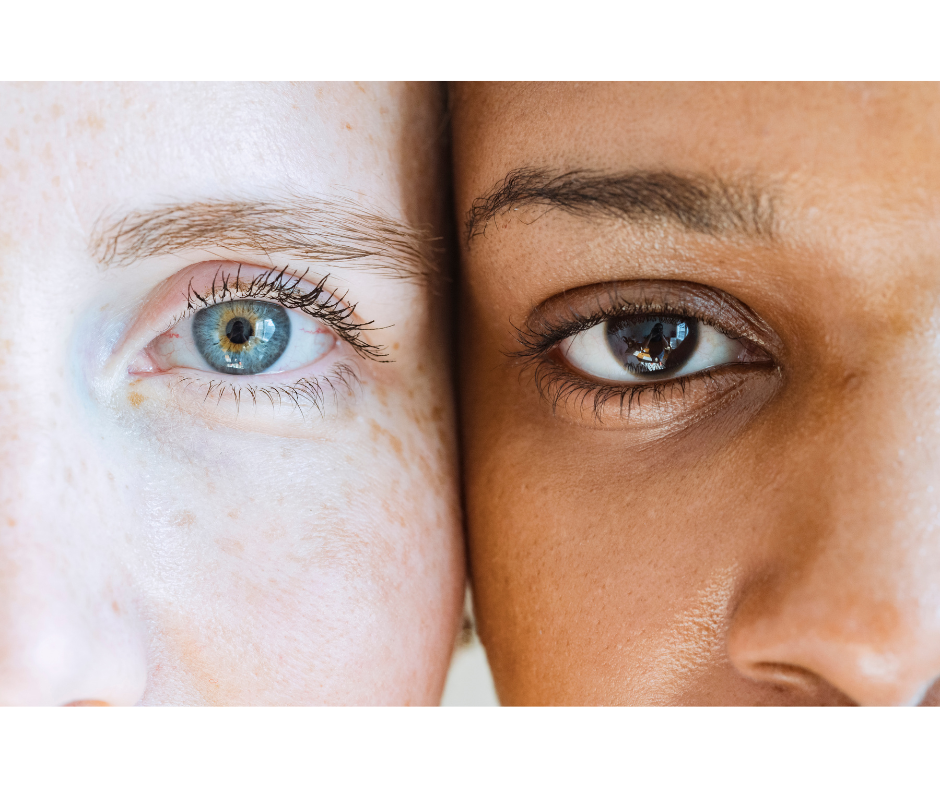
As our world becomes increasingly interconnected, cultural competence stands out as a critical skill for Modern Elders. By cultivating a deep understanding and respect for diverse cultures and developing the ability to work effectively in multicultural settings, these leaders can bridge divides, foster innovation, and guide their organizations toward a more inclusive and successful future. In embracing cultural competence, Modern Elders not only enhance their leadership capabilities but also contribute to building a more understanding and collaborative global community.

 27gen.com