The Art of Neighboring: Cultivating Community One Door at a Time

In an increasingly disconnected world, the simple yet profound act of knowing and loving our literal neighbors has the power to transform individuals, communities, and even the world. This is the central message of The Art of Neighboring: Building Genuine Relationships Right Outside Your Door by Jay Pathak and Dave Runyon. The book challenges the common tendency to view “neighbor” as a metaphorical concept, encompassing anyone in need across the globe, and instead calls for a radical shift in focus: prioritizing the people who live closest to us.

Pathak and Runyon argue that while global outreach and broader compassion are vital, neglecting our immediate neighbors often leads to a diluted and ineffective practice of love. By aiming for everyone, we often connect deeply with no one. Jesus, when asked to summarize the commandments, emphasized loving God and loving our neighbor as ourselves. The authors contend that Jesus’s initial audience would have naturally understood “neighbor” to mean those in their immediate vicinity. The parable of the Good Samaritan then served to expand their understanding of who qualifies as a neighbor, not to replace the importance of caring for those geographically close.

The Art of Neighboring isn’t just a theoretical discussion; it’s a practical guide filled with relatable anecdotes and actionable steps. The authors address common barriers to neighboring, such as busy schedules and fear of awkward interactions. They emphasize that building genuine relationships takes time, consistency, and a willingness to step outside our comfort zones. Small, regular acts of kindness and connection can accumulate into strong, meaningful bonds. The book encourages readers to move beyond superficial interactions and learn the names, stories, interests, and even needs of those living nearby.

A key principle highlighted is the distinction between being responsible to our neighbors and being responsible for them. While we are called to be present, supportive, and helpful, we must also recognize our own limitations and avoid taking on burdens that are not ours to carry. Healthy neighboring involves reciprocity – a willingness to both give and receive help. This mutual exchange fosters deeper connections and breaks down walls of isolation.

The ultimate motivation for neighboring, according to Pathak and Runyon, should be rooted in our faith and love for God, not as a means to an end. While sharing our faith may naturally arise within genuine relationships, it should never be the sole or ulterior motive for reaching out. Authentic love, offered unconditionally, often speaks louder than words.

Top Five Applications of Home Hospitality in Neighboring

Home hospitality serves as a powerful tool for building connections and demonstrating care for our neighbors. It moves beyond casual greetings and creates opportunities for deeper interaction and relationship building. Here are five key applications:

  1. Simple Shared Meals: Inviting a neighbor over for a casual meal, whether it’s a weeknight dinner, a weekend brunch, or even just sharing takeout on the porch, creates a relaxed atmosphere for conversation and connection. It doesn’t need to be elaborate; the focus is on the shared experience and the opportunity to learn more about each other. For example, inviting a new neighbor over for pizza shortly after they move in can be a welcoming gesture.
  2. Informal Gatherings: Hosting small, informal gatherings based on shared interests or neighborhood events can foster a sense of community. This could be a book club meeting, a game night, a potluck to celebrate a holiday, or watching a local sports team together. These events provide a low-pressure environment for neighbors to interact and build friendships.
  3. Offering Practical Help: Home hospitality can extend to providing practical assistance within your home. This could involve offering to watch a neighbor’s child for a few hours during an emergency, helping with a small home repair if you have the skills, or providing a temporary place to stay during a crisis. These acts of service demonstrate tangible care and build trust.
  4. Welcoming New Neighbors: Extending specific hospitality to those who have recently moved into the neighborhood is crucial. This could involve a welcome basket with local information and small treats, an invitation for coffee or a meal, or simply offering help with unpacking. Making newcomers feel seen and welcomed from the start can set the foundation for positive relationships.
  5. Creating Space for Vulnerability: As relationships deepen, home can become a safe space for sharing more personal aspects of life. Offering a listening ear over a cup of coffee, providing comfort during a difficult time, or celebrating milestones together within the intimacy of your home can foster deep and meaningful connections.

Next Steps to Take

Embracing the art of neighboring is a journey, not a destination. Here are some practical next steps you can take to begin or deepen your engagement with your immediate community:

  1. Learn Your Neighbors’ Names: Start with the basics. Make a conscious effort to learn the names of the people who live on either side of you, across the street, and in the houses directly behind you. A simple “Hi, I’m [Your Name]” can be the first step in building a connection.
  2. Initiate Simple Interactions: Look for opportunities for brief, friendly interactions. Wave hello when you see them outside, offer a compliment on their garden, or ask a simple question about the neighborhood. These small gestures can build familiarity and open the door for further conversation.
  3. Find Common Ground: Pay attention during your interactions to discover shared interests or experiences. Do you both enjoy gardening? Have children of similar ages? Frequent the same local park? Finding common ground provides natural topics for conversation and potential activities to share.
  4. Offer Small Acts of Kindness: Look for simple ways to be helpful. Offer to bring in their trash cans, water their plants while they’re away, or share extra produce from your garden. These small acts of service demonstrate care and build goodwill.
  5. Be Present and Available: Spend time in your front yard or on your porch. This increases your visibility and creates more opportunities for spontaneous interactions with passersby. Being physically present signals your openness to connection.
  6. Consider a Neighborhood Gathering: Take the initiative to organize a small, informal gathering. This could be a block party, a potluck picnic in a shared green space, or a casual coffee hour at your home. These events provide a structured opportunity for neighbors to meet and socialize.
  7. Listen More Than You Talk: When you do have conversations with your neighbors, practice active listening. Show genuine interest in what they have to say, ask follow-up questions, and remember details for future interactions.
  8. Pray for Your Neighbors: Consciously lift your neighbors up in prayer. Pray for their well-being, their families, and any specific needs you become aware of. This act of intercession can deepen your sense of connection and compassion.

The Art of Neighboring reminds us that the most profound acts of love and community building often begin right outside our front door. By intentionally cultivating relationships with those who live closest to us, we can create stronger, more vibrant, and more caring neighborhoods, one genuine connection at a time.


The Neighboring Church: Rediscovering the Heart of Christian Community

In The Neighboring Church: Getting Better at What Jesus Said Matters Most, authors Rick Rusaw and Brian Mavis challenge the contemporary church to shift its focus from attractional models to incarnational ministry, emphasizing the profound impact of simply loving our neighbors. Drawing from their experiences at LifeBridge Christian Church, they argue that the most effective way to embody the Great Commandment – to love God and love our neighbors as ourselves – is not through elaborate programs but through genuine, everyday engagement with those around us.

The book stems from a simple yet powerful realization: author Brian Mavis’s neighbors were uninterested in attending a traditional church service but were open to exploring faith in the context of their own relationships and homes. This experience illuminated a crucial insight: many people are longing for authentic connection and a tangible expression of God’s love in their daily lives, something that can often be missed within the walls of a church building.

Rusaw and Mavis contend that the church has inadvertently created a culture where members are primarily focused on internal activities and programs, leaving little margin for meaningful interaction with their immediate neighbors. They advocate for a “neighboring” movement, where Christians are equipped and encouraged to intentionally build relationships with the people who live, work, and socialize near them. This isn’t about turning every interaction into an evangelistic opportunity but rather about cultivating genuine care and concern for the well-being of those in our sphere of influence. It’s about making “neighbor” a verb.

The authors highlight that being a good neighbor transcends organized church initiatives. It’s about noticing needs, offering practical help, sharing life, and extending hospitality. They emphasize that this approach mirrors Jesus’s own ministry, which was deeply rooted in relational engagement within communities. By prioritizing neighboring, the church can become less of an institution people attend and more of a network of individuals actively embodying Christ’s love in their respective neighborhoods.

The Power of Home Hospitality

A cornerstone of the “neighboring” philosophy presented in the book is the practice of home hospitality. Opening our homes is portrayed not as an obligation but as a powerful tool for building bridges, fostering connection, and demonstrating the love of Christ in a tangible way. It moves beyond formal entertaining and focuses on creating welcoming spaces where authentic relationships can flourish.

Here are five key applications of home hospitality, as inspired by the principles in The Neighboring Church:

  1. Building Relational Bridges: Inviting neighbors into your home, whether for a meal, coffee, or just a casual visit, creates opportunities for deeper connection beyond surface-level interactions. It allows you to learn about their lives, families, joys, and struggles in a relaxed and personal setting. For instance, hosting a neighborhood barbecue can be a simple way to break the ice and foster a sense of community.
  2. Demonstrating Practical Care: Home hospitality can be a means of offering practical support. This could involve providing a meal for a neighbor who is sick, offering childcare for a single parent, or simply being a listening ear over a cup of tea. These acts of service, offered within the context of a welcoming home, can be incredibly impactful.
  3. Sharing Life and Faith Naturally: Opening your home provides a natural environment for sharing your life, including your faith, without pressure or formality. As relationships deepen, opportunities may arise to speak about what is important to you in a genuine and relatable way. For example, sharing a meal and conversation can organically lead to discussions about values and beliefs.
  4. Creating a Sense of Belonging: For those who may feel isolated or marginalized, being welcomed into a home can be a powerful experience of belonging. It communicates value and worth, demonstrating that they are seen and cared for. Inviting a new family in the neighborhood for dinner can help them feel more integrated into the community.
  5. Modeling Hospitality for Others: When we practice home hospitality, we model this behavior for our families and those around us. It teaches the importance of generosity, openness, and valuing relationships. Children who grow up in hospitable homes are more likely to extend hospitality to others.

Taking the Next Steps

Embracing the principles of The Neighboring Church and the practice of home hospitality is a journey, not a destination. Here are some practical next steps you can take:

  1. Know Your Neighbors: Start by intentionally getting to know the people who live closest to you. Learn their names, their interests, and some of their story. A simple conversation while getting the mail or tending your garden can be a starting point.
  2. Initiate Simple Interactions: Look for opportunities for small acts of kindness and connection. This could be offering help with yard work, bringing over baked goods, or simply stopping for a brief chat.
  3. Open Your Door: Consider simple ways to extend hospitality in your home. This doesn’t require a perfect house or elaborate meals. Start with inviting one or two neighbors over for coffee, tea, or a casual meal.
  4. Be Present and Listen: When you do open your home, focus on being present with your guests, listening attentively to their stories, and showing genuine interest in their lives.
  5. Be Consistent and Patient: Building authentic relationships takes time and consistency. Don’t be discouraged if initial efforts don’t yield immediate deep connections. Continue to be open and available to your neighbors.
  6. Encourage Your Church Community: Share the ideas from “The Neighboring Church” with your church leaders and fellow members. Explore ways your church can collectively encourage and equip people to be better neighbors. This could involve small group discussions, sharing stories of neighboring, or organizing neighborhood-focused service projects.

The Neighboring Church offers a compelling vision for a church that is deeply connected to its community, one relationship at a time. By prioritizing the simple yet profound act of loving our neighbors, expressed in practical ways like home hospitality, we can move beyond programs and truly embody the love of Christ in the world around us, transforming our neighborhoods and ourselves in the process.


“Irreplaceable” – A Timely Manifesto for the Power of Place in a Digital World

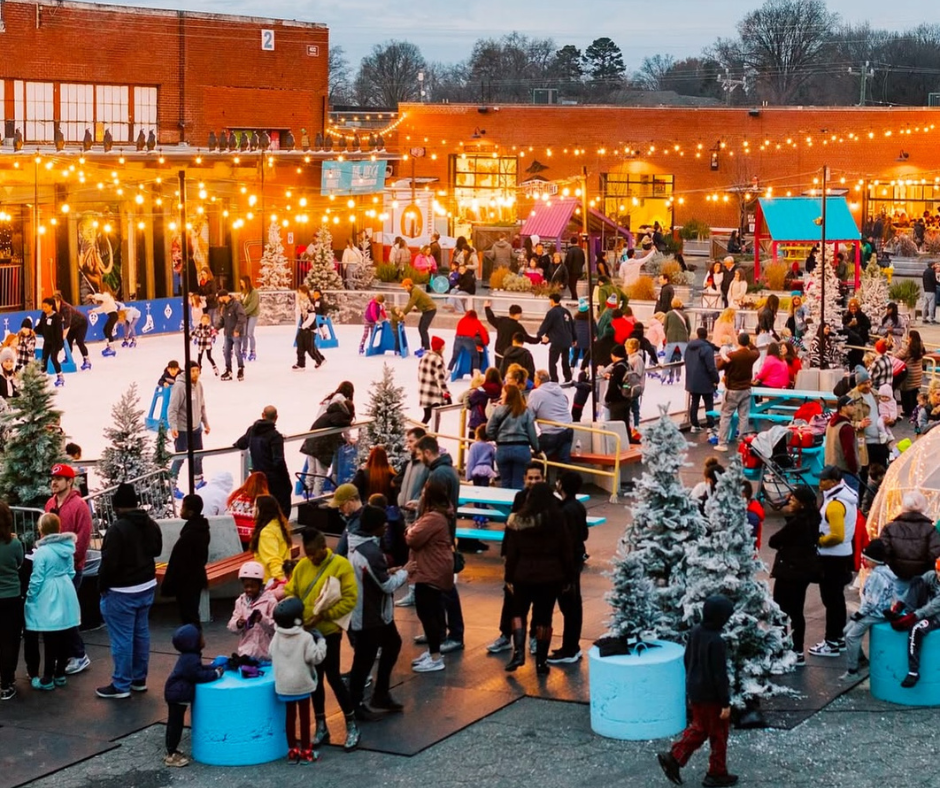
How many Americans having ‘surfed’ all the apps and bored by it all, wouldn’t like to slip on a jacket and walk down to the corner and have a beverage with the neighbors? Ah, but we’ve made sure there’s nothing on the corner but another private residence…indeed, nothing at all within easy walking distance.

Ray Oldenburg

In our rush to embrace technological convenience, we often overlook the inherent value of effort and meaningful human connection. While tech leaders champion their innovations as time-saving solutions that eliminate friction and connect the globe, this perspective fails to recognize that some of life’s most rewarding experiences require investment and intentionality. The correlation between effort and meaning suggests that by constantly seeking the path of least resistance, we may be sacrificing depth for convenience, whether in our personal relationships, professional interactions, or broader sense of community.

Do we still need physical places like grocery stores, restaurants, and office buildings? Or will the “Replacement Economy” led by the tech titans and retail giants wipe out these venues in their rapid ascent to unicorn status?

What about museums, universities, and performing arts venues? Considering the power of technology today, can’t we replace these relics with faster, cheaper, and more efficient online tools, apps, and AI?

Through engaging storytelling, human behavior insights, and proven design techniques, Kevin Kelley – an attention architect and cofounder of Shook Kelley, a strategic design firm that pioneered the field of “convening”—unfolds why physical places are essential to civil society, business, and community.

In Irreplaceable, he reveals what it takes for brick-and-mortar establishments to attract an audience and maintain a competitive edge in our increasingly digital world, whether you’re a:

Retail leader or institutional manager trying to attract people to your offering while keeping the disruptors at bay

Student of design who values social facilitation over object-oriented design

Concerned citizen worried about the loss of community and civility

Irreplaceable offers a welcomed antidote to the anti-human digital future crushing our main streets and infiltrating every corner of our lives. It provides a comprehensive roadmap for creating human experiences that have the power to convene and bring friends, neighbors, and strangers together in prosocial environments in ways the digital replacements can’t replicate.


In an era where digital giants seem poised to dominate every aspect of our lives, Kevin Kelley’s Irreplaceable arrives as a compelling argument for the enduring importance of physical spaces. This thoughtful exploration of place-making couldn’t be more timely, as communities worldwide grapple with the erosion of traditional gathering spaces and the social connections they foster.

Kelley structures his book in four well-crafted parts, beginning with a fascinating examination of public markets’ historical role in civilization. Rather than merely waxing nostalgic, he introduces the concept of the “Bonfire Effect” – a framework for understanding why certain spaces naturally draw people together. This opening section also proposes a practical middle ground between funders and designers, acknowledging the real-world tensions in creating successful public spaces.

The second part of the book delves into the psychology of space, exploring how humans perceive and interact with their environment. Kelley’s analysis of why certain spaces energize while others deplete is particularly insightful, offering readers a new lens through which to view their daily environments. His discussion of how physical spaces influence emotional responses and social behavior is both fascinating and practical.

In the book’s third section, “How to Build Your Own Bonfire,” Kelley shifts from theory to practice, providing a comprehensive system for innovation in place-making. His choice to use grocery stores as a primary example proves surprisingly effective – these ubiquitous spaces serve as perfect case studies for understanding human behavior and spatial design. The author convincingly demonstrates how principles learned from supermarket design can inform spaces as diverse as office parks and symphony halls.

The final section may be the book’s most valuable contribution, as it addresses how these principles can be applied with limited resources. Through case studies of a struggling urban district and an unfashionable restaurant chain, Kelley proves that effective place-making isn’t solely the domain of luxury developments or well-funded institutions.

What sets Irreplaceable apart is its clear-eyed assessment of current challenges. Kelley acknowledges the formidable advantages of digital giants like Amazon in terms of price, variety, and convenience. However, rather than admitting defeat, he argues persuasively that physical spaces can compete on different terms – through joy, surprise, and social connection. This isn’t just wishful thinking; he provides practical frameworks for achieving these goals.

The book’s timing is particularly relevant as communities worldwide grapple with increasing polarization and the decline of traditional gathering spaces. Kelley makes a compelling case that the loss of physical meeting places contributes significantly to our current social tensions, though he refreshingly avoids both nostalgia and technological determinism in his analysis.

While the book excels in many areas, some readers might wish for more detailed case studies of successful implementations of Kelley’s principles. Additionally, the focus on commercial and institutional spaces occasionally leaves questions about how these ideas might apply to purely public spaces like parks and plazas.

Despite these minor limitations, Irreplaceable offers valuable insights for a wide range of readers – from business owners and urban planners to architects and community leaders. It’s also surprisingly relevant for parents and educators interested in how physical environments affect learning and social development.

Irreplaceable is more than a design book; it’s a roadmap for creating and maintaining spaces that matter in an increasingly digital world. Kelley’s message is ultimately hopeful: while online platforms may dominate commerce and communication, they cannot replicate the fundamental human experiences that well-designed physical spaces provide. This book offers both the theoretical framework and practical tools needed to ensure these spaces remain truly irreplaceable in our communities.

For anyone concerned with the future of public spaces, community building, or the intersection of physical and digital experiences, Irreplaceable is essential reading. It reminds us that in our rush to embrace digital convenience, we must not forget the irreplaceable value of physical places where human connections flourish.


A Hybrid Future of Third Places

The concept of the third place has always been about more than just the physical spaces we frequent to unwind, connect, and build community. Coined by sociologist Ray Oldenburg, third places are those informal gathering spots – cafés, parks, libraries, pubs – that provide a neutral ground for interaction, fostering a sense of belonging outside of home (first place) and work (second place). While Oldenburg’s vision remains relevant, the 21st century has seen a dramatic evolution in what constitutes a third place, thanks to the digital revolution, shifts in societal norms, and hybrid models of interaction.

In today’s world, third places are no longer confined to brick-and-mortar establishments. They coexist with digital platforms and hybrid environments that blur the lines between the physical and virtual. Here’s how these changes reflect the changing nature of how people connect and build community, offering a glimpse into the hybrid future of third places.

The Expansion of Third Places into Digital Spaces

One of the most significant shifts in the concept of third places is their expansion into the digital realm. Social media platforms, online gaming communities, and virtual spaces like Discord servers or Reddit threads have become modern third places for many. These platforms offer the same sense of camaraderie, interaction, and shared interest that Oldenburg attributed to physical third places – but without the need for physical presence.

Take online multiplayer games as an example. Games like World of Warcraft or Fortnite have created vibrant, interactive worlds where players from around the globe meet, collaborate, and socialize. These digital environments often feel as real to participants as a local pub might to its regulars. Similarly, platforms like Twitch, where communities form around shared entertainment, mirror the sense of belonging found in traditional third places.

Digital third places also break down barriers of geography, enabling people to connect regardless of their physical location. This inclusivity can be particularly meaningful for those who might lack access to traditional third places due to financial, geographic, or mobility constraints. However, they’re not without challenges—online environments often lack the serendipity of physical spaces, and they can sometimes exacerbate feelings of disconnection or anonymity.

Hybrid Models: Bridging the Physical and Digital

The future of third places isn’t an either-or scenario between physical and digital; it’s about hybridization. Hybrid third places seamlessly integrate in-person interaction with digital connectivity, creating new opportunities for connection that cater to modern lifestyles. Consider the rise of co-working spaces that offer virtual memberships or host hybrid events where participants can join both in-person and online.

This hybrid model became especially prevalent during the COVID-19 pandemic, when lockdowns forced physical spaces to adapt. Cafés began offering online book clubs, gyms provided virtual fitness classes, and libraries hosted Zoom-based story times. These adaptations didn’t just fill a temporary gap – they highlighted the potential for hybrid third places to reach broader audiences and foster community in new ways.

Even traditional third places like pubs and restaurants are embracing hybrid elements. Some venues now host livestreamed trivia nights, allowing patrons to participate both on-site and from home. Others integrate technology like augmented reality (AR) to enhance the experience of being in the space. For example, a café might offer an AR-enabled mural that comes to life through a smartphone app, combining art, technology, and community.

The Enduring Relevance of Traditional Third Places

While digital and hybrid models have gained prominence, traditional third places remain indispensable. These physical spaces offer something uniquely human: face-to-face interaction. The sensory experience of sitting in a bustling café, sharing laughter over drinks, or browsing a local bookstore creates a connection that digital spaces struggle to replicate.

Moreover, traditional third places often serve as equalizers, providing neutral ground where people from different walks of life can come together. They foster the kind of spontaneous, unstructured interactions that build social trust and community cohesion. A park bench or a neighborhood pub might not have the technological bells and whistles of a digital platform, but they offer something just as valuable: a space to simply be with others.

To stay relevant, traditional third places are finding ways to complement – rather than compete with – digital and hybrid options. For example, many cafés and libraries now offer robust Wi-Fi and charging stations to accommodate remote workers, blending the physical and digital to meet evolving needs.

The Challenges of a Hybrid Future

As exciting as the hybrid future of third places is, it’s not without challenges. One concern is accessibility. Digital and hybrid third places often require technology, such as smartphones or reliable internet access, which not everyone has. Ensuring inclusivity means addressing these disparities and finding ways to make hybrid third places accessible to all.

Another challenge is preserving the essence of third places – their sense of spontaneity, neutrality, and community – in a hybrid model. Too much emphasis on digital tools or commercial elements can risk turning third places into transactional environments rather than spaces of genuine connection.

Designing Third Places for the Future

To thrive in the 21st century, third places must be intentionally designed to embrace both traditional and modern elements. This might include:

  • Flexible layouts: Spaces that can accommodate both digital and physical interactions, such as communal tables for collaboration and quiet corners for introspection.
  • Inclusive programming: Events and initiatives that cater to diverse audiences, both in-person and online.
  • Tech integration with purpose: Using technology to enhance, rather than replace, the human experience. For example, digital tools could be used to facilitate connections between patrons or highlight local community initiatives.
  • Sustainability: Ensuring that third places remain accessible to all, regardless of income or technological access.

A Vision for Connection in the 21st Century

The hybrid future of third places reflects the evolving ways in which people connect, build community, and find belonging. While the digital age has expanded the possibilities for interaction, the core principles of third places remain unchanged: they are spaces where people come together, share experiences, and feel part of something bigger than themselves.

By embracing both the old and the new, third places can continue to serve as vital hubs of community in a rapidly changing world. Whether physical, digital, or somewhere in between, these spaces remind us of the importance of connection – and the many forms it can take.


Other posts in this series:

When Technology Moves In: The Impact of Digitalization on Third Places

Third places have long been celebrated as the heart of informal community life – places where people connect, converse, and unwind outside of home and work. But over the past 30 years, the rapid advancement of technology has profoundly changed the way we interact in these spaces. While digital tools have introduced new opportunities for connection, creativity, and productivity, they have also altered the dynamics of third places in ways that deserve reflection.

Here’s a quick dive into how technology has reshaped third places and what it means for the future of these essential spaces.

Technology as an Enabler in Third Places

In many ways, technology has amplified the appeal of third places. A primary example is the widespread availability of free Wi-Fi, which has transformed coffee shops, libraries, and even parks into productive hubs for work, study, and communication. Today, it’s common to see laptops open and phones charging as people work remotely or catch up with friends via video calls. Technology has expanded the functionality of third places, allowing them to serve a wider range of purposes beyond social gathering.

The Remote Work Revolution

The rise of remote work, turbocharged by the COVID-19 pandemic, has only accelerated this trend. Many people now use third places as extensions of their home offices, blurring the lines between leisure and labor. Coffee shops, for instance, are no longer just places for casual conversation or quiet contemplation—they’ve become coworking spaces, complete with power outlets and communal tables.

For freelancers, students, and entrepreneurs, this shift has been a game changer. Third places offer a sense of community and energy that can’t be replicated at home, while providing access to the digital tools they need to get work done. In this way, technology has made third places more inclusive for people who might have previously seen them as purely recreational.

New Forms of Community

Technology has also opened up new possibilities for building community in third places. Many venues now host virtual or hybrid events – think book clubs, gaming tournaments, or streaming parties – that allow people to connect both in-person and online. Social media plays a huge role here, too, with third places using platforms like Instagram and Facebook to foster engagement, share events, and attract patrons.

For some, these digital layers enrich the experience of third places by creating additional entry points for interaction. A local café’s Instagram page, for example, might highlight regulars, post upcoming events, or share stories that deepen patrons’ connection to the space.

The Drawbacks of Digitalization

As exciting as these developments are, technology’s presence in third places is not without its downsides. Many of the qualities that make third places special – their spontaneity, sense of equality, and focus on face-to-face interaction – are challenged by our increasing reliance on digital tools.

The “Alone Together” Phenomenon

Walk into any modern coffee shop, and you’re likely to see a room full of people… staring at their screens. This “alone together” dynamic, where individuals share a space but remain isolated in their own digital worlds, has become a hallmark of technology’s impact on third places. While people may still be physically present, the focus on devices often limits the kind of spontaneous, meaningful interactions that Oldenburg saw as central to third places.

In some cases, the proliferation of technology can even create tension. Patrons typing away on laptops for hours might monopolize tables, making it harder for casual visitors to find a seat. Similarly, the constant presence of screens can clash with the atmosphere of certain third places, such as cozy bookstores or intimate pubs, where the goal is to unplug and unwind.

Digital Divides and Inequality

Not everyone has equal access to the technology that increasingly defines third places. Free Wi-Fi and charging stations may be ubiquitous, but owning a laptop or smartphone is still a barrier for many people. As third places become more digitally oriented, those without the means to participate in this tech-enabled culture risk being excluded.

Moreover, some argue that the reliance on digital tools has made third places feel more transactional. For example, a café might prioritize accommodating remote workers who will stay for hours and make multiple purchases, rather than locals who simply want a quiet place to chat. This shift can subtly alter the inclusivity and purpose of third places, making them less welcoming for certain demographics.

Preserving the Soul of Third Places in a Digital World

Despite these challenges, there are ways to harness the benefits of technology in third places without losing the human connections that make them so valuable. It all comes down to balance—embracing digital tools while maintaining the qualities that make third places feel like home.

Intentional Design

Many third places are now rethinking their layouts and policies to create spaces that encourage both digital productivity and face-to-face interaction. For example, some coffee shops designate specific “no laptop” zones or set time limits on Wi-Fi use to ensure that everyone has a chance to enjoy the space. Others integrate technology in subtle, non-intrusive ways, such as offering power outlets under tables or using apps to streamline ordering without disrupting the atmosphere.

Programming That Bridges Digital and Physical

Hybrid events—like live music performances streamed online or trivia nights with digital scoring—can bring people together across physical and virtual spaces. These kinds of programs not only accommodate technology but actively use it to enhance the experience of third places, fostering connection rather than division.

Fostering Digital Literacy

For third places to remain inclusive, it’s crucial to address the digital divide. Community-oriented spaces like libraries are already leading the way by offering free access to technology and digital literacy programs. Other third places could follow suit, providing resources or workshops to help patrons make the most of their digital tools.

Preserving Spontaneity

Finally, third places must find ways to preserve the serendipitous interactions that make them unique. This might mean encouraging activities that take people away from their screens, such as board game nights, group exercise classes, or simply creating environments that invite conversation. The goal is to ensure that third places remain places where people connect—not just with Wi-Fi, but with each other.

Looking Ahead

Technology is here to stay, and its presence in third places will only grow. The challenge lies in integrating it thoughtfully, so that digital tools enhance rather than replace the social bonds that make these spaces so vital. By striking the right balance, third places can continue to evolve while staying true to their purpose: bringing people together in a way that feels meaningful, authentic, and human.


Other posts in this series:

Changing Social Norms and Work-Life Boundaries: The Impact on Third Places

Over the past few decades, societal shifts in how we approach work and leisure have had a profound impact on third places. The rise of remote work, the gig economy, and an increasingly flexible approach to work-life balance has redefined when, where, and how people engage with spaces outside of home and work. As a result, third places have evolved to accommodate new social norms and the blurring of traditional boundaries.

Here are some brief thoughts and an exploration of how these changing dynamics have reshaped third places, focusing on the emergence of co-working spaces and the increased flexibility that characterizes modern life.

Co-Working Spaces: A New Hybrid Between Work and Socialization

One of the most striking developments in the landscape of third places is the rise of co-working spaces. Designed to meet the needs of freelancers, remote workers, and entrepreneurs, these spaces combine the functionality of a workplace with the informal, community-oriented vibe of traditional third places. While co-working spaces blur the line between second places (work) and third places (social hubs), they represent a new model that bridges both worlds.

Community Meets Productivity

Unlike traditional offices, co-working spaces prioritize flexibility and community. Members can choose when and how to use the space, whether for focused solo work, casual collaboration, or attending networking events. The open, adaptable layouts—often featuring communal desks, breakout areas, and cozy nooks—encourage organic interactions and serendipitous conversations. Many co-working spaces also host workshops, happy hours, and speaker events, creating opportunities for professionals to connect on a deeper level.

By fostering a sense of belonging, these spaces replicate some of the social benefits of third places while accommodating the demands of modern work. For many people, especially those working independently, co-working spaces have become essential hubs for both productivity and interpersonal connection.

A Global Phenomenon

The proliferation of co-working spaces is not limited to urban centers. Smaller towns and suburban areas are also seeing the rise of these hubs, often tailored to local needs. In some cases, co-working spaces double as cultural or community centers, further integrating them into the social fabric of their surroundings. Global brands like WeWork and Industrious cater to professionals seeking consistency and amenities, while smaller, independent co-working spaces often reflect the unique character of their communities.

Blurring Boundaries

Despite their many benefits, co-working spaces challenge the traditional concept of third places. Their emphasis on productivity and networking can make them feel more like extensions of the workplace than neutral, egalitarian gathering spots. Additionally, access often comes at a price—whether through memberships or day passes—which can create barriers for those unable to afford these fees. As such, co-working spaces might not fully embody the inclusivity that defines classic third places.

Increased Flexibility and the Fluidity of Work and Leisure

Another major shift affecting third places is the growing fluidity between work and leisure. As remote work and flexible schedules become more common, the way people use third places has changed significantly. No longer confined to a rigid 9-to-5 routine, individuals now seek social interaction and relaxation at all hours of the day.

Third Places at Unconventional Times

In the past, third places like coffee shops, gyms, and libraries often catered to predictable patterns: morning coffee rushes, lunch breaks, and after-work happy hours. Today, these spaces must adapt to a more varied and unpredictable flow of visitors. A remote worker might settle into a café at 10 a.m. for a virtual meeting, while a group of gig workers might gather at a co-working space at 9 p.m. to collaborate on a project.

This shift has made third places more dynamic, as they now serve diverse needs throughout the day. It has also led to changes in the services and amenities offered. For example, many coffee shops now provide extended hours, enhanced Wi-Fi, and quiet zones to accommodate both early birds and night owls. Similarly, libraries and community centers are experimenting with flexible opening times and multi-use spaces to remain relevant in this new context.

Blurring of Roles and Identities

The merging of work and leisure in third places reflects broader changes in how people view their roles and identities. For many, professional and personal lives are no longer distinct categories but fluid parts of a larger whole. This mindset is especially prevalent among millennials and Gen Z, who often prioritize work-life integration over separation.

In third places, this shift is evident in the way people blend activities. A person might take a work call at a café, meet a friend for lunch at the same table, and then spend the afternoon reading or brainstorming a creative project. These multi-functional uses challenge the traditional purpose of third places as purely leisure-focused environments but also expand their versatility.

Challenges of Flexibility

While increased flexibility offers many benefits, it also comes with challenges for third places. The rise of remote work has heightened demand for spaces that cater to both individual and group needs, requiring investments in infrastructure like seating, power outlets, and acoustics. Additionally, the presence of remote workers can sometimes conflict with the needs of casual visitors. For example, a family looking to enjoy a quiet afternoon at a café might find the atmosphere dominated by laptops and phone calls.

The expectation of constant availability can also strain the social aspects of third places. When individuals are always “on” for work, it can be harder to disconnect and engage in the kind of spontaneous, unstructured interactions that make third places unique.

The Future of Third Places in a Changing World

As social norms and work-life boundaries continue to evolve, third places will need to adapt to remain relevant. Co-working spaces and flexible schedules are likely to play an increasingly central role in shaping how we use these spaces. However, the challenge will be to balance productivity with community, ensuring that third places retain their core purpose as sites of connection and belonging.

To achieve this, designers and operators of third places might consider:

  • Creating distinct zones for different activities, such as quiet work, socializing, and relaxation, to accommodate diverse needs.
  • Offering affordable or free access to ensure inclusivity, particularly in co-working environments.
  • Fostering opportunities for spontaneous interaction through events, shared seating arrangements, or creative programming.

By embracing these changes while staying true to the spirit of third places, we can ensure that these vital community spaces continue to thrive in an increasingly flexible and interconnected world.


Other posts in this series:

When Commerce Meets Community: The Transformation of Third Places

Over the past 35+ years, the concept of the “third place” has undergone a remarkable transformation. Originally described by sociologist Ray Oldenburg as informal public spaces where people could gather, relax, and connect outside of home and work, these third places have increasingly shifted from grassroots, community-driven hubs to commercially branded environments. While the rise of corporate third places has introduced new opportunities for connection and convenience, it has also brought challenges that affect inclusivity, authenticity, and the role these spaces play in our lives.

How has commercialization reshaped third places – and what does that mean for the way we socialize and build community?

The Branded Third Place: Where Community Meets Profit

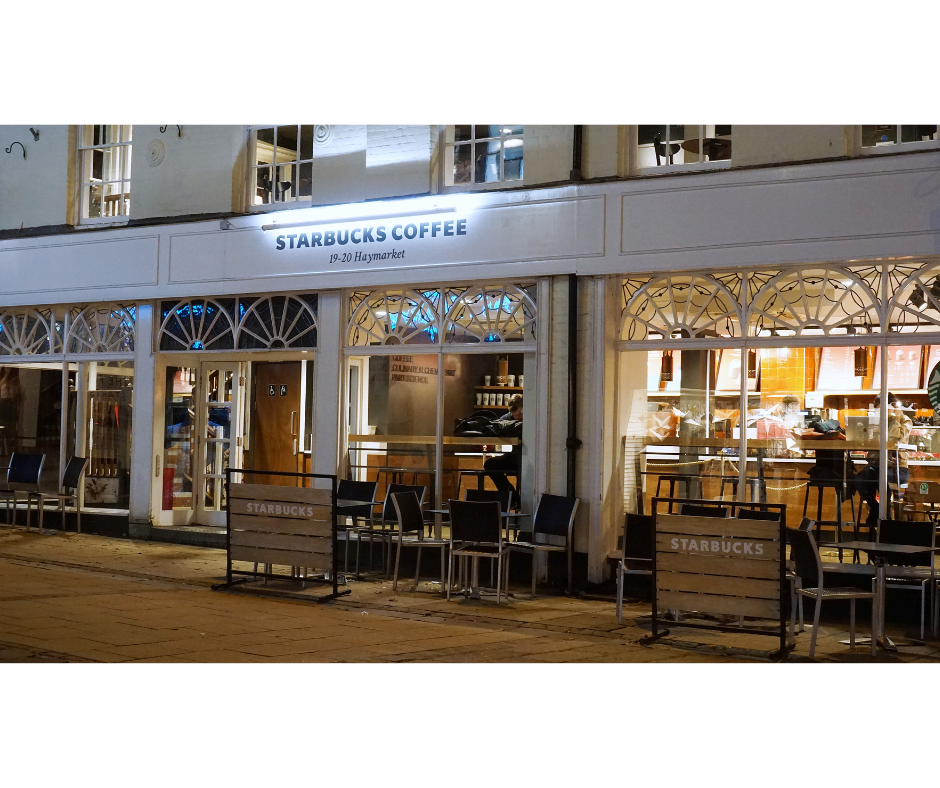
In Oldenburg’s mindset, third places were often neighborhood coffee shops, diners, bookstores, or pubs where people could linger without the pressure to spend much money. Today, corporations have seized on the idea of the third place and turned it into a marketing tool. Starbucks, perhaps the most famous example, explicitly branded itself as a “third place” in the 1990s, creating environments where customers could gather, work, or relax while enjoying a coffee. This idea caught on, and other brands, from Panera Bread to McDonald’s with its McCafé concept, began to position themselves as modern-day community hubs.

While these branded spaces often provide a consistent and welcoming experience – comfortable seating, free Wi-Fi, ambient music – they are inherently transactional. To enjoy these spaces, customers are typically expected to make a purchase. Unlike traditional third places, where lingering was often welcomed regardless of spending, these spaces come with an unspoken understanding: you’re welcome as long as you’re consuming.

Independent Third Places Face Challenges

As corporate third places have flourished, many independent, grassroots third places have struggled to survive. Local coffee shops, bookstores, and neighborhood bars often lack the financial resources to compete with large chains that benefit from economies of scale and brand recognition. Rising rents and changing consumer habits have also played a role, making it difficult for these smaller spaces to stay afloat.

The loss of independent third places has broader implications. These spaces often reflect the unique character of their communities, offering a sense of local identity and culture that branded third places can’t replicate. A family-owned café might host open mic nights or community discussions, fostering a sense of belonging that goes beyond the transactional. When these spaces disappear, communities lose not just a gathering spot, but a part of their cultural fabric.

The “Pay-to-Play” Model and Inclusivity

One of the most significant shifts in third places has been the introduction of financial thresholds for participation. While traditional third places often welcomed people from all walks of life, modern branded spaces tend to cater to specific demographics. The expectation to purchase a latte or sandwich in exchange for using the space creates a barrier for those with limited disposable income. For individuals who used to rely on free or low-cost community spaces, such as libraries or parks, this can make socializing more difficult.

This shift also raises questions about inclusivity. Oldenburg’s vision of third places emphasized their egalitarian nature – a pub or café where people from different socioeconomic backgrounds could meet as equals. In many branded third places, the design and pricing often cater to a more affluent clientele, making these spaces feel exclusive rather than welcoming to all.

The Commodification of Social Interaction

Another consequence of commercialization is the commodification of the very social interactions that make third places valuable. Today, spending time in a third place is often tied to lifestyle branding. A chic café with minimalist décor might appeal to young professionals or creatives, while a rustic microbrewery draws in a different niche. These curated environments encourage customers to identify with the space—and by extension, the brand—turning what should be a community-oriented experience into a carefully marketed product.

Additionally, many modern third places have introduced data-driven business models. For example, establishments offering free Wi-Fi might collect data on browsing habits or purchasing patterns, turning customers into sources of revenue beyond their coffee orders. This surveillance adds another layer of commercialization, subtly altering the experience of being in a third place.

The Positive Side of Commercialized Third Places

It’s not all bad news, though. The rise of branded third places has made these spaces more widely available and accessible in some respects. Chains like Starbucks have brought the concept of the third place to areas that previously lacked such gathering spots, particularly in suburban and rural regions. For people who value consistency and convenience, these spaces provide a reliable option for meeting friends, working remotely, or simply relaxing.

Corporate ownership has also brought attention to the importance of design and amenities in creating welcoming environments. Many branded third places invest in features like comfortable seating, good lighting, and thoughtful layouts, enhancing the overall experience. During challenging times, such as the COVID-19 pandemic, larger chains were often able to adapt quickly, offering mobile ordering, curbside pickup, and expanded outdoor seating – ensuring that third places remained accessible when people needed them most.

Striking a Balance

The commercialization of third places presents a complex picture. On one hand, branded spaces have made third places more widely available and have introduced new amenities that enhance convenience and comfort. On the other hand, the transactional nature of these spaces, their tendency to cater to specific demographics, and the decline of independent alternatives have raised concerns about inclusivity and authenticity.

As we move forward, communities and businesses alike will need to think critically about how to preserve the spirit of Oldenburg’s third places in an increasingly commercialized world. How can we create spaces that are welcoming to everyone, regardless of their ability to pay? How can we balance the convenience of branded third places with the cultural richness of grassroots ones? These are questions worth exploring if we want to ensure that third places remain vital parts of our social fabric.

Ultimately, the best third places – whether branded or independent – are those that prioritize connection over consumption, fostering a sense of belonging that goes beyond the bottom line. After all, it’s the people who make these spaces special, not the products they sell.


Other posts in this series:

Third Place Changes: The Shift from Physical to Digital Spaces & The Growth of Online Communities

Ray Oldenburg’s concept of the “third place” (the social environments that are separate from the “first place” of home and the “second place” of work) has evolved significantly over the past 35+ years, shaped by cultural, technological, and economic shifts. While Oldenburg’s books – The Great Good Place (1989) and Celebrating the Third Place (2000) – highlighted informal public spaces like cafes, bars, and parks as essential for community building and fostering social interaction, these spaces have been impacted by various factors over the last three decades. 

Today begins a series examining the changes that have and are occuring in third places. First up is a closer look at the shift from physical to digital spaces and the growth of online communities.


In the past 35 years, the concept of the third place has expanded beyond the traditional physical spaces that Ray Oldenburg originally described. This transformation is largely due to the rise of the internet and digital technologies, which have enabled new forms of interaction and community-building. Here’s a deeper dive into the shift from physical to digital spaces.

The Growth of Online Communities

Oldenburg’s third place was about informal public spaces where individuals could gather, relax, and build social connections outside of home and work. In the digital age, online communities have emerged as new forms of these third places, offering similar opportunities for connection, albeit without the need for physical proximity. Key factors include:

  • Social Media Platforms: Sites like Facebook, X, Instagram, and TicTok have allowed people to form and maintain relationships in virtual environments. These platforms create communities based on shared interests, hobbies, or experiences, replacing some of the functions of physical third places. For example, a Facebook group for photography enthusiasts can foster a sense of community in much the same way a local photography club would.
  • Forums and Discussion Boards: Reddit, one of the largest online forums, has thousands of “subreddits” (topic-based communities) where people engage in informal discussions. Subreddits function like virtual third places by facilitating regular, unstructured social interaction, much like a neighborhood café or pub might. Similarly, platforms like Stack Overflow or specialized online forums serve as gathering spaces for specific interest groups.
  • Video Games and Virtual Worlds: Online multiplayer games like World of Warcraft, Fortnite, or Animal Crossing have evolved into virtual third places where people not only play but also socialize. These games offer platforms for spontaneous conversations, casual interaction, and even real-world friendships, replicating the social environment of physical third places.

These online spaces transcend geographical barriers, allowing people from all over the world to interact, which has fundamentally changed how we think about community. Unlike traditional third places, which are typically local and require physical presence, digital third places allow for global, virtual connections that can be maintained in real time.

Hybrid Spaces: The Merging of Physical and Digital Worlds

Physical third places increasingly have a digital component, creating “hybrid spaces” where the physical and virtual worlds overlap. Several examples highlight this trend:

  • Cafés and Co-working Spaces with Wi-Fi: Traditional third places like cafés have evolved in response to the demand for connectivity. Wi-Fi access has turned these venues into hybrid spaces where people may engage in digital work or online conversations while physically sharing the space with others. For example, someone might sit in a café and participate in an online meeting while being surrounded by people doing the same, thus blending virtual and in-person interaction.
  • Smartphone Use in Physical Spaces: In third places such as parks, bars, or cafés, the use of smartphones has created a dual layer of interaction. People may be physically present in these spaces while simultaneously engaging in online conversations through messaging apps, social media, or video calls. This constant digital connection can, at times, diminish face-to-face interactions, but it also allows individuals to maintain multiple layers of social interaction (virtual and in-person) simultaneously.
  • Event Streaming and Digital Participation: Events that take place in physical third places, such as live music performances, talks, or meetups, are often streamed online or hosted simultaneously on platforms like Zoom or YouTube Live. This enables people who are not physically present to participate and engage with others attending virtually, creating a hybrid social environment. In this sense, third places are no longer confined to physical attendance; they now have digital extensions.
  • Augmented Reality (AR) and Virtual Reality (VR): Emerging technologies like AR and VR have started to blend the physical and virtual worlds even further. Apps like Pokémon GO, for instance, encourage people to go outside and interact with their physical environment while also engaging in a shared digital experience. In the future, VR environments could replicate the social dynamics of physical third places even more closely by creating immersive spaces where people can gather and interact with realistic avatars.

Changing Nature of Interaction

The move to digital third places has affected the nature and quality of social interactions. While online communities can provide valuable spaces for connection, they come with distinct differences compared to physical third places:

  • Anonymity and Pseudonymity: In many online communities, participants can remain anonymous or use pseudonyms, which can change the dynamics of social interaction. While this can encourage openness and honesty, it can also lead to superficial or less emotionally engaging interactions compared to the face-to-face connections fostered in traditional third places.
  • Global Scale: Online communities have no geographic boundaries, which allows people to interact with others from vastly different cultures and backgrounds. This is a significant expansion of Oldenburg’s concept, which was originally more localized. However, the global nature of online interaction can also mean that relationships in digital third places may lack the same depth and immediacy as local, physical third places.
  • Asynchronous Communication: Online third places often enable asynchronous communication, where participants don’t have to be online simultaneously to interact. Platforms like Reddit, email, or forums allow conversations to unfold over time, which differs from the real-time interactions in physical third places. This flexibility can be both a strength (as it accommodates people in different time zones) and a limitation (as it may lack the spontaneity of face-to-face exchanges).

Impact of Digital Third Places on Traditional Social Spaces

The rise of digital third places has led to some displacement of physical ones, but it has also enhanced the diversity of social spaces available to people:

  • Decline in Face-to-Face Interaction: With the ability to connect virtually, some people may feel less compelled to visit traditional third places. For example, rather than meeting friends at a local bar, individuals might prefer to socialize through a group video chat or online game, especially if those friends live far away.
  • Complementary Role of Digital Spaces: In some cases, digital third places complement rather than replace physical ones. For example, people might meet online in a Reddit group, then arrange in-person meetups at local venues, using the digital space as a tool to facilitate face-to-face interactions.
  • New Forms of Social Capital: Digital third places have given rise to new forms of social capital, particularly in online communities where trust and reputation are built through consistent interaction. Platforms like Reddit or gaming forums create a sense of belonging, where users establish identity and build relationships based on shared interests or goals, even though they may never meet in person.

While traditional physical third places still exist and remain essential, the rise of digital spaces has expanded and diversified where and how people engage in informal social interaction. These online and hybrid spaces meet many of the same needs as Oldenburg’s original concept – offering a sense of community, belonging, and unstructured conversation – while adapting to the realities of a more connected, yet geographically dispersed, modern world. Digital third places are not mere replacements for physical spaces but have become an integral part of the broader ecosystem of how humans connect and interact.


Celebrating the Third Place: Ray Oldenburg’s Refinement of Community Spaces


Nationwide, more and more entrepreneurs are committing themselves to creating and running “third places,” also known as “great good places.”

In his landmark work, The Great Good Place, Ray Oldenburg identified, portrayed, and promoted those third places. Ten years after the original publication of that book, Oldenburg wanted to celebrate the many third places that dot the American landscape and foster civic life.

Celebrating the Third Place brings together fifteen firsthand accounts by proprietors of third places, as well as appreciations by fans who have made spending time at these hangouts a regular part of their lives. Among the establishments profiled are a shopping center in Seattle, a three-hundred-year-old tavern in Washington, D.C., a garden shop in Amherst, Massachusetts, a coffeehouse in Raleigh, North Carolina, a bookstore in Traverse City, Michigan, and a restaurant in San Francisco.


Ray Oldenburg’s Celebrating the Third Place (2000) builds upon the ideas introduced in his earlier work, The Great Good Place (1989), and refines the concept of third places. While The Great Good Place laid the theoretical groundwork for understanding the importance of informal gathering spaces in fostering community, Celebrating the Third Place offers a more practical examination of these spaces. Through real-world examples and case studies, Oldenburg highlights how third places function in various cultural contexts and emphasizes their potential to revitalize and strengthen communities. This article will explore how it refines the concept of third places, and discuss its continuing impact on urban planning, social sciences, and community development.

In the aftermath of World War II, a significant shift occurred in American urban landscapes, dramatically impacting the existence and survival of “third places” – those informal public gathering spaces essential for community building. These places, often locally owned, independent, and small-scale businesses, have faced increasing challenges due to changing urban planning paradigms, economic pressures, and evolving social habits.

The Rise of Chains and Unifunctional Zoning

One of the primary culprits in the decline of third places has been the emergence of chain establishments, coinciding with the implementation of unifunctional zoning policies. This zoning approach, which separates residential areas from commercial ones, has forced Americans to rely heavily on cars for even the most basic errands. As a result, people now drive to strips and malls where only large chains can afford to operate, effectively squeezing out smaller, local businesses.

Before the advent of unifunctional zoning, communities were designed with a mix of residential and commercial spaces. Small stores, taverns, offices, and eateries were within walking distance for most town and city dwellers, forming the backbone of community life. These businesses typically served customers within a two or three-block radius and thrived in this localized ecosystem. However, the introduction of negative zoning created an environment where impersonal chain operations could flourish at the expense of independent establishments.

The Human Element: Public Characters vs. Corporate Policies

The shift from local independents to chain establishments has had profound implications for community dynamics. Many operators of mom-and-pop stores were what Jane Jacobs called “public characters” – individuals who knew and cared about everyone in the neighborhood. These figures played crucial roles in maintaining community cohesion, keeping an eye on children, monitoring neighborhood safety, and facilitating the flow of important local information.

In stark contrast, chain establishments often prioritize efficiency and standardization over community engagement. High employee turnover rates and corporate policies discouraging casual interactions with customers have eroded the personal connections that once defined local businesses. This shift has resulted in a less personalized, less engaged community experience.

Urban Planning and the Retreat to Private Spaces

Decades of poor urban planning have further exacerbated the challenges faced by third places. The public sphere has become increasingly inhospitable and difficult to navigate, encouraging a trend towards “nesting” or “cocooning” – the tendency for people to retreat to the comfort of their private homes. As homes have become better equipped, more comfortable, and more entertaining, the appeal of venturing out into public spaces has diminished.

This domestic retreat presents a significant challenge to movements like Traditional Town Planning or the New Urbanism, which aim to restore community and public life through architectural and layout principles reminiscent of the 1920s. However, the effectiveness of these approaches in isolation is questionable. Examples of well-designed public spaces failing to attract people suggest that architectural solutions alone may not be sufficient to revitalize community life.

The Digital Age and Its Impact

The rise of personal computers and internet connectivity has further complicated efforts to promote public life. Many people now spend significant time online, whether for work, entertainment, or social interaction. This digital engagement often comes at the expense of face-to-face community interactions, presenting yet another obstacle to the revival of third places.

Hope for Revival: The Harrisburg Example

Despite these challenges, there are examples of successful efforts to revitalize public life and support third places. The city of Harrisburg, Pennsylvania, offers an inspiring case study. Following years of economic stagnation and natural disasters, Harrisburg embarked on a concerted effort to promote community spirit and street life.

Key to Harrisburg’s success was the city government’s supportive approach to new, independent businesses. By recognizing and rewarding establishments that contributed to the city’s betterment, Harrisburg created a welcoming environment for entrepreneurs and community builders. This approach, combined with the preservation of walkable, human-scale architecture and mixed land use, has resulted in a vibrant public life that larger cities might envy.

The Loss of Community Time

A final consideration in the struggle for third places is the loss of what could be called “community time.” The replacement of a post-work free hour with commuting time has had a significant impact on community cohesion. Where people once had time to engage with their community before returning home, they now often spend that time isolated in their cars, fostering frustration rather than connection.

The challenges facing third places in modern America are numerous and complex, ranging from urban planning decisions to economic pressures and changing social habits. However, the importance of these spaces for community building and social cohesion remains as vital as ever. Success stories like Harrisburg demonstrate that with intentional effort and supportive policies, it is possible to create and maintain vibrant third places.

As we move forward, it is crucial to recognize the value of these spaces and work towards creating environments that foster their development. This may require rethinking our approach to urban planning, supporting local businesses, and actively encouraging community engagement. By doing so, we can hope to preserve and revitalize the “stuff of community” that third places provide, enriching our social fabric and improving the quality of life in our towns and cities.


How to Celebrate “Good Neighbor Day” in One Step

What would we see if we could peek inside our typical American neighbor’s home? On an average day, your neighbors spend:

  • 8 hours and 44 minutes sleeping
  • 48 minutes showering, dressing, and putting on makeup
  • 7 hours and 33 minutes working, for the 41 percent of our neighbors who work
  • 74 minutes eating
  • 5 hours and 15 minutes for leisure and sports
  • 18 minutes exercising

These statistics are a few years old, but a quick scan of more current data seems to back them up.

On the other hand, here are some more recent stats that point to a troubling trend in the U.S.:

  • Users of all ages spend an average of 3 hours and 57 minutes per day on phones, tablets, and computers
  • Users of all ages spend another 4 hours and 37 minutes in front of a TV

Even if you take away time that your neighbors are online but don’t use social network sites, the average time drops to “only” two hours a day. If you do the math, at 2 hours a day x 366 days a year (it’s a Leap Year, folks), that’s almost 31 days a year with our faces buried in a small screen.

By the way, did you know Saturday September 28 is Good Neighbor Day?

Here’s the single best thing you can do to celebrate:

Power down all your devices, leave them in your house, and step outside to say “hi” to your neighbors.

In person.

Technology makes it easy to connect online, but our goal is to connect in real life.

Amy Lively, How to Love Your Neighbor Without Being Weird

As Amy Lively states it so well, “God has carefully placed us in our neighborhoods. He planned your neighborhood long before your Homeowner’s Association Handbook or your town’s zoning committee. He planted you on your street, on your block, in your house for a specific reason, which is explained here:

From one man he made all the people of the world. Now they live all over the earth. He decided exactly when they should live. And he decided exactly where they should live. God did this so people would seek him. Then perhaps they would reach out for him and find him. They would find him even through he is not far from any of us.

Acts 17:26-27, NIrV

The reason God is not far from our neighbors is that He is in each one of us. Each of us will have to stand before Him and tell Him how we loved our neighbors.

Jesus loves your neighbors.

He stepped down from heaven to save them.

All you have to do is walk across the street to meet them.


Inspired by and adapted from How to Love Your Neighbor Without Being Weird, by Amy Lively