
I have had a job – received payment in exchange for labor – in some capacity since age 6, beginning in 1964.
My formative years were spent in my father’s gas station – beginning with keeping the coal stove burning with coal brought in from the pile out back of the station and other small tasks. A wide range of responsibilities dealing with every part of a gas station followed over the next twelve years, ending in my senior year of high school as “Assistant Manager” (more of an honorarium than actual title, but what 18-year old wouldn’t like that?). Upon graduation from high school, my father fired me – just as he had every other “boy” who worked for him during their high school years since 1949 – and told me to find a “real” job for the summer before I entered college in the fall.
That summer I worked the third shift at the Aladdin factory, making thermos bottles – the old fashioned, vacuum-glass ones. Not-so-affectionately called “the Glass House,” the temperatures hovered around 120° if you moved outside of the 18” column of cool air blowing down on your work area. While I appreciated that kind of work, it wasn’t for me – which is exactly what my dad wanted me to learn.
In college I worked part-time in the office of the Economics Department for four years. During my senior year, and after graduation, I worked part-time as an accountant for a food processing plant.
I have had a job in a full-time capacity (hours) since age 23, starting in 1981. Upon beginning my seminary studies, I worked part-time as an audiovisual technician for the seminary and as a part-time staff member for a church, while carrying a full academic load.
Upon graduation, I officially began a full-time job for the same church, then serving two additional churches over the next 23 years. In 2004 I began working as a consultant to the church, in two different companies, for the next 21 years.
Friday, February 28, 2025 was my final day “on the job” – 61 years, or 44 years, depending on how you measure it, of having a job.
I had not anticipated my position being eliminated, but I fully accept this time in my life, and acknowledge with gratefulness God’s sovereignty and direction in and for my life.
I’m not finished having a job, but I understand that how “work” is defined is changing for me.
As of right now, I plan to retire sometime in 2025. “Retirement” in this sense means I will acknowledge and accept the formal status determined by laws and the government.
It does not mean I will stop working.
Many leaders view retirement – whether a few months, years, or decades away – as a finish line.
But increasingly these leaders, especially for those who are closer to retirement, are finding that being too young to retire but too old to find a job has become a critical issue.
Many of us feel like we’re growing whole rather than growing old. What if there was a new, modern archetype of elderhood, one that was worn as a badge of honor, not cloaked in shame?
Chip Conley
Enter the concept of a Modern Elder.
“3D vision” refers to the effect of our brains merging the two dimensional images from both our eyes to interpret depth, thus “seeing” in 3 dimensions: length, width, and depth.
I’d like to borrow that definition and create a new metaphor: A vision of a Modern Elder that utilizes 3 representations of time: past, present, and future.
- Past is history
- Present is reality
- Future is opportunity
History – Every past success and failure in your life can be a source of information and wisdom – if you allow it to be. The wise Modern Elder has learned both from success and failure, and realizes there will be more of both. Don’t be satisfied with your successes, and don’t be dismayed by your failures. History is important: it is not a rock to weigh you down, but a bridge to build the future.
Reality – No matter what we learn from the past, it will never tell you all you need to know for the present. The wise Modern Elder is constantly gathering information from many sources about what’s going on in the here and now – because that’s where we are at. They ask others on their team, they talk with their family and friends; they look to other wise people of all ages for insight. Though formal schooling may be long in the past, it’s always important to continually be students of the people surrounding you.
Opportunity – Wise Modern Elders should strive to see tomorrow before it arrives. They have a vision for a preferable future, they understand what it will take to get there, they know who they will need to become in order to be successful, and they recognize obstacles long before they become apparent to others.
Wise Modern Elders will understand the three dimensions of past, present, and future, and realize they are not an illusion, but a powerful force that will help them reach their real depth and dimension, and in doing so, help others do the same.
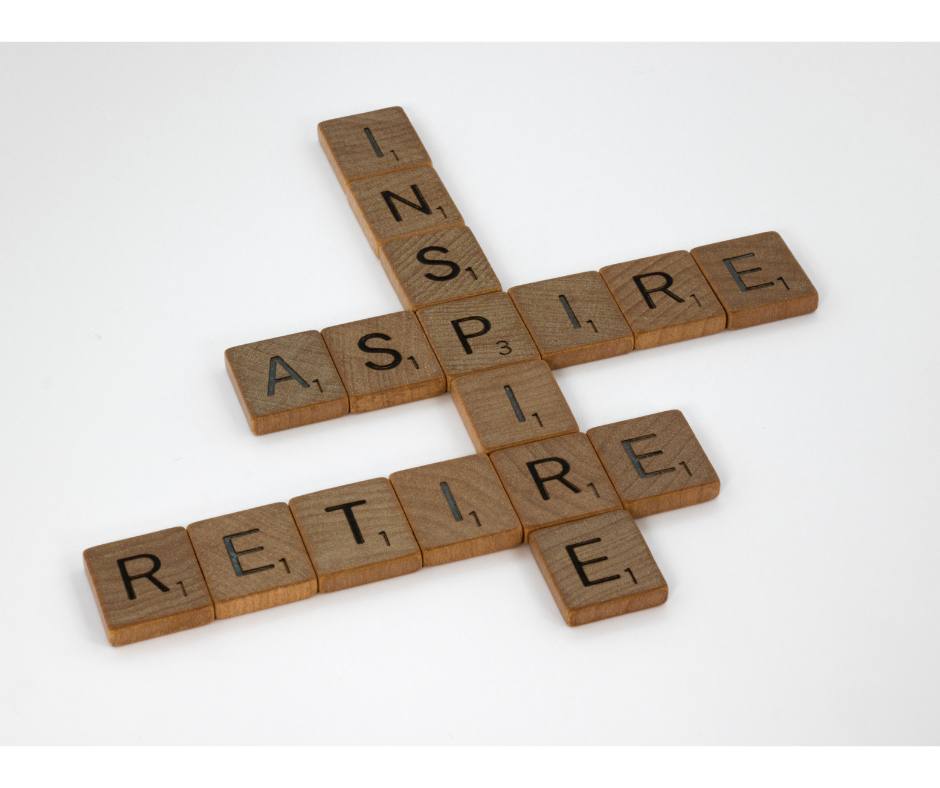
My journey to becoming a Modern Elder is all about reciprocity.
Giving and receiving. Teaching and learning. Speaking and listening.
Everyone gets older, but not everyone gets elder.
The first just happens (if you’re lucky and healthy). The other you have to earn.
The traditional view of elders as repositories of wisdom, passing down knowledge to younger generations, has been upended by the breakneck pace of technological change. Yet, the need for wisdom, context, and perspective has never been greater. Modern Elders bridge this gap, combining years of experience with a willingness to learn, adapt, and engage with new ideas and technologies.
Our world is awash in knowledge, but often wanting in wisdom. To stay relevant, it’s not just about learning something new, it’s also about learning new ways to access the information at our fingertips.
Chip Conley
Retirement doesn’t have to be the last great thing a leader does. It can be the gateway to a leader’s greatest season of influence.

 27gen.com