
The natural world often provides powerful metaphors for understanding human relationships. Two remarkable tree species – aspens and redwoods – offer particularly compelling lessons about connection, resilience, and growth. By examining how these trees thrive, we can gain insights into building and nurturing meaningful relationships.
Aspen Trees: The Power of Underground Connection

What appears to be a forest of individual aspen trees is actually a single living organism. Each “tree” is a stem sprouting from an extensive underground root system. This phenomenon, called a clonal colony, means that aspens are among the largest and oldest living organisms on Earth.
Lessons from Aspen Relationships:
Deep, Invisible Connections
Like aspen root systems, the strongest relationships often have connections that run deeper than what’s visible on the surface. The foundations of trust, shared history, and mutual understanding may not be apparent to outside observers but provide essential stability.
Collective Resilience
When one aspen stem faces challenges—whether drought, disease, or fire—resources are redirected through the root system to support it. Similarly, healthy relationships involve stepping up during difficult times, offering emotional support, practical help, or simply presence when partners face hardship.
Growth Through Diversity
Aspen colonies thrive by sending up stems of different ages and sizes. This diversity ensures the colony’s survival through varying conditions. Relationships flourish when we appreciate and leverage our differences rather than expecting uniformity.
Communication Networks
Aspens share nutrients and chemical signals through their roots. This underground “conversation” helps the colony respond to threats and opportunities. Open, honest communication serves a similar purpose in human relationships, allowing for coordinated responses to life’s challenges.
Redwood Trees: The Strength of Community
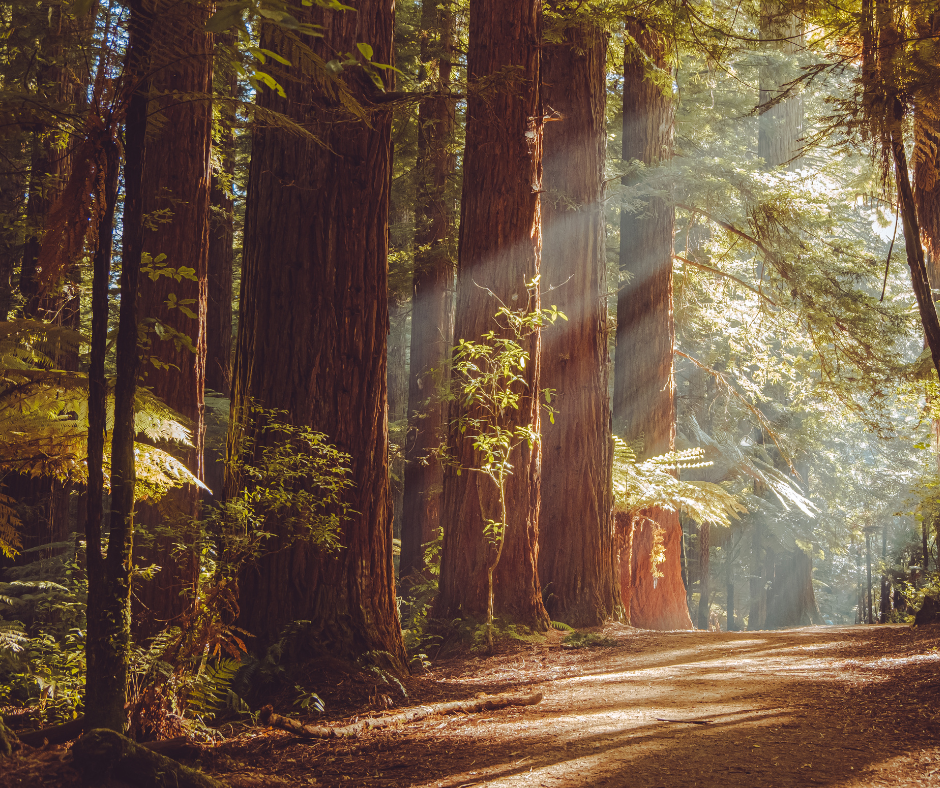
Coastal redwoods, the world’s tallest trees, offer different but equally powerful relationship metaphors. Despite their immense height (potentially exceeding 350 feet), these giants have surprisingly shallow root systems. Their secret? The roots interlock with neighboring trees.
Lessons from Redwood Relationships:
Strength Through Interdependence
Redwoods stay upright during storms because their roots intertwine with neighboring trees, creating a supportive network spanning acres. This teaches us that independence and interdependence aren’t mutually exclusive—the strongest individuals often have the most robust support networks.
Creating Protected Space
Redwood groves create their own microclimate, capturing fog and moderating temperature. The interior of a redwood forest feels distinctly different from surrounding areas. Healthy relationships similarly create a “microclimate”—a safe space where both parties can thrive away from external pressures.
Patience and Longevity
Redwoods can live over 2,000 years, growing steadily through centuries. This reminds us that meaningful relationships aren’t built overnight. The most rewarding connections develop through consistent care and attention over time.
Regenerative Capacity
Redwoods can sprout new trees from fallen trunks or roots, demonstrating remarkable regenerative ability. Similarly, healthy relationships can recover from setbacks, sometimes growing stronger through the process of healing and renewal.
Cultivating Tree-Inspired Relationships
How can we apply these natural metaphors to strengthen our own relationships?
Nurture Root Systems – Just as trees invest energy below ground, invest in the invisible foundations of your relationships. Create shared experiences, develop trust through reliability, and establish meaningful traditions that strengthen your connections.
Practice Resource Sharing – Trees share nutrients through their roots, ensuring collective survival. In relationships, share your resources—whether time, emotional support, knowledge, or practical assistance—especially when your partner faces challenges.
Embrace Interdependence – Recognize that seeking support isn’t weakness but wisdom. Like redwoods interlocking roots, allow your support networks to bolster you, and offer the same to others.
Create Safe Environments – Just as tree canopies create protective microclimates, foster environments where vulnerability, authenticity, and growth are encouraged. Be intentional about creating spaces where relationships can flourish.
Take the Long View – Trees measure growth in decades, not days. Similarly, nurture your relationships with patience, recognizing that meaningful connections develop and deepen over time.
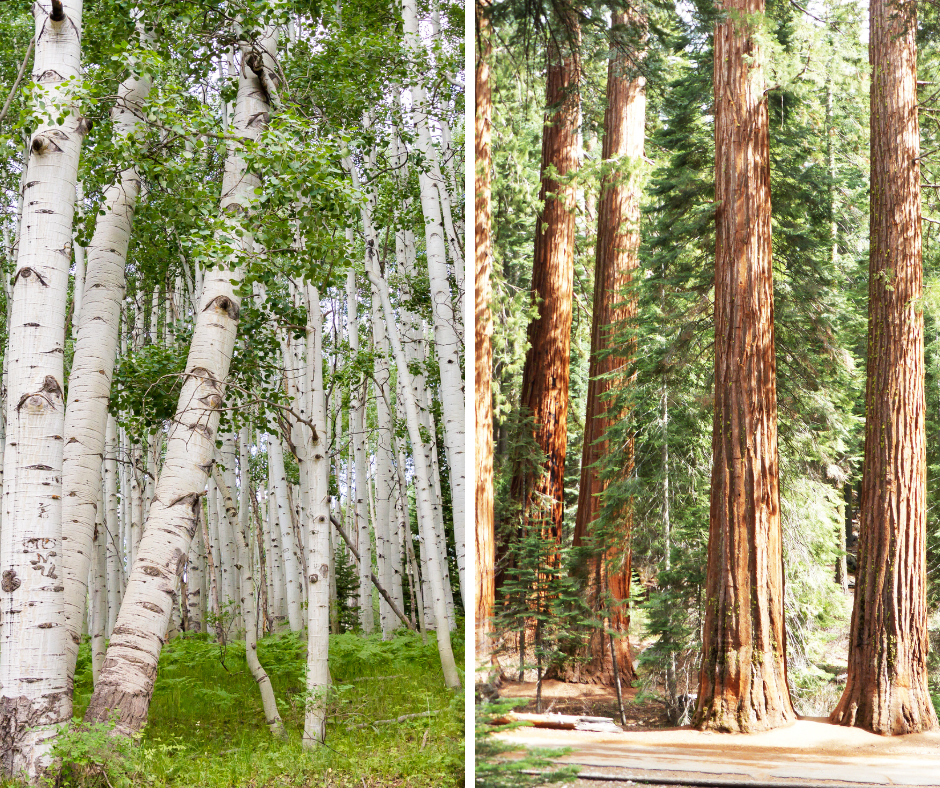
Aspen and redwood trees remind us that the strongest living things on our planet thrive not through isolation but through connection. Whether through the aspen’s hidden root system or the redwood’s interlocking network, these trees demonstrate that resilience comes through relationship.
By applying these natural metaphors to our own lives, we can build connections that weather storms, adapt to changing circumstances, and provide mutual support for decades to come. Like these magnificent trees, we grow stronger together than we ever could alone.
 27gen.com